
Gruz Market in Dubrovnik: The Harbour Market Guide

Gruz market is Dubrovnik's largest market, an everyday spread of stalls in the Gruž harbour area rather than in the walled Old Town. It sits beside the main port and the Libertas bus station, which makes it the handiest food stop in the city for anyone arriving or leaving by bus or ferry. This guide covers what the market is, where it sits, how it relates to the Old Town, and what to look for.
Come expecting a working market, not an attraction: stalls, local shoppers, and no ticket desk or turnstile. Give it twenty to thirty minutes unless you are provisioning for a flat or a boat.
What Gruž Market Is
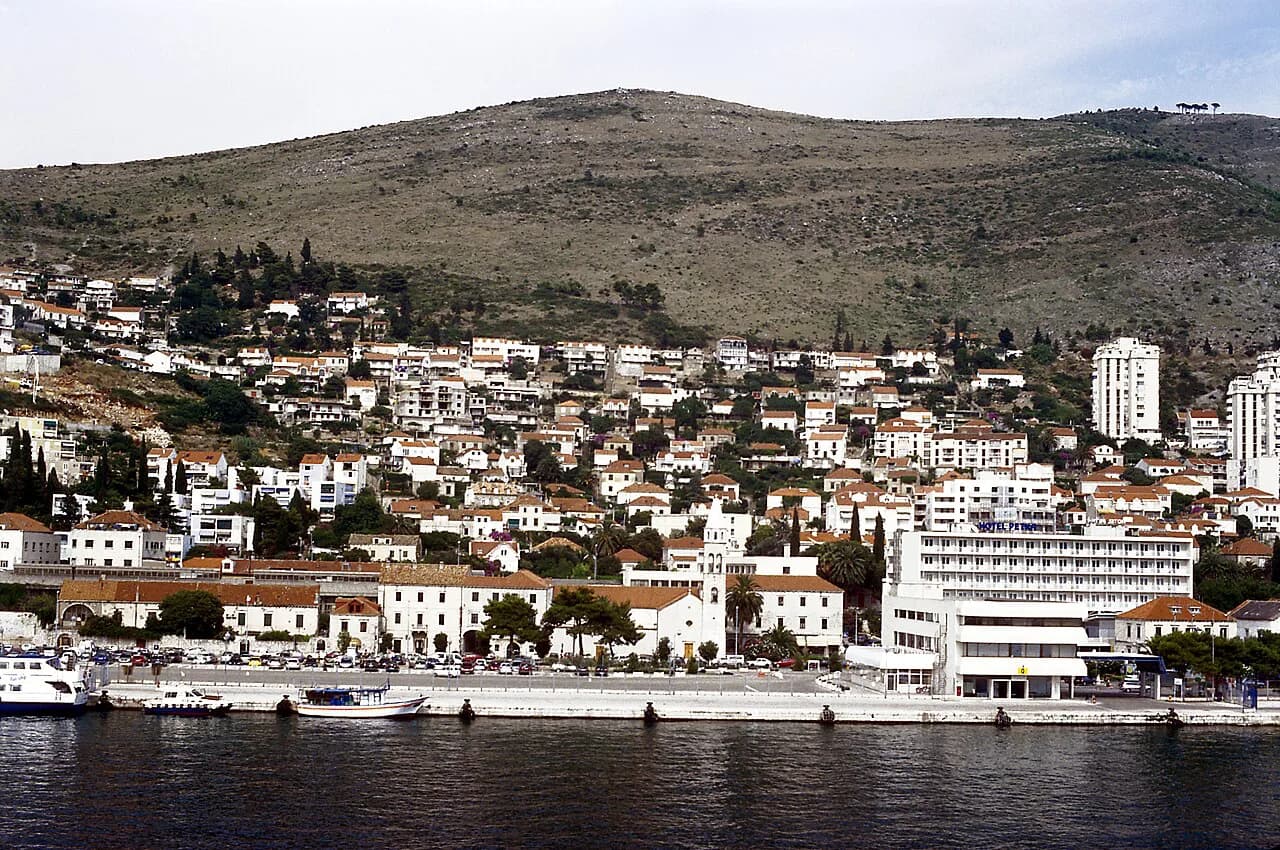
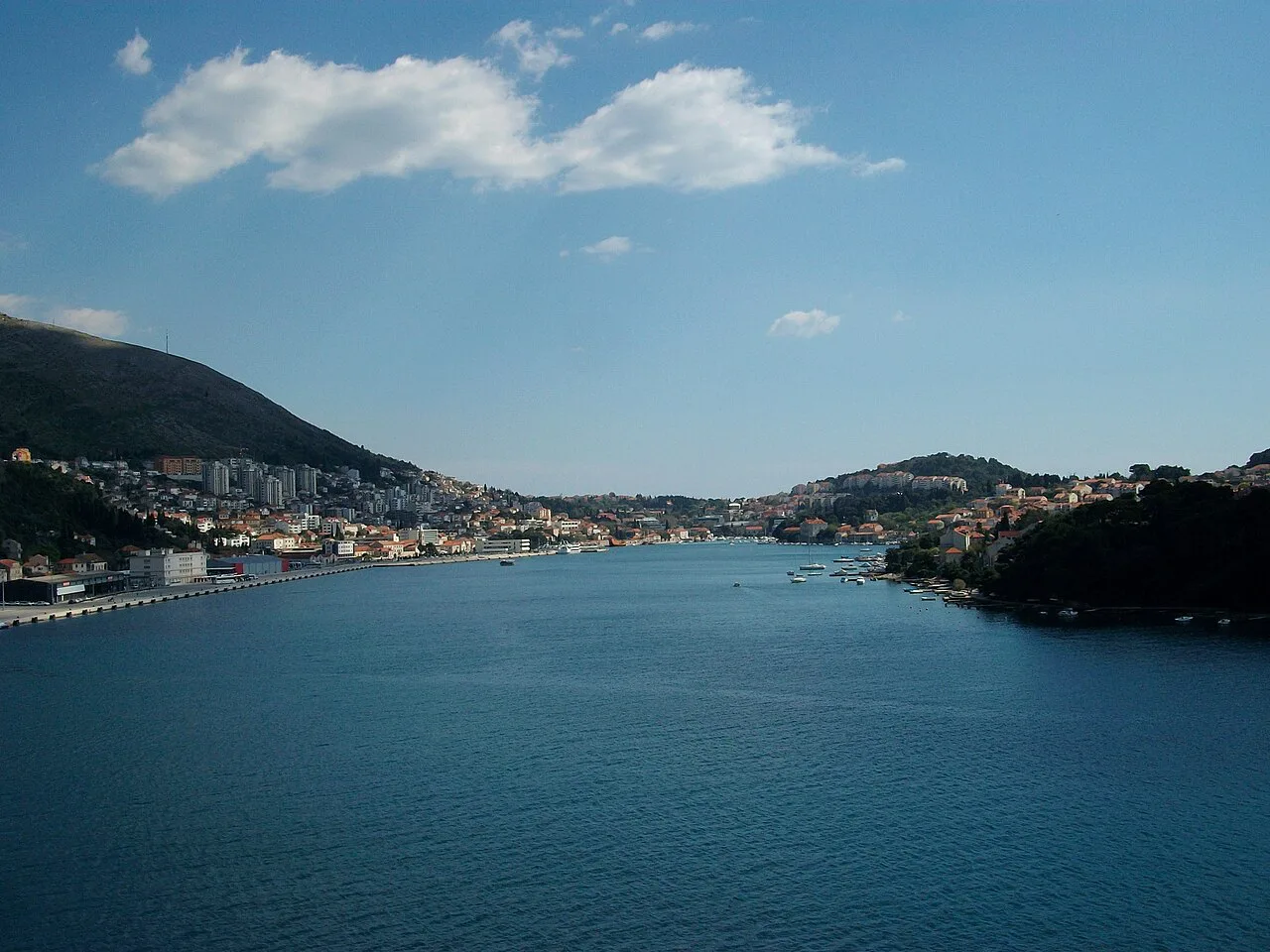
The market in Gruž is the city's main one, and Gruž itself is the district that holds Dubrovnik's principal port along with its biggest market and the Libertas bus station. Gruž also sits at the entrance to Port Ombla, the deep inlet that gives the harbour its shelter. That combination of port, market and bus terminal is why the area feels busy and functional rather than picturesque.
Think of it as the place locals shop rather than a stop on a sightseeing route. It is an open-air working market, and you simply walk in among the stalls. If you want the Old Town's own morning market instead, that is a separate trip.

Where It Is: Obala Stjepana Radića
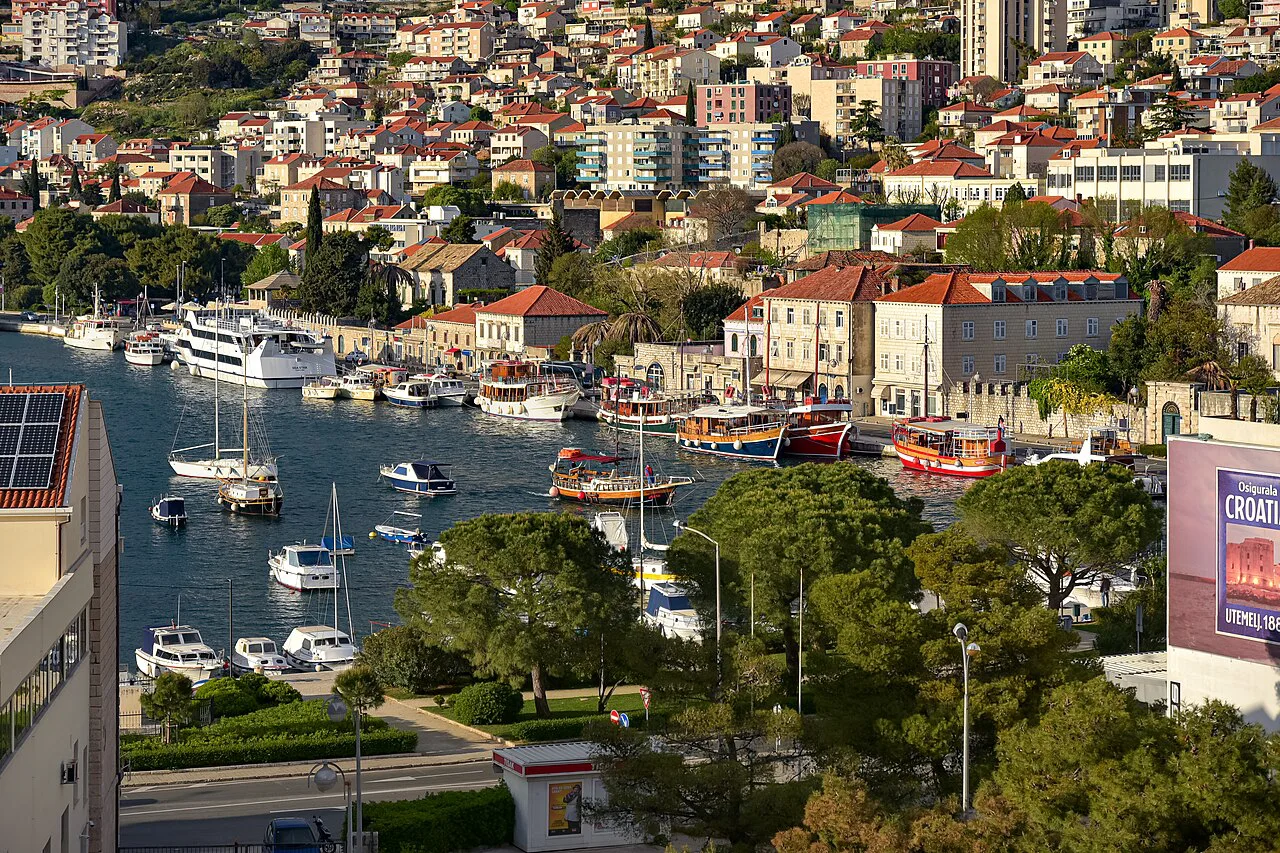
The market sits on Obala Stjepana Radića, the waterfront road that runs along the Gruž harbour in Dubrovnik. It is the same stretch that serves the port and the bus station, so you will see luggage, delivery vans and shopping bags in roughly equal measure. Photographs of the market show open-air stalls set out along this road beside the water.
Because the market, the port and the bus station share the same compact area, you can shop, drop your bags and catch a coach without crossing town. That is the practical argument for building it into a departure morning.

Getting There from the Old Town and Pile
Gruž lies west of the Old Town, around the bay from the Pile gate. Local buses run the short hop between the two, and the same services call at the bus station beside the market; ask at your accommodation which line to take from the nearest stop, since route numbers change. A taxi is quick and cheap enough for two or more people sharing.
On foot it is a longer walk than the map suggests because you follow the curve of the harbour, so most visitors pair the market with a bus or ferry rather than treating it as a stroll from the Stradun. If you are already in Gruž for a coach or a boat, you are effectively there.
What Is Sold at the Stalls
This is a produce market first: fresh vegetables, fruit and fish, the everyday shopping of a Dalmatian port, sold from open-air stalls. The mix follows what is in season rather than a fixed list, so what you find in July will not be what you find in November. Bring a bag and buy what looks good that morning.
For a picnic, this is the place to assemble tomatoes, fruit, bread and cheese before a ferry or a day on the water. Fish is the other draw, and a holiday flat with a kitchen turns a bag of the morning's catch into the cheapest good meal of the trip. Cooking it simply, with olive oil and a glass of local white, is the point.
How the Market Works
Stalls are open-air and set out along the harbour road. Croatia uses the euro, so bring cash in euros and a foldable bag for whatever you buy.
Go in the morning if you want the fullest stalls and the best choice. Arrive before the coach crowds build if you want to browse without a suitcase at your ankles.
What to Do Nearby
The harbour itself is the main companion to a market visit: ferries and catamarans come and go, and the waterfront makes a pleasant place to eat whatever you have just bought. The Libertas bus station is right there for onward travel to Split, the airport and the rest of the coast.
If you would rather sit down than self-cater, the Old Town has the well-known seafood addresses, including Lokanda Peskarija by the old harbour, and Konoba Pupo, Dubrovnik for something homelier. Both are a bus ride away rather than a walk from the market stalls.
Who Gruž Market Suits
The market rewards self-caterers, picnickers, boat crews and anyone with a coach to catch. It is also good for travellers who want to see how Dubrovnik actually shops once you leave the Stradun behind. Couples and families with a kitchen will get the most out of it.
It does not suit anyone hoping for a full morning out. There is no spectacle and no guided tour, and the setting is a working port road rather than a pretty square. Treat it as a twenty-minute errand with a real payoff, then move on.
Should You Build Gruž Market into Your Day?
Yes, if you are self-catering, packing a picnic or passing through the port and bus station anyway. The market gives you fresh produce and fish in the same spot as your transport, and it shows a side of Dubrovnik that the Old Town hides.
Skip it if your day is built around the Stradun and the walls, where the Gundulićeva Poljana market covers the same ground more conveniently. Either way, you have a clear choice: a working harbour market with a purpose, or a browse between sightseeing stops.
Frequently Asked Questions
Is there a market in Dubrovnik?
Yes. Gruž holds Dubrovnik's main market, with produce and fish stalls along Obala Stjepana Radića beside the port and the Libertas bus station. The Old Town also has its own market at Gundulićeva Poljana.
Is Gruž market free to visit?
It is a working open-air market, so you walk among the stalls and pay for whatever you buy. Croatia uses the euro, so bring cash in euros.
How long should I spend at Gruž market?
Twenty to thirty minutes is enough for most visitors, longer if you are provisioning a flat or choosing fish. It works best combined with a ferry, a coach or a walk along the harbour.