Pula Restaurants: Where to Eat, by Area and Budget
A practical guide to Pula restaurants, from seafood lunches above the fish market to konobas off the beaten track, with what to order and how to choose.
On this page
Pula is a seafood town first and foremost, so the safest order in almost any restaurant here is the grilled fish or a mixed seafood platter. Local kitchens work with Istrian catch, Istrian olive oil and a short wine list built on Malvazija, and the best-value meals tend to sit away from the old-town terraces. This guide sorts the places worth knowing by area, occasion and budget, and names the dish to order at each.
You can eat well on a cheap lunch of ćevapi near the market, on a long seafood lunch on a balcony above the fish market, or on a slow-cooked konoba dinner that needs a day's notice. Between them they cover the spread of Pula eating, from neighbourhood grills to cliffside tables with a sea view.
What Pula restaurants are good at
Fresh Istrian seafood is the reason to eat out in Pula. Grilled white fish, squid, prawns, mussels and langoustines turn up on most menus, and mixed seafood platters for two are a standard way to try several at once. Istrian cooking also leans Italian, with pasta and risotto alongside the fish, though the grilled plates are the stronger choice.
Wine is part of the meal here. Istria is known for Malvazija, a full, rounded white with floral and fruit notes, and for Chardonnay that is typically dry and unoaked rather than buttery. Both suit grilled fish, so a glass of local white is a low-risk order even in a modest konoba.
Grilled meat is the other half of the picture. Ćevapi, grilled minced-meat rolls, come with flatbread, onion and relish, and they are the classic cheap fill. Pork skewers and chicken wrapped in ham appear on grill menus, usually with fries and bread, and portions are generous.
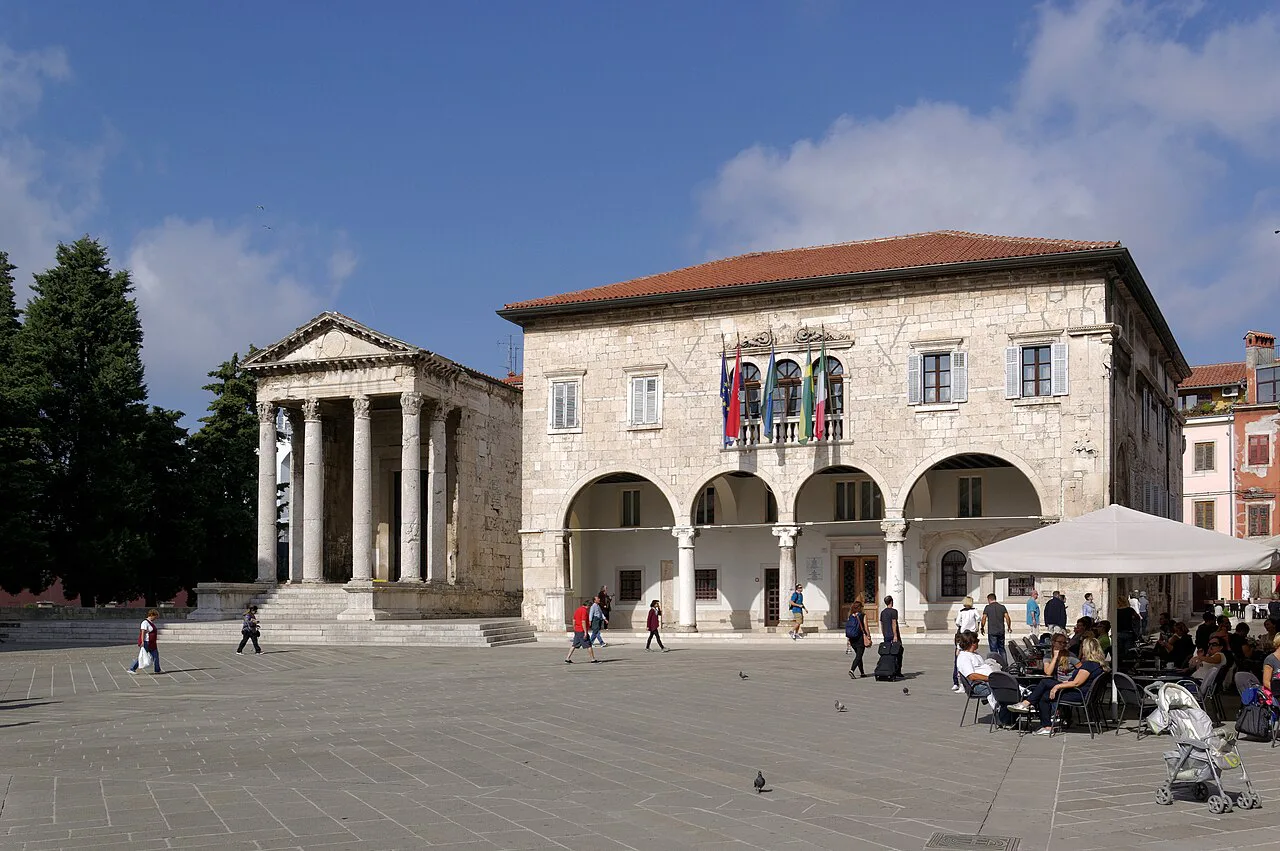
Where to eat in Pula: the picks by area, occasion and budget
Use this as a quick sort before you book. In the centre and around the market, Restaurant La Vita, Restoran Stari Grad and Pečenjara Brod cover a market lunch above the fish stalls, a special seafood dinner and a budget bite respectively. Near Marina Veruda, Restaurant Admiral is the neighbourhood seafood choice; further out, Konoba Istriana needs a call ahead; and Bonaca sits by the water with plenty of outdoor seating. Prices and opening hours change through the season, so it is worth checking the latest details directly with each restaurant before you travel.
For a wider set of fish-first options across the city, our guide to the Seafood Restaurants in Pula goes deeper on the catch, the platters and the settings. If you are staying inside the historic core, the Pula Old Town Restaurants guide covers the streets between the Forum and the amphitheatre in more detail.
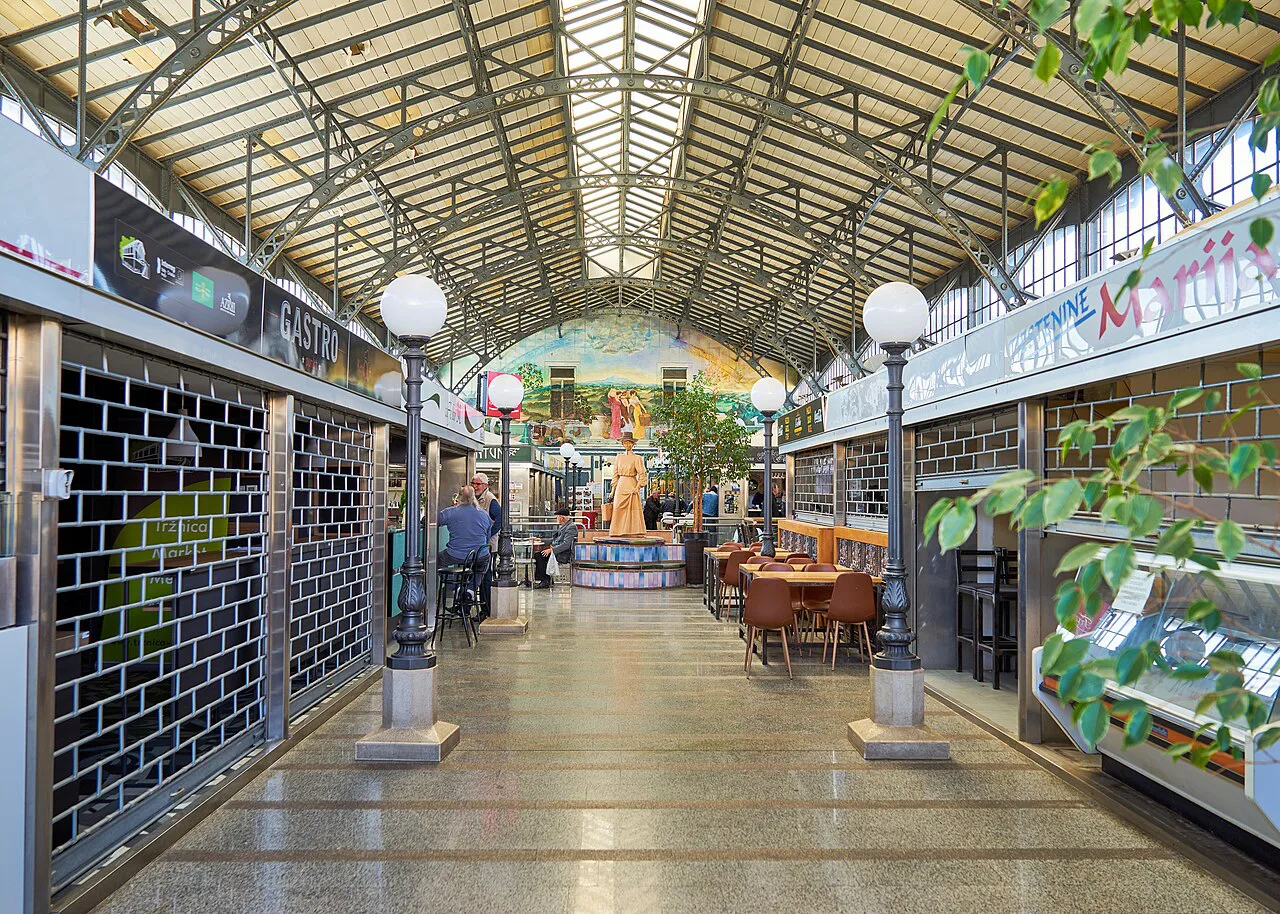
Seafood and Istrian cooking in the centre: Restoran Stari Grad
Restoran Stari Grad is a centre address for Istrian seafood, recommended by hotel staff and busy with locals who know the chef. The mixed grilled seafood plate is the order: a large spread of grilled fish and calamari that is comfortably enough for two hungry people.
Treat it as a sit-down dinner rather than a quick bite. The plate is big, the pace is unhurried and the wine suggestions tend to be local, so book it for the evening you want to eat properly.
A modern stop for local white fish: Epulon
Epulon is the modern counterpoint to Pula's older seafood places, with a relaxed bar feel and a kitchen that handles local fish well. Order the white fish, a classic Istrian plate, and let the staff steer you on wine. It is also a useful choice on a Sunday, when a fair number of Pula restaurants shut.
The trade-off is atmosphere over ceremony: this is a place to eat well without a long, formal dinner.
Lunch above the fish market: Restaurant La Vita
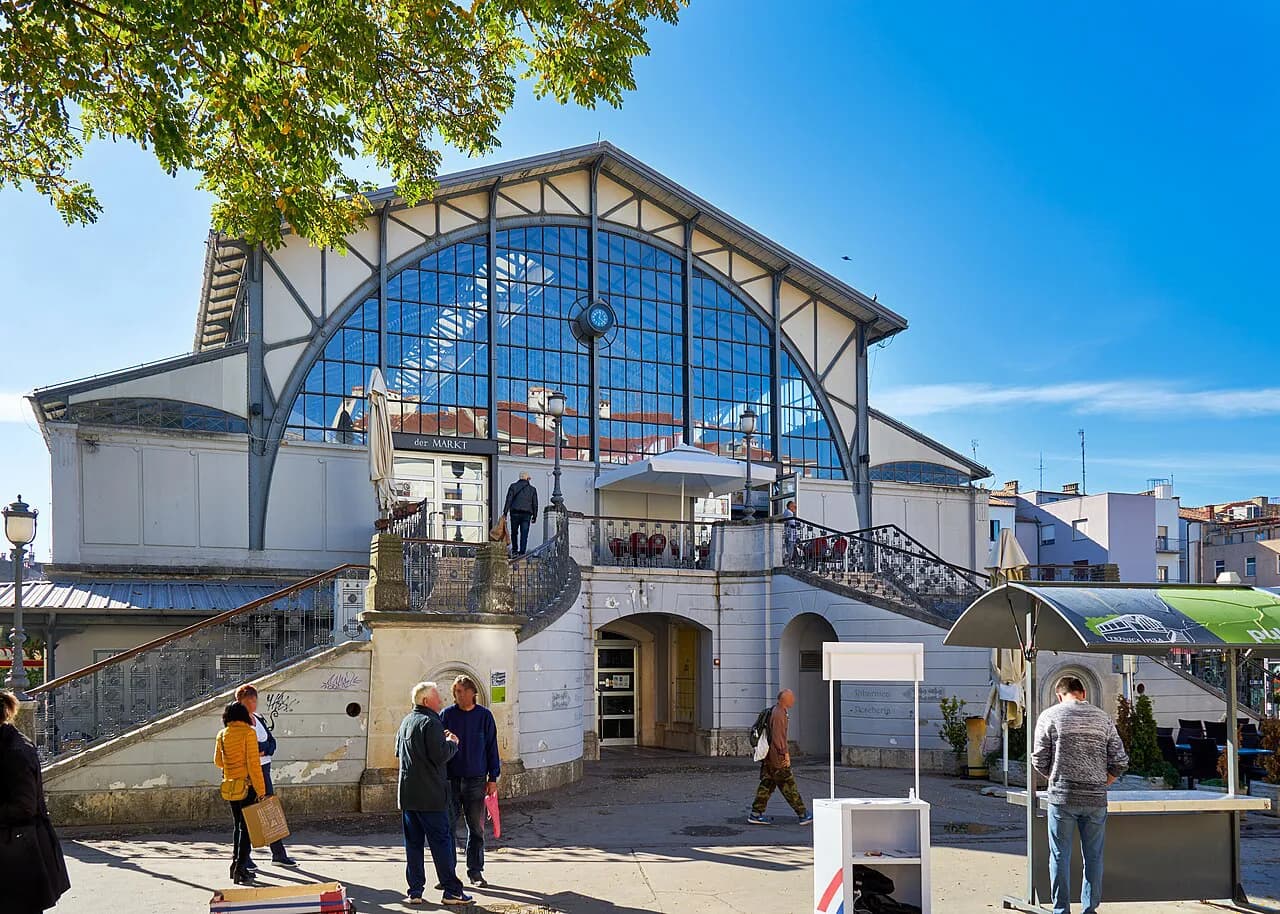
Restaurant La Vita sits on the upper floor of the indoor food market, close to the Ribarnica, the fish market. It specialises in fresh local seafood and has both a balcony and an indoor room; the balcony is the seat worth asking for, because you look down on the market's comings and goings while you eat.
Order the trio of grilled seafood, which brings white fish, squid and prawns on one plate, cooked simply and served with Croatian wines and beer by the glass. It is a lunch spot rather than a long dinner, and the market setting makes it the single best place to start a food-focused day in Pula.
Value grills and cheap lunches near the market
Pečenjara Brod, near the markets, is the budget pick. It is a small place serving Croatian meat and seafood, and the ćevapi come well cooked with flatbread, onions and relish in a portion big enough to carry you through the afternoon. It is quiet at lunch, so it suits a solo eater or a quick stop between market errands.
Grill restaurant Odisej is the other good-value option, with indoor and outdoor seating in the shade. Order the pork skewers or the chicken wrapped in ham, both served with relish, fries and a large fresh flatbread. Neither place is aiming at fine dining; both deliver full plates at low cost.
For alternatives sorted by the middle of the day, our guide to lunch Pula options covers more ground on market-area and centre tables.
Slow-cooked dishes ordered a day ahead: Konoba Istriana
Konoba Istriana is about a fifteen-minute trip from the centre and serves a mostly neighbourhood crowd, which is part of its appeal. It specialises in slow-cooked dishes over a coal fire, and those need ordering 24 hours in advance, so ring ahead rather than turning up hoping. The staff are friendly and the setting is far enough off the beaten path to feel like a local night out.
Plan it as a destination meal rather than a walk-in. If you want the coal-fire dishes, decide the day before and call; if you are eating à la carte, it still works as a quieter alternative to the centre.
Seaside tables: Restaurant Admiral and Bonaca
Restaurant Admiral sits near Marina Veruda, a short walk from the water and a good base for an evening by the sea. The seafood platter for two is the dish to get, with two whole fish plus sardines, mussels, squid and langoustines, and a drinks list covering beer, wine and soft drinks. The terrace welcomes dogs, and a water bowl tends to arrive without asking.
Bonaca is the waterside option, with plenty of cliffside seating and sea views. The mussels are the standout order, served in a generous bowl and light enough for lunch. It is the kind of place for an aperitivo at sunset.
Both are worth the trip out of the centre. For more tables with water in front of them, our beach restaurant Pula guide picks out the coastal options.
If you are weighing up an evening out by the water instead, our Pula dinner guide sorts the options by mood and setting.
Ice cream and a sit-down bakery stop
Flaviani serves rolled ice cream, which makes it a sensible pause after an hour or two in the historic centre. The mixed berry combination is the one to try. It is a cooling stop rather than a meal, and it fits neatly between the Forum and the market.
For something baked, the Mlinar café in the market area is a sit-down branch of the Croatian bakery chain, with table service rather than counter-only takeaway. It is useful for a light lunch or a coffee between market stalls, and it keeps the market as the centre of a food-focused morning.
Old-town cafés with a view
Caffe Bar La Resistance sits beside the amphitheatre, with a covered terrace that gives shade on a hot day and a very good view of the Arena. Table service is on the slow side, but you are there for the setting rather than a quick coffee. The drink list is broad and a cold Croatian beer fits the occasion.
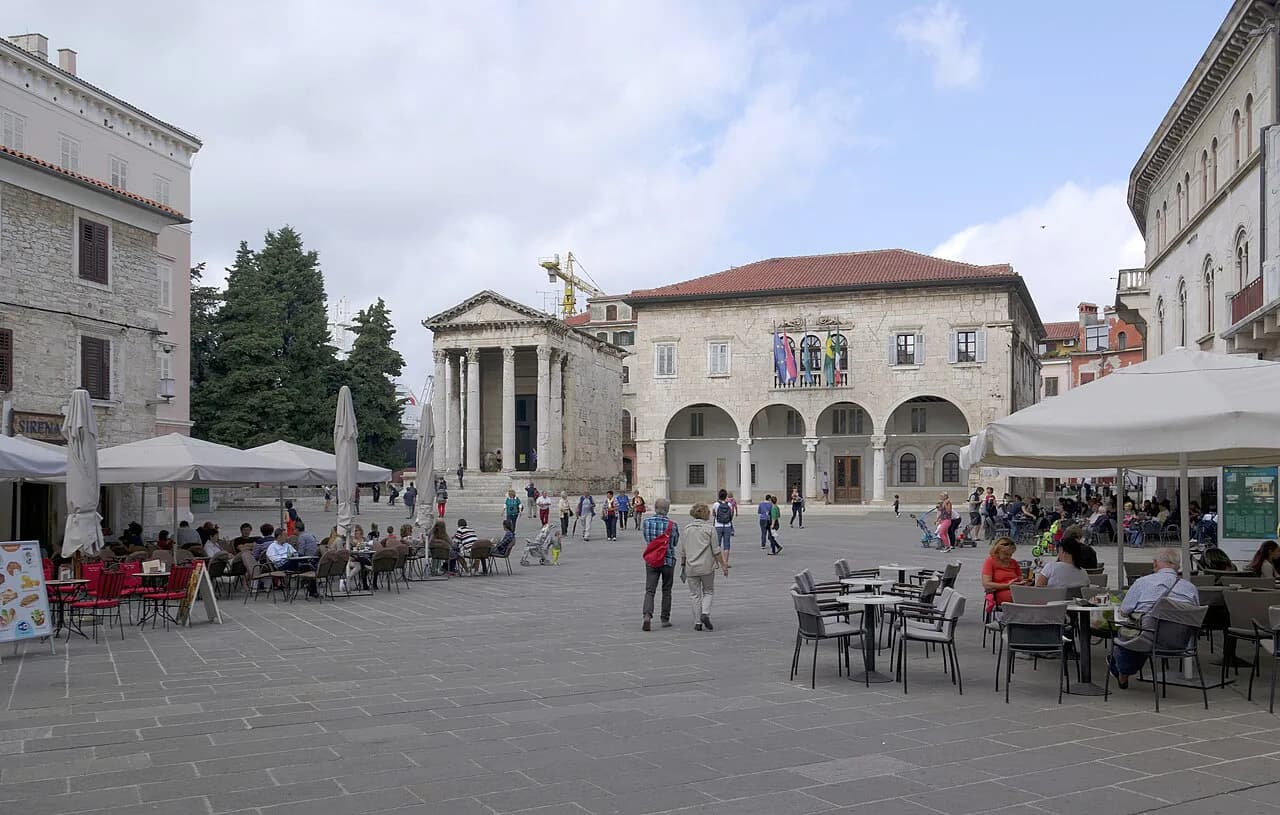
Cafe Sirena overlooks Forum Square, which makes it the better early-morning stop before the square fills up. Servers are quick and friendly, and the menu runs to coffee, desserts and sweet pastries. Between the two, you have the classic Pula pairing of Arena and Forum.
Caffe Bar M, on the upper level of the market hall, has a balcony over the outdoor stalls and a distinctly local feel, with coffee and Croatian beer served at the table. It is not for everyone: English is not the default language here, and that is precisely the point for some visitors.
What to order with fish: Malvazija and Chardonnay
Istrian Malvazija is the natural partner for grilled fish and seafood platters. It is a full, rounded white with floral or fruit notes, more intense than a light coastal white, and it holds up to olive oil and char from the grill. Ask for a local Malvazija by the glass if the list is long.
Istrian Chardonnay is the fresher alternative: dry, unoaked and refreshing, which makes it a good summer lunch wine. Neither needs ceremony, and both appear on ordinary konoba lists, so ordering local is the easy default.
Old-town terraces or neighbourhood konobas?
Old-town terraces buy you position: the Arena, the Forum, the people-watching. You pay for it with busier rooms, slower service and menus pitched at visitors. That is a fair trade if the view is the point of the meal, as it is at La Resistance or Cafe Sirena.
Neighbourhood konobas buy you quieter rooms and cooking aimed at regulars. Restoran Stari Grad, Konoba Istriana and Restaurant Admiral all sit closer to that end of the scale, and the food tends to be the reason people return. Pick one long lunch with a view and one dinner where the kitchen is the attraction, rather than trying to get both in the same sitting.
How fish is priced by the kilo
In Croatian restaurants, whole fish is usually sold by weight rather than as a fixed plate, so the price you see is per kilo and the final bill depends on the fish you choose. Ask the weight of the fish before it goes on the grill, and ask for the per-kilo figure at the same time, so the total is clear before you commit. A mixed platter for two avoids the guesswork, which is one reason it is a sensible order for a first night.
Platters are the simpler route for a group, since one order covers several types of seafood and the price is set per portion rather than by weight. Where a menu lists both, compare the platter against the day's whole fish before deciding.
Booking ahead in high season
Pula's better-known tables fill in July and August, so book the ones you care about rather than relying on walk-ins. Konoba Istriana needs 24 hours' notice for its slow-cooked coal-fire dishes, so that call has to happen the day before you want to eat.
Restoran Stari Grad, Restaurant La Vita and Bonaca are the other names worth reserving in peak season, particularly for a balcony table at La Vita or a cliffside seat at Bonaca. Off season, walk-ins are easier, and the market-area spots work well for a flexible lunch.
A one-day eating plan for Pula
Start with coffee and a pastry at Cafe Sirena on the Forum before the square gets busy, then walk the market: the Ribarnica and the stalls are the morning's entertainment. Have lunch at Restaurant La Vita above the market, ordering the trio of grilled seafood on the balcony, and follow it with rolled ice cream at Flaviani.
Take a late-afternoon beer at Caffe Bar La Resistance by the amphitheatre, then choose between a neighbourhood seafood dinner at Restoran Stari Grad and a waterside table at Bonaca. If you want the coal-fire cooking at Konoba Istriana, that call has to be made the day before, so slot it into tomorrow instead.
For a meat-and-grill day, swap lunch to Pečenjara Brod for ćevapi and dinner to Grill restaurant Odisej for pork skewers, with an evening drink at Caffe Bar M above the market stalls.
Which Pula restaurant should you book first?
Book Restoran Stari Grad first if you want one dinner that sums up Pula: Istrian seafood, a big grilled platter and local wine in the centre. Choose Restaurant La Vita instead if your priority is a daytime meal, since the balcony over the fish market is the experience you cannot get elsewhere in the city.
Add Konoba Istriana for a slower night and call a day ahead for the coal-fire dishes, or Bonaca if you want the sea in front of you. Keep Pečenjara Brod and Grill restaurant Odisej in reserve for the days you want a full plate without a long sit-down.
For more of the city's seafood addresses, our Seafood Restaurants in Pula guide is the natural next stop, and if you are heading on to Dalmatia, our Dubrovnik restaurants and Hvar restaurants guides follow the same approach.
Explore more Pula guides
Frequently Asked Questions
What food is Pula known for?
Seafood, above all: grilled white fish, squid, prawns, mussels and mixed platters, cooked simply with Istrian olive oil. Istrian cooking also brings in pasta and Italian staples, and grilled meat such as ćevapi is the cheap, filling alternative. Local Malvazija and Chardonnay are the wines to order alongside.
Is Pula expensive for eating out?
It covers a wide range. Market-area grills and small places near the stalls are the budget end, while seafood restaurants in the centre and cliffside tables with a view cost more. Whole fish sold by weight is the main variable, so ask the per-kilo figure and weight before ordering.
Sources
Notes on eating well in Croatia
Optional updates to our food guides.
You might also like
Continue reading
More guides you'll find useful