Zagreb Restaurants: Where to Eat, by Area and Budget
Zagreb restaurants by area and budget: Dolac market seafood, cheap Tkalčićeva lunches, cheese boards, hearty inland Croatian plates and street food.
On this page
The best Zagreb restaurants Split cleanly in two: old-school kitchens built for long, hearty inland Croatian lunches, and newer spots serving fish landed and sold just metres away. Pick your kitchen before you pick your street, then decide whether you want a sit-down meal or a quick counter lunch. This guide covers the market, the Upper Town, Tkalčićeva and the wider centre, with the dish to order at each stop.
Prices are moderate by western European standards, and the cheapest good meals sit in the market and street-food end of the scale, not on the main bar strip. Expect to pay more for the same food once you move onto a terrace in the busiest central stretch.
What Zagreb restaurants do best
The city's cooking runs on the Croatian love of big, set-piece lunches, so roast and grilled meat from inland Croatia sits alongside Mediterranean seafood. Time Out's survey of the scene makes the point that this was never a fast-eating culture, and the old-school restaurants still reward anyone willing to sit down properly. Order a grilled meat plate or a stewed dish at least once during your stay, then switch to fish for the next meal.
What has changed is the middle ground. Bistros now mix modern cooking with soups, salads and snack platters, and a newer wave of quick counters serves burgers, deli sandwiches and veggie snacks. That means you can eat well cheaply between sights rather than committing a whole afternoon to lunch. If seafood is your priority, our round-up of the best seafood restaurant Zagreb options narrows the choice further.
Dolac is the hinge between the two traditions: produce comes in from the surrounding countryside, and the fish market next door supplies the kitchens that ring the square. Eating within sight of the stalls is the surest way to taste what is actually in season.
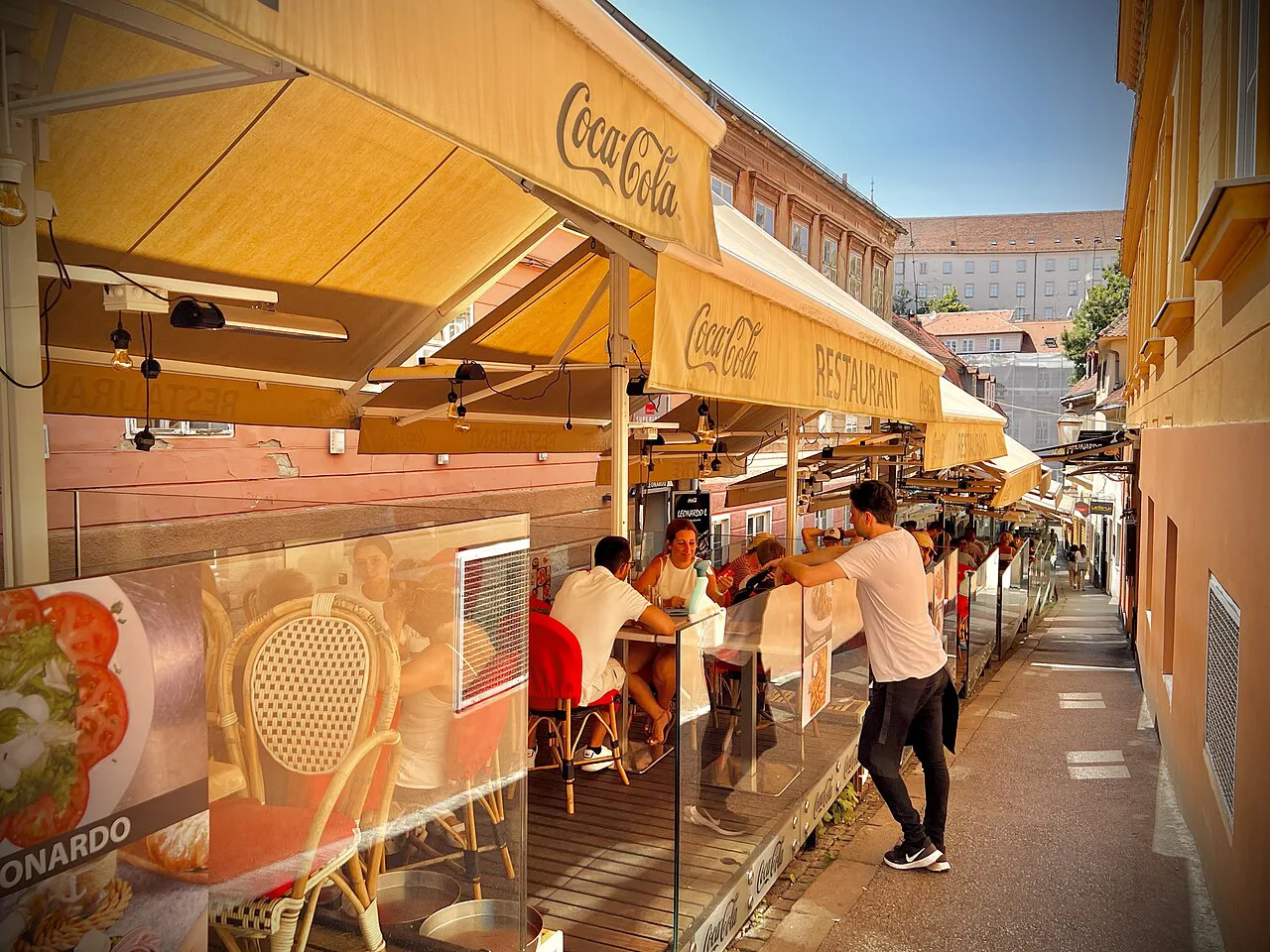
Where to eat around Dolac market and the Upper Town
Bistro Amfora sits in the main city-centre market, a small café-style place with upstairs seating and a terrace over the farmers' market. It works off what is fresh next door at the Ribarnica rather than a fixed menu, so the choice on any given day might run to tuna steaks, sardines or sea bream. Order the bream with blitva, the Croatian chard-and-potato side that comes with most fish; it arrives as a generous plate. It shuts mid-afternoon, which makes it a lunch stop rather than a dinner plan.
Near the cathedral and Stone Gate, Mali Medo brews its own beer and serves filling, good-value food, which makes it a sensible first stop if you have just arrived and want a proper plate without a big spend. The ham with cabbage and the goulash suit cold-weather appetites.
Serbus, in the market itself, is the early-morning option for coffee or a beer while the stalls set up. It is small, with indoor and outdoor seating, and local coffees and beers are the draw rather than a full menu. If you are staying in the old core, our guide to restaurants in Zagreb old town covers the streets between the cathedral and Ban Jelačić Square.
For a sit-down dinner, the Upper Town's old-school rooms reward booking, and the cluster around Trg bana Josipa Jelačića puts you within walking distance of most of them.
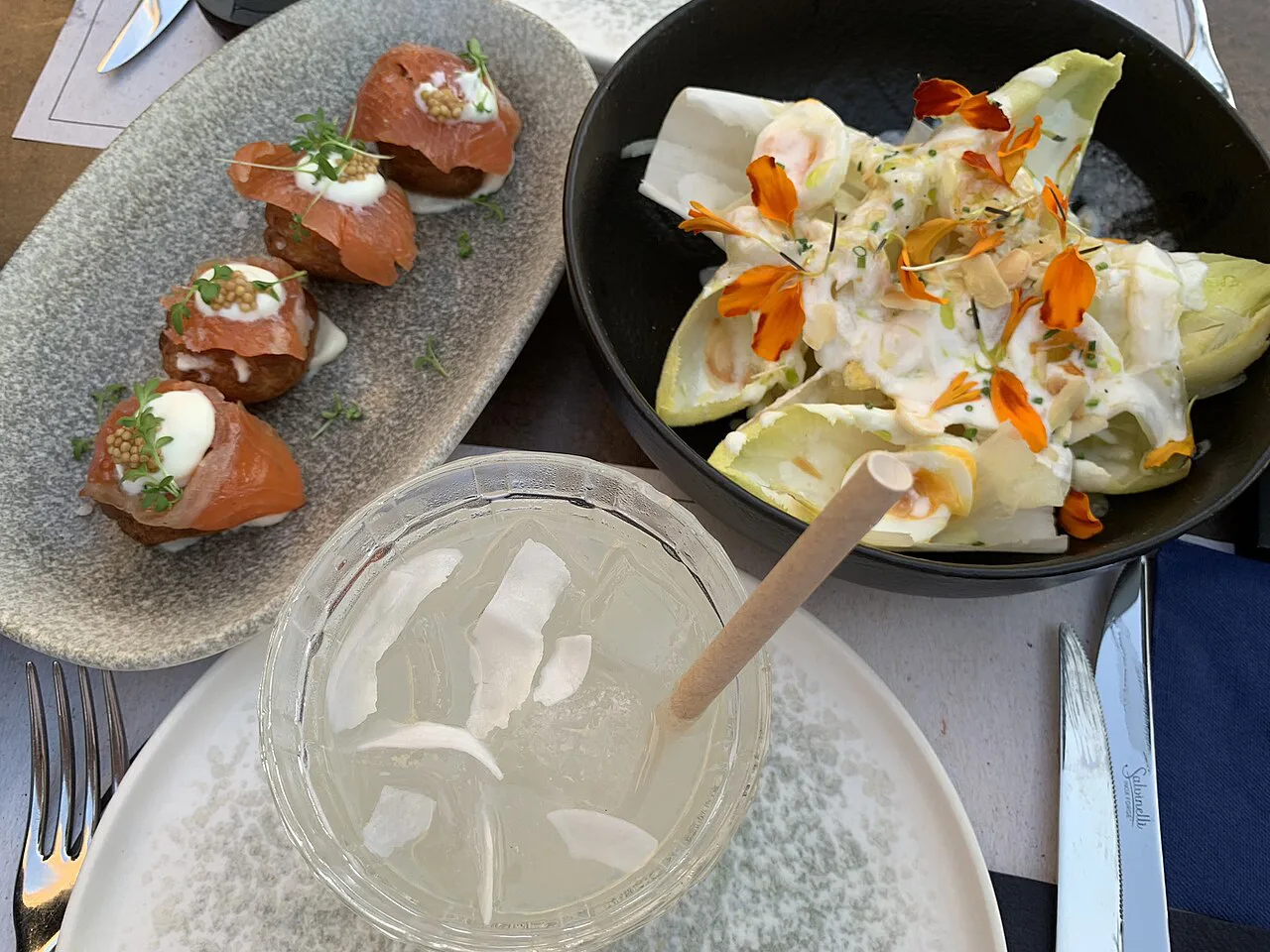
Tkalčićeva and the city centre: cheap eats and easy lunches
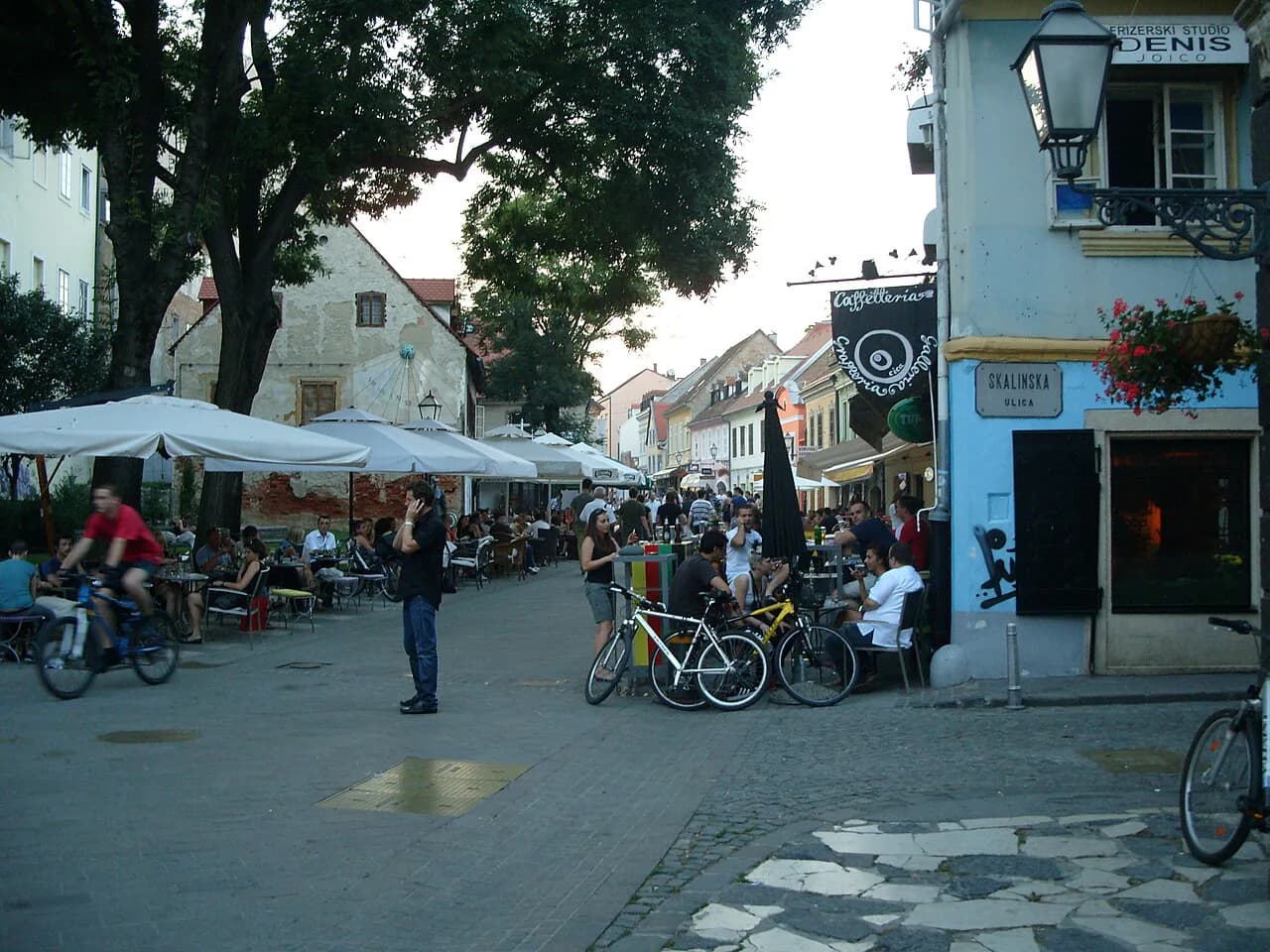
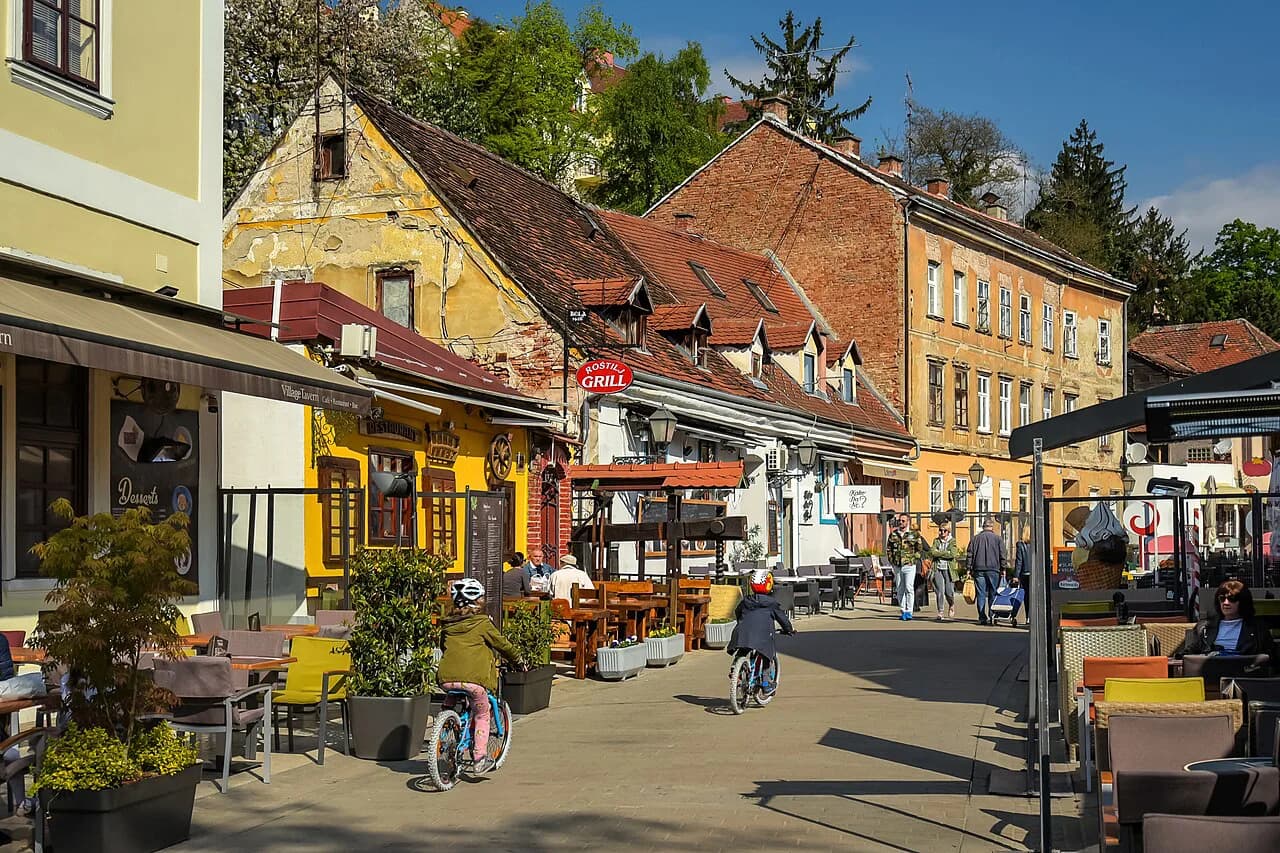
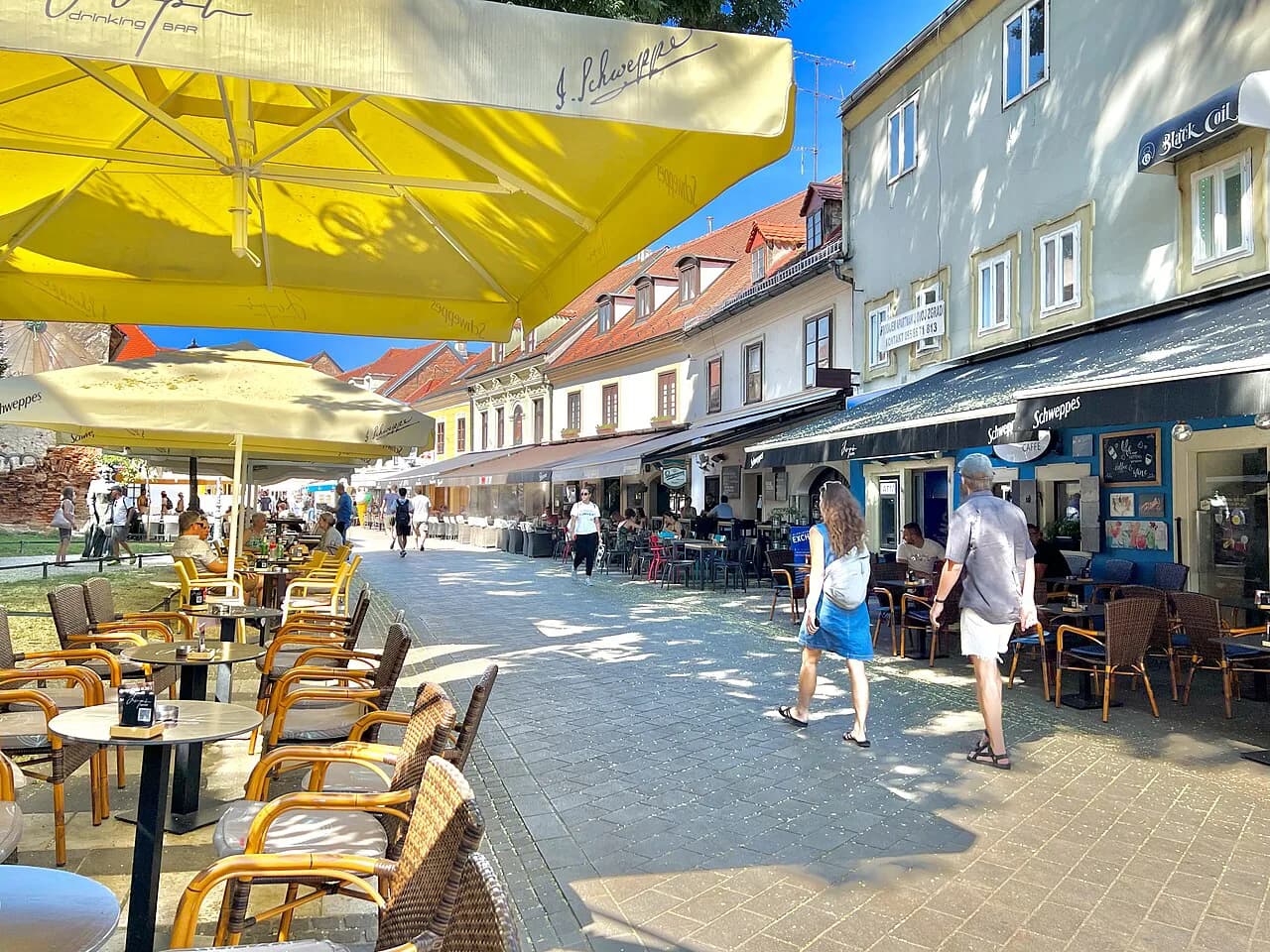
Ul. Ivana Tkalčića is the busiest eating street in the centre and liveliest in the evening, with a mix of traditional Croatian and international kitchens. The trade-off is straightforward: you pay for the address. Walk one street back and the same money buys a better lunch. If you are weighing this address against the coast for a future trip, the same tricks apply to eating in Dubrovnik restaurants, where stepping off the main drag pays off too.
Otto & Frank on Tkalčićeva is the reliable all-rounder, serving breakfast, burgers and a spread of meat and seafood dishes from grilled chicken fillets to sirloin and ground pork-and-beef meatballs. The grilled salmon with a bulgur, spinach and beetroot salad and a side of sour cream and dill is the lighter choice, and the pork belly with parsnip purée is the hearty one.
Nikki's Street Food Cafe, also on Tkalčićeva, is the cheap quick stop: Croatian beers, wines and soft drinks alongside street food. Order the ćevapi, small grilled minced-meat sausages served here in flatbread with raw onion and relish. It is filling, fast and one of the least expensive proper meals in the centre.
Batak Grill runs branches across the city, including one on Tkalčićeva, and focuses on grilled meat: ćevapi, pork chops, steaks and burgers, with a few chicken and fish dishes for anyone who wants something lighter. It is a chain rather than a one-off, but it is consistent and easy with children or a group.
Stella Bar in the central area keeps prices low and offers indoor and outdoor seating, a range of beers including draught Stella, and a broad menu from snacks to full meals. Menus come on a tablet, which makes browsing easy.
Old-school Croatian cooking: what to order and what it costs
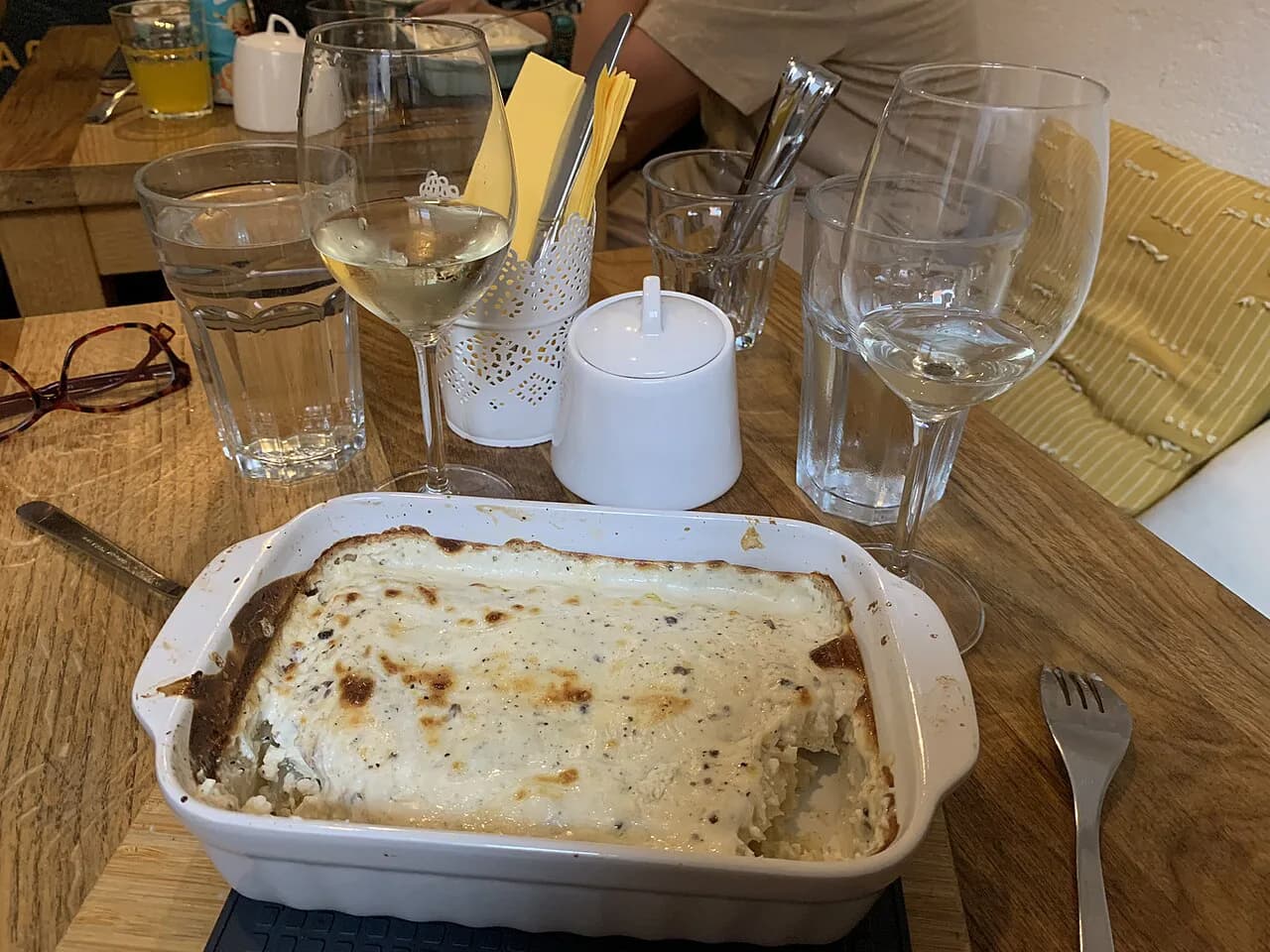
Start with štrukli, the savoury cottage-cheese strudel that is the signature of the Zagorje region north of the city. Stella Bar serves a homemade Zagorje-style version, and it is filling enough that one portion can stand in for a starter between two people. Black risotto, coloured with cuttlefish ink, is the other classic to order when the kitchen does seafood well.
Zagreb steak is the city's own take on schnitzel, breaded and filled with ham and cheese, and it appears on traditional menus across the centre. Order it if you want a single plate that sums up inland Croatian cooking, then follow with a lighter fish course the next day.
Red scorpionfish soup, a Croatian classic built on a bony Adriatic fish, turns up as a starter in central spots such as Stella Bar, and it is a good gauge of how seriously a kitchen treats fish cookery.
Modern bistros and street-food-style spots
The newer bistros are informal places where you might share a table or perch on a bar stool at busy times, and you can stay half an hour or half a weekend. Bistroteka, Mundoaka and the ecology-themed Šumski kuhar all mix imaginative modern mains with soups, salads and snack platters, which makes them useful at any hour.
At the top end, 5/4 near Trg žrtava fašizma builds daily menus around what is fresh, with local ingredients handled in inventive ways. Apetit, with a downtown city branch and a suburban bistro, blends Adriatic and Central European cooking, and Takenoko is the Japanese-Croatian fusion address in town. These rooms cost more and suit a booked dinner rather than a quick lunch.
For the capital's most formal kitchens, including the Michelin star restaurant Zagreb listings, expect to reserve ahead and to dress a little more deliberately than you would for a market lunch.
Heritage takes the street-food idea and applies it to regional Croatian produce, with small takeaway dishes and Crobites, small bites drawn from Slavonia, Međimurje, Istria and Dalmatia. It is the place to sample several regions in one sitting before you commit to a full restaurant.
Cheese, charcuterie and small plates with a drink
Cheese Bar, between the cathedral and Ban Josip Jelačić Square, is built for picking at Croatian artisan cheeses and wines. The mixed cheese and charcuterie board draws on every region of the country and comes with olives, bread and chutney, which makes it a good introduction to Istrian and Dalmatian produce in one order. Sharing boards like this work as a light lunch or a pre-dinner stop; a single board goes a long way between two.
KIC Klub, near the Church of the Transfiguration, is a daytime café-bar with inside and outside seating and a sun-trap terrace, good for a coffee or a local Karlovačko. To pay by card you need to go inside, so carry a little cash as a backup.
If you want a table above the street rather than on it, our guide to restaurants with a view in Zagreb covers the options.
Ćevapi, štrukli and other dishes to know before you order
Ćevapi are the small grilled minced-meat sausages you will see everywhere, served in flatbread with raw onion and relish at street-food counters and on grill menus. They are the cheapest way to eat well in the centre and the dish to order when you are short of time.
Štrukli, the savoury cottage-cheese strudel, is served as a starter in many places but is substantial enough to be a main for a lighter appetite. Blitva, chard cooked with potato and olive oil, is the default side with fish and worth ordering on its own.
If grilled meat is the plan, ćevapi and pork chops at Batak Grill cover the basics, while the chain's grilled salmon with chard and potatoes shows how Croatian kitchens treat fish as an everyday dish rather than a luxury.
Budget, mid-range or splash-out: choosing by price level
On a budget, stay in the market and at the street-food counters: Bistro Amfora for market fish, Nikki's for ćevapi in flatbread, and Mali Medo for filling plates and its own beer. These are the meals that leave money for the rest of the trip.
Mid-range money buys a proper sit-down lunch at Stella Bar or a cheese and charcuterie board at Cheese Bar, both central and both easy to fit around a day in the city. Splash out at 5/4, Apetit or Takenoko if you want one memorable dinner rather than three decent ones. Croatia uses the euro, and prices are quoted in euros.
Vegetarians and coeliacs have thinner pickings in the old-school rooms, so check the dedicated lists of vegan restaurants Zagreb and gluten free Zagreb before you commit to a meat-heavy menu.
Booking, cash versus card, and eating times in Zagreb
Book ahead for the top-end bistros and for any large group at the weekend, when central tables fill first. The newer bistros are informal enough that you may share a table at peak times, so a booking saves a wait.
Carry some cash even in the centre. Mio Corazón, the tapas bar near the Stone Gate, takes cash only, and at KIC Klub you have to go inside to pay by card. Smaller market places often prefer it too.
The newer bistros are informal enough that at peak times you may share a table or wait for a bar stool, so a reservation is the easy way to avoid the wait.
Where should you eat first in Zagreb?
Start at Dolac with a market fish lunch at Bistro Amfora and a coffee at Serbus, then spend your second day on Tkalčićeva for ćevapi or a grill plate. Keep one evening for an old-school room serving štrukli and Zagreb steak, and one for a modern bistro if you want to see where the city's cooking is heading.
Two rules cover most of the planning: match the kitchen to the dish, and carry cash for the small central places. Everything else can be decided on the day, once you see what the market has in.
Explore more Zagreb guides
Frequently Asked Questions
What food is Zagreb known for?
Zagreb cooking leans on hearty inland Croatian dishes: štrukli, the savoury cottage-cheese strudel; Zagreb steak, a schnitzel filled with ham and cheese; and grilled meat such as ćevapi. Alongside that you will find fresh Adriatic fish, often served with blitva, and black risotto.
How expensive is eating out in Zagreb?
Prices are moderate by western European standards, and the cheapest good meals are at market and street-food counters rather than on the main bar strip. Central terraces on Tkalčićeva cost more for the same food. Croatia uses the euro, and menus are listed in euros.
Do Zagreb restaurants take cards?
Most do, but not all. Some small central places take cash only, and in some café-bars you need to go inside to pay by card. Carry a modest amount of cash as a backup, especially around the market.
Sources
Notes on eating well in Croatia
Optional updates to our food guides.
You might also like
Continue reading
More guides you'll find useful