Best Restaurants in Split: Where to Eat in the Old Town and Beyond
Our pick of the best restaurants in Split, from old-town kitchens and Varoš konobas to an olive-oil bar, plus the dishes to order and which tables need booking.
On this page
The best restaurants in Split cluster in three places: the polished old-town rooms inside Diocletian's Palace, the tiny konobas of the Varoš district just behind the Riva, and the bay at Zenta. Start with Bokeria for a big Mediterranean menu and Croatian wine, Villa Spiza or Konoba Hvaranin for a small kitchen cooking Dalmatian food, and Uje Oil Bar if you want a board of cheese, cured meat and olive oil rather than a full dinner. This guide sorts the picks by area and explains the dishes to order. If you are weighing up more than one Dalmatian city, the same area-by-area approach shapes our pick of the best restaurants in Dubrovnik.
Split's food is Dalmatian cooking with an Italian streak: seafood risotto and pasta sit alongside grilled fish, green chard with olive oil, and slow-braised meat. A konoba is a traditional tavern, usually stone-walled and family-run, and it is where you find the local cooking rather than the international menu. Expect to pay more per head inside the palace walls than in Varoš or out at Zenta bay.
What Split food is, and the dishes to order once
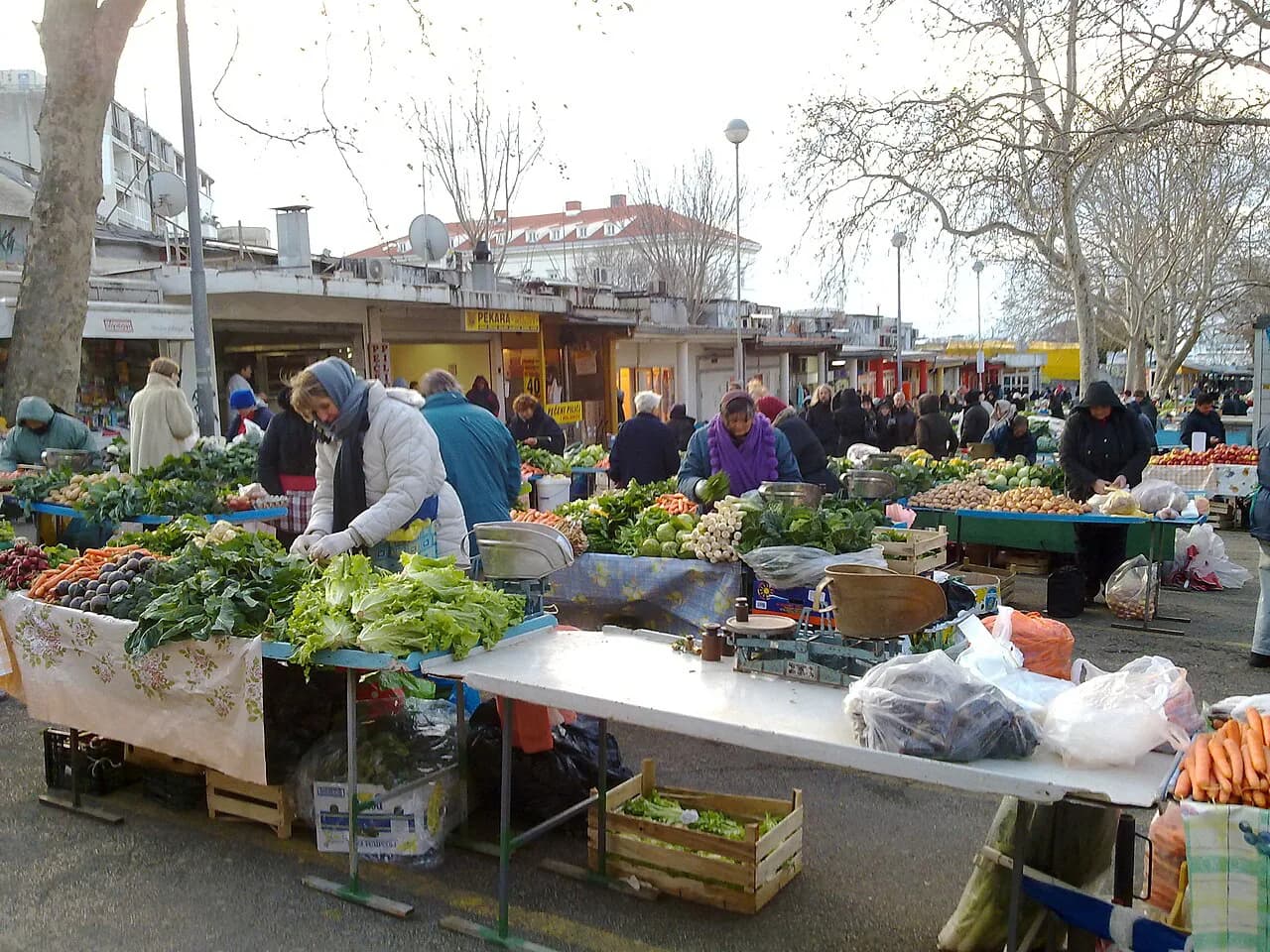
Dalmatian cuisine here is Mediterranean in its ingredients: fish, shellfish, octopus, squid, lamb, beef, olives, olive oil, vegetables and green chard, with wild herbs, figs, almonds, honey and citrus alongside. The Italian influence shows in the seafood risotto and pasta that appear on almost every menu. Split also runs on marenda, the local midday meal, which is the cheapest way to eat well if you are happy to eat at lunchtime.
Two dishes are worth ordering at least once. Pašticada is beef slow-braised in a sweet-sour sauce, traditionally served with gnocchi or dumplings, and it is the dish to try at Konoba Hvaranin, which also does home-made dumplings and bakes its own bread daily. Seafood risotto, heavy with mussels and clams, is the other benchmark: Villa Spiza cooks it in front of you from a daily menu, with a veal cutlet in mushroom sauce as the meat alternative.
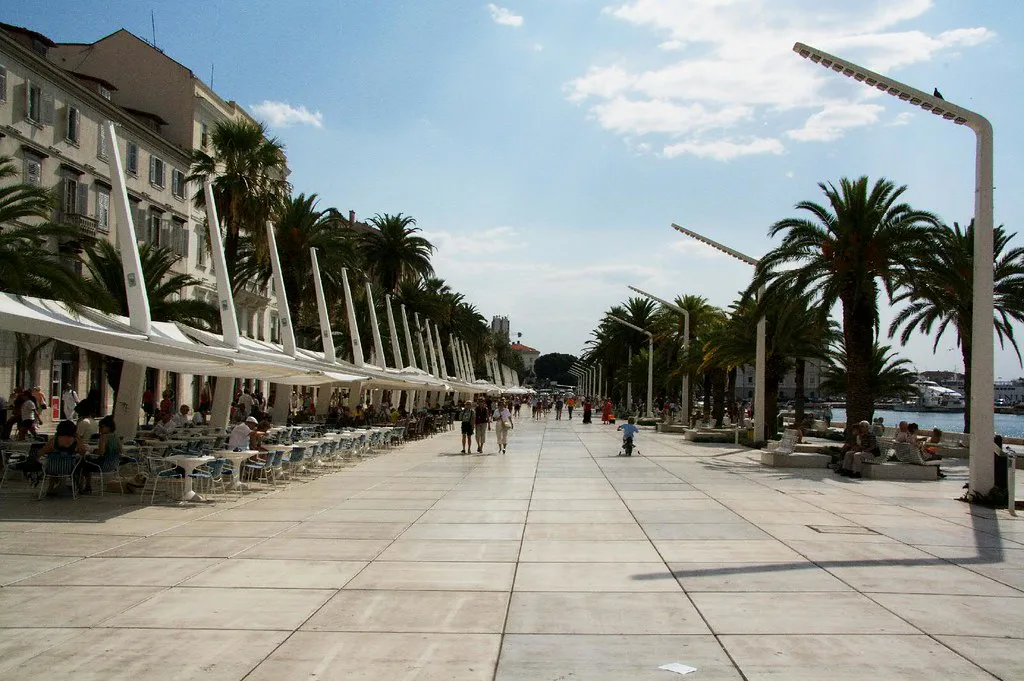
How to choose: old-town room, Varoš konoba or the bay
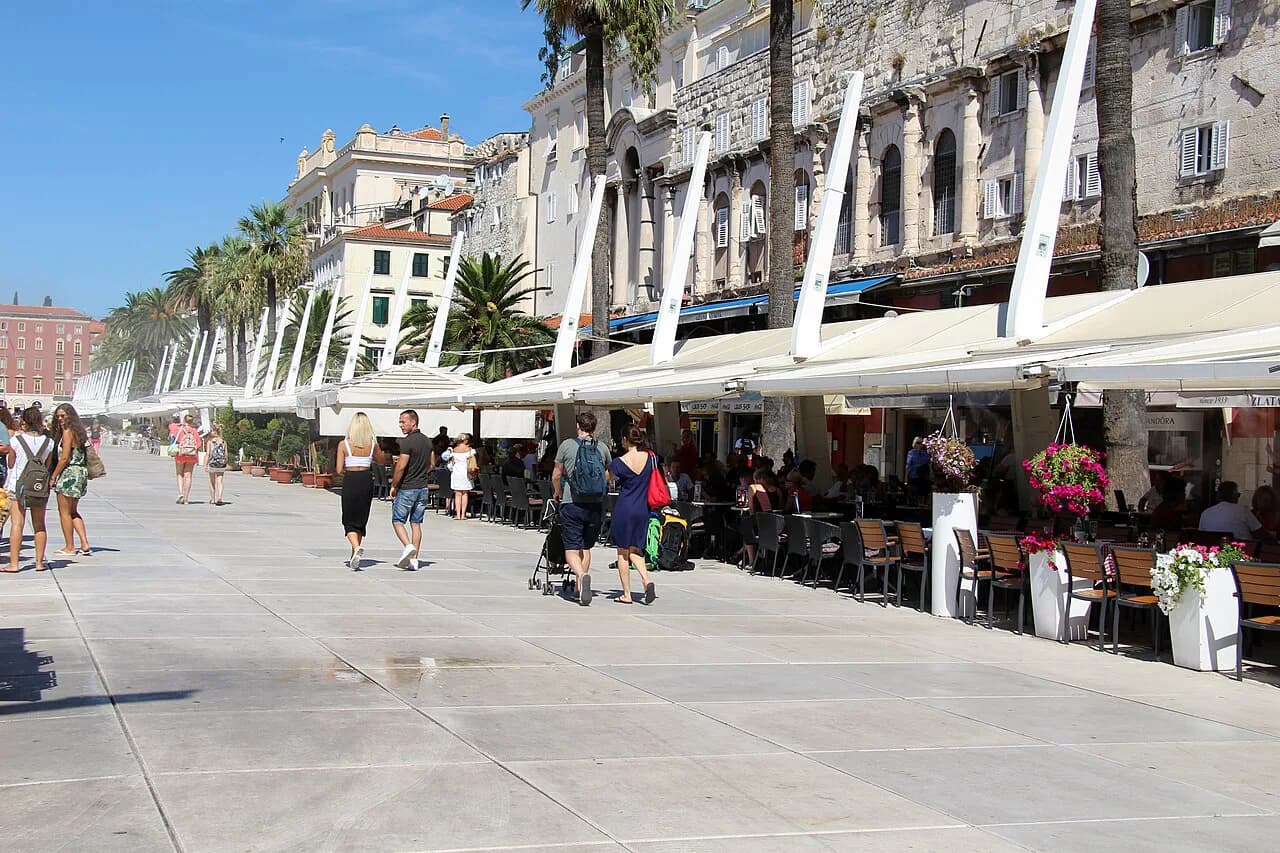
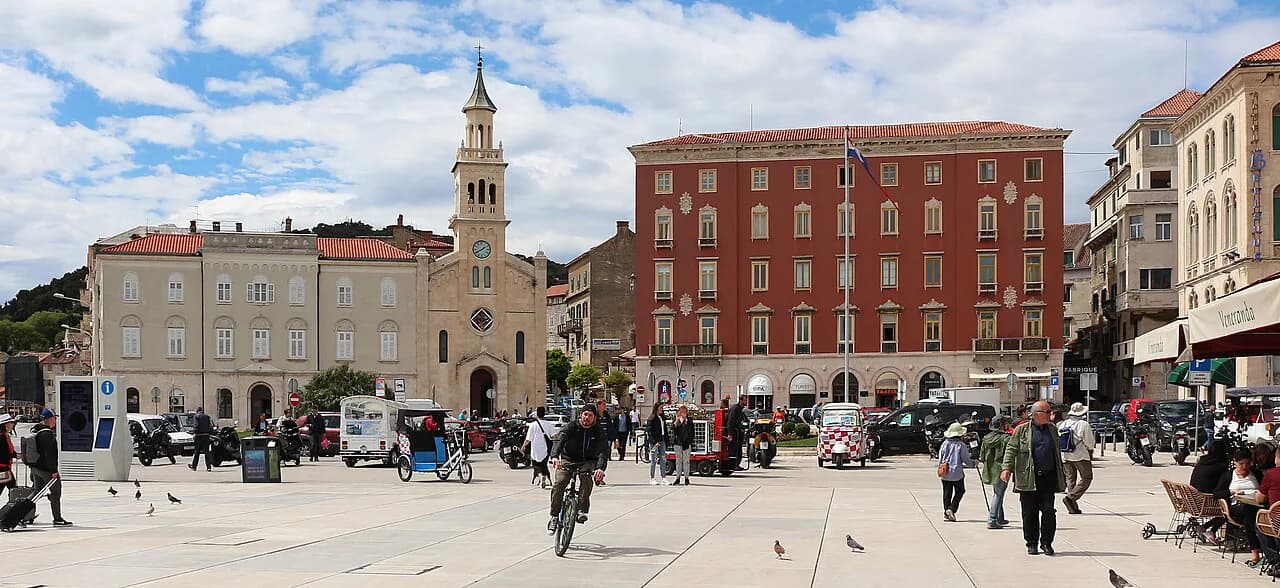
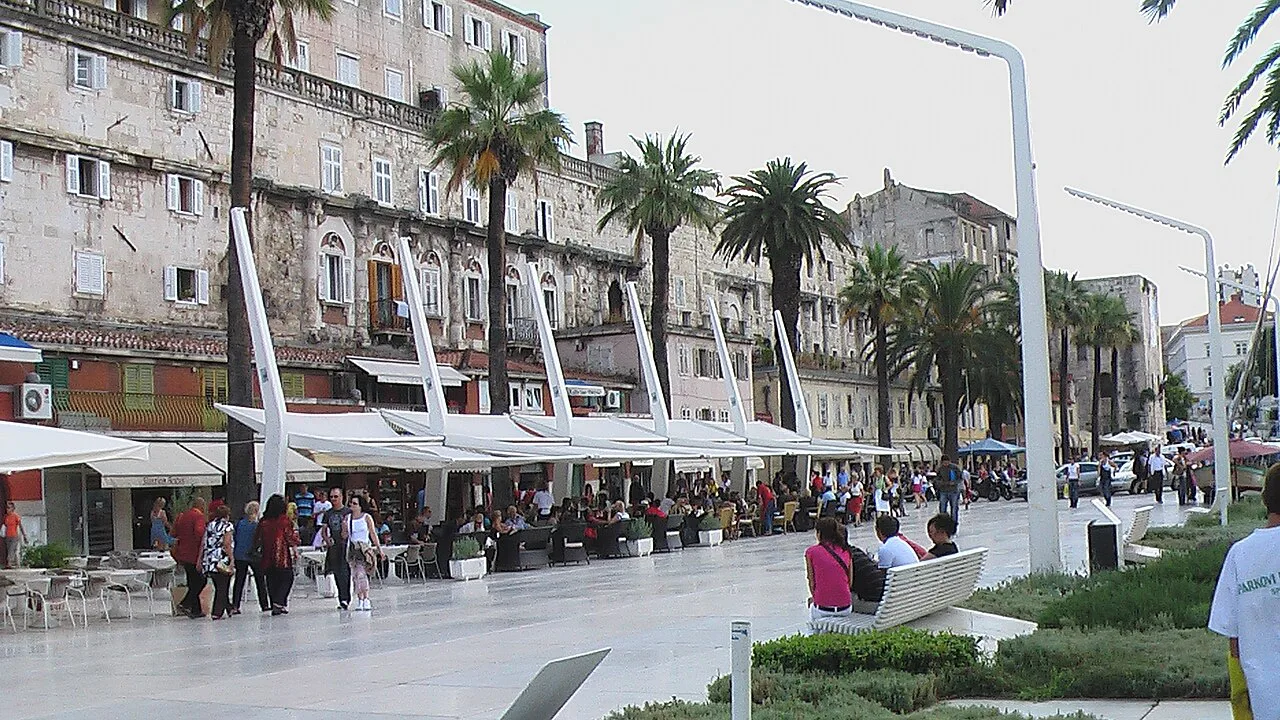
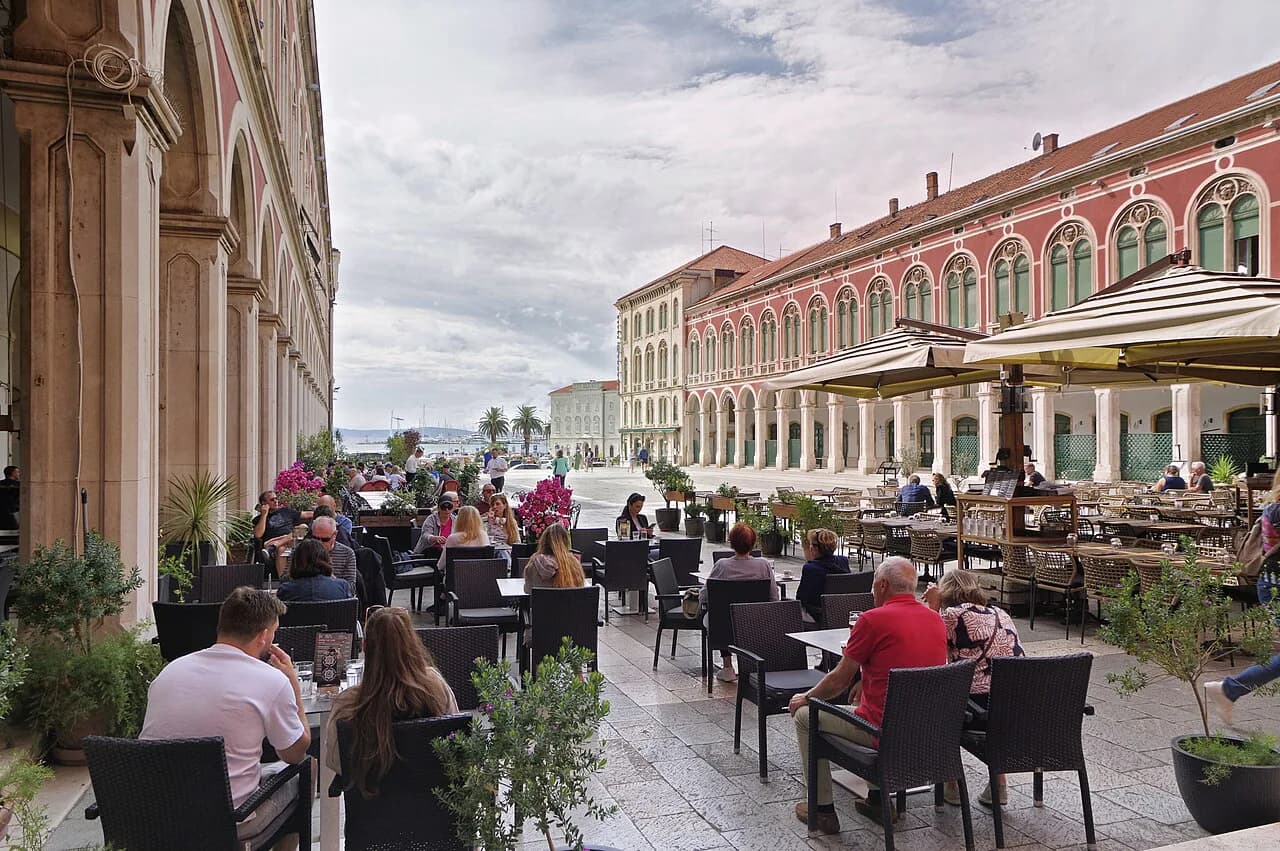
Location decides the mood as much as the menu. Inside Diocletian's Palace you get the grand old-town setting and the highest prices, with Bokeria the obvious example: a large, double-height room with a mezzanine and outdoor seating that has been hard to get into at dinner since it opened in 2014. Just behind the Riva, Varoš is quieter and more residential, with small cellars and taverns where the cooking is traditional and the rooms are compact.
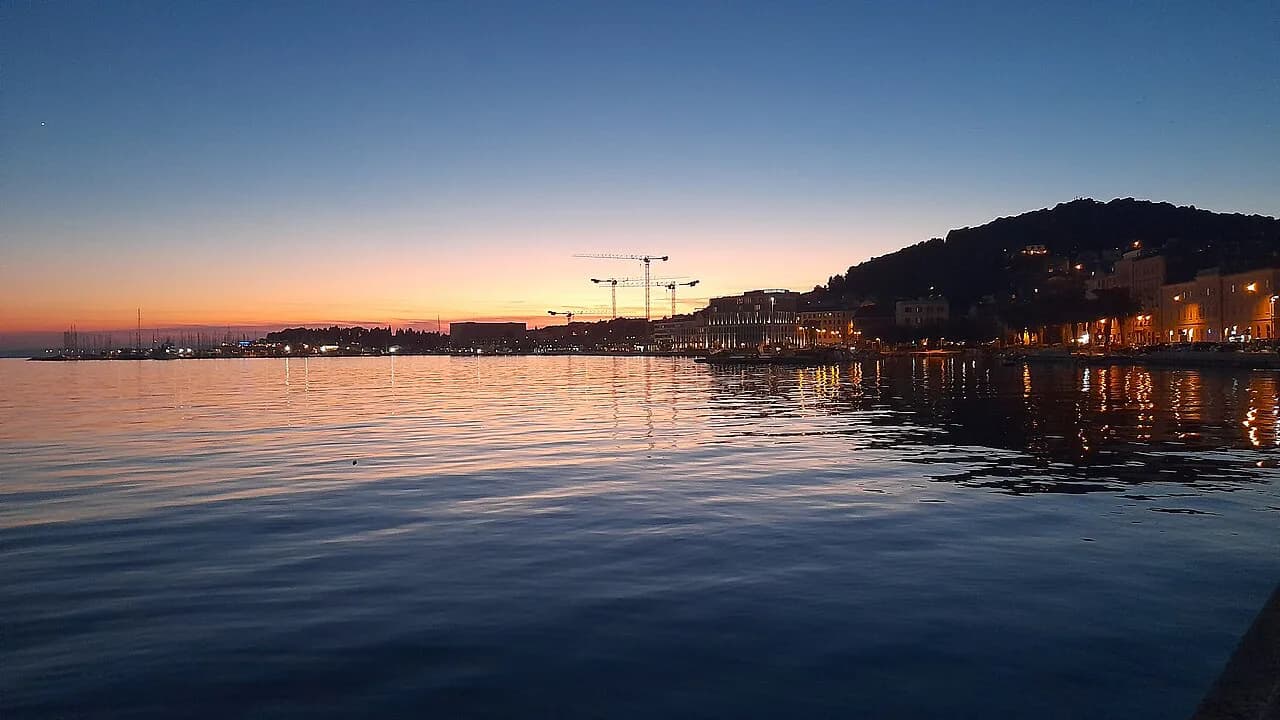
Out at Zenta bay you get space, an outside patio and a view instead of stone walls, which suits a relaxed lunch or an early dinner away from the crowds. If you are planning the main meal of the day, work through the neighbourhoods in this guide to Where to Eat Dinner in Split and match the room to the occasion rather than traipsing across town for a name you read about.
Bokeria Kitchen & Wine: the big old-town room
Bokeria sits on Cosmijeva ulica (number 2) inside the old town, a short walk from the palace centre. It is a young restaurant by Split standards but a large one, with double-height ceilings, a mezzanine dining area and outdoor seating, and the kitchen works with seasonal ingredients from the local produce and fish markets plus a Croatian wine list. Dinner tables are in demand, so book rather than turn up.
If you cannot get a dinner table, breakfast is the practical fallback: the bruschetta and the banana bread with salted caramel and fresh fruit are the plates to order. Treat Bokeria as the polished, central option for a first night in Split, and pair it with a smaller konoba later in the trip.
Villa Spiza: the tiny Varoš kitchen with a daily menu
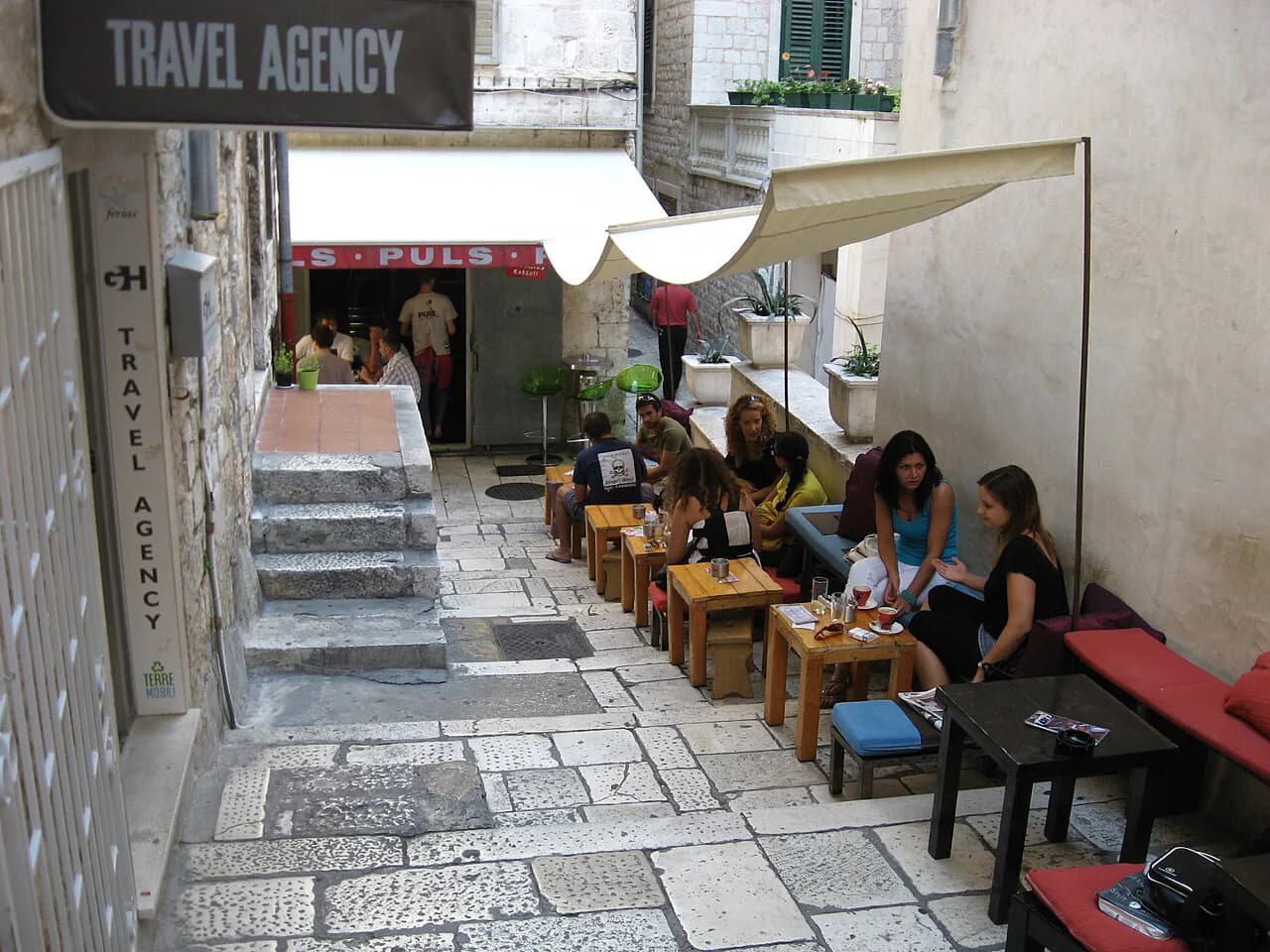
Villa Spiza is a miniscule restaurant on the same cobbled street near Bokeria, small enough that would-be diners wait on a bench outside for their turn. The menu changes daily and the cooking happens in an open kitchen you can watch from a counter seat.
Order from what is on that day, whether that is the seafood risotto with mussels and clams or a veal cutlet in mushroom sauce with potatoes. The trade-off is patience against atmosphere: you get a supper-club feel and freshly cooked food, but the bench outside is part of the deal, so arrive early in high season.
Taverna Matejuska: rustic stone near the Riva
Konoba Matejuska occupies the ground floor of Villa Matejuska, a nineteenth-century Dalmatian stone house, on a small street near the Riva, with bare stone walls, light wood furniture and framed newspaper articles and cartoons on display. It is a traditional Dalmatian tavern in the proper sense, small and rustic rather than glossy. The cooking is decent and the setting is the draw; if you want a shiny modern dining room, choose elsewhere.
Konoba Hvaranin: island cooking in Varoš
Konoba Hvaranin is in Varoš, a step from the Riva waterfront, in a small cellar whose owners come from Jelsa on Hvar, which explains the island dishes alongside the Dalmatian standards. The room is small, so it fills quickly. Order the pašticada, the fish broth or a white fish, and take the home-made bread that is baked daily.
Uje Oil Bar: an olive-oil bar as much as a restaurant
Uje is a local olive oil producer and delicatessen, and its oil bar doubles as a shop and a place to eat, with rows of oils and artisan salts on the walls to buy. The thing to order is the Uje selection plate: a wooden board of cured meats, cheeses, fig jam, leaves, olives, bread and the oil itself. It is a lighter, shareable meal rather than a sit-down dinner, and a good introduction to the olive oils the producers sell here.
Konoba Kod Joze and Konoba Fetivi: two more names to know
Konoba Kod Joze appears alongside Uje Oil Bar and Villa Spiza in round-ups of where to eat in Split, and it is one of the traditional-cooking names worth seeking out when you want a plain Dalmatian meal rather than an international menu. Konoba Fetivi is another konoba often grouped with these; check the room and the day's cooking on arrival rather than expecting a fixed offer.
Kadena, Fife and Bepa: the bayside and budget picks
Kadena is on Ivana pl. Zajca in Zenta bay, and a named blogger has called it probably the best place he found in Split, with an outside patio he described as delightful. Fife is the budget option, singled out for eating well on a small spend. Bepa is a quick stop for seafood rather than a full sit-down table.
For a break from Dalmatian food, Split has pizza and international options in the centre, plus healthy fast-food alternatives with vegetarian, sugar-free and organic choices, and a shop on Bosanska ulica 4 selling traditional snacks. Use these when travelling with children or when you have had your fill of fish and grilled meat.
Eating well on a budget
Split rewards eating where locals eat. Marenda, the local midday meal, is the cheapest way to eat well if you are happy to eat at lunchtime, and it is a better value route than the palace terraces. The healthy fast-food alternatives with vegetarian, sugar-free and organic choices, and the traditional-snack shop on Bosanska ulica 4, are useful when you want something lighter or quicker between full meals.
When to book, and how to build a meal plan by area
Book ahead for the busy old-town rooms in high season: Bokeria has been turning away diners without reservations at dinner since it opened, which tells you how quickly peak summer tables go. Villa Spiza has a queue outside, so plan an early arrival rather than a late one. Small Varoš konobas are the same story: compact rooms fill fast in July and August.
A sensible plan keeps the travelling short: an evening inside the palace for Bokeria, a lunch in Varoš for Konoba Hvaranin or Villa Spiza, and an afternoon at Uje if you want a board rather than a full meal. Use Zenta bay for a quieter evening and Fife or Bepa for a cheap lunch.
Which Split restaurant should you book first?
Book Bokeria for your first evening if you want a central, polished room and a Croatian wine list; it needs a reservation at dinner. Choose Villa Spiza or Konoba Hvaranin if the small-kitchen, daily-menu experience appeals, accepting the queue or the tiny room.
Keep Uje for a lighter board of cheese, cured meat and olive oil, and use Kadena, Fife or Bepa to keep costs down outside the palace walls. Before any fish dinner, ask for the weight of the fish so the kilo price does not surprise you at the end of the meal.
Explore more Split guides
Sources
Notes on eating well in Croatia
Optional updates to our food guides.
You might also like
Continue reading
More guides you'll find useful