What to Eat in Poreč: Istrian Dishes, Konobas and Markets
What to eat in Poreč, from Istrian truffles and fuži to Malvazija and harbour-side fish, with the dishes to order and where in town to find them.
On this page
The food to order in Poreč is Istrian cooking first and coastal fish second. Expect fuži and pljukanci pasta, truffles and olive oil, pršut and maneštra soup, and grilled fish along the waterfront. This guide sets out the dishes worth building a meal around and the parts of town where each one makes most sense.
Poreč sits in Istria within reach of the Adriatic, so its food logic runs through the peninsula's truffles, olive oil and wine as much as through the sea. That helps you decide what to eat where: seek the inland repertoire in konobas and trattorias set back from the harbour, and save the fish menu for tables facing the water.
What to eat in Poreč: the short answer
If you order one meal, make it a plate of fuži or pljukanci with truffles, start with pršut, and take a glass of Malvazija. If you order two, make the second a whole grilled fish on the harbour side, priced by weight. That pairing tells you more about Poreč than any single dish.
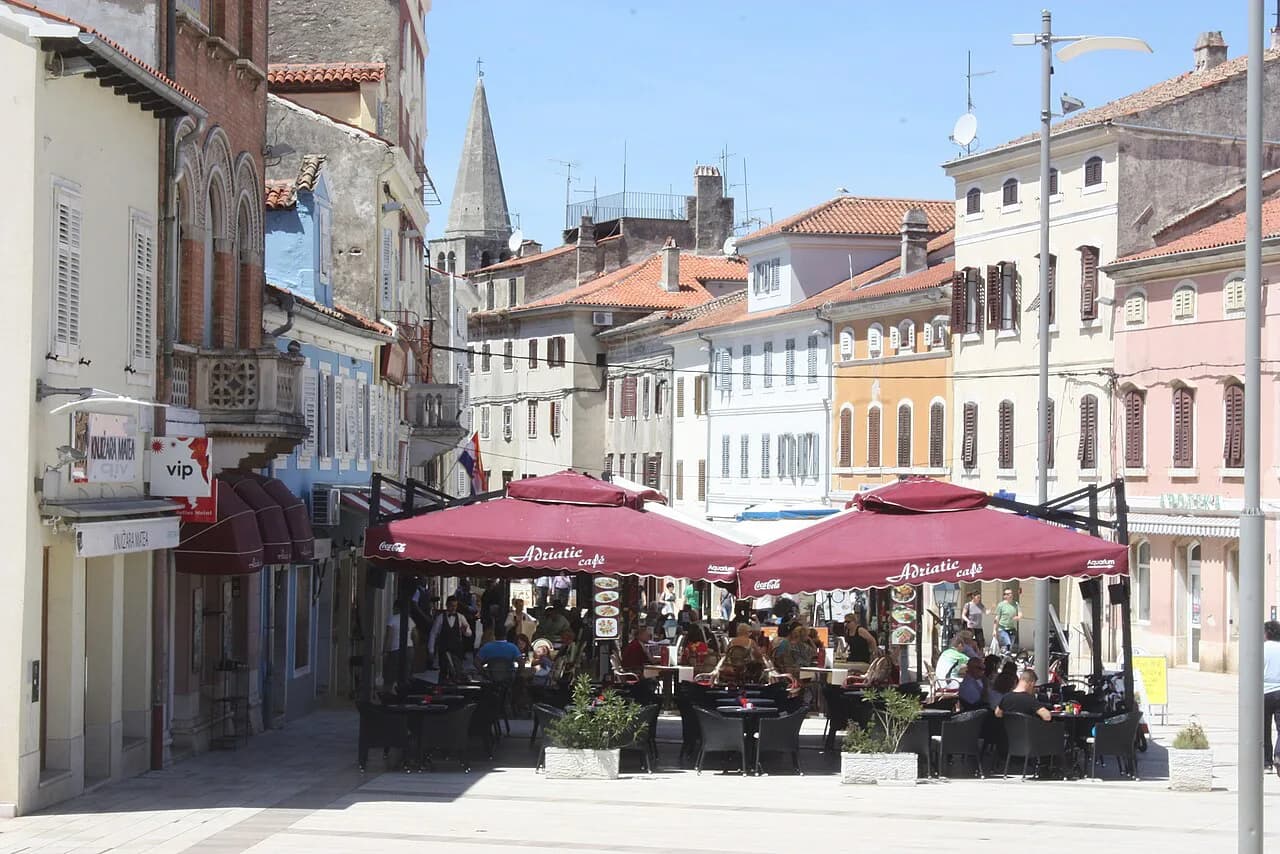
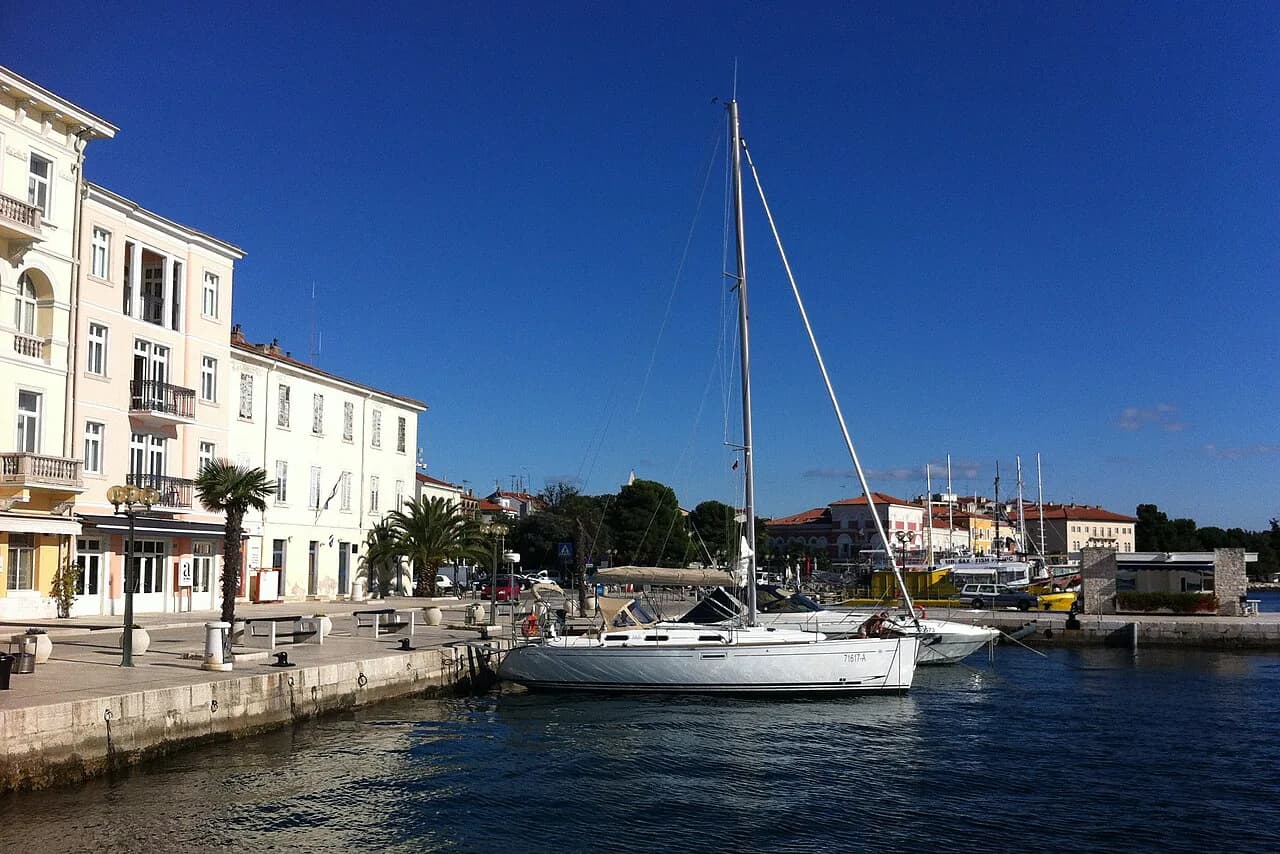
The town divides usefully into three eating zones. The waterfront terraces do fish and shellfish with the best view and the most passing trade; the streets behind the old town do Istrian konoba cooking; and the everyday bakeries and pastry shops cover breakfast and a picnic lunch. Working out which zone you want is half the decision, and the wider Best Restaurants in Poreč picture shows how far the choice stretches beyond the harbour.
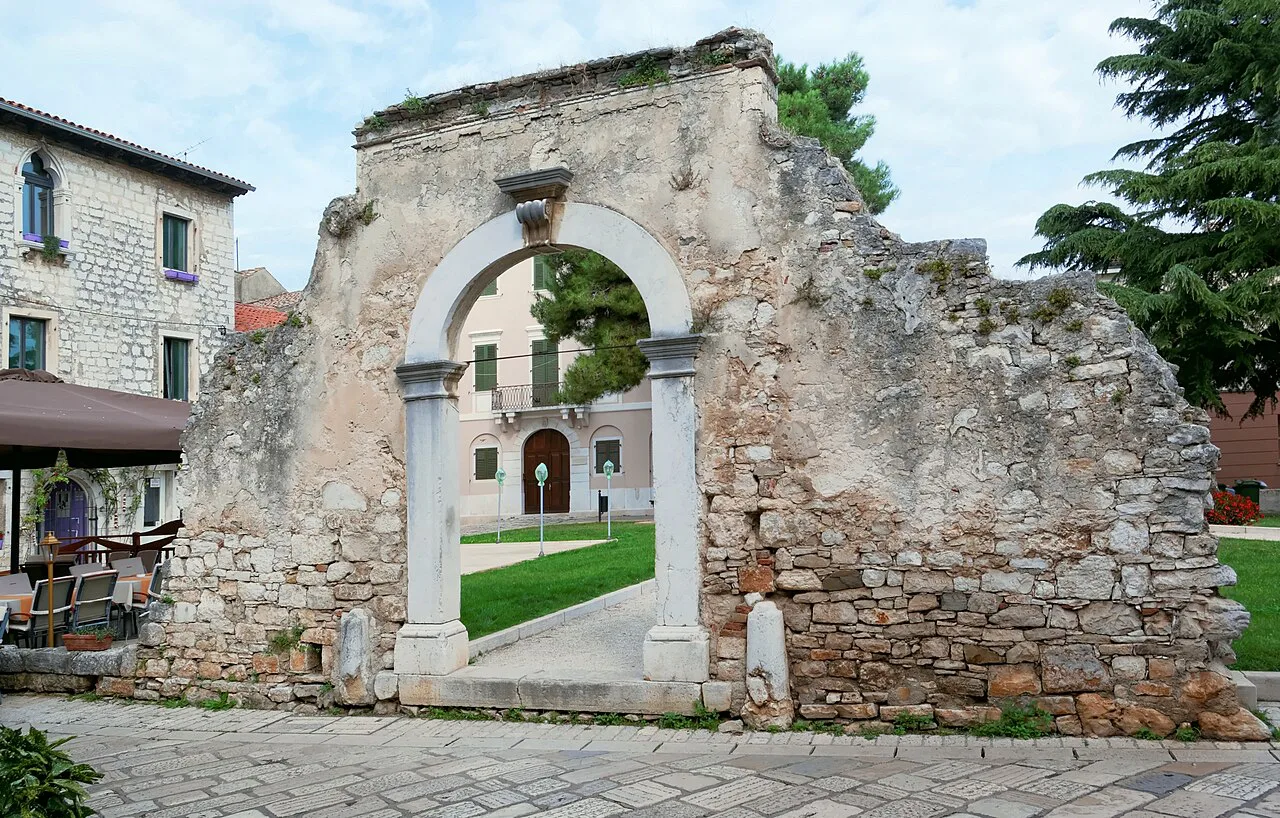
Istrian dishes to order first: fuži, pljukanci, maneštra and pršut
Fuži are Istrian pasta, rolled and shaped into small quills that hold sauce well; pljukanci are hand-rolled and thicker, closer to a stubby noodle, and both are served with truffles, game sauces or a simple tomato and olive oil. Order one of the two rather than a generic spaghetti, because they are the pastas this region actually owns.
Pršut is Istria's dry-cured ham, sliced thin and served as a starter alongside cheese and olives. Maneštra is a thick Istrian soup of beans, vegetables and often pasta, sometimes made with corn, and it is a full first course rather than a light opener. On menus in the region you will also see boškarin, the Istrian ox, usually braised or minced, which is heavy going but worth sharing.
The trade-off is straightforward: a konoba a few streets back tends to serve these dishes as its core business, while a harbour-front terrace may treat them as one line among many. If the Istrian repertoire is what you came for, choose the table that builds its menu around it. To match the dish to the specific street, work through the restaurants in Poreč old town before you set out.
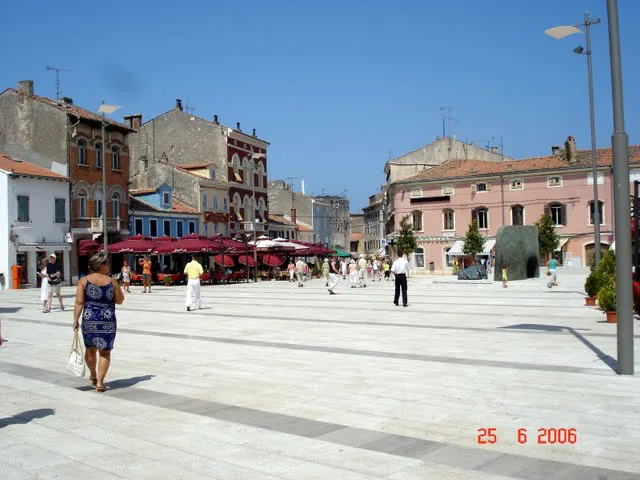
Truffles and olive oil: what Istrian producers put on the table
Istria produces truffles, olive oil and wine of genuine quality, and that shapes the menus in Poreč. Truffles appear shaved over pasta, folded into omelettes and blended into sauces; olive oil is served as a condiment and a bread dip rather than a background ingredient. Treat both as the region's headline produce, not a garnish.
Order truffle dishes when they are in season locally, and expect out-of-season menus to lean on preserved and jarred versions. Olive oil is a safer bet all year, and a konoba that pours a local oil for bread is telling you where its kitchen's loyalties lie. Ordering a truffle pasta and a fish in the same meal is the practical way to taste both sides of the region.
Fish and seafood on the Poreč waterfront
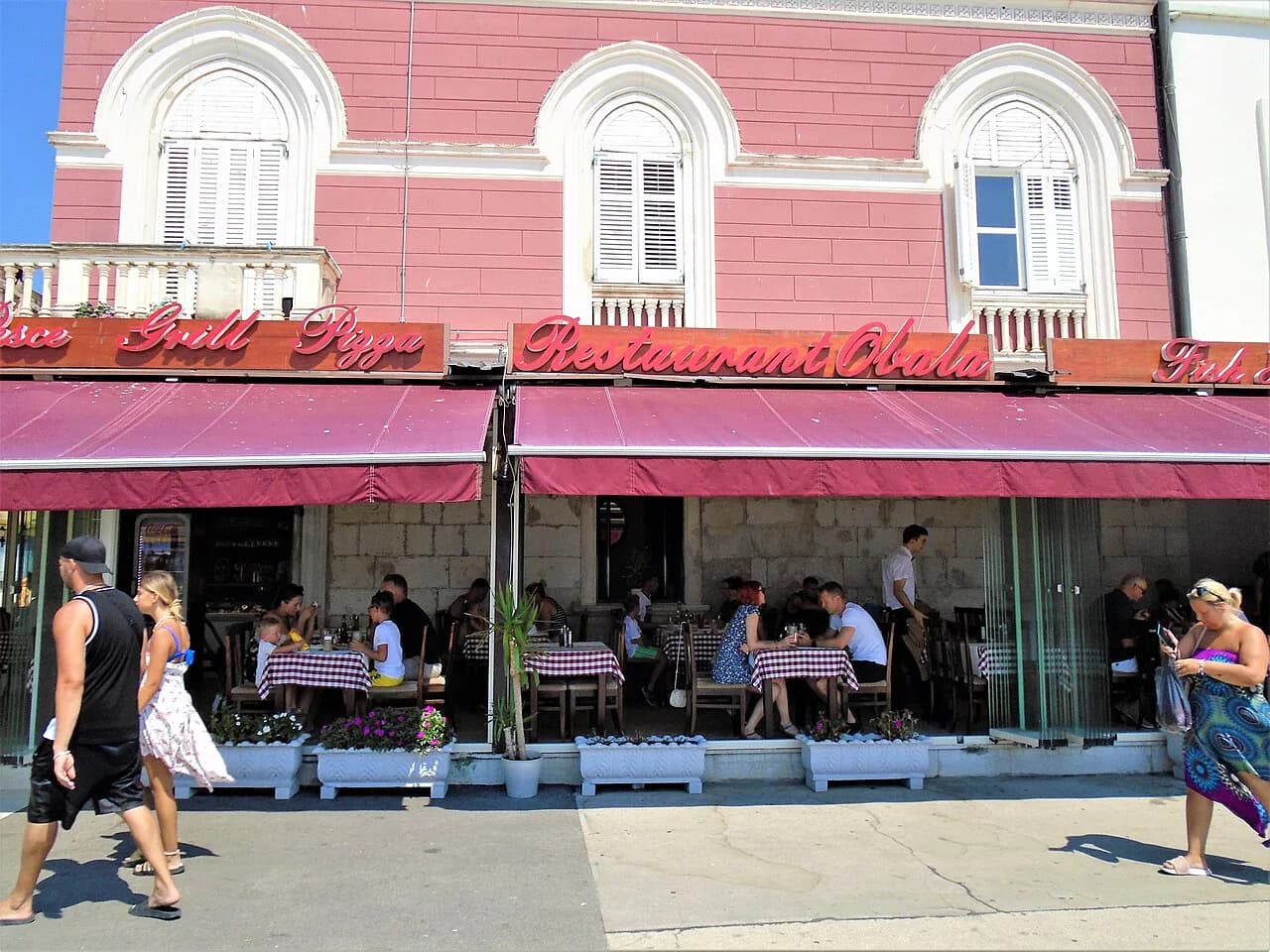
The harbour side is where the fish menu belongs. Grilled whole fish, shellfish, squid and a mixed seafood plate are the standard order, and the waterfront setting is the draw. Ask how fish is priced before you commit: whole fish is usually sold by weight, so the figure on the menu may be per kilo, and the bill follows the fish you actually choose. Fish restaurants in Poreč narrows down which tables to aim for.
The trade-off with the terraces is atmosphere against focus. Views of the harbour come with the busiest tables and the most mixed menu, while the konobas a few streets back are quieter and more single-minded about Istrian cooking. If fish is the reason for the meal, take the water; if it is one course among several, head inland. Either way, ask about the weight and cooking method before ordering, and check the receipt against what you chose.
Konobas and trattorias away from the harbour
A konoba is a family-style tavern, and in Istria it is the natural home of pršut, maneštra, fuži and braised meat, usually in plain rooms with a short menu. A trattoria points the other way, towards the Italian edge of Istrian cooking: fresh pasta, simple sauces and lighter plates. Both are useful, and the labels are increasingly loose, so read the menu rather than the sign.
Walk away from the harbour in any direction for five minutes and the laminated menu boards give way to shorter, handwritten ones. That shift is the best signal you have: a short menu usually means a kitchen cooking a fixed repertoire well rather than reheating a long one. Lunch is the better-value sitting at these places, and the midday menu tends to be simpler than the evening one.
Pizza, pasta and casual lunches
Pizza and pasta cover the casual end of Poreč eating, and they are the right choice for lunch when you want speed and a familiar order. Istrian pasta overlaps with this territory, so a plate of fuži at lunch does double duty as a local dish and an easy meal. Portions are typically generous, which makes sharing a starter sensible. For a shortlist of ovens worth trying, the best pizza in Poreč is a useful starting point.
If you want a plain, unfussy meal with no adventure in it, Poreč's casual places deliver it: chicken, burgers, toasted sandwiches and pizza are the kind of thing visitors ask for alongside the Istrian menus. Order at the counter or from the table depending on the style of place, and keep it cheap and quick rather than turning lunch into an event. When a konoba is full, a burger is the dependable fallback.
What to drink with a Poreč meal
Malvazija is Istria's white wine, fresh and fairly light, and it is the usual glass with fish, pasta and pršut. Teran is the region's red, darker and more acidic, and it suits braised meat and boškarin better than delicate seafood. Order by the glass to taste both without committing to a bottle.
Ask for a local bottle if you want to drink what the region makes, and read the label for the producer and village. Keep the drinking moderate: a glass alongside a meal is the point, not the session. Tap water is fine to ask for, and coffee afterwards is the usual finish. The wine list is a fair sign of how seriously a kitchen takes its region.
Food markets and artisan producers in Poreč
Poreč has food markets and artisan producers, and the morning is when they are at their best. Buy pršut, cheese, olives and bread for a picnic rather than planning a full market meal. Olive oil is the best edible souvenir, and buying it from a producer or a market stall makes more sense than from a souvenir shop.
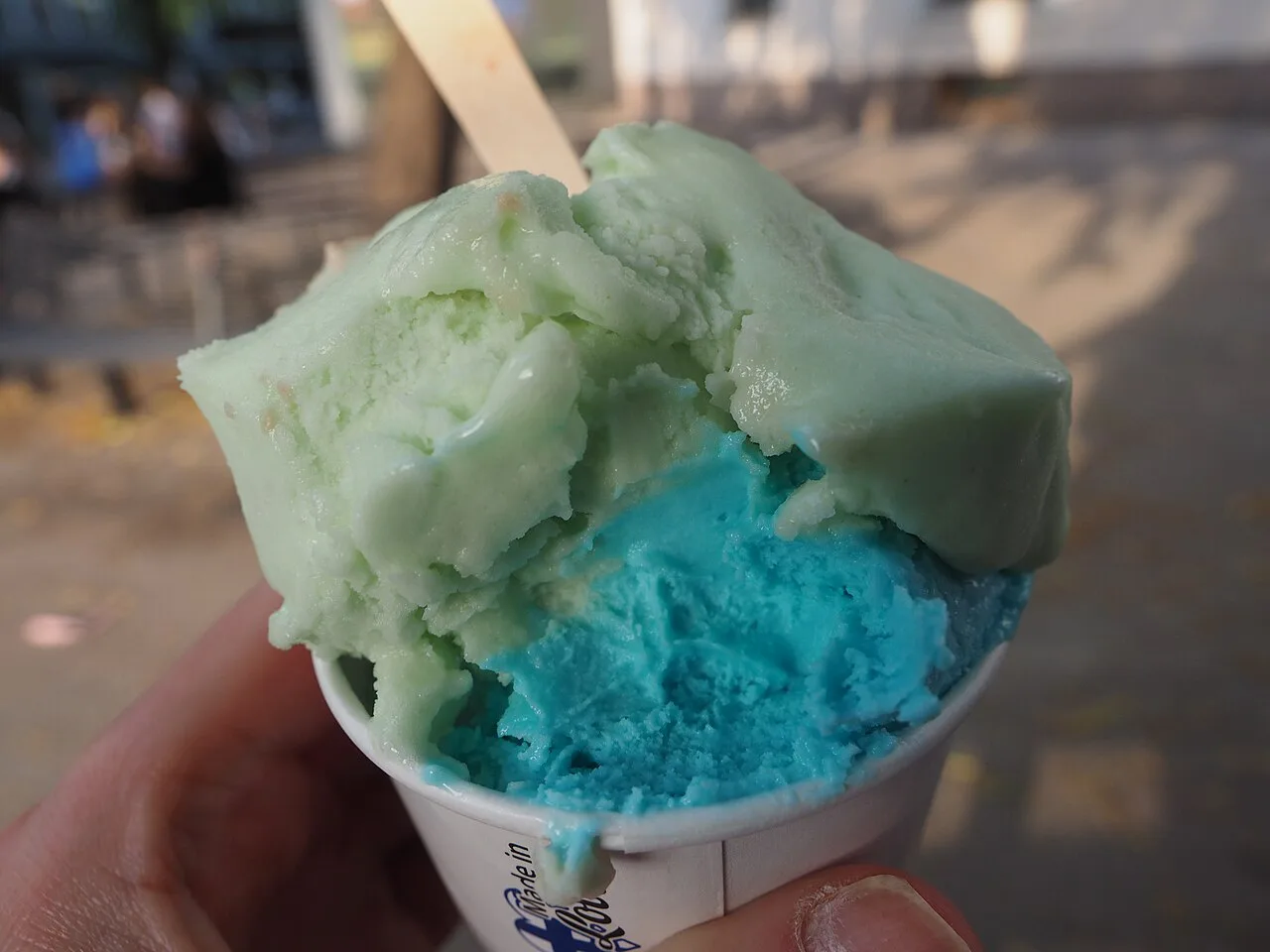
A pekara is a bakery for bread and savoury pastries, and it is the cheapest breakfast in town: a warm filled pastry or a roll eaten standing up costs a fraction of a café seat. A slastičarnica is a pastry shop for cakes and ice cream, the place to end an afternoon. Neither needs booking, and both fit a walk through town.
Poreč food by season: what changes between summer and winter
Summer brings fresh fish, tomatoes, peppers and aubergines, and menus swell to serve the crowds. Autumn is truffle season and the best time for the pasta dishes that define Istrian cooking. Winter menus are shorter and heavier, built on beans, cabbage, cured meat and braised dishes, and fresh fish is less of a certainty.
The bigger seasonal change on the coast is whether the tables are open at all. Many coastal restaurants work the summer season and close from late autumn to spring, so a konoba that is thriving in August may be shuttered in January. In the quieter months, call ahead or drop in during the morning, and expect the town's eating to concentrate around the places that stay open all year.
Booking a table in high season
In July and August, book the evening table you care about a day or two ahead, especially on the waterfront and at any konoba with a short menu and a good name. The best tables by the water go first, and walk-ins are most likely to succeed at lunch or early in the evening. Groups should book further ahead than couples.
Away from high season, booking is rarely necessary. Use the quieter months to try the places that would be full in August, and eat earlier if you want the pick of the tables. Carry some cash as a backup, and confirm the card situation when you sit down. The same pattern applies elsewhere in the region, so check which places fit which season before you commit to an evening.
Which meal to book first
Book one fish dinner on the harbour and one konoba meal a few streets back, and eat the rest casually. That pair covers both halves of Poreč's food identity, the Adriatic table and the Istrian one, and leaves the bakeries and pastry shops to fill the gaps. If you only have one evening, choose the konoba and order fuži with truffles and a glass of Malvazija.
Explore more Poreč guides
Frequently Asked Questions
What are some traditional dishes from Istria?
The core Istrian dishes are fuži and pljukanci pasta, pršut (dry-cured ham), maneštra (a thick bean and vegetable soup), boškarin (Istrian ox) and truffles. In Poreč you will find them in konobas and trattorias away from the harbour, alongside a coastal fish menu on the waterfront.
What time do Croatians eat dinner?
In summer, dinner in Poreč tends to run late, with tables filling from around eight in the evening and the waterfront busiest after that. Lunch is often the main meal and the better-value sitting at simpler places. If you want a quiet table or to eat earlier with children, arrive at opening rather than at peak.
What is the most popular food in Croatia?
Nationally, the dishes travellers meet most often are grilled fish, ćevapi and pizza, but Poreč eats with an Istrian accent. Here the local favourites are fuži and pljukanci with truffles, pršut, maneštra and Malvazija wine.
Sources
Notes on eating well in Croatia
Optional updates to our food guides.
You might also like
Continue reading
More guides you'll find useful