Cheap Eats in Rijeka: Where to Eat Well on a Budget
Find cheap places to eat in Rijeka, from marenda lunch menus and bakeries to market stalls, with the budget dishes to order and what they typically cost.
On this page
The cheapest good lunch in Rijeka is a marenda: a warm daily set meal, usually written on a chalkboard and served from about 11am to 2pm, costing roughly five to ten euros. This guide covers that lunch format, the pizzerias and bakeries that fill the gaps, and the central market where you can assemble a cheap meal from cheese, cured meat and seafood.
It also sets out the budget dishes worth knowing by name, from jota to crni rižot, and explains how fish and scampi are priced by weight so a splurge never comes as a shock. Prices are given in euros as typical ranges rather than fixed figures, since menus change with the season and the catch.
What cheap eating looks like in Rijeka
Rijeka's food sits between the Kvarner coast and the Central European interior: seafood from the bay on one side, hearty stews and sauerkraut-influenced dishes on the other. That mix is good news for a budget, because the filling half of the menu is built on beans, potatoes, pasta and cheaper cuts rather than luxury ingredients. A cheap meal here is not a compromise on flavour; it is simply the everyday food of a working port.
The two reliable ways to eat well for less are the daily marenda lunch and self-catering from the central market. Restaurant à la carte ordering is where budgets slip, especially with seafood sold by weight, so plan your cheap meal around the lunch menu or a market picnic. To see how that compares with what you would spend on a sit-down grill dinner on the same day, it helps to know your priorities before you leave the accommodation.
Marenda in Rijeka: what it is, when it is served and what it costs
Marenda, also called gablec or užina depending on the region, is a warm cooked lunch eaten with a spoon or fork, and in the real sense of the term it is made from fresh local produce rather than fast food; common versions include cod stew, meatballs in tomato sauce, boiled veal with potatoes or a veal risotto. Look for the chalkboard outside with three or four daily dishes, which is the signal that a place is cooking a proper lunch rather than reheating. It's usually served between 11am and 2pm, and it costs anywhere between five and ten euros, according to a Croatian budget-eating guide.
The trade-off is choice and timing: you eat what the kitchen has cooked that day, and once it runs out the board comes down. Arriving close to noon gives the widest pick, while a late-afternoon attempt often means the daily offer is finished. For a solo traveller or a couple, this is the single biggest saving available in the city, and it is also the most local way to eat. If you want a sit-down evening meal instead, budget separately for it rather than expecting lunch prices at dinner.
Pizzerias: the reliable cheap sit-down meal
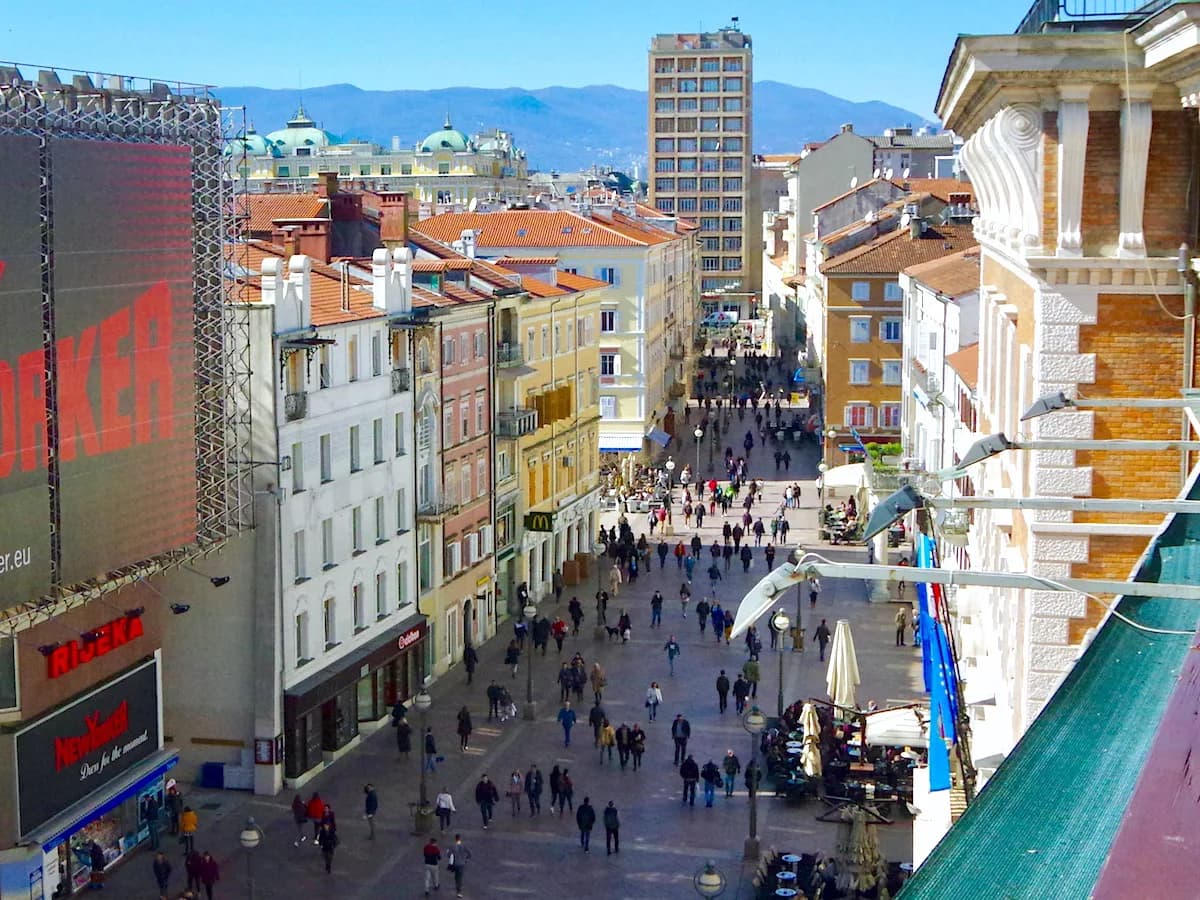
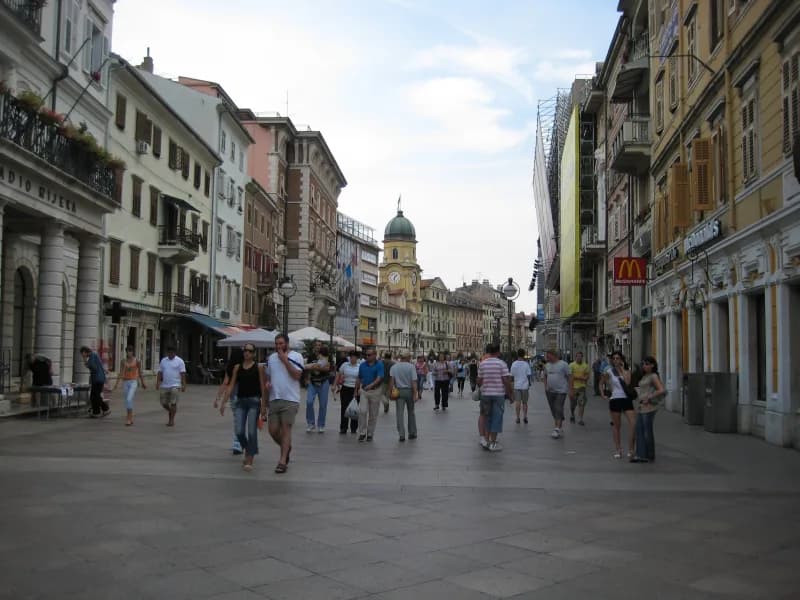
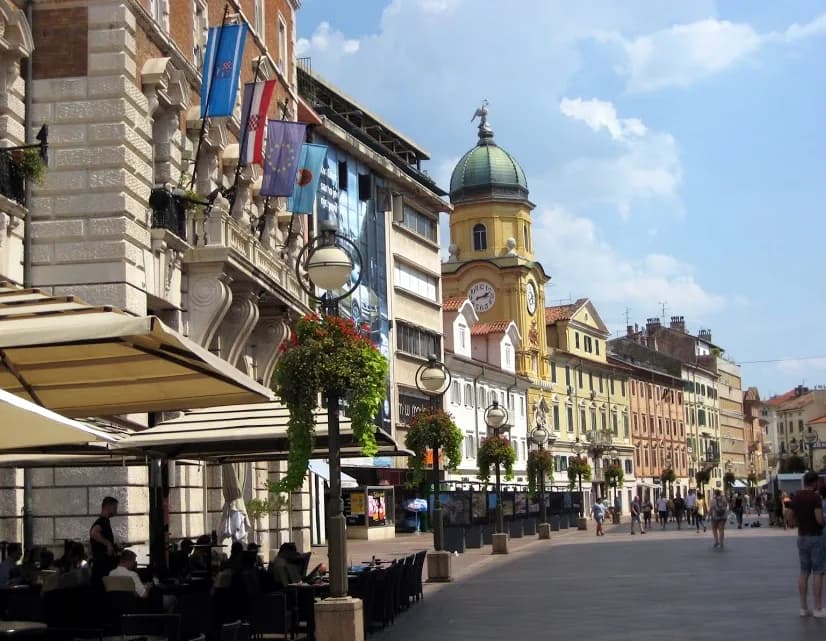
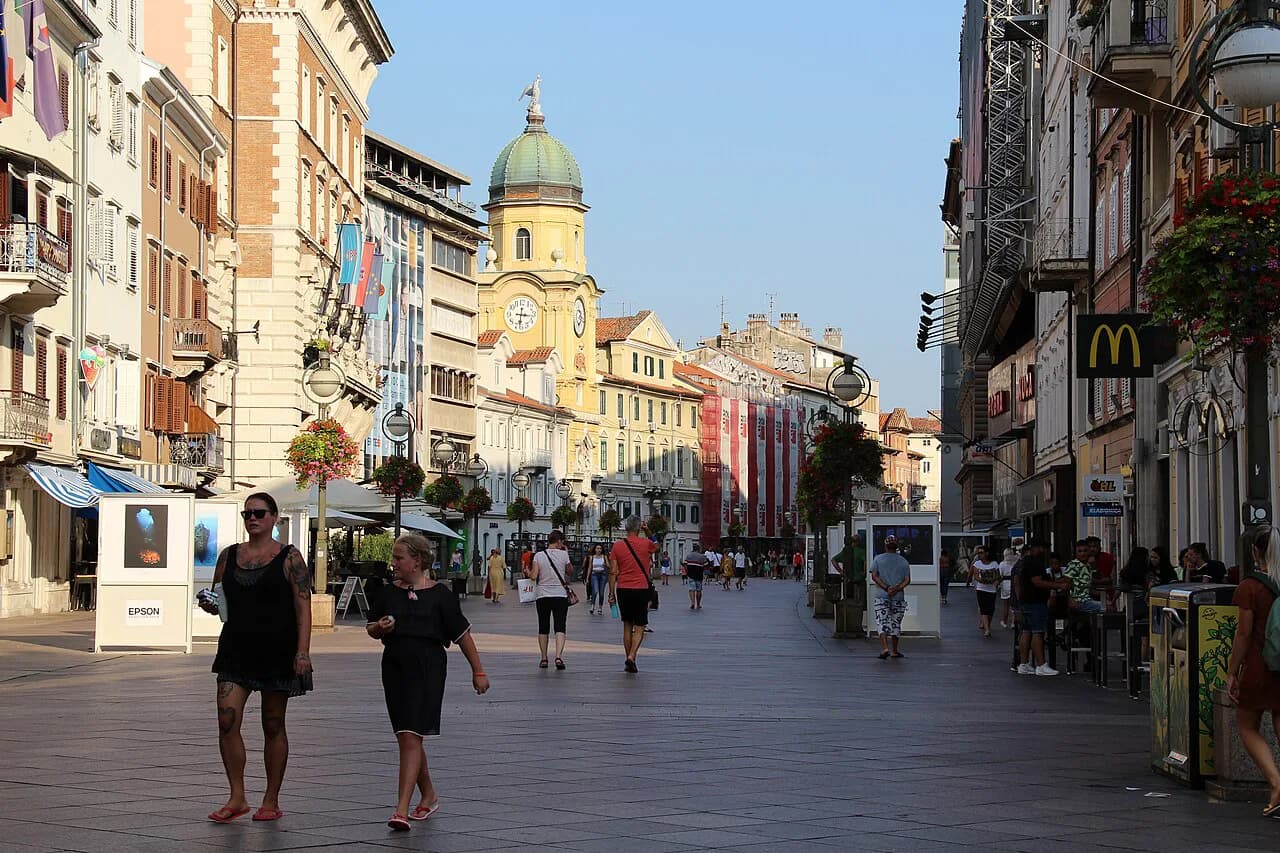
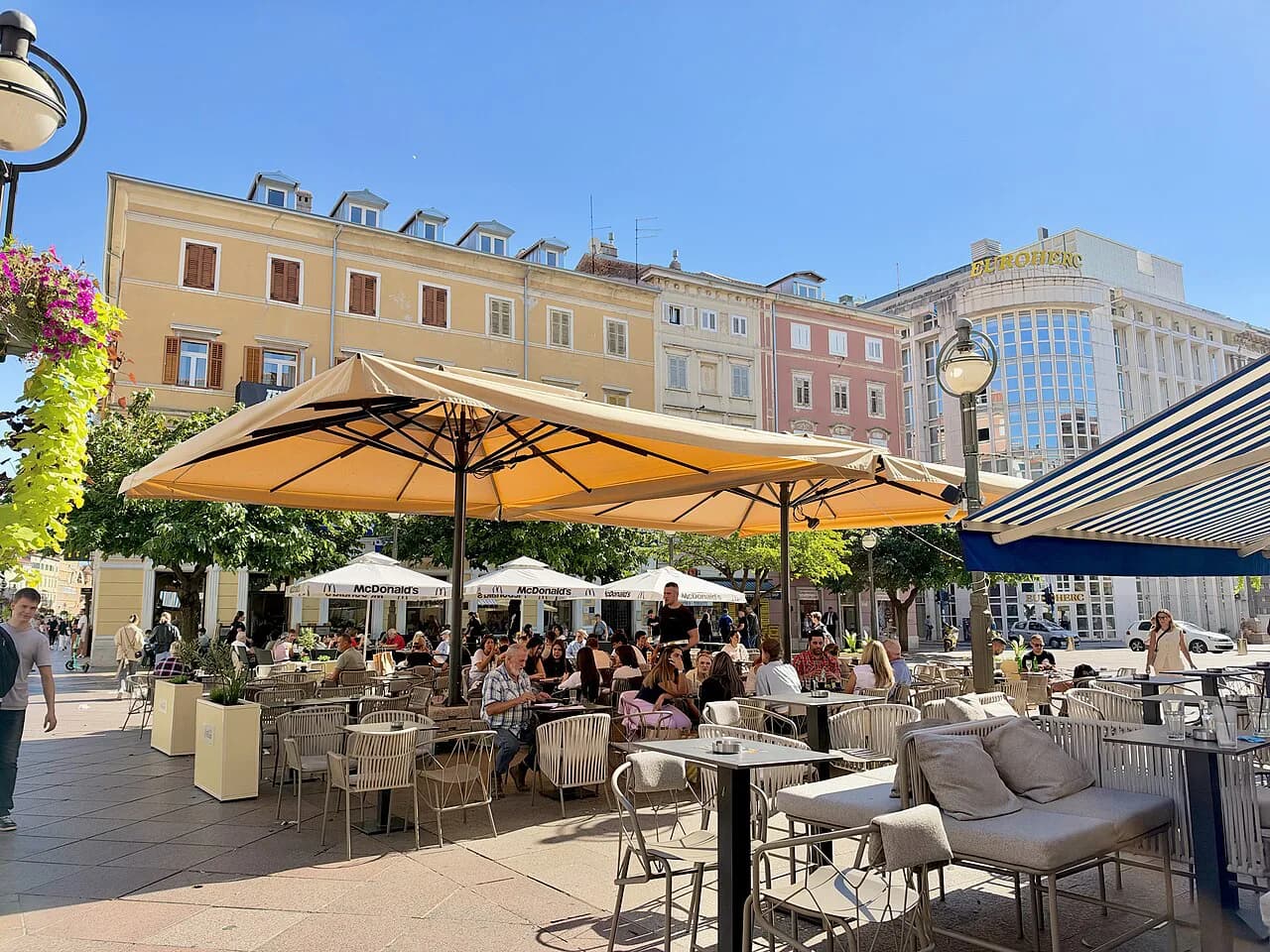
Pizza is the dependable cheap dinner in Rijeka, with a whole round usually costing far less than a seafood main. Pizzerias along and around the Korzo promenade and the backstreets behind it suit groups and families. Order a simple Margherita or a vegetable pizza rather than one loaded with pršut and truffles, and the bill stays modest; our pick of the Best Pizza in Rijeka covers where to sit and what to order.
The compromise is atmosphere: the most central terraces charge for their position, and a slightly less photogenic street a few minutes inland can serve the same pizza for less. Lunchtime is quieter and often better value than the evening rush. If pizza is not what you fancy and you want a cheap grill plate, a Steak in Rijeka evening is a different budget altogether, so decide which meal you are actually buying.
Bakeries (pekara): a cheap breakfast or lunch on the go
A pekara is a bakery, and in Rijeka it is the cheapest way to start the day or to put together a portable lunch. Expect burek and similar filo pies, savoury pastries, bread by the loaf and simple sweet items; buy two small savoury pastries and a yoghurt and you have a full meal for the price of a coffee and cake in a café. Bakeries open early, so they work well before a morning ferry or a day on the move.
Use them for self-catering too: a loaf, some cheese and a handful of tomatoes from the market make a hotel-room lunch that costs less than any restaurant plate. The limitation is seating and choice, since bakeries are built for takeaway, and the best items sell out through the morning. Pay attention to what the person in front of you is buying, which is usually the freshest tray on the counter.
The central market (Placa): cheese, pršut and scampi to eat cheaply
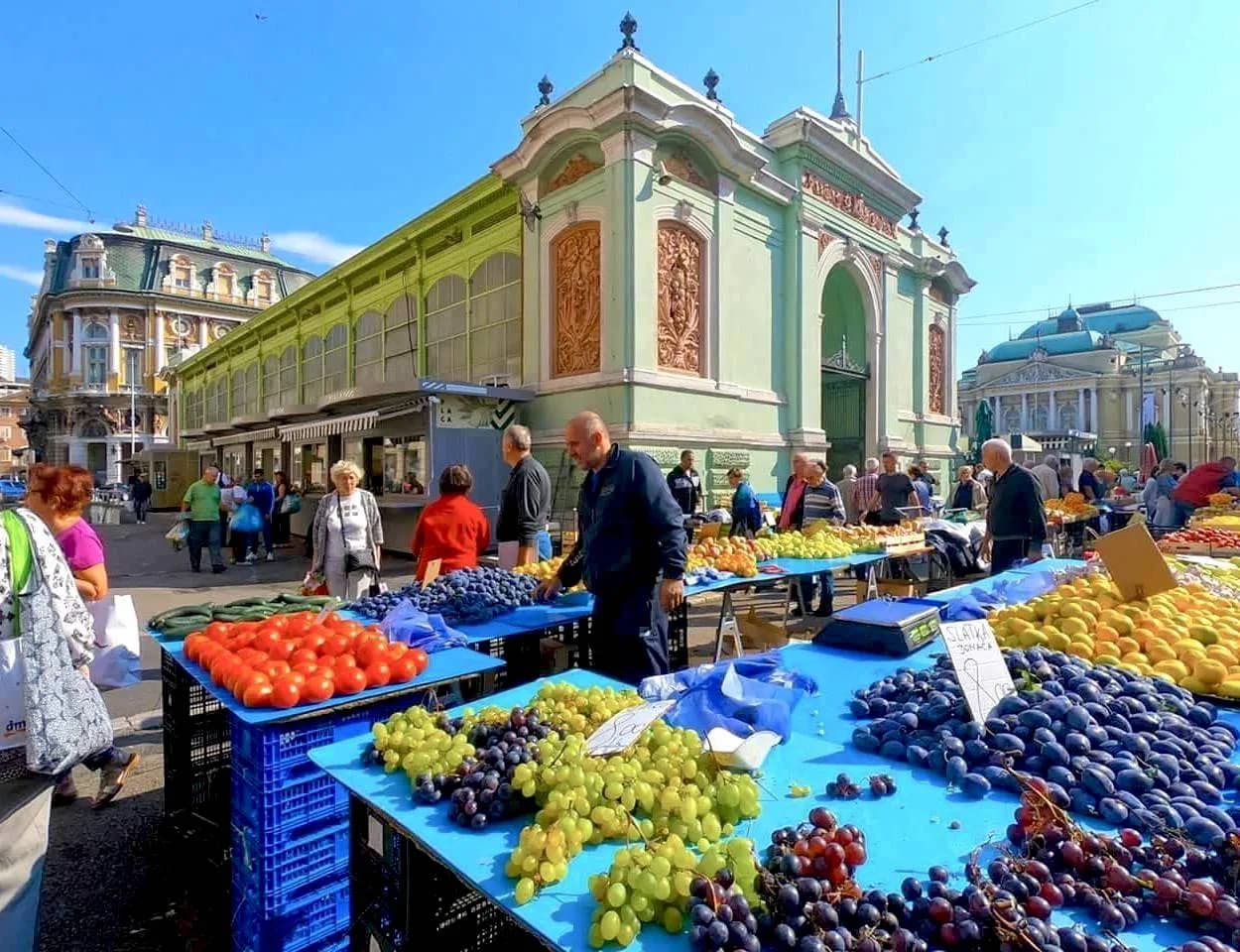
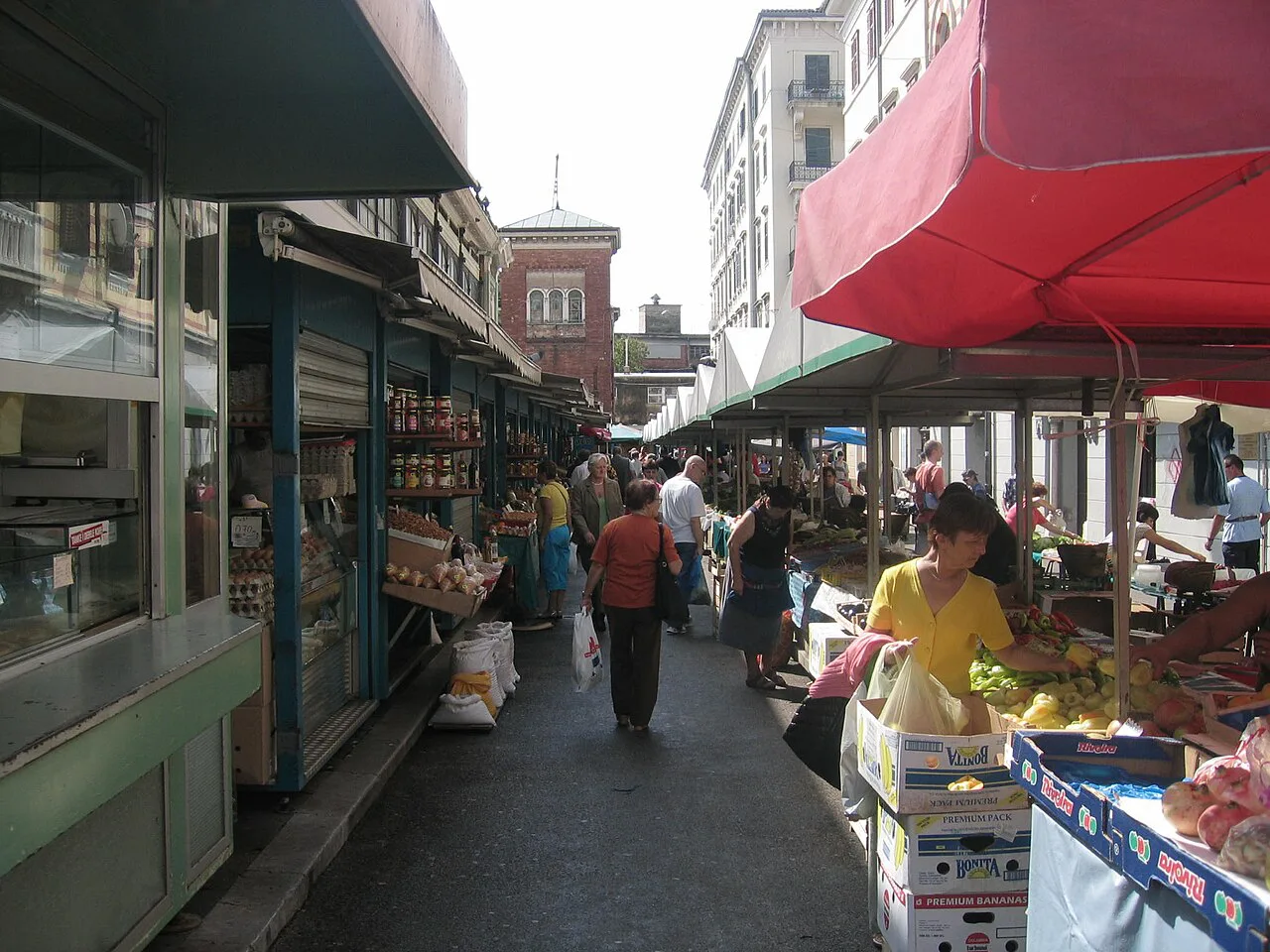
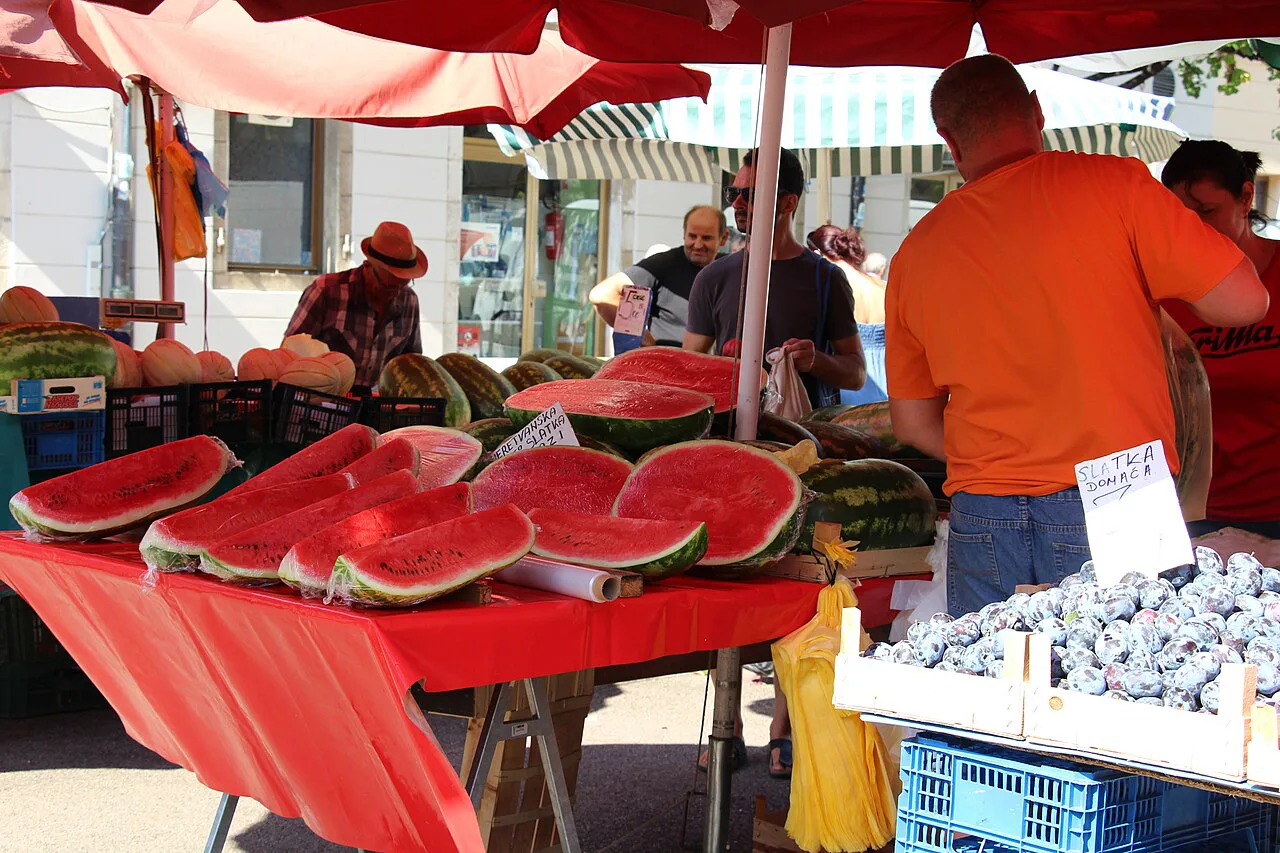
The Central Market, known as Glavna Tržnica or Placa, sits just off the Korzo and is the heart of Rijeka's food culture, housed in three Art Nouveau pavilions. The fish market, the Ribarnica, occupies an iron-and-glass pavilion built in 1916 and sells the daily catch from the Kvarner Bay: sardines, red scorpionfish, monkfish and scampi. Arrive early, around 8am to 9am, for the best selection and the liveliest atmosphere, according to a local food guide to the city.
For a cheap meal rather than a cooking project, head to the meat and dairy pavilions for Paški sir (Pag cheese), pršut (dry-cured ham) and pancetta, then add bread from a bakery and fruit from the outdoor stalls. Sardines are the budget fish to buy if you have a kitchen; scampi are priced by weight and are the expensive end of the counter. Buying a small wedge of cheese rather than a whole one keeps the spend down and lets you try more than one thing.
Dishes worth ordering on a budget: jota, crni rižot, fritule
Jota is the budget dish to know: a thick stew of beans, sauerkraut, potatoes and often smoked pork, it is Central European comfort food and a legacy of the city's Austro-Hungarian past. On a marenda menu it is typically priced at around eight to twelve euros, which makes it one of the cheapest hot lunches in the city. Crni rižot, black risotto coloured and flavoured with cuttlefish ink, is a filling main typically priced around fifteen to twenty euros, so it is a modest splurge rather than a budget staple.
For sweets, fritule are small fried dough balls and kroštule are thin, crisp fried pastry ribbons, both cheap and easy to share. Order them with a coffee rather than as a restaurant dessert and the cost stays low. If you want pasta on a budget, look for Istrian fuži (quill-shaped) or pljukanci (hand-rolled spindle shapes) in a simple sauce rather than a truffle version, which pushes a plate to twenty to thirty-five euros.
What cheap dishes cost: portions and prices in euros
Treat the figures in this guide as typical ranges from published Croatian food writing, not menu quotes: marenda five to ten euros, jota on a daily menu around eight to twelve, crni rižot around fifteen to twenty, and truffle pasta twenty to thirty-five. Portions in Rijeka are generally generous, so a stew or risotto main plus bread is enough for most appetites without a starter. Croatia has used the euro since 2023, so prices are quoted and paid in euros throughout.
The biggest variable is seafood sold by weight, which is where a cheap lunch can turn into an expensive one. Ask for the weight and the total before the kitchen starts, and choose a smaller fish or a portion of scampi rather than a whole large specimen. Card is widely accepted in the city, but keeping some cash is sensible for market stalls. If you want a burger instead of a stew, that is a different price bracket, and a burger Rijeka can be a cheap or an indulgent meal depending on where you go.
Pairing a cheap lunch with a Kvarner seafood splurge
Škampi na buzaru is the signature Kvarner dish: scampi cooked in white wine, garlic, parsley and breadcrumbs, served with bread for dipping, in a white version without tomato or a red one with it. Fresh Kvarner scampi are priced by weight at roughly seventy to ninety euros per kilogram, so a portion is a deliberate treat rather than an everyday plate. Have a marenda lunch and put the savings towards one scampi dinner, and you get both the budget experience and the local speciality.
Order by the decagram or ask for a smaller weight if the menu allows, and confirm the total before cooking; a kilogram between two people is a lot of scampi. Bread is essential to mop the sauce, so do not order extra sides. It is worth comparing how other Croatian cities handle budget eating before you set expectations, as cheap eats Dubrovnik sits at a different price level from Rijeka.
Marenda or scampi: which meal should you budget for?
Build your Rijeka eating around marenda at lunch, fill breakfast and picnic gaps from a pekara and the Placa, and keep one evening free for škampi na buzaru priced by weight. That combination gives you the city's real cooking at its cheapest plus one proper Kvarner seafood meal, without either being a compromise.
Explore more Rijeka guides
Frequently Asked Questions
How much does a meal cost in Croatia?
As a rough guide, a marenda lunch in Rijeka typically costs around five to ten euros, a portion of crni rižot around fifteen to twenty euros, and truffle pasta twenty to thirty-five euros. Seafood sold by weight is the main variable, so ask for the total before ordering.
Do I need to book a cheap restaurant in Rijeka?
Many marenda places and pizzerias take walk-ins, especially at lunch. In July and August, a popular evening pizzeria or seafood restaurant may fill up, so eat earlier or choose a table slightly off the Korzo.
Is it cheaper to eat at the market than in a restaurant?
Yes, for a picnic-style meal. Cheese, pršut, bread and fruit from the Placa and a bakery cost less than a restaurant plate, though the market is a daytime option and the fish hall is best visited early in the morning.
Sources
Notes on eating well in Croatia
Optional updates to our food guides.
You might also like
Continue reading
More guides you'll find useful