Cheap Eats in Dubrovnik: Budget Bites and Where to Find Them
Cheap eats in Dubrovnik come from pekara pastries, market produce off the Stradun and old-town kitchens where a sit-down dish costs less than a terrace lunch.
On this page
Cheap eats in Dubrovnik come down to format rather than luck: the cheapest good food is a bakery pastry, market produce eaten on a bench, or one traditional dish in a modest old-town kitchen, not a three-course lunch on the Stradun. This guide sets out those formats one by one, names the places worth knowing and explains the ordering decisions that decide what you pay.
It covers pekara stops, the morning market off the main street, the smaller market on Pemo, a black risotto worth sitting down for, and how fish sold by weight changes the arithmetic of a meal.
What cheap eating in Dubrovnik actually costs
Old-town menu prices sit at big-city levels, closer to what you would pay in New York or Las Vegas than to a rural Croatian konoba, so the same budget buys far less inside the walls. The practical response is to Split your eating between formats: pay for one sit-down dish you actually want and fill the rest of the day from bakeries and markets.
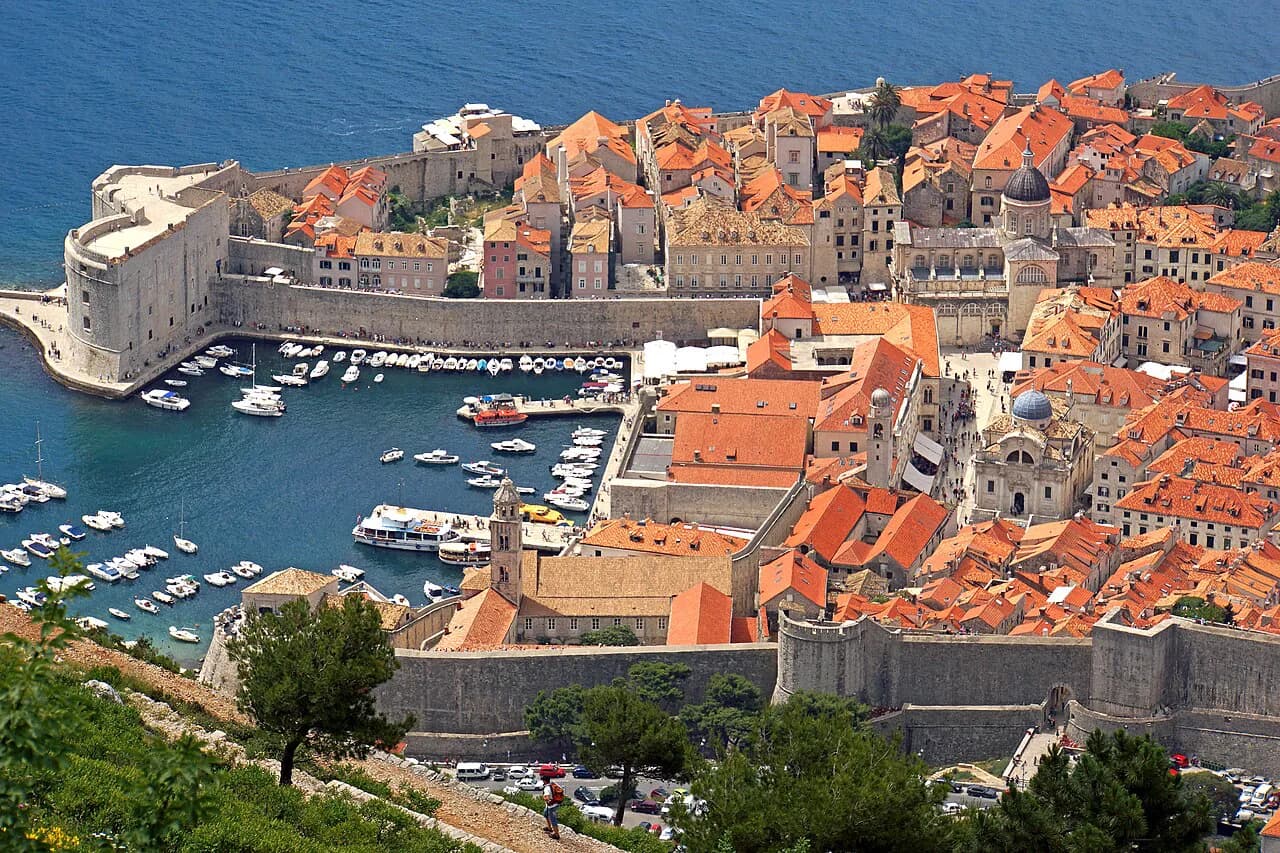
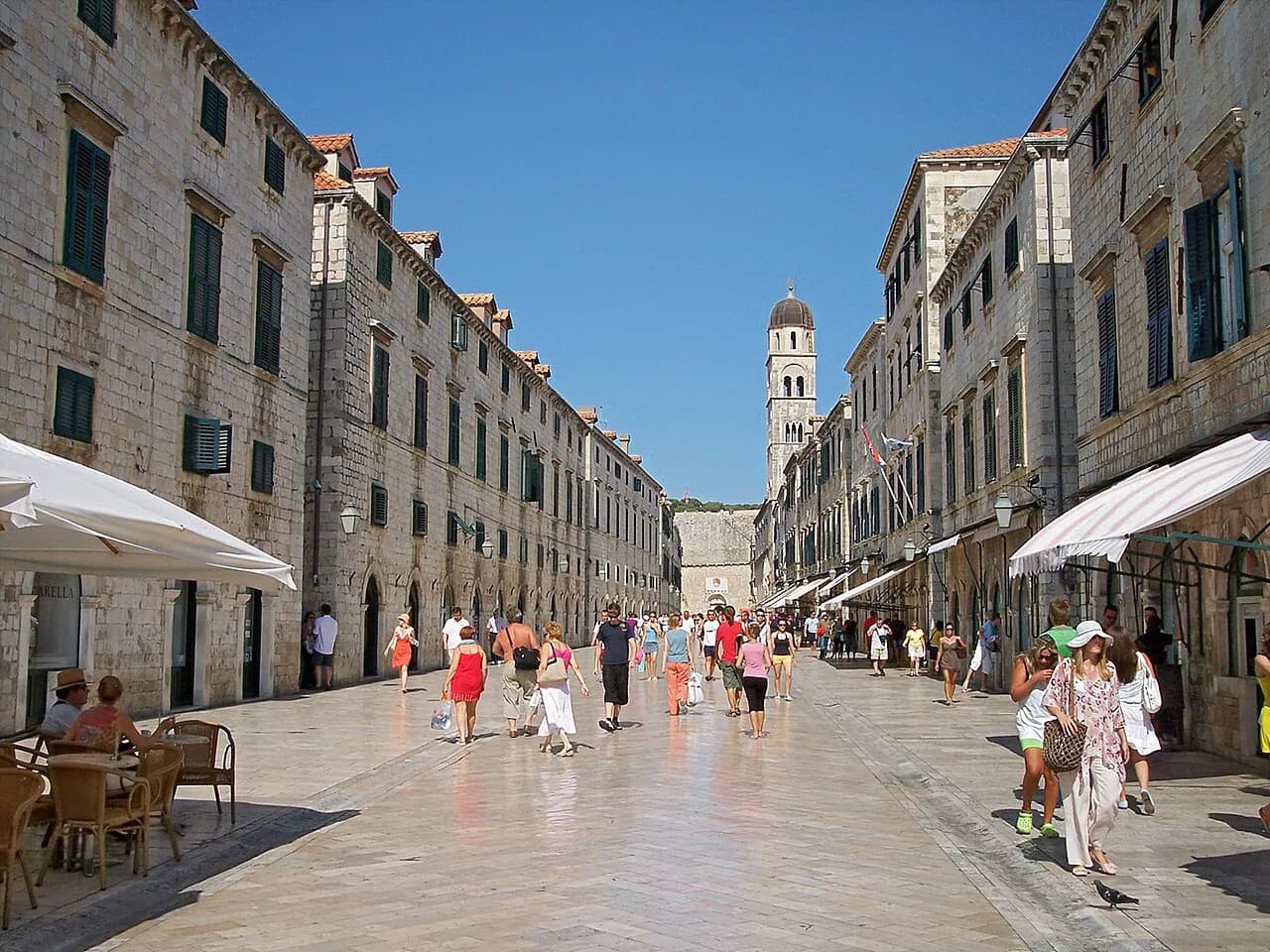
That means a Stradun-side table is a choice about setting, not about value. A terrace on or just off the main street buys people-watching and a UNESCO backdrop; one street back or a short walk uphill usually buys a shorter menu at a calmer table, which is the trade most budget-minded visitors end up making.
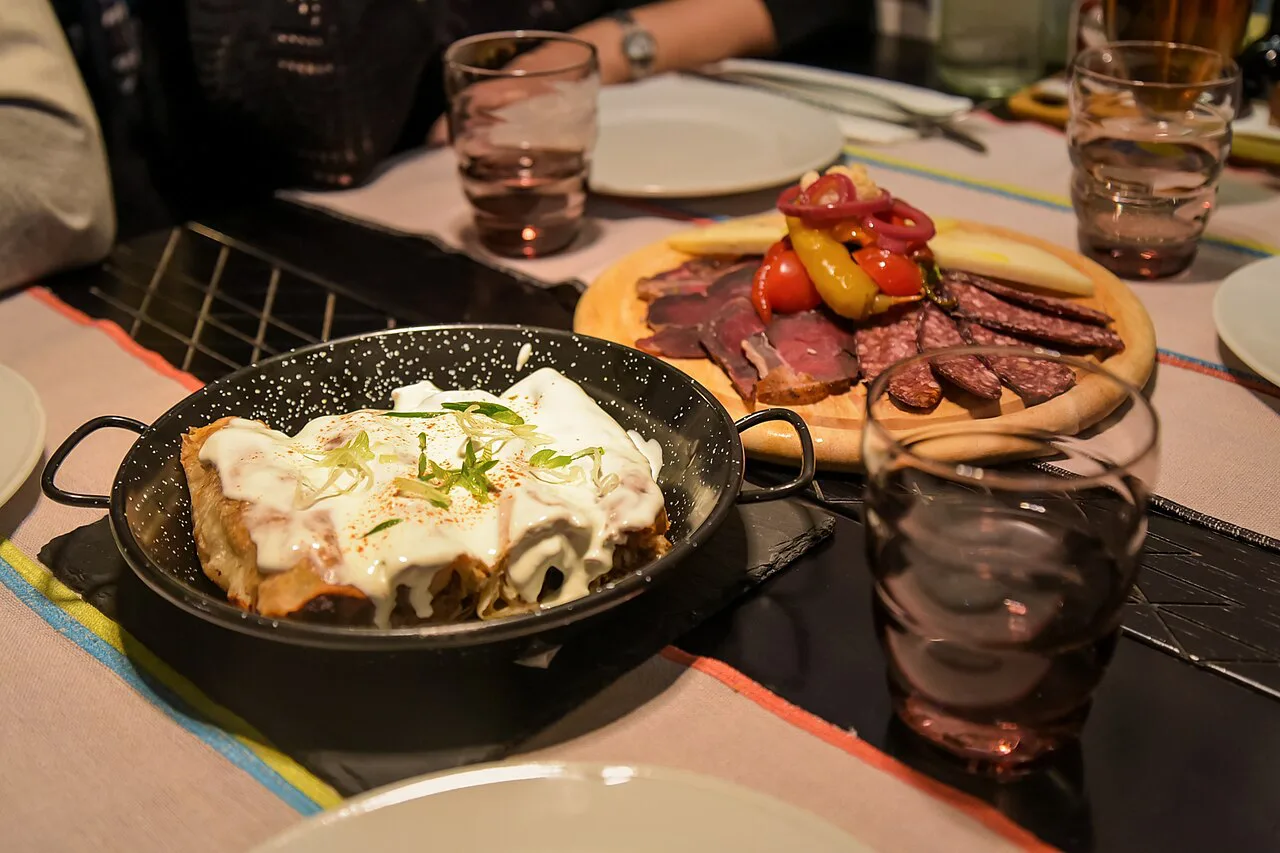
Pekara stops: burek and savoury pastries for a few euros
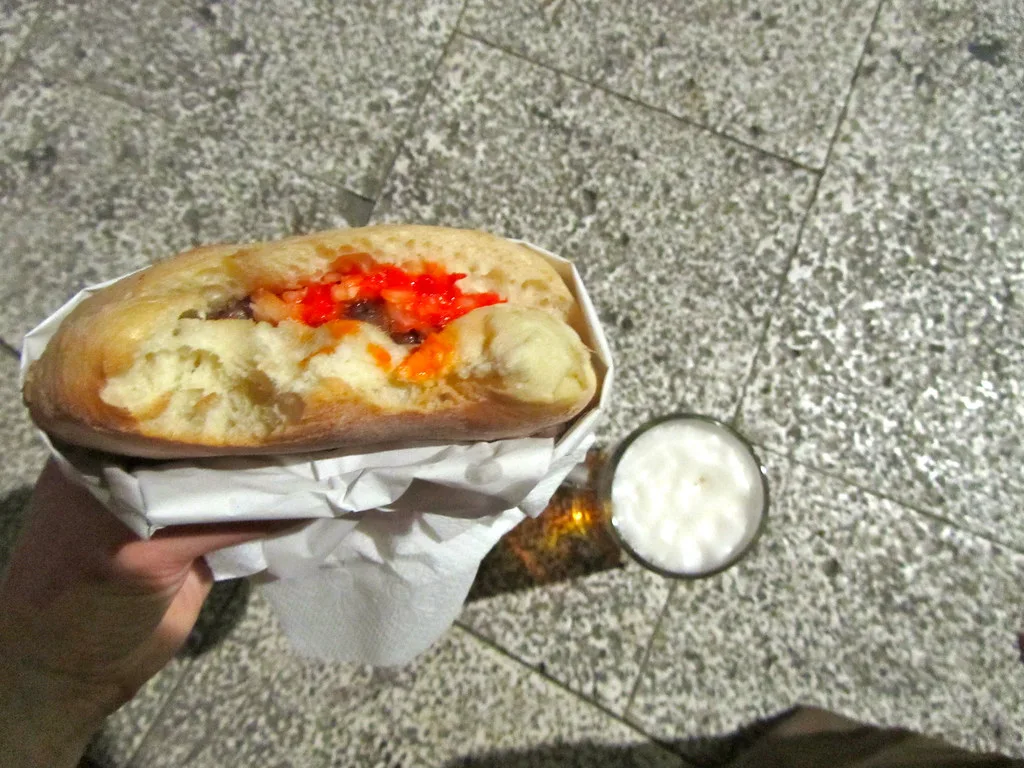
Small bakeries, called pekaras, are the single most reliable cheap eat in the city. They sell burek, a savoury meat pastry, along with sandwiches and other baked goods, and they are built for takeaway rather than sitting in, so you buy at the counter and eat on the move or on a step.
Bakeries are also where a late or early start gets rescued: they open before the old-town kitchens do and stay useful when you want something small rather than a full meal. Buy one item more than you think you need, because a warm burek disappears faster than expected and a second is cheaper than a sit-down breakfast.
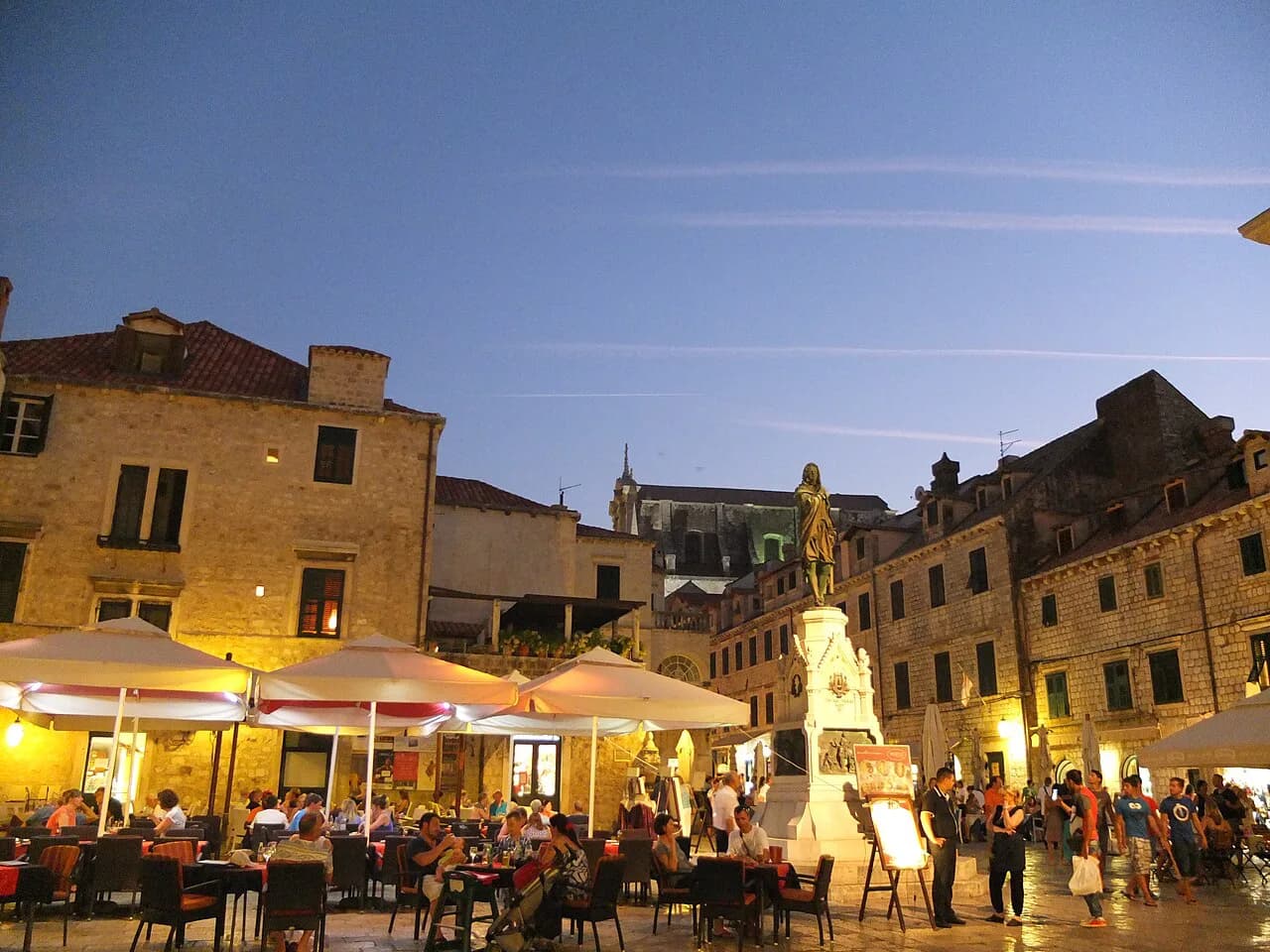
The morning market off the Stradun: Gundulićeva poljana
Gundulićeva poljana, the square a short hop off the Stradun, hosts a morning farmers' market that is the best-value food stop in the old town. You are buying fruit, vegetables and picnic pieces directly rather than paying for a table, a view and service, and the setting in the square makes it a better breakfast stop than most cafés.
Go early, because market produce is a morning trade and the best of it goes first. Buy what you can carry: stone fruit, tomatoes, a few slices of cheese or pršut (dry-cured ham), and a pastry from a nearby pekara to round it off.
Pemo Market: fruit, produce and picnic pieces
Pemo Market is a produce and grocery stop within the Gundulićeva poljana morning market, so it works on the same logic as the rest of the square: buy raw and eat elsewhere. Bring a bag and treat it as the place to assemble lunch before a walk.
Picnic pieces beat a sit-down lunch on cost and on time: bread, fruit, cheese and a handful of olives cost a fraction of a plated meal and let you eat somewhere with a view without paying for it. Carry water with you rather than buying it at a terrace, where the mark-up on drinks is where bills quietly climb.
Black risotto at Tavulin on the Stradun: a sit-down dish that stays affordable
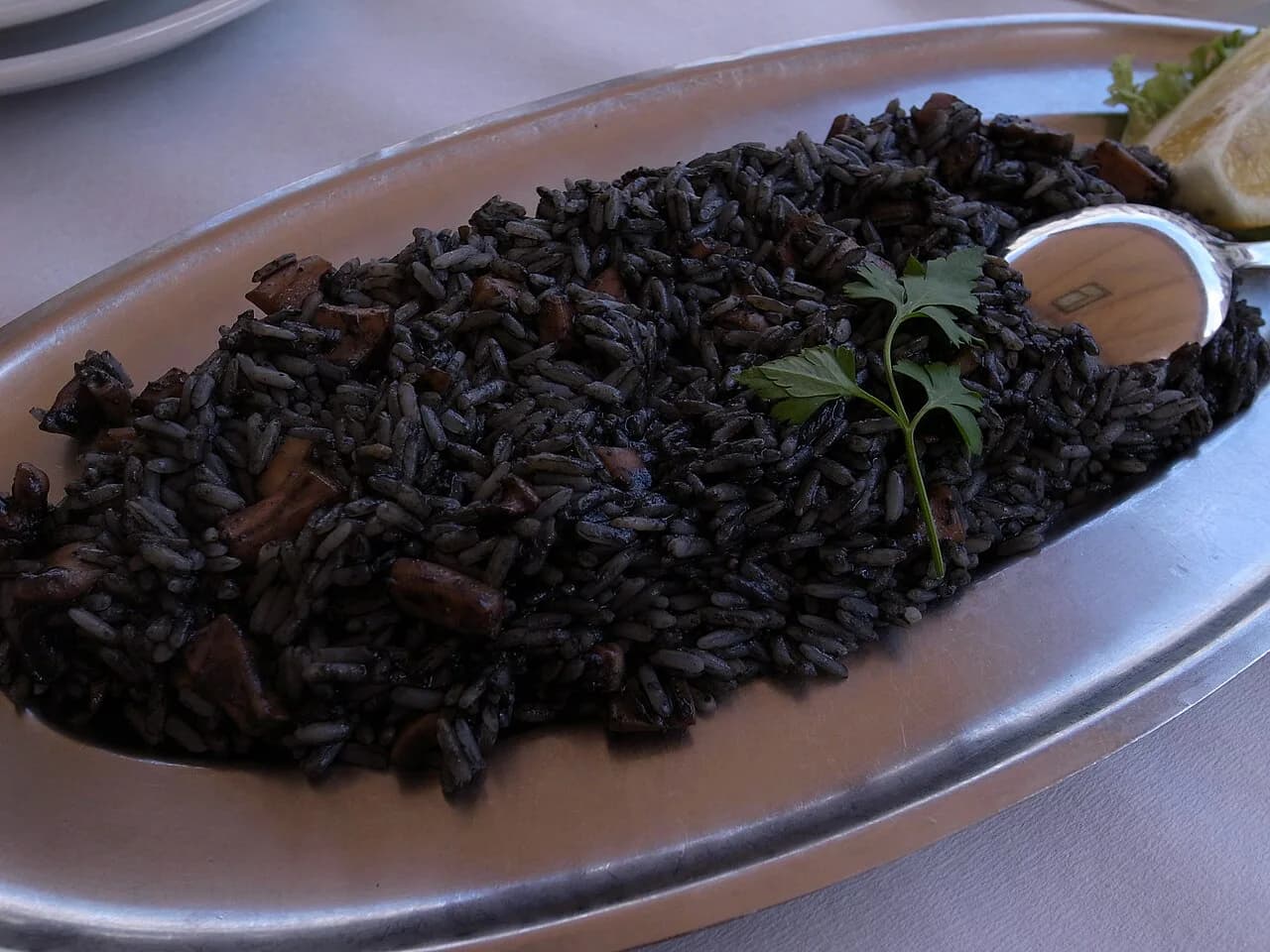
Tavulin, right off the Stradun, was rated the best-priced of eight old-town restaurants tried in a 2022 visit, and it serves both traditional dishes and a vegetarian option that is not an afterthought. The dish to order is the black risotto, made with squid ink, which is a local speciality to try at least once in Dubrovnik.
In 2022 that risotto cost about $14, which is the sort of figure to treat as history rather than a current menu price. The vegetarian gnocchi was rated edible rather than excellent, so if you are not eating seafood, ask what the kitchen does best before committing.
Ordering one main each, sharing a starter and taking tap water keeps a Stradun-side table within budget. If you want something other than Croatian cooking, the Best Pizza in Dubrovnik options or a sushi and Asian restaurant often run cheaper per head than most seafood terraces.
Kapun by the Jesuit Stairs: a cheaper old-town table near the crowds
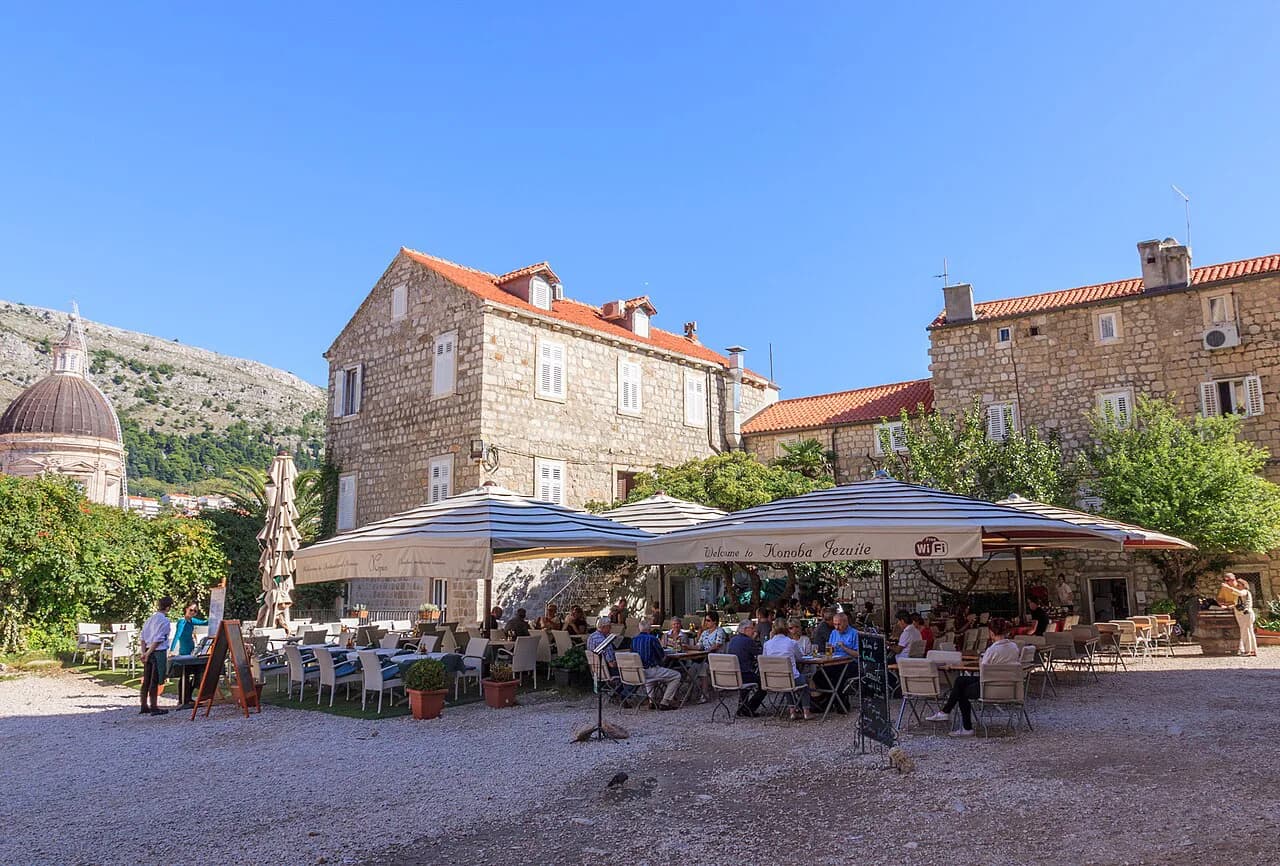
Kapun sits up by the Jesuit Stairs, the stepped flight made famous as a filming location, and its position one remove from the main street is exactly the kind of trade that keeps a bill lower. Eat here when you want a proper table and a view of old-town roofscapes rather than a bench and a paper bag.
Climb the stairs, look at the menu at the door and compare a couple of prices before you sit; that habit matters more in Dubrovnik than almost anywhere on the coast. If the seafood mains look steep, order a pasta or a vegetarian plate and put your budget into one good dish instead of three average ones.
Ordering to keep the bill down: bread, sharing, tap water, one glass
The cheapest way to eat well in an old-town restaurant is to order less than the menu invites: one main each, a shared starter, tap water and a single glass of wine rather than a bottle. Bread and olive oil brought to the table can be charged, so ask whether it is included before you tear into it, and skip it if you would rather spend the money on the main.
Lunch is generally the cheaper sitting at the same kitchen, and a main at midday leaves the evening free for market bread, cheese and fruit. For something quick and unfussy between those meals, Sushi and Asian Restaurants in Dubrovnik or a burger often cost less than a seafood plate, and both are easy to order for one.
If your day runs late, keep a bakery item in reserve, because late night food Dubrovnik options thin out and the fallback is often a pricier terrace.
Seafood priced by the kilo and the question to ask first
Fish in Croatian restaurants is usually sold by weight, so the price on the menu is per kilo and the final bill depends on the size of the fish you are shown. Before you agree, ask for the weight of the fish on offer and multiply it by the kilo price so you know what the plate will cost before it is cooked.
The same applies to seafood platters for two, which can easily become the most expensive thing on the table. If the answer is vague, choose a fixed-price dish such as black risotto or a pasta instead, where the number on the menu is the number you pay.
Cash or card, and paying at the counter
Croatia uses the euro, so there is no currency conversion to worry about, but smaller bakeries and market stalls are the places where a card can be awkward. Carry some cash for pekaras, market produce and any small purchase, and keep card for restaurant bills where the terminal is standard.
Bakeries and markets work on counter service: you point, they wrap, you pay, and you leave. Queue where the locals queue rather than hovering at the display, and have your money ready, because the morning rush moves quickly.
Where to eat cheaply around the old town rather than on the main street
Treat the Stradun as a place to walk and the streets behind it as the place to eat. The pattern that works is a market breakfast, a bakery lunch and one sit-down dish in the evening at a kitchen a few steps off the main drag, which keeps the daily food spend close to what you would pay in a mid-range Croatian town.
Dubrovnik rewards a bit of planning rather than luck: pick your one splurge dish in advance, keep the rest of the day cheap, and you get the old-town setting without the old-town bill.
Which cheap eat suits your day
Match the format to the moment: a pekara pastry when you are moving, the Gundulićeva poljana or Pemo market when you want a picnic, and Tavulin or Kapun when you want a proper table without a Stradun bill. Order one dish you actually want, share the rest, and drink tap water with a single glass of wine.
If you are heading on to the islands or up the coast, the same thinking travels: cheap eats Hvar and cheap eats Pula follow the bakery-and-market logic set out here.
Explore more Dubrovnik guides
Sources
Notes on eating well in Croatia
Optional updates to our food guides.
You might also like
Continue reading
More guides you'll find useful