Gluten Free Zagreb: Where to Eat and What to Order
A practical guide to eating gluten free in Zagreb, covering naturally gluten-free Croatian dishes, how to ask in Croatian, and the risk of breadcrumbs and flour.
On this page
Eating gluten free in Zagreb works best if you build meals around plain grilled fish, meat and vegetable dishes and treat anything breaded, fried or sauce-covered with suspicion. Awareness of coeliac disease in Croatia is more limited than in some neighbouring countries, so the person taking your order needs a clear, specific request rather than a general one. This guide covers the Croatian phrases that carry the message, the dishes that are usually safe, the places where gluten hides and the Zagreb restaurants named as gluten-free-friendly options.
What eating gluten free in Zagreb looks like
Zagreb is a continental city, so its cooking leans on the Central European and Habsburg kitchen as much as the Adriatic one: stews, schnitzel-style cutlets, dumplings and pastries sit alongside fish and grilled meat. That mix cuts both ways. Grilled meats, freshwater fish and simple vegetable sides are straightforward to order without gluten, while breaded cutlets, flour-thickened stews and layered pastries are the dishes most likely to catch you out.
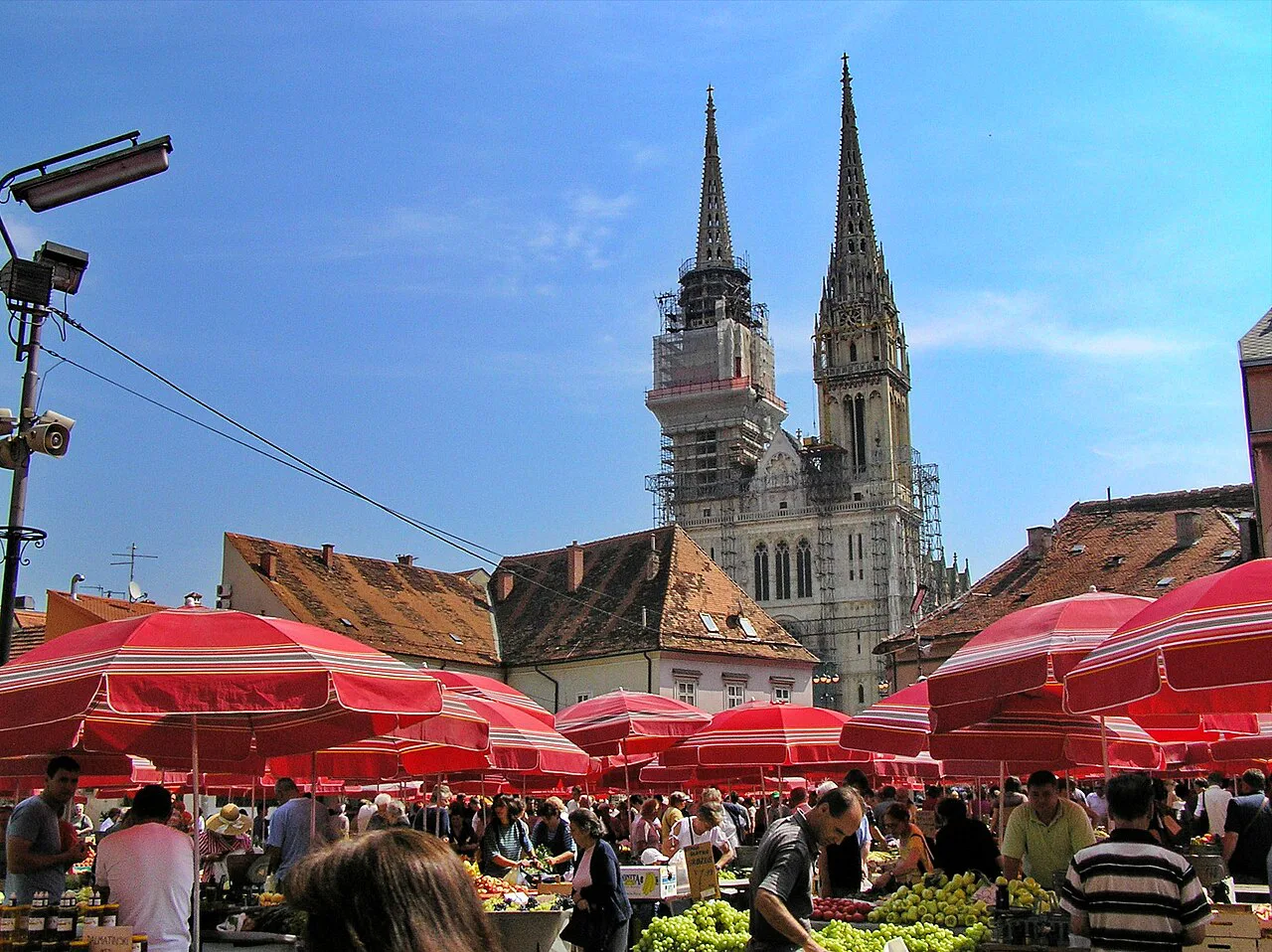
The practical approach is to pick the restaurant around the dish rather than the other way round. A konoba serving grilled meat and salad is an easier table than a place built on pasta and pastry, and the capital has plenty of both. If you want a starting list of kitchens that suit a careful order, our guide to Zagreb restaurants covers the city by area and style, including the market-led places around Dolac market.
How to say gluten free in Croatian and what to ask at the table
The phrase to learn is bez glutena, which means without gluten, and it is worth writing it down before you sit down. Croats working in restaurants generally recognise the term, but the useful question is narrower: ask whether a dish contains flour, breadcrumbs or thickened sauce, because a general gluten-free request can be met with a shrug while a specific one gets a specific answer.
A short written Croatian card removes the guesswork at the table, especially where English is limited or the kitchen is busy. A phrase list covering the ingredients to avoid, rather than only the words gluten free, lets the waiter check the actual recipe with the kitchen. Pair it with a plain question about how the dish is cooked: grilled, boiled or stewed is easier to trust than fried.
Naturally gluten-free Croatian dishes to order
Grilled fish, grilled meat and simple stews are the backbone of a gluten-free meal in Zagreb. Pašticada, the Dalmatian braised beef, is often served with njoki (potato dumplings) or pasta, so ask which and whether the sauce is thickened with flour. Pršut (dry-cured ham) and paški sir (hard sheep's cheese from the island of Pag) make a simple starter, and a plate of grilled vegetables or a plain seasonal salad fills out the table.
When you order fish, ask for it grilled and specify no breadcrumbs or flour coating, since a light dusting before grilling is common and easy to miss. Salt, olive oil, lemon and parsley are the usual finish and carry no gluten. Stews and soups are the other reliable category, but they are also where a roux or a spoon of flour can sneak in, so confirm before you commit.
Dessert is the harder course. Croatia's favourites often involve pastry, biscuit crumbs or a flour-thickened cream, so fresh fruit or a plain cheese course is the low-risk finish. If pudding matters to the meal, ask early rather than at the end, when the kitchen has less patience for a detailed question.
Where gluten hides in Croatian cooking: breadcrumbs, flour and fried food
Breadcrumbs are the single biggest trap. They appear on grilled fish and meat as a coating, in stuffed and rolled dishes, and in schnitzel-style cutlets that are sometimes described as grilled on a menu. If a dish arrives with a golden crust, treat that as a breadcrumb coating until the kitchen confirms otherwise.
Flour turns up in places you would not expect: as a thickener in stews and sauces, in some soups, and in the batter around fried vegetables and seafood. Fried food shares oil, which matters if you are sensitive to traces. Pastry and pasta are the obvious risks, but the hidden ones in a savoury dish are what most often catch people out.
Shared kitchens are the quiet risk in any city, and a dedicated gluten-free kitchen is a different proposition from a standard restaurant that accommodates coeliac guests. The trade-off is choice against certainty: a standard kitchen gives you more tables, while a kitchen that handles gluten-free food separately reduces the chance of a mix-up. Neither is a guarantee, so ask how a dish is prepared and whether it is cooked in a separate area or fryer.
Restaurants in Zagreb named as gluten-free options
A few Zagreb restaurants are listed among gluten-free-friendly options, including BioMania Bistro Zagreb, Vegehop and Zrno bio bistro. All three sit in the vegetarian and organic corner of the city's eating scene, which is where wheat-free cooking tends to be best understood. They are worth considering as easy tables rather than as the only answer in town.
None of them should be treated as a guaranteed safe kitchen for coeliac disease, because the standard to check is how each dish is prepared on the day. Ask the same questions you would anywhere else: is there flour in the sauce, are the fried items cooked in shared oil, and is the bread served separately. If you want a more formal meal, a Michelin star restaurant Zagreb or another polished kitchen can usually accommodate a plain grilled or steamed order if you explain it clearly.
For a fish-led dinner, the city's seafood kitchens are a strong bet because grilled fish is naturally gluten free once you rule out breadcrumbs and flour dusting. Ask for it simply grilled with olive oil and lemon, and take a plain potato or vegetable side rather than anything fried. Our pick of Seafood Restaurants in Zagreb covers where to sit for that kind of order.
Reading menus: grilled fish, meat and stews versus pasta and pastry
Scan a Croatian menu by cooking method rather than by dish name. Grilled, boiled, stewed and roasted are the words to look for, while pohana (breaded), pržena (fried) and punjena (stuffed) signal a higher chance of flour or breadcrumbs. A menu that lists the garnish separately is easier to navigate, since you can swap out the njoki or pasta that often comes with a stew.
In Zagreb's old town the pressure of a busy lunch service makes detailed questions harder, so order at quieter times or choose a dish that needs no modification. A plain grilled meat or fish plate with a salad is the simplest route. If you are eating around Ban Jelačić Square, our guide to restaurants in Zagreb old town flags the areas where a straightforward order is easier to place.
For an evening meal, the same logic applies: choose the kitchen for the dish you can safely eat, not for its reputation. A place that cooks to order will usually grill a piece of fish plainly if you ask, while a kitchen built on set plates has less room to move. Our guide to the best dinner in Zagreb is organised around that kind of decision.
Gluten-free products in Zagreb shops and supermarkets
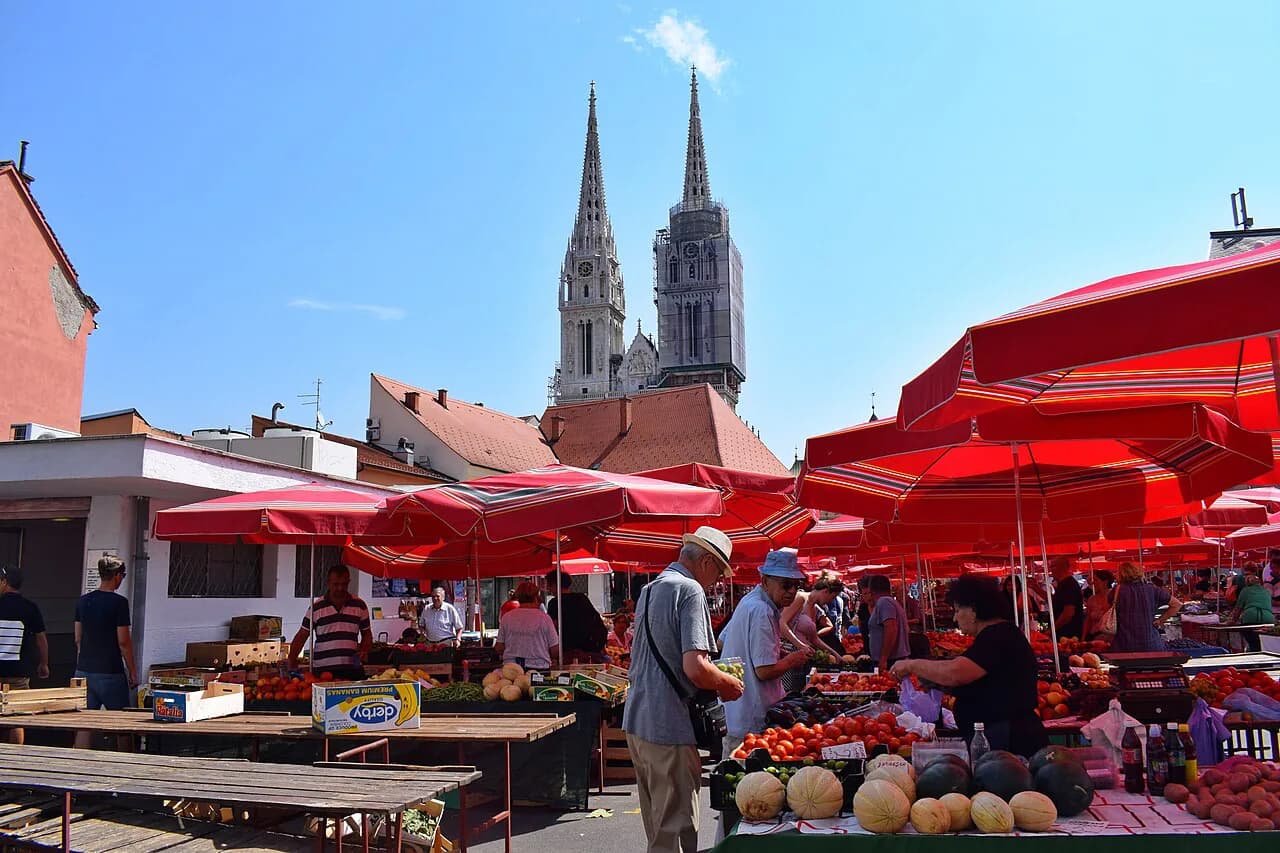
Croatian supermarkets and health-food shops carry gluten-free products, and larger stores tend to have a small free-from section alongside specialist ranges. Bakeries are a different matter: a pekara is built on wheat bread and pastries, so a gluten-free loaf is not the norm there. For self-catering, the market stalls around Dolac market are the better stop for cheese, cured meat, fruit and vegetables that need no label reading.
When you buy packaged food, look for the words bez glutena on the label rather than relying on the ingredient list alone. Some products are made in shared facilities, so a gluten-free claim on the front and a may-contain warning on the back can sit on the same packet. If you are highly sensitive, buy simple single-ingredient foods where you can and keep a supply of safe snacks with you.
Which Zagreb table should you book?
Book the table around the dish you can safely eat. A vegetarian or organic kitchen such as BioMania Bistro Zagreb, Vegehop or Zrno bio bistro is worth considering as an easy starting point, and a seafood or grill kitchen is the next best bet if you ask for plain grilled fish or meat with no breadcrumbs or flour.
Learn bez glutena, carry a written Croatian phrase card, and ask about flour and breadcrumbs rather than about gluten in the abstract. That combination gets you a good meal in Zagreb without gambling on the menu.
Explore more Zagreb guides
Frequently Asked Questions
What does gluten free mean in Croatian?
The phrase is bez glutena, meaning without gluten. It is widely recognised, but the more useful question names the ingredients to avoid, such as flour, breadcrumbs and thickened sauces, because those are what actually determine whether a dish is safe.
Is Croatian food naturally gluten free?
Much of it can be: grilled fish, grilled meat, dry-cured ham such as pršut, hard sheep's cheese and simply cooked vegetables are naturally gluten free. The risks come from breaded or fried dishes, flour-thickened stews and sauces, and pastry.
Sources
Notes on eating well in Croatia
Optional updates to our food guides.
You might also like
Continue reading
More guides you'll find useful