Peka in Šibenik: What It Is and Where to Order It
Peka is Dalmatian meat or octopus slow-cooked under a bell-shaped lid. Here is what to expect in Šibenik, how to order it and who needs to book ahead.
On this page
Peka in Šibenik is a slow-cooked Dalmatian meal of meat or octopus with potatoes, cooked under a bell-shaped metal lid covered in hot embers. It is a method rather than a recipe, and it is built for groups who order hours ahead — this guide covers what goes under the lid, how the two routes in Šibenik work, and the prices published for one farm table.
The dish sits squarely within the wider pattern of Šibenik food, where freshness and simple preparation do the work and meals stretch over a long lunch. Expect olive oil, garlic, parsley and white wine rather than heavy spice, and expect to share.
What peka actually is
Peka refers to the domed lid, not the ingredients. Meat or seafood and vegetables are arranged in a shallow metal tray, seasoned with herbs, olive oil and white wine, then covered with the bell and set over live coals. Embers are also heaped on the lid, so the food cooks from above and below at once.
The result is succulent meat that comes away from the bone and soft vegetables soaked in the pan juices. There is no sauce work or last-minute plating; the long, sealed cook does everything, which is why the method suits a big table rather than a quick solo dinner.
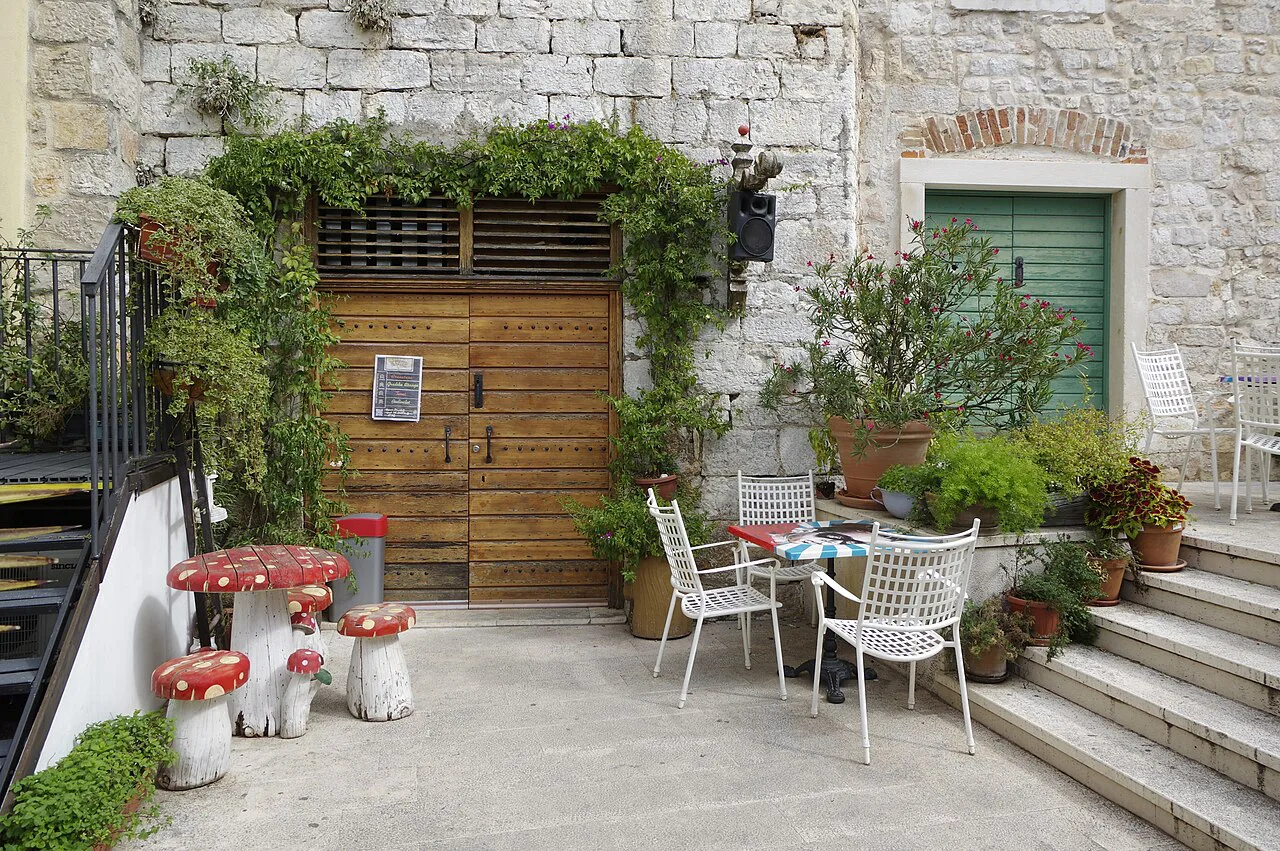
What goes under the lid: lamb, veal, piglet or octopus
Lamb is the classic filling, with veal and piglet close behind, and octopus is the seafood alternative. Potatoes, carrots and onions go in with the meat, and the seasoning stays restrained so the smoke and the meat lead.
Octopus under peka behaves differently from meat: it releases its own liquid and turns tender rather than crisp, so the tray arrives wetter and the potatoes take on a stronger seafood taste. If your group is Split, the meat version is the safer introduction and octopus the more distinctive choice.
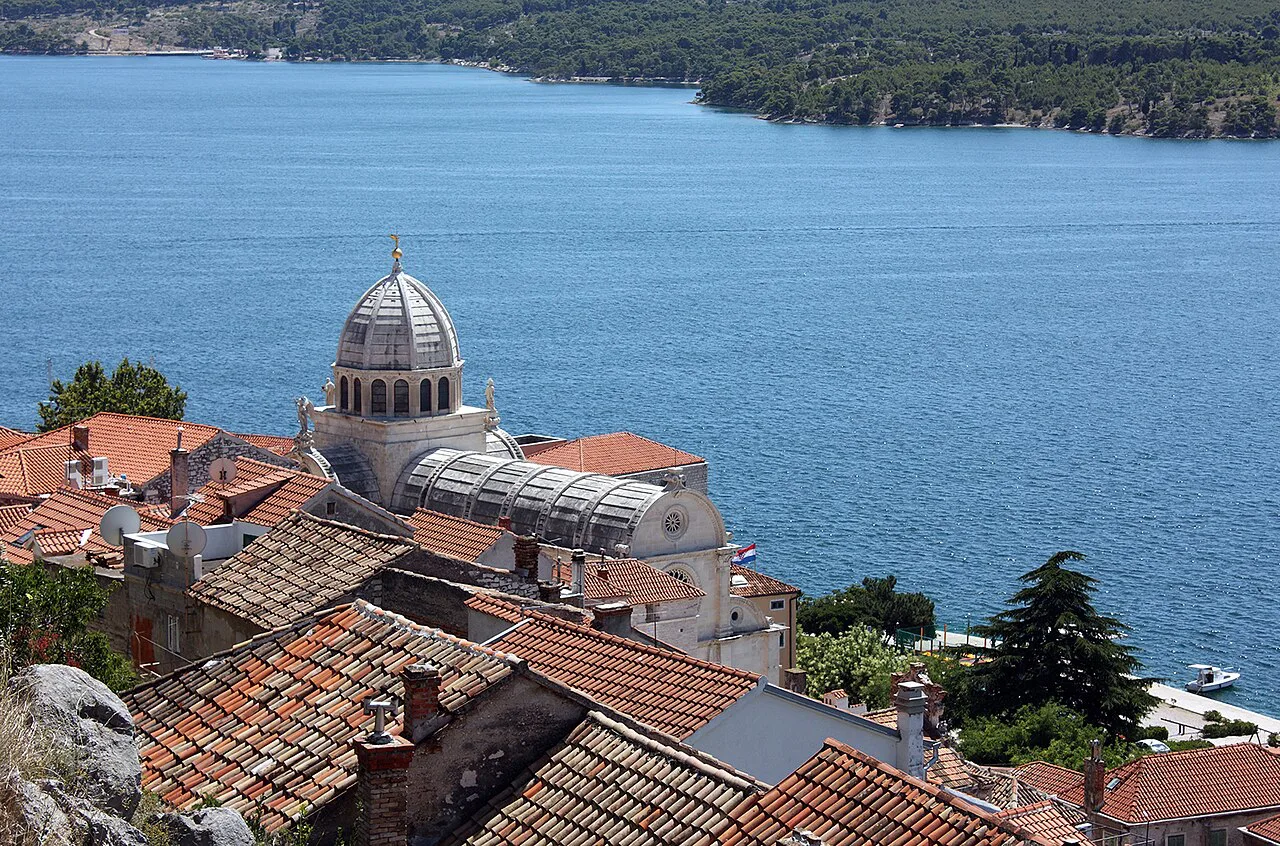
Why peka is ordered hours or a day ahead
Cooking under the lid takes several hours — typically two and a half to four — because the coals have to burn down and then steadily heat the covered tray. A kitchen cannot start one when you walk in, so the order has to be placed in advance, often three to five hours before, and sometimes the day before at busy places.
In practice that means peka is a planned meal, not a fallback. Decide on it in the morning, phone the konoba, confirm the number of people and which filling, and build the rest of the day around a late sitting rather than squeezing it into an hour.
How peka is served and how many it feeds
The tray lands in the middle of the table and everyone helps themselves, usually with bread and a simple salad alongside. Portions are generous, so a peka is normally prepared for at least two to four people and often more, which makes it awkward for a couple eating alone.
If your party is small, ask whether the kitchen will do a smaller tray or whether another table is sharing one — otherwise choose a different dish and save peka for a group lunch. The practical unit is the tray, not the individual plate.
Ordering peka in Šibenik: konobas and the hinterland
The most reliable setting is a traditional konoba, either in the city or just outside it, where the outdoor fireplace is set up for peka and the kitchen is used to the timing. Look for a tavern with a visible hearth rather than a polished old-town terrace with a long menu.
Konoba Gorica, roughly two and a half kilometres from the city centre, is noted for its peka, and a traditional konoba just outside the city is the setting to look for, where the outdoor fireplace is set up for the long cook. A short drive out of town buys you the version cooked outdoors over embers rather than adapted to an indoor oven.
Base yourself near the centre and you can walk the old core before a late peka lunch, then drive or take a taxi to a hinterland konoba. It is a sensible Split: city morning, fireplace afternoon.
Peka at Roca farm near Vodice and Šibenik
Gospodarstvo Roca, a family farm about 25 kilometres from Šibenik and 12 from Vodice, runs peka as a fixed set menu rather than an à la carte dish. The meat menu opens with a cherry or herbal brandy, then a board of cured meats and cheeses, a soup, and then the peka itself with potatoes, salad and warm bread, finishing with pancakes.
You choose baby rooster and veal, lamb or piglet, and the published price is 60 euros per person, with the octopus-under-peka experience listed from 65 euros per person. Those figures belong to Roca farm and should not be read as a general Šibenik price.
The catch is the minimum: booking any individual peka menu requires at least 20 people, and you cannot Split that across different fillings, so ten for lamb plus ten for piglet does not count. Couples and small families are therefore better off at a konoba, and the farm suits a large group or celebration.
Bookings must be made at least two days in advance, and Gospodarstvo Roca gives exact directions and coordinates on confirmation because the farm sits away from the main road. Arrange the transfer in advance if nobody in the group is driving.
What comes with a peka meal
A peka lunch usually starts with the Dalmatian opener of pršut (dry-cured ham) and cheese, often with olives and local olive oil. At Roca the board is broader, covering smoked bacon, salami, buđola (cured pork neck) and kulen (spicy cured sausage) alongside young goat cheese and aged sheep and cow cheese.
After the tray, look for a simple Dalmatian dessert: rožata, the local caramel custard often described as a crème brûlée, or fritule and kroštule, the small fried pastries that turn up on feast days. Roca finishes its menu with pancakes baked with cheese and cream.
What peka costs in Šibenik
Peka is priced either per person as part of a set menu or per tray for a group, and the tray price depends on the filling and the number it feeds. The only published figure for this area is Roca farm's set menu at 60 euros per person, or from 65 euros per person for octopus.
For konobas, phone ahead and ask for the price per kilo or per tray when you book, along with what it includes. That single call settles the cost and the timing at once, which matters more for peka than for any other dish on a Croatian menu.
Practical notes: cash, sharing and the pomalo pace
Dalmatian meals run at the pomalo pace — slowly, with no rush to turn the table — so give a peka lunch a whole afternoon rather than an hour before a boat. Ask about card payment when booking, since smaller konobas and farm tables do not always take cards.
If you are staying in the old centre, the walkable restaurants are convenient but rarely the best setting for peka; the fireplace version is worth the short trip out. Build the day around one long meal and keep the evening light.
Is peka worth it in Šibenik?
Yes, if you have a group and can plan a day around it. Peka is the most communal dish in Dalmatia, and the Šibenik area gives you both a city konoba option and a hinterland farm table that cooks it over open coals.
Skip it if you are a couple on a tight schedule or eat late and decide on the day — a small table cannot absorb a two-to-four-hour cook. Restaurants in the old town serve plenty that needs no notice.
Which peka route suits your group?
For two to six people, book a konoba with an outdoor fireplace, preferably just outside the centre, and order by mid-morning for a late lunch. For a large party of 20 or more, Roca farm's set menu at 60 euros per person is the straightforward choice, with two days' notice and a filling chosen in advance.
Whichever you pick, treat peka as the main event of the day rather than one course among many, and leave room for pršut at the start and rožata at the end.
Explore more Šibenik guides
Sources
Notes on eating well in Croatia
Optional updates to our food guides.
You might also like
Continue reading
More guides you'll find useful