Šibenik Food: What to Eat in Dalmatia's Stone City
Šibenik food means fresh Adriatic fish, seafood risotto and Dalmatian cooking on old-town terraces and the Dolac waterfront. Here is what to order and where.
On this page
Šibenik food is Dalmatian cooking built on Adriatic fish, shellfish, risotto and pasta, with grilled meat and pizza for the days you want something simpler. The city gives you three distinct settings for it: the old-town squares under the arcades of Trg Republike Hrvatske, the Dolac waterfront with its harbour-side terraces, and out-of-centre fish restaurants where a peka is ordered in advance.
This guide sets out which dishes to order first, which named venues are known for them, and how the setting changes what you pay and how you book. Fish sold by the kilo is the single biggest variable in the bill, so it gets its own section rather than a footnote.
What Šibenik food is
Dalmatian cooking along this stretch of coast leans on what comes out of the Adriatic: white fish, squid, octopus, prawns and shellfish, cooked simply with olive oil, garlic and herbs. Around it sit the pantry staples of the region, pršut (dry-cured ham) and good olive oil, plus pasta and risotto that carry seafood through the middle of the day.
Šibenik's restaurant scene splits between meat, fish and pizza more decisively than you might expect, so decide what kind of meal you want before you sit down. A konoba is the traditional answer for slow-cooked and grilled Dalmatian dishes, and the konoba format is where you find the most regional cooking in one sitting.
Grilled meat is a genuine part of the offer here rather than an afterthought, and čevapi (small grilled minced-meat sausages served with flatbread and onion) turn up across the region as a quick, filling order. If that is the meal you are after, it is worth knowing where to look beyond the pizza menus.
The dishes to order first
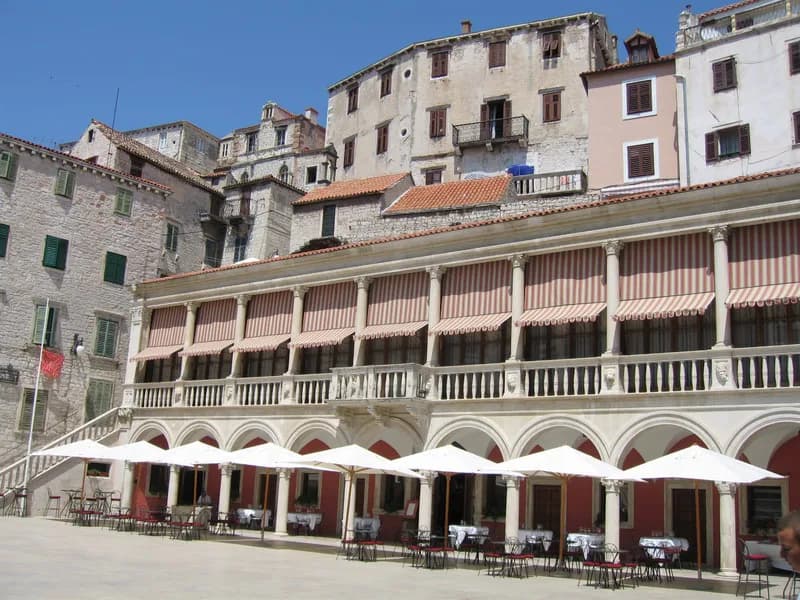
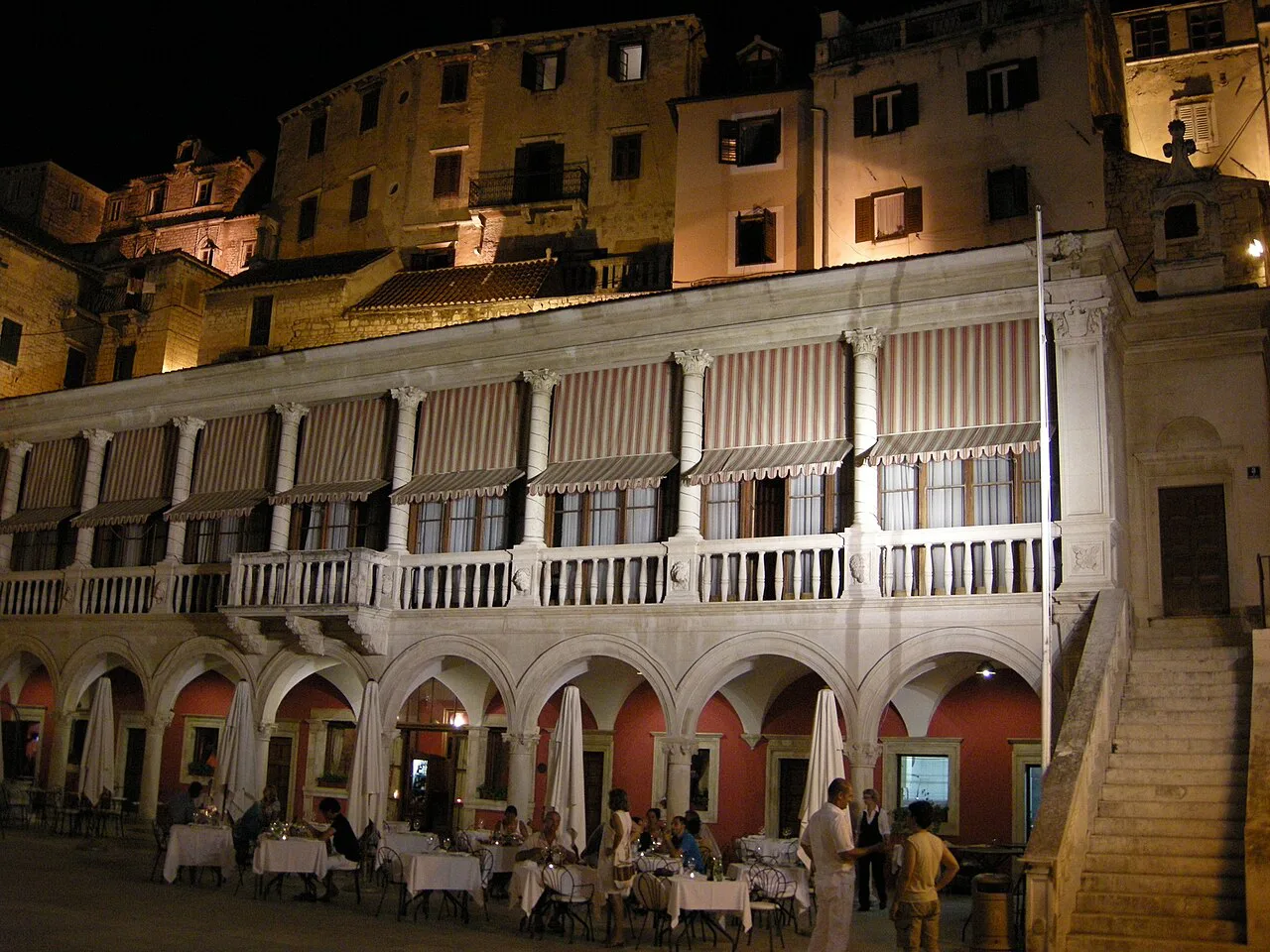
Start with fish and seafood, because that is what the city does best and what the kitchens are built around. At Gradska vijećnica, the restaurant beneath the Renaissance arcades at Trg Republike Hrvatske 3, the documented food direction runs to fish and seafood, risotto and pasta, including truffle fuži and prawn pappardelle. Fuži is a rolled Istrian pasta shape, and here it comes dressed with truffles rather than the seafood you might assume.
A bistro setting that still takes seafood seriously is Bistro Luce & Brigita, where the documented cooking covers fish, shellfish, octopus and tuna alongside risotto and pasta. Ordering octopus and a pasta on the same table gets you both the plain-grilled and the sauced sides of Dalmatian cooking in one meal.
For a fish restaurant with more room around it, Restoran Barun in Podsolarsko is documented for fresh fish and fish dishes, with garden-grown ingredients and peka available. It also has sea views and a large private car park, which matters if you are driving in from a village outside the centre.
Eating on the old-town squares
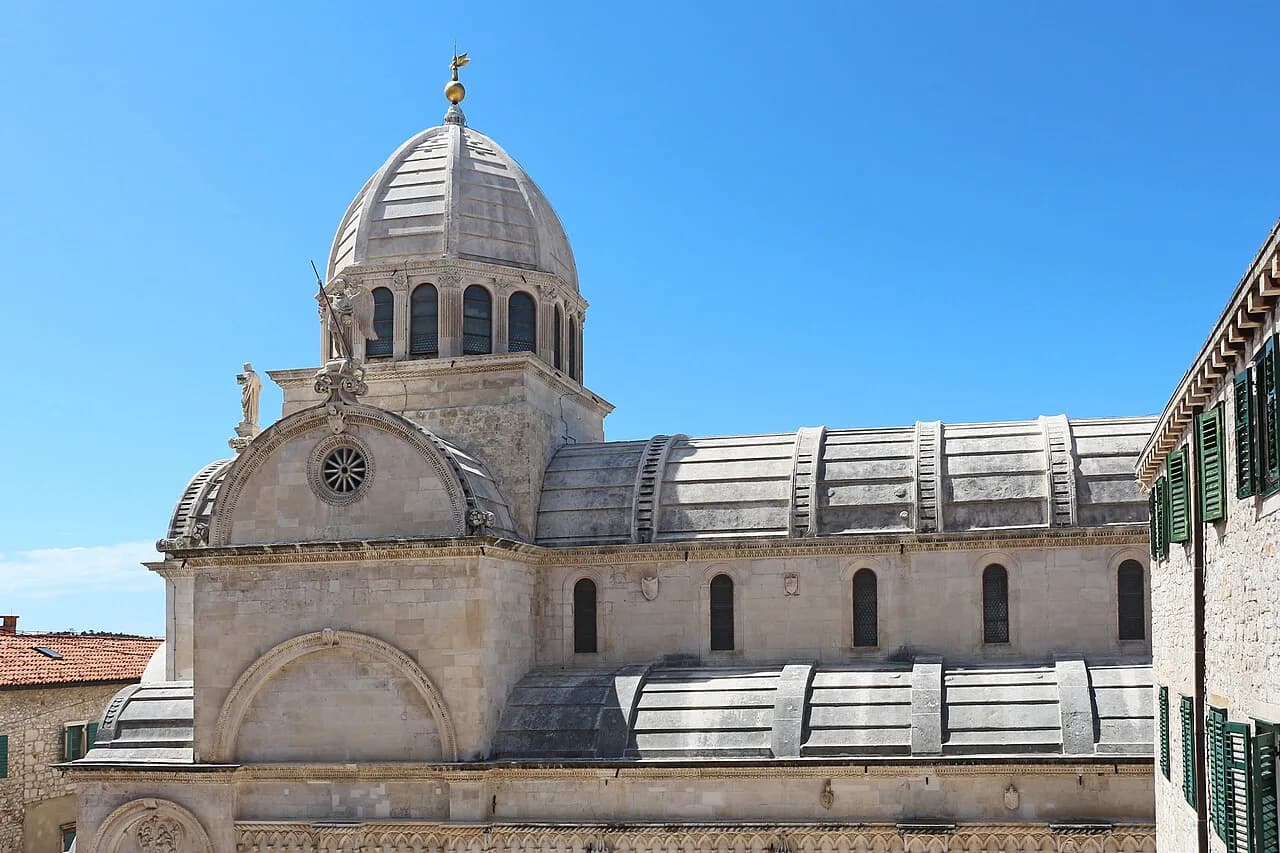
The old town compresses eating into a few hundred metres of limestone, with the Cathedral of St. James as the reference point; the cathedral is UNESCO-listed, and one sentence of context is enough here because the reason to sit down is the food. Restoran Gradska vijećnica occupies the space under the arcades at Trg Republike Hrvatske 3, directly opposite the cathedral, and also serves coffee or wine on the square. That makes it a rare place where you can move from an espresso to a full seafood lunch without changing tables.
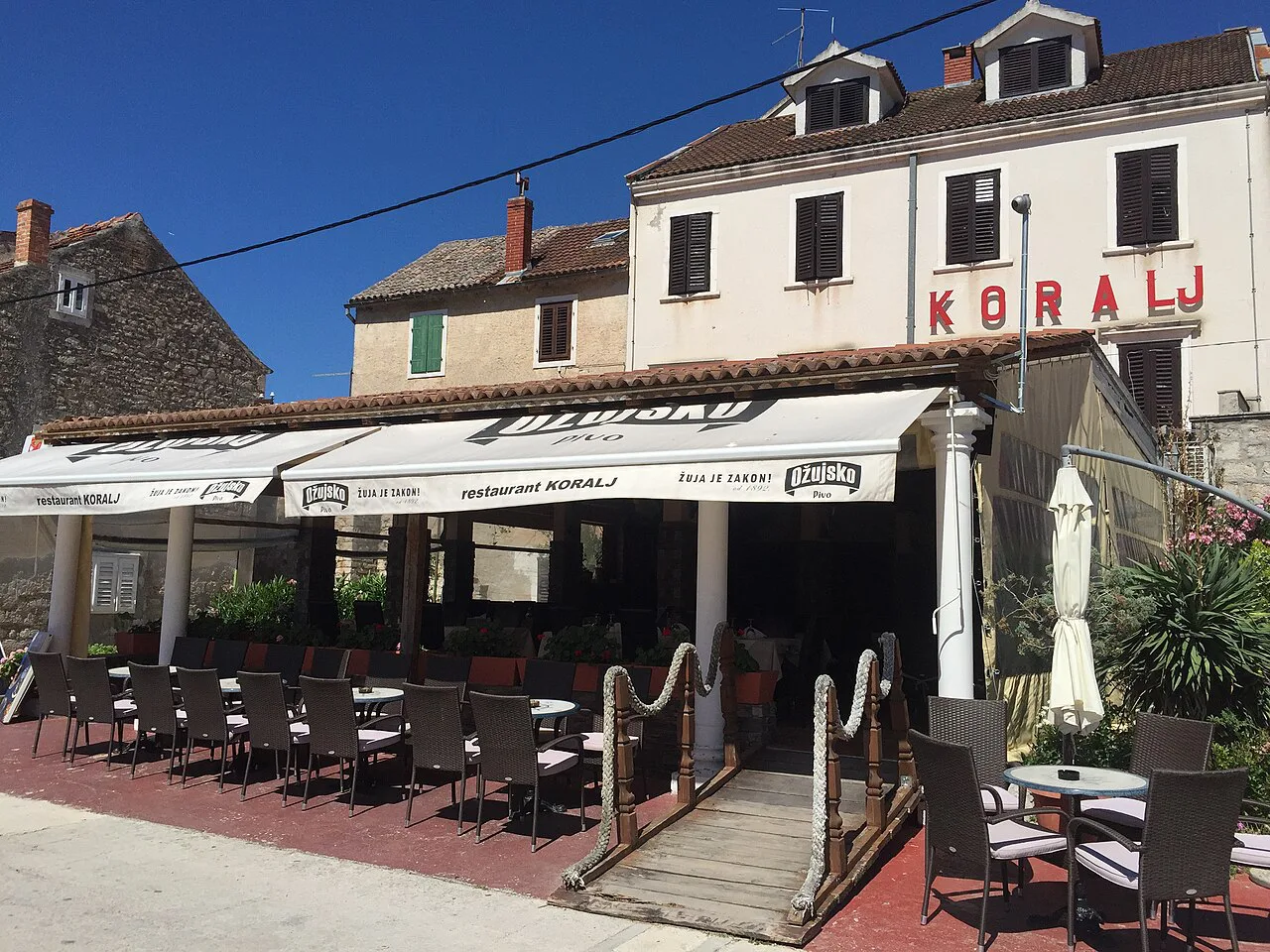
Kavana Medulić is the old-town all-day option, with two outdoor terraces and a menu spanning Dalmatian and Mediterranean food: fish, seafood, pizza and meat dishes, plus breakfast. Two terraces means a better chance of a table when the first one is full, and an all-day kitchen means you can eat at the odd hours that sightseeing produces.
The obvious trade-off is that old-town terraces exist for people passing through, which keeps them busy and puts a premium on position rather than on the cooking alone. If a square-side table is the point of the meal, book ahead in high season; if it is not, the waterfront and the suburbs give you more room for the same Dalmatian dishes.
The Dolac waterfront and harbour-side terraces
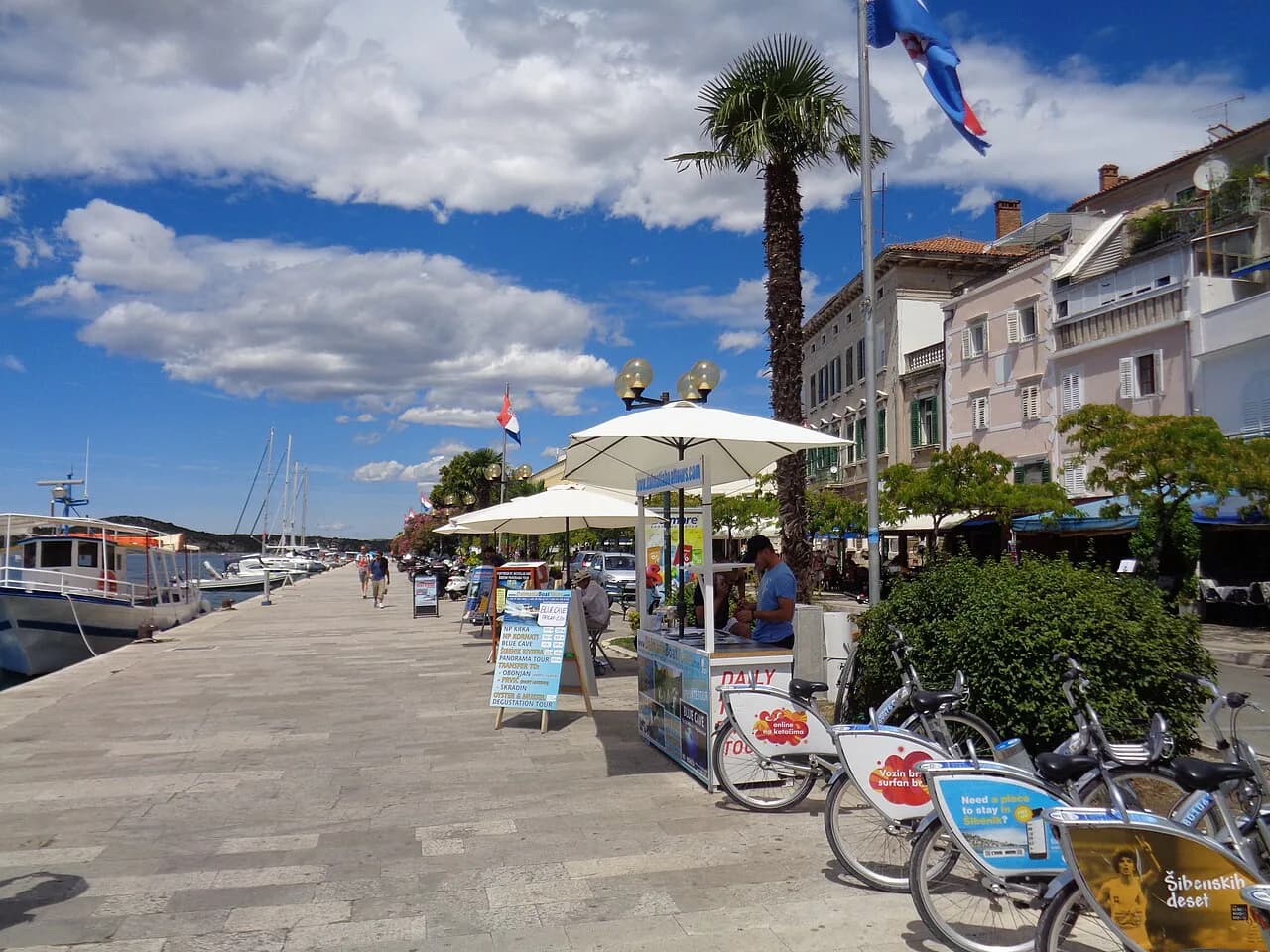
Anima Mare sits on Šibenik's Dolac waterfront with a seaside terrace, and its documented menu stretches from breakfast and brunch to sushi, grill dishes, fish, pasta and children's meals. That breadth makes it the easiest choice for a mixed group where one person wants fish and another wants something plain, and the terrace is the reason to pick it over an old-town interior.
Grotta Antica takes a different approach on the same waterfront, running as a buffet with fresh fish, seafood and traditional grilled dishes in a relaxed Mediterranean setting, with lunch by the sea and a terrace. A buffet format suits a fast, unfussy lunch between other plans, while the old-town restaurants reward a longer sitting.
For something sweet or a drink without committing to a full meal, Momento Bar & Gelato serves homemade gelato and cocktails, including alcohol-free versions, on a terrace beside the UNESCO-listed Cathedral of St. James. It is a pause rather than a restaurant, and it works well as the gap between a late lunch and an evening meal.
Fish and peka outside the centre
Peka is the advance decision on this coast: meat or octopus cooked with vegetables under a metal bell, covered in embers, which takes hours and is not something you order on arrival. In Šibenik the practical move is to decide the day before and confirm when you book, then build the rest of the evening around a slow start to the meal. A peka Šibenik booking is less about the table than about the pot, so settle it before you leave the hotel.
Restoran Barun in Podsolarsko is documented for peka orders alongside fresh fish, with family-friendly service, a sea view and large private parking. The trade-off is distance from the old town: you gain space, a view and a car park, and you lose the ability to walk out of your restaurant into the evening crowds.
Eating fish outside the centre rarely costs less by default, because the price follows the weight of the fish rather than the postcode. What you buy with the drive is space around the table and, at a place like Barun, garden-grown ingredients worked into the same menu as the catch.
Pizza, burgers and a quick sit-down meal
Pizzeria Victoria Šibenik combines a modern pizzeria, a burger bar and a casual restaurant, with pizzas, burgers, panuozzo, salads and takeaway. Panuozzo is a folded pizza-dough sandwich, useful when you want something portable or when one person at the table does not want a full pizza.
Golub Pizzeria grill is the other sit-down pizza and grill option, pitched as a practical lunch, dinner or mid-exploring stop. It is seasonally closed for part of the year, so treat it as a possibility rather than a plan, and check directly before building an evening around it.
For a cheaper, faster order, the street food end of the scene is where the city feeds people between proper meals, and it is worth knowing the options before you default to a terrace.
Coffee, gelato and a mid-afternoon pause
Coffee is a proper part of the day here, not a takeaway afterthought, and the café terraces are where the city slows down. Kavana Medulić covers this ground in the old town with an all-day menu and two terraces, so you can take a coffee in the morning and still eat a full Dalmatian meal there later.
Caffe Bar Kucarin at Matije Gupca 83 is a neighbourhood café rather than a landmark, used for morning coffee, juice and a calmer break away from the centre. That is the point of it: if the old town is heaving, a short walk out gets you a quieter table at a lower pitch.
Gelato fits between meals rather than replacing one, and Momento Bar's homemade gelato beside the cathedral is the most convenient stop when you are already in the middle of the old town. Pair it with a coffee earlier in the day, and the eating day has three distinct pauses rather than two heavy meals.
What Šibenik food costs
The biggest line on a fish bill is the weight of the fish, so ask for the price per kilo and the approximate weight before it is cooked, and you will avoid the one genuinely unpleasant surprise on this coast. Prices are quoted in euros across Croatia, and menus vary enough between the old town and the suburbs that comparing two or three listings on the Šibenik.com guide before you book is worthwhile.
Old-town terraces charge for the address as much as the plate, while the waterfront and the out-of-centre fish restaurants spread the same cooking over more space. Deciding which of the three you want on a given night is a better cost-control tool than hunting for the cheapest menu in the city.
How to book and when to eat in high season
In high season, book the old-town restaurant you actually want a few days ahead, especially for a terrace table on Trg Republike Hrvatske, and confirm the time with the restaurant rather than planning a walk-in. Bistro-style rooms such as Bistro Luce & Brigita take reservations, which matters more for a small dining room than for a large café.
Shift your main meal later if you want the terraces at their best: an early evening table catches the light on the limestone and the kitchens are less pressed than at the peak of lunch. Seasonal closures also thin the choice on the coast outside summer, so treat a short list of confirmed bookings as more reliable than a long list of possibilities.
Terrace, waterfront or peka: which to book
Book the old-town terrace for the setting and the cathedral view, the Dolac waterfront for a mixed group or a long lunch, and a place like Barun in Podsolarsko when you want peka and a car park. Order fish by the kilo once, chosen deliberately, and keep the other meals to pasta, risotto, pizza and gelato.
If you are comparing this city with the rest of the coast, the same fish-and-pasta logic carries down to the south, and it is worth reading the Dalmatian pattern before you commit your evenings. For a direct comparison of the same decisions further south, see what to eat in Dubrovnik food, where fish by the kilo and terrace premiums work the same way.
Explore more Šibenik guides
Frequently Asked Questions
What food is Šibenik known for?
Šibenik is known for Dalmatian cooking built on Adriatic fish and seafood, with risotto, pasta and grilled meat alongside. Documented restaurant dishes in the city include truffle fuži and prawn pappardelle, octopus, tuna, shellfish and peka ordered in advance.
Do I need to book restaurants in Šibenik in summer?
Yes for the old-town terraces and small dining rooms, where a terrace table on Trg Republike Hrvatske is the thing people want. Book a few days ahead and confirm the time; larger cafés and waterfront places are more forgiving for walk-ins.
How is fish priced in Šibenik restaurants?
Fish is generally sold by weight, so the bill depends on the fish you choose rather than the menu alone. Ask for the price per kilo and the approximate weight before it goes on the grill, and you will know the cost of the main course in advance.
Sources
Notes on eating well in Croatia
Optional updates to our food guides.
You might also like

Continue reading
More guides you'll find useful