Poreč Fish Market: What to Know Before You Go
A practical guide to buying fresh Adriatic fish and shellfish in Poreč, from whole fish sold by the kilo to mussels, squid and a handy old-town fish bar.
On this page
The Poreč fish market is a working morning market and the place to buy fresh Adriatic fish and shellfish in town: you go early, choose whole fish off the ice, and cook it yourself. Poreč's fish traders sell whole Adriatic fish and shellfish as part of the town's wider central market. This guide covers how buying by the kilo works for a self-catering flat, which species to ask for with plain-English names, and where to eat seafood in Poreč instead of cooking it.
Poreč is a small Istrian town, so the fish market is a compact affair rather than a hall of dozens of stalls. Fish is laid out on ice and sold whole, and shellfish usually arrives in crates or bags. The old town also has a street-food fish bar within a few minutes' walk if you would rather someone else did the cooking.
What the Poreč fish market is
Croatia's coastal towns run on morning markets, and Poreč fits that pattern: the fish market is where residents buy fish for lunch, with trade done in the early hours and stocks thinning well before midday. Expect fish on ice, shellfish in crates and whatever came off the boats, rather than a fixed menu board. You buy what is there, not what you planned to cook the night before.
The fish stalls sit within Poreč's central market, so one trip can cover the whole meal rather than just the fish course. That is the practical argument for visiting the fish stalls first: the best fish goes early, and the rest of your shopping can follow. For where to buy the other ingredients, our guide to the Poreč market covers the town's main food shopping.
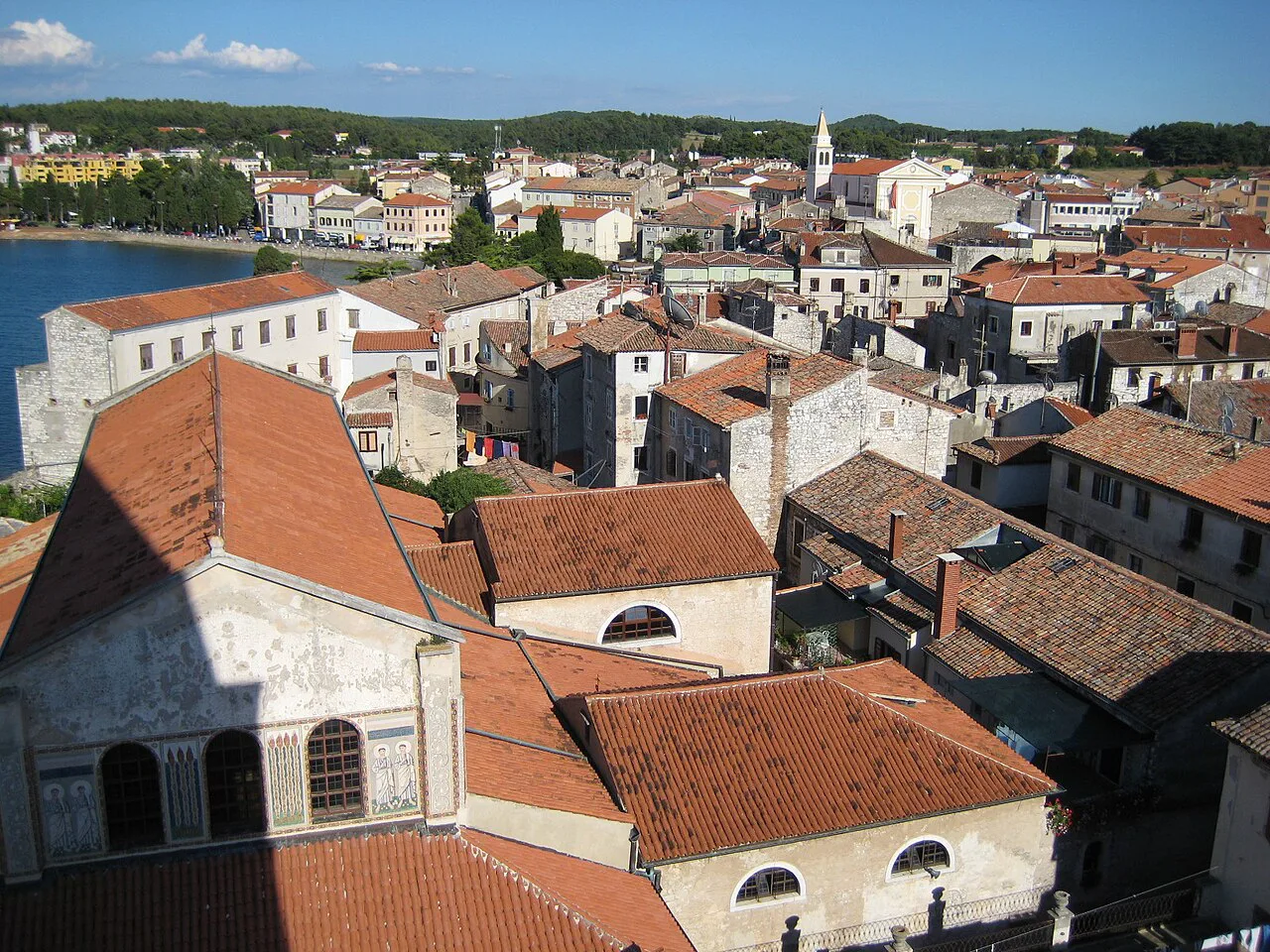
Where the fish market sits in Poreč
The fish market is part of Poreč's central market, a short walk from the old-town peninsula and its main shopping streets. You pass through it on the way to breakfast or to the waterfront, and it is at its busiest in the morning, which is also the best time for choosing fish. If you want to eat before or after the market run, see our guide to breakfast in Poreč for the morning options nearby.
For a sit-down coffee or a pastry after the market, the town's café scene is concentrated in the centre and along the old streets. Our guide to the best cafes in Poreč maps out where to stop, from quick espresso counters to places with tables where you can plan the rest of the day.
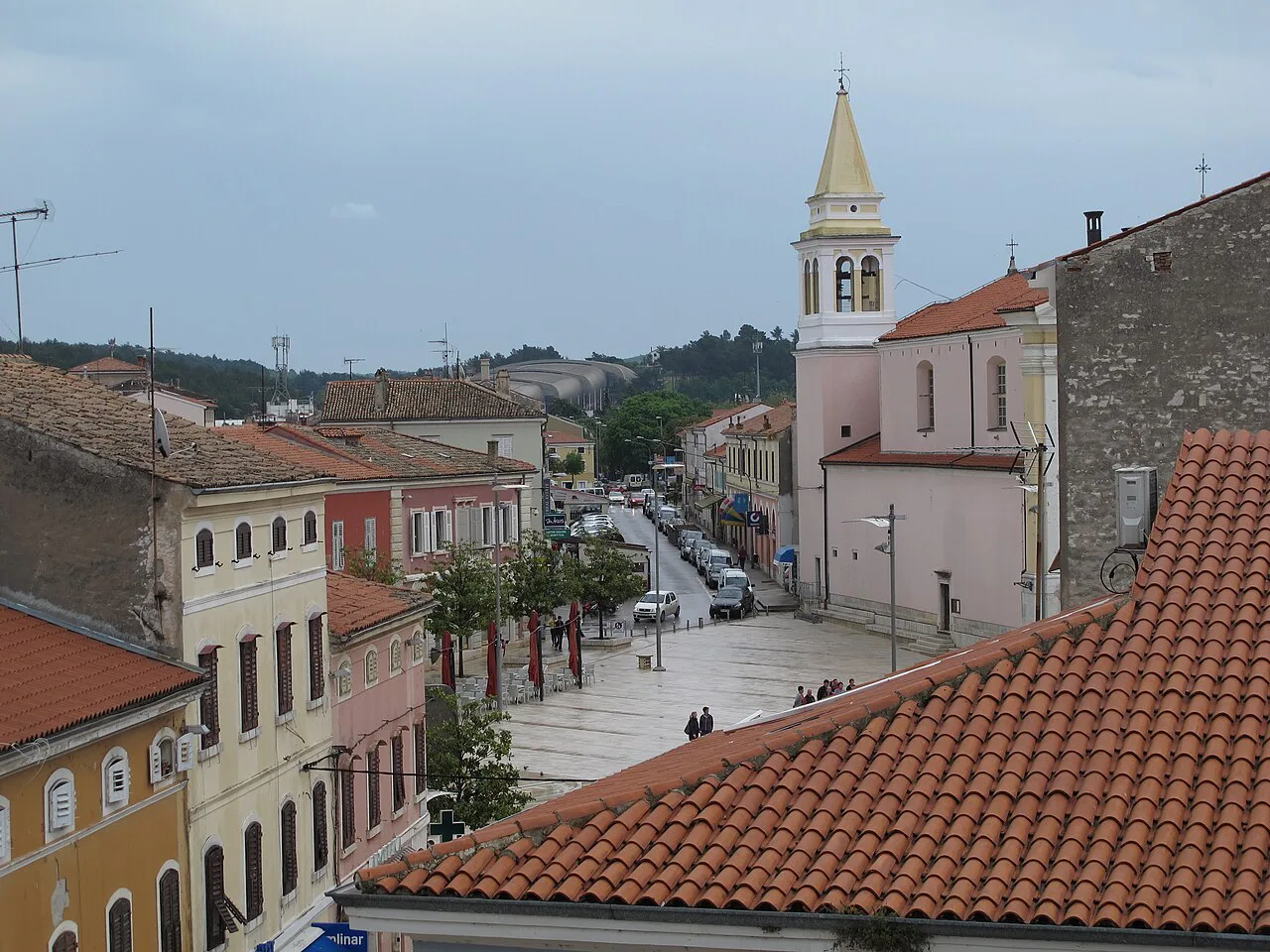
How the market works: stalls, fish on ice and fish sold by the kilo
Fish in Croatian markets is sold whole and priced by the kilogram, so the figure you see refers to a whole specimen, head, bones and all. You point at what you want, the vendor weighs it and gives you the price. Allow roughly 400g to 500g of whole fish per person when fish is the centre of the meal, less if you are serving several courses.
Ask the fishmonger to gut, scale and clean whole fish, which makes it practical for an apartment with one small knife and a single hotplate. Mussels are sold by weight too, and you should pick closed, unbroken shells.
Which Adriatic fish and seafood to look for
The Adriatic catch is superb and widely varied: brancin (sea bass), orada (sea bream), šarag (white bream), arbun (red bream) and list (sole) are the everyday white fish, all fine simply grilled with olive oil and lemon. Plava rib (blue fish) such as skuša (mackerel), srdele (sardines) and inćun (anchovies) is cheaper, oilier and ideal for baking or grilling, and is the fish locals eat most often midweek.
For shellfish, look for dagnje (mussels), kamenice (oysters), škampi (langoustines) and lignje (squid). Look for bright eyes, red gills and firm flesh on whole fish, and ask where it was caught if nothing is labelled. Istria's cured ham, pršut, may also be sold at the market; ask for it sliced to order to go with the fish.
Buying fish for a flat: quantities, cleaning and ice
If you are self-catering, buy fish for the day you are cooking it rather than the whole week, and bring a cool bag or cooler with ice. Fish does not do well in a hotel fridge, and a hot walk back across town spoils what you bought within an hour. Buy whole fish cleaned, then cook it the same evening; a white fish baked in foil with olive oil, lemon and herbs needs nothing more.
For a two-person dinner, one 1kg whole fish or a kilo of mussels is a sensible buy, leaving room for a starter of pršut and cheese from the same market. Buy oil, lemons and foil beforehand, so the market run is just the produce. Our guide to supermarkets in Poreč shows where the everyday cooking supplies are.
The wider morning market and where it leads
The fish traders sit within Poreč's broader market, where seasonal fruit and vegetables, Istrian olive oil, honey and cheese are sold alongside. That combination makes the morning market the easiest spot for a self-catering lunch: fish from the ice, tomatoes from the stalls, olive oil and bread, and you are done. Stall selection changes with the season, so what is there in July is not what is there in October.
After the market, breakfast is the obvious next move, and the town has plenty of places for coffee and something warm before the day starts. Our guide to breakfast in Poreč covers the morning options, from bakeries and coffee bars to fuller sit-down breakfasts near the centre, which helps you put the market run and the first meal of the day into one route.
Seafood to eat in Poreč instead of cooking it
If you would rather eat fish than cook it, Tunaholic Fish Bar at Ulica Sv. Eleuterija 6 serves fish dishes inspired by traditional Croatian cooking in a relaxed street-food format, with tuna burgers, shark burgers, breaded sardines, fish and chips options, salads, anchovies and calamari. It is pitched at a quick, light seafood lunch while strolling through town or a bite between sightseeing.
Fish market or fish burger?
Go to the fish market if you have a kitchen and a cool bag: buy a whole fish or a kilo of mussels early, have it cleaned and cook it the same day. Choose the fish bar if you are here for a short break without cooking facilities, or want a quick, light seafood bite in the old town.
Explore more Poreč guides
Frequently Asked Questions
What is the best fish to eat in Croatia?
For most visitors, brancin (sea bass), orada (sea bream) and list (sole) are the easiest white fish to order, grilled with olive oil and lemon. Sardines, mackerel and anchovies are cheaper, stronger-flavoured and just as traditional, especially grilled or baked.
How do I buy fish in Croatia by the kilo?
In Croatian markets fish is sold whole and priced per kilogram, so you point to the fish and the vendor weighs it. Allow roughly 400g to 500g of whole fish per person for a main course, and ask for the fish to be cleaned and gutted for cooking at home.
Sources
Notes on eating well in Croatia
Optional updates to our food guides.
You might also like
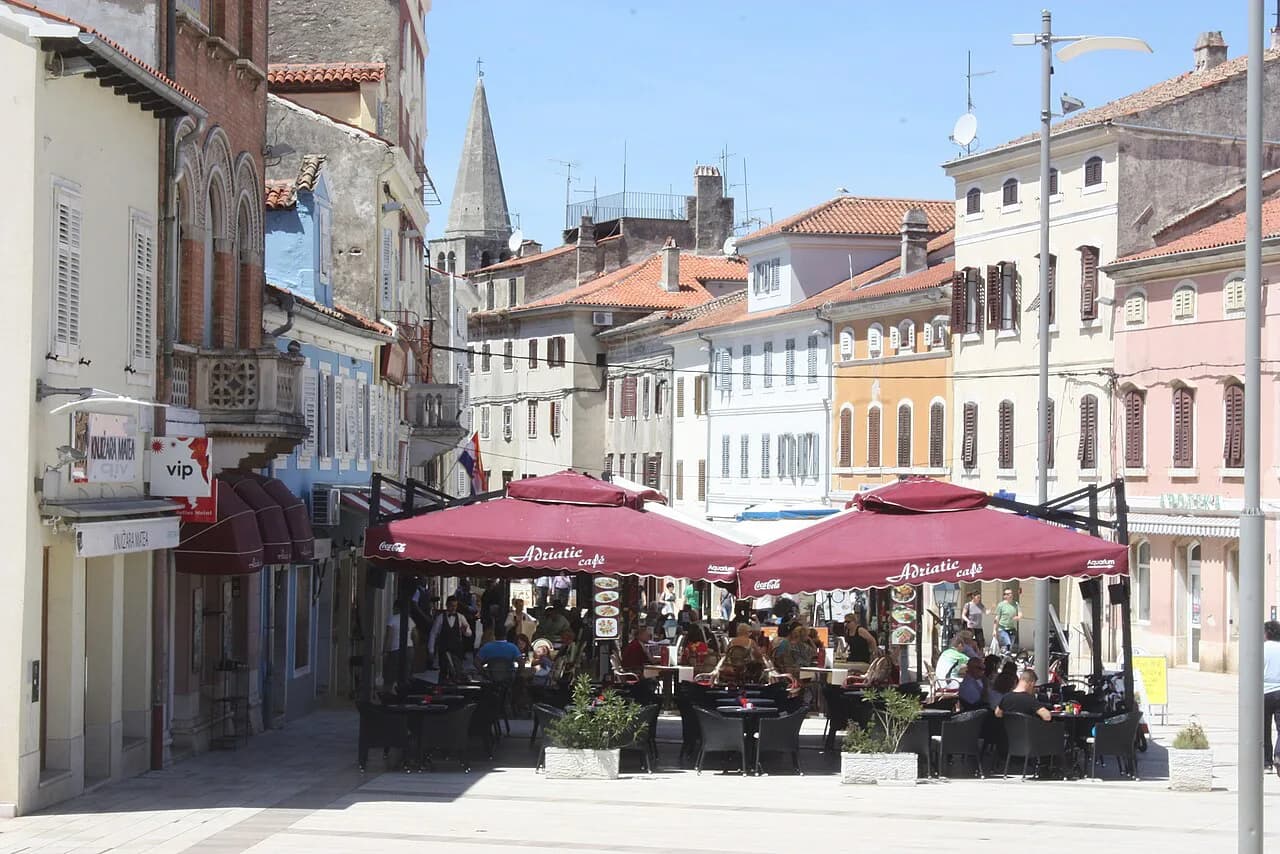
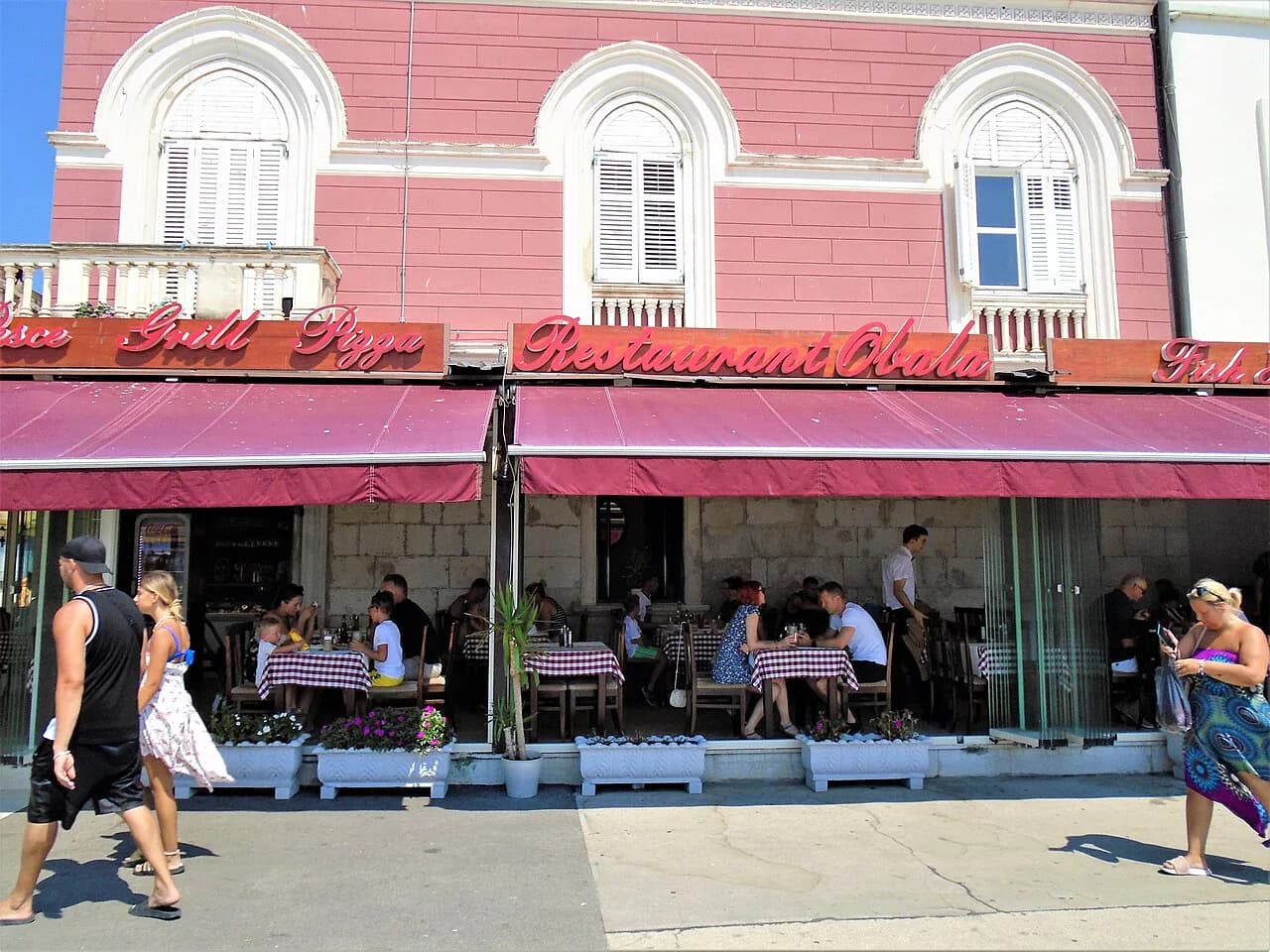
Continue reading
More guides you'll find useful