Burek in Dubrovnik: Where to Find It and What to Order
Burek in Dubrovnik is a flaky Balkan pastry of stretched filo layers filled with meat, cheese or greens. Here is where to find it and how it is served.
On this page
For burek in Dubrovnik, head for Holy Burek in the Old Town and order it freshly made, as a savoury pastry you eat on the move rather than a sit-down meal. It is the practical answer to an expensive city: a hot, filling snack that doubles as breakfast.
This guide explains what burek actually is, why the stretched filo layers matter more than the filling, which fillings you will come across, and how the Dubrovnik version is shaped and served. It also covers what to drink with it and how it fits alongside the rest of the city's street food.
What Burek Is
Burek is a savoury pastry built from filo dough that is stretched until it is thin enough to see through, then brushed with oil or fat, filled, rolled and baked. The skill lies in the stretching: the near-transparent sheets are layered so that the baked pastry puffs into crisp, blistered shards with a tender interior. The result is closer to a pie than to bread, and it is best eaten warm, when the contrast between crisp outside and soft middle is at its sharpest.
It is a Balkan pastry rather than a Croatian invention, eaten from Bosnia and Serbia down through Croatia and beyond, which is why you will see the same word and the same shape across the region. In Croatia it turns up in bakeries and fast-food counters as a cheap, substantial snack. Holy Burek describes its own burek as made from handmade layers with no shortcuts, and it is the form to picture when you order: flaky, buttery pastry filled typically with cheese, greens or cooked meats.
Burek is sold by the piece rather than by weight, and bakeries usually display it in a tray behind the counter. The pastry is either cut into squares from a large flat bake or rolled into a spiral and sold in wedges, so ask for it by name and say how many pieces you want. It is a counter purchase, not a table service, which is part of why it stays cheap.
What Burek Tastes Like and the Fillings You Will See
Plain meat burek tastes of rich, savoury beef or veal mince seasoned lightly with pepper and salt, wrapped in pastry that carries a distinct wheat and fat flavour. It is not spicy and not sweet, and the appeal is textural as much as anything: shattering crispness on the outside, juicy filling and soft dough where the layers meet. Do not expect a heavy sauce or a strong herb hit.
The three fillings you will see most are meat, cheese and greens. Cheese burek is salty and soft, closer to a savoury cheese pie; the greens version is built on spinach or chard and tastes vegetal and slightly tart. Holy Burek's veal burek is the classic meat version, and the pastry is filled typically with cheese, greens or cooked meats, so ask which is in the case that day.
Order by what you actually want rather than by the umbrella word. Burek is filled typically with cheese, greens or cooked meats, so say which filling you want when you order rather than assuming one word covers them all.
Where to Buy Burek in Dubrovnik Old Town
Holy Burek in Dubrovnik Old Town is the place to know for a freshly made burek, and it presents the pastry as handy batons rather than as a square or a spiral wedge. The rolled baton shape is easier to eat while walking the back streets and it gives you more crisp edge per bite. Its own page describes freshly made burek with countless handmade layers and no shortcuts.
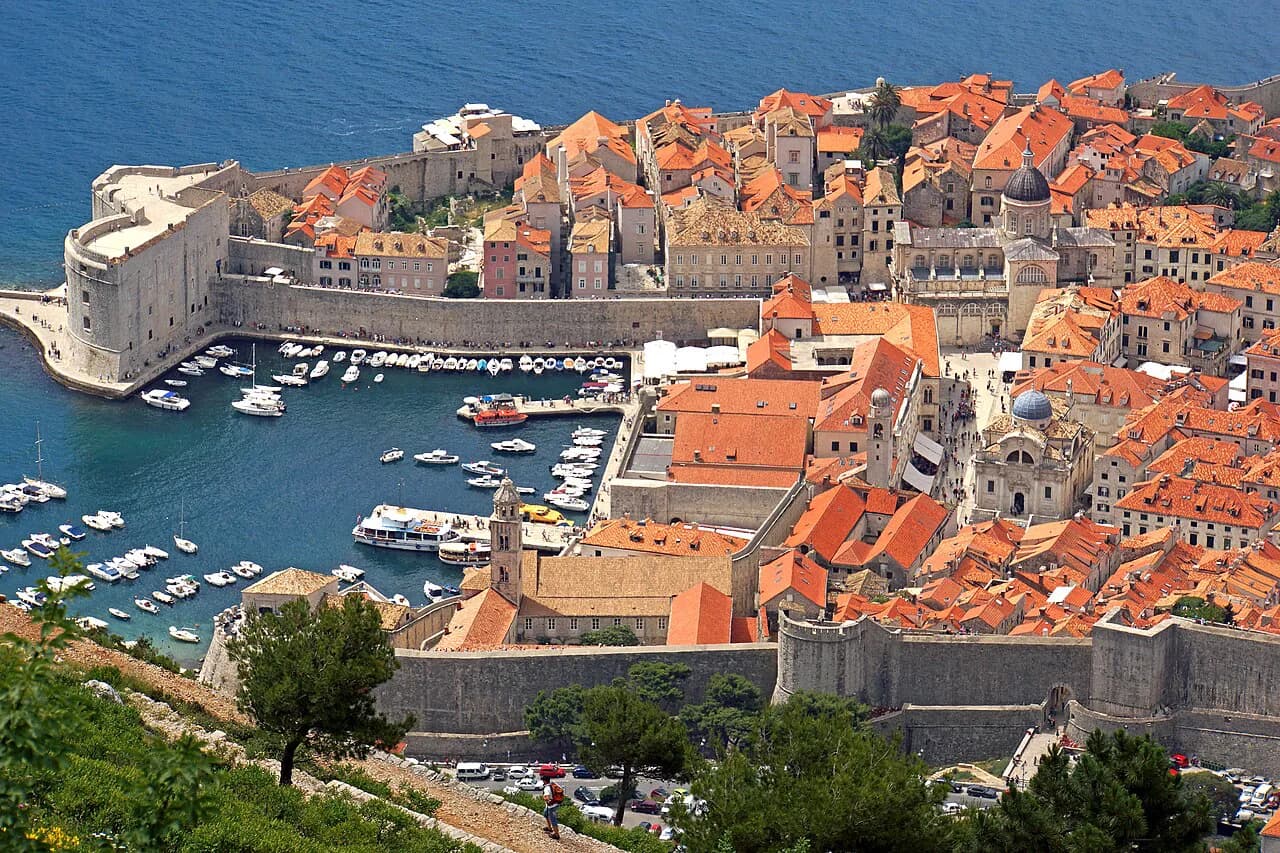
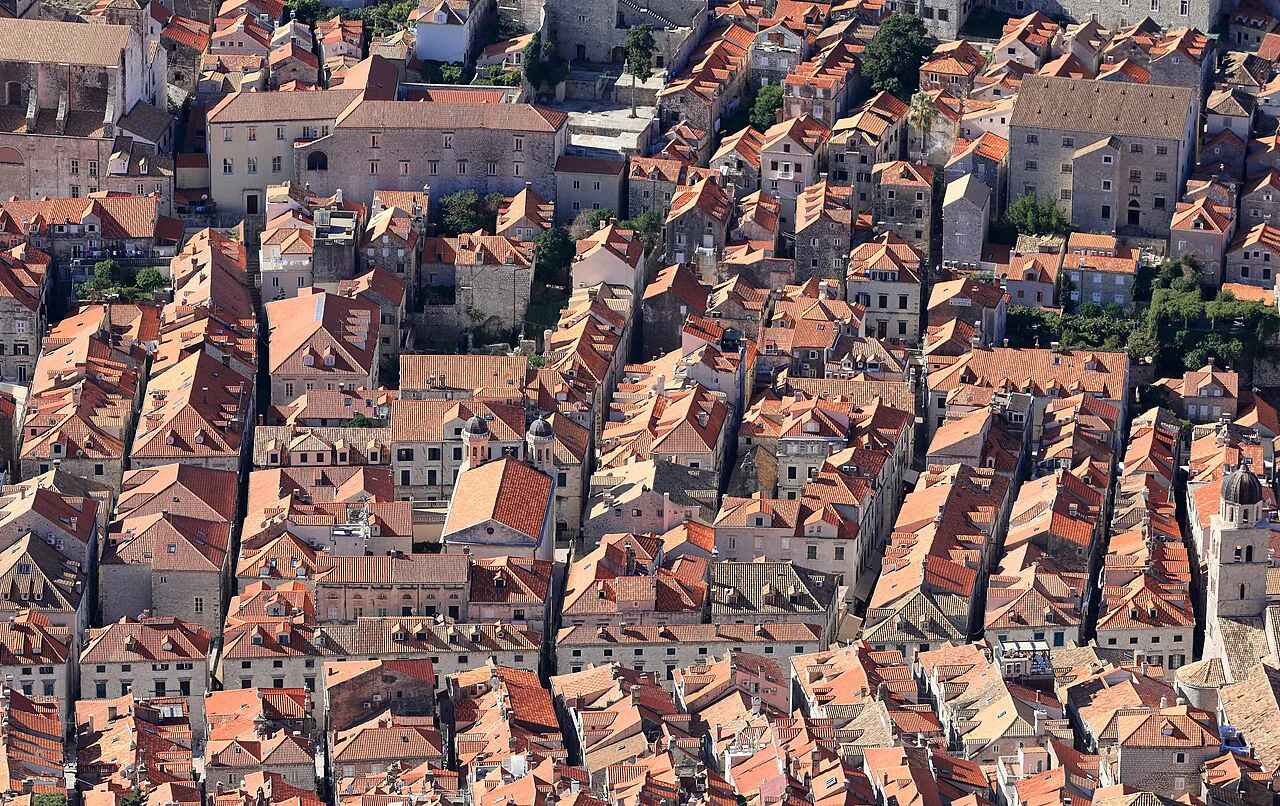
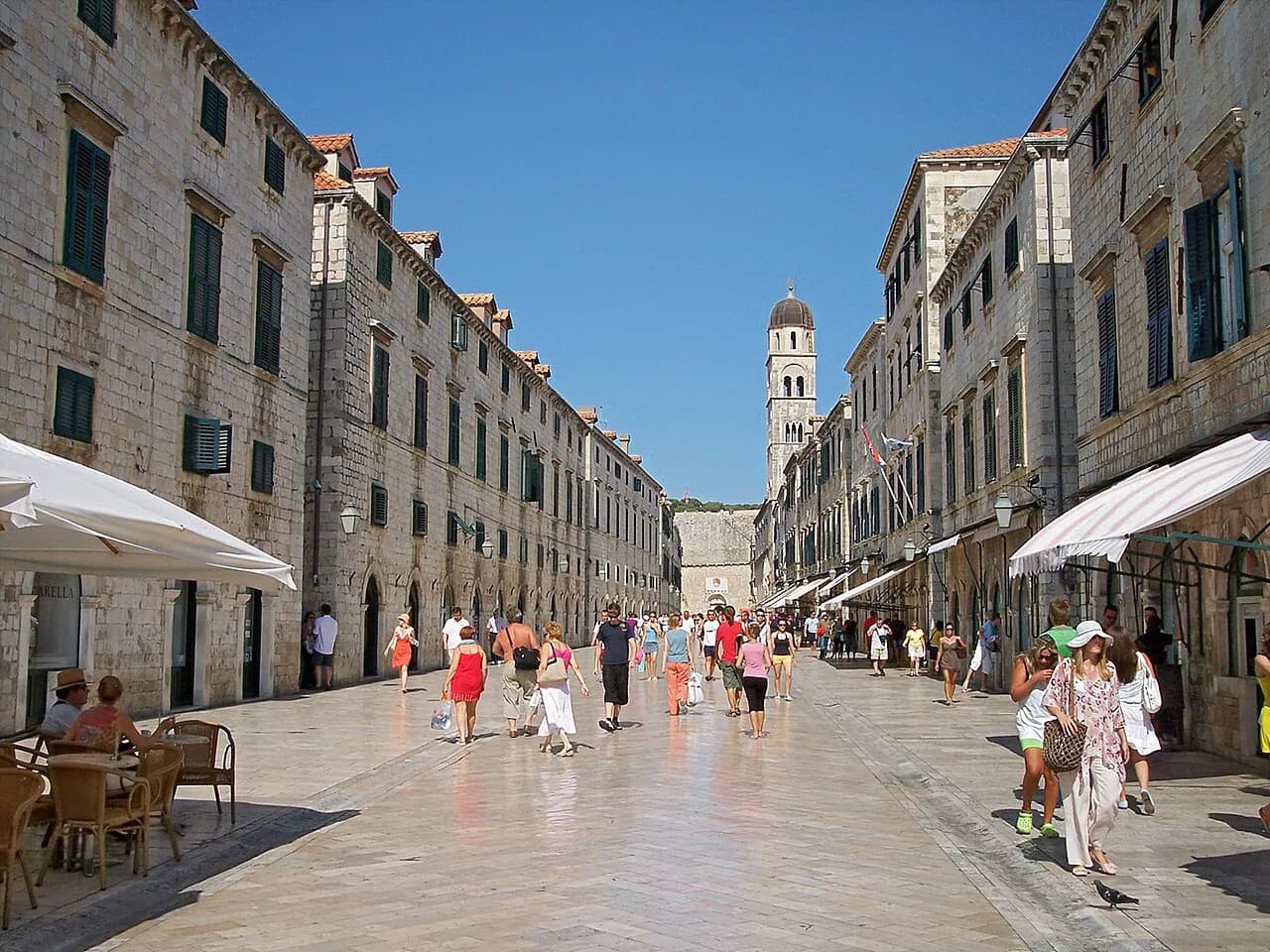
The Old Town location matters as much as the pastry. Once you are inside the walls, the lanes behind Stradun are where you will pass bakeries and small counters, and buying a burek there saves you sitting down for a full breakfast. Because it is a takeaway snack, you can eat it on a step or a low wall and keep moving.
If your day starts before you reach the Old Town, the same logic applies anywhere in the city: a bakery counter selling burek is the fastest hot breakfast going. Elsewhere in Dubrovnik the pastry case, pizza by the slice and gelato do the same job at different times of day, and the city's bakeries and cafés are covered in more detail in the guide to Cafés in Dubrovnik, if you want a sit-down coffee to go with it. For a fuller sit-down start to the day, see The Best Breakfast in Dubrovnik.
Burek as Breakfast or a Walking Snack
Burek works best early. It is treated across the Balkans as a proper breakfast rather than a treat, which is why a piece of meat burek and a coffee is a normal start to the day. If you are watching your spending, it is also the practical way to start the day without sitting down for a full meal.
As a walking snack it has real advantages: no cutlery, no plate, no booking, and it holds together in a paper bag. Buy one before you set off into the Old Town lanes or before a long walk and you will not be hunting for a table at noon. It also travels well in a bag.
Two pieces is a full meal for most people and one is enough as a holdover before lunch. If you are buying for a group, ask for a mixed selection so you get one meat, one cheese and one greens and can compare them. Eat it within a few minutes of buying it, while the pastry still crackles.
What to Drink With Burek
The traditional pairing is a small strong coffee or a glass of cold yogurt drink, which cuts through the fat in the pastry. In Dubrovnik, an espresso from a nearby café or a plain glass of water is the simplest option, and both are cheap. If you want something cold and non-alcoholic, a bottle of water from a nearby supermarket Dubrovnik branch does the job just as well as anything from a café.
Burek is a substantial snack, so it does not need much alongside it. A small side of pickled vegetables or a few olives is a nice contrast if you are eating it at home or on a bench, but it is not how it is normally served. Save the bigger sit-down meal for later in the day, when the pastry has done its job.
Burek Compared With Other Dubrovnik Street Food
Dubrovnik's quick food is built around the pastry case, pizza by the slice and gelato, and each does a different job. Burek is the warm, savoury, filling option and the one of the three that works as a proper breakfast, while gelato is the afternoon one, so it helps to know which you want before you start walking.
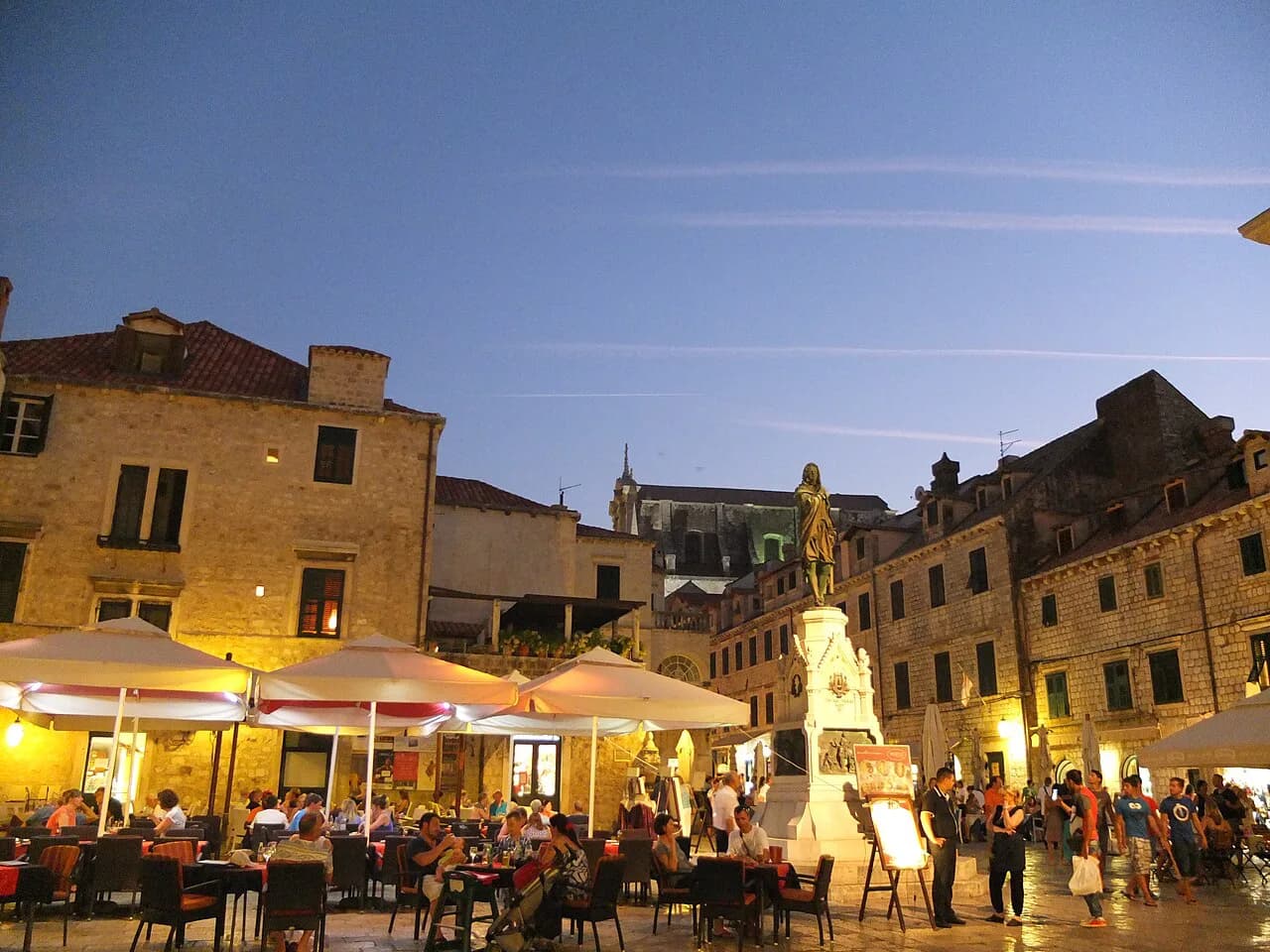
If your budget is tight, build your day around a burek breakfast, a market lunch and one sit-down dinner, and you will eat well without spending a fortune. The market on Gundulićeva Poljana is where the morning produce and picnic supplies are, if you want to build a lunch around it.
There is one catch worth knowing: burek is a snack, not a meal to linger over, and the Old Town's benches and steps fill up quickly at peak times. Buy it, walk a few lanes away from Stradun and eat it where you are not in the flow of people. That way you get the pastry at its best and the view without the crush.
Which Burek to Order First
Start with the meat burek at Holy Burek, eaten warm from the bag within a few minutes of buying it, and follow it with a coffee from a nearby café. It is a cheap, proper Old Town breakfast and a good introduction to the pastry. If you prefer something lighter, take the cheese or greens version instead.
If you are building a day of eating around the city, use burek for breakfast, the market for lunch supplies and one good sit-down dinner for the evening, and you will cover the range without overspending. Keep the pastry as the anchor and let the rest of the day follow.
Explore more Dubrovnik guides
Sources
Notes on eating well in Croatia
Optional updates to our food guides.
You might also like
Continue reading
More guides you'll find useful