Cheap Eats in Hvar: How to Eat Well on a Budget
How to eat affordably on Hvar: what marenda is and when it is served, bakery and pizzeria options, and where the money goes on the island.
On this page
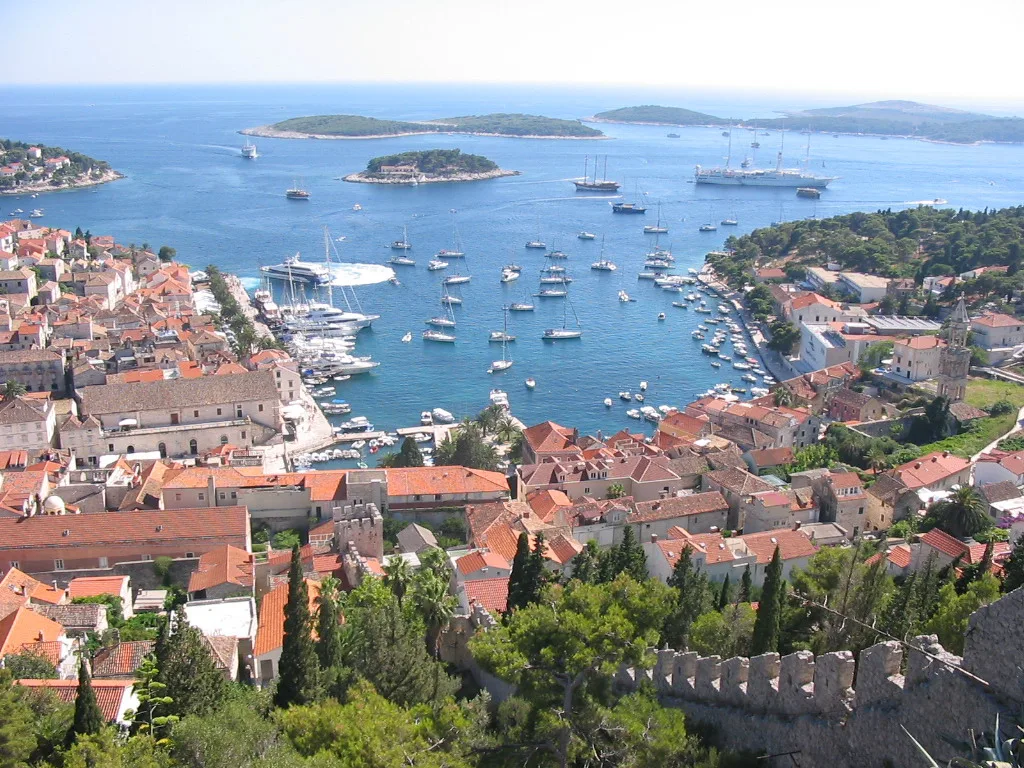
The cheapest way to eat well on Hvar is to follow the locals' midday rhythm: a warm set lunch called marenda, a bakery counter, or a pizza rather than a full seafood spread. Hvar town's prime positions command a premium, so the money saved by eating one meal a day off the main square pays for the rest. This guide covers what marenda is, what it usually includes, how bakeries and pizzerias fit in, and how a modest-looking fish lunch becomes expensive once it is priced by the kilo.
It also looks at one restaurant on Hvar town's St Stephen's Square, Hanibal, and what its menu says about the trade-off between position and price. Where a price cannot be confirmed, the guide says what to compare instead of guessing at a figure.
What a cheap meal on Hvar looks like
A budget day on Hvar is built from three cheap anchors: a bakery breakfast, a warm set lunch, and a simple evening of pizza or self-catered food from the market. Sit-down seafood is the expense that pushes a day over budget, not the basics. Plan one proper restaurant meal and treat the rest as fuel.
The national benchmark for a cooked set lunch is a rough range of about five to ten euros, and it is usually served between eleven in the morning and two in the afternoon, according to Frank About Croatia's guide to cheap eating. Treat that as a Croatia-wide guide rather than a Hvar price list, because island rates run higher in summer.
You can also cross-check against mainland cities: the same guide lists Zagreb lunch spots charging less than ten euros for daily dishes, with some mains from around six euros. If a Hvar menu charges far more than that for a plate of pasta or grilled chicken, you are paying for the postcode. The same mainland-versus-island logic applies to cheap eats Dubrovnik, where old-town positions carry a similar premium.
What marenda is, when it is served and what it costs
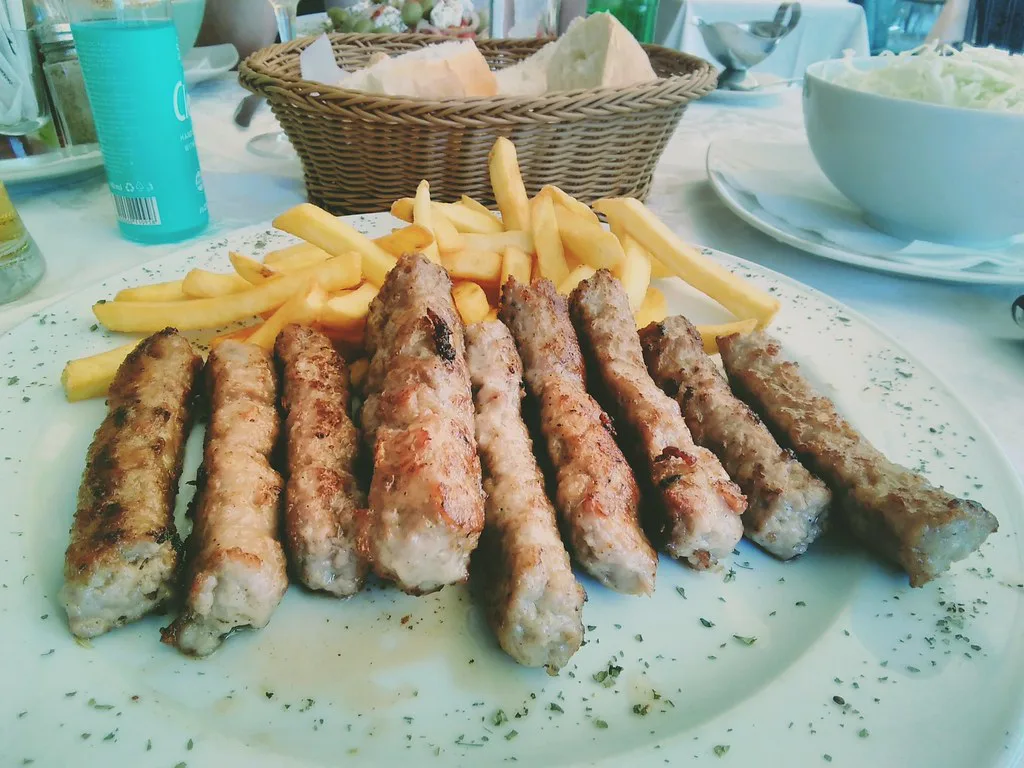
Marenda is a warm, cooked, affordable lunch eaten with a spoon or fork, not a sandwich or a snack. In Dalmatia it typically means dishes such as cod stew, meatballs in tomato sauce, boiled veal with potatoes or veal risotto. It is usually served between about eleven in the morning and two in the afternoon and costs roughly five to ten euros across Croatia as a whole.
Look for a chalkboard outside with three or four daily dishes written on it. That is the signal that a kitchen is cooking one cheap menu for the day rather than running an à la carte list. In Zagreb the same tradition is called gablec and leans towards tripe, goulash or sausages with sauerkraut.
The catch is that the word marenda has stretched to cover fast food in some places. Genuine marenda is freshly cooked local food, served warm, and eaten with cutlery. If the board offers burgers and fries, it is a lunch deal, not marenda.
Bakeries and how they keep a Hvar day cheap
A pekara, the Croatian bakery, is the single best budget tool on the island. Buy bread, a burek-style pastry or a savoury pie in the morning and you have breakfast and something for the beach without touching a café menu. Bakeries are also where you pick up bread for a self-catered lunch of pršut, cheese and tomatoes.
Pair the bakery with a greengrocer or market stall and a small supermarket, and an evening meal at home costs a fraction of a restaurant cover. On an island where summer prices climb, this is not a fallback for the stingy; it is how many visitors eat two meals a day and still afford one good dinner.
Pizzerias and what a pizza costs against a sit-down seafood lunch
Pizza is the reliable mid-price meal in Croatia, and on Hvar it is the safest way to feed a family without a shock at the bill. A pizzeria charges a fixed price per pizza, whereas a seafood restaurant prices fish by weight, so the pizza bill is predictable before you sit down. For specific oven-by-oven picks, see our guide to pizza Hvar.
The trade-off is quality and setting: a back-street pizzeria with a wood oven often beats a harbourfront terrace charging for the view. Order a shared pizza and a salad and you have a full meal for two at well under the cost of one fish main.
Hanibal on St Stephen's Square in Hvar town
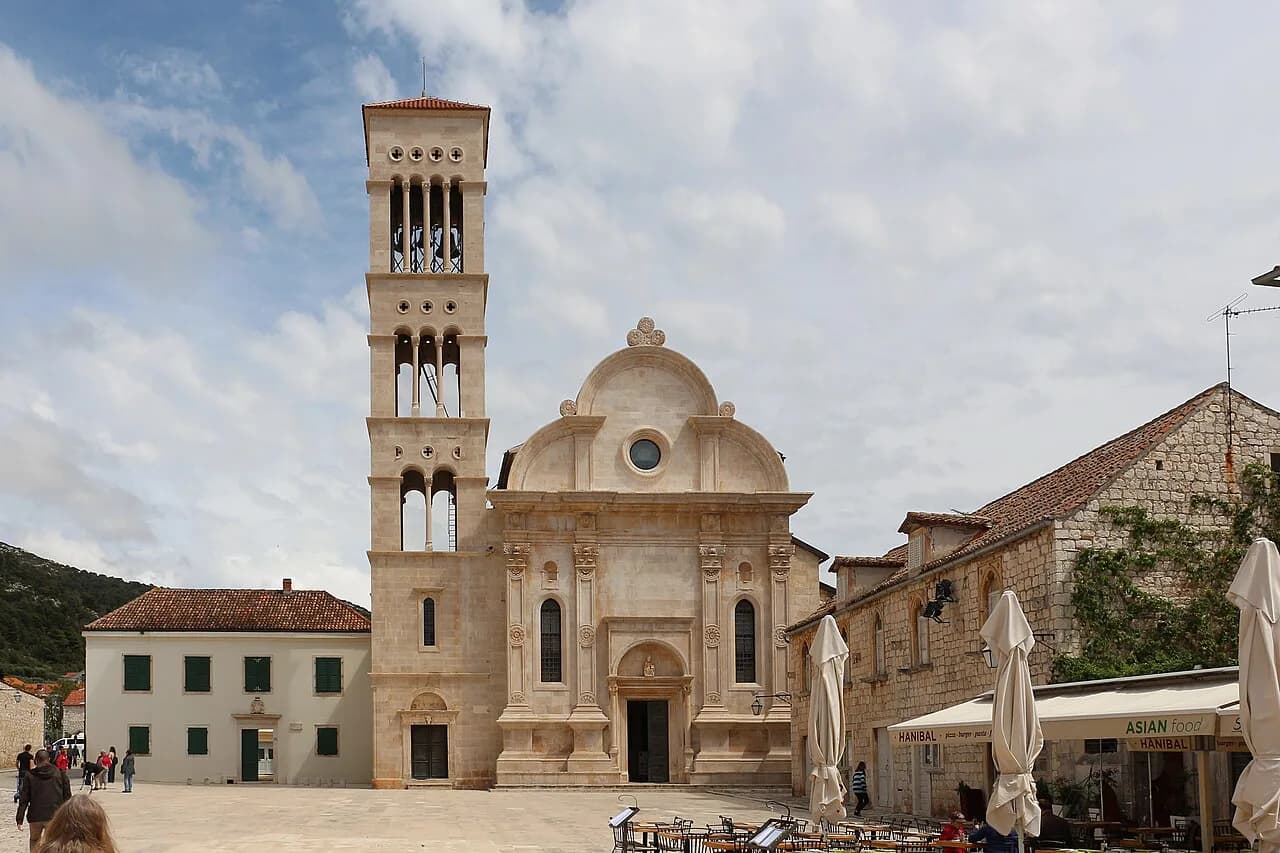
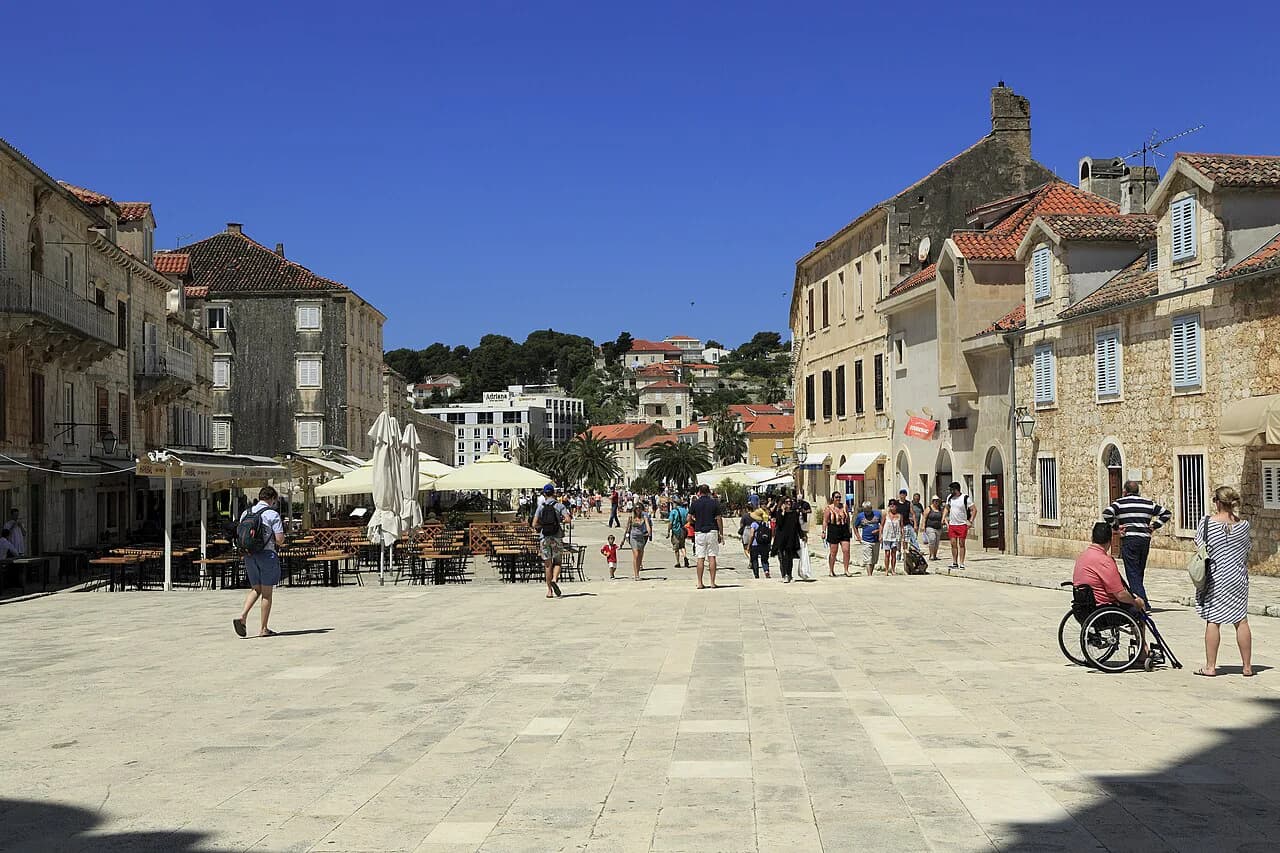
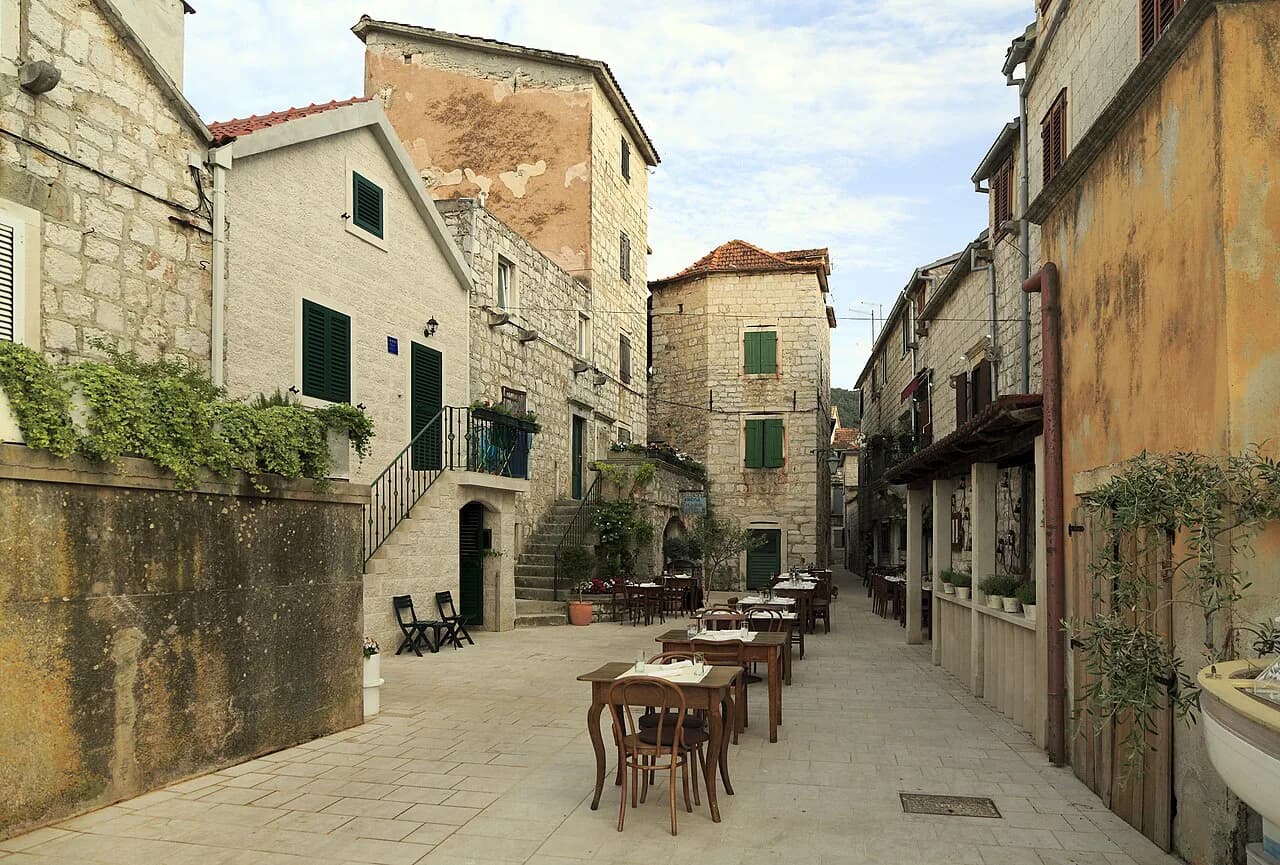
Hanibal sits on St Stephen's Square, the main square of Hvar town, alongside an Asian restaurant. It is named after Hanibal Lucić, the Croatian Renaissance poet and playwright from Hvar, rather than after the Carthaginian general. The draw is the terrace position on the square rather than a hidden back-street setting.
A 2020 write-up recorded a glass of wine at 25 kuna, with beefsteak, truffle gnocchi and an avocado burger all at 80 kuna, which the writer described as Zagreb-level prices rather than Hvar bargains. Those are kuna figures from that year, before Croatia adopted the euro in 2023, so read them as history and use them only as a relative signal, not as current prices.
Hanibal is worth considering for a square-side lunch if you want the setting and accept the premium; it is not a budget option. If a fixed, known price matters more than the address, choose a pizzeria or a marenda board instead.
What to order at Hanibal
The dishes recorded at Hanibal are tuna tartare and steak tartare to start, then gnocchi with shrimps and truffles, an avocado burger or chicken breast with bacon, with a chocolate cake to finish. That mix suits a table where some people want seafood and others want meat. If you specifically want a grilled steak, our guide to steak Hvar covers what to look for.
Ordering tartare and a pasta main keeps the bill lower than choosing a whole fish sold by weight. The burger is the cheapest route to a full plate from the dishes recorded here. If burgers are what you are after, see the best burger in Hvar.
Why the square-facing terrace costs more than a back-street konoba
A table on St Stephen's Square is paying for the view, the footfall and the rent, not just the food. Restaurants in that position can charge mainland-city prices on an island, and the 2020 Hanibal figures show exactly that pattern. A konoba one street back has lower overheads and often a shorter, changing menu.
The practical rule is simple: eat on the square once, for the experience, and spend the rest of your meals away from it. Compare the price of a plate of pasta on the square with the same dish a few streets inland and the premium becomes obvious within a minute's walk.
Seafood priced by the kilo and how that changes a bill
Fish sold by the kilo is the biggest reason a modest seafood lunch turns expensive. You are quoted a price per kilogram, then the whole fish is weighed, so a large specimen for two can cost several times a plated dish. Ask for the weight and the total before it goes on the grill.
A whole fish shared between two, with a salad and bread, is often better value than two separate fish mains. If the price per kilo is not displayed, ask before ordering rather than after. For a fixed-price alternative, a plate of mussels or squid is priced per portion, not by weight.
Self-catering from the market and bakery
Self-catering is the cheapest route to eating well on Hvar, and it does not mean eating badly. A breakfast of bakery bread, local cheese and fruit, a picnic lunch of pršut and tomatoes, and one restaurant dinner a day keeps costs controlled without skipping the food the island is known for.
Buy fish and vegetables in the morning rather than late in the day, when the best of the market has gone. Keep a cool bag for the beach and a sharp knife in the apartment, and a simple supper of grilled fish and salad becomes the best-value meal of the trip.
How Hvar prices compare with Zagreb and the mainland
The most useful check on an island menu is a mainland menu. A 2020 Hvar restaurant pricing beefsteak and truffle gnocchi at Zagreb levels shows how island pricing works: the food costs what it would in the capital, and the location adds the rest. That comparison still holds as a way of reading a menu.
Croatia's switch to the euro in 2023 also pushed menu prices up as businesses rounded conversions upwards. Expect Hvar town and the harbour to sit at the top of the island's range, with inland villages and the quieter side of the island noticeably cheaper.
Where the budget goes wrong on Hvar
The classic budget failure is ordering à la carte at a prime location in high season: a square-side table, a whole fish by the kilo, a bottle of wine and a dessert, all without checking a single price. Add a second round of drinks and the day's food budget is gone by mid-afternoon.
The fix is to decide before you sit down: one set lunch or pizza meal, one self-catered meal, one restaurant dinner with the fish price agreed in advance. That structure keeps a Hvar day affordable even in August, when the island is at its busiest and most expensive.
Which cheap meal should you plan first?
Start with the midday marenda: a warm set lunch, served around eleven to two, is the best value on the island and the meal most visitors miss. Build the rest of the day around a bakery breakfast and a pizza or self-catered supper, and save the square-side table at Hanibal for one occasion.
If you want a fixed price and no weighing, choose pizza or a portion-priced seafood dish. If you want the setting, budget for it and confirm the fish price before it hits the grill.
Explore more Hvar guides
Frequently Asked Questions
What is the average cost of a meal in Croatia?
There is no single figure, because a set lunch and a seafood dinner are different purchases. A cooked marenda lunch falls in a rough national band of about five to ten euros, while à la carte dishes and fish sold by weight push the total much higher. Compare a menu against mainland prices rather than against a national average.
What food is Hvar known for?
Hvar's tables lean on Dalmatian cooking: fish and seafood, olive oil, and simple grilled dishes, with marenda-style stews and risottos at lunchtime. Bakeries supply the pastry and bread side of the day. Menus change with the season, so read what is on the board.
Sources
Notes on eating well in Croatia
Optional updates to our food guides.
You might also like
Continue reading
More guides you'll find useful