Gluten-Free Zadar: Eating Out, Groceries and What to Ask
A practical guide to eating gluten free in Zadar, covering how to order in Croatian, what to choose from a konoba menu, and where free-from groceries are sold.
On this page
Gluten-free eating in Zadar works best when you lean on grilled fish, plain seafood and self-catering rather than breaded plates and bakery breakfasts. Croatia has a strong free-from shopping culture, and the phrase you need is bez glutena, meaning gluten free. This guide covers the phrases to use, what to order in a konoba, where free-from groceries sit on Croatian supermarket shelves, and the stops that demand more caution.
The approach is deliberately practical: name the risk, then give you something to do about it. Zadar has plenty of places to eat, and the restaurants overview is the place to start shortlisting before you layer dietary questions on top.
Gluten-Free Zadar: The Short Answer
Stick to grilled fish, simply cooked shellfish, undressed salads and dishes you can see being assembled, and treat anything breaded, battered or pasta-based as a question rather than a default. Croatia is well set up for free-from shopping, with dedicated sections in most grocery stores.
Book accommodation with a kitchen where you can. A fridge, a hob and a nearby supermarket turn a difficult evening into an easy one, and they give you a safe fallback when a restaurant conversation does not go the way you hoped.
If you want a shortlist of places to eat before you start filtering for gluten-free options, the best restaurants in Zadar give you the lay of the land by area and style.
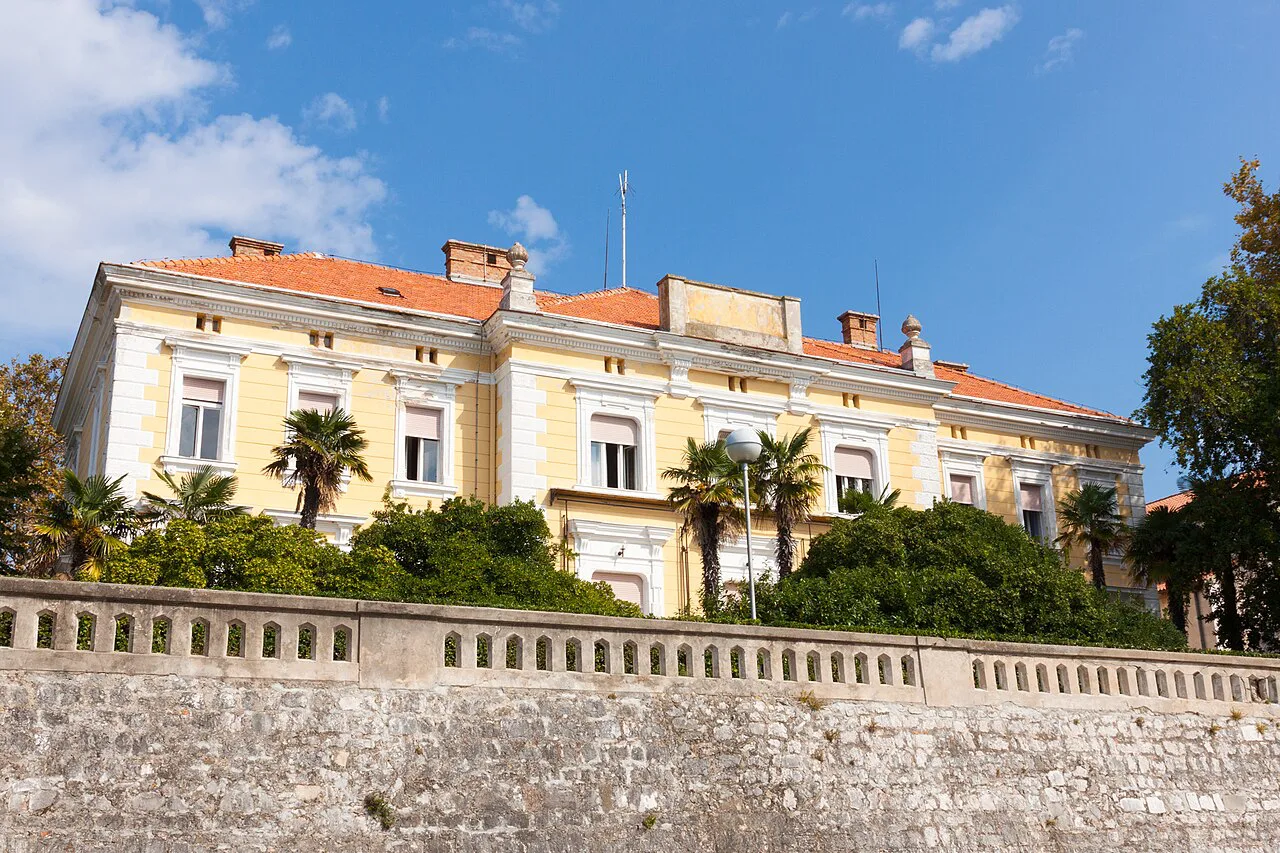
How Croatian Kitchens Handle Gluten-Free Requests
Croatian cooking varies sharply by region, and coastal Dalmatian menus lean on fish, seafood, stews and risotto. That is good news for a gluten-free eater, because a large share of the menu is built from ingredients rather than flour.
The practical problem is not awareness but kitchen logistics: a small konoba may have one grill, one fryer and one pot of pasta water. Ask specifically whether the fish is cooked on a clean part of the grill and whether anything breaded shares the fryer, because those answers matter more than a friendly nod.
Where a restaurant does offer gluten-free pizza or pasta, ask whether it is prepared in a separate area. Some kitchens keep a dedicated station; others simply swap the base. The distinction only becomes clear when you ask directly.
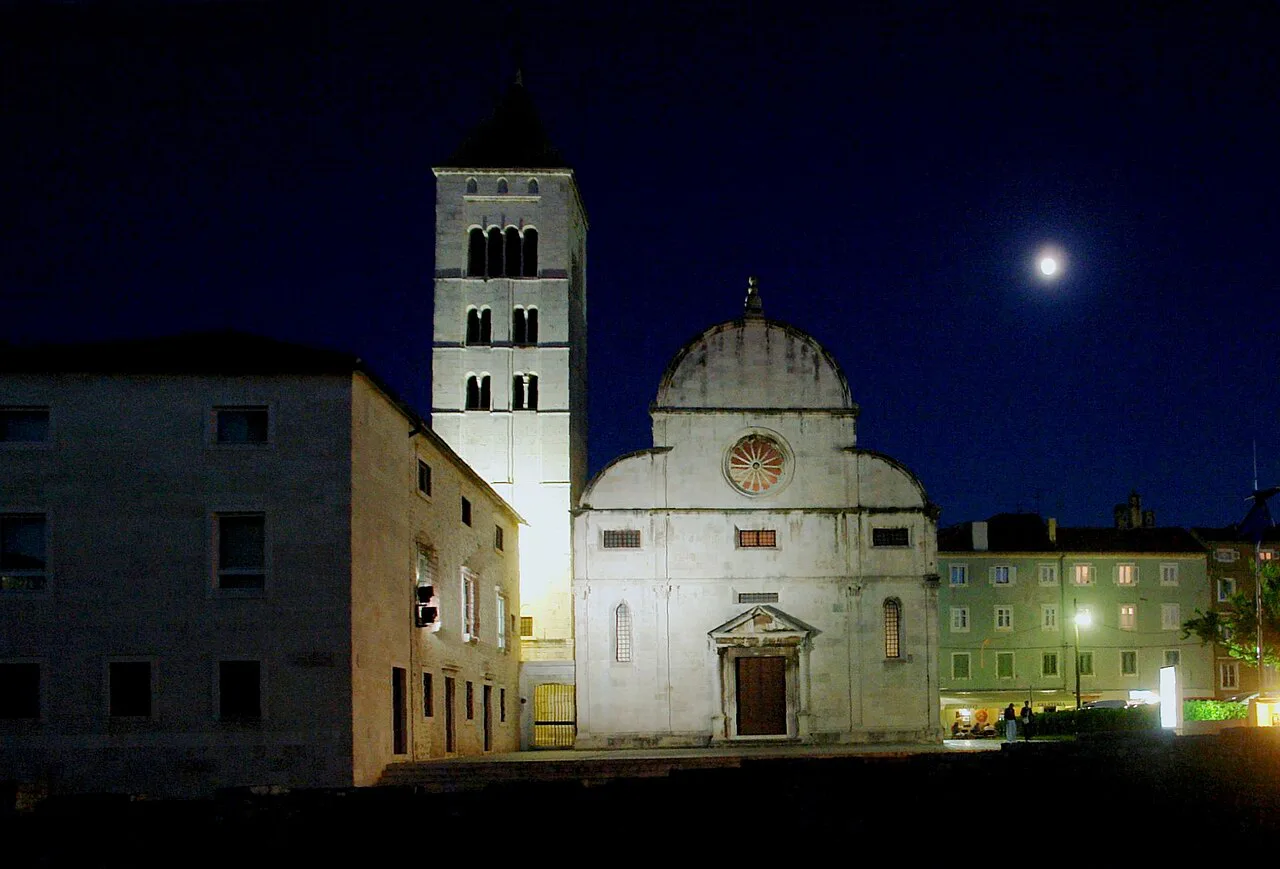
The Croatian Phrases That Do the Work: bez glutena and bez brašna
Bez glutena means gluten free, and it is the phrase that appears on packaging and free-from shelves across Croatia. Use it first, and it will usually be understood immediately.
Bez brašna means without flour, which is a useful second line of defence in a kitchen that may not think in allergy terms. Saying both narrows the gap between what you mean and what a busy cook hears during service.
Write the phrases down on your phone, along with a short sentence explaining that you cannot eat wheat, barley or rye and that even a small amount makes you ill. A cook reading a screen in a loud kitchen absorbs it faster than a spoken explanation.
What to Order in a Zadar Konoba: Grilled Fish, Seafood Risotto and Salads
Grilled fish is the safest anchor on a Dalmatian menu: it arrives whole, plainly cooked, and dressed with olive oil, lemon and chard or potatoes rather than a sauce thickened with flour. Ask for it without bread on the plate and confirm the side is plain boiled potato or blitva, the Dalmatian chard-and-potato side.
Crni rižot, the black squid risotto, is usually made with rice, squid and squid ink rather than a flour thickener, but confirm it is not finished with a roux or breadcrumbs. Pašticada, the slow-braised beef, is often served with gnocchi or pasta, so ask whether it can come with potatoes instead.
Cured meats and cheese can carry hidden risk: pršut, the Croatian dry-cured ham, is sometimes coated in flour at the rind, and paški sir is a hard sheep's cheese from the island of Pag. Neither is automatically safe, so ask about how they were stored and whether the pršut was sliced on a bread-covered board.
Pizza and Pasta in Zadar: What to Ask Before You Sit Down
Gluten-free pizza is increasingly common in Croatia, and some kitchens keep the preparation separate, but you have to ask rather than assume. Sit down only after you have a clear answer about the base, the flour dusting and the oven.
For pasta, the workable questions are whether it is cooked in a separate pot of water and whether the sauce is thickened with flour. If either answer is vague, a grilled dish or a risotto is the better trade-off.
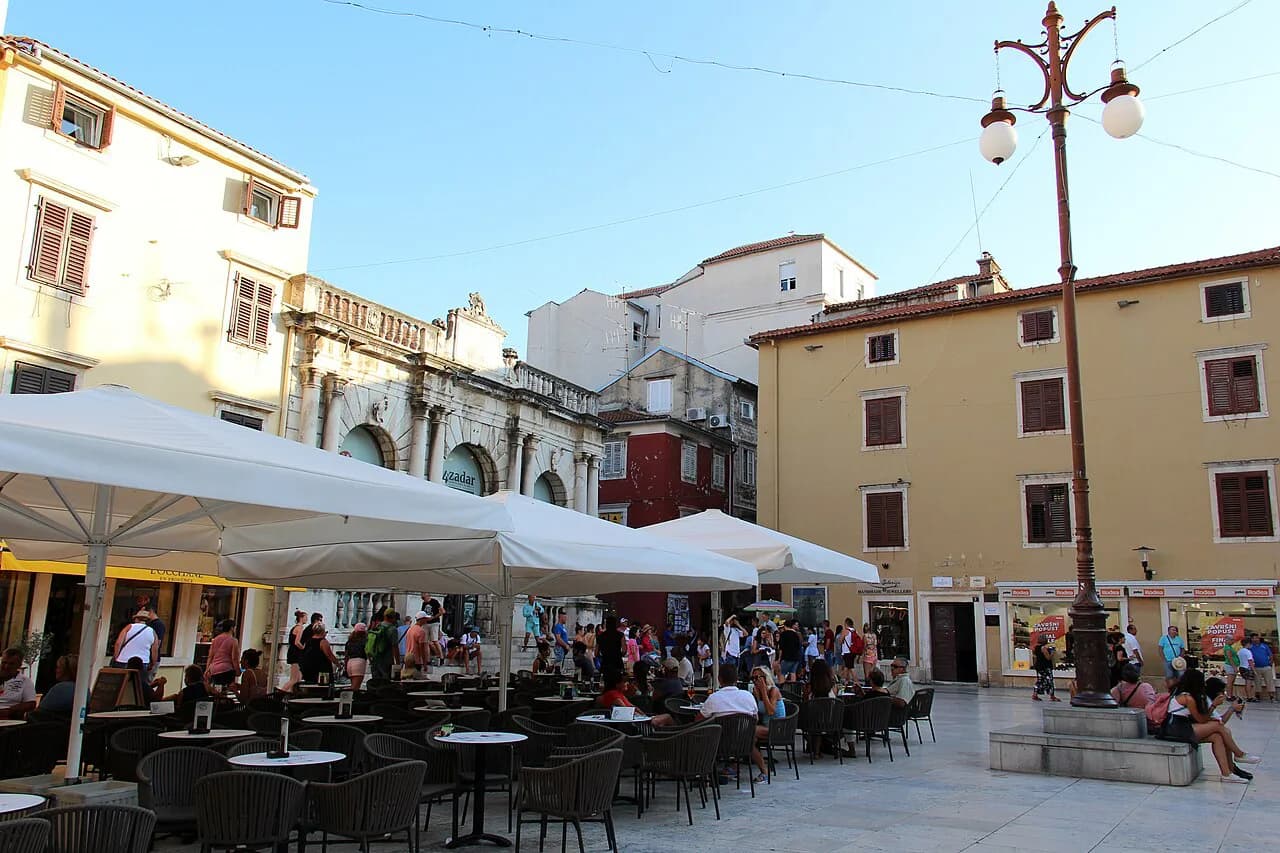
Old-town terraces are convenient and packed in summer, which is exactly when a kitchen has least time to talk you through cross-contamination. Eating early or late in the service is a practical way to get a proper answer.
Free-From Shopping in Zadar: Konzum, Tommy, Studenac, Spar and bio&bio
Most Croatian grocery stores carry a free-from section labelled bez glutena, and the chains worth looking for include Konzum, Tommy, Studenac, Spar and bio&bio. Larger stores tend to carry more variety.
Stock up on your first afternoon rather than your first morning: a supermarket within walking distance of where you are staying removes a lot of daily friction. Bread, crackers and snacks from the free-from shelf cover the gaps between restaurant meals.
Self-Catering in Zadar: Apartments with Kitchens and Market Mornings
An apartment with a kitchen is the most reliable base for a coeliac traveller, because it reduces the number of meals where you have to trust a stranger's understanding of cross-contamination. Check that the listing genuinely has a hob and not just a kettle, and ask whether the kitchen is shared.
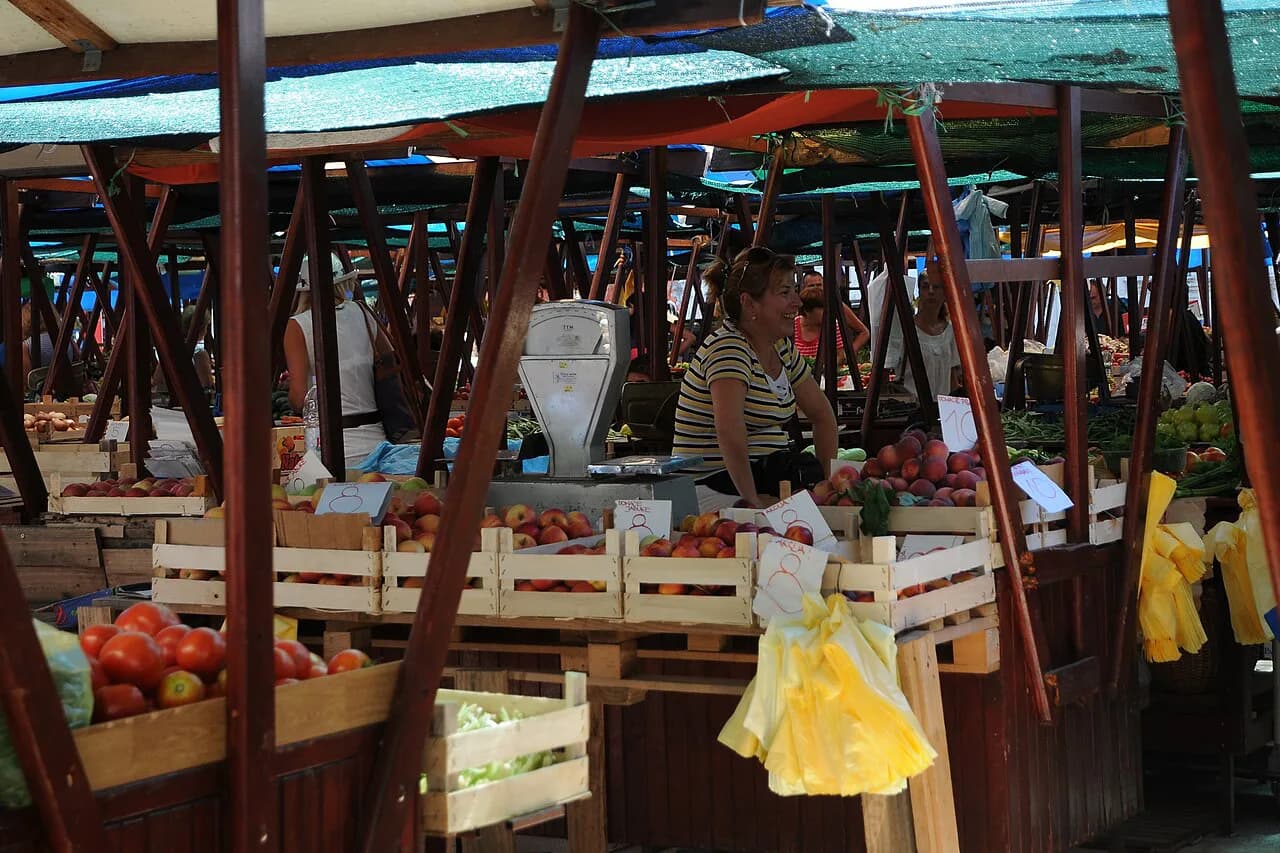
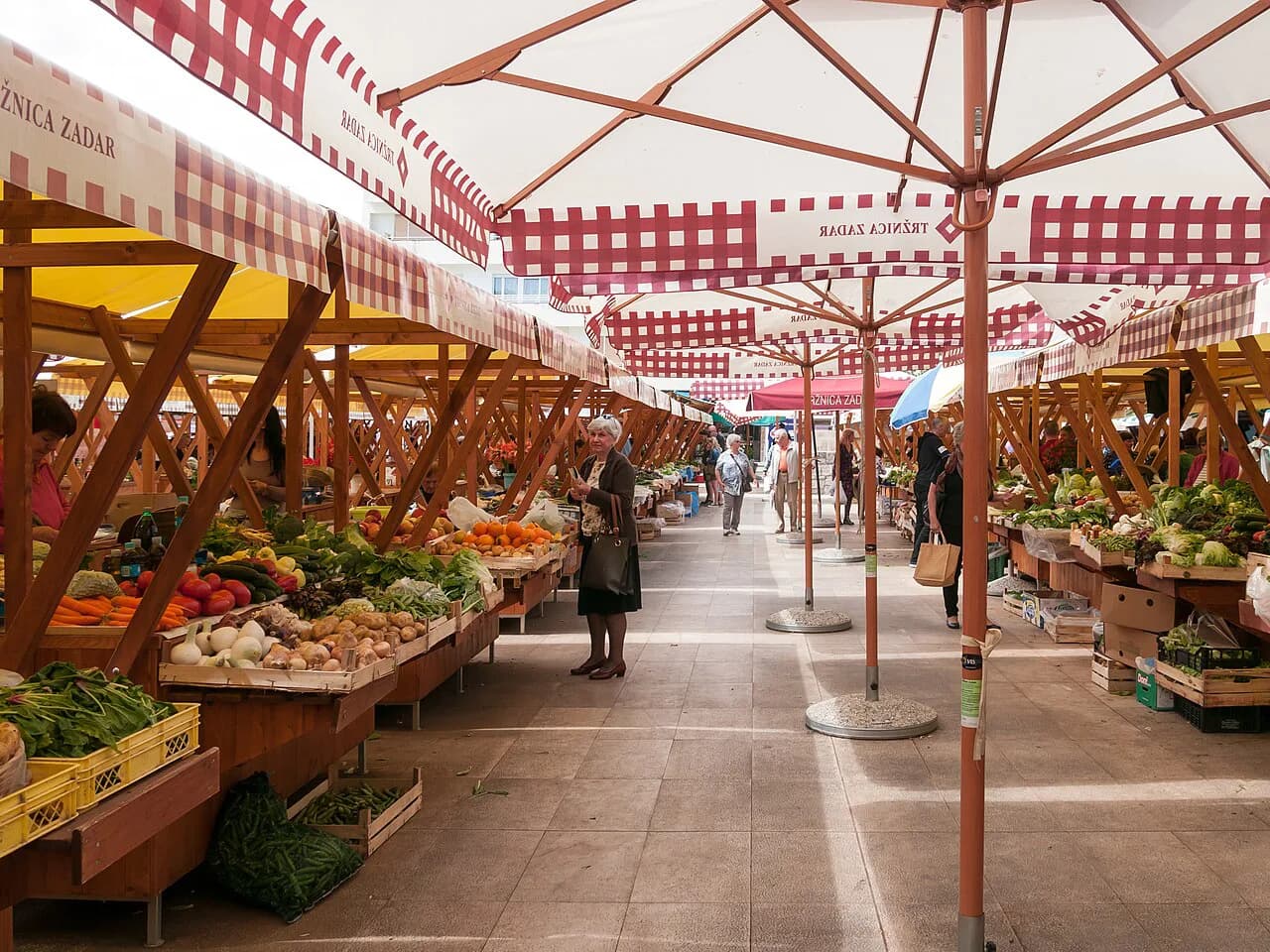
Zadar's morning market is the place to build simple meals from what is in season: tomatoes, peppers, greens, figs and fish, depending on the time of year. Buy fruit for breakfast and picnic supplies here rather than relying on bakery counters.
Breakfast, Bakeries and the Limits of a Pekara
A pekara is a Croatian bakery, and it is the hardest stop on the street for a coeliac: the offer is bread, rolls, burek and pastries, and the whole shop is a flour environment. Do not treat one as your breakfast plan.
Breakfast is better handled from the supermarket or your kitchen, with yoghurt, fruit, eggs and free-from bread you have already bought. If you are staying in a hotel, ask at reception before breakfast service rather than at the buffet table, when staff have time to answer properly.
Gelato, Desserts and Coffee: Safer Defaults
Gelato is the easiest sweet finish in Zadar, because most flavours are milk, sugar and fruit or nuts, and cones are the main risk: ask for a cup instead. Scooped from a clean tub with a clean scoop, it is a low-drama choice.
A slastičarnica, a Croatian pastry shop, is the opposite case. Cakes such as rožata, the Dalmatian caramel custard, may look naturally flour-free but are sometimes finished with a pastry base or biscuit crumb, so ask before ordering.
Coffee is straightforward: espresso and filter coffee carry no gluten, and the biscuit on the saucer is the only risk. Ask for it without the biscuit and the coffee stop stays simple.
Cross-Contamination at the Grill and Fryer
Croatian coastal grills often cook fish, squid and meat side by side, and breaded items such as chicken or fish fillets may share the same surface. Ask for your fish on a clean grill area rather than alongside breaded food.
The fryer is the other block: chips and fried squid usually share oil with breaded pieces. If the restaurant cannot guarantee a separate fryer, choose boiled potatoes and grilled fish instead.
Salads are often dressed with olive oil and vinegar in the kitchen, and some dressings contain soy sauce or thickeners. Ask for oil, lemon and salt on the side so you control the dressing.
Booking and Timing in High Season
Zadar fills up in July and August, and a kitchen under pressure is the least likely to handle a careful request well. Book a table for early or late in the service, when there is time to talk through the grill and the fryer.
Phone ahead if you can and say bez glutena on the call, so the kitchen hears it before service rather than during it. That is also the moment to ask about a dedicated preparation area for pizza and pasta.
Day Trips from Zadar and Packing a Backup Meal
When you head out of the city, the free-from shelf does not come with you. Pack a backup meal: free-from bread from the supermarket, fruit, nuts and a bar you know is safe, in a small bag that stays with you.
This is also where self-catering pays off: a kitchen lets you eat a proper breakfast before leaving, then carry something reliable for the hours in between.
Gluten-Free Zadar: Common Mistakes to Avoid
The biggest mistake is assuming a dish is safe because it looks plain. Breadcrumbed fish, flour-thickened sauces and bread on the plate are common in coastal kitchens, so ask rather than assume.
The second is relying on bakery breakfasts and café pastries. A pekara is a flour environment, and a slastičarnica is not a safe substitute for a proper meal.
The third is arriving without a kitchen and without shopping. Fix both on day one and the rest of the trip gets easier.
Which Zadar Meal Should You Book First?
Book one grilled-fish dinner in a konoba where you can ask about the grill, and keep the rest of the trip flexible. That single meal covers the cuisine you came for and sidesteps most of the risk.
Then build the rest of your eating around a kitchen, a supermarket and the morning market, with a backup meal in your bag on days out. That is a workable, low-stress way to eat well in Zadar.
Explore more Zadar guides
Frequently Asked Questions
How do you say gluten free in Croatian?
The phrase is bez glutena, and it appears on packaged food and free-from shelves across Croatia. Bez brašna, meaning without flour, is a useful second phrase for kitchens that do not think in allergy terms.
Is it possible to eat gluten free in Croatia?
Yes. Croatian supermarkets carry free-from sections and many restaurants will work with a request for plain grilled fish or a dish without flour. The practical limits are bakeries, breaded food and shared fryers, so pick your meals accordingly.
Does Zadar have gluten-free restaurants?
Zadar has plenty of restaurants, but none of the venues covered here is confirmed as offering gluten-free dishes, so treat each one on its own merits. Ask about the grill, the fryer and the preparation area before you order.
What is a safe breakfast in Zadar if you are coeliac?
Buy from the supermarket or use your apartment kitchen: yoghurt, fruit, eggs and free-from bread are straightforward. A pekara is a bakery built around wheat, so it is not a good breakfast stop.
Sources
Notes on eating well in Croatia
Optional updates to our food guides.
You might also like
Continue reading
More guides you'll find useful