Seafood Restaurants in Zadar: Where to Eat Fish
A practical guide to seafood restaurants in Zadar, with the fish and shellfish dishes worth ordering, how to read a menu and when to book a table in high season.
On this page
Konoba Malo Misto is the Zadar seafood table to book first: a family-run konoba in the old town centre with a garden terrace and a charcoal grill, and a menu that runs from shellfish buzara to grilled sea bream. This guide sets out what to order there, the Dalmatian dishes worth recognising on any Zadar menu, and how a whole fish is priced so the bill holds no surprises.
Fish here is Adriatic and mostly simple: sea bass, sea bream, tuna, calamari, octopus and langoustines, grilled over charcoal or folded through pasta and risotto. The trade-off is the usual one in Zadar, between a terrace in the old town and a quieter table further out.
What Zadar Seafood Looks Like on a Plate
The default Zadar fish main is a whole sea bass or sea bream, grilled and served with Dalmatian-style Swiss chard and potatoes, the side known locally as blitva. The chard is cooked with potato and plenty of garlic and olive oil, and it tells you more about the kitchen than any sauce would. If a menu offers a fillet in prawn sauce instead, you are ordering a restaurant dish rather than a grill dish.
Around that core sit the pasta and risotto plates: black risotto made with cuttlefish and its ink, seafood spaghetti with shellfish, squid and prawns, and homemade pasta served with langoustines. These are the cheaper, more forgiving orders when you do not want to commit to a whole fish. Malo Misto also lists a green ravioli stuffed with curd cheese in mushroom sauce for anyone at the table who is not eating fish.
For a sense of how the rest of the city eats, the wider set of restaurants in Zadar ranges from old-town konobas to places away from the waterfront.
Konoba Malo Misto in the Old Town Centre
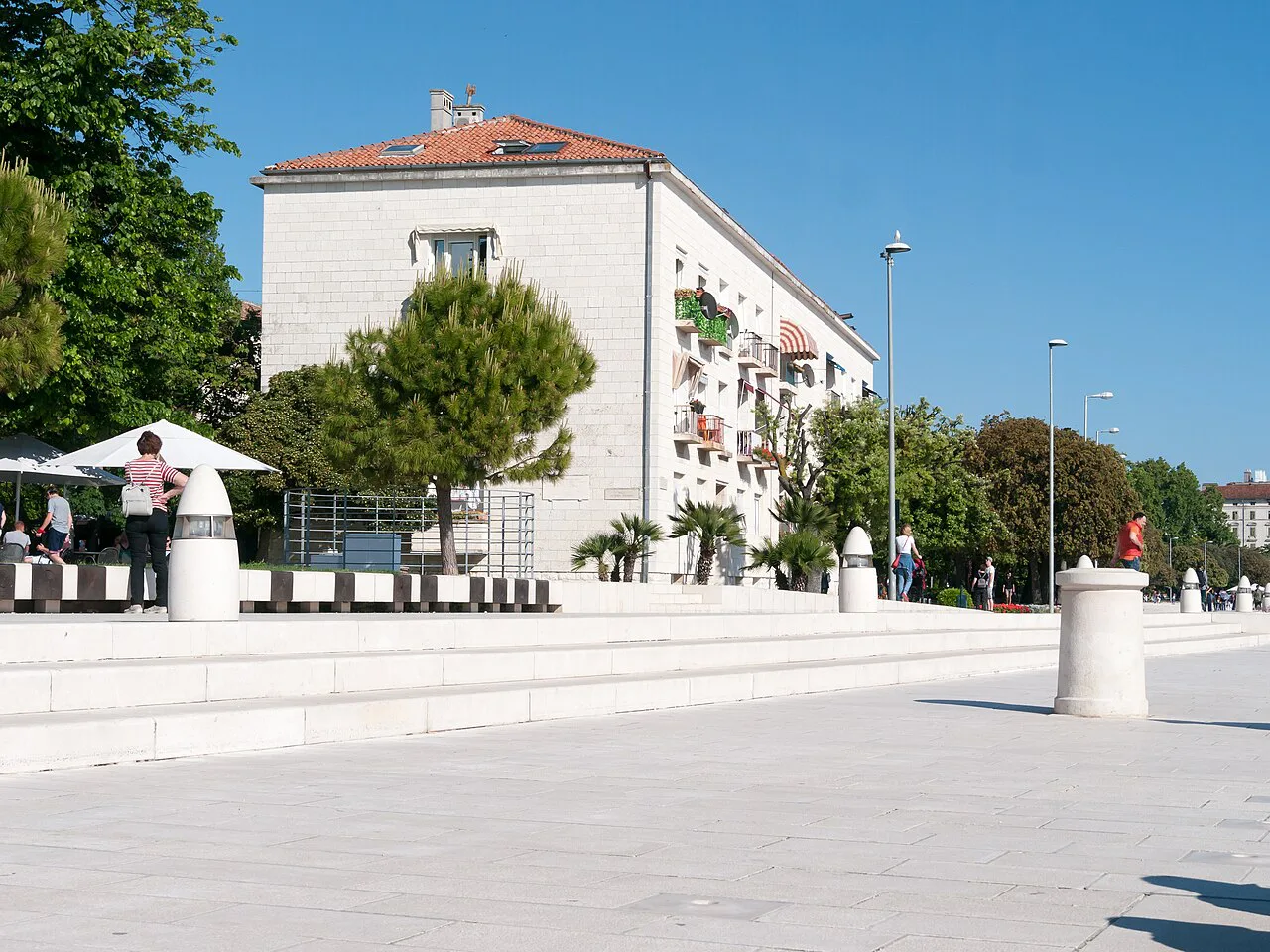
Malo Misto describes itself as family owned since 1970, and the format is a konoba with a garden terrace, a charcoal grill and homemade pasta. It sits in the centre of Zadar, which puts it within walking distance of the old town's main streets. The setting suits a long evening rather than a quick plate: garden tables, grilled seafood and slow-cooked Dalmatian dishes are what the house presents.
What to order: start with the cold platter the house calls Malo Misto, built for two and loaded with octopus carpaccio, smoked tuna, marinated prawns, anchovies and smoked mussels. It is the single best way to taste the breadth of the kitchen before committing to a main, and it leaves room for a shared grilled fish afterwards.
For the main, the shellfish buzara is the dish to take seriously: mussels, venus clams and razor clams cooked in wine, garlic and olive oil. It is listed at one kilo, so it works as a shared middle course for two or three people rather than a solo main.
If you want the grill, order the sea bream or sea bass, or the fish platter for two at one kilo with sea bass, tuna, calamari and langoustine. The grilled stuffed calamari, filled with rice, squid tentacles, prawn, smoked mozzarella and pancetta, is the house speciality and the more unusual choice.
The menu also carries meat for mixed groups, including a gourmet platter with ćevapi, pork skewers and sausages, plus slow-roasted lamb shank. That matters in Zadar, where not everyone at the table wants fish, and it means one booking can cover the whole party.
The Dishes to Know Before You Order
Buzara is a cooking style, not a single dish, and recognising it is the key to reading a Zadar menu. Shellfish buzara means the catch is cooked in white wine, garlic, olive oil and parsley, and the sauce is the point: you want bread to finish it. The red version, used for langoustines with homemade pasta, simmers the shellfish in a tomato base instead.
Black risotto is the other dish worth knowing: cuttlefish cooked with its ink until the rice turns dark and saline. It is rich and stains everything, so it is not a first-date order, but it is one of the most distinctly Dalmatian things you can eat in the city. Order it as a starter to share if you are also having grilled fish.
Langoustines, or škampi, are Adriatic luxury shellfish and appear in risotto, in buzara with pasta and on fish platters. Grilled octopus tentacles, fried calamari with tartar sauce and tuna steak with potatoes cover the rest of the familiar ground. If you want a lighter start, the octopus or beef carpaccio does the job without filling you before the main.
Fish by the Kilo and How the Bill Works
Whole fish in Croatia is sold by the kilo, so a sea bass for two is priced on its weight, not per person. That is why a shared grilled fish can cost more than a pasta dish, and why the server will usually bring the fish to the table before it goes on the grill. Ask for the weight and the price per kilo before you agree, and the final bill holds no surprises.
Portions at Malo Misto are often written by weight on the menu: the shellfish buzara is listed at one kilo, the fish platter for two at one kilo, and the grilled sea bream or sea bass at 500 grams. Some steak cuts are listed per 100 grams, so check whether the figure is the portion or the unit price.
Grilled versus fried is the other decision. Grilled fish and calamari come with blitva or grilled vegetables and let the charcoal do the work, while fried calamari arrives with chips and tartare and suits a faster, cheaper meal. If you are sharing, a cold platter plus one grilled fish plus a pasta dish feeds two comfortably.
Treat the menu as a guide to dishes rather than to cost. The kitchen does cater for vegetarians with a grilled vegetable platter and salads, and there are vegan options elsewhere in the city at vegan restaurants Zadar if the fish-heavy menu does not suit everyone.
Terrace in the Old Town or a Quieter Table
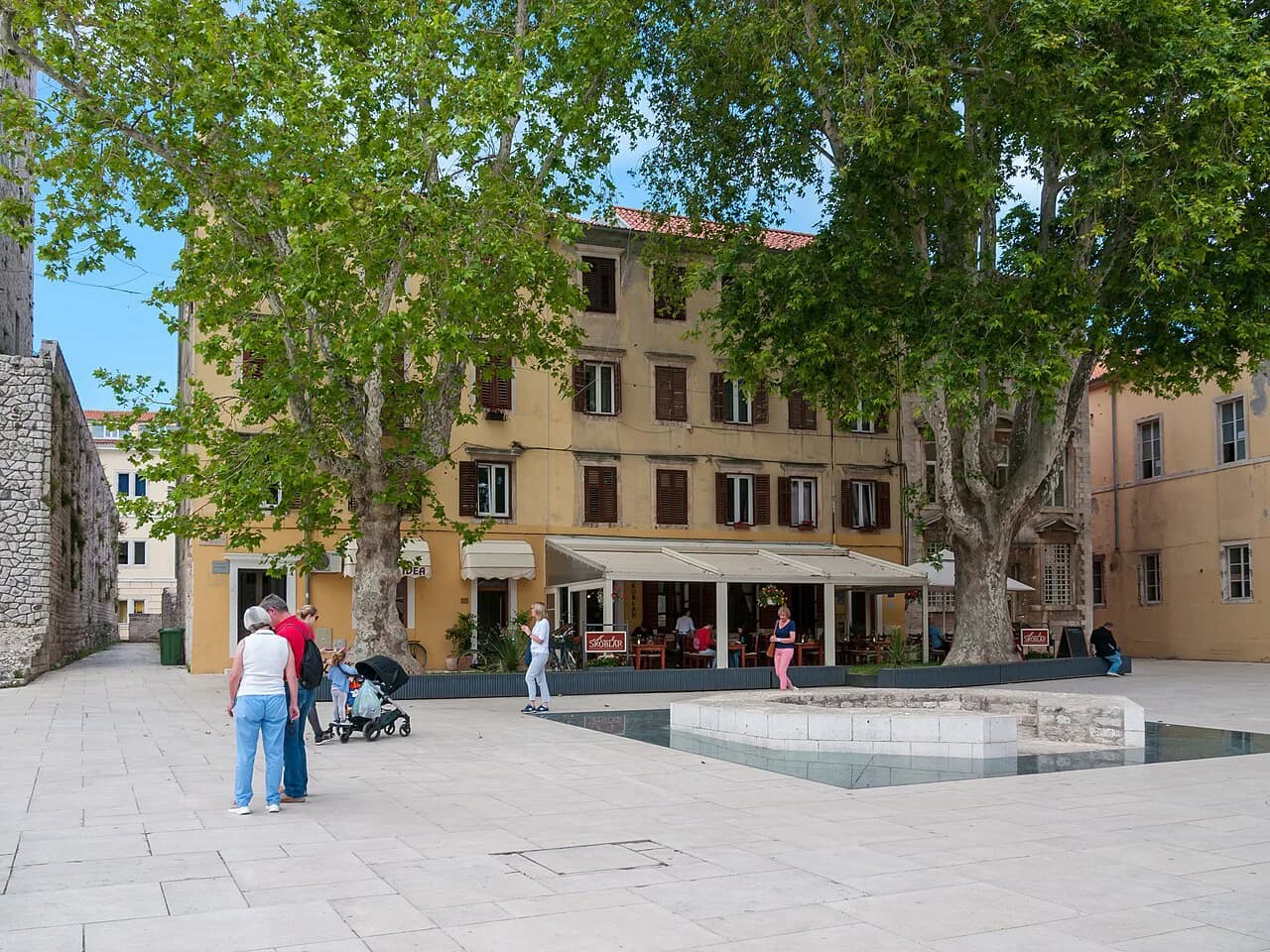
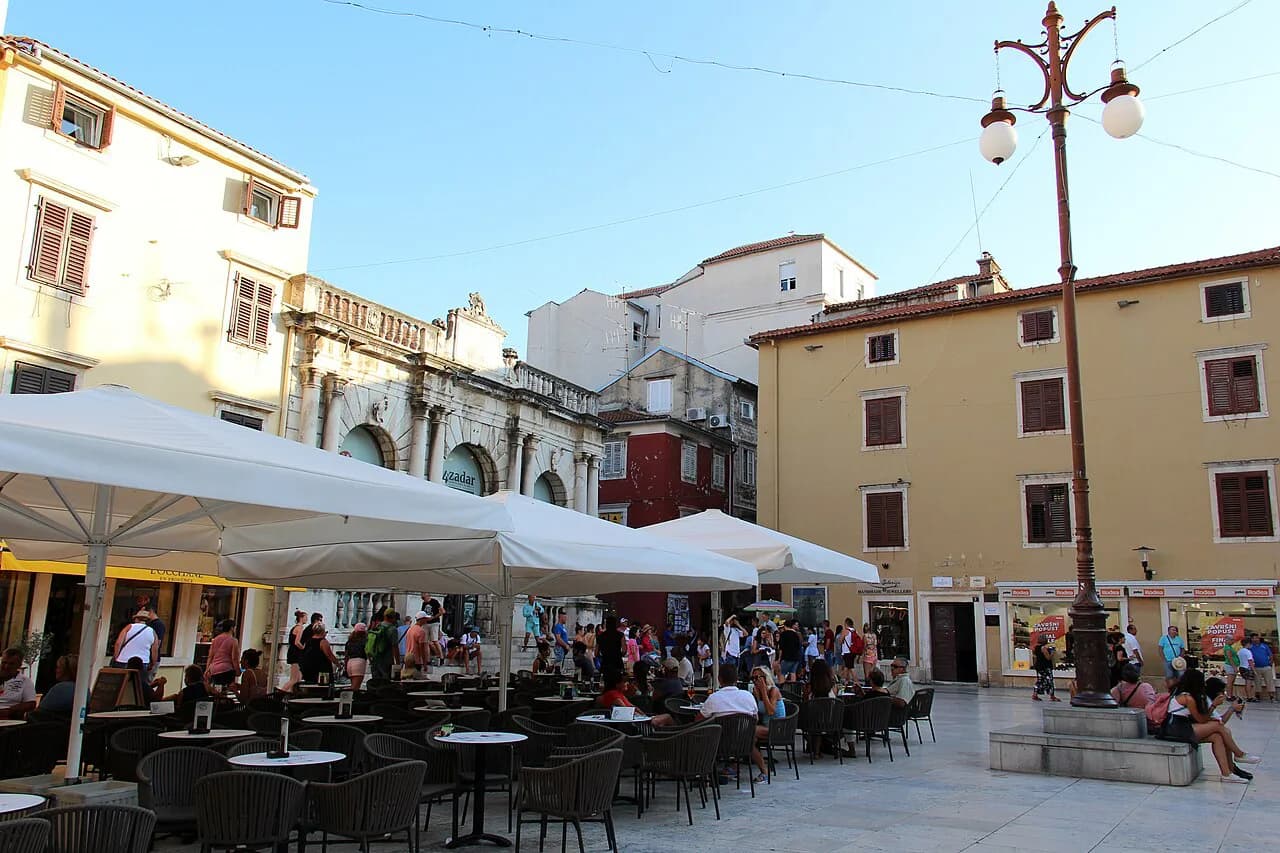
The old town terrace is the obvious choice and the one with the atmosphere: garden tables, a summer breeze and a short walk back to wherever you are staying. The trade-off is that the centre is where the summer crowd concentrates, so the setting is livelier and the tables turn faster. For a quiet dinner where you can hear each other, a table away from the centre is the better call.
Lunch is the underrated slot for seafood in Zadar. Grilled fish and a plate of blitva sit well in the middle of the day, and the old town is calmer before the evening rush builds. Dinner is when the terraces fill and the charcoal grill is at its busiest.
If you want to weigh Malo Misto against other kitchens before booking, work through the wider list of restaurants and pick by dish rather than by street. The old town rewards a short walk: the difference between a good and a mediocre table is often one block.
Booking a Table in High Season
Book ahead for dinner in July and August, especially for a terrace table, and ask specifically for the garden rather than accepting a seat inside. Malo Misto takes table reservations through its own site, which is the route to use in peak weeks. For a larger group, book earlier in the day than you would at home.
Late spring and early autumn are the sweet spot: the grill is running, the terrace is usable and the old town has room to move. Winter changes the picture on the Dalmatian coast more widely, so do not assume an August table is open in January.
Build the meal around the old town and you can walk to it from most of the centre, which removes the parking problem that comes with driving into Zadar in summer. The Zadar travel guide covers the city's main sights.
Reading the Menu in Croatian
A handful of words will carry you through most Zadar seafood menus. Buzara is shellfish cooked in wine, garlic and olive oil; škampi are langoustines; lignje are squid or calamari; sipa is cuttlefish, the fish behind black risotto; orada is sea bream and brancin is sea bass. Blitva is the Swiss chard and potato side that comes with grilled fish.
Pršut is dry-cured ham, paški sir is the hard sheep's cheese from the island of Pag, and kulen is a spiced cured sausage from Slavonia. These turn up on cold platters and are worth ordering when you want something to pick at before the fish arrives. The Kotar District platter at Malo Misto pairs prosciutto and pancetta with Slavonian kulen, alongside goat, sheep's and chilli cheeses, venison salami and fig cake.
If you are avoiding gluten, ask about the pasta and the fried coatings rather than assuming, and use a dedicated list of gluten free Zadar options to plan the meal. The grill is usually the safest route, with fish, potatoes and vegetables ordered plainly.
Which Zadar Seafood Table to Book
Book Konoba Malo Misto for the old-town terrace and order the cold platter followed by the shellfish buzara or a grilled sea bass with blitva. Go at lunch if you want a calmer room, and reserve the garden table well ahead in July and August.
If you want to compare before committing, read the Best Restaurants in Zadar guide, then choose by dish: black risotto and buzara for a lighter meal, whole grilled fish when the table is sharing. Either way, ask the weight and price per kilo before the fish goes on the grill.
Frequently Asked Questions
What food is Zadar known for?
Zadar eats like the rest of the Dalmatian coast: grilled sea bass and sea bream with blitva, black risotto made with cuttlefish, shellfish buzara cooked in wine, garlic and olive oil, and langoustines with homemade pasta. Cold platters of pršut, cheese and marinated seafood are the standard way to start.
Does Croatia have good seafood?
Yes. The Adriatic supplies sea bass, sea bream, tuna, squid, cuttlefish, octopus, mussels, clams and langoustines, and coastal kitchens keep the cooking simple: charcoal grilling, wine and garlic, or a tomato base. In Zadar the quality shows most clearly in a plainly grilled fish with blitva.
How is fish priced in Zadar restaurants?
Whole fish is generally sold by the kilo, so the price depends on the weight of the fish you are served. Ask for the weight and the price per kilo before it goes on the grill. Some menus also list shellfish and platters by weight, such as a one-kilo buzara or a 500-gram sea bream.
Do I need to book a seafood restaurant in Zadar in summer?
For dinner in July and August, yes, particularly for a terrace or garden table. Book directly with the restaurant and ask for the outside table if that is what you want. Lunch is easier to walk into, and late spring and early autumn are calmer than high summer.
Sources
Notes on eating well in Croatia
Optional updates to our food guides.
You might also like
Continue reading
More guides you'll find useful