Seafood Restaurants in Rijeka: Where to Eat Fish
Where to eat fish and seafood in Rijeka, from a traditional konoba serving seafood the old way to the city's Michelin-listed modern kitchen.
On this page
For seafood in Rijeka, the practical choice is between a traditional konoba and a modern dining room. Konoba Fiume is the unpretentious seafood bistro in the old mould, while Nebo is the city's Michelin-listed modern kitchen. This guide sets out both, explains how fish sold by the kilo shapes your bill, and names the Croatian terms worth knowing when you order.
Rijeka is a working port, and its seafood cooking reflects that rather than polishing it away. The city sits on the Kvarner Gulf, so the fish on offer is Adriatic, and the konoba tradition keeps preparations simple. Knowing which style suits your evening is more useful than chasing a single best table.
What Rijeka seafood eating looks like: konoba cooking versus modern kitchens
Two traditions run side by side here. The konoba is the neighbourhood tavern where seafood is cooked plainly and the room is modest; the modern kitchen treats Adriatic fish as fine-dining material with a composed plate and a longer sitting. Pick by occasion: a casual midweek supper points to the konoba, a celebration to the dining room.
For a wider survey of the city's tables beyond fish, the full list of Rijeka restaurants is the place to start, since the seafood picture only makes sense against the rest of the scene. Rijeka's cheaper, meat-led spots and its grill houses are covered there too, which helps if half your party does not eat fish.
Non-fish eaters are not stranded. The city's Ćevapi in Rijeka grill tradition gives you minced-meat skewers with flatbread, and if you want a meat-free table there is a separate shortlist of vegan Rijeka options. Splitting a fish-led lunch and a grill dinner across two days is a sensible way to eat here.
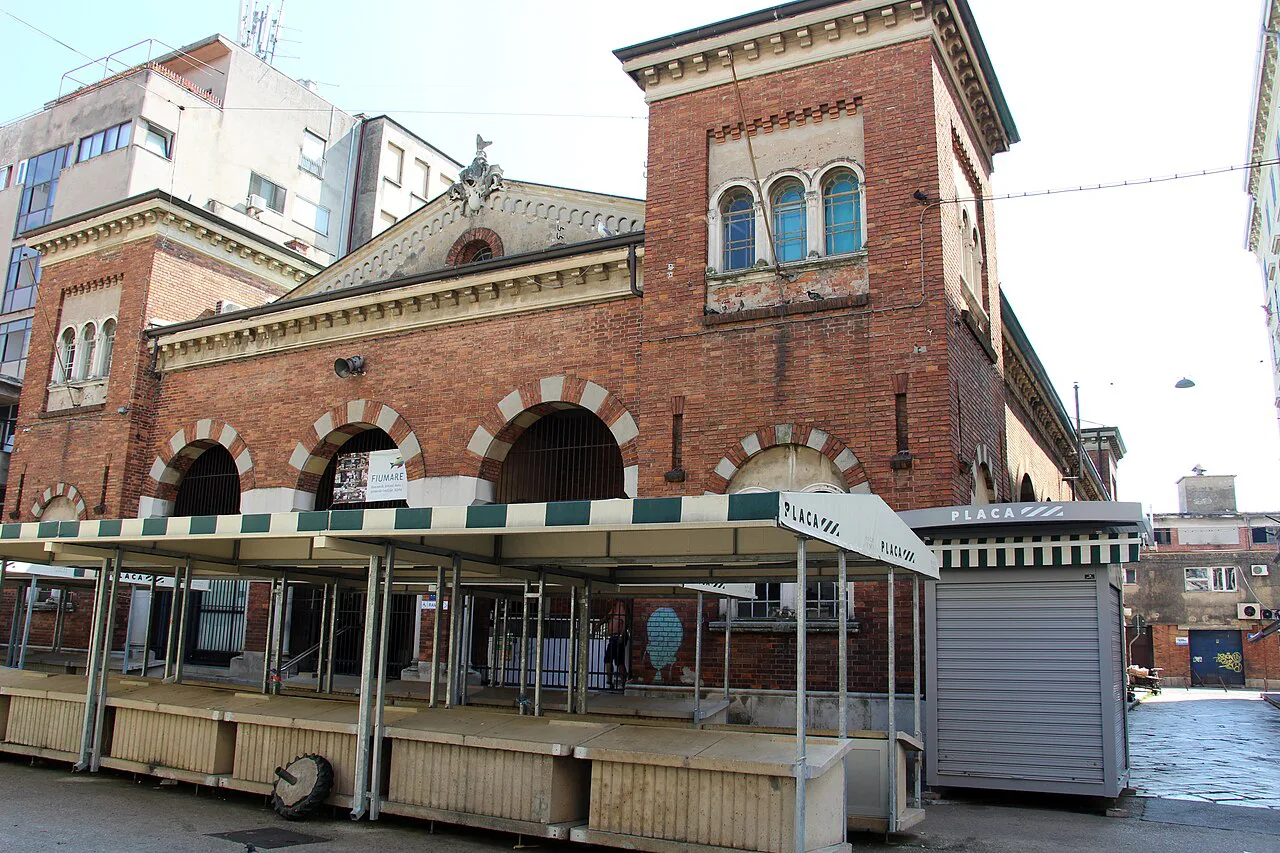
Konoba Fiume: an unpretentious seafood bistro in the traditional mould
Konoba Fiume is a charming, unpretentious bistro built around traditional cooking, with a menu heavily based on seafood — as described by Spotted by Locals. That description is the reason to go: an everyday room, a seafood-weighted kitchen and no ceremony. It suits a relaxed lunch or an early dinner rather than a long occasion meal.
Treat it as the benchmark for the konoba style and judge other taverns against it. Order what the kitchen does best, which in a seafood bistro means starting with something small and cold or simply cooked, then moving to a fish main. Keep the wine modest with it.
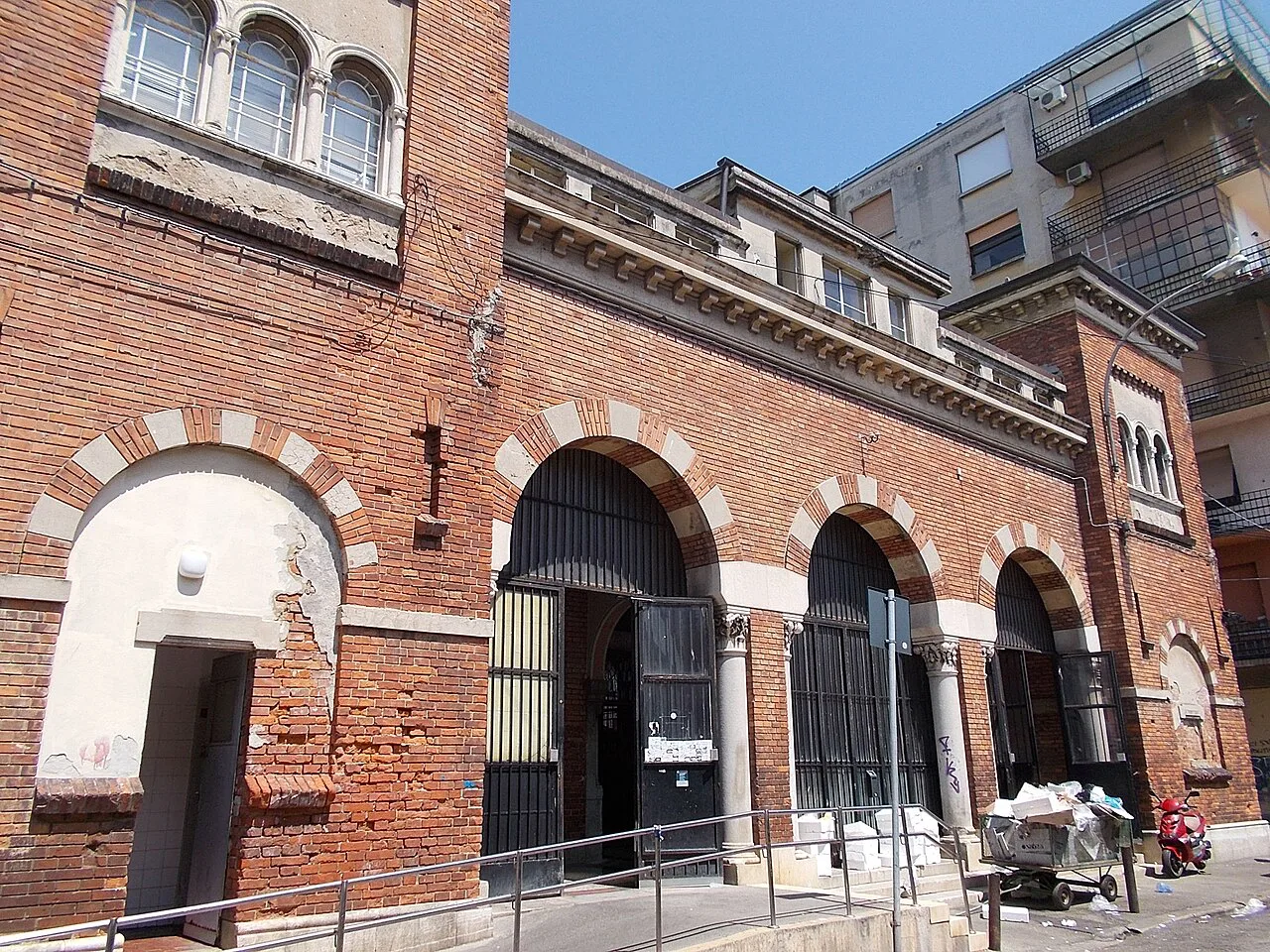
Nebo: Rijeka's Michelin-listed modern dining room
The MICHELIN Guide's Rijeka selection lists Nebo in Rijeka itself, described under Modern Cuisine. It is Michelin-listed, which is not the same as Michelin-starred, so do not expect a star unless the Guide says so when you look. This is the city's fine dining evening, with the longer sitting and the higher bill that comes with it.
Note the geography. The same MICHELIN selection covers Opatija, where Plavi Podrum is listed under Fish and Seafood, so a seafood-led fine-dining night may mean leaving the city. If you want to stay within Rijeka, Nebo is the listed city address in the Guide.
How fish is priced by the kilo and what that means for your bill
In Croatian seafood restaurants fish is commonly sold by weight rather than as a fixed plate, and that is the single biggest reason a bill surprises visitors. The fish is weighed and the price calculated from the kilo rate, so a larger specimen costs more even though the cooking is the same. Ask for the weight and the kilo rate before the kitchen prepares it.
A simple way to keep control is to agree the portion size for the table rather than ordering one whole fish per person. The same logic explains why fish is often a better shared centrepiece than an individual main. Croatia has used the euro since 2023, so rates are quoted in euros rather than kuna.
Where the sources describe a venue, take the style and the cooking as the guide and confirm the day's rate in the restaurant. Prices change with the catch and the season, so no published figure here would hold. Set a budget for the fish course in your head and ask the weight before you commit.
What to order: seafood starters, fish mains and the Croatian terms to know
Structure a konoba meal as the locals do: a cold or simply cooked seafood opener, then a fish main, with a vegetable or potato alongside. In a modern kitchen the same ingredients arrive in composed courses, so the ordering logic shifts to the tasting format. Either way, the fish is the point and the rest supports it.
Learn a handful of words and ordering gets easier. Riba means fish, lignje means squid, škampi means langoustines, dagnje means mussels and jadranska means Adriatic. Asking for something na gradele means from the grill, and na buzaru means cooked in a tomato, wine and garlic broth — a reliable way to order shellfish.
The city's food map is broader than fish, and the guide to what to eat in Rijeka puts seafood in context with the rest of the local repertoire. Use it to plan a mixed week rather than a run of near-identical fish dinners. Lunch is often the cheaper way to eat well, and the shortlist of lunch Rijeka addresses helps there.
If you are eating on the move, the city's street food Rijeka options are the quick alternative to a seated fish lunch. Dietary needs are workable too: gluten free Rijeka guidance covers the local options, which matters because grilled fish and simple seafood suit that requirement well.
Booking in high season and how the coastal seasonal rhythm affects choice
In summer, book the dining rooms ahead and leave the konoba for a walk-in at an off-peak hour. Nebo, as a listed modern restaurant, is the table to reserve first when you have a specific date; the traditional bistro is easier to fit around a flexible plan. For the city's overall booking picture, the Best Restaurants in Rijeka piece sets out the wider list.
Kvarner has a strong seasonal rhythm, with the busiest weeks in July and August and quieter shoulder months. That affects choice less in a port city like Rijeka than on the islands, but the modern kitchen and the bistro still fill at different speeds. Off-season, a seafood lunch is the lower-risk booking.
Pairing seafood with a glass of local wine, briefly
Kvarner whites, especially from the nearby islands, work with grilled fish and shellfish broths because they carry enough acidity for both. Order a glass rather than a bottle at lunch, and let the fish lead. In a modern dining room, take the sommelier's pairing if one is offered with the seafood courses.
Drink moderately and keep the focus on the food; the fish is the reason you are there. A shared bottle across a table of three or four is a sensible arrangement with a seafood spread, and sparkling water alongside is perfectly normal in Croatian restaurants.
Konoba or Michelin listing: which Rijeka seafood table?
Choose Konoba Fiume for an unpretentious, seafood-focused traditional meal and Nebo when you want the modern, Michelin-listed dining room in the city. Neither is a compromise on the fish; they differ in style, pace and the size of the bill. Above all, ask for the weight and kilo rate before the fish is cooked.
Two practical moves make the evening work: reserve the modern room ahead in high season, and confirm the fish price by weight at the table. If your group mixes fish eaters with others, check the menu for grill and meat-free plates when you book (prices and dates are worth checking), and keep the choice by occasion rather than by reputation.
Sources
Notes on eating well in Croatia
Optional updates to our food guides.
You might also like
Continue reading
More guides you'll find useful