Konobas in Rijeka: Traditional Croatian Cooking Worth Seeking Out
Konobas in Rijeka range from market-side fish kitchens to a grill house on Trsat. Here is where to eat traditional Croatian food and what to order.
On this page
Rijeka rewards eaters who head for the market and the hill rather than the main promenade. The city's strongest traditional cooking sits in two clusters: the tržnica (covered market) and the streets around Riva Boduli, and the old quarter of Trsat above the centre, where a long-running family konoba keeps an open hearth. This guide covers five places worth planning a meal around and the dishes to order at each.
Two of them cook around what the market has that morning, one is a Trsat grill house built for families and groups, and two sit opposite each other near the market with a more modern hand on traditional recipes. If you want the broader restaurant picture beyond konoba cooking, our guide to Rijeka restaurants covers the full spread of addresses in the city.
What a konoba is and how it differs from a Rijeka restaurant
A konoba is a tavern: a modest, family-run room where the cooking is domestic and the menu short, built on local produce, fish, cured meat and grilled meat. In Rijeka the word signals home-style cooking and everyday prices rather than a formal restaurant, and the setting is usually a stone or wood-lined dining room with an open fire or grill. Ordering is straightforward: pick a fish or a grilled meat, add a side of potatoes or chard, and finish with something sweet.
The city also has a strong bistro layer, where cooks apply modern technique to the same traditional dishes. That distinction matters when you choose: a konoba is for a slow, plain lunch; a bistro is for a sharper, more composed plate at a higher price. Both appear below, because in Rijeka they often share the same street and the same suppliers.
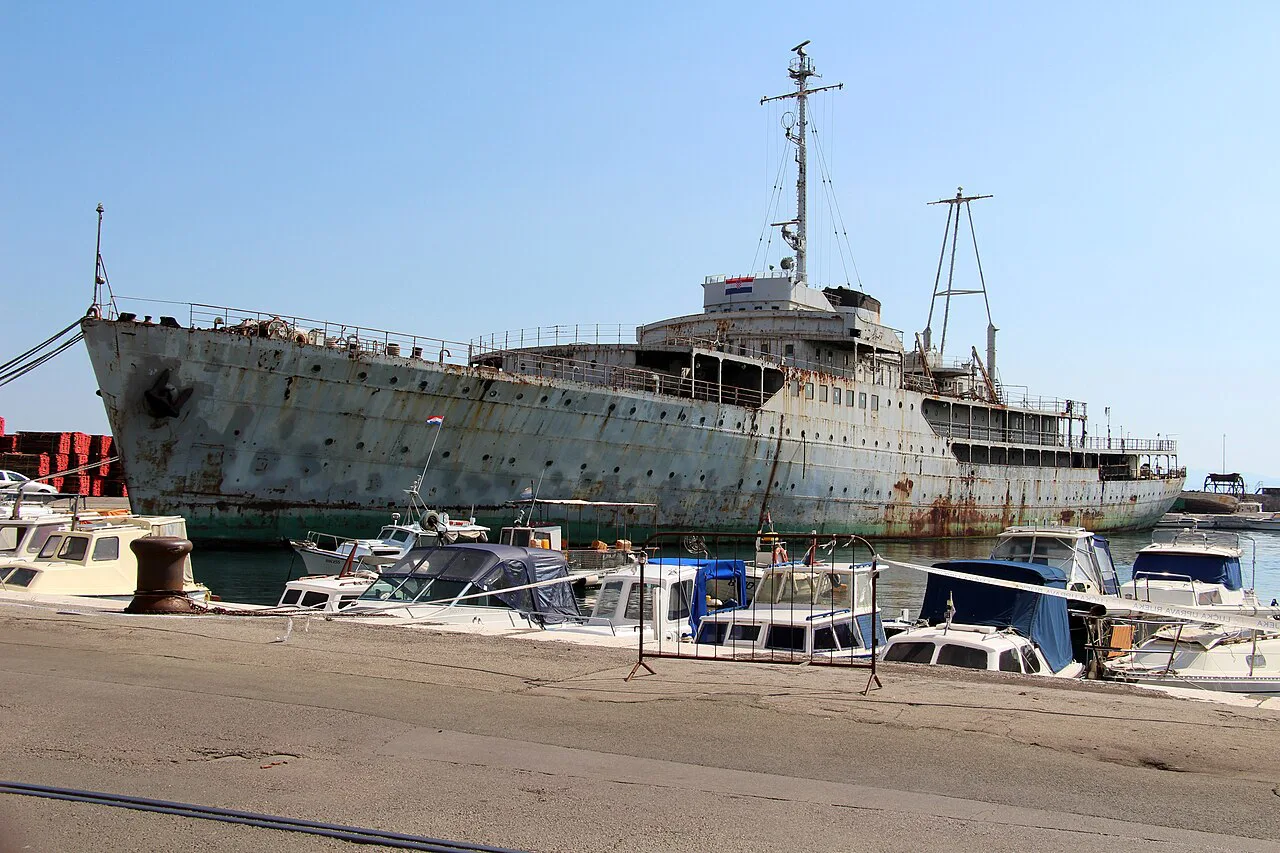
Konoba Fiume at the city market: fish from the day's stall and the daily menu
Konoba Fiume sits on the city market itself and is the obvious first stop for fish. It is a family konoba with long-standing roots, and its menu has a handful of standing dishes with the rest built around what is available on the stalls that day. Food writers in Rijeka list it among the city's favourite fish tables, and alongside fish it serves meat dishes, pasta, risotto and soups, which makes it a safe table for mixed groups. It is small and popular, so seats go quickly at peak lunch.
Address: Ulica Vatroslava Lisinskog 12, beside the market. Because the daily menu follows the stalls, the dish to order is whatever fish the kitchen names that morning: ask which fish is from the market that day and have it simply grilled. The Croatian practice of pricing fish by weight applies here, so agree the fish and the price before it goes on the grill.
Konoba Tarsa on Trsat: open hearth, grill dishes and local producers
Konoba Tarsa is the traditional option up on Trsat, at Josipa Kulfaneka 10, a konoba with more than twenty years of history, an open hearth and a dining room full of historical detail. The tourist board describes its menu as woven through the facts and legends of Trsat, which shows up in the house specialities and in the grill dishes. It works with local producers of meat, cheese, pršut (dry-cured ham), fruit and vegetables, as well as fishermen and truffle hunters, and pours local wines and rakija (fruit brandy).
It is also the most family-friendly of the group, with a children's playground, high chairs, children's menus and family-sized tables, according to the same tourist board page. That makes it the pick for a long group lunch after walking up to Trsat rather than a quick city-centre bite. Order from the grill and the house specialities, and start with a plate of local pršut and cheese.
Bistro Mornar by the market: marenda, fried small fish and other primorski staples
Bistro Mornar sits just beside the city market and is a favourite with locals as well as visitors. Its daily draw is marenda, the mid-morning primorski (littoral) institution of a plain cooked lunch, and the menu runs through traditional plates: small fried fish, sarma (stuffed cabbage rolls), tripice (tripe), stuffed peppers and other home cooking, with good domestic bread. The feel is that of a coastal konoba rather than a bistro in the international sense.
Go at midday for the marenda, which is its natural slot. Address: Riva Boduli 5b. If you want a fish-led alternative nearby, our guide to the city's seafood restaurants lists more tables that follow the market.
Grad kavana & bistro opposite Mornar: traditional dishes cooked in a modern style
Grad kavana & bistro sits directly across from Mornar at Riva Boduli 7b and works the same market connection with a lighter, more contemporary hand. Its kitchen cooks seasonal, local food from the nearby tržnica and serves traditional dishes, meat, fish and vegetarian plates, in a modern style. It is a good compromise for a group that wants one table where a traditional konoba lunch and a sharper bistro plate are both on offer, and a meat-free eater will find something beyond side dishes.
Conca D'Oro on the Korzo: the oldest restaurant address in the city
Conca D'Oro, on Kružna ulica just off the Korzo, dates its history to 1885, which makes it the oldest restaurant address in Rijeka. The interior carries details from the city's past, and the kitchen follows the market rather than chasing a single signature ingredient. It is the right choice when you want a traditional meal in the centre with a sense of the city's history around you, rather than a modern dining room.
Address: Kružna ulica 12. It is a central, popular room, so book ahead in high season rather than turning up at eight. If a historic Korzo address appeals but you want a contemporary kitchen, our pick of the city's fine dining tables runs through the more polished end of the Rijeka restaurant scene.
What to order: a short glossary of Rijeka and Kvarner dishes
Pršut is dry-cured ham, sliced thin and served as a starter with cheese and olives; on the Kvarner coast it is often paired with sheep's cheese from the islands. Marenda is the midday cooked lunch, usually a soup or pasta followed by a fish or meat dish with potatoes and greens. Fritule are small fried dough balls, dusted with sugar, and make a simple end to a konoba meal.
Fritule are the easy dessert to share, and they suit a family table at Tarsa particularly well. For the grill order, roštilj means mixed grilled meat and arrives as a platter built for two or more: ask what the plate includes before ordering so the table isn't overwhelmed. Fish is the other half of the story, and it comes with its own pricing logic, covered below.
Fish priced by the kilo and what that means for your bill
In Croatian konobas fish is commonly sold by weight, not by portion, and the same practice governs the fish at Konoba Fiume. That means the bill reflects the whole fish, cleaned and grilled, so a large specimen for two can look expensive in absolute terms even when the price per kilo is modest. The safe move is to ask for the weight and the price per kilo before the kitchen starts, then decide whether to share one fish or choose two smaller ones.
Booking in high season and how lunch and dinner differ
Rijeka's konobas are small rooms and the market-side tables fill first, especially in summer when the city is busy. Conca D'Oro and Mornar are the two where booking ahead matters most; Tarsa copes with groups thanks to its size and family set-up, but a weekend table is still worth reserving. Weekday lunch is the easiest slot to walk in without a reservation, and our guide to lunch in Rijeka picks out the midday tables worth planning around.
Lunch is the meal to plan around in Rijeka: marenda at Mornar, market fish at Fiume, and a grilled plate at Tarsa all belong to the middle of the day. Dinner shifts towards the Korzo and the bistros, where the kitchens run later and the menu broadens. If you are eating a late lunch, keep the evening light.
Cash or card, and where to eat near the market in the morning
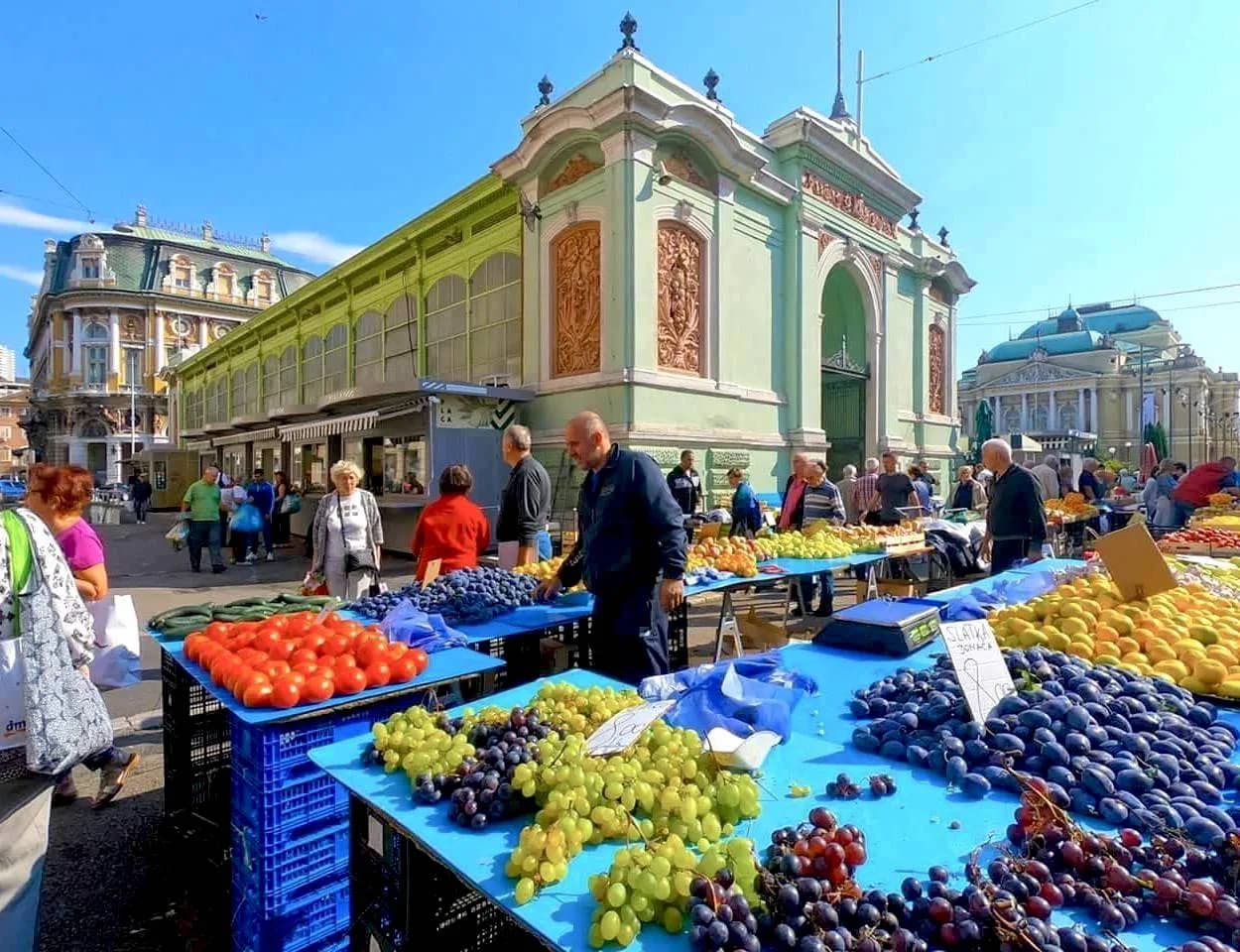
The city market is the morning anchor: go early for the stalls, then eat at Fiume or Mornar, which are both on or beside the market itself. The market area is also where you can pick up pršut, cheese and fruit for a picnic lunch if the konobas are full. Carry some cash in case a smaller counter or stall does not take cards, and check the card terminal before you sit down if that matters to you.
Which konoba in Rijeka should you choose?
Choose Konoba Fiume for market fish at lunch, Bistro Mornar for marenda and traditional primorski plates, and Konoba Tarsa for a family grill lunch on Trsat with pršut and local produce. Conca D'Oro is the central, historic pick on the Korzo, and Grad kavana & bistro is the modern option facing Mornar.
Plan the day around lunch, book the Korzo and market tables in high season, and settle the fish price by weight before ordering. That is all it takes to eat well in Rijeka's konobas without a surprise at the end.
Explore more Rijeka guides
Sources
Notes on eating well in Croatia
Optional updates to our food guides.
You might also like
Continue reading
More guides you'll find useful