Vegan in Rovinj: Where to Eat and What to Order
How vegan eating works in Rovinj, from building a plant-based plate in an Istrian konoba to the bakery, café and old-town choices worth knowing.
On this page
Rovinj is good for vegans in the way most of Istria is: not through a long list of plant-based restaurants, but through kitchens that cook vegetables, pasta and olive oil well and will build you a plate if you ask clearly. The town's headline foods are fish and cured pork, so a short conversation with your server does more work than a scan of the menu. This guide sets out the dishes to look for, how to order in a konoba, and how breakfast, bakeries and coffee fit into a day of eating here.
Vegan in Rovinj: the short answer
Expect to assemble your meal rather than order a finished vegan dish. Istrian cooking leans on olive oil, pasta, pulses, greens and potatoes, all of which a konoba can put together, but the menu is written around fish, meat and pršut (dry-cured ham). The practical approach is to pick a kitchen with a real vegetable and pasta repertoire, then ask what can be made without animal products.
That means the choice of restaurant matters more than the search for a vegan label. A trattoria turning out fuži and njoki can generally pull a plate together, while a terrace selling mainly grilled fish will struggle. Use the best restaurants in Rovinj to shortlist kitchens by style of cooking, then ask your questions when you sit down.
If your priority is a proper sit-down dinner with a view rather than a quick plate, plan around the town's stronger kitchens and book the conversation, not a specific dish. The best dinner in Rovinj shortlist is a sensible starting point for that evening decision, and it keeps you in restaurants where a vegetable-based request is likely to be understood.
Why Istrian cooking suits a plant-based plate
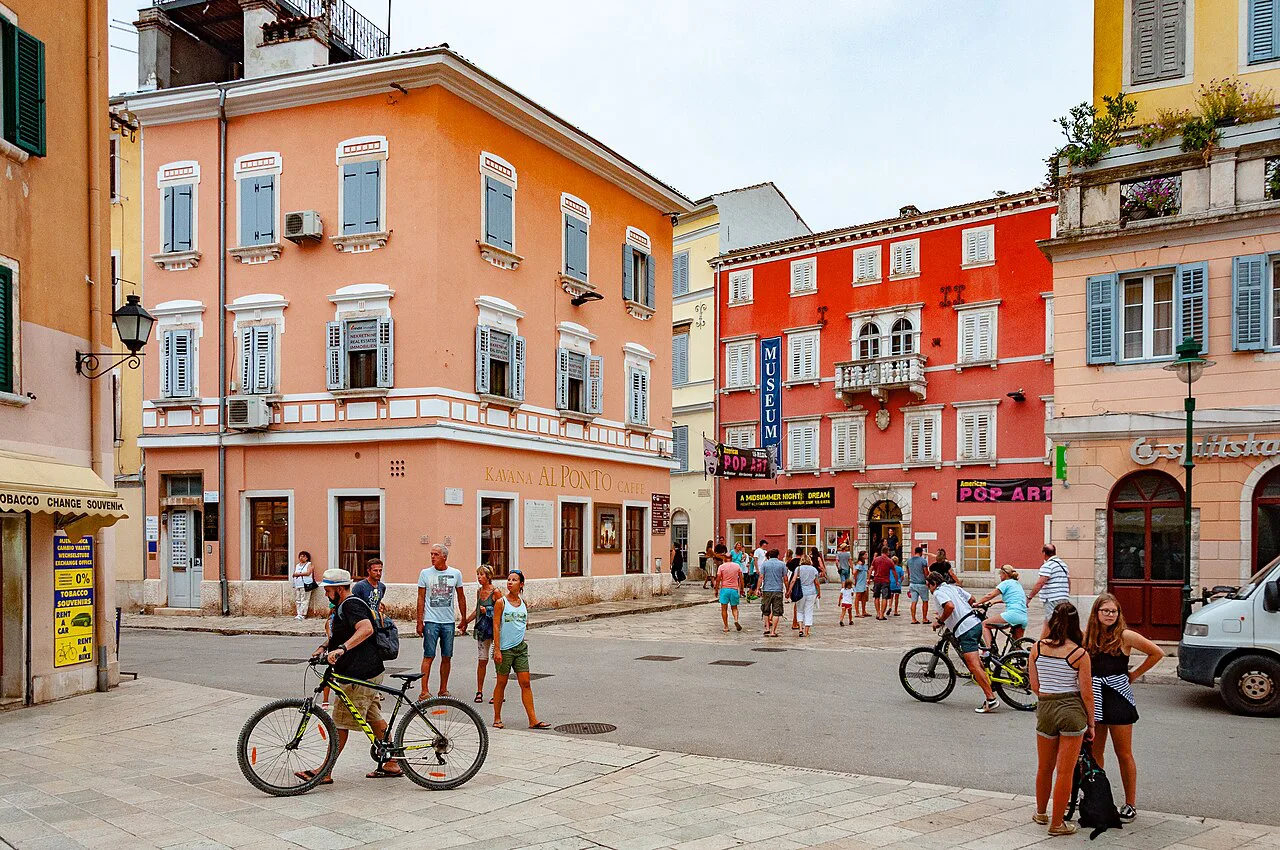
Istria's pantry is unusually friendly to vegan eating once you get past the cured meat. Olive oil is the backbone of the cooking, used to finish pasta, dress vegetables and soften beans, and it carries a plate further here than in most of Croatia. Wild asparagus in spring, greens, cabbage, potatoes and beans all appear in the regional repertoire.
The pasta tradition is the other advantage. Fuži (rolled, tube-shaped pasta) and njoki (potato dumplings) are made without egg in many home-style versions, though not all, so ask before you commit. Maneštra, a thick Istrian soup of pulses and vegetables, is the dish most likely to be vegan already, but it is sometimes built on a meat stock, so confirm rather than assume.
Restaurant menus in Rovinj shift through the year, and the old town's kitchens tend to follow what the market and the fishing boats give them. That seasonality works in your favour for vegetables, less so for consistency, which is why the questions you ask matter more than any fixed list of dishes.
Dishes to look for on a Rovinj menu
Start with the vegetable-led openings: grilled or roasted vegetables, a plate of Istrian olives, or a simple tomato and rocket salad dressed with local oil. These are the safest orders and usually the best-value part of a Rovinj meal. Bread with olive oil does the rest of the work while you decide.
Among the primi, look for pasta with vegetables, tomato sauces, or a plain fuži or njoki that you can ask to be finished with oil and garlic instead of butter and cheese. Maneštra is worth asking about wherever it appears. For a main, ask whether the kitchen will do a plate of grilled vegetables with potatoes, or a risotto without fish stock or cheese.
Desserts are the weakest part of a vegan meal here. Many Istrian sweets are built on eggs and dairy, so ask what is fruit-based or simply finish with a coffee. It is better to plan your indulgence around the bakery in the morning than to expect a vegan pud at dinner.
Building a vegan plate in a konoba
A konoba is a tavern, and the useful thing about a tavern is that the kitchen is close enough to the tables to answer questions directly. Say what you do not eat in plain terms: no meat, no fish, no egg, no milk, no butter, no cheese. The Croatian phrase for vegan is vegan, and bez mesa i ribe means without meat or fish, which covers the two things most likely to turn up unannounced.
Ask about stock before you order soup or risotto, and ask whether the pasta is made with egg. Butter and cheese are often added at the finish rather than built into the sauce, so a request to leave them off is usually easier than a request to change the recipe. If a dish cannot be adapted, move to vegetables, potatoes and oil rather than pushing.
Fish is priced by weight in most Croatian restaurants and sold whole, which explains the bill and the ordering rhythm when you are eating with people who want it. Rovinj's fish restaurants are covered separately in the best seafood restaurants in Rovinj, which is the companion page for the fish-eaters in your group.
The town's plant-based eating has thinned out. One Rovinj venue, Lab Salad Bar, was a salad bar with a few vegan options, but it is now listed as closed, reported closed in August 2025, so do not plan a visit around it. Treat dedicated vegan addresses in Rovinj as scarce and build your meal in a conventional kitchen instead.
Istrian produce worth ordering
Pršut is the region's most celebrated product, and it is the one thing a vegan plate cannot work around. Its vegetarian neighbours are more useful: olive oil, bread, vegetables, pulses and pasta. Order a bottle of Istrian olive oil for the table if it is offered, and use it on everything, because it is the single ingredient that makes a simple Rovinj meal taste of the place.
Istrian pasta and njoki are the practical staples to build a meal from, and grilled or roasted seasonal vegetables are the reliable accompaniment. Beans, cabbage and greens appear in winter cooking, while spring brings wild asparagus. Ask what came in that morning rather than picking from the printed list, since the kitchen's fresh vegetables are often the best thing on the table.
Cheese is not part of a vegan plate, and neither is the cured meat that anchors most Istrian starters, so plan your meal around the oil, bread, pasta and vegetable side of the kitchen. That is not a compromise: it is how a lot of everyday Istrian home cooking works when the meat is left out.
Breakfast and bakery options
A pekara is a bakery, and it is the most reliable place in Rovinj for a vegan breakfast. Plain bread, focaccia-style flatbreads and rolls are usually made from flour, water, yeast, salt and oil, which makes them safe bets in a town where the bakery window is full of pastries built on butter and egg custard. Go early, because the best bread sells out before the day gets going.
Burek, the flaky rolled pastry, is worth asking about, but it is often made with meat or cheese, so check the filling before you buy. Sweet pastries and croissants are usually off the list. If you have other dietary needs alongside vegan eating, the gluten free Rovinj guide covers how to ask about flour and fillings at the counter.
For lunch, the same logic applies: a bakery sandwich or a plate of vegetables and bread from a small kitchen will serve you better than a long search for a vegan menu. The best lunch in Rovinj page is the place to start when you want a proper sit-down meal in the middle of the day.
Coffee and something sweet
Croatian coffee is taken seriously, and a café is the easiest place to sit down without a menu problem. Espresso, cappuccino and the rest are usually made with cow's milk, so ask for a coffee with plant milk if the café has one, or take it black. A slastičarnica is a pastry shop, and it is where the town's sweet trade lives.
Most slastičarnica counters are built around cream, eggs and butter, so expect to choose fruit-based options or skip the cake and enjoy the coffee. This is a town where the walk and the setting do part of the work; the old town's lanes give you plenty of reasons to sit down. The Konoba Table guide to dining in Rovinj's historic centre, restaurants in Rovinj old town, is the companion read if you want to eat within the lanes rather than outside them.
Old town terraces versus the rest of Rovinj
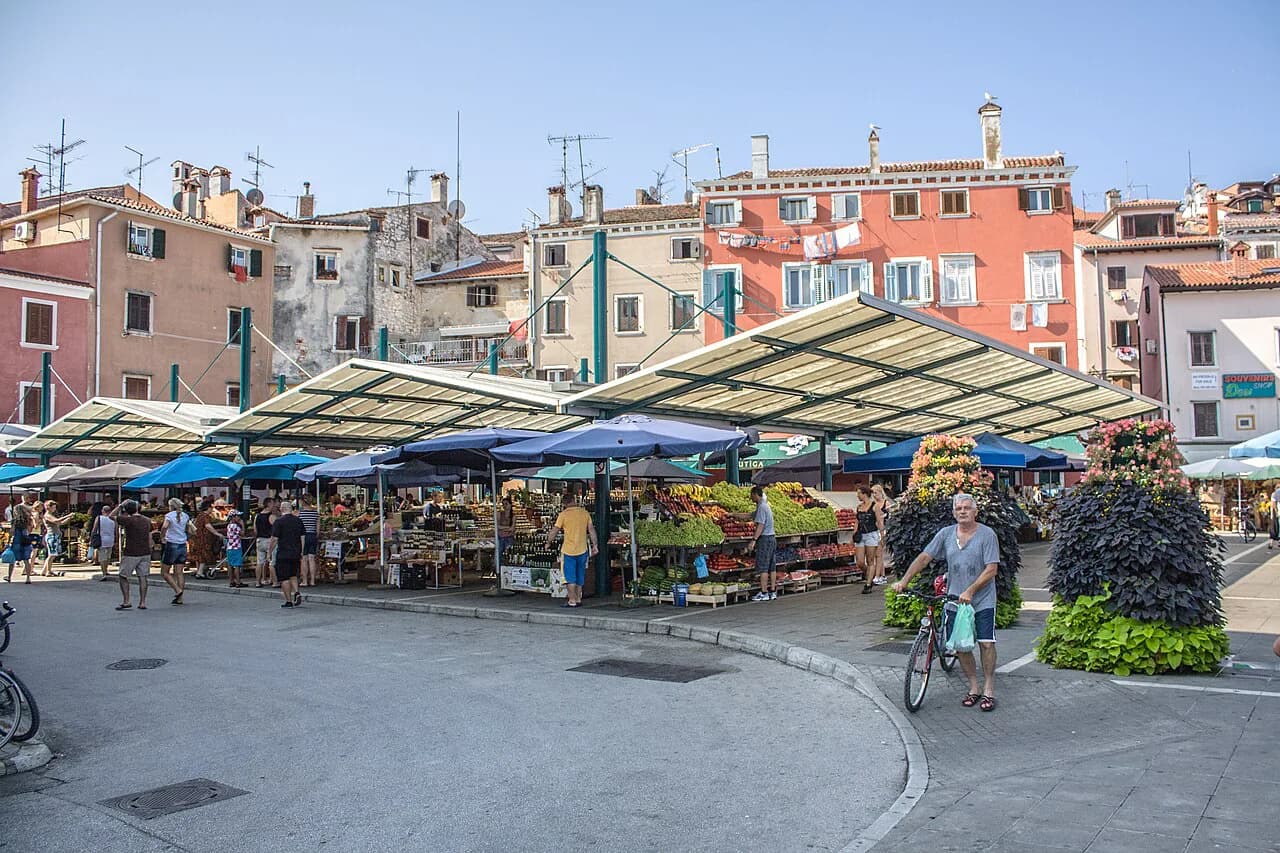
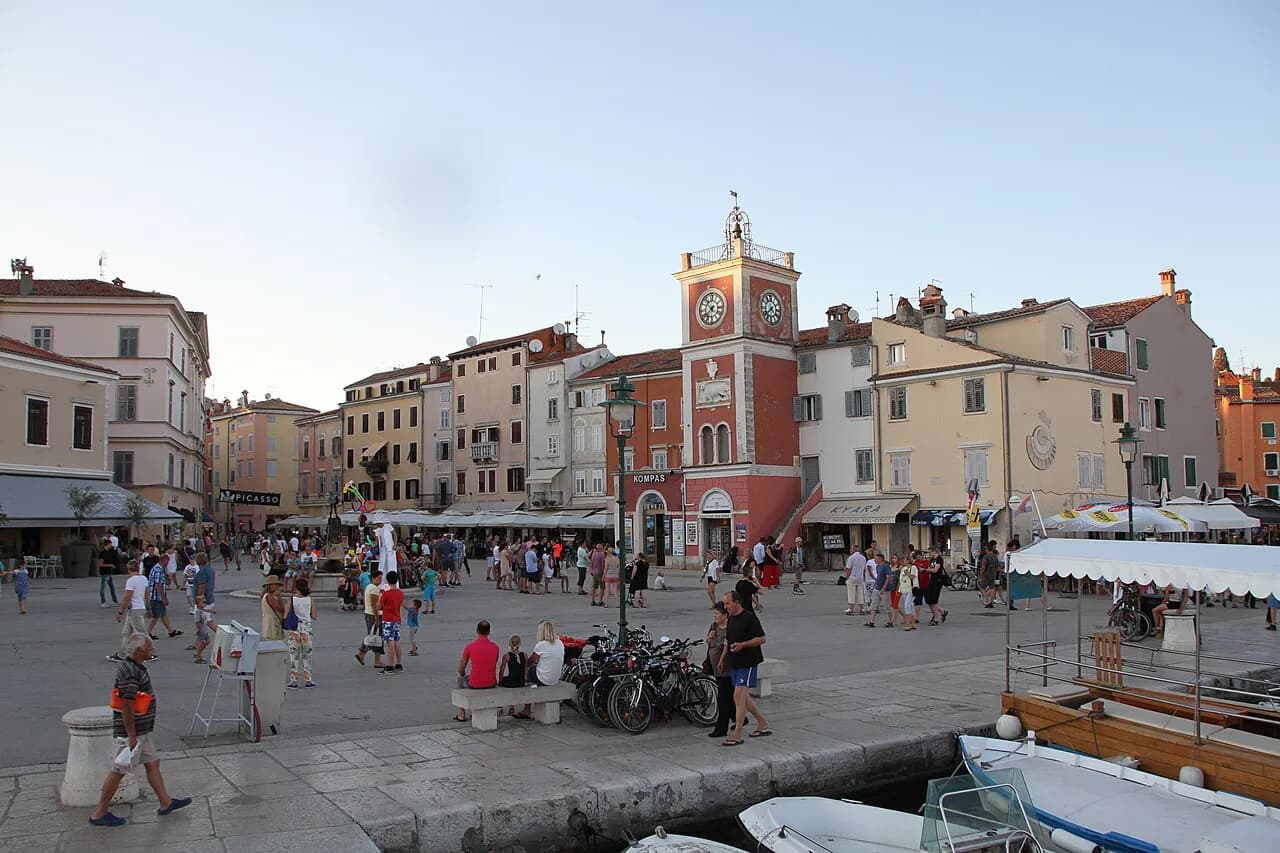
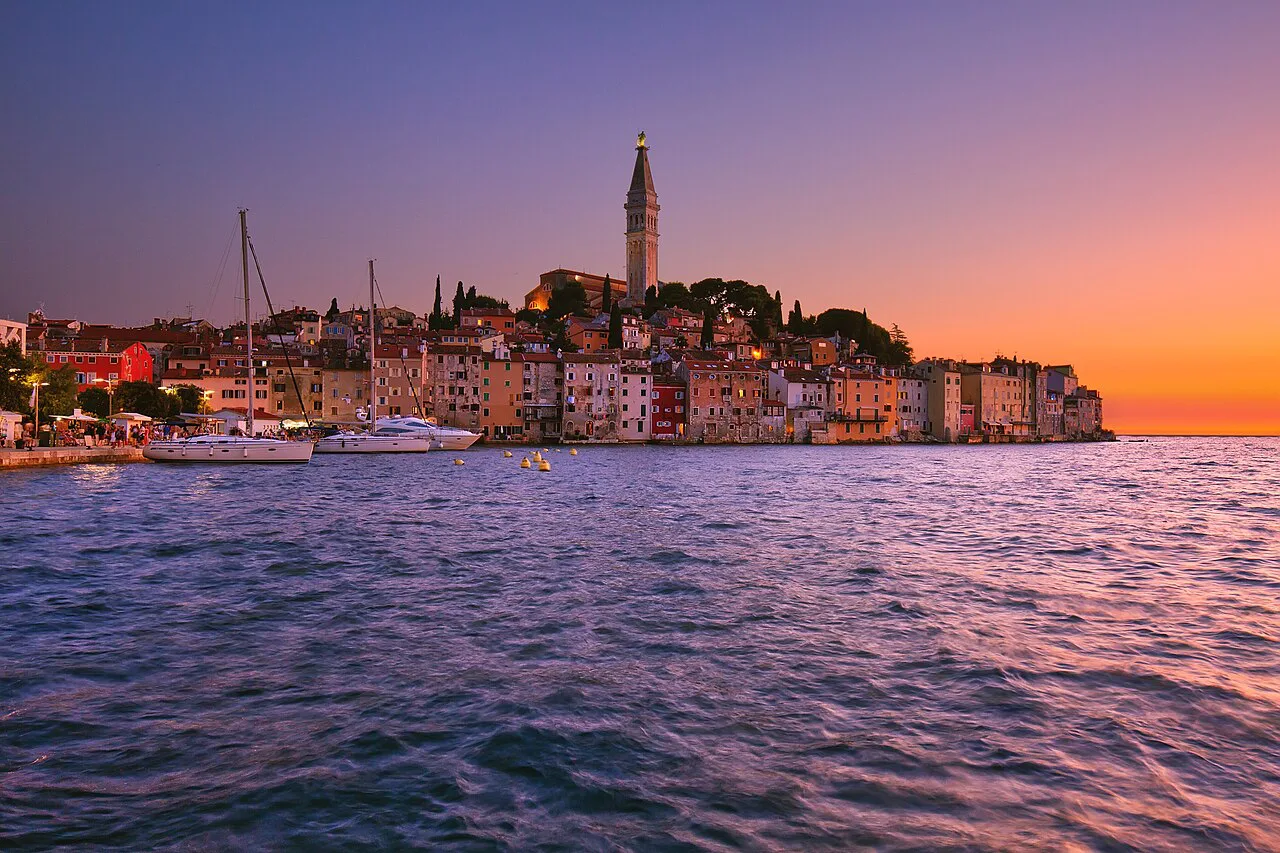
Eating in the old town buys you atmosphere and convenience, and costs you menu flexibility: the terraces are built for volume and turn tables quickly, so a kitchen has less room to adapt a dish. If you want a vegan plate assembled properly, a smaller dining room away from the main square is often the better bet, and the trade-off is a short walk and less of a view.
The best restaurants in Rovinj cover both, so you can decide by the style of cooking rather than by postcode. If you want a more polished evening and are prepared to explain your requirements in advance, the fine dining Rovinj options are where kitchens are most used to adjusting a plate, though the menus are built around fish and meat.
Each named market and konoba has its own short guide, collected under Rovinj food landmarks. For the town's overall eating picture, from konobas to terrace restaurants, the best restaurants in Rovinj page is the place to start.
Rovinj does not have a large dedicated vegan scene, so the honest trade-off is between a meal that happens to be vegan and one built to be vegan from the start. Approach it as a conversation with a kitchen that cooks vegetables well, and the town delivers.
Which Rovinj meal should you book first?
Book your main evening meal in a kitchen known for pasta and vegetables rather than a fish terrace, and put the vegan questions to your server when you sit down. Keep breakfast and lunch simple with the bakery and a small kitchen, and treat coffee as the reliable sit-down stop. That plan gets you through a Rovinj day without chasing a menu that does not exist.
If you are eating with fish-eaters, send them to the best seafood restaurants in Rovinj while you hold the table, and use the best restaurants in Rovinj list to pick the kitchen for the whole group. The restaurants in old town guide helps if you want to stay inside the lanes for the evening.
Sources
Notes on eating well in Croatia
Optional updates to our food guides.
You might also like
Continue reading
More guides you'll find useful