What to Eat in Rovinj: Istrian Dishes and Where to Order Them
What to eat in Rovinj, from fuži with truffles and pljukanci to grilled Adriatic fish, boškarin beef and bakery breakfasts, with named places for each dish.
On this page
Rovinj eats like Istria, not Dalmatia. The orders that define a trip here are fuži and pljukanci under shaved truffles, grilled Adriatic fish with blitva, Istrian ox known as boškarin, and a glass of malvazija or teran alongside. This guide maps each of those to a named restaurant, bakery or market in town so you can build an eating day rather than guess at the menu. If you are weighing this against a stop further down the coast, our guide to Dubrovnik food shows how the same seafood-and-pasta decisions play out there.
The distinction matters because it shapes what arrives on the plate. Istria's hinterland supplies truffles, pasta made for them and ox raised in the region, while the harbour supplies bream, langoustine, squid and mussels. Start with the dishes, then match them to the places below.
Truffles: the flavour that defines Rovinj
Truffles sit at the centre of eating in Rovinj, and the season decides what you get. Black truffles are at their best in summer, while white truffles appear only in winter, so a pasta ordered in July and one ordered in December are different dishes with the same name.
Order them with the right pasta shape. Fuzi is a tubular Istrian pasta similar to penne but without the ridges, and pljukanci is the other Istrian speciality served alongside it; both are built to hold grated truffle and the butter or cream that carries it.
Truffles turn up across the menu, not only in pasta. Expect them folded into sauces for fish and meat as well, so a single truffle dish can anchor a whole meal without every course being pasta.
Where to order truffle pasta and Istrian specialities
La Vela is the Old Town address for this side of Istrian cooking. The family-run restaurant serves fresh seafood alongside Istrian specialities including pljukanci and fuži with truffles, which makes it a sensible single stop if you want both the pasta and the fish in one sitting.
It sits on Ul. Giuseppea Mazzinia in the Old Town and covers seafood, meat, pasta and pizza, so mixed groups are easy to seat. Order the truffle pasta for the table to share as a starter and keep the main course for grilled fish.
If truffles are the main event rather than one course, plan the meal around them and treat the rest of the menu as support. A plate of fuži with black truffles followed by a simple grilled fish is a better-balanced order than truffles at every course.
Grilled fish and seafood: how to read the plate
A mixed seafood plate on this coast is built from what the boats bring in: sea bream, prawns, langoustine, Adriatic squid and mussels, grilled and served together. It is usually assembled for two people, so a solo diner should ask whether a portion for one is possible rather than assume it.
Blitva comes with it, and that is not an afterthought. The side of Swiss chard and boiled potatoes is almost always served with seafood in Croatia, and it cuts through the olive oil and salt on the fish.
Fish is often sold by weight, so ask for the price per kilo and the weight of the fish before it goes on the grill. That single question is the difference between a relaxed lunch and a surprise at the end of it.
Seafood on the waterfront
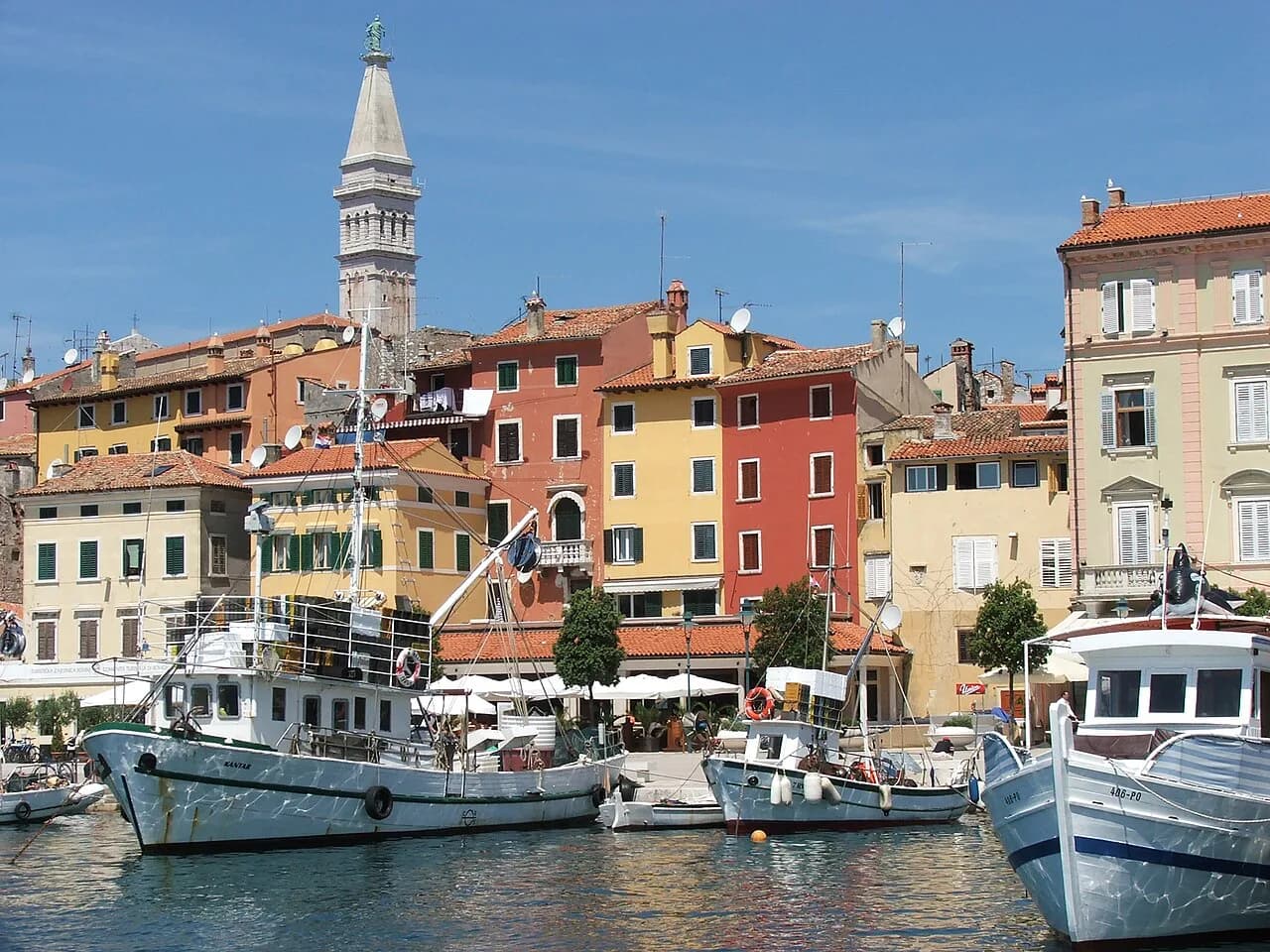
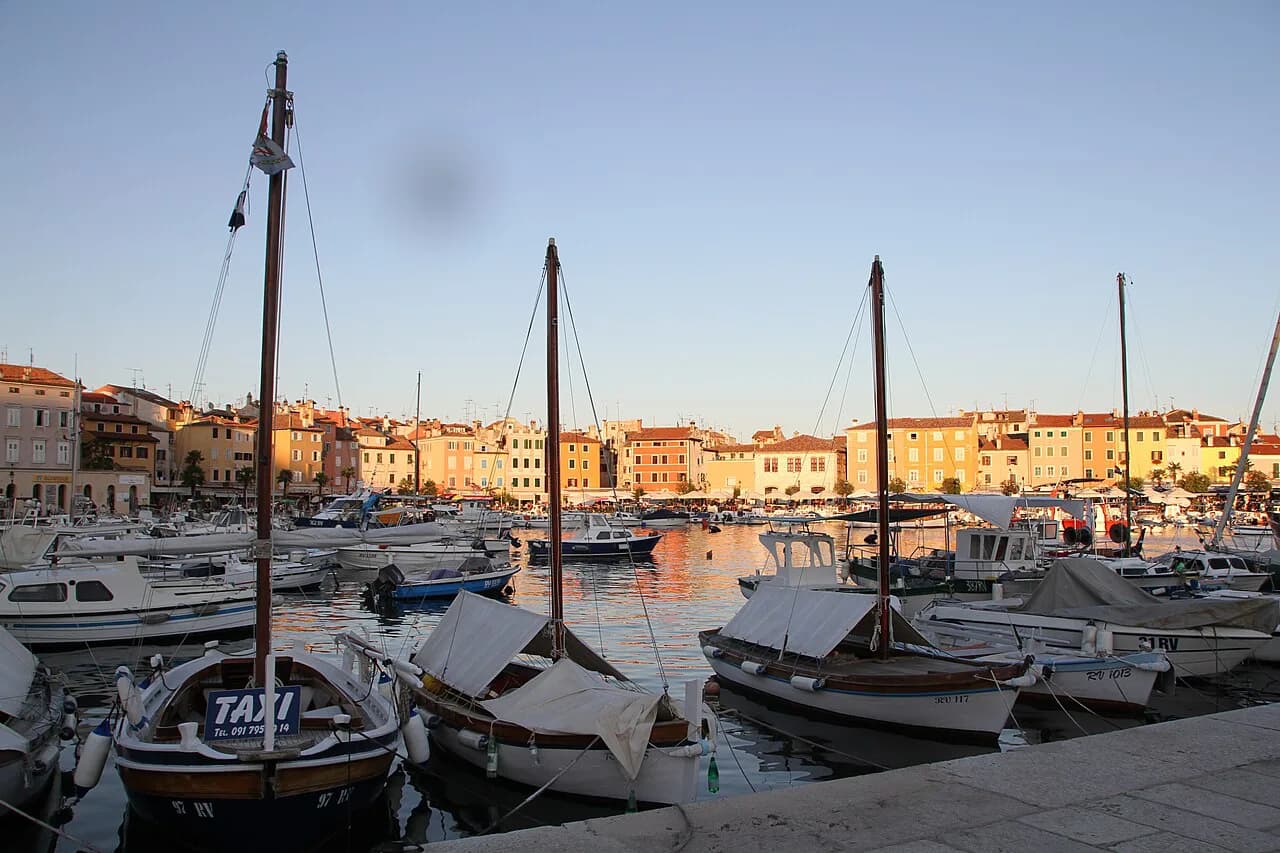
Snack Bar Rio has an informal name but a prime position along Rovinj's waterfront. The order to copy is sea bream fillets topped with truffle cream and shaved black truffles, which puts the region's signature flavour directly on the fish.
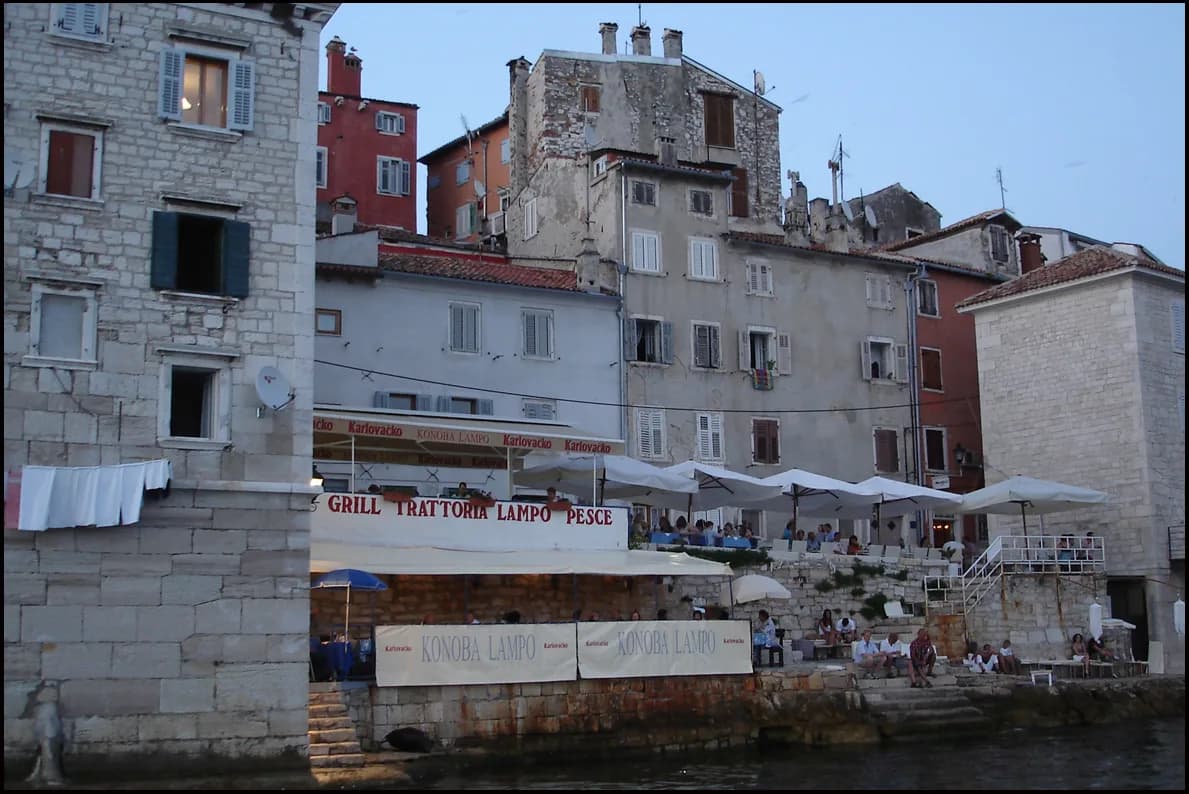
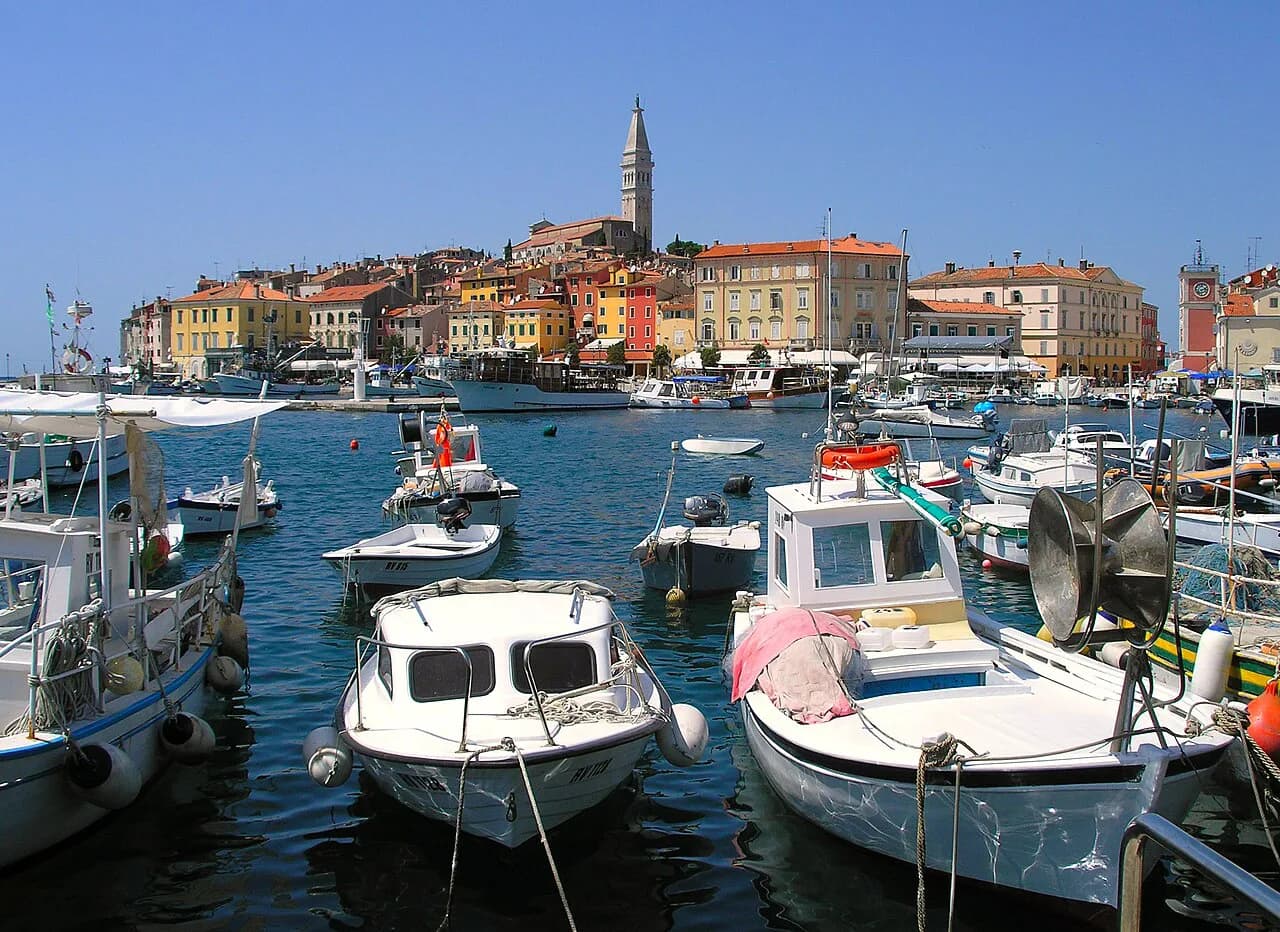
Puntulina is the other waterfront name worth knowing, a restaurant CN Traveller places among Rovinj's best places to eat. Like the town's seafood restaurants, it spills out onto the shore, so it suits a long lunch where the view does as much work as the cooking.
Waterfront tables come with a premium and a crowd. The trade-off is straightforward: you pay for the view and share it with everyone else, so book ahead in high season or eat early if the table matters more than the hour.
Istrian ox and meat dishes
Boskarin is the local name for Istrian ox, and it is the meat order that separates Rovinj from a purely seafood town. It appears most often as fuži with boškarin, a slow-cooked meat sauce built for the same tubular pasta used with truffles.
Order it when you want a break from fish, particularly on a second or third evening. The sauce is rich and the portion generous, so it works better as a main course than as something to share before a large seafood plate.
For other meat cooking, including dishes baked under a lid, look at what the konoba kitchens do rather than the waterfront restaurants. Those slower, oven-based dishes reward planning ahead because they take time to prepare.
Breakfast and the bakery
Breakfast in Rovinj is often a bakery stop rather than a sit-down meal. Il Fornaio draws a small queue in the morning, with the smell of just-baked bread reaching the street, and locals order pastries with an espresso standing or on the move.
The order to know is lisnato s orahom or makom, a puff pastry filled with walnuts or poppy seeds. Burek is the other staple, a flaky Balkan pastry with cheese or meat, and it is a cheap, filling start to a day of eating.
Other cheap, quick bites around town extend beyond the bakery counter, and they are worth knowing when you want lunch without a full restaurant sit-down.
The market at Valdibora Square
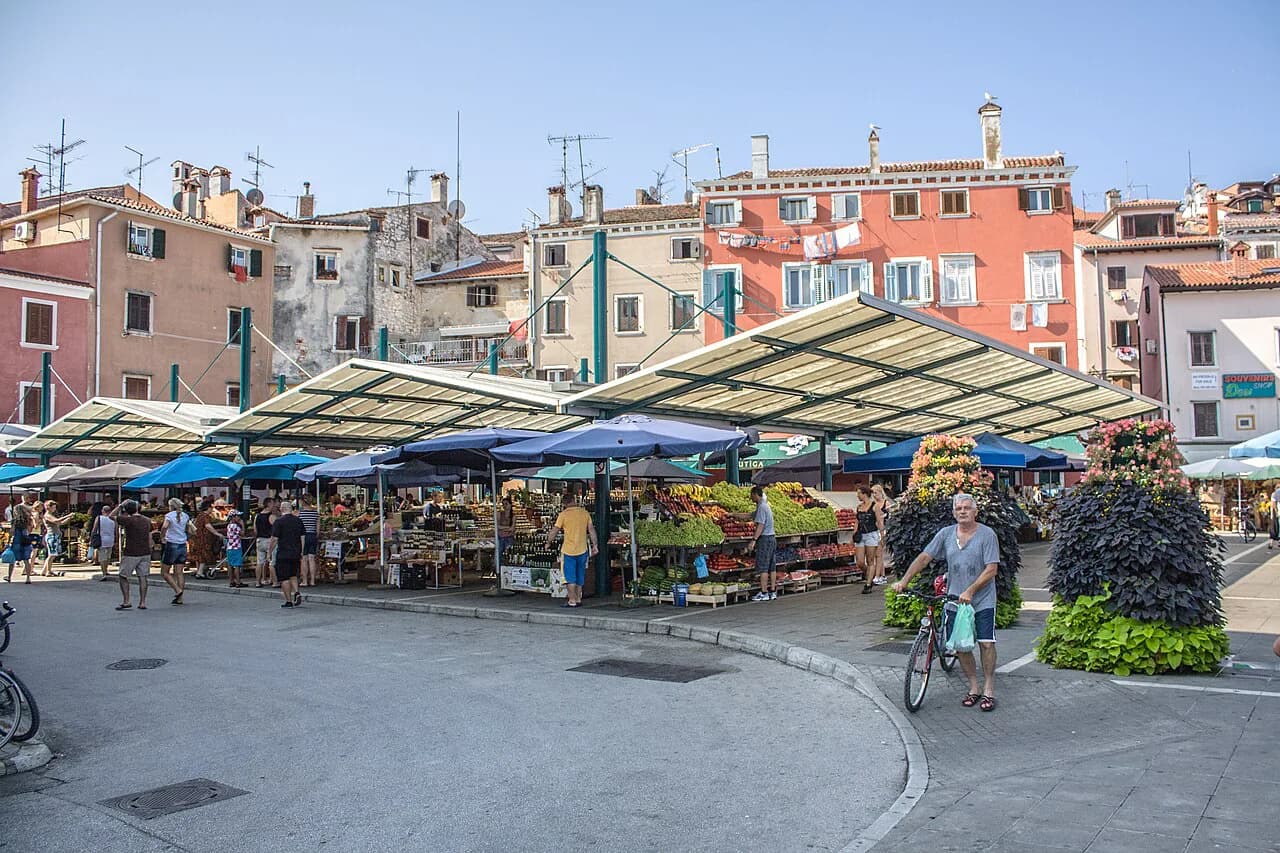
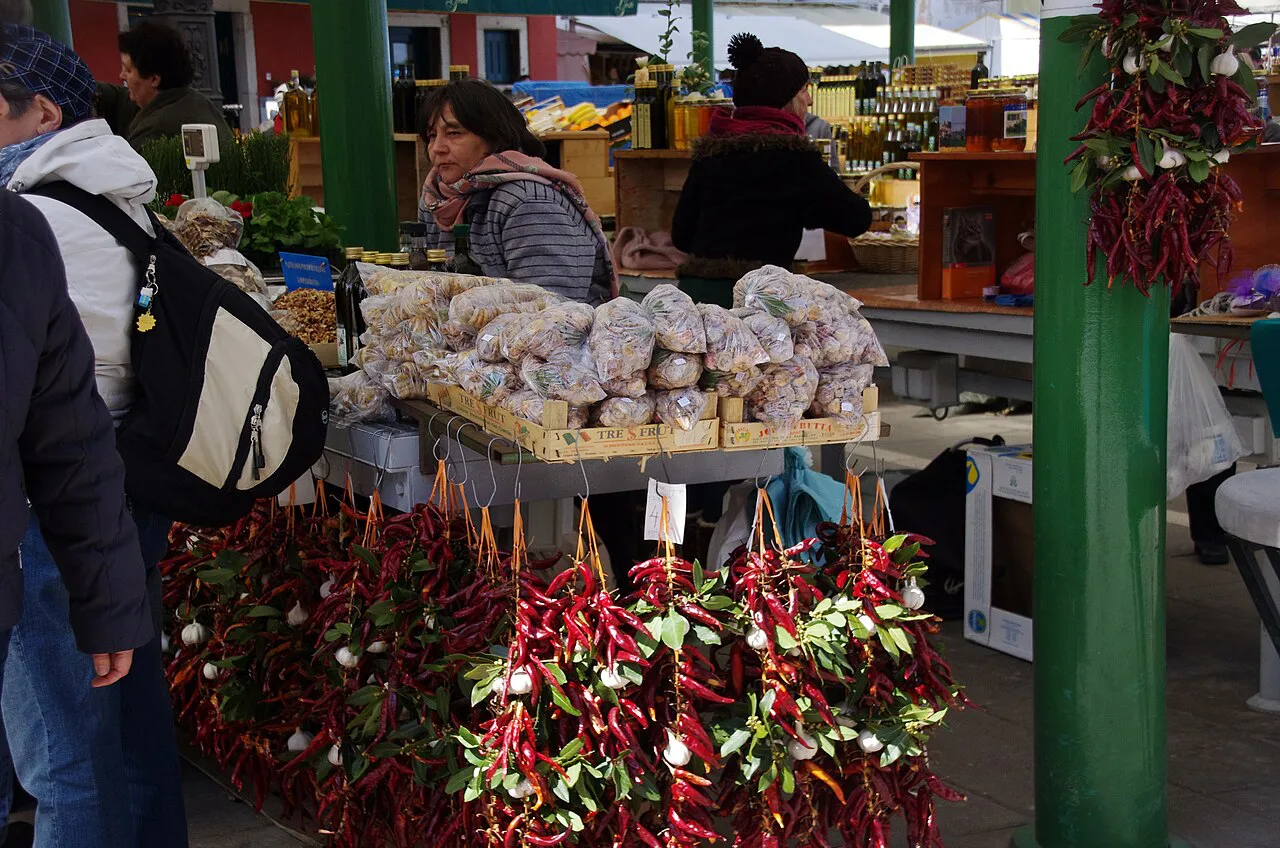
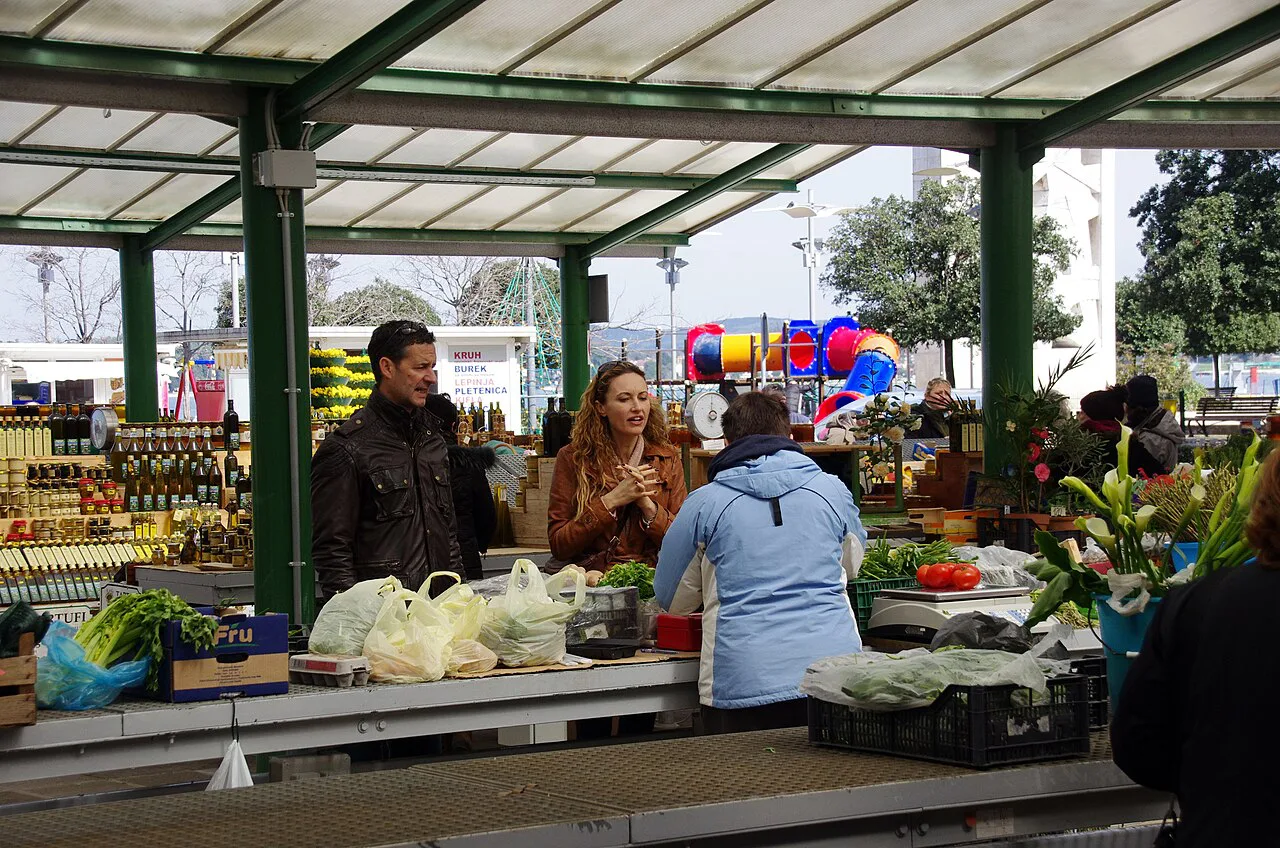
The Green Market near the edge of the historic port at Valdibora Square is the place to build a picnic or stock a kitchen. It includes a fresh fish market as well as local produce, nuts, homemade jams and chutneys, and truffle products.
Shop it in the morning, when a market is at its fullest, and buy truffle products here if you want something to take home that is tied to the region's cooking. Produce, nuts and preserves are the other reliable purchases.
A market browse pairs naturally with a bakery breakfast: buy fruit and cheese early, then eat it later with bread from the morning's loaf instead of paying restaurant prices for a light lunch.
What to drink with it
Malvazija is the refreshing Istrian white that turns up on almost every seafood table, and teran is the robust red that suits boškarin and heavier meat dishes. Order them by the glass with the food rather than treating them as a separate activity.
Teran's weight is the reason to keep it for the ox and other slow-cooked meat, while malvazija's freshness keeps a grilled fish lunch from feeling heavy. Matching the glass to the plate is the whole decision.
Finish sweet if you have room. Istrian menus tend to end with something simple rather than elaborate, and a small pastry or dessert with coffee closes the meal in the same bakery tradition that opened it.
Old Town terraces versus inland konobas
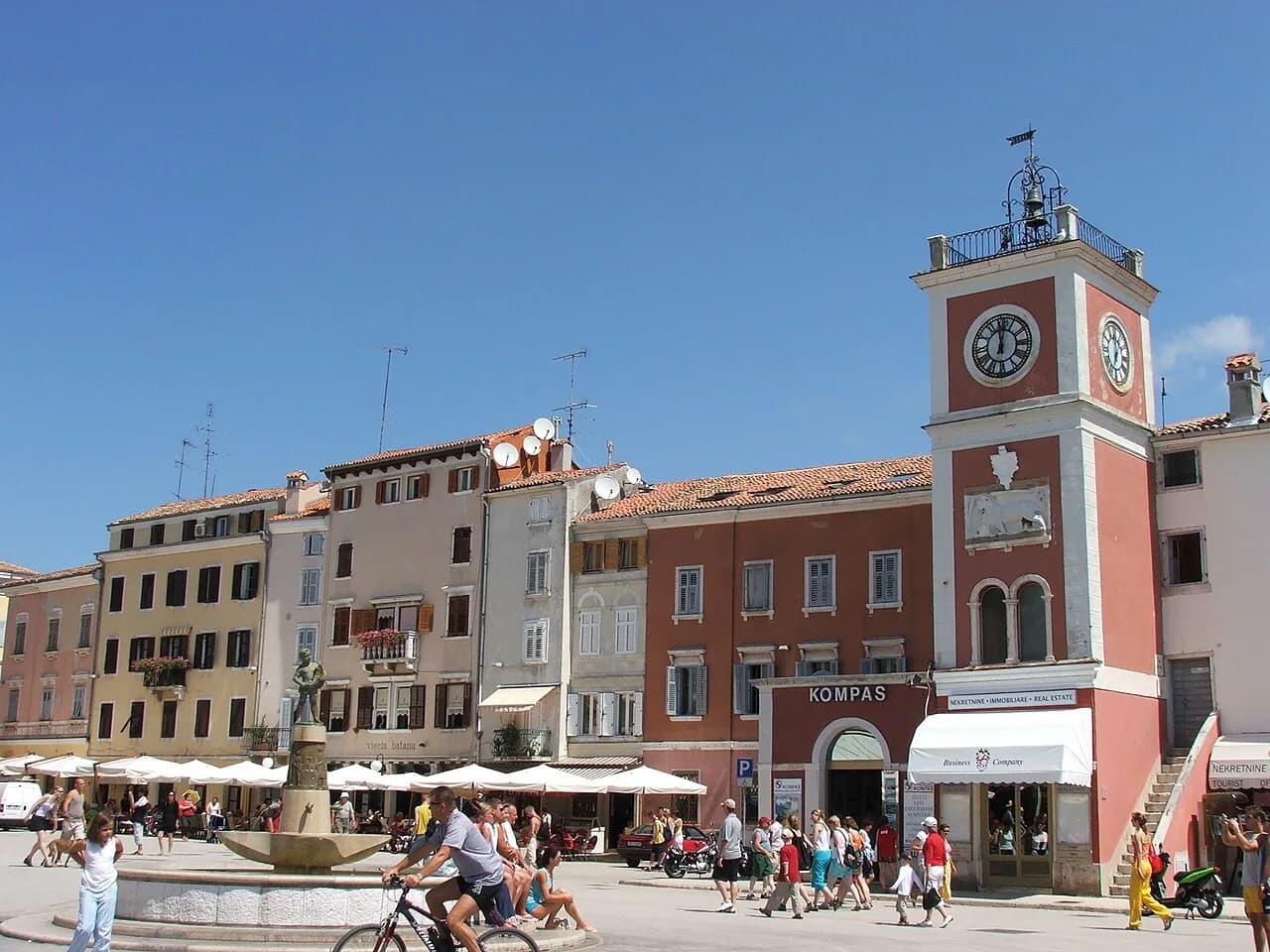
Rovinj's Old Town terraces put you in the middle of a Venetian-style streetscape, and you pay for that in both money and company. The alternative is a konoba — the family-run tavern found in the countryside of mainland Istria, often serving traditional food from local ingredients and recipes passed down through generations. Reaching those inland konobas usually means having a car, so weigh the drive against a car-free evening in town. For places in Rovinj itself, see our guide to Konobas in Rovinj.
Choosing between them is the main eating decision in Rovinj. Stay in town for convenience and atmosphere, or drive inland for a slower meal where the cooking rather than the view carries the evening.
In high season, book the courtyard and waterfront tables you actually want rather than turning up. The small, sought-after spots fill first, and a table on a tiny balcony or in a stone courtyard is worth reserving days ahead.
Michelin-level cooking at Monte
Monte is the celebrated fine-dining room of a Rovinj trip. It was the first Croatian restaurant to receive a Michelin star, in 2017, and it sits in a small stone-walled courtyard steps from St. Euphemia church, occupying what was once the chef's parents' garden.
There are three menus, including a vegetarian one, and guests can mix and match to build their own. Ask for the table on the tiny balcony under the pomegranate and bougainvillea if you want the view over the cobbled streets to the sea.
Treat it as a planned evening rather than a walk-in: it is the kind of booking to secure before you travel, especially in summer. For a broader tasting route through the region's cooking, a guided food tour can stand in for a single big dinner.
How a Rovinj eating day fits together
Start with a bakery breakfast of burek or walnut pastry and an espresso, then walk the Green Market at Valdibora Square while the stalls are full. Lunch is a waterfront plate of grilled fish with blitva or sea bream fillets with truffle cream, and dinner is fuži with truffles or boškarin depending on how much fish you have already eaten.
If you only have one full day, put truffle pasta at dinner and keep lunch simple, because the truffle dishes are richer than they look. A second day is better spent inland at a konoba than adding another Old Town terrace.
For a structured version of the same route, a guided tasting through inner Istria covers the truffle and cured-meat side of the region in a single outing.
Which Rovinj meal should you book first?
Book Monte first if you want one memorable dinner, and choose the balcony table when you reserve. Otherwise, put La Vela in for truffle pasta and fish in the Old Town, and keep one evening free for an inland konoba where the cooking is the point.
Fill the rest of the days with bakery breakfasts, the Valdibora market and waterfront seafood lunches, and the trip covers both ends of Istrian cooking without repeating yourself.
Explore more Rovinj guides
Sources
Notes on eating well in Croatia
Optional updates to our food guides.
You might also like
Continue reading
More guides you'll find useful