Waterfront Restaurants in Dubrovnik: Where to Eat by the Sea
Waterfront restaurants in Dubrovnik, from old-town terraces to a quiet bay in Zaton Veliki, with what each is known for and how to book a table.
On this page
The most convincing waterfront tables in Dubrovnik sit outside the old town, not inside it. Nautika and Dubravka 1836 face the sea at the western entrance to Stari Grad, Banje Beach Restaurant looks back at the walls from the city beach, and Konoba Kasar trades crowds for a shore-side setting in Zaton Veliki. This guide separates those genuine sea views from walled-in old-town terraces, then covers what to order, how fish is sold and when to book.
Addresses and telephone numbers for every old-town and city-beach restaurant here are published by the Dubrovnik tourist board's own restaurant directory, which also flags which venues have a terrace.
What counts as waterfront in Dubrovnik
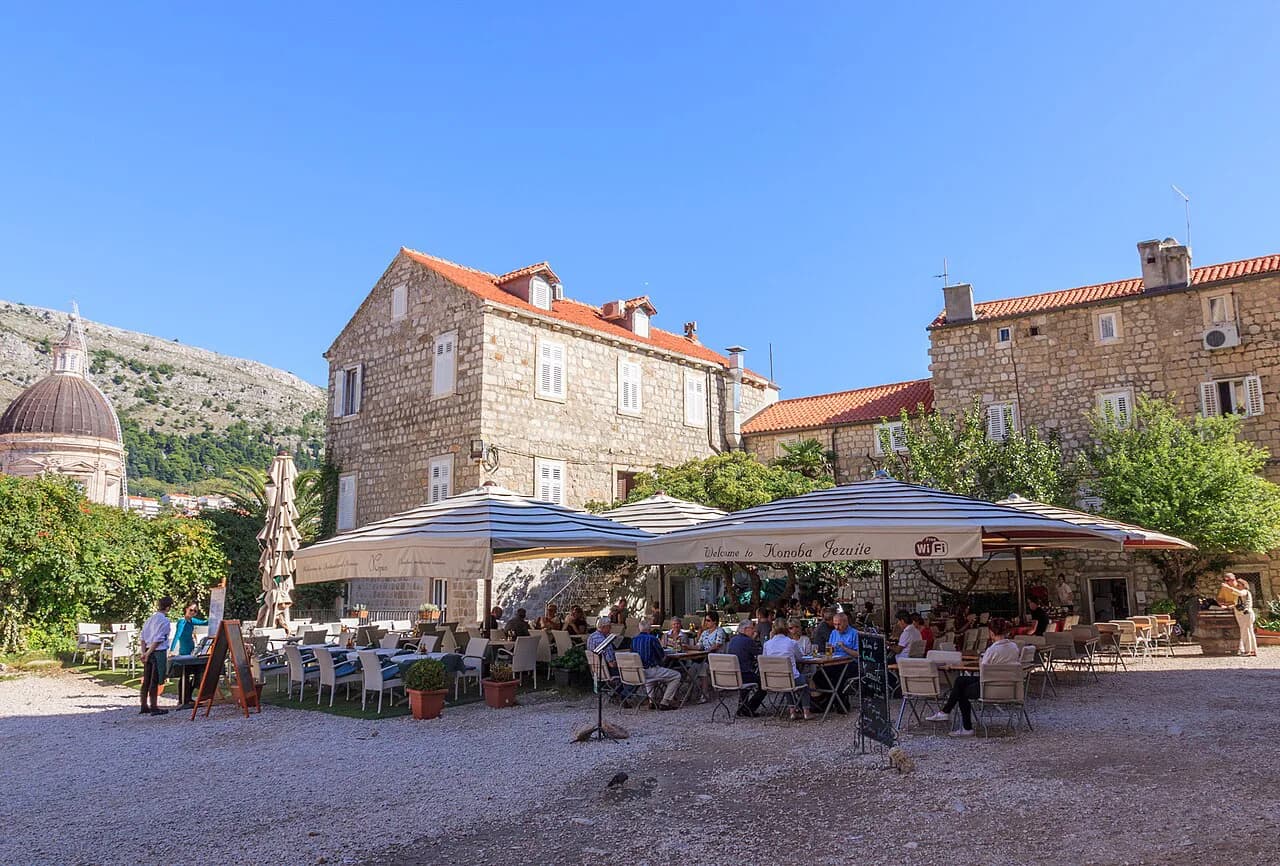
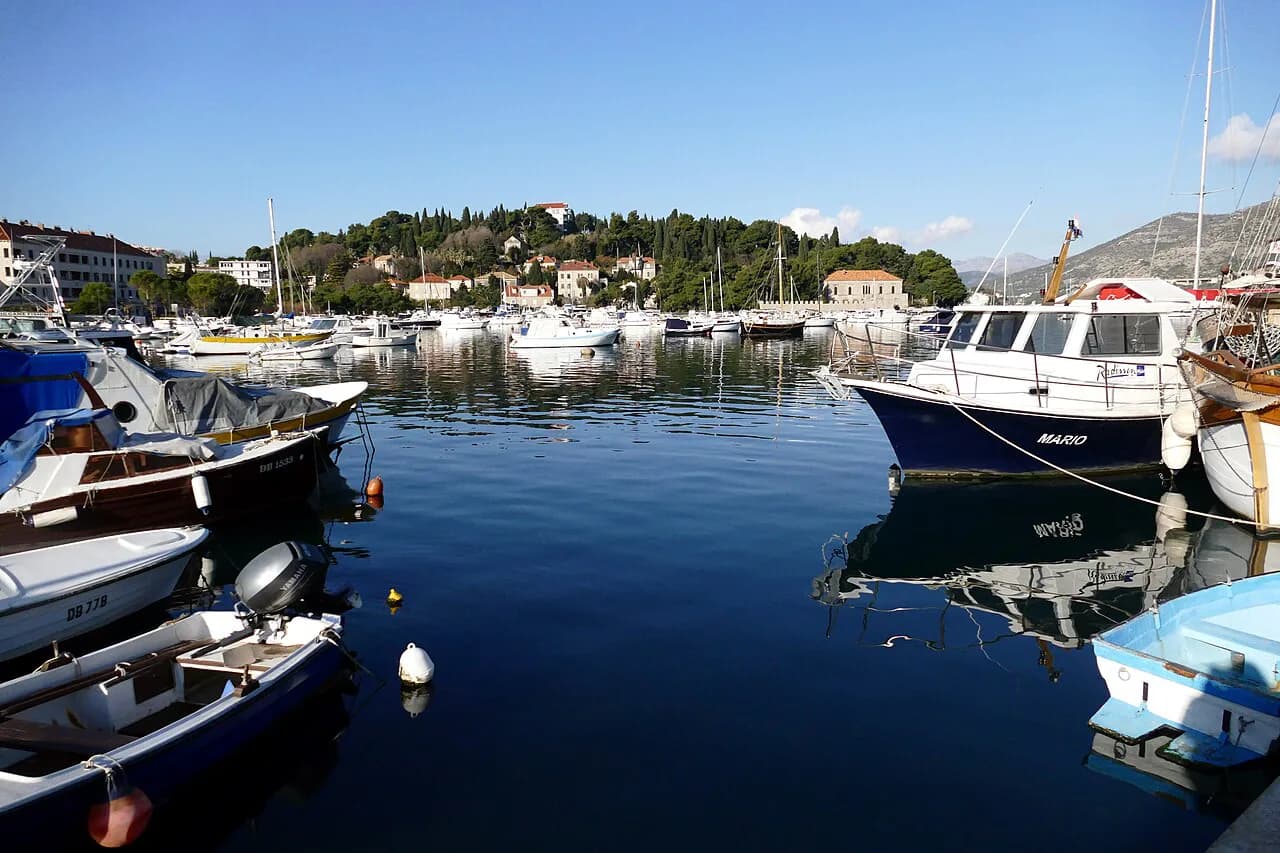
Only a handful of Dubrovnik restaurants put you within a few metres of the Adriatic. The rest of the old town's dining is set in squares and alleys where the sea is audible but invisible, so a terrace table on Prijeko or Kovačka is atmospheric rather than coastal. The western approach along Brsalje and the stretch by Banje beach are the two places inside the city where a table and the water share the same frame.
The tourist board's restaurant directory lists each venue by street address and phone number, which is the quickest way to check a restaurant's location and contact details before you book.
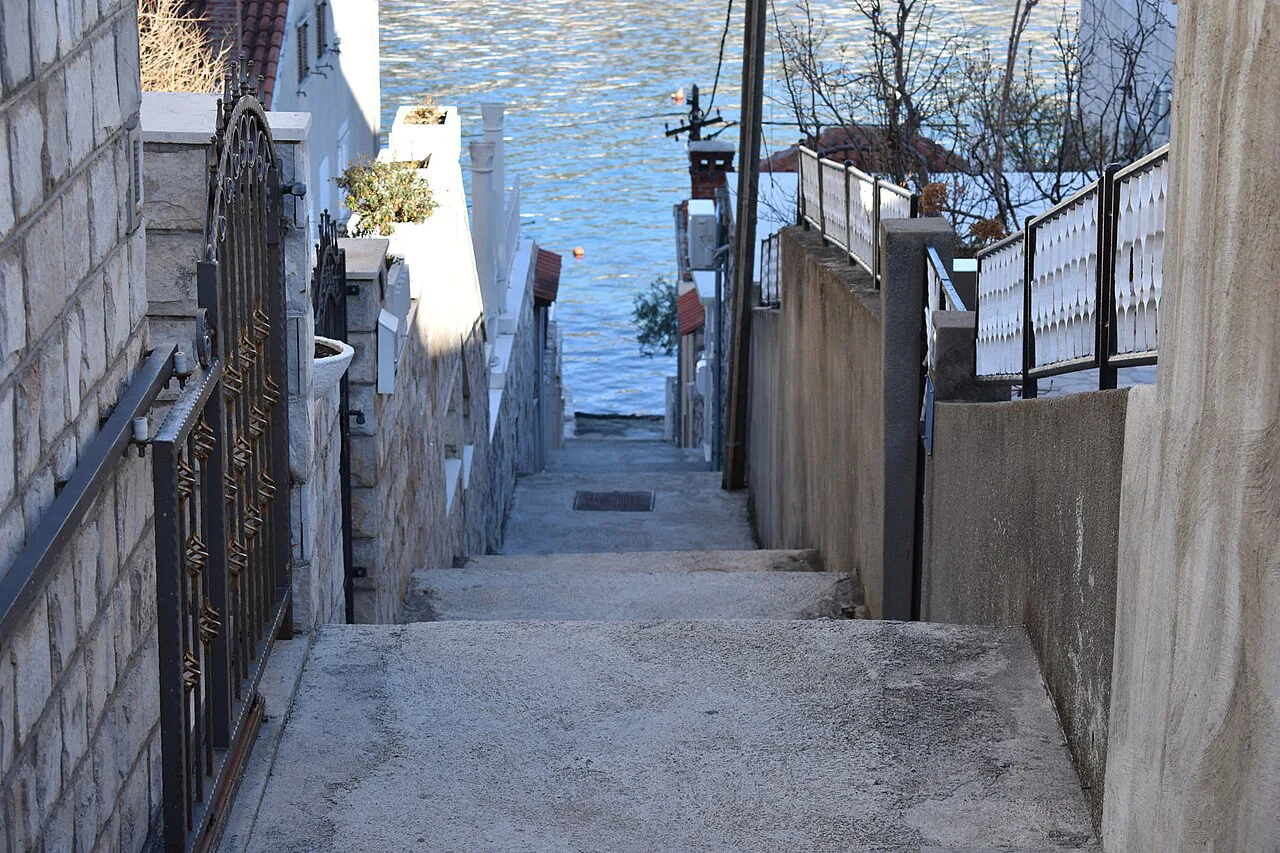
Old-town and city-wall terraces: Nautika, Dubravka 1836 and Restaurant 360
Nautika occupies a clifftop position at the western entrance to Stari Grad on Brsalje, with a reputation as one of the city's most handsome dining rooms. It is a special-occasion address rather than a quick lunch. Book directly with the restaurant by phone or through its own reservation channel.
Dubravka 1836 sits at Brsalje 1 beside the western gate, with a view towards the Lovrijenac and Bokar fortresses. Its kitchen spans Mediterranean and international cooking, so it works for mixed groups where not everyone wants seafood, and the tourist board lists it with a terrace.
Restaurant 360 sits on the old-town walls at Svetog Dominika, and its wall-top setting is the draw. It is a wall-top room, not a sea-facing beach table, so pick it for the position rather than the shoreline. For a shortlist of starred dining in the city, our guide to the Michelin Star Restaurants in Dubrovnik covers the question properly.
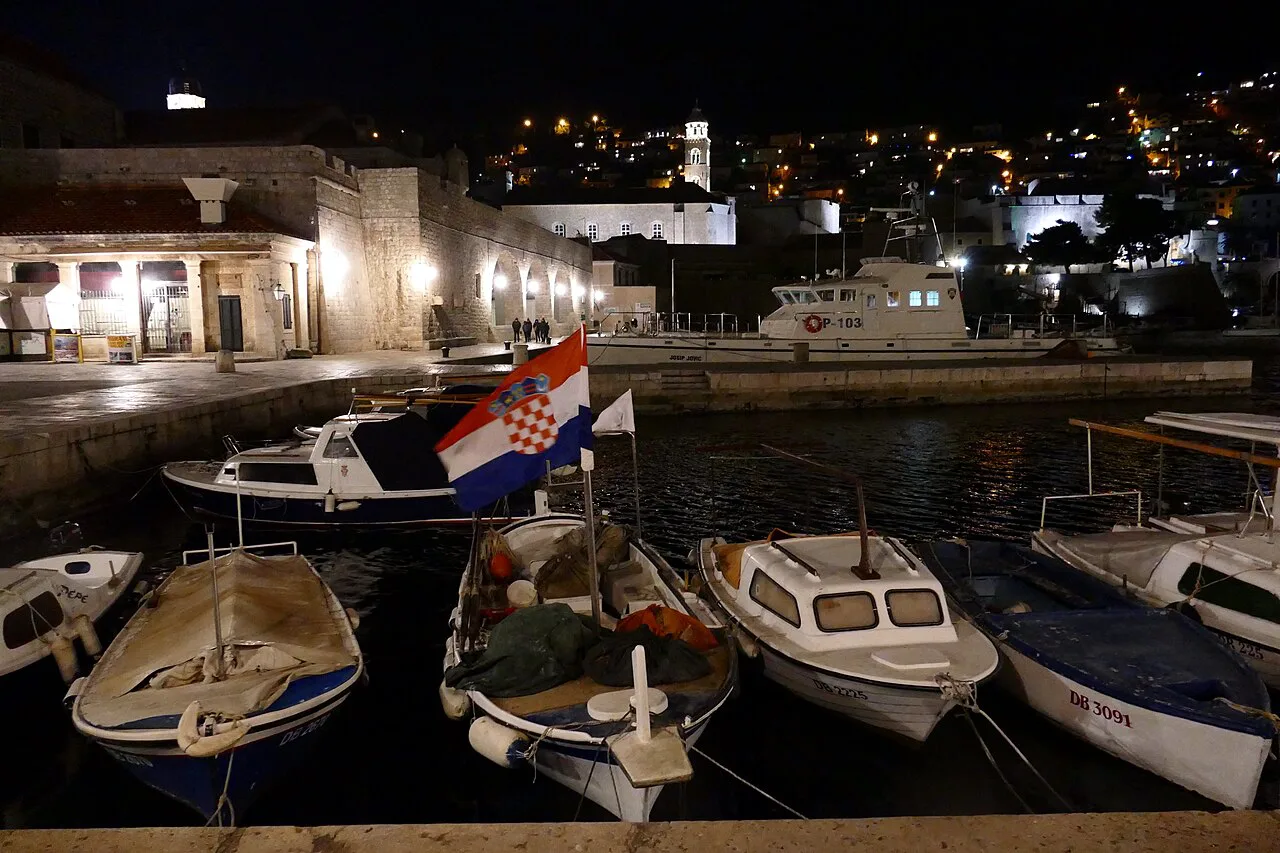
Inside the walls: Fish Restaurant Proto and Dundo Maroje
Proto on Široka ulica is one of the best-known fish restaurants in the old town. You eat in a stone-walled interior rather than beside water, so choose it for the cooking rather than the view. It is a sensible stop for a long lunch off Stradun when the heat makes the terraces unappealing.
Dundo Maroje, near Kovačka close to Stradun, runs traditional cooking in a historic interior in the old town core. Neither Proto nor Dundo Maroje gives you a sea view, but both put you in the middle of the old town for an evening that continues on foot.
If your priority is the panorama rather than the shoreline, our pick of restaurants with a view Dubrovnik diners return to covers the rooftops and hillside tables that look down on the walls instead of out to sea.
Banje Beach Restaurant on the city beach
Banje Beach Restaurant sits at Frana Supila 10B at the city beach, a short walk from the old town, and combines Mediterranean cooking with a terrace that faces the walls across the water. It is the most straightforward way to eat with your feet practically on the shingle without leaving the city. The tourist board lists it with a terrace, which in this case means the beach itself.
In summer the beach setting makes it a daytime choice as much as an evening one, and the proximity to the old town means you can walk back through the gate rather than chase a taxi. Families often prefer this to a formal old-town dining room; our family restaurants Dubrovnik selection includes the beach-side options that work with children in tow.
Bokar and the old-town waterfront edge
Bokar on Zeljarica 7 is a Mediterranean and vegetarian-friendly restaurant the city tourist board lists with a terrace. It is a handy middle ground in the old town, close enough to walk to the water after eating.
For tables that overlook the water, look west to Lapad, where the bay has a cluster of sea-facing kitchens. Our round-up of Lapad restaurants covers which bay-side places are worth the trip from the old town.
Further round the coast, our Babin Kuk restaurants guide covers the quieter peninsula beyond Lapad, where the pace suits a slow lunch rather than a big evening out.
Konoba Kasar in Zaton Veliki: a 15th-century summerhouse 7.5 km from the walls
Konoba Kasar is the strongest argument for leaving the city for dinner. It occupies an old summerhouse, a historic monument dating from the 15th century, at Na Batu in Zaton Veliki, 7.5 km from the Dubrovnik walls, and has been running since 1971. Tables sit beside the sea on a quiet local beach in the Zaton bay, which is a different evening entirely from a terrace above the Stradun.
The kitchen works from a daily selection of fresh fish, crab and shellfish, alongside pasta, risotto, meat and vegetarian dishes, and the restaurant presents a broad selection of Croatian wines. As the restaurant itself publishes it, Kasar runs from mid-March to mid-November; that is its stated season rather than a guarantee for any given year, so confirm when you book. Reservations are taken by phone.
Kasar suits a long, unhurried dinner where the setting matters as much as the plate, and it rewards anyone staying in Zaton or the northern bays. If you want the water without the wall-to-wall crowds of the old town, this is the trade you make: a short drive or taxi each way in return for space, quiet and a sea-level table.
What to order at a Croatian seafood restaurant
Fish is usually sold by weight, and the price you agree is per kilo of the whole fish before it is cleaned and grilled. Ask for the weight and the total before the kitchen starts, because a large škarpina (scorpionfish) for two can carry a bill well above the rest of the meal. Grilling with olive oil, garlic and lemon is the default treatment and the best test of freshness.
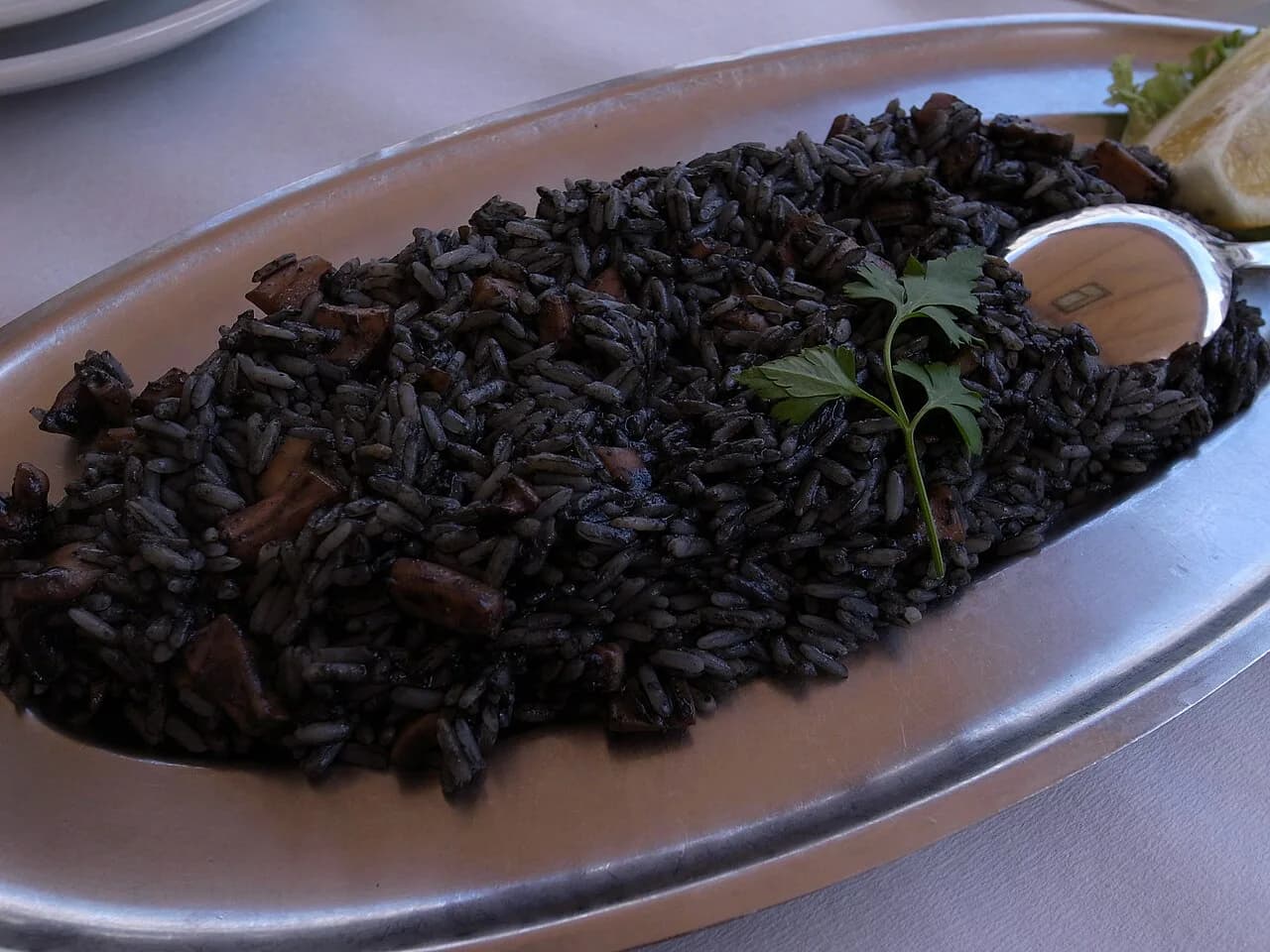
Shellfish and small plates are easier to budget: škampi (prawns) grilled or in a risotto, mussels in white wine, and a plate of oysters when they are on. Dalmatian staples such as pašticada, beef braised in a sweet-sour sauce, appear on traditional menus alongside the fish and suit anyone who does not eat seafood. Menus rarely list fish prices in advance, so the plates to watch are the ones sold by weight.
If you want a beach-side table rather than a formal dining room, our beach restaurant Dubrovnik selection stays close to the water and keeps the cooking unfussy.
Price levels and the trade-off between the old-town setting and the quieter bays
The old town charges for its address, and a sea-facing table tends to carry premium prices, where you are paying for the position as much as the food. The konobas and pizzerias in the alleys behind Stradun are generally a cheaper alternative for an evening away from the water.
Zaton Veliki trades convenience for space. A taxi each way from the old town adds to the bill, but the evening is calmer and the bay is a different proposition from the wall-to-wall terraces of Stradun. Set a budget before you order fish by weight and the difference is easy to control.
Booking in high season
July and August fill the sea-facing tables first. Reserve a week or more ahead for a weekend dinner in season and ask specifically for the outer terrace, since a booking does not guarantee the view. Kasar takes reservations by phone and its quiet bay setting means it is easier to secure at short notice than the old-town rooms.
Midday is the easier slot. A lunch at Banje or on the Brsalje terraces can often be arranged on the day, and the light on the walls is better then anyway. If your evening is built around a proposal or an anniversary, our romantic restaurants Dubrovnik guide covers the tables where the setting does the work.
Seasonal rhythm: why some waterfront kitchens close from late autumn to spring
Dubrovnik's waterfront dining follows the season. Kasar, for example, publishes a season running from mid-March to mid-November, closing through the winter months. Many coastal kitchens outside the old town simply shut in the cold months, and reopening dates vary from year to year.
The old town generally keeps eating through winter, though with a thinner roster and shorter evenings than in summer. Travellers arriving in late October or early spring should build a shortlist of two or three places per night, since not all of their favourites will be open.
Getting to the out-of-town spots without a car
Zaton Veliki is 7.5 km from the walls, and the practical options are a taxi or ride-hailing app. A one-way taxi is quick; the ride back after a long dinner is the part to arrange in advance, either by asking the restaurant to call a car or by keeping an app booking open.
Lapad and Babin Kuk are easier: local buses run from the old town and the walk along the Lapad promenade is pleasant in the evening. If you plan to eat on that side of town, our Lapad Restaurants guide covers the geography of the bay and which end of the promenade suits an evening meal.
Which waterfront table should you book?
Book Nautika or Dubravka 1836 for the western approach with the sea and the fortresses in view, and choose Banje for a swim-and-lunch day with the walls across the water. Pick Proto or Dundo Maroje when the cooking matters more than the sea, and Kasar when you want the water without the crowds and will trade a short drive for it.
Whichever you pick, ask for the outer terrace, agree the weight and price on any whole fish before it is cooked, and reserve ahead for summer evenings. For broader Dubrovnik food background, the Dubrovnik food landmarks page is a useful companion.
Sources
Notes on eating well in Croatia
Optional updates to our food guides.
You might also like
Continue reading
More guides you'll find useful