
Gluten-Free Croatia: How Eating Out Works and Where to Go
How eating gluten-free works in Croatia, what to order from konoba menus, and named gluten-free spots in Split and Hvar, with honest trade-offs.
On this page
Croatia is a good gluten-free destination if you build meals around grilled fish, plain meats, salads and vegetables, and treat bread, pasta and anything fried as things to ask about. Dedicated gluten-free kitchens exist but are concentrated in Split and Hvar rather than spread across the coast, so most meals will depend on how clearly you explain your needs.
This guide sets out what a konoba menu usually gives you, which Croatian dishes to order and which to question, the phrases that make ordering safer, and the named gluten-free spots in Split and Hvar with their practical trade-offs. It sticks to what is verifiable rather than promising a guarantee any kitchen cannot give.
Gluten-Free Croatia: The Short Answer
The simplest approach is to eat in places where the kitchen already handles gluten as a matter of course, then fall back on plain grilled fish and salads elsewhere. In Split, SALT Gluten-Free House runs entirely gluten-free across two nearby locations (one sit-down, one takeaway), and in Hvar, Sweet Republic Hvar is fully gluten-free with ice cream, some bakery items and vegan options.
Elsewhere, the burden falls on you: choose a dish that is naturally free of wheat, explain it plainly in Croatian, and accept that a busy kitchen may not be able to promise a separate preparation area. That is a realistic trade-off rather than a reason to avoid Croatia, but it means named dedicated places are worth planning around rather than hoping to stumble upon.
Gluten-free eating here runs alongside other dietary patterns, and if you are travelling with someone who avoids meat or follows a kosher or halal diet, the same logic applies: some places are set up for it and others simply are not. A little planning around named venues makes the rest of the trip much easier.
What Croatian Menus Usually Offer Gluten-Free Eaters
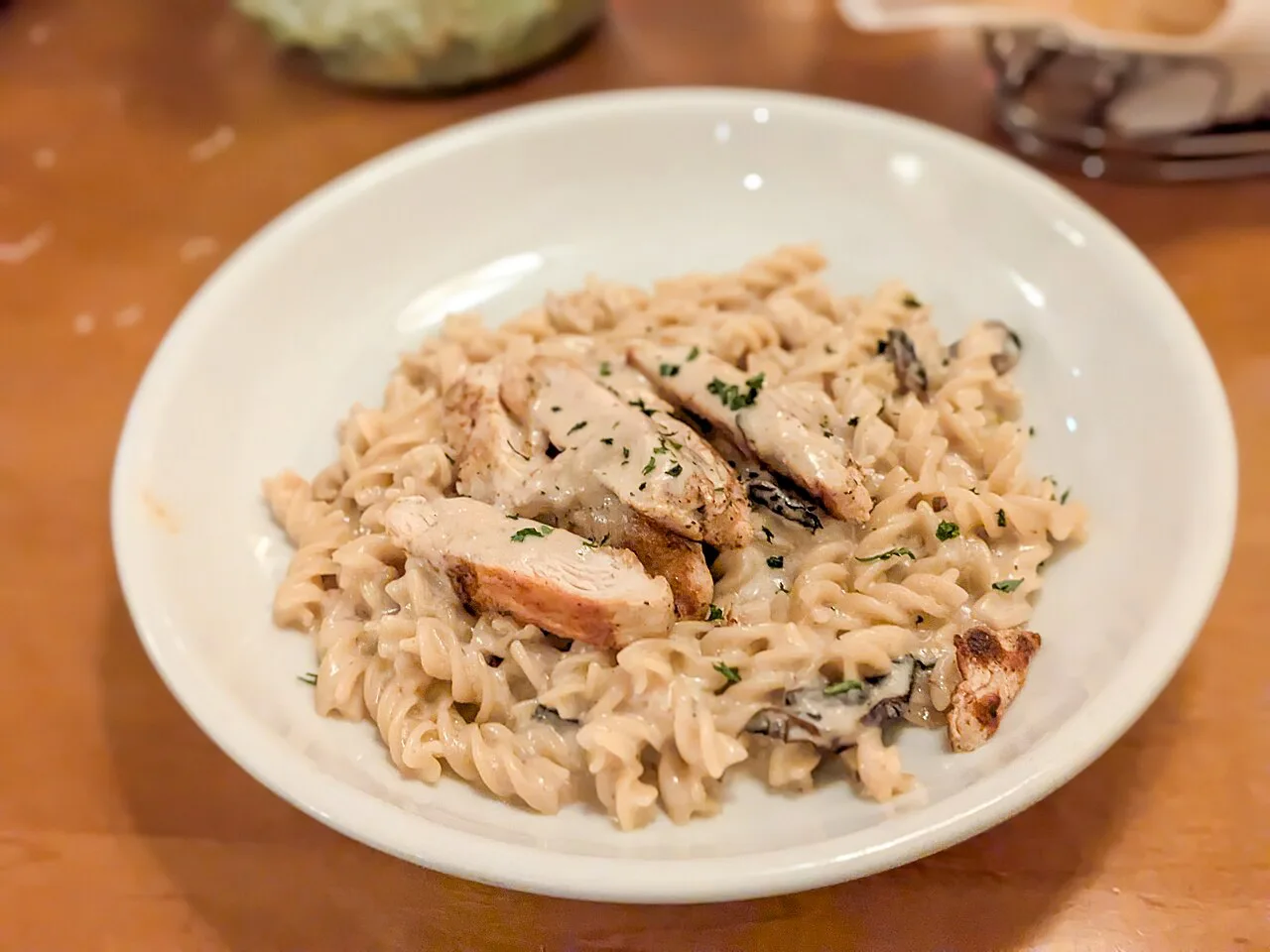
Coastal menus are built on fish, shellfish, lamb, chicken and vegetables, which gives you plenty of naturally gluten-free starting points. Grilled fish with blitva (chard and potato) or a plain green salad is the safest default in a standard konoba, because it involves no batter, no breadcrumbs and no pasta.
Is Croatia good for gluten-free travellers? It is workable rather than effortless. Coastal menus rely heavily on grilled fish, meat, salads and vegetables, which are naturally gluten-free, but bread, pasta, fried coatings and pastry are common.
Do Croatian restaurants understand coeliac disease? Understanding varies between kitchens, so state clearly that you have coeliac disease using the phrase imam celijakiju, and ask about shared cooking surfaces and flour. A printed Croatian translation card helps, and a fully gluten-free kitchen removes the question entirely.
What gluten-free food can I buy in Croatian supermarkets? Larger supermarkets increasingly stock gluten-free products, often shelved separately from bread, marked bez glutena on the packaging. Markets are good for pršut, cheese, olives and fruit, which need no preparation.
Inland, the balance shifts towards bread, pastry and dumplings, so continental Croatian menus are harder to navigate than coastal ones. Zagorje-style štrukli (baked or boiled dough parcels with cheese) and heavy bread service are common, while a grilled meat plate with a plain side is the more reliable choice.
Fried food is the recurring trap: squid, chicken and vegetables often arrive in a flour or breadcrumb coating, and the fryer may be shared. Ask before ordering anything fried, and never assume a dish described as grilled was cooked without flour nearby.
Drinks are usually straightforward, and tap water is safe to drink across Croatia, which makes it an easy default at the table. If you want the detail on that before you travel, our tap water guide explains the picture.
If you are eating alongside vegetarians, the two sets of requests overlap more than you might expect, since plain vegetable dishes and salads often do the work for both. Our Vegetarian Food in Croatia guide covers how to ask for meat-free versions in the same restaurants.
Croatian Dishes to Look For and Dishes to Question
Order with confidence: grilled fish, grilled meat, pršut (dry-cured ham) served without bread, paški sir (hard sheep's cheese from Pag), blitva, seasonal salads, and fresh shellfish such as mussels. These depend on simple preparation rather than flour, so the main risk is what arrives on the side plate.
Question these before ordering: anything fried, anything described as pohana (coated), pasta and risotto dishes that may be finished with flour, breaded schnitzels, and pastry-counter desserts. Pašticada (slow-braised beef) is often served with njoki (potato dumplings), which may or may not contain wheat, so ask specifically about the dumplings rather than the meat.
Desserts are the hardest course. Cream-based sweets such as rožata or kremšnita usually involve pastry or a flour-thickened base, so unless you are at a fully gluten-free venue, take the fruit or the ice cream instead.
Bread service is worth pre-empting rather than declining at the table. Asking for no bread when you order saves the awkward moment of a basket arriving and removes the risk of crumbs on the same plate as your fish.
How to Ask for Gluten-Free Food in Croatian
The phrase that does most of the work is bez glutena, meaning without gluten. Follow it with a direct statement such as ne smijem jesti gluten, which means I must not eat gluten, and then name the ingredient you are worried about, for example brašno (flour), kruh (bread) or pohana hrana (battered food).
For coeliac disease, the Croatian term is celijakija, and saying imam celijakiju (I have coeliac disease) signals that this is a medical issue rather than a preference. Mention cross-contamination explicitly with the phrase unakrsna kontaminacija, and ask whether the fish or meat is cooked on the same surface as breaded food.
A printed translation card in Croatian removes the guesswork and lets a busy waiter read rather than decode your accent. Carry it alongside the phrase above, and show it before you are seated rather than after the order is taken.
For travellers with other religious or dietary requirements, similar cards exist, and our Kosher Croatia guide covers how those requests are typically handled along the Croatian coast.
Split: SALT Gluten-Free House and Its Two Set-Ups
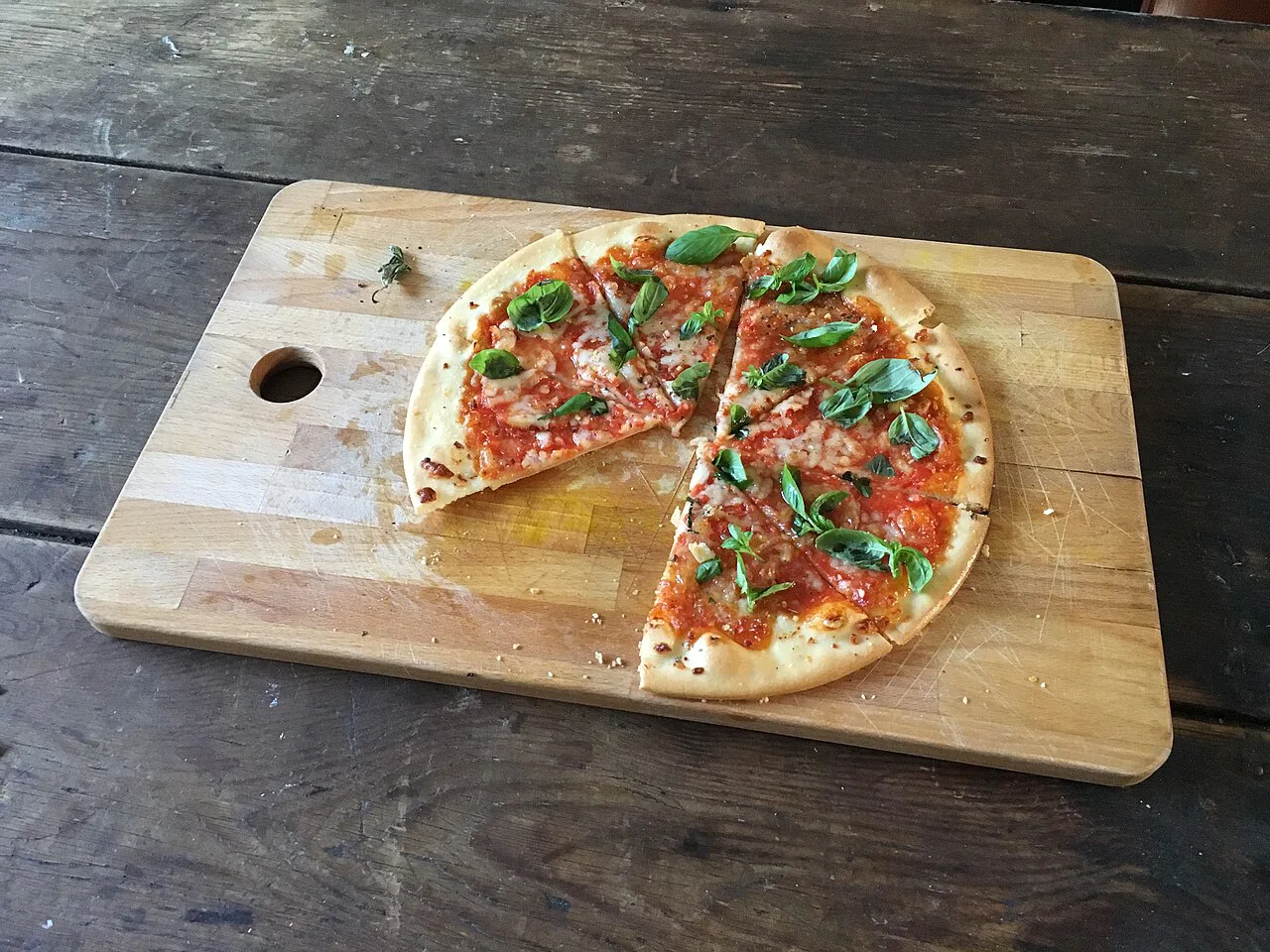
SALT Gluten-Free House is entirely gluten-free and operates two locations close to each other in Split. One is a sit-down restaurant and the other is a takeaway, street-food-style spot, so the choice depends on whether you want a proper meal or something quick.
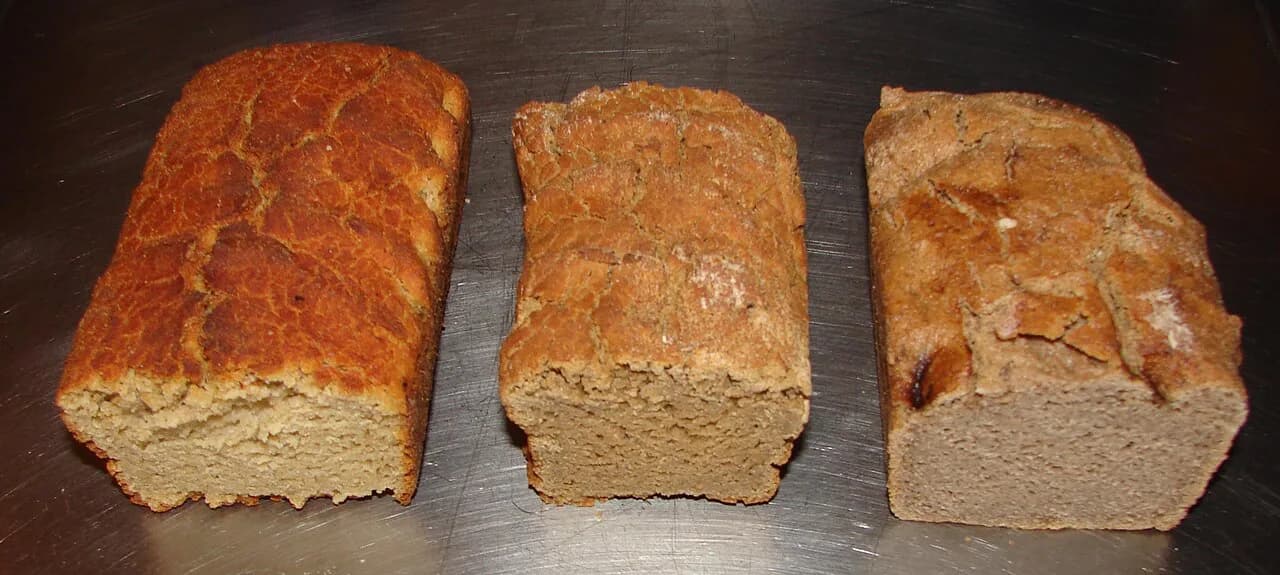
The bread is the detail that stands out, described as fluffy and soft rather than the dense substitute many gluten-free eaters expect. For anyone who has gone without decent bread for a week, that alone justifies a visit, and the sit-down branch is the better choice for a full meal.
A fully gluten-free kitchen removes the cross-contamination question entirely, which is why it is worth building at least one Split meal around SALT rather than hoping a standard restaurant will manage. Use the takeaway branch when you want something quick, and the sit-down one for an evening meal.
Hvar: Sweet Republic Hvar
Sweet Republic Hvar is fully gluten-free and is worth seeking out for ice cream and a few bakery items. It also offers vegan options, so it works for mixed groups where one person is gluten-free and another avoids dairy.
The trade-off is scope: this is a sweet stop rather than a full restaurant, so it solves dessert and a snack but not lunch or dinner. Plan a proper meal elsewhere and treat Sweet Republic Hvar as the reliable end to the evening.
Dubrovnik and the Coast: What to Expect
Dubrovnik and the wider Dalmatian coast follow the same pattern as Split: plenty of grilled fish and seafood, and no guarantee of a gluten-free kitchen. Old-town terraces trade on location and convenience, so expect to explain your needs carefully rather than assume the menu has been thought through.
Smaller islands and quieter coastal towns are where planning matters most, because a single restaurant may be your only option for the evening. If you are staying somewhere remote, carry a translation card, keep a backup of plain cheese, pršut and fruit, and raise the topic when you arrive rather than at the table.
Awareness can vary from place to place, which is why asking direct questions about flour and shared surfaces is more useful than relying on a menu symbol. Treat any answer as information about that kitchen on that day, not as a certification.
Self-Catering and Supermarkets
Croatian supermarkets increasingly stock gluten-free products, often shelved separately from the bakery aisle. Look for bez glutena on the packaging, which is the Croatian way of saying the product is gluten-free.
Markets are useful for building a safe picnic: pršut, paški sir, tomatoes, olives and fruit need no kitchen at all. Buying bread is the harder part, since most bakeries (pekara) work with wheat flour, so a dedicated gluten-free venue is a better bet than a standard bakery counter.
Self-catering also takes the pressure off eating out every night, particularly on the islands where options thin out. A simple apartment breakfast of cheese, ham and fruit removes one meal from the negotiation each day.
What to Weigh Up When Choosing Where to Eat
The central decision is whether to prioritise a guaranteed gluten-free kitchen or a better setting. A dedicated place such as SALT in Split or Sweet Republic in Hvar removes risk but limits you to one style of food, while a harbour-side konoba gives you the view and leaves the safety question open.
For a longer trip, Split the difference: use dedicated venues for the meals where risk matters most, such as the first night or a long travel day, and choose simple grilled dishes at standard restaurants the rest of the time. That keeps the trip varied without asking every kitchen to do something it is not set up for.
If your group mixes dietary needs, pick places that handle more than one at once, and check our halal food in Croatia guide if halal food is part of the picture. The same advice applies across the board: name the requirement clearly, ask about preparation, and decide before you sit down.
Which Gluten-Free Stop Should You Build Your Day Around?
In Split, build at least one meal around SALT Gluten-Free House, choosing the sit-down branch for dinner and the takeaway spot for a quick lunch. In Hvar, Sweet Republic Hvar covers dessert and a snack but not a full meal, so plan the rest of the day around grilled fish and simple sides.
Everywhere else, the reliable approach is to order plain fish, meat and vegetables, carry a Croatian translation card, and say imam celijakiju clearly before ordering. That combination gives you the best chance of a good meal without turning every dinner into a negotiation.
Frequently Asked Questions
Is Croatia good for gluten-free travellers?
It is workable rather than effortless. Coastal menus rely heavily on grilled fish, meat, salads and vegetables, which are naturally gluten-free, but bread, pasta, fried coatings and pastry are common. Dedicated gluten-free stops exist in Split and Hvar, so plan around those and ask direct questions elsewhere.
Do Croatian restaurants understand coeliac disease?
Understanding varies between kitchens, so state clearly that you have coeliac disease using the phrase imam celijakiju, and ask about shared cooking surfaces and flour. A printed Croatian translation card helps, and a fully gluten-free kitchen removes the question entirely.
What gluten-free food can I buy in Croatian supermarkets?
Larger supermarkets increasingly stock gluten-free products, often shelved separately from bread, marked bez glutena on the packaging. Markets are good for pršut, cheese, olives and fruit, which need no preparation.
Sources
Notes on eating well in Croatia
Optional updates to our food guides.
You might also like



Continue reading
More guides you'll find useful





