
Chiavalon Olive Oil: Visiting the Vodnjan Estate

Chiavalon is a family olive farm just outside Vodnjan, the old town inland from Pula, and it presses extra virgin olive oil from olive varieties that have grown in this corner of Istria for centuries. Visitors can turn up at the mill in the groves for a free olive oil tasting or book a guided tasting tour, and the family also grows organic produce and makes a skincare line from the olive.
This guide stays on that one estate: where the mill sits, how to reach it from Pula, what a tasting involves, which varieties go into the blends and what the oils are like to drink and cook with. It is aimed at anyone in Istria who wants to buy oil at the source rather than from a shelf at home.
What Chiavalon olive oil is and where it comes from
OPG Chiavalon is a family farm specialising in growing olives and producing high-quality Istrian extra virgin olive oil, working the red soil of the Vodnjan area. The family describes years of work across generations behind the oil, which it markets simply as extra virgin olive oil rather than as a flavoured or blended supermarket product.
Beyond the groves, the family has taken over 185 hectares of land in the fertile Raša valley, where it is expanding plantings and turning the produce into organic goods. At the moment that means organic tomatoes, watermelons, artichokes, barley, wheat, spelt and alfalfa seeds alongside the olives, so a visit is to a working farm rather than a shopfront.

Where the estate is: Vodnjan, Istria, and the Salvela mill address
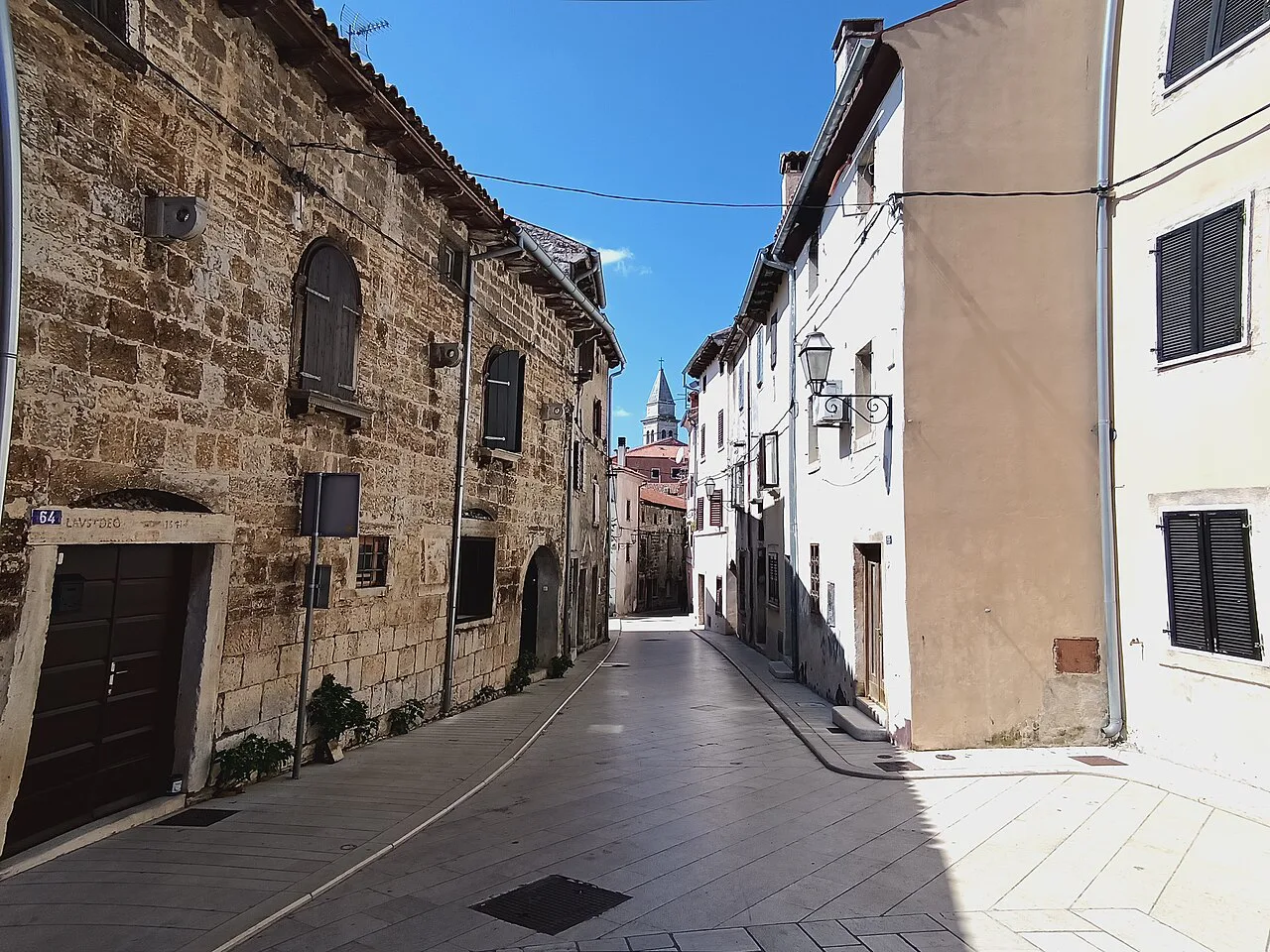
The estate is in Salvela, just outside Vodnjan, and the mill sits among the olive groves rather than in the town centre. The farm's published address is Sandi, Vodnjan, 52215 Salvela 50, with GPS coordinates of 44.975546, 13.8423797 and a contact number of +385 52 655 050, which is what you want in the car's satnav rather than a town-centre postcode.
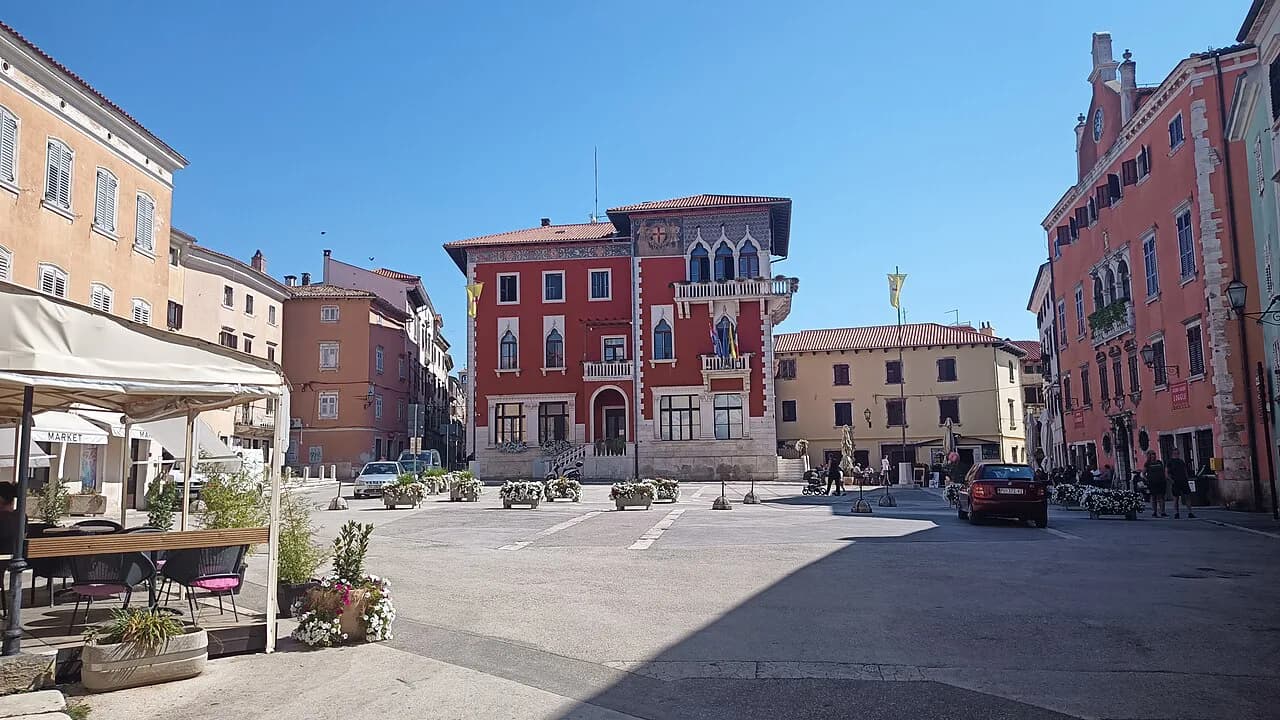
Vodnjan itself is a small medieval town a short drive inland from Pula, which makes the estate an easy half-day stop on the way between the coast and the interior. If you are building a day around Pula and its food, the Pula food landmarks guide covers the city's other food landmarks.

How to get there from Pula and the surrounding area
Chiavalon is a drive-out-of-town visit, so a car is the practical way to reach Salvela from Pula, Rovinj or Poreč. Programme the published coordinates into your route rather than relying on the village name, because the farm sits in open countryside on the edge of Vodnjan rather than on a signed high street.
Allow time for the turn-off and the last stretch on smaller roads, and treat the drive as part of the outing rather than a quick errand. Once in Vodnjan, the wider Pula market guide gives a sense of Istrian produce shopping.
What happens on a visit: the olive groves, the mill and the tasting
The visit is built around the groves and the mill. You come to see where the olives grow, look around the pressing site, and taste oil in the place it was made, which is far more instructive than reading a label in a shop. The farm describes the mill tasting as free, with a guided olive oil tasting tour available as the more structured option.
Tasting at the source means you can compare oils side by side before deciding what to carry home, and the farm staff can explain how the blends are made and what they suit. Do not expect a restaurant: this is an olive farm, so the point of the stop is the oil and the groves rather than a long lunch.
The olive varieties behind the blends: Buža, Bianchera, Carbonazza, Moražola and Rožinjola
The blends draw on varieties that have been planted around Vodnjan for centuries: Buža, Bianchera (Istrian Bjelica), Carbonazza (Crnica), Moražola and Rožinjola (Rosulja). Knowing the names helps when you taste, because each brings a different weight and green character to the finished oil, and the farm presents them as the richness of the local area rather than a single-variety gimmick.
Chiavalon's own oil pages name Buža, Bianchera, Carbonazza, Moražola and Rožinjola as the varieties behind its extra virgin olive oil. When you taste, ask which varieties are in the bottle in front of you, since the proportions shift between blends and between harvests.
What the oils are like to taste and buy, including Atilio
One named oil to look for is Atilio. The retailer listing describes it as a blend of Carbonazza and Istrian Bianchera, harvested in late October or early November, processed the same day at a maximum of 24°C, and as golden green with a very rich texture, aromas of artichoke and chicory with rosemary and mint, and a strong flavour of black pepper and almond with powerful bitterness and pungency.
That profile suits grilled meat, and the retailer suggests steaks, while also pairing it with a dark chocolate cake if you like a bitter, peppery oil against sweetness. Serve it raw over finished dishes rather than cooking it hard, so the pepper and almond notes survive. If you are shopping for a broader sense of Istrian produce before or after the visit, the Pula Ribarnica guide covers the city's fish market, another side of the same food culture.
Awards and recognition Chiavalon oils have received
The farm's site refers to international awards including Il Magnifico, Leone d'Oro and Der Feinschmecker, and presents its extra virgin olive oil as internationally awarded. A UK retailer also notes that Istria has been voted Best Olive Oil Region in the World by the Flos Olei guide, which helps explain the local reputation behind the pitch.
Treat awards as a helpful signal rather than a guarantee of what you will prefer, since taste in oil is personal and a peppery blend is not for everyone. Taste before you buy and judge on the oil in the glass rather than the medals on the wall.
Booking a guided tasting versus arriving for the mill tasting
There are two ways to visit: a marketed free olive oil tasting at the mill in the groves, and a booked guided olive oil tasting tour for a more structured session. Choose the mill tasting if you are passing and want to see the site and try a few oils; book the guided tour if you want the visit explained properly.
For groups, or if oil tasting is the main reason for the drive out from Pula, the guided session is the better fit. Contact the farm ahead using the published phone number to arrange it, especially in the high season when a drop-in tasting may not be the experience you had in mind.
Organic produce beyond oil: what else the family farm grows
The estate is more than an oil press. In the Raša valley the family grows organic tomatoes, watermelons, artichokes, barley, wheat, spelt and alfalfa seeds, and the aim is to cultivate local organic produce for the family and its customers.
The olive also feeds a skincare line, Chiavalon Olive Theory, which combines the farm's organic extra virgin olive oil with bioactive elements from fresh olive pomace in dermatologically tested formulas. It is worth a look if you want a souvenir that is not another bottle, though the oil remains the reason to make the trip.
How long to allow and what is nearby
Allow a couple of hours for the drive out, the tasting and a look round the groves and mill, and longer if you book the guided tour and want to compare oils carefully. Add time if you plan to combine it with a wander round Vodnjan's old town or a stop at a konoba, such as konoba Batelina in Banjole, on the coast south of Pula.
The estate fits neatly into a day that pairs the inland olive country with the coast, and Vodnjan is close enough to Pula to make that easy by car. Take a cool box if you plan to buy several bottles, since heat in the boot does oil no favours on a summer drive.
Should you drive out to the Chiavalon mill?
Yes, if you want to understand Istrian olive oil at the source and carry home a bottle you have actually tasted. The mill tasting in the groves makes it a low-risk stop, and the guided tour is the option when the oil itself is the point of the day.
Go with a car, the farm's Salvela address saved, and an appetite for peppery green oil rather than a wine-tasting afternoon. Taste Atilio and the other blends side by side, ask what each suits, and buy what you liked in the glass.
Frequently Asked Questions
Is Chiavalon olive oil good?
The farm presents its extra virgin olive oil as internationally awarded and refers to prizes including Il Magnifico, Leone d'Oro and Der Feinschmecker. Quality is a matter of taste as well as medals, so the practical test is to taste the blends at the mill and buy the one you preferred, especially if you like a strong, peppery oil.
Where can I buy Chiavalon olive oil in the UK?
Some UK-based Croatian food shops list Chiavalon, including Taste Croatia at Borough Market in London, which lists Atilio online. Stock moves, so check the retailer's current listing or order direct from the farm's own webshop, which sells from Vodnjan.