Pula Market: What to Buy and How It Works
Pula's city market combines outdoor fruit and vegetable stalls with honey, wine and local produce, plus an indoor hall split between meat and fish traders.
On this page
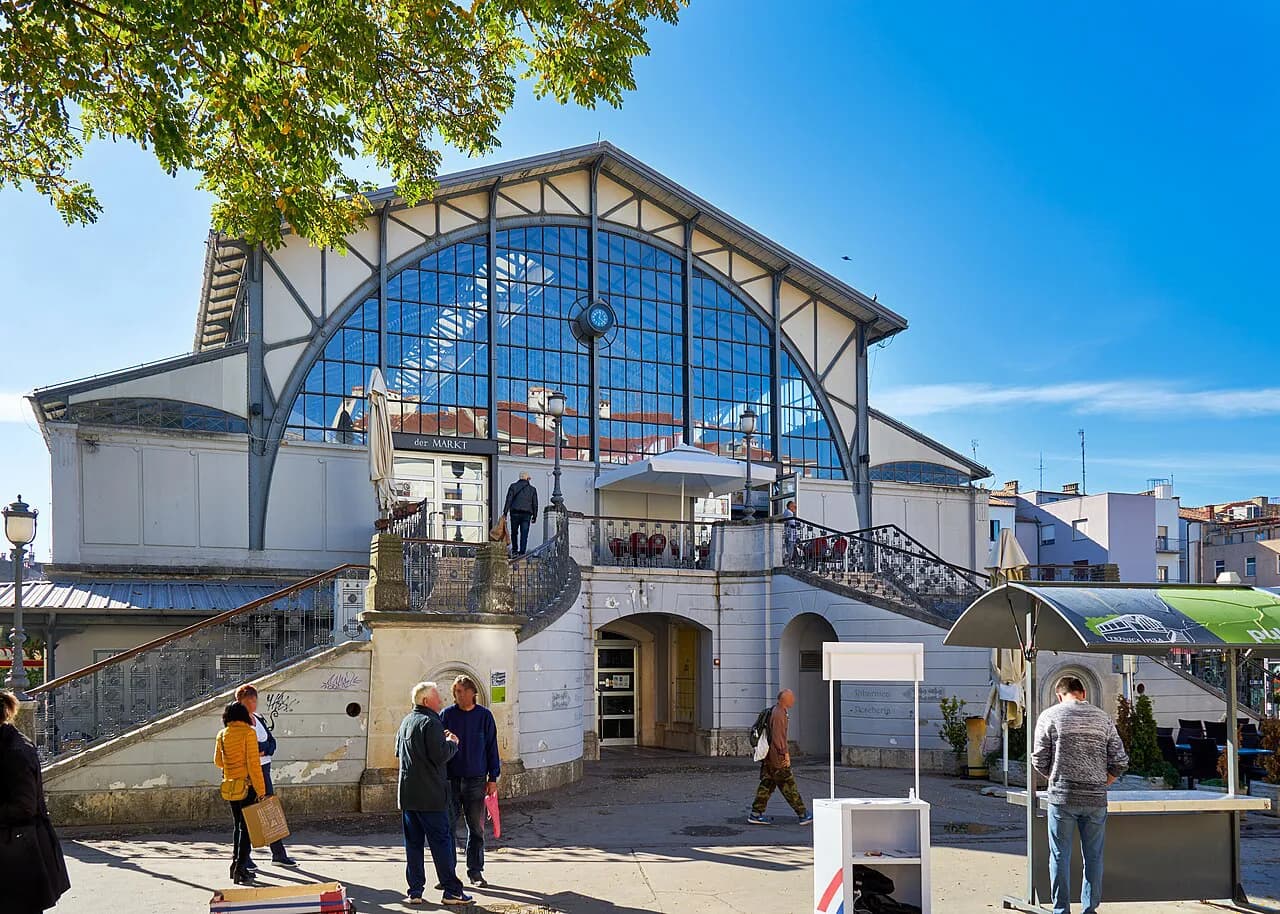
Pula market means the Gradska Tržnica, the city market in the centre of Pula, where an outdoor run of stalls selling fruit, vegetables and local products such as wine and honey sits alongside an indoor building. Inside, the ground floor is divided between meat traders and fish traders, so you can assemble most of a meal without leaving the market. This guide covers what each part sells, what to buy for a picnic or self-catering lunch, and how to fit the market into a morning in Pula.
What the Pula market is
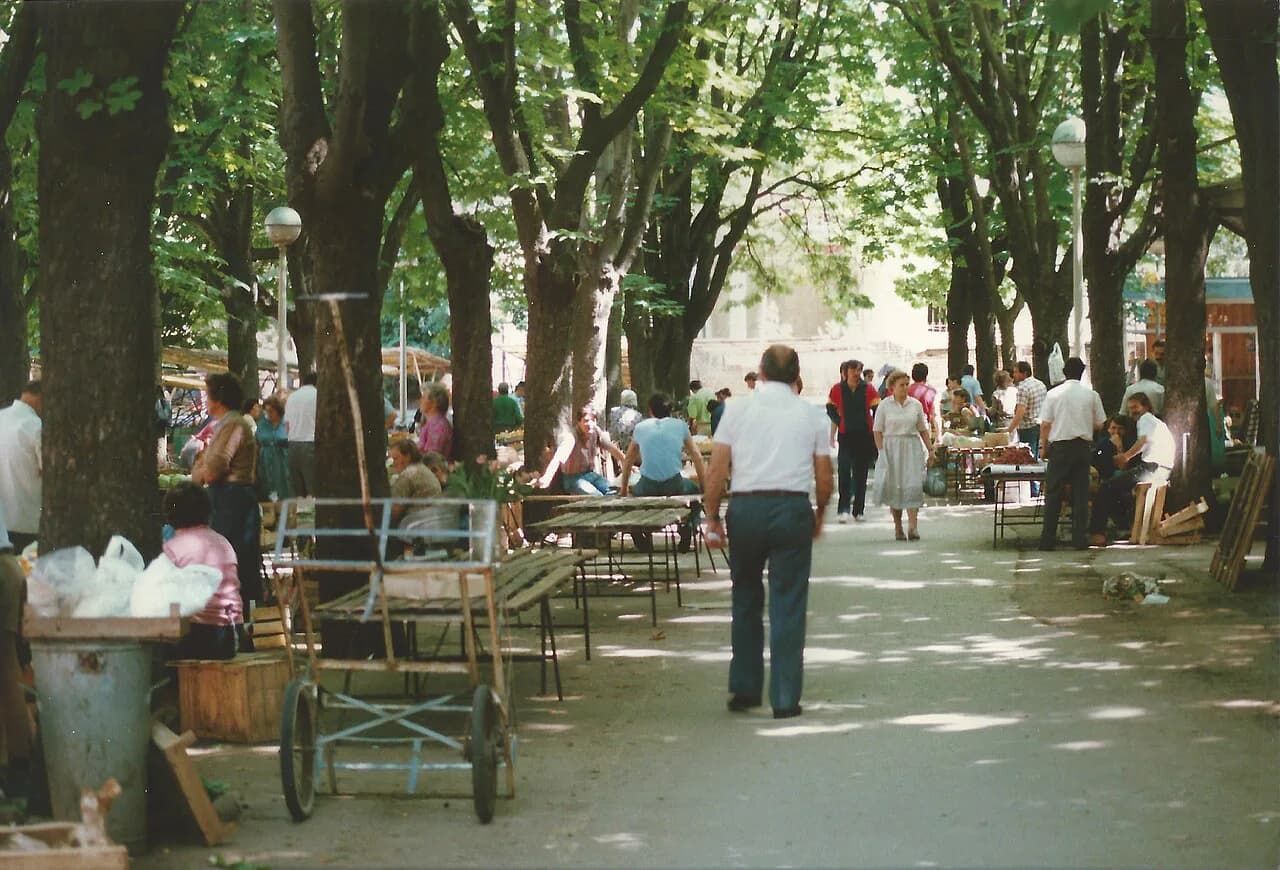
The Gradska Tržnica is Pula's main food market, and it works as two markets under one name. Outside, traders set out fruit, vegetables and local produce such as wine and honey, which makes the open-air section the place to start if you want something to eat straight away or to carry back to a kitchen. Inside, the ground floor is given over to meat and fish traders, the parts of a Croatian market that visitors often miss because they never step past the produce stands.
Think of it as a working city market rather than a visitor attraction. Stallholders are selling the day's stock to people cooking at home, so the rhythm is brisk in the morning and the selection narrows as the day goes on. That is the main reason to build the market into the start of your day rather than the end of it.
How the market is laid out
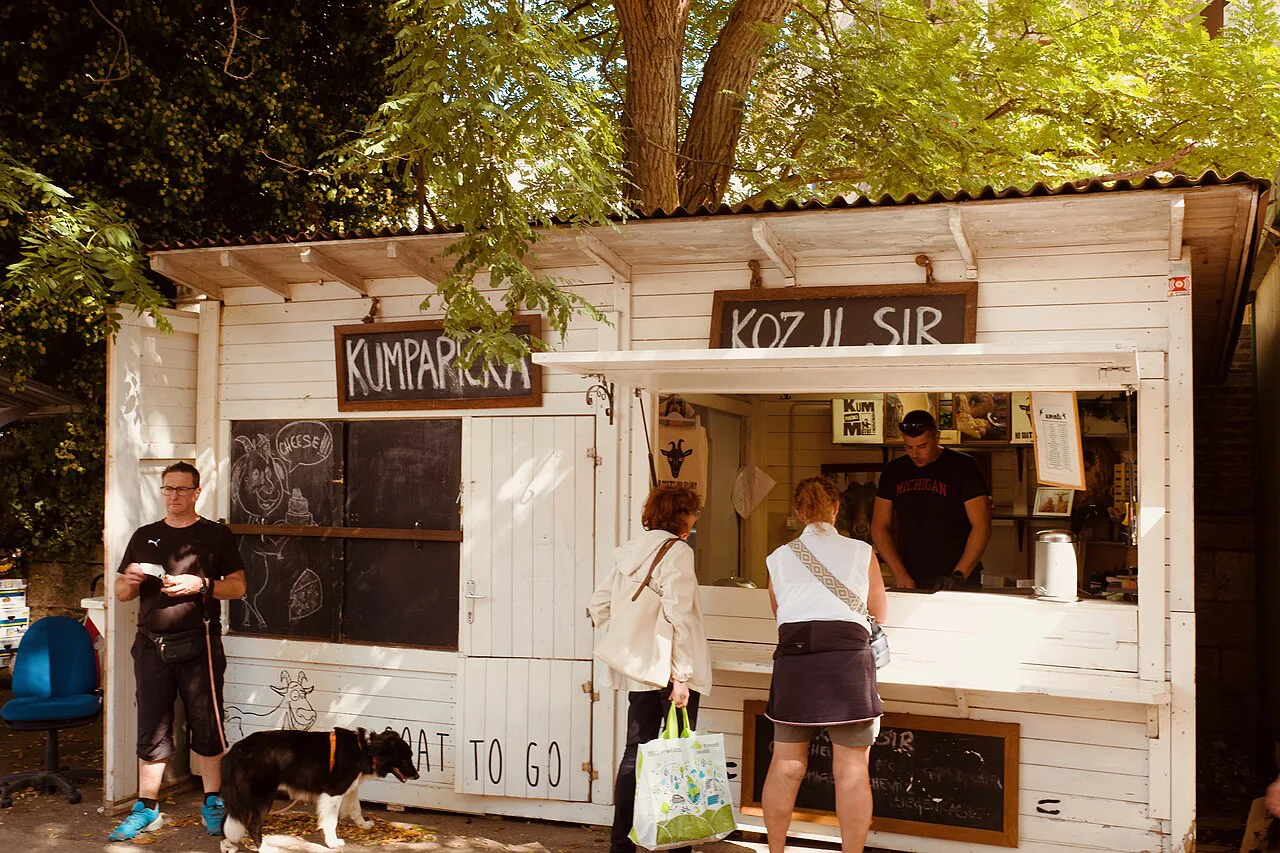
The outdoor section is the first thing you meet: stands of fruit and vegetables alongside local products such as wine and honey. This is where you browse, compare and buy the things you will eat within a day or two. Bring a bag, because the produce comes loose and you will be carrying it for the rest of the morning.
The indoor hall is where the meat and fish traders work, so head there once you have finished with the produce outside. The ground floor is divided between the two, so the fish and meat counters sit side by side under one roof.
What to buy at the stalls
Go with what is in season. A city market turns over with the calendar rather than a fixed list, so buy what looks best on the day rather than shopping to a recipe, and you will end up with a better lunch for less effort.
Honey is a good edible souvenir, because it travels well and tells you something about the region. Buy a jar you can carry home rather than something fragile, and ask the stallholder which one they would choose for cheese.
Local produce rounds out the shopping list. Jars of honey and other items from local producers keep far better than fresh produce in a holiday flat or a rucksack, so they make a practical edible souvenir. A wedge of cheese, a jar of honey and a bottle of local produce give you an instant Istrian larder back at your base.
Building a picnic or self-catering lunch
For a picnic, work through the market in order: bread first, then ham, cheese, tomatoes and olives. The tomatoes come from the outdoor stands, and olives appear both as produce and as a prepared product. Add a jar of honey if you want something sweet to finish, and you have a full spread without cooking anything.
If you are self-catering, buy fish last so it stays cold on the walk home. Carry it straight back rather than continuing to shop, and let everything else wait in a bag while you finish the market.
Bread is the one thing the market may not cover, so plan a bakery stop on the way back. A pekara (bakery) will give you a loaf to carry the ham and cheese, and it saves you relying on whatever the stalls have left late in the morning.
When to go in the morning
Arrive in the morning. Stallholders head to the market first thing, when the produce is at its freshest and the stalls are fully stocked. The chatter and the bustle are part of the appeal, and they are strongest earlier rather than at midday.
Going early gives you the calmest version of the market. Aim to be there in the morning rather than drifting in towards lunch, when the day's stock is more picked over.
Pairing the market with a konoba lunch
The market is a shopping stop, not a meal, so pair it with lunch nearby. A konoba (a simple Croatian tavern) in the centre will cook the fish and vegetables you have just seen being sold, and going at lunchtime rather than dinner keeps the cost down. Ask what is fresh that day.
If you are eating out later, use the market as a preview of the menu. The fish on the slab tells you what the konobas will be serving that evening, and the vegetables on the stalls tell you what the season is doing. A morning walk through the market makes the restaurant menu easier to read.
For a lighter stop, keep coffee separate from the market visit. Coffee in Pula rewards a slow sit-down after the shopping is done, and a morning market followed by coffee is a sensible way to spend the first half of the day.
Practicalities: cash, bags and fish by weight
Bring some cash in euros. Small purchases of a few tomatoes or a bunch of herbs are simpler with notes and coins to hand. Withdraw before you arrive rather than hunting for a cashpoint with a bag of fish in your hand.
Bring your own bag. Fresh produce travels better in a reusable tote than loose in a rucksack, and it keeps tomatoes and figs intact on the walk back. A small cool bag is worth it if you plan to buy fish.
Decide roughly how much fish you need before you point at the counter, and watch it go on the scales so you know what you are paying for. For the full picture of how the fish hall works, the fish market guide is the place to start.
If the market does not cover everything on your list, Supermarkets in Pula fills the gaps for staples such as coffee, water and washing-up liquid. Use the stalls for what is fresh and the supermarket for the rest, and you will not overspend on either.
Where the market sits in Pula
The Gradska Tržnica is Pula's city market, in the centre of Pula. That makes it an easy stop on foot before a day around the old town, and it means you can get back to your accommodation without a taxi if you are staying centrally. The building has an outdoor area of traders alongside the indoor market, so you can shop both without straying far.
Walking is the simplest way to reach it, and the stroll through the centre gives you a sense of where the bakeries and cafés sit for later. If you are coming from further out, plan the market as the first stop of the day and work back towards your other plans from there.
Pula rewards a slow morning, and the market is the best place to start one. For the named markets and konobas with a guide of their own, see Pula food landmarks.
Is the Pula market worth a morning?
Yes, if you go early and go for the food rather than the building. The outdoor stalls give you the season on a plate, the indoor hall gives you meat and fish by weight, and together they cover a picnic, a self-catering lunch or a preview of what the konobas will serve that night.
Go in the morning, bring some cash and a bag, and buy fish last. Build the rest of the morning around coffee or a bakery stop, and the market becomes the start of a good eating day in Pula rather than a detour.
Explore more Pula guides
Frequently Asked Questions
What should I buy at the Pula market?
Fruit and vegetables from the outdoor stalls and local produce such as honey. For a picnic, add cheese, ham and tomatoes, and pick up bread from a bakery on the way.
Where is Pula's city market?
The Gradska Tržnica is Pula's main city market, in the centre of Pula. It has an outdoor produce section and an indoor hall with meat and fish traders.
How does the Pula market work?
It works as two markets under one name: an outdoor run of produce and local-produce stalls, and an indoor hall with meat and fish traders. Ask for the amount of fish you want at the counter.
Sources
Notes on eating well in Croatia
Optional updates to our food guides.
You might also like

Continue reading
More guides you'll find useful