
Pula Ribarnica: A Guide to the Fish Market on Narodni trg

Pula ribarnica is the fish market in the main market building on Narodni trg, in the centre of Pula a short walk from the old town. This guide covers what the fish hall sells, how to buy at the counter, when the market trades, and how the separate fish hall at Veruda differs.
Expect a working municipal market rather than a polished visitor attraction: marble counters, crushed ice, whole Adriatic fish, squid, octopus and shellfish, and vendors who sell to locals first thing. Allow 20 to 30 minutes if you are buying, less if you are only looking.
Where the fish market sits in Pula
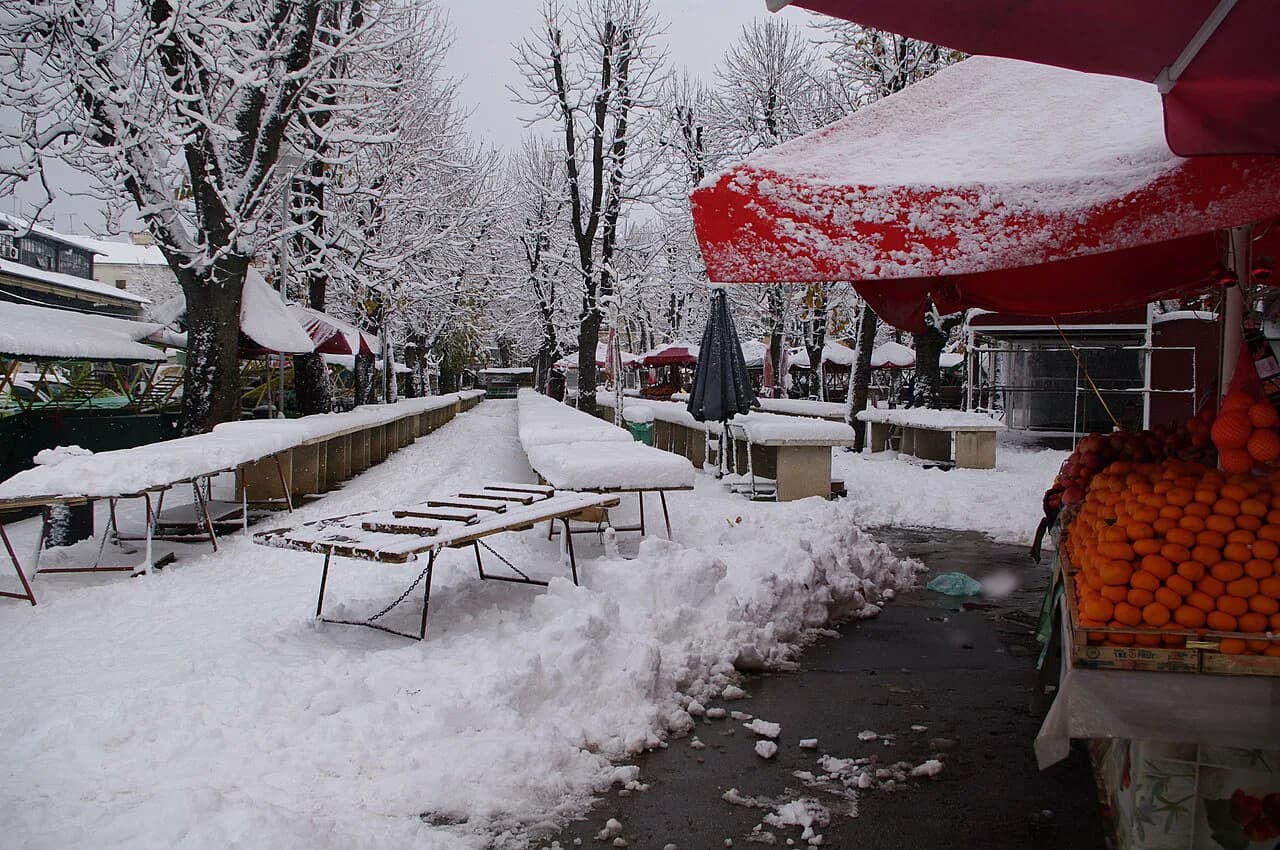
The fish counters sit inside the main market building on Narodni trg, the square at the edge of Pula's old town and a few minutes on foot from the Roman amphitheatre. The tourist board lists the central market under the address Narodni trg bb, which is the reference to use if you are navigating by map.
Arriving on foot from the old town, you approach through the surrounding streets rather than from a car park, so the market slots naturally into a morning of wandering the centre. If you are planning the rest of your day around the centre, the Pula food landmarks guide covers the other places worth building in.
Pula's central market sits on Narodni trg and is the reference point for the city's produce and fish trading, with the tourist board listing the site under Narodni trg bb. If the produce side interests you as much as the fish, the Pula Market guide goes into the fruit and vegetable stalls in detail.
What is sold at the counters
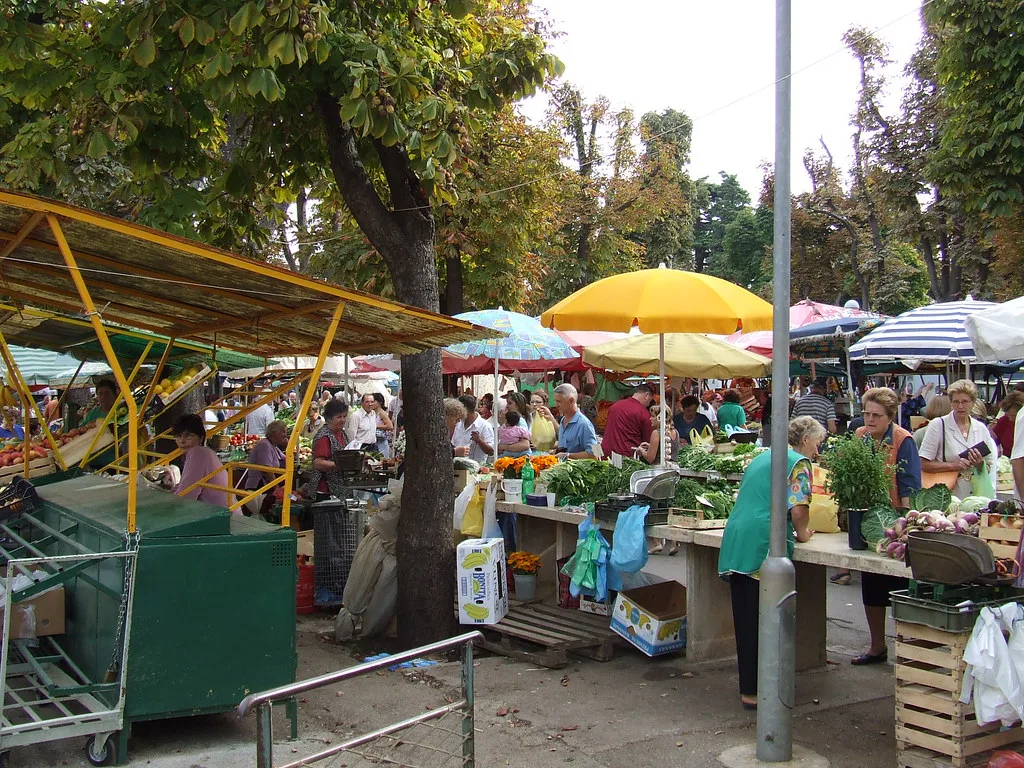
The stalls deal in fresh Adriatic fish, squid, octopus, shellfish and tuna, displayed on ice and sold by the piece or by weight. Much of it is landed locally, which is why the selection shifts with the season and the weather rather than staying fixed week to week.
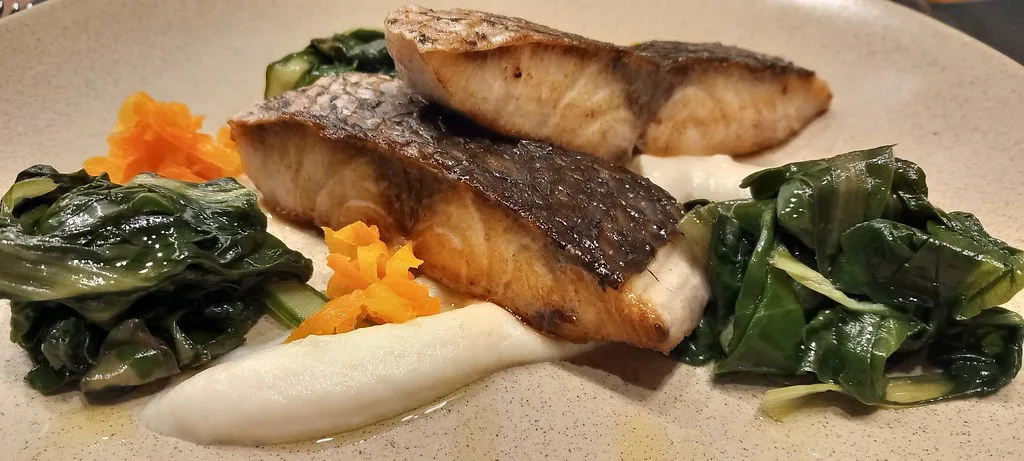
Buying here means choosing a whole fish and having it prepared, so you leave with something you can actually cook in an apartment kitchen. Smaller squid and shellfish are the easier option if you have only a hob and a pan.
How to buy at the counter
Point at what you want, ask the price per kilo before agreeing, and ask for the fish to be gutted and scaled; vendors expect both requests and it saves you the mess later. Ask for a receipt as a matter of course, which keeps the weight and price clear on both sides.
Bring a bag and coins, since market stalls generally prefer cash even where the surrounding shops take cards, and have a rough number in mind so you are not deciding at the counter with a queue behind you. A written number is the simplest way to settle a price where language is a barrier.
Opening hours on Narodni trg
The central market on Narodni trg runs morning sales from 7:00 to 13:30 and an afternoon session from 13:30 to 20:30. On Sundays and public holidays it opens from 7:00 to 12:00, extended to 15:00 on Sundays and public holidays from 1 to 30 June.
The practical consequence is that the central market is not a dawn-only errand: you can shop in the afternoon, though the fish counters are at their best earlier when the ice is fresh and the choice is widest. If your visit falls on a Sunday outside June, plan around a morning finish.
The rest of the building
The main hall is more than a fish counter. Pula's central market also brings together fruit, vegetables and Istrian produce, so a single stop can cover the shopping.
For the produce side, look for Istrian specialities rather than imported supermarket staples, and buy what is in season. If you want to take something home beyond the market, Chiavalon Olive Oil from Vodnjan is the Istrian producer most visitors ask about.
Veruda: the other fish hall
Pula has a second fish hall, Ribarnica Sardelina at Tomasinijeva ul. 32, which opens Monday to Saturday from 8:00 to 13:00 and is closed on Sundays. It is a morning-only errand, unlike the central market with its afternoon session.
Next door, Tržnica Veruda at Tomasinijeva ul. 30 keeps longer hours, from 6:00 to 19:00 Monday to Friday, 6:00 to 13:00 on Saturday and 7:00 to 13:00 on Sunday. That makes Veruda the more forgiving stop if you are staying in the southern part of the city rather than the centre.
The names cause confusion: both halls sit on the same street in the Veruda area, well away from Narodni trg. Decide which one you want before setting out, because a walk to the wrong side of the city wastes the morning.
Nearby in the centre
The market's real advantage is position. The old town, the amphitheatre and the waterfront are all within a short walk, so the fish hall works as the first stop on a morning in the centre rather than a trip in itself.
If the market leaves you hungry rather than keen to cook, the seafood kitchens around Pula are the obvious next step, covered in the seafood restaurants in Pula guide. Konoba Batelina in Banjole is one of the best-known addresses for Adriatic fish cooking.
Is the fish market worth a detour?
Yes, if you are self-catering or want to see a real Croatian market at work, and no if you expect a tourist attraction. The central market on Narodni trg is the convenient option: it is close to the old town, trades into the afternoon, and puts fish, produce and lunch in one building.
Choose Ribarnica Sardelina at Veruda only if you are nearby in the morning, since it shuts at 13:00 and stays closed on Sunday. Whichever you pick, arrive early with cash and a bag, and settle the price per kilo before the fish is wrapped.