
Konoba Matejuška: A Dalmatian Konoba in an Old Split Stone House

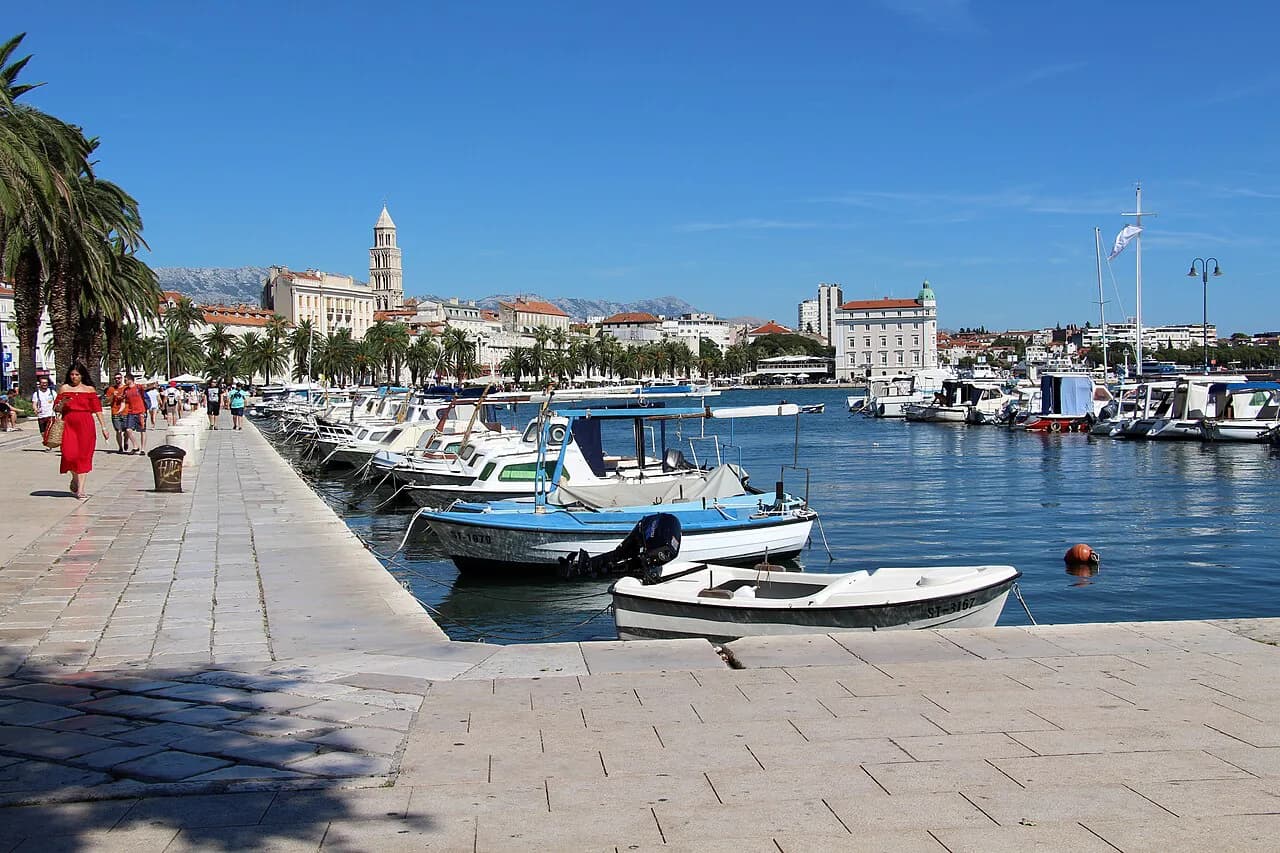
Konoba Matejuška is a Dalmatian konoba in the ground floor of an old stone house in central Split, a short stroll from the Riva waterfront. It is the kind of place that suits a sit-down, traditional-style meal in the old core rather than a quick slice or a formal restaurant. This guide covers what the place is, the building it sits in, how a konoba meal works and what to see in the streets around it.
Split's old town packs a lot into a small area: the palace streets, the market and the waterfront all sit within a few minutes of each other. Planning one proper sit-down meal here is easier once you know where a place sits and what kind of cooking it serves. Each named market and konoba has its own short guide, collected under Split food landmarks.
What Konoba Matejuška is
A konoba in Dalmatia is a plain, traditional eating house, usually family-run, where the cooking is local and the pace is unhurried rather than formal. Konoba Matejuška fits that model in Split's centre: a rustic, stone-walled room in an old stone building rather than a polished restaurant dining room. In a Dalmatian konoba the meal tends to be the main event, with ordering, eating and lingering folded into one sitting.
The building itself is the draw as much as the food. Konoba Matejuška occupies the ground floor of Villa Matejuška, an old Dalmatian stone house built in the 19th century, and the whole building was renovated in 2003; the room has bare stone walls, light wood furniture and rustic surroundings. That gives it the slightly cave-like feel many visitors associate with a proper Dalmatian konoba.

Where it is in Split
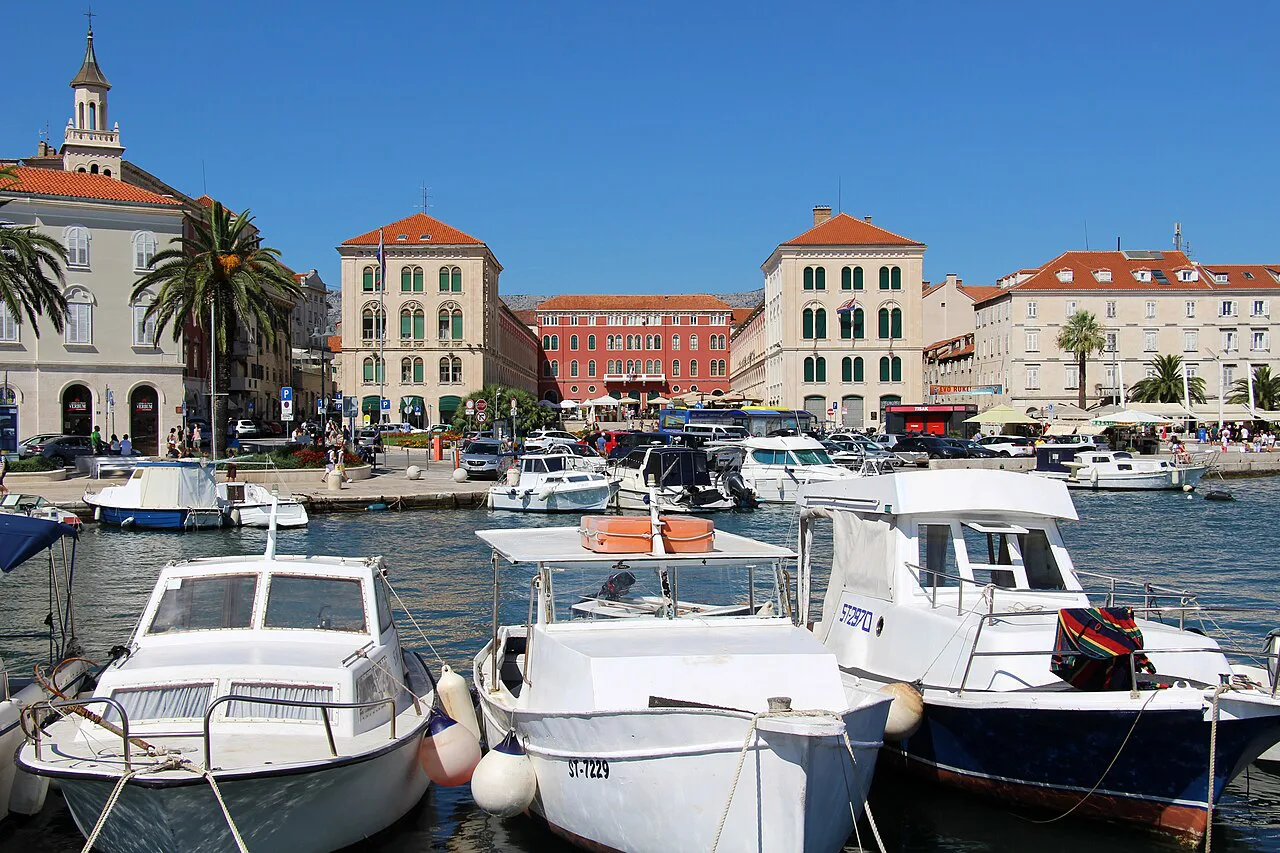
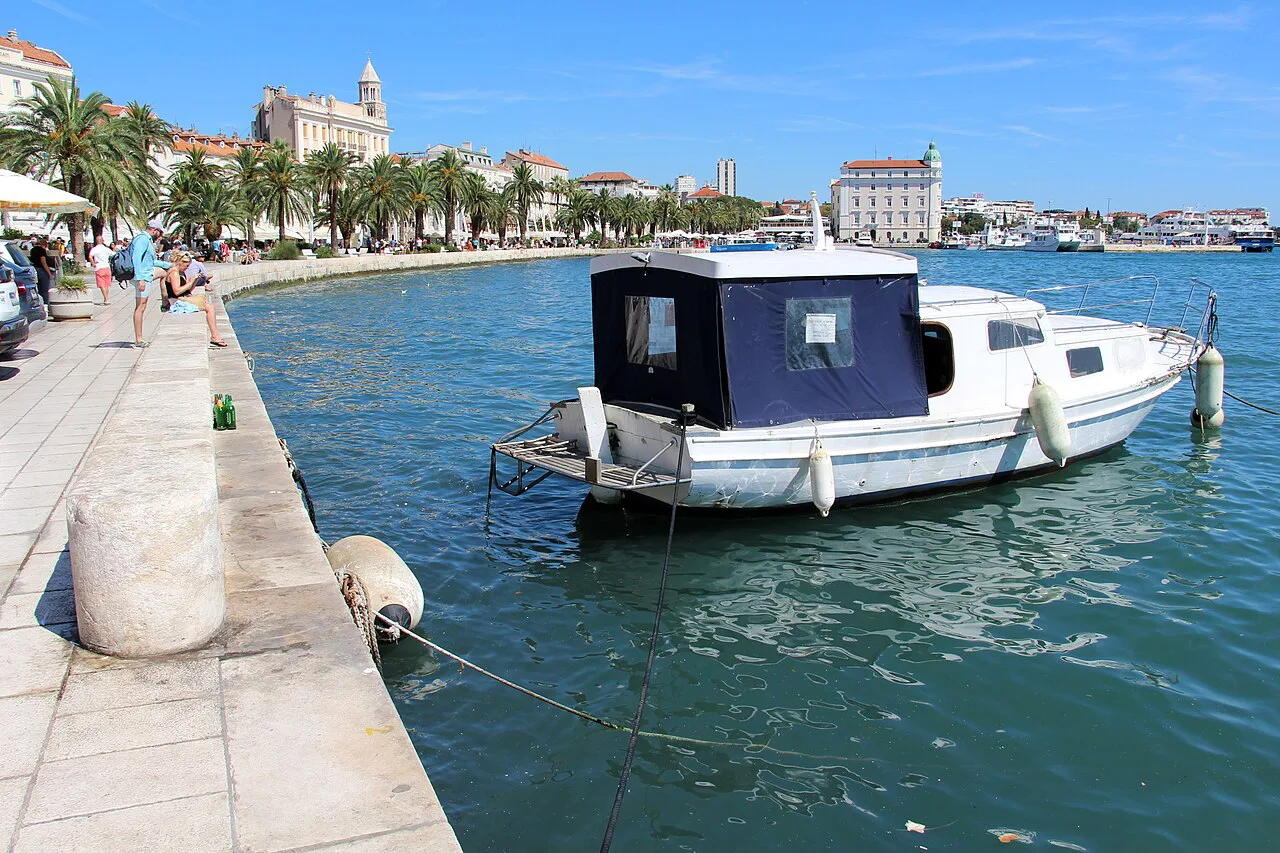
The konoba sits in the heart of Split rather than out on the modern edge of the city, which makes it easy to pair with a walk through the old town. If you are coming from the ferry port or the bus station, head for the waterfront and work inland: the Riva and the palace streets are the obvious landmarks to orient yourself by.
Split's old town is compact, so distances are short: the Diocletian's Palace streets, the fish market and the Riva all sit within a few minutes of one another. Build the konoba into a morning or evening loop rather than treating it as a separate trip. The district of Varoš, just west of the palace, is where much of the city's traditional cooking is concentrated.
The building: a 19th-century stone house
Villa Matejuška is a 19th-century Dalmatian stone house that now contains apartments above the konoba, which is why the dining room feels like a cellar tucked into a residential building. The renovation kept the stone and added light wood furniture, so the room reads as old Dalmatia rather than a themed modern space.
That setting shapes the meal: stone walls and a rustic, residential building make for a more intimate sitting than a terrace on the Riva. If you want a view with your lunch, a waterfront table will beat an old-house room; if you want the old-house feel, this is the trade-off worth making.

What's on the table: Dalmatian cooking
The cooking here is Dalmatian, the coastal cuisine built on fish, shellfish, olive oil, vegetables such as blitva (green chard) and slow-cooked meat dishes. Dalmatian food is Mediterranean in character, and a konoba meal usually means a smaller menu of local dishes rather than a long international list.
Pašticada is the classic Dalmatian beef dish to know: beef marinated and braised slowly in a sweet-sour sauce, usually served with gnocchi or pasta. It is a good benchmark for judging a Dalmatian kitchen, alongside fish dishes and simple vegetable sides. Order it where you find it on a menu when you want the traditional Dalmatian register rather than something light.
A konoba, not a restaurant: how the meal works
Dalmatian konobas tend to run at a slower, more conversational rhythm than a restaurant. You order a few dishes to share or in courses, and the point is to settle in rather than eat and leave. That makes a konoba a good choice for a long lunch after a morning walking the old town, though how long the table is yours varies from place to place.
Fish is often the centrepiece of a Dalmatian konoba meal, and much of the cooking is built around what comes in fresh that day. A short menu is a common Dalmatian konoba convention rather than a weakness, because it usually means the kitchen is cooking to its supply.
Booking a table at Konoba Matejuška
The room sits in a central old stone building, so a summer evening is worth planning around. Konoba Matejuška takes table bookings online, and booking ahead removes the risk of turning up to a full room. The booking listing has also shown the venue as closed, so it is worth confirming it is open before you set out.
In peak season, Split's old town fills with visitors, so it is worth reserving a day or two ahead for dinner if you can, and considering lunch if you want more flexibility.
Nearby: other places to eat in Split
If you want a second traditional meal in the same part of town, Konoba Varoš in Split is the obvious comparison, set in the old Varoš district just west of the palace. Comparing two konobas on one trip is a good way to see how much the cooking varies across the city.
For a different register, Konoba Hvaranin in Split is known for island-influenced Dalmatian cooking, including risottos, fish broth and pašticada, in the Varoš area close to the Riva. It is a useful alternative if Matejuška is full or you want a second option in the same neighbourhood.
Between meals, the Pazar Split green market is worth a wander for produce, cheese and cured meat, and it gives you a sense of what the konoba kitchens are buying. It sits in the old town within easy walking distance of the Riva and the palace streets.
Is Konoba Matejuška worth a table?
Yes, if you want a traditional Dalmatian meal in an old stone house in the centre of Split and are happy to book ahead. The konoba setting, the 19th-century building and the local cooking make it a good fit for a long lunch or an evening meal between walks around the old town, once you have confirmed it is open.
If a sea view matters more than an old-house room, a waterfront table will suit you better. Otherwise, plan a table, order a Dalmatian classic such as pašticada where it is on the menu, and give the meal the time it deserves.