Konobas in Split: What They Are and Where to Eat
A konoba is a Dalmatian tavern serving traditional cooking. Learn what the word means and which konobas in Split serve honest local food.
On this page
A konoba in Split is a Dalmatian tavern: a small, simply furnished place serving traditional cooking, often with wooden tables and benches rather than white cloths. The word itself is older than the restaurant, and knowing both meanings helps you read a menu and a room. This guide covers what a konoba is, the food to expect, and the named places in Split worth considering.
Split is a city where eating well does not require spending heavily, and the konoba is the main reason why. The rest of this page moves from the meaning of the word to specific venues and how to order once you sit down.
What a konoba is in Split
In everyday Split use, a konoba is a modest restaurant where the cooking follows local tradition rather than a chef's imagination. The typical room is deliberately plain, with wooden tables and benches rather than polish, and the menu is short and seasonal. It sits between a village tavern and a city restaurant, which is why locals use the word casually and visitors sometimes find it confusing.
Konobas are often the better-value option: prices are described as more convenient than those of traditional restaurants, which makes them a sensible default for a first proper Dalmatian dinner. For a broader picture of what things cost, see the Split food prices guide.
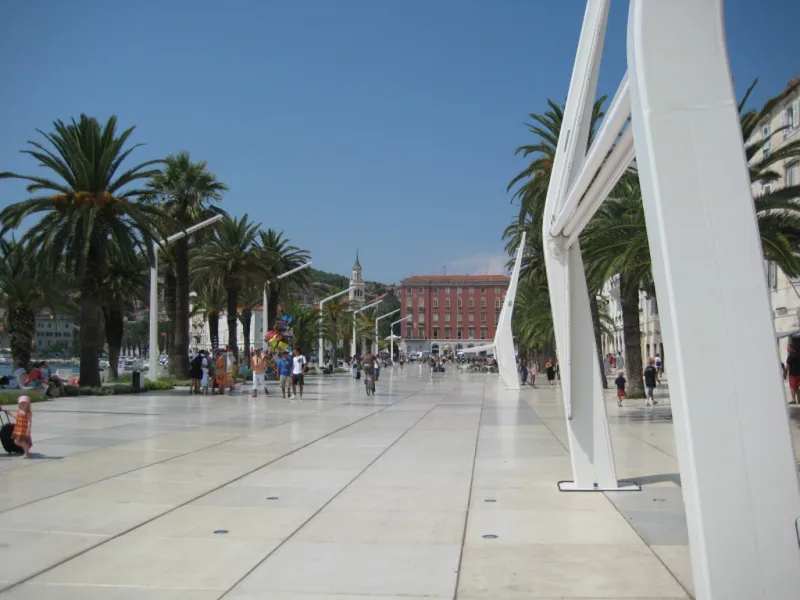
What the word konoba means and where it comes from
The word is usually translated as tavern, cellar or wine cellar, and the older sense is the more interesting one. A konoba was the room of a Dalmatian home where wine was made and kept, alongside the tools for the vines. It was where you fetched a glass of the family's red or white and a piece of salted anchovy, ham or cheese, and it was not run for profit.
The etymology points the same way: konoba comes from the Latin canaba, a hut or shed, which in the plural described the settlement of traders and former soldiers outside a Roman camp. The same root gives us cabin. It has nothing to do with cannabis, despite the similar sound.
Most konobas you will eat in are commercial taverns, but private cellars remain part of Dalmatian life. Miki Bratanić's cellar in Vrbanj on Hvar has received the status of a protected cultural heritage site. When a Split konoba leans into the cellar look, it is nodding to that history rather than inventing a theme.
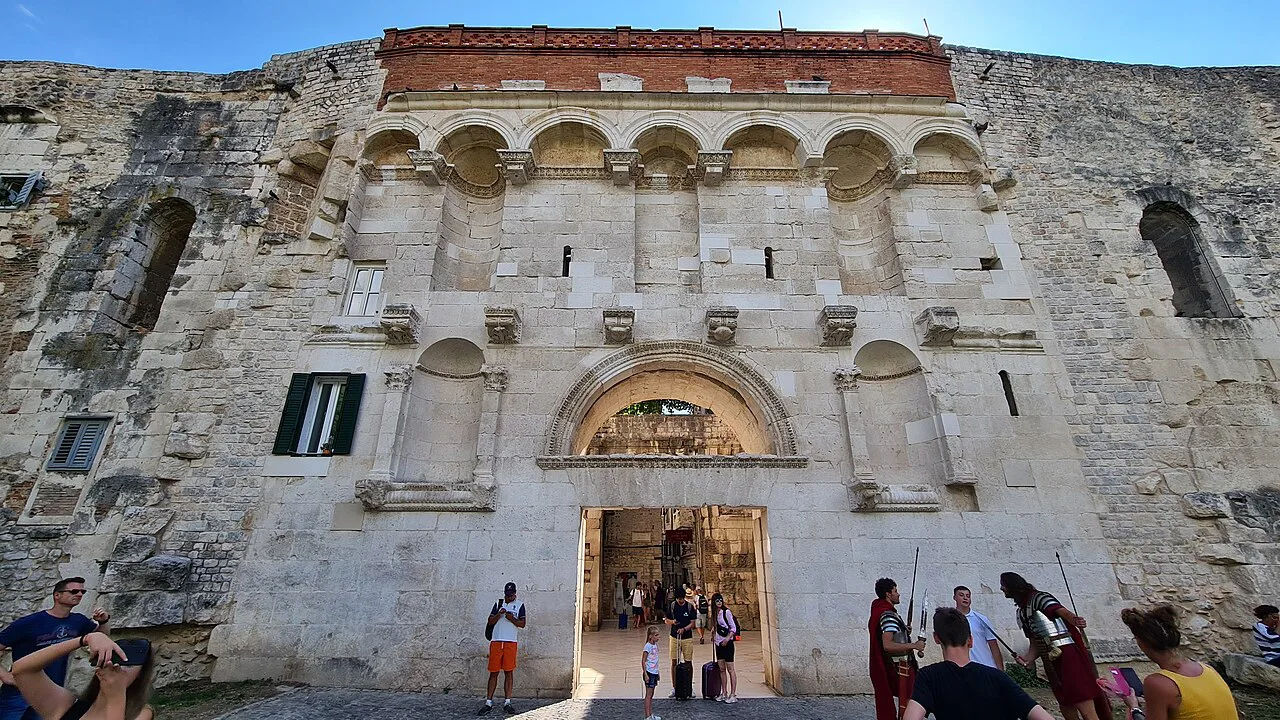
What konoba food looks like: fish, pršut and simple Dalmatian cooking
The cooking is Mediterranean and built on a short list: grilled or stewed fish, shellfish, cured ham (pršut), cheese, salted anchovies, olive oil, greens and bread. It is the kind of food that depends on the morning's market rather than a long recipe, which is why the best konobas change what they offer. If a place is doing this well, the simple dishes are the ones to order.
For a wider run through the region's signature plates, from pašticada to rožata, use the Split food guide before you choose a venue. It will help you recognise what a konoba is genuinely good at.
Two dishes have their own followings and are worth knowing about separately: minced-meat ćevapi and meat or octopus cooked under a peka lid. Both turn up in Split and on the wider Dalmatian coast, and each has a particular kind of place that does it properly.
Konoba Marul in the Old Town: address and what it is
Konoba Marul describes itself as a traditional Dalmatian restaurant in the heart of Split's Old Town, among UNESCO-protected stone walls. The address is Trg Braće Radić 2, and Marul presents its cooking as traditional Dalmatian food carrying on the recipes of earlier generations rather than a modern reinterpretation. That makes it a straightforward choice if you want Old Town atmosphere with recognisably Dalmatian food.
It is also the obvious pick when you are already in the old centre for the day, since the surrounding streets are the reason you are there. For a wider choice of places to eat in the centre, see the guide to restaurants in Split Old Town.
Konoba Matejuška and the cellar-style konoba tradition
Konoba Matejuška is recommended for its wine and food and for a feeling of the past in the heart of Split, which places it in the cellar tradition rather than the polished-restaurant one. If you want one meal that feels tied to the old private-konoba idea, this is the sort of place to look for.
The cellar style comes with a natural trade-off: rooms in an old cellar are small and tables are few, so the atmosphere is better and the flexibility is worse. It suits a booked evening for two or four far better than a large group turning up hopeful.
Konoba Fetivi and why booking matters in high season
Konoba Fetivi is a traditional Dalmatian tavern in Split known for fresh fish and desserts, and diners are clear that you should reserve. Treat that as a signal about demand rather than a guarantee, and book ahead if you have a specific evening in mind.
Small konobas have few tables, so a party of six without a booking risks a wasted evening. Earlier in the day you have far more room to improvise.
Old-town terrace or back-street konoba: the trade-off
An Old Town konoba such as Marul buys you stone walls, a central address and no journey home; a back-street or cellar-style place such as Matejuška buys you a quieter room and a stronger sense of tradition. Neither is automatically better food, and the honest answer is to pick by the evening you want.
If food is the whole point and the setting is secondary, spend your effort on choosing the cooking rather than the postcode. A short Split Food Tour can show you how the city's kitchens and market work before you commit to a restaurant, and the Split food guide covers the dishes to look for.
How to order and eat in a Split konoba
Start with what is cold and cured, then move to fish or something from the pan, and finish with a simple dessert. Ask what came in that morning and order around the answer; a konoba is at its best when you let the day's stock lead. Bread, olive oil and a glass of local wine belong in the middle of that plan rather than as an afterthought.
Fish is usually sold by weight, so ask for the price per kilo and roughly what your fish will weigh before it is cooked. This single question keeps the bill predictable and is a normal thing to ask. If you would rather learn the technique than just eat it, a Split cooking class is another way in.
Which konoba should you book first?
Book Konoba Marul if you want traditional Dalmatian cooking without leaving the Old Town, or Konoba Matejuška if the cellar tradition is what you came for. Book ahead in high season, and ask about fish by the kilo before you order.
Explore more Split guides
Frequently Asked Questions
What is a konoba in Croatian?
It means a tavern or cellar. Historically it was the room where a Dalmatian household made and stored wine and kept cured ham, salted anchovies and cheese; today it usually means a small restaurant cooking traditional Dalmatian food.
Is Split expensive to eat out?
It can be, especially on Old Town terraces in peak season, but konobas are generally described as the better-value option, often with more convenient prices than traditional restaurants. Croatia has used the euro since 2023, so you pay in euros.
Sources
Notes on eating well in Croatia
Optional updates to our food guides.
You might also like
Continue reading
More guides you'll find useful