Dubrovnik Market: Where to Shop and What to Buy
Dubrovnik's main food market is Gundulićeva Poljana in the Old Town. Here is how the square works, what to buy, and how to fit it into a morning.
On this page
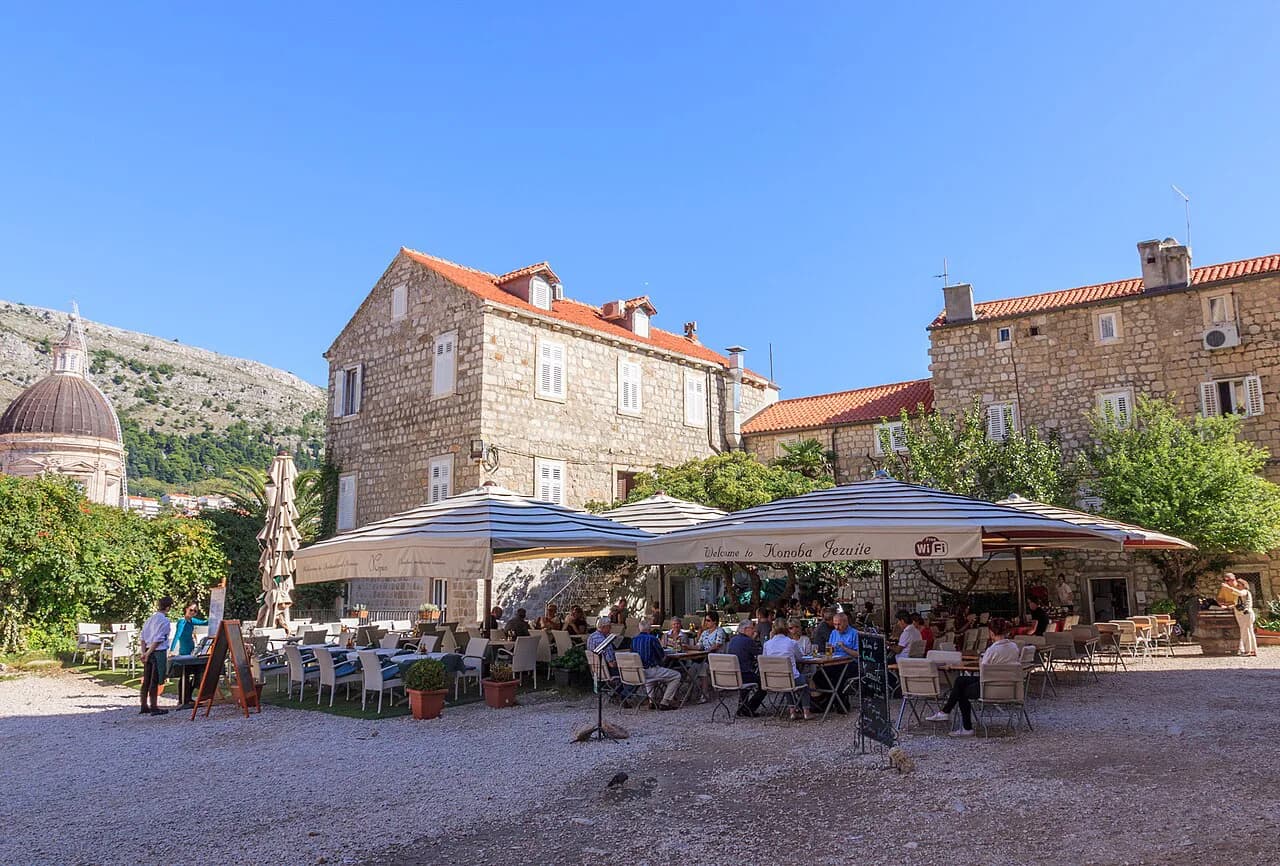
Dubrovnik's food market fills Gundulićeva Poljana, the historic square near the cathedral in the Old Town. It is a small square market rather than a big hall, so treat it as a short stop on the way to The Best Breakfast in Dubrovnik rather than a sight in its own right. This guide covers how the square works, what is worth carrying home and how to fit it into a morning.
Where the market sits in the Old Town
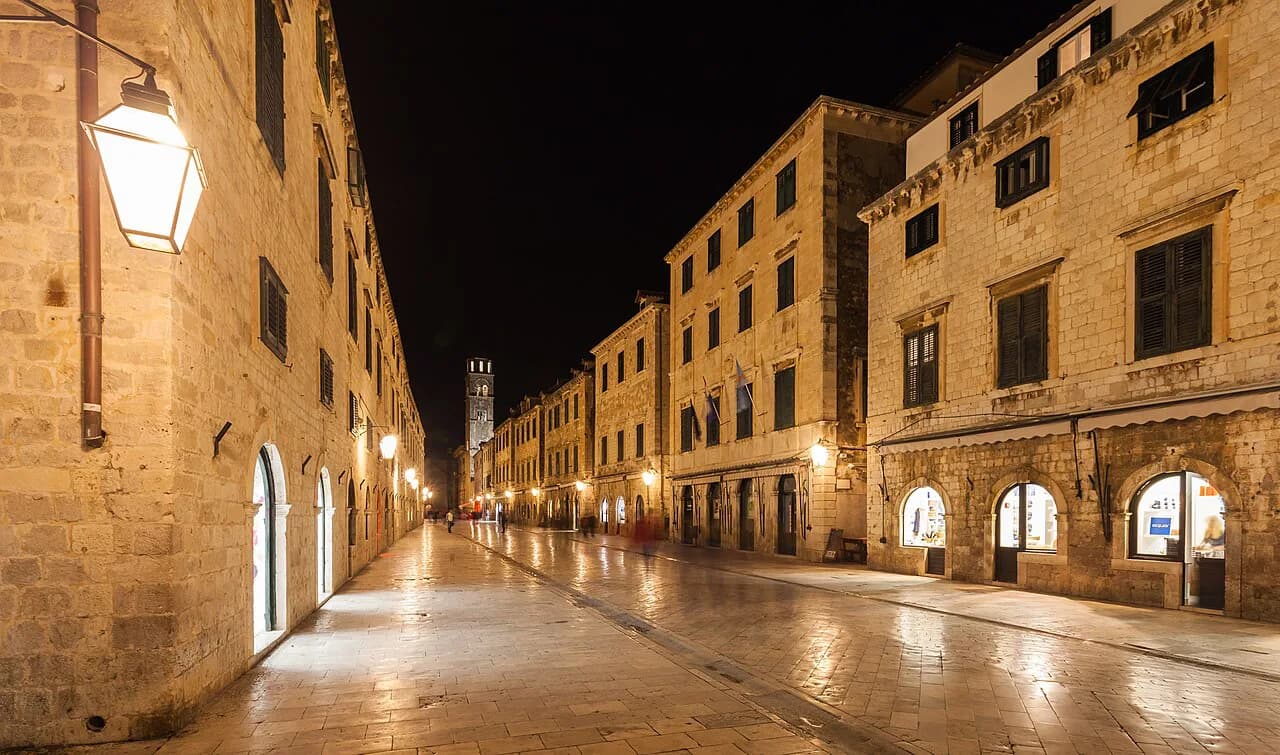
The market occupies Gundulićeva Poljana, the historic square near the cathedral in the Old Town. Because it is inside the walls, you will pass close to it on almost any walk between the Stradun and the old harbour, and it works best as a loop: market first, then breakfast within a couple of minutes' walk. Its position also explains its character, since the square serves visitors and residents rather than wholesale traders.
The square is among the prettiest in the city, and that setting is why the market feels more like a stage than a working wholesale hall. It is also why prices sit above what you would pay away from the walls. If you want a full Old Town breakfast, shop the stalls first and then sit down at a terrace by the harbour.
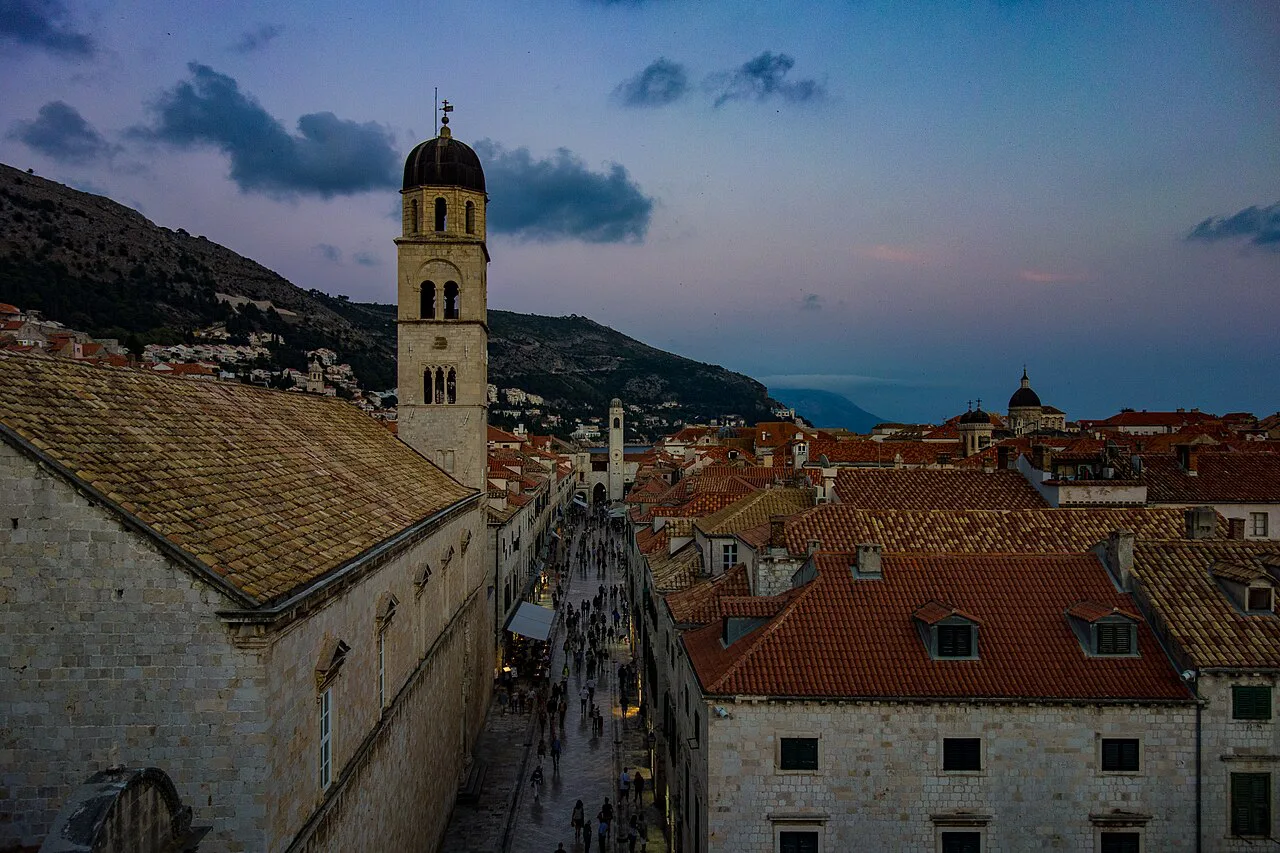
What the stalls sell
The stalls are produce-led and lean towards edible souvenirs that pack flat for the flight home: jars of preserve, dried goods, honey and olive oil are the kind of thing to look for. Buy what looks freshly packed and skip anything sun-faded in a window display.
Expect the goods on offer to shift with the season rather than follow a fixed list, so what you see in high summer will differ from what appears later in the autumn. If you have a kitchen, buy for a picnic or a simple lunch; if you are in a hotel, buy only what fits in hand luggage.
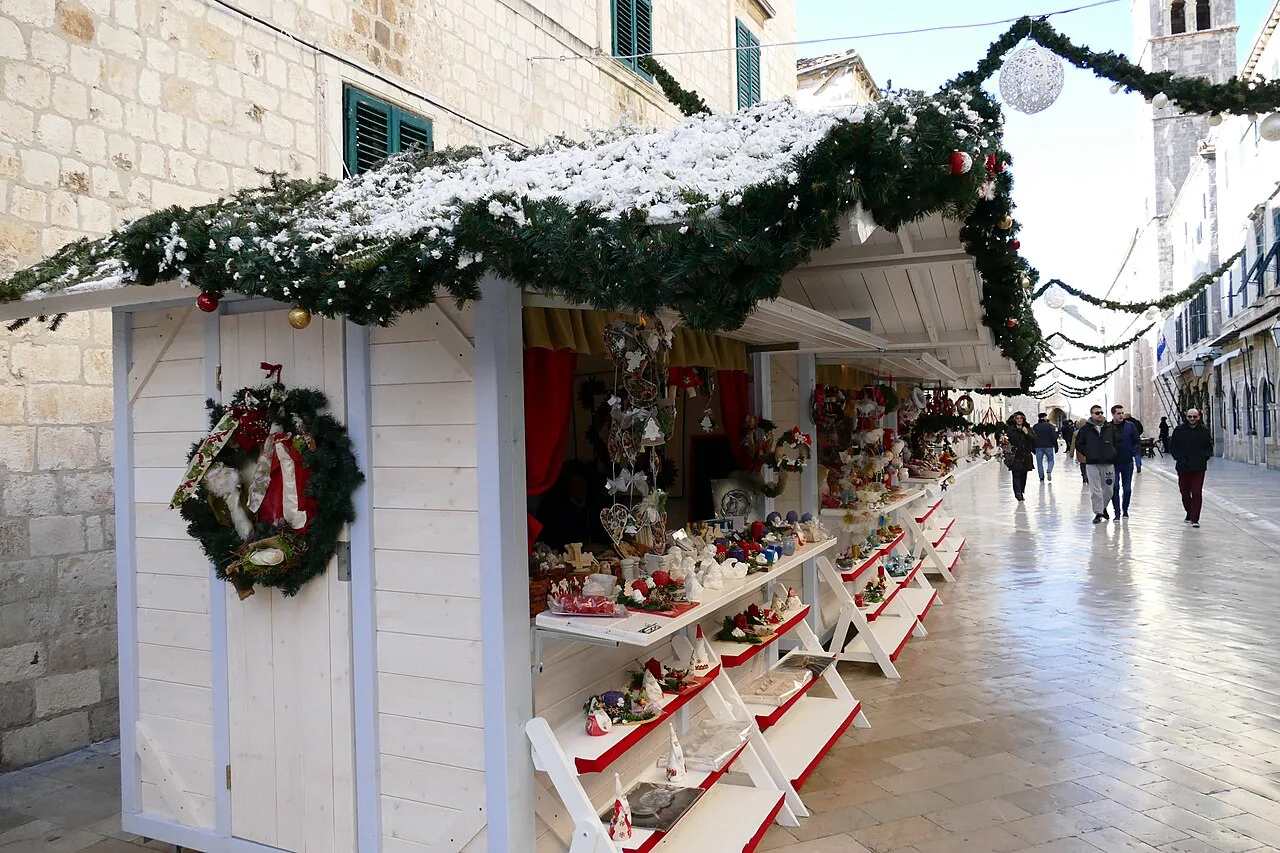
What to buy and carry home
The best souvenirs here are edible and light: a small bottle of olive oil, a jar of preserve or honey, a bag of dried fruit, lavender sachets. Anything fresh will not survive a summer day in a rucksack, let alone a flight, so keep to sealed and dried goods. Keep the receipt for anything you declare at customs.
For a gift that reads as Dubrovnik rather than generic Croatia, combine a jar of preserves with a small bottle of oil and a sealed extra; it packs flat and weighs little. Buy your edible souvenirs early in the trip rather than on the last morning, so nothing is crushed in a rushed pack.
Pricing inside the walls
A market inside the walls charges for its address, and Gundulićeva Poljana is no exception: prices are high for the location rather than the wholesale rate. Treat it as a place to buy a little and well — a handful of this, a jar of that — rather than a week's vegetables. If you are self-catering and price-sensitive, do a bigger shop elsewhere and use this square for top-ups and gifts.
Nothing here is ticketed or fixed by a menu, so ask the price before you commit, especially for anything packed or weighed out in front of you. If a price sounds high, walk a few stalls along before deciding.
How to shop it: morning, cash and weights
Come in the morning, when the Old Town crowds and summer heat are still building, and the square is small enough to walk in a few minutes. Build it into a walk towards the harbour rather than making a separate trip. Bring a tote bag.
Where goods are loose, buy the amount you actually want and ask for it plainly rather than pointing vaguely at a pile; Croatian vendors sell in grams and kilos. Carry some cash in small notes, and keep a separate purse for market money.
A pastry and a coffee around the corner
A market morning in Dubrovnik is really a breakfast run, and the city has a strong pastry tradition to finish it. Burek, the flaky Balkan pastry layered with cheese, greens or cooked meats, is sold in batons and squares, and it is a cheap and filling breakfast. Holy Burek sells a veal burek that makes a proper start to the day.
For a sit-down breakfast, Gradska kavana Arsenal has terraces facing the Stradun and along the harbour front, and Pucić Palace serves a continental spread on its terrace on Gundulićeva Poljana itself. Both are Old Town addresses for a special morning rather than an everyday bargain, so use a bakery counter for the everyday version.
Coffee in Dubrovnik is a standing-or-terrace affair, short and strong. Take a table and watch the market wind down, or order quickly if the Old Town crowds are building. A croissant and a macchiato is a fine plan B if the bakery queue is long, and the Cafés in Dubrovnik list covers the rest.
Pekara, slastičarnica and the rest of the food shop
Beyond the square, Dubrovnik's everyday food shopping runs through the pekara (bakery) for bread and burek and the slastičarnica (pastry shop) for cakes, ice cream and coffee. Both are cheap, fast and everywhere in the Old Town and beyond, which makes them the practical backup when the market is done for the day. Use them for picnic supplies and a sweet finish rather than a full meal.
For a bigger shop, head out of the walls rather than relying on the Old Town's small convenience stores. Plan a single bigger shop rather than daily top-ups from souvenir shelves.
If you are flying home and want a last edible souvenir, buy it in town rather than relying on the terminal. Shop the market and the town bakeries first, and leave the airport for a coffee and a sandwich before boarding.
Is the market worth a detour?
Yes, if you are already walking the Old Town in the morning; no, if you expect a big municipal market. Gundulićeva Poljana is small, pretty and food-focused, best used as a short stop for figs, jam and a jar of something local before breakfast. Pair it with a burek from a bakery or a terrace coffee, and do your serious food shopping away from the walls.
Explore more Dubrovnik guides
Frequently Asked Questions
Is there a market in Dubrovnik?
Yes. The main food market is on Gundulićeva Poljana, the historic Old Town square near the cathedral. It is a small square market rather than a large covered hall, so it works as a short stop on a morning walk.
What is worth buying at the Dubrovnik market?
Buy what is light and edible: olive oil, honey, preserves, dried fruit and lavender are the sort of thing to look for. Fresh produce is worth buying only if you have a kitchen or plan to eat it the same day, and it will not survive a summer day in a rucksack.
Do I need cash at the market?
Carry small euro notes and coins. Keeping a little cash ready is a sensible habit, but the market charges for its Old Town address, so ask the price before you commit and be ready to compare a few stalls.
Sources
Notes on eating well in Croatia
Optional updates to our food guides.
You might also like
Continue reading
More guides you'll find useful