Where to Eat Dinner in Split: 10 Picks for Every Evening
Where to eat dinner in Split, from konobas in Varoš for grilled fish to tables inside Diocletian's Palace, plus where to reserve ahead in summer.
On this page
For a first dinner in Split, book a table at Konoba Fetivi in Varoš and order the mixed fish platter; for a cheaper, quicker evening, join the queue at Kantun Paulina for ćevapi. Between those two poles sit palace-lane pasta rooms, modern seasonal kitchens and a bay-side patio in Zenta, and this guide picks ten of them by occasion rather than by a single ranking. Each entry names the dish to order and the practical catch, from peka that needs a day's notice to the summer tables that fill first.
What dinner in Split looks like
Split's traditional cooking is Mediterranean with Balkan edges: whole Adriatic fish, black risotto made with cuttlefish ink, grilled meat and blitva, the green chard that turns up alongside fish and potatoes. A konoba is the plain, cellar-style tavern where this food is done best, and it is usually the cheaper way to eat well in the city. Peka, meat or octopus cooked under a lid buried in wood-fire embers, is the one dish that needs planning rather than luck.
Modern kitchens in Split take those same ingredients and plate them more creatively, which puts them at the higher end of the city's dinner prices. For orientation on the full spread of addresses, our guide to the Best Restaurants in Split covers the city street by street and is a sensible place to shortlist. If you want one honest rule for the evening: choose by mood first, then by menu.
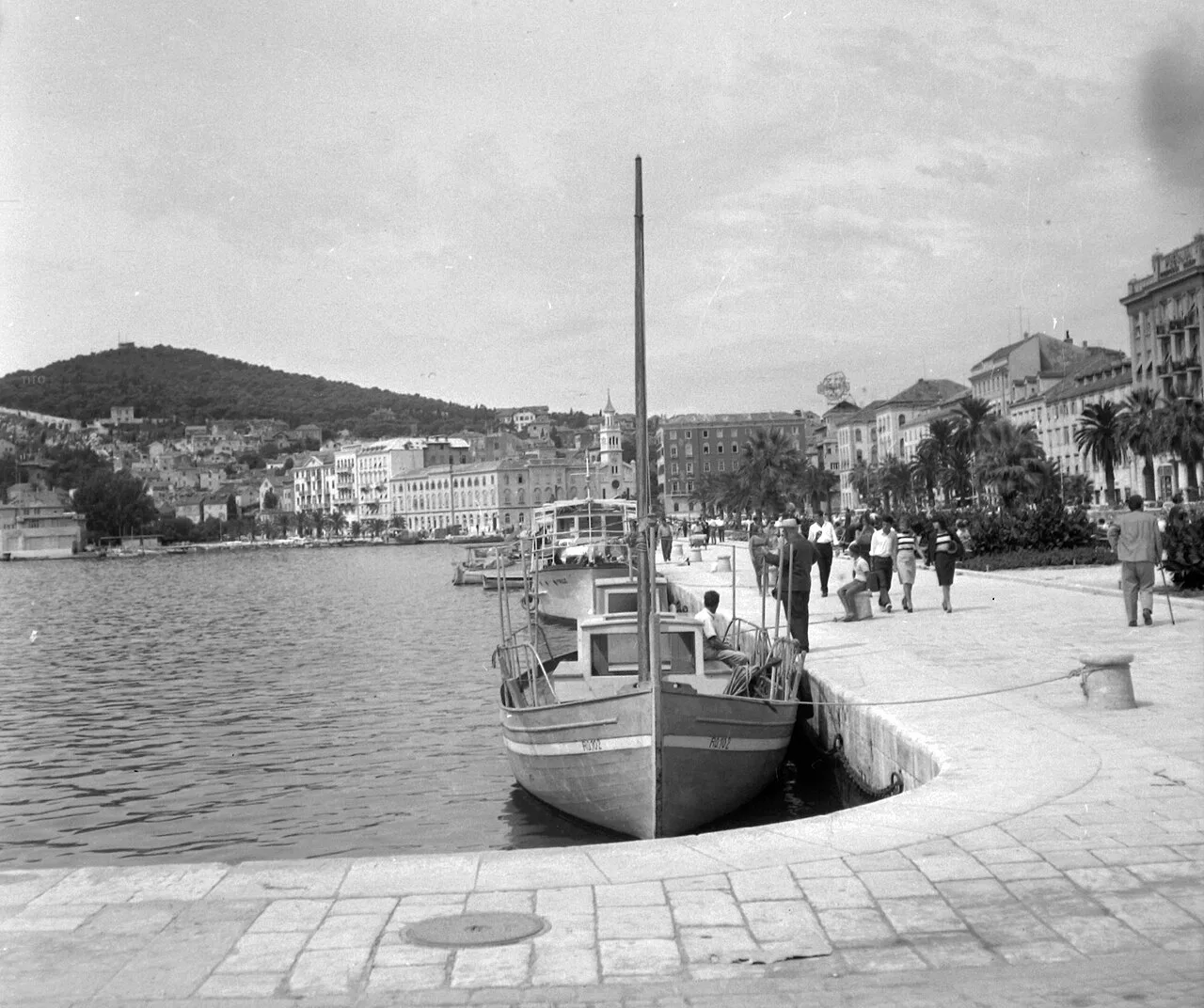
Konoba Fetivi in Varoš: the seafood table to book
Konoba Fetivi is a family-run konoba in the Varoš district and holds a Michelin Bib Gourmand, an award the Michelin Guide gives for good cooking at moderate prices rather than a star. The kitchen works with fresh-caught fish and traditional Dalmatian recipes, which is why it is the first table to try for a seafood dinner in Split. Order the fish platter for two, a spread of whole grilled Adriatic fish, and add a black risotto or a white risotto with shrimp if there are three of you. It gets busy, so reserve ahead in summer.
The Bib Gourmand recognition has not turned Fetivi into a formal restaurant; it stays welcoming and its prices stay fair for what arrives on the plate. That combination is exactly what makes it hard to walk into on a warm evening without a booking. Among the seafood rooms in the city it is the safest single recommendation for a first-night dinner, and our Restaurants in Split Old Town guide puts it alongside the other tables within easy walking distance.
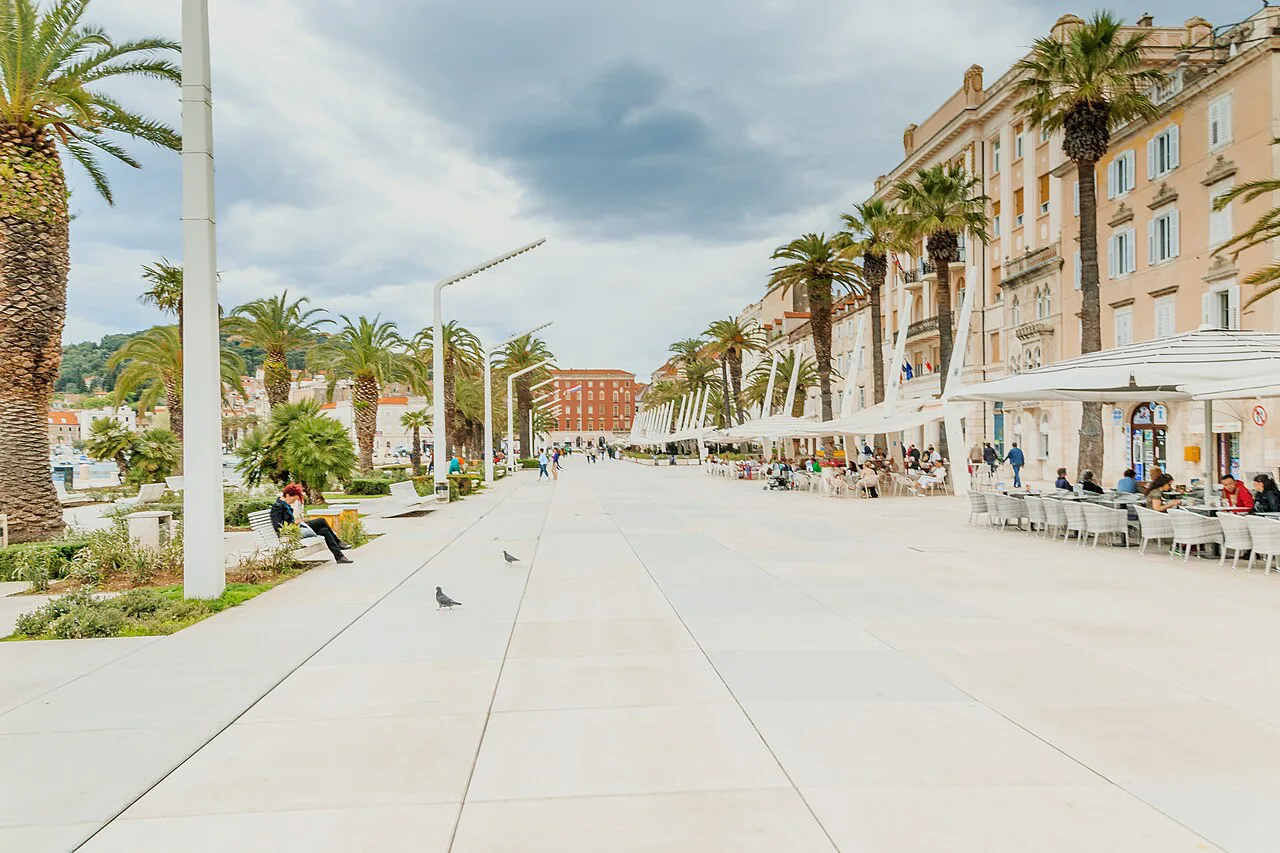
Konoba Kod Joze: peka ordered a day ahead
Konoba Kod Joze sits just outside the busiest lanes of Diocletian's Palace and draws a mix of locals and visitors, with a dim, stone-walled interior and a covered terrace outside. The reason to come is peka, the slow-cooked pot of octopus or meat with potatoes that is made to share. Order it at least a day in advance; it is not something you can decide on at the table. Its position makes it a good compromise between old-town convenience and a proper Dalmatian menu.
Konoba Hvaranin in Varoš: island cooking
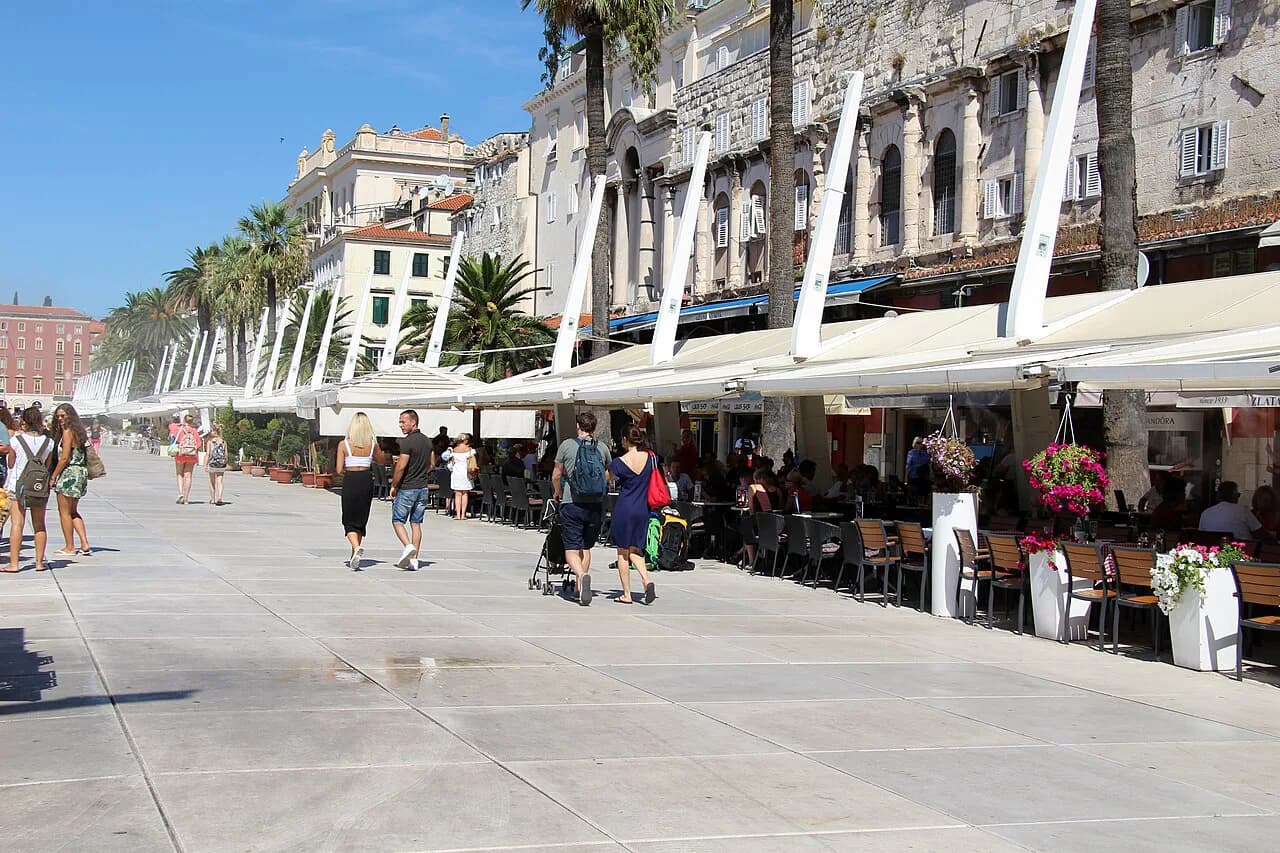
Konoba Hvaranin is a small cellar restaurant in Varoš whose owners come from Jelsa on Hvar, and the room is arranged to feel like an old Dalmatian tavern. The cooking leans on island dishes: excellent risottos, fish broth and white fish, with pašticada, the long-braised beef in a sweet-sour sauce, for anyone who wants meat. It is a short step from the Riva waterfront, which makes it an easy dinner before or after an evening walk along the harbour. It is also a fair introduction to the old-town restaurants that locals rate over the waterfront terraces.
Konoba Matejuska: a stone cellar near the waterfront
Konoba Matejuska occupies the ground floor of a 19th-century Dalmatian stone house and was renovated in 2003, keeping bare stone walls, light wood furniture and a rustic feel. It is a wine-cellar-style room in the old manner, the sort of place where the setting does half the work of a dinner. Come here when you want the traditional tavern atmosphere close to the centre rather than a terrace on a main square.
Mazzgoon: pasta and seafood in a palace lane
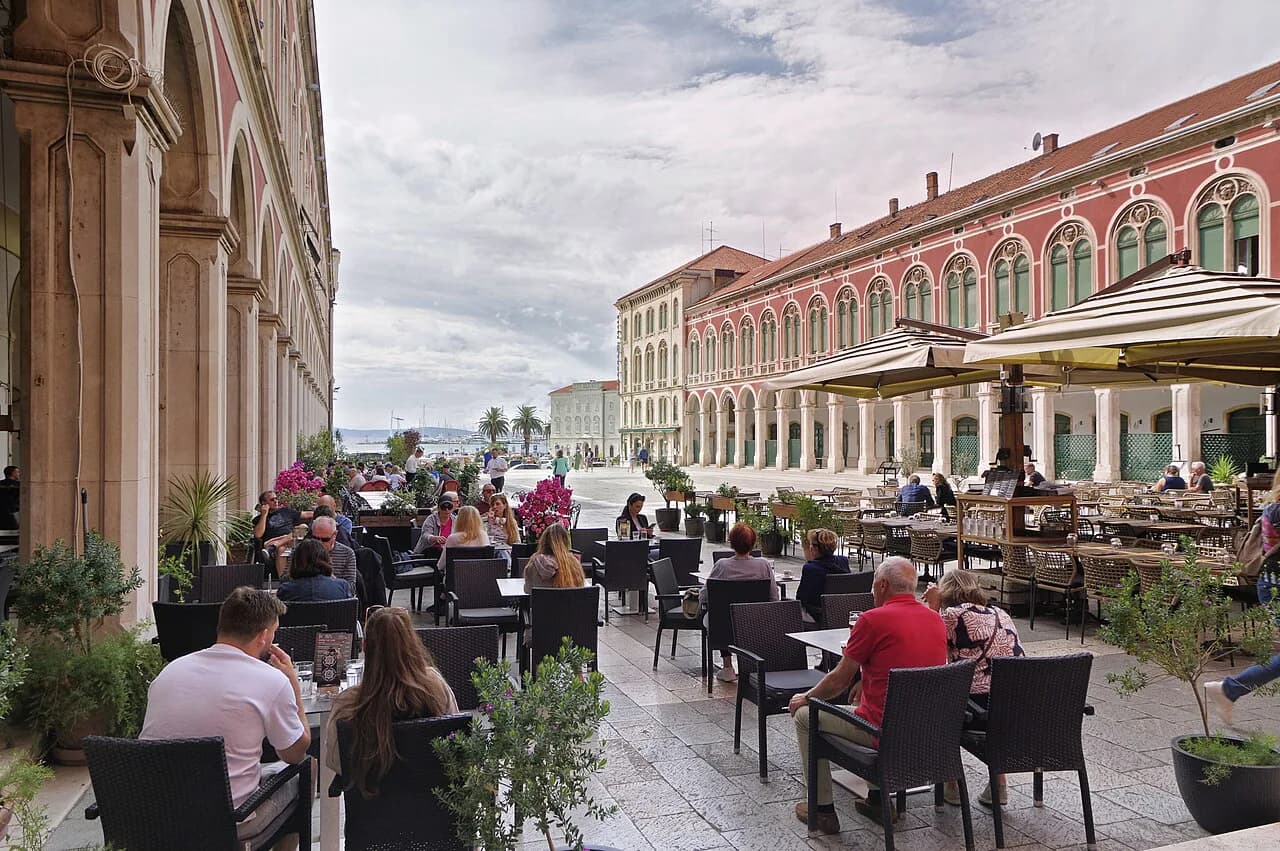
Mazzgoon is tucked down a lane inside Diocletian's Palace and pairs a Mediterranean menu of pasta and seafood with cobblestone outdoor tables and a back patio. The room is smart without being stiff, and staff take time to explain the dishes, which helps if you are new to Dalmatian cooking. Sitting outside in the lane is the more atmospheric choice on a mild evening. It is one of the most dependable old-town restaurants for a dinner that feels like an occasion.
Articok: a modern seasonal menu and a rooftop
Articok is a contemporary restaurant with a seasonal menu, engaging artwork on the walls and professional service in a sleek dining room. The black risotto and the truffle pasta are the dishes to head for, and a roast beef salad works well shared as a starter. In the summer months, the rooftop deck is the place to sit for an outdoor dinner. Expect modern-kitchen prices to match the setting.
Kadena in Zenta bay: a quieter evening
Kadena is in Zenta bay on Ivana pl. Zajca street, away from the palace crowds, and its outside patio is the main draw. The setting makes it a good choice for a calmer dinner with a view rather than a lane-side table in the centre. If you want a slower evening after a day of sightseeing, this is the kind of address to keep in reserve.
Bokeria and Villa Spiza: modern cooking in the old town
Bokeria is a contemporary address useful when you want modern cooking rather than a traditional konoba menu, while Villa Spiza is a small spot in the old town that suits a shorter, simpler meal. The two suit different moods: Bokeria for a planned evening out, Villa Spiza for something shorter and more casual. Both sit within the cluster of old-town restaurants worth walking to rather than taxiing to.
Cheap and quick: Fife, ST Burek and Kantun Paulina
For a low-cost dinner, Fife serves plain budget plates, while ST Burek and Kantun Paulina cover the two great Balkan fast foods. Burek is the pastry coil filled with meat or cheese, and ćevapi are the small grilled minced-meat sausages served with bread and onion; Kantun Paulina is the counter to head for the latter. Both are quick, filling and a good option on a late arrival or a tight budget.
Old-town terrace or Varoš konoba?
An old-town terrace buys you atmosphere and a short walk to your room, but it also means the highest concentration of visitors and menus priced for them. A konoba in Varoš such as Fetivi or Hvaranin is a few minutes further out and generally offers plainer cooking at fairer prices, which is why locals favour that district. Pick the terrace when the setting is the point of the evening, and the neighbourhood konoba when the food is.
In high season, reserve anything with a reputation: Fetivi and the palace-lane rooms fill earliest, and peka needs a day's notice wherever it is served. A little planning turns a good Split dinner into a reliable one.
Fish by the kilo and how the bill adds up
Whole fish in Split is best shared, so order one large fish between two and ask the kitchen to grill it simply with blitva on the side. Modern kitchens such as Articok price by the dish, which makes the bill easier to predict, while a fish platter at a konoba sits somewhere in between. Michelin's listing of Split restaurants is the independent place to compare which kitchens the Guide currently includes.
Which Split dinner suits your evening?
Book Fetivi for seafood, Kod Joze for peka with a day's notice, and Mazzgoon or Articok when you want a palace lane or a rooftop with modern cooking. Keep Kadena for a quiet patio night in Zenta and the fast-food counters for the evenings when speed and cost matter more than ceremony. Decide the mood first, then make the call.
Explore more Split guides
Frequently Asked Questions
Do you need to book dinner in Split in summer?
For popular seafood rooms such as Konoba Fetivi and for tables in the palace lanes, reserving ahead is sensible in high season. Peka also needs ordering at least a day in advance at Konoba Kod Joze, so plan that meal before you arrive.
What is a konoba?
A konoba is a traditional Dalmatian tavern, often a stone-walled cellar room, serving plain local cooking such as grilled fish, black risotto and grilled meat. In Split many sit in the Varoš district, a short walk from the palace and the Riva.
What should you order for a first dinner in Split?
Start with black risotto or a fish broth, then share a whole grilled fish or a fish platter, with blitva on the side. For meat, pašticada or peka are the classic choices, and peka must be ordered at least a day ahead.
Sources
Notes on eating well in Croatia
Optional updates to our food guides.
You might also like
Continue reading
More guides you'll find useful