Cheap Eats in Split: 8 Budget Places to Eat Well
Cheap eats in Split, from old-town konobas and bistro lunches to bakeries and sandwich counters, with the dishes to order and how marenda pricing works.
On this page
The cheapest good meal in Split is a marenda, the warm cooked lunch served from a chalkboard in neighbourhood restaurants, generally between 11am and 2pm and priced roughly 5 to 10 euros. Split's old town also holds small traditional kitchens, counter bakeries and sandwich bars where a filling meal costs far less than a palace terrace dinner. This guide picks eight places for eating well on a budget, gives the order at each, and explains the marenda system so you can spot it yourself.
The trade-off is simple: a table inside or beside Diocletian's Palace buys atmosphere and a central meeting point, while a place ten minutes into the surrounding streets buys bigger portions of home cooking for the same money. Split also runs on a bakery-and-counter rhythm at breakfast and a cooked-lunch rhythm at midday, so timing matters as much as choosing the venue.
What a cheap meal in Split looks like
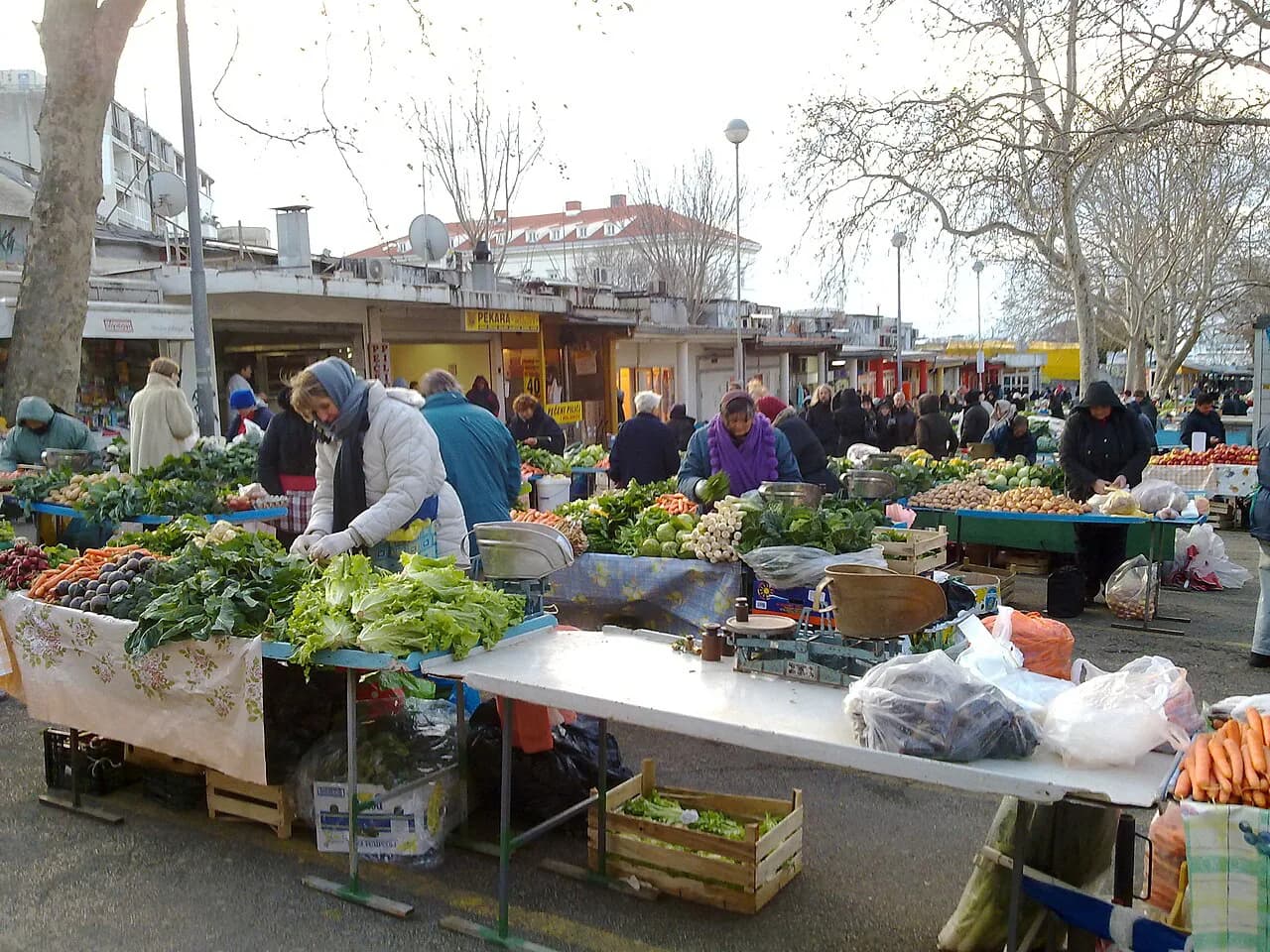
A cheap day in Split runs on three habits: buy breakfast from a pekara (bakery), eat your cooked meal at midday rather than in the evening, and use counter food to bridge the gap. A marenda is a proper warm plate eaten with a fork or spoon, and in Dalmatia that means dishes such as cod stew, meatballs in tomato sauce, boiled veal with potatoes or veal risotto. In Zagreb the equivalent is called gablec, with tripe, goulash or sausages with sauerkraut, and the principle carries across the country.
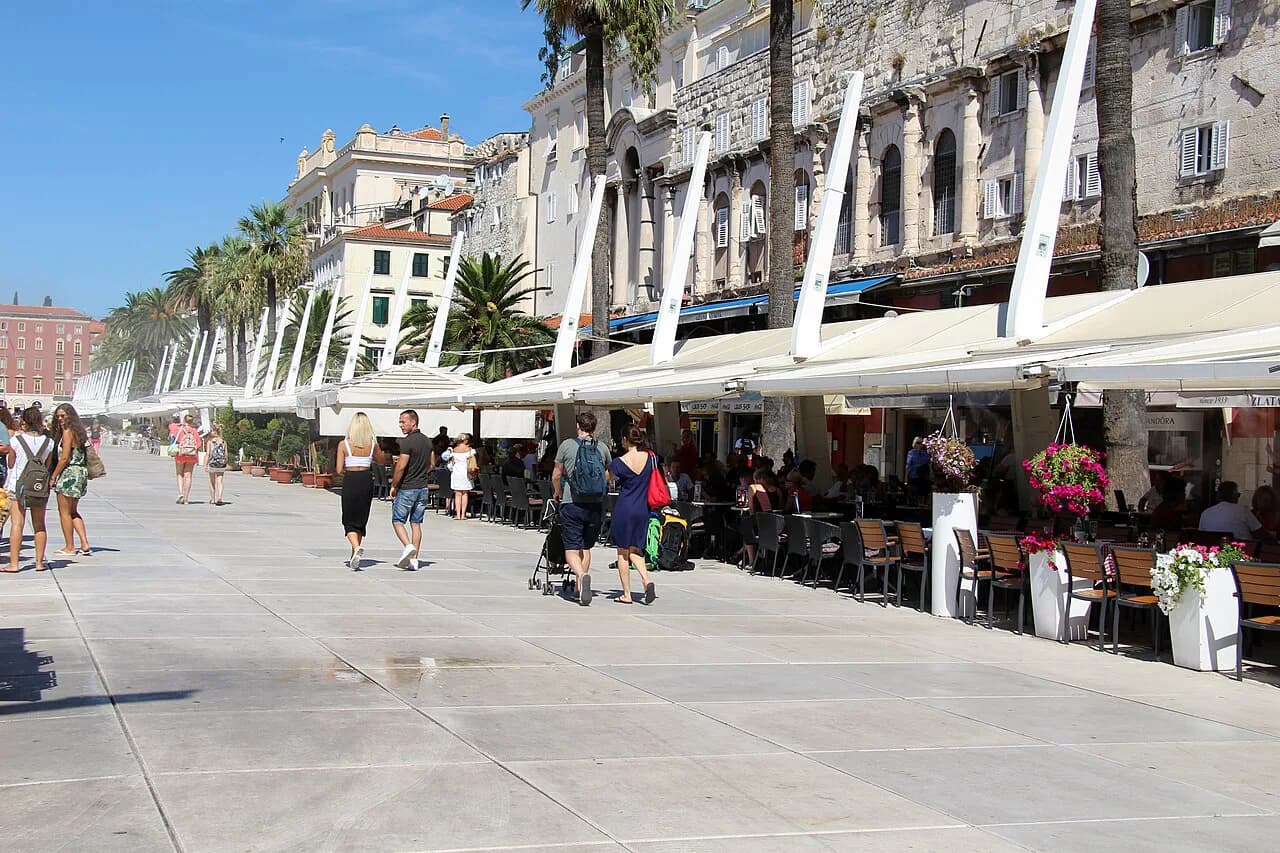
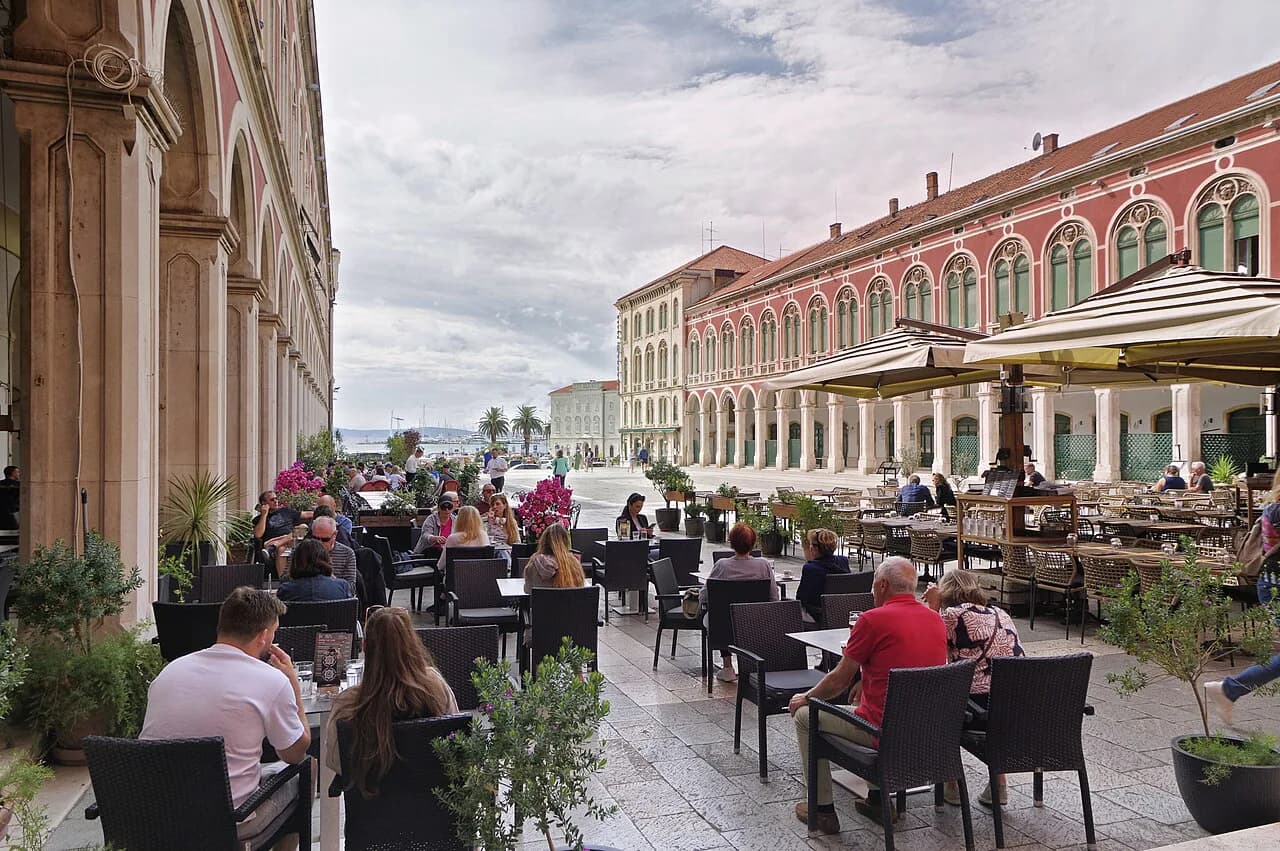
Diocletian's Palace is the obvious anchor for a first visit, and most of the budget options below sit within a short walk of it or just outside the old town walls. Expect to pay for the postcode inside the palace and for the plate outside it.
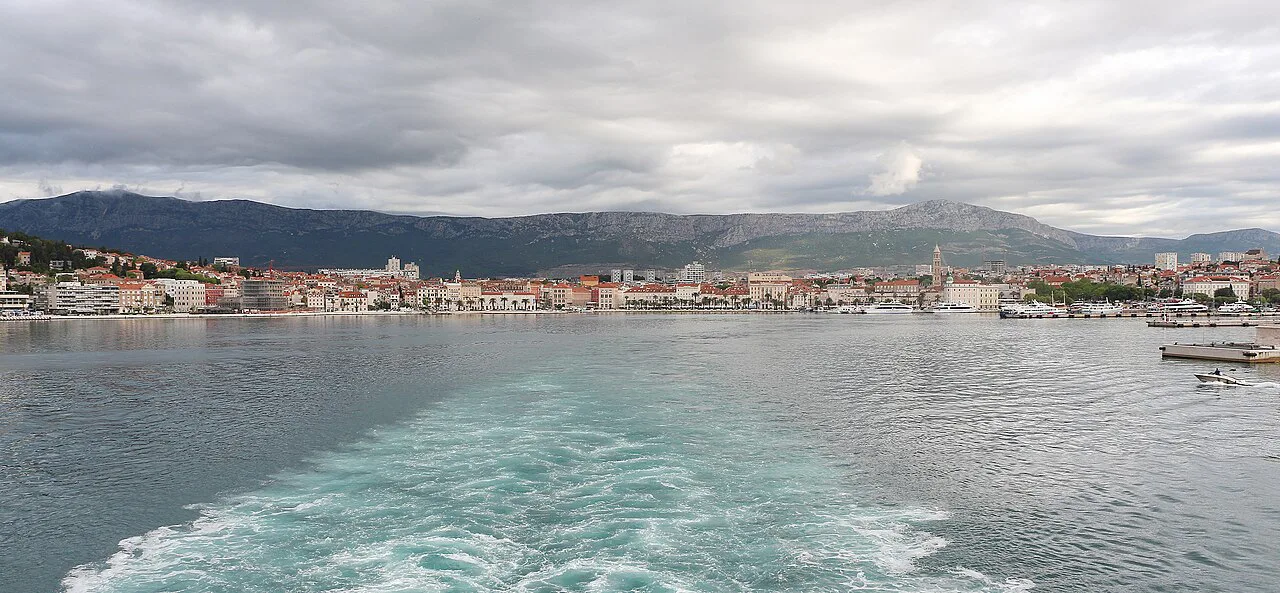
Villa Spiza in the old town: small, traditional Dalmatian cooking
Villa Spiza is an intimate old-town kitchen serving traditional Dalmatian cooking, and it is the obvious first stop for anyone who wants a genuine Split plate without leaving the centre. Expect simple, local dishes rather than a long international list, and a small room rather than a large dining hall.
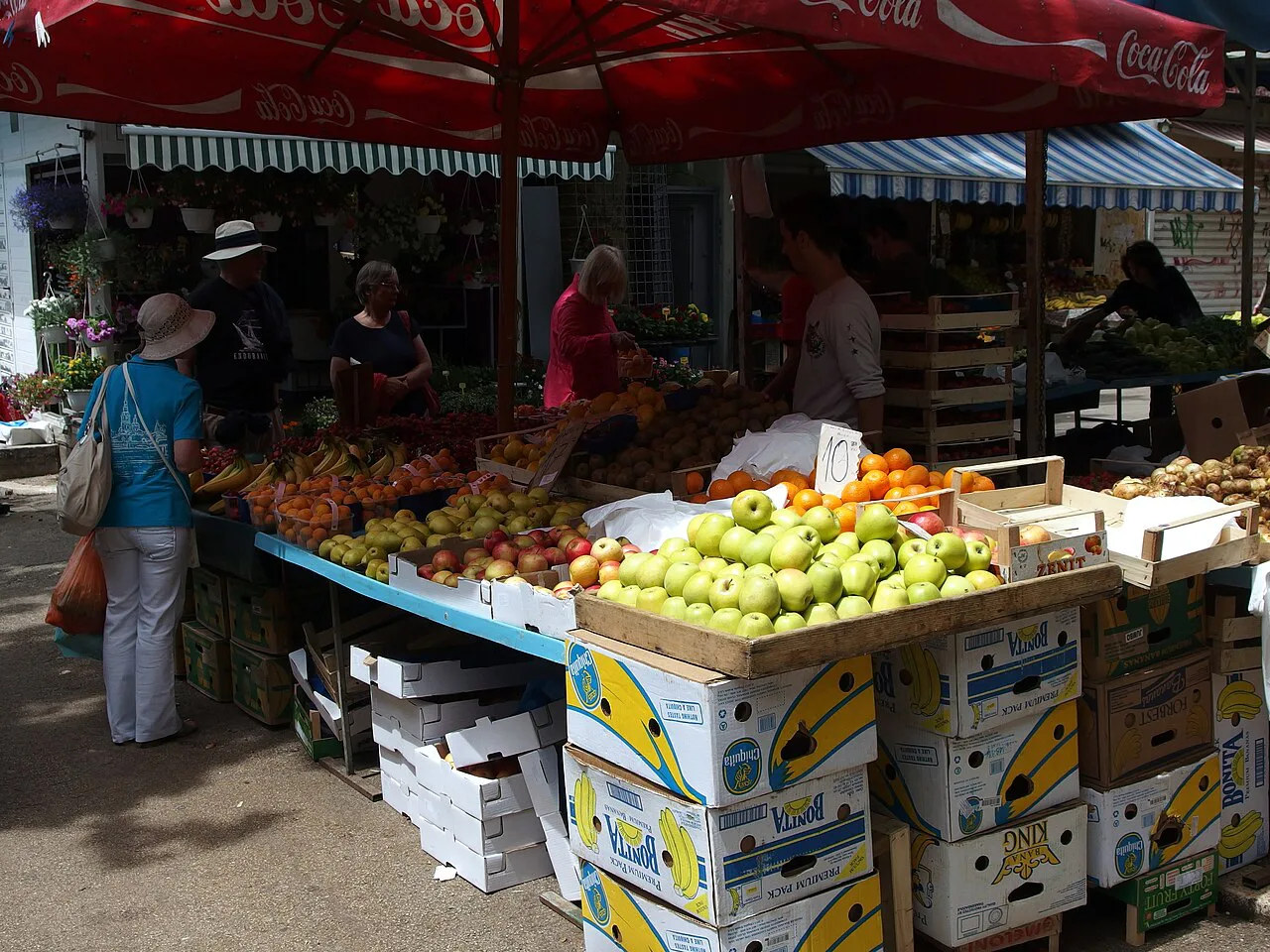
Konoba cooking in Split: Dalmatian classics at tavern prices
A konoba is a tavern-style restaurant where the cooking stays close to the Dalmatian repertoire rather than chasing trends. Order the cooked classics rather than the larger grilled items: black risotto, pašticada (beef braised in a sweet-sour sauce) and peka (meat or fish slow-cooked under a domed lid) all belong to the local tradition. Grilled fish is priced by the kilo and is not a budget choice once the weight is counted; for more tavern-style options see this guide to konobas in Split.
Kantun Paulina: the quick burek and ćevapi stop
Kantun Paulina is a quick stop rather than a full sit-down restaurant, which makes it one of the fastest ways to eat cheaply near the old town. Burek is a flaky pastry roll with a savoury filling, and ćevapi are grilled minced-meat rolls usually served with flatbread and onion. If you order to take away, you have a full meal for the price of a coffee on a palace terrace.
Sandwich Bar Focaccina: cheap filled sandwiches for a fast lunch
Sandwich Bar Focaccina does one thing simply: filled sandwiches built for a fast lunch, ideal when you want to eat and be back out in the city within half an hour. Choose a filling, take it away and eat it on a bench rather than paying for a table with a view. It is a quick stop for a movable lunch, not a destination in itself.
Bokamorra: low-cost pizza for a sit-down or takeaway
Bokamorra is a low-cost pizza option that keeps a sit-down meal cheap without turning it into a snack, and you can eat in or carry it away. For more places to compare, see this guide to the Best Pizza in Split, and weigh the wider list of pizza in the city before you commit to a table.
Fig Split in Diocletian's Palace: breakfast and lighter dishes at mid-range prices
Fig Split sits in a courtyard inside Diocletian's Palace and serves an all-day menu that leans on breakfast plates, salads, flatbreads and vegetarian or vegan options. It suits a morning start rather than a budget dinner: breakfast runs until noon, and lunch and dinner dishes begin from midday, with its current menu listing breakfast plates and mains in the low-to-mid teens of euros. That puts it above the counter options in this guide but still below a full palace-terrace dinner, and the courtyard setting is the reason to choose it.
Bakeries (pekara) and the morning routine: what to buy and when to go
A pekara is a bakery, and in Split it is a proper budget meal rather than a snack stop: a savoury pastry and a coffee costs a fraction of a café breakfast. Go early, when the shelves are fullest and the burek is still warm, and buy for later as well so you have something for a ferry or a long walk. Use the bakery for breakfast and a marenda for lunch, and you have two solid meals for the price of one restaurant main.
Marenda and gablec: the cooked lunch deal and what it includes
A real marenda is announced on a chalkboard outside, with three or four daily dishes written up rather than a long printed menu. The test is simple: it should be warm, cooked from fresh local produce, and eaten with a spoon or fork, so a sandwich or a burger labelled marenda is not the real thing. Walk one street back from the seafront and look for the board; that is where the 5 to 10 euro lunch lives.
How to keep the bill down: lunch over dinner, house wine with a dish, fish by weight
Order your cooked meal at lunch and keep dinner light: the marenda board is the best-value cooked meal of the day, and evening menus are built around the carte rather than the daily board. If you want wine with a dish, a glass of the house white or red is the sensible order rather than a bottle from a long list. Grilled fish sold by the kilo looks affordable on the menu but the final bill depends on the weight, so ask the price per kilo and the weight before it goes on the grill, or choose a plated dish instead.
For a bigger grilled meal, compare this guide to grill Restaurants in Split, where the focus is meat and fire rather than the budget lunch board; a single grilled dish with a side can still be a reasonable dinner if you skip starters and dessert.
Where to eat cheaply near the old town and the ferry port
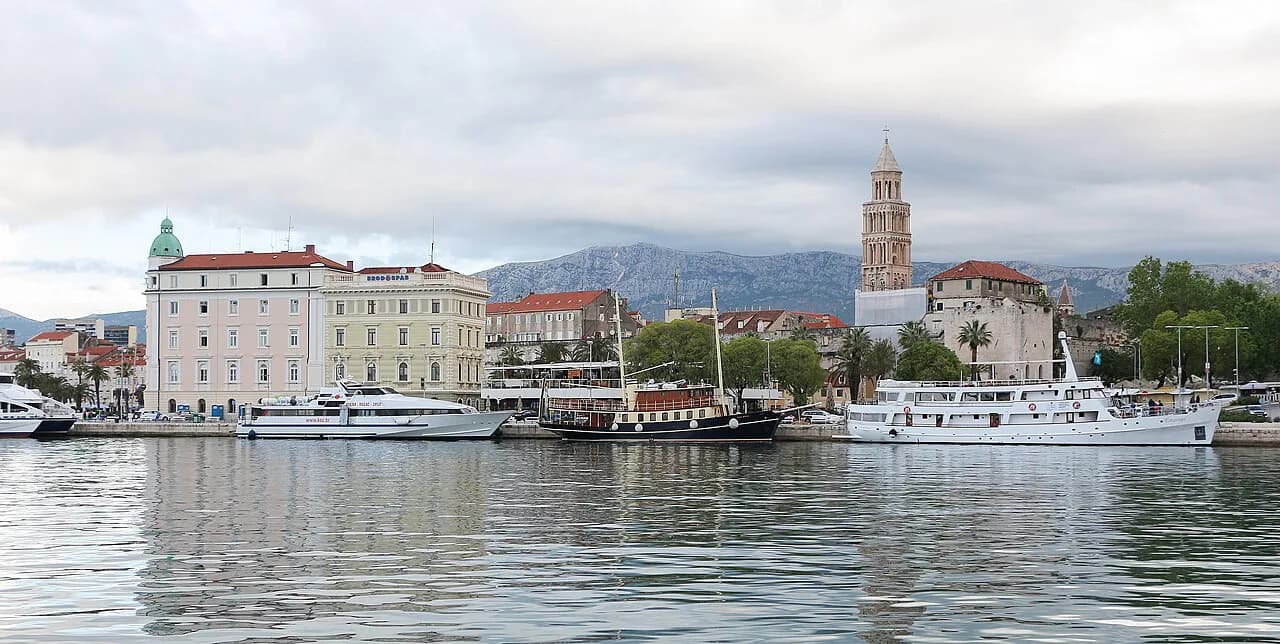
The area around the ferry port and the bus station is built for travellers passing through, so it suits a quick sandwich or bakery stop before a crossing. Inside the old town, stick to counter food and small kitchens in the side lanes rather than the terraces on the main squares. If you are heading onward to another Dalmatian port, compare these picks with the cheap eats Dubrovnik list or, for an island crossing, the cheap eats Hvar options.
Which cheap eat in Split should you choose?
Pick by time of day: a pekara breakfast, Kantun Paulina or Focaccina at midday if you are moving fast, a marenda board in the backstreets if you want a proper cooked lunch, and a slice at Bokamorra or a courtyard breakfast at Fig Split when you want to sit down. Villa Spiza and Konoba Fetivi are the choices when you want traditional Dalmatian cooking and will trade a little more money for it.
Wherever you land, lunch rather than dinner, counter rather than terrace, and a plated dish rather than a whole fish will keep the total down. Confirm any current menu prices on the spot before you order.
Explore more Split guides
Frequently Asked Questions
How much does a meal cost in Croatia?
It depends heavily on the setting. A neighbourhood marenda lunch generally costs around five to ten euros, while a palace terrace dinner can cost several times that. Counter food such as a burek or a filled sandwich is cheaper still. Check the menu board before you sit down.
Is Split expensive for food and drink?
Split is cheaper than Dubrovnik but not cheap in the old town, where terraces inside Diocletian's Palace carry a premium. Eating your cooked meal at lunch, buying breakfast from a bakery and using counter food keeps costs low. The same money buys noticeably more a short walk from the centre.
What is a famous dish from Croatia?
In Split the local classics are black risotto, pašticada (beef braised in a sweet-sour sauce) and peka (meat or fish cooked under a domed lid), alongside grilled fish and ćevapi. Order these at a konoba rather than a terrace to get the traditional version without the view surcharge.
Where can I find a cheap sit-down meal near Diocletian's Palace?
Bokamorra's low-cost pizza and Fig Split's courtyard breakfast are the most central sit-down options in this guide. For a proper cooked lunch, look for a chalkboard marenda a street or two back from the palace walls, where prices drop quickly.
Sources
Notes on eating well in Croatia
Optional updates to our food guides.
You might also like
Continue reading
More guides you'll find useful