Restaurants in Split Old Town: Where to Eat Inside the Palace
A practical guide to restaurants in Split old town, from cash-only konobas to courtyard dining inside Diocletian's Palace, with the dishes to order at each.
On this page
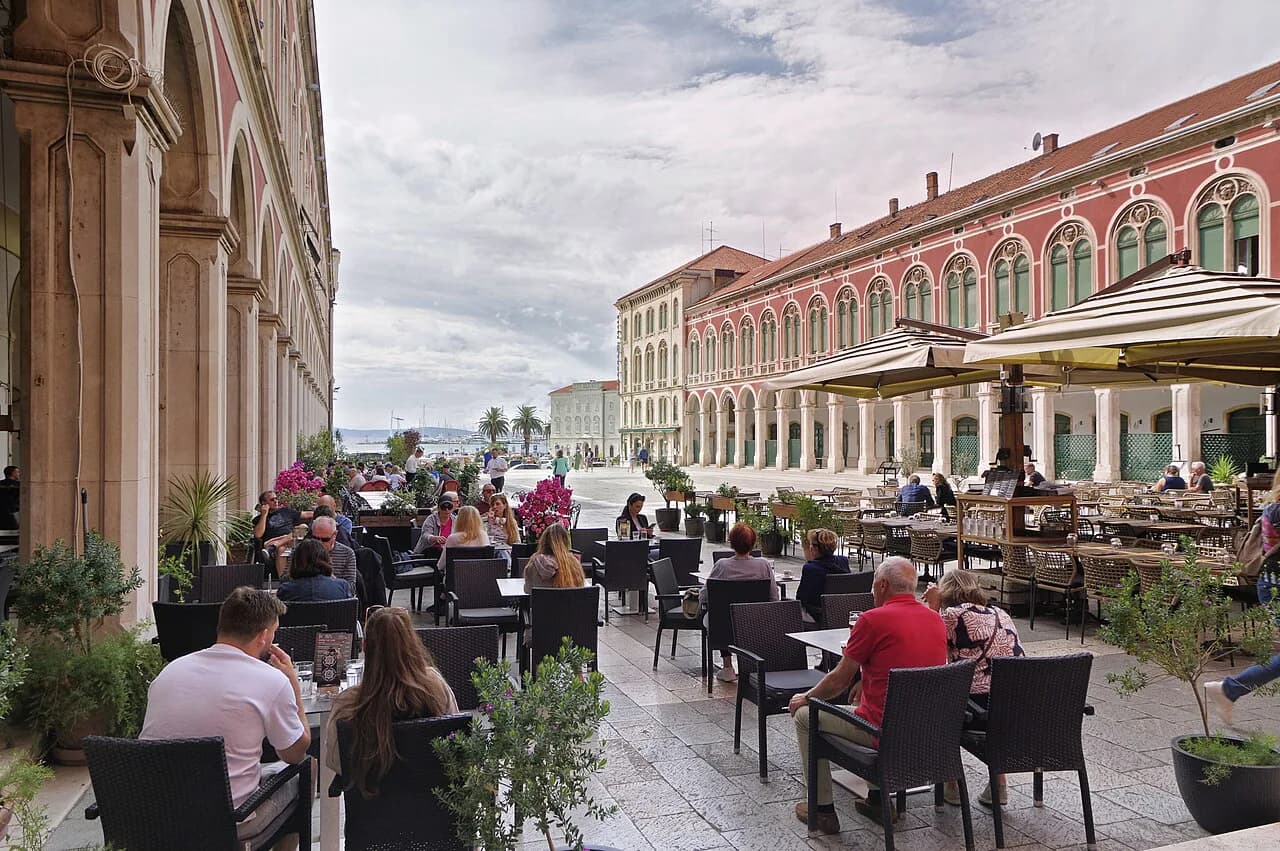
Split old town restaurants fall into two camps: alley konobas where the menu is handwritten and tables are squeezed between stone walls, and courtyard or terrace addresses inside Diocletian's Palace where the setting often matters as much as the food. The best plan is to pick one of each rather than filling every night with palace views; our Best Restaurants in Split guide covers the full city picture if you want more choice.
This guide covers the named old-town and near-old-town places worth knowing, the specific dishes to order at each, and how booking, cash and seasonal closures change the picture. If you are planning an evening meal, Where to Eat Dinner in Split picks out the tables to book.
What eating in Split old town is actually like
The old town is compact and pedestrian, so distance is never the problem; capacity is. A handful of tables in a narrow alley fills fast in summer, and the palace courtyards hold more covers but attract the strolling crowd. Decide before you go whether you want a quiet alley table or the theatre of the palace.
Split is very seasonal: plenty of places stay open all year, but many open only for the main season, roughly May to October. Owners often take a holiday after the season and return for Christmas, so a visit outside those months means fewer fixed bookings and more walking up to see what is open. Check restaurant websites and Facebook pages for current hours if you are coming between November and spring.

Konoba cooking inside the old town
Villa Spiza is the alley konoba to know: a family-run place in the Old Town that takes cash only, has a handwritten menu and serves seasonal dishes based on what is growing and what has been caught. The room is split across two sides of an alleyway, which makes it unlike anywhere else in the city.
It takes no reservations, so the practical move is to arrive early or pick a weekday. Expect Croatian staples done simply: shrimp, spaghetti, beef steak, fried smelts and a cheese-and-pršut (cured ham) platter, with house wines from local producers.
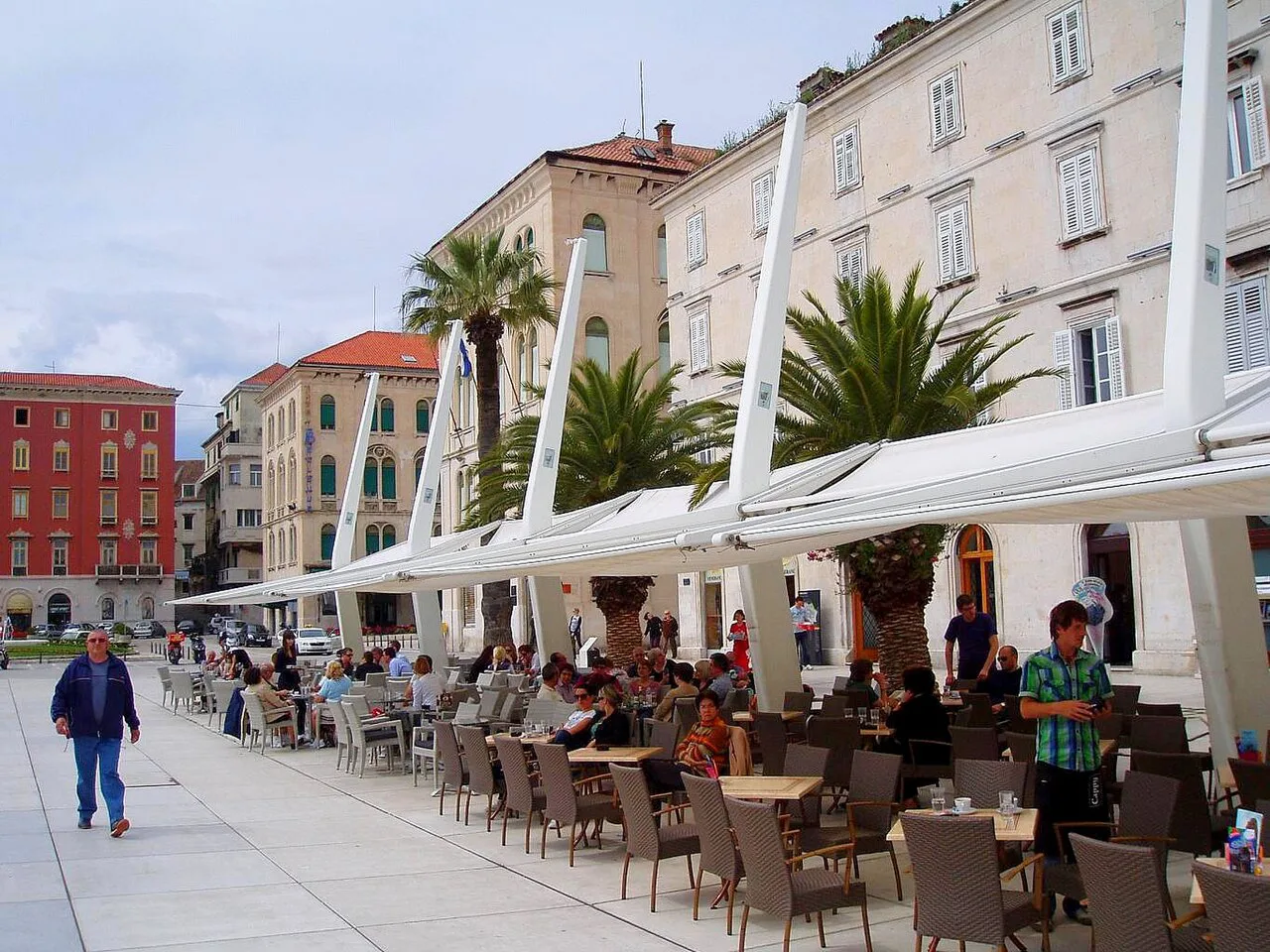
Fig Split inside Diocletian's Palace
Fig Split sits inside Diocletian's Palace with a sunlit courtyard, which makes it one of the few old-town addresses where the setting and the menu both lean contemporary. Breakfast runs until noon, and the breakfast menu is entirely vegetarian or vegan — useful if you want a meat-free sit-down breakfast without hunting through the alleys.
The kitchen mixes local ingredients with flatbreads, salads and grills rather than straight Croatian tavern food, and the menu carries plenty of marked vegetarian, vegan and gluten-free options. The priced menu listed a granola bowl at 11.50 euros and a vegetarian breakfast burrito at 14 euros.
Traditional tavern eating near the old town
The Fife Konoba by the marina is the popular, easy-to-find konoba choice, useful when you want traditional cooking without leaving the centre. Konoba Kod Joze sits just outside Split Old Town and feels more like a locals' canteen, with dark wood, a smoky room and portions built for appetite.
At Kod Joze, order the beef with gnocchi: the beef is slow-roasted for two days and the dish is the reason to go. A complimentary shot of rakija, the Croatian fruit brandy, usually follows the meal.
Pizza in and around the old town
Skipper serves pizza in Split, and Bokemora is the pricier alternative whose sweet dessert pizzas, topped with white chocolate, raspberry and pistachio, are the reason some people go.
Split's pizza culture rewards deciding between a slice on the move and a sit-down meal, not treating them as the same thing. If you have a boat or a train to catch, buy by the slice; if you want a long lunch in the shade, book a table instead.
Seafood and Mediterranean plates on old-town terraces
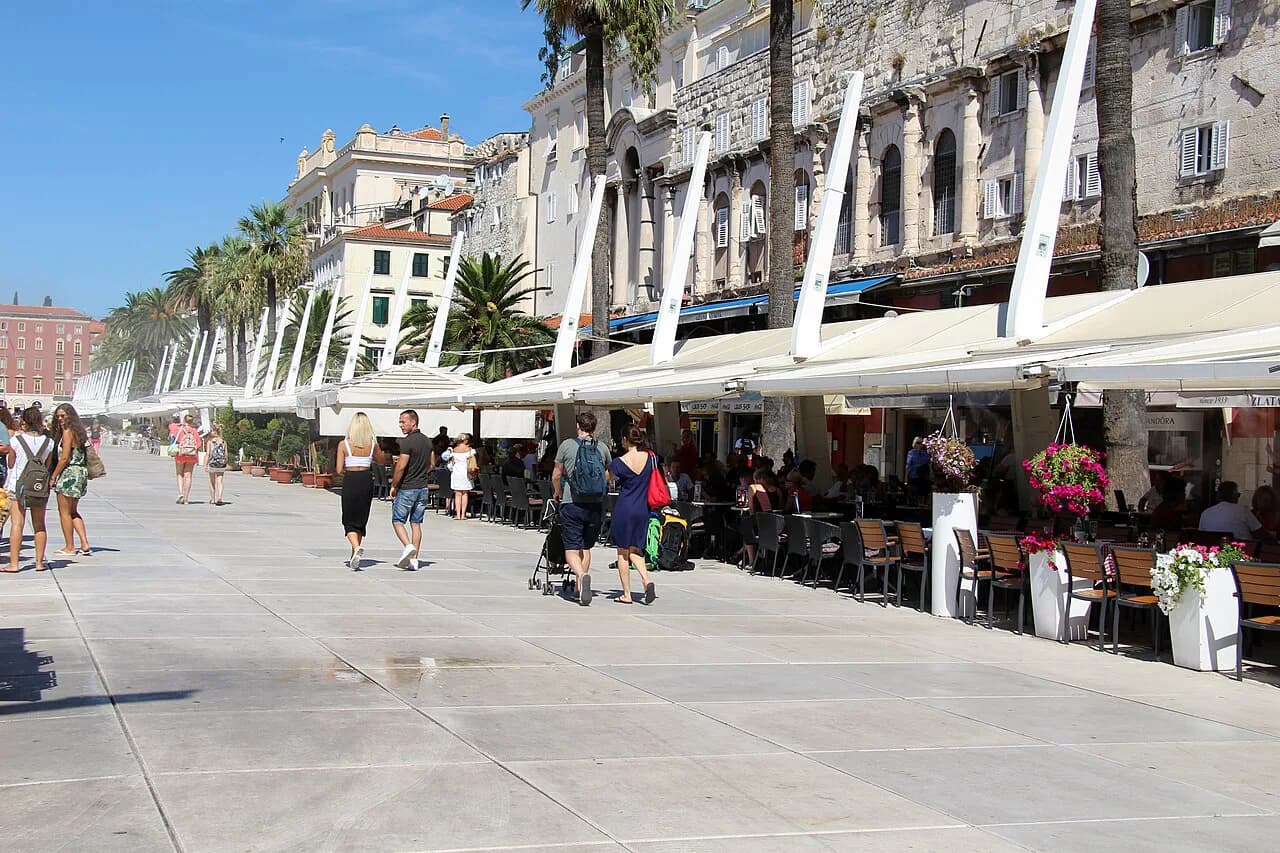
Portofino, Ćiri Biri Bela and Laganini are the old-town seafood and Mediterranean names most often reached for, with Ćiri Biri Bela listed under both Mediterranean and Croatian cooking. In summer these are the kind of addresses to book ahead.
The trade-off is real: terraces inside the walls charge for position, so you pay more for grilled fish and seafood plates than a few streets back. If the view matters more than the bill, book the terrace; if the fish matters more, eat lunch in the old town and take dinner elsewhere.
Booking, cash and card
Old-town booking rules differ by venue, and they change how you plan an evening. Villa Spiza takes no reservations and is cash only, so it suits a flexible night rather than a fixed celebration. Terrace places with more tables are easier to walk into, though prime slots go early in high season.
Carry cash even if you mostly pay by card, because smaller konobas and bakeries still prefer it. Confirm payment method when you book rather than at the bill, and keep a note of which booked tables you can drop if plans change.
How fish is priced by the kilo
Seafood on old-town terraces is often sold by weight, with a price per kilo, and the fish you are shown is weighed before it is cooked. A whole fish for two is not a single portion price — it can easily match the cost of two mains.
Ask what a portion weighs before you commit, and ask whether the price includes cleaning and bones. If a whole fish feels too much, order squid, prawns or a seafood risotto where the price is per plate rather than by weight. The price on the day is the one to trust.
For the broader city picture — places outside the walls, by the marina or near Bačvice — our Best Restaurants in Split guide sets old-town terraces against neighbourhood konobas so you can judge what the location surcharge buys.
Breakfast, brunch and coffee inside the palace walls
Palace breakfast is the underrated old-town meal. Konoba Fig serves breakfast until noon, which gives late risers a proper sit-down option in the courtyard rather than a pastry on the move. Vegetarians and vegans are well covered there by default, not as an afterthought.
For a quicker start, a bakery (pekara) and a coffee counter will get you fed and out into the alleys sooner. The trade-off is seating and shade: a courtyard brunch is slower and pricier than a burek eaten standing up.
Seasonal closures from late autumn to spring
Many Split restaurants close outside the season, and some owners take a break during November before returning for Christmas. That means a January or February visit to the old town needs fewer fixed bookings and more willingness to look at what is actually open that evening.
Summer is the opposite problem: the same places are full and walk-ins struggle. Book the handful of tables that take reservations and keep the cash-only konobas for a weekday lunch or an early dinner.
Gelato and dessert after dinner
The old town is thick with gelato counters, and the walk back through the palace is the obvious place to end an evening. Gelato is the low-effort choice, but a sit-down dessert such as rožata, a caramel baked custard, or a slice of kremšnita, a vanilla custard slice, is worth seeking out at a pastry shop (slastičarnica).
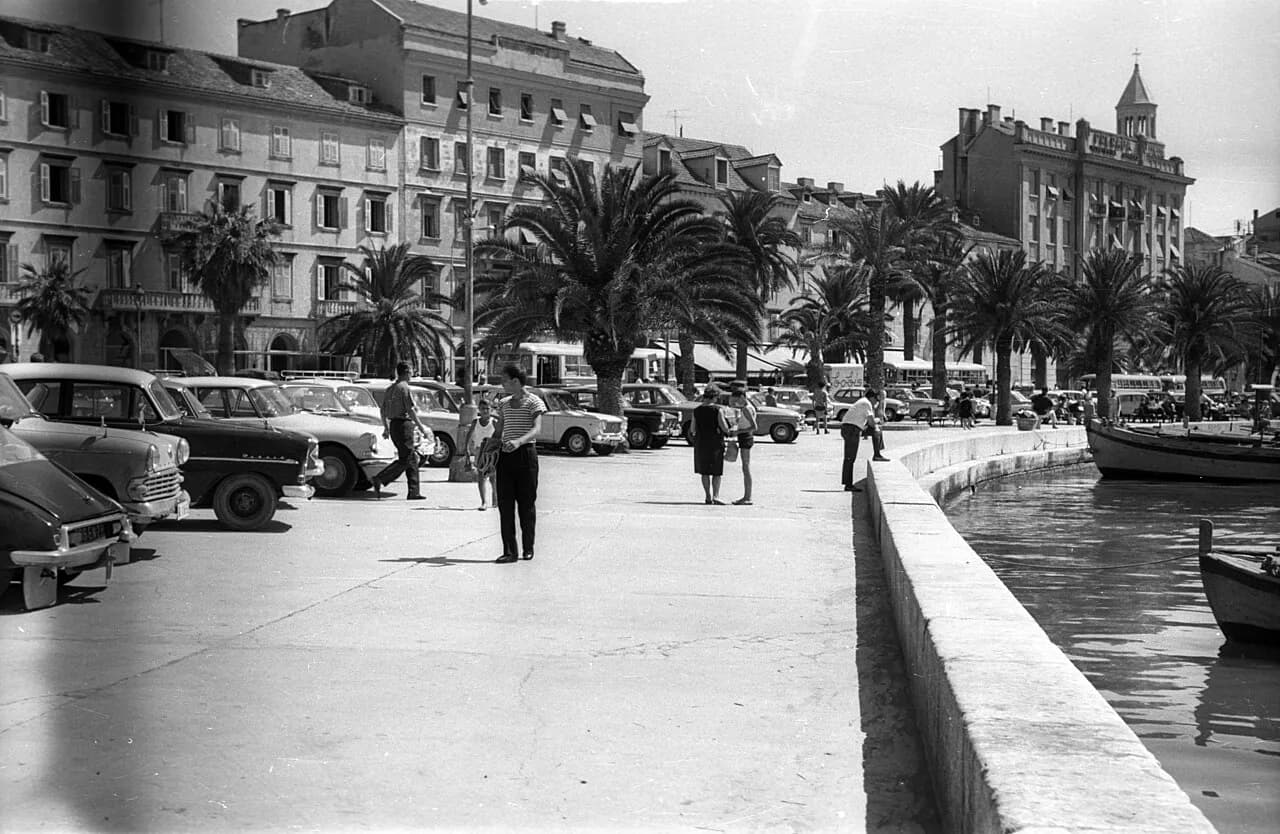
Pair dessert with a short walk rather than a second stop: the Riva and the palace corridors are the natural route after dinner, and both stay busy enough to feel safe late. A single scoop after a long dinner is usually enough.
Which Old Town Table Suits Your Night
Pick one alley konoba and one palace address, not five. Villa Spiza for the cash-only, no-reservations experience; Fig Split for breakfast or a vegetarian-friendly courtyard lunch; Kod Joze for the beef and gnocchi and a local-room atmosphere. For the wider choice across the city, see Where to Eat Dinner in Split.
For seafood terraces, ask about weight before you order, and expect to pay a premium for the old-town setting. Book what you can, and keep cash for the konobas that do not take cards.
Explore more Split guides
Frequently Asked Questions
Is Split Old Town worth visiting for the food alone?
Yes, because the old town packs a cash-only alley konoba like Villa Spiza, courtyard dining inside Diocletian's Palace and grill houses just outside the walls into a walkable area. You can eat well for a whole weekend without leaving the centre.
Are there hidden-gem restaurants in Split old town?
Konoba Kod Joze just outside the Old Town is the closest to a local secret, with a dark-wood interior and slow-roasted beef and gnocchi that draws a regular crowd. Villa Spiza is well known but still feels personal thanks to its handwritten, changing menu.
Should I book restaurants in Split old town in advance?
Book the bigger terrace and courtyard places, especially for dinner in July and August. Villa Spiza takes no reservations and is cash only, so turn up early on a weekday instead of planning around a booking.
What is a konoba?
A konoba is a traditional Croatian tavern — usually independent, family-run and serving simple local cooking. In Split old town, that means handwritten menus, seasonal dishes and house wine rather than a long printed list.
Sources
Notes on eating well in Croatia
Optional updates to our food guides.
You might also like

Continue reading
More guides you'll find useful