Split Food: The Dishes to Order and Where to Eat Them
Split food means peka, pašticada, crni rižot and soparnik. What each dish is, where to order it and how konobas, fish by the kilo and the Pazar work.
On this page
Order peka, pašticada and crni rižot first: these three dishes define Split food, and peka is the one that decides how you plan your evening. Peka is a slow-baked meat or octopus dish that a konoba needs hours of notice to cook, so the meal you want tomorrow is booked today. This guide explains each Dalmatian classic, names the places that serve them and sets out how the fish market, the Pazar and the konoba format shape a good meal in the city.
Split sits between the sea and the karst hinterland, and its cooking pulls from both: white fish, shellfish and olive oil on one side, lamb, beef and vegetables cooked slowly on the other. Most of what you will want to eat falls into a handful of dishes, and learning those names matters more than memorising restaurant lists.
What Split food is: Dalmatian cooking built on fish, oil and slow braises
Dalmatian cooking is simple in structure and long in method. Fish is grilled or stewed with little more than olive oil, garlic and parsley, while tougher cuts of meat are marinated and braised for hours until they fall apart. Vegetables, potatoes and greens appear alongside almost everything, and bread does the work that pasta might elsewhere.
The Adriatic supplies the seafood, and proximity is the reason a plate of grilled fish in Split tastes different from one inland. Local cooking leans on what comes off the boats and out of the ground each morning rather than on stocks and reductions, which is why a konoba menu can change with the catch and the season.
The dishes to order first: peka, pašticada, crni rižot and gregada
Four dishes cover the core of a Split eating plan: peka, pašticada, crni rižot and gregada. Peka and pašticada are the big, slow, occasion dishes; crni rižot and gregada are the seafood plates you can order on a normal evening. If you have two dinners in the city, Split them that way rather than ordering four heavy mains.
Soparnik sits outside that list as a snack rather than a sit-down meal, which makes it the easiest thing to try on your first morning at the Pazar. It also costs a fraction of a fish dinner, so it works as a low-risk introduction to Dalmatian cooking before you commit to a long lunch.
Peka: why it is ordered in advance and how it is shared
Peka is named after the bell-shaped metal lid it is cooked under. Meat, typically veal or lamb, or octopus, goes into a tray with potatoes and vegetables, the lid goes on and hot embers are heaped over and around it. Everything steams and roasts in its own juices for hours, which is why the result is so soft and why the technique cannot be rushed.
That cooking time is the practical catch: a konoba needs several hours of notice, and often a day before, before it can put peka on your table. It is also built to be shared, usually by two to four people, so it suits a group dinner rather than a solo one. Decide early in your trip whether peka is on the plan, then tell the restaurant when you book; if you leave it to the evening itself, you will almost certainly be ordering something else.
Pašticada: beef marinated in wine and vinegar, braised and served with gnocchi
Pašticada is the dish Split families cook for celebrations. A good cut of beef is marinated for up to a day in wine, vinegar and herbs, then braised slowly with root vegetables, dried plums and pršut, the Dalmatian cured ham. The marinade and the long cook produce a dark, sweet-sour sauce, and it is served with gnocchi rather than potatoes or pasta. Order it when you want one substantial, sauce-heavy plate rather than a sequence of small courses.
Because it is braised in advance, pašticada is reliable in a way that a whole grilled fish is not: the kitchen is not waiting on the day's delivery to make it. That makes it a sensible choice on a Sunday or a quiet winter evening.
Crni rižot: squid-ink risotto and where its colour and salt come from
Crni rižot, literally black risotto, gets its colour from cuttlefish or squid ink stirred through the rice. The ink also carries a deep sea saltiness, so the dish tastes of the Adriatic rather than of stock. Rice, cuttlefish, garlic, white wine and parsley are the usual components, cooked so the rice keeps some bite.
It appears on nearly every fish restaurant menu in the city, which makes it the safest way to start a seafood meal if you are unsure about whole fish. Pair a single portion with a shared starter rather than ordering it as one of several rice dishes, since it is rich.
Gregada: a white fish and potato stew without tomato
Gregada is a rustic one-pot fish stew of white fish, potatoes, onion, garlic and olive oil, cooked slowly so the flavours settle together. Unlike many Mediterranean fish stews it contains no tomato, so it tastes clean and briny rather than sweet and rich. Its roots are on Hvar, but it is common across central Dalmatia and easy to find in Split.
Order gregada when you want fish without the ceremony of a whole fish weighed at the table. It is a good choice for a cool evening or a shoulder-season lunch, and because the fish is broken up into the stew rather than served whole, it is a straightforward alternative to a large grilled fish.
Soparnik: the spinach and onion pie from the Poljica area
Soparnik is a thin, savoury pie filled with spinach, onion and parsley, baked over an open fire and finished with olive oil and garlic. It comes from the Poljica area inland of Split and carries protected status for its regional origin. The result is flat, slightly charred and far lighter than a pastry pie.
Buy it by the slice at the Pazar, the green market, and eat it standing up as a mid-morning snack. It is one of the few genuinely local things you can try for pocket change, and it gives you a taste of the hinterland cooking that sits behind the seafood.
Konoba or restaurant: how a Dalmatian tavern differs from a city restaurant
A konoba is Croatia's answer to a taverna: an independently run, usually family-owned place with stone walls, wooden furniture and a menu built around simple, filling cooking. The format is about the room as much as the food, and a good one feels like somebody's dining room rather than a designed concept.
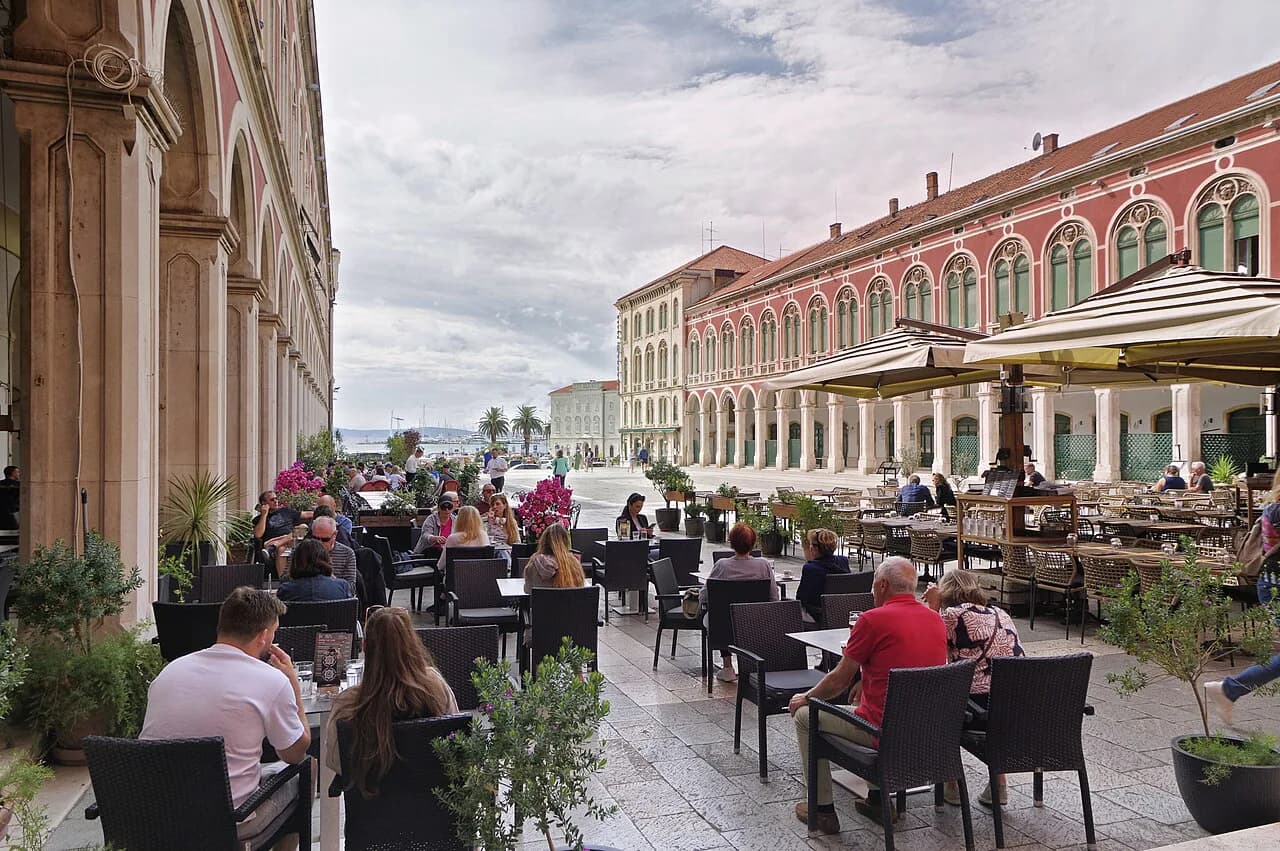
A city restaurant in Split may serve the same dishes but with more polish, a wider drinks list and higher prices. Choose the konoba when you want peka, pašticada or grilled fish in a plain setting, and the restaurant when you want a long lunch with a view or a more modern kitchen. Both are legitimate; they just answer different questions about your evening.
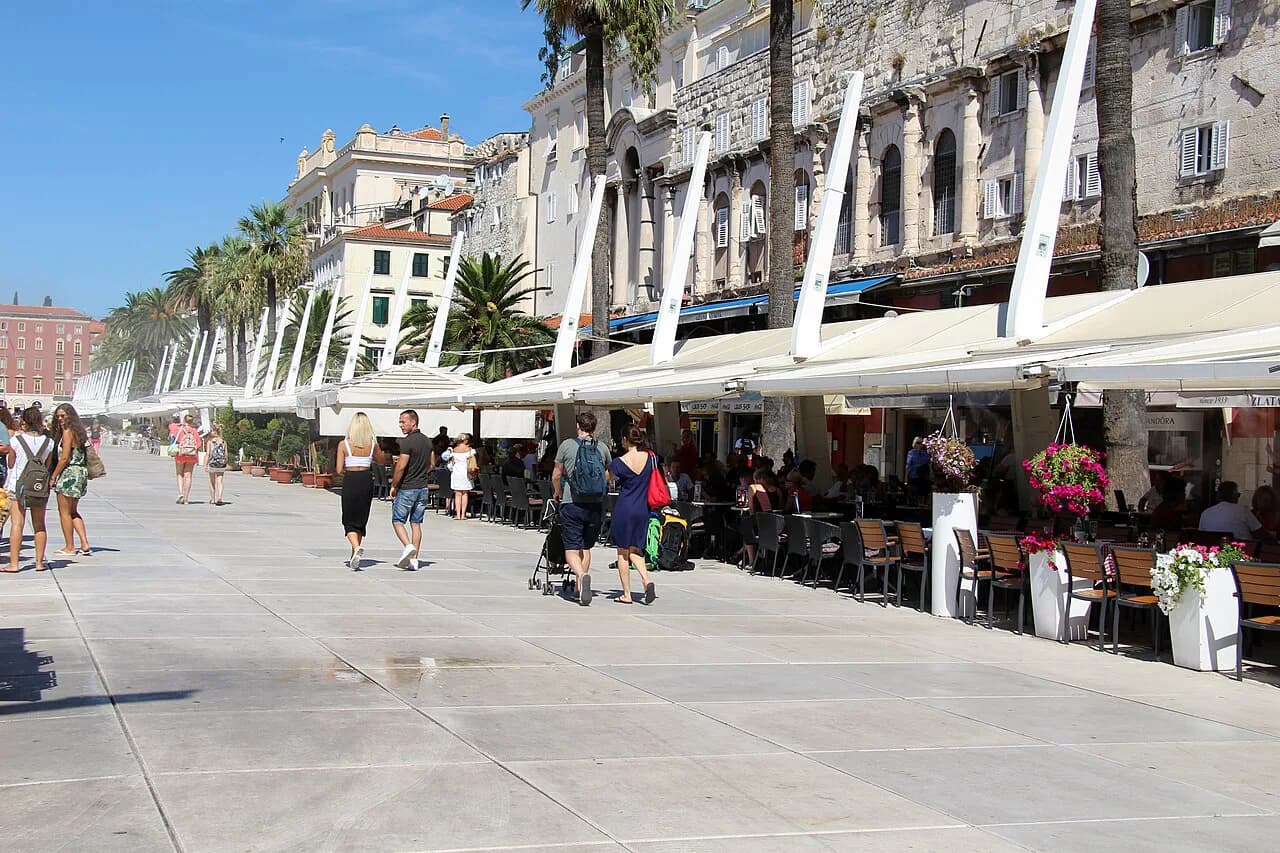
Where to eat in Split: konobas around the old town and Varoš
The lanes of Varoš, the neighbourhood just west of Diocletian's Palace, hold a cluster of konobas within a few minutes' walk of each other. Konoba Varoš, roughly 600 metres from the palace, is a rustic room known for grilled fish and peka. Konoba Fetivi, about ten minutes from the Riva waterfront, holds a Michelin Bib Gourmand and is a family-run place known for fresh seafood and traditional recipes, so book ahead.
Inside the old town, Villa Spiza is a small family-run place with a handwritten menu that follows the season and the catch. It takes cash only and does not accept reservations, so plan it for a weekday or arrive early rather than making it the anchor of a tight evening.
Just outside the old town, Konoba Kod Joze has a dark wood interior and a local following; its slow-baked beef with gnocchi rewards ordering the braise over the grill. Fife Konoba, near the marina, is another long-standing konoba option when you want to stay close to the water.
Seafood in Split: what the ribarnica tells you about the day's fish
The Peškarija, Split's fish market, is the reference point for what is landing and what it costs. Zlatna Ribica, a simple spot beside the market, turns out fried fish and seafood snacks; Nostromo, close to the market entrance, is the more polished, expensive option known for high-quality seafood. To see the market with a guide before you cook, book a Split Food Tours walk.
If you want to understand the market rather than just eat near it, a Split Cooking Class can take you through it before you cook. The format pairs a market walk with hands-on cooking, so you leave knowing what you have been eating.
Soparnik and snacks from the Pazar
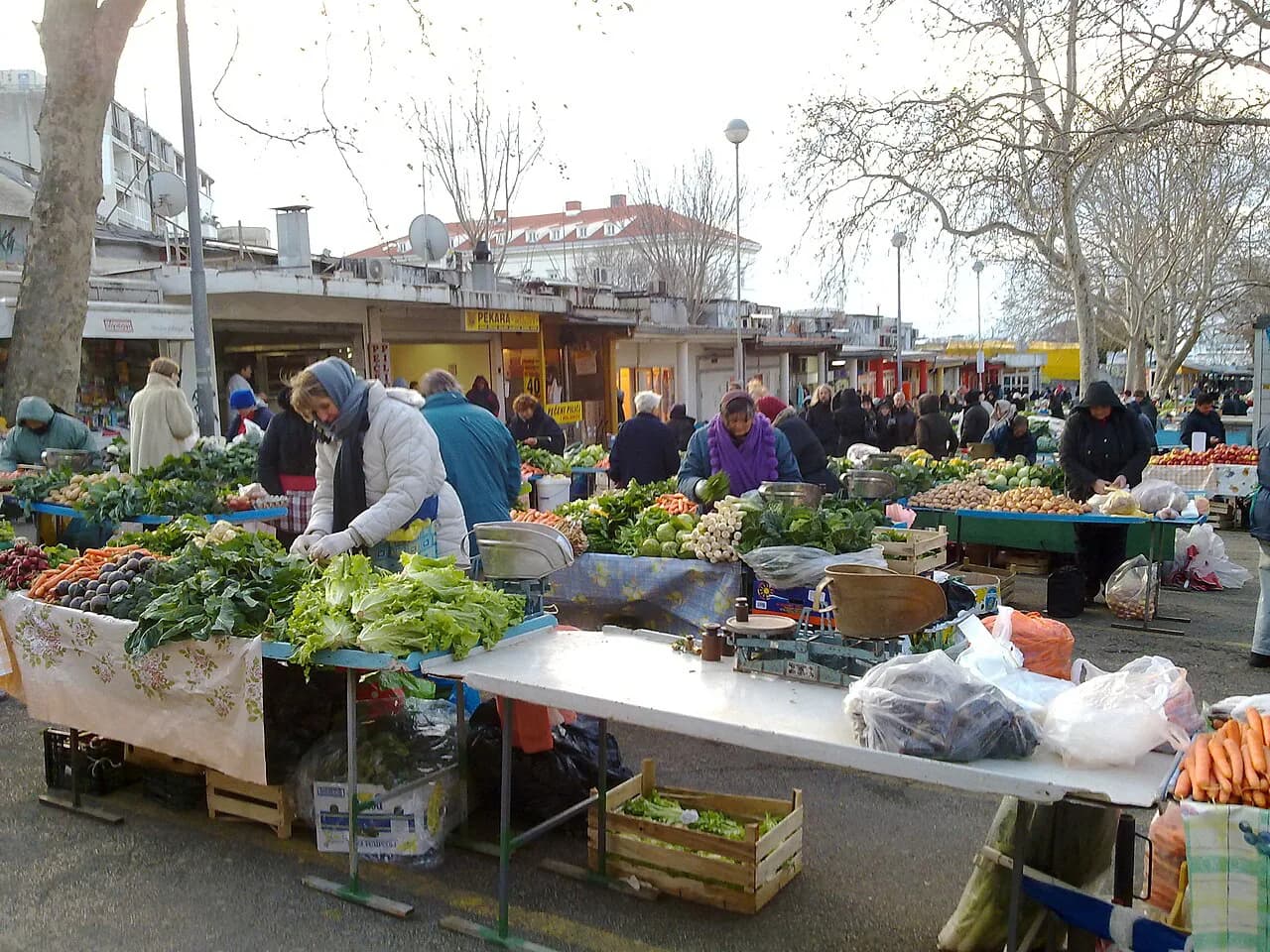
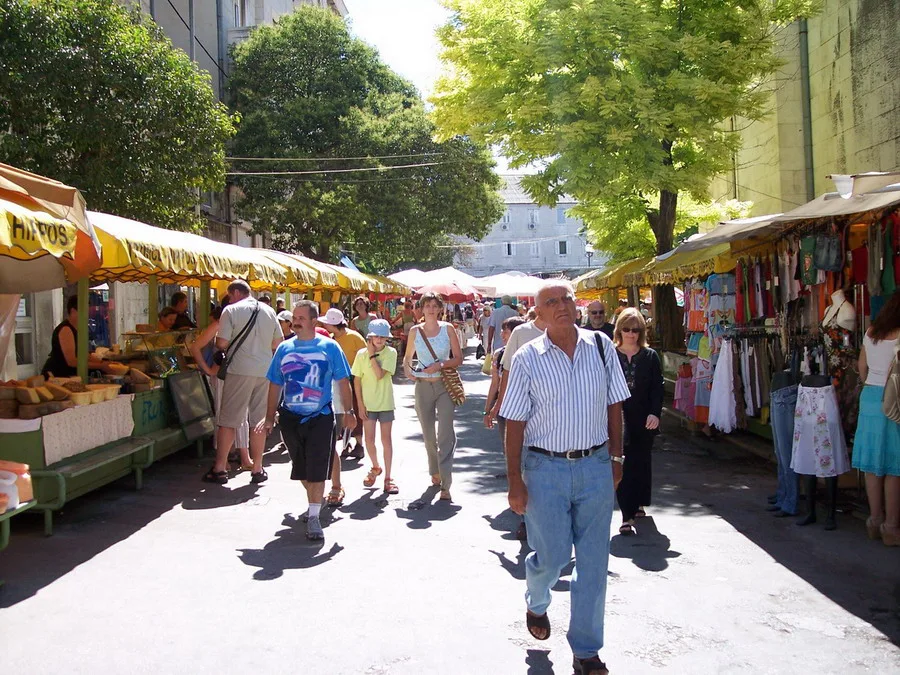
The Pazar, Split's green market, is where you go for a cheap, local bite between meals. Soparnik by the slice is the obvious buy, alongside seasonal fruit and vegetables from the surrounding countryside. Go in the morning, when the stalls are fullest and the baking is freshest.
Treat the market as a snack stop rather than a full meal and you will get more out of a day's eating. It also lets you try local produce, including pršut and Paški sir, the hard sheep's cheese from the island of Pag, without committing to a restaurant lunch.
How fish is priced by the kilo and what that means for the bill
Whole fish in Split is usually sold by weight, so the price on the menu is a rate per kilo rather than the cost of your plate. A large fish shared between two can therefore cost considerably more than a single portion of crni rižot or gregada, and the final bill depends on the size of the fish you are shown.
Ask to see the fish and confirm the weight before it goes to the grill. If the figure sounds high, choose a smaller fish or switch to a stew, where the fish is portioned in the kitchen. That single question is the difference between a pleasant seafood dinner and a bill that surprises you.
Cash or card, and booking a table in high season
Carry some cash alongside a card in Split. Some small, popular places operate cash only, and Villa Spiza is one of them, so an otherwise straightforward dinner can stall at the bill. ATMs are easy to find in the centre, but withdrawing before you sit down saves a scramble.
In July and August, book the konobas you care about rather than assuming you can walk in. Some places do not take reservations at all, which means arriving early or choosing a weekday; others expect you to book. Decide which sort of table you are chasing before you set out.
Seasonal rhythm: summer openings and the quieter winter months
Split is a seasonal city for eating. Many restaurants open for the summer season and close outside it, and some owners take a break in November before returning for Christmas. That means a list of favourite places needs checking against the month you are visiting, especially in late autumn and winter.
Winter is a good time for pašticada and other braises, which suit the colder months and do not depend on a fresh catch. Summer is when the fish and the waterfront tables are at their best. Planning your dishes around the season gets you better cooking than chasing the same menu all year.
Split food beyond Dalmatian classics: pizza, fine dining and vegetarian options
Split also eats beyond its own tradition. Pizzerias are plentiful, Italian cooking is widespread thanks to the city's long Adriatic connections, and a handful of kitchens offer modern fine dining with tasting menus. This is not a compromise: it is what a working city with a year-round population eats.
Vegetarians and vegans will find dedicated restaurants and veggie-forward menus, though the Dalmatian classics lean on meat and fish. If you want a break from seafood, Ćevapi in Split are worth knowing about: grilled minced meat in flatbread, a Balkan staple rather than a Dalmatian one, and a cheap, filling lunch.
Should you order peka or fish for your main Split meal?
Order peka if you have a group and can give the kitchen notice, and fish or crni rižot if you are eating on the day. Peka is the dish that most defines a Split dinner, but it is also the least spontaneous, so it belongs on the plan rather than in the moment. If you are continuing down the coast, the same dish shapes an evening of Dubrovnik food, where the notice rule applies just as strictly.
If you only have one evening, choose a konoba in Varoš, order pašticada or grilled fish by the kilo and ask about the weight before it reaches the grill. If you have a morning spare, spend it at the Pazar with a slice of soparnik, then walk down to the ribarnica to see what the fish restaurants are buying. That combination covers the city's cooking better than a single expensive dinner.
Explore more Split guides
Frequently Asked Questions
What is Croatia's most famous food?
Croatia has no single national dish, but peka, pašticada and crni rižot are the Dalmatian classics most associated with the coast and with Split. Inland and northern Croatia have their own staples, so what counts as famous depends on the region. In Split, start with those three.
Do I need to book a table for peka in Split?
Yes. Peka takes hours to cook under its ember-covered lid, so a konoba needs notice, usually several hours and often a day. Confirm the timing when you reserve and be clear about how many people will share it, because peka is portioned for groups.
Is Split expensive for food?
It depends on what you order. A slice of soparnik from the market is a cheap snack, while a whole fish priced by the kilo or a tasting menu pushes the bill up sharply. Check the per-kilo rate and the weight of the fish before it is grilled.
Sources
Notes on eating well in Croatia
Optional updates to our food guides.
You might also like
Continue reading
More guides you'll find useful