Steak in Hvar: Where to Eat It and How It's Priced
Steak in Hvar means Mediterraneo's charcoal-grilled ribeye and fillet in the old town, plus Stajun's steakhouse cuts sold by weight. Here's how to order.
On this page
Steak in Hvar means two restaurants that both grill beef: Mediterraneo Dine & Wine, which charcoal-grills ribeye and fillet mignon on a Dalmatian piazza in Hvar town, and Stajun, a steakhouse that sells its cuts by weight. Much of the rest of the island's cooking is seafood-first, so if you want beef, these are the places to plan around. This guide covers what each one lists, how per-100g pricing compares with a fixed plate price, and which cut suits which appetite.
Steak in Hvar: the short answer
Choose Mediterraneo if you want a fixed price on the plate and an old-town setting: its menu lists a 330g USDA ribeye at 44,00€ and a 270g Simmental fillet mignon at 43,00€, both grilled on charcoal. Choose Stajun if you prefer to specify the weight and the cut yourself, since it prices beef per 100g rather than per plate. The trade-off is simple: Mediterraneo gives you a known total before you order, while Stajun lets you dial the portion up or down.
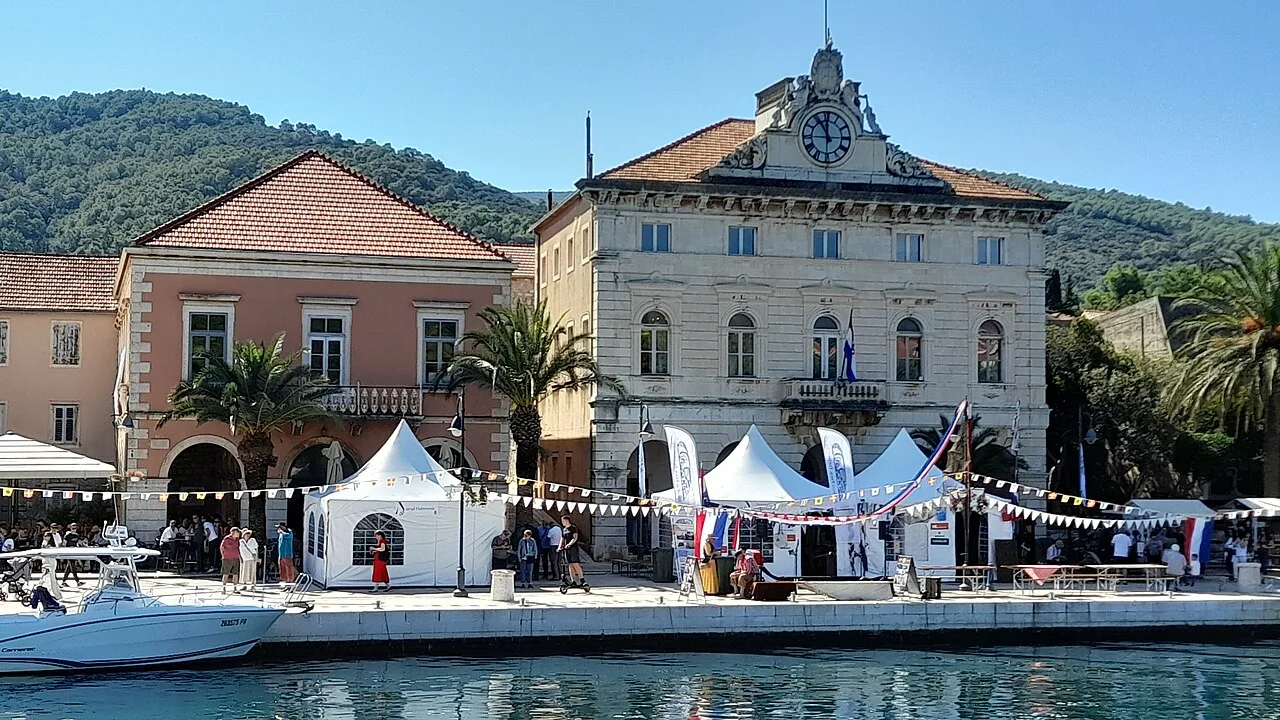
Mediterraneo Dine & Wine: charcoal-grilled ribeye and fillet on a Dalmatian piazza
Mediterraneo sits at Ulica Braće Bibić 13 in Hvar town and presents itself as a Michelin recommendation, not a starred restaurant. The grill section is short and focused: the ribeye is USDA premium organic, grass-fed, wet-aged in house for 60 days and served with red wine sauce and three vegetable purees; the fillet is organic Simmental, grain- and corn-fed, finished with Parmigiano truffle sauce and Jerusalem artichoke puree. Both arrive from a charcoal grill, which is the detail that matters if you want a crust rather than a pan-seared finish.
The restaurant's own menu lists the 330g ribeye at 44,00€ and the 270g fillet mignon at 43,00€, with a 200g Japanese wagyu ribeye at 119,00€ at the top of the range. Those are a la carte plate prices, so the sauce, purees and garnish are included in the figure. If you are comparing against a per-weight steakhouse, do the arithmetic on the grammage: the ribeye works out at roughly 13€ per 100g and the fillet at roughly 16€ per 100g, which is the number to hold in your head when you look at Stajun's board.
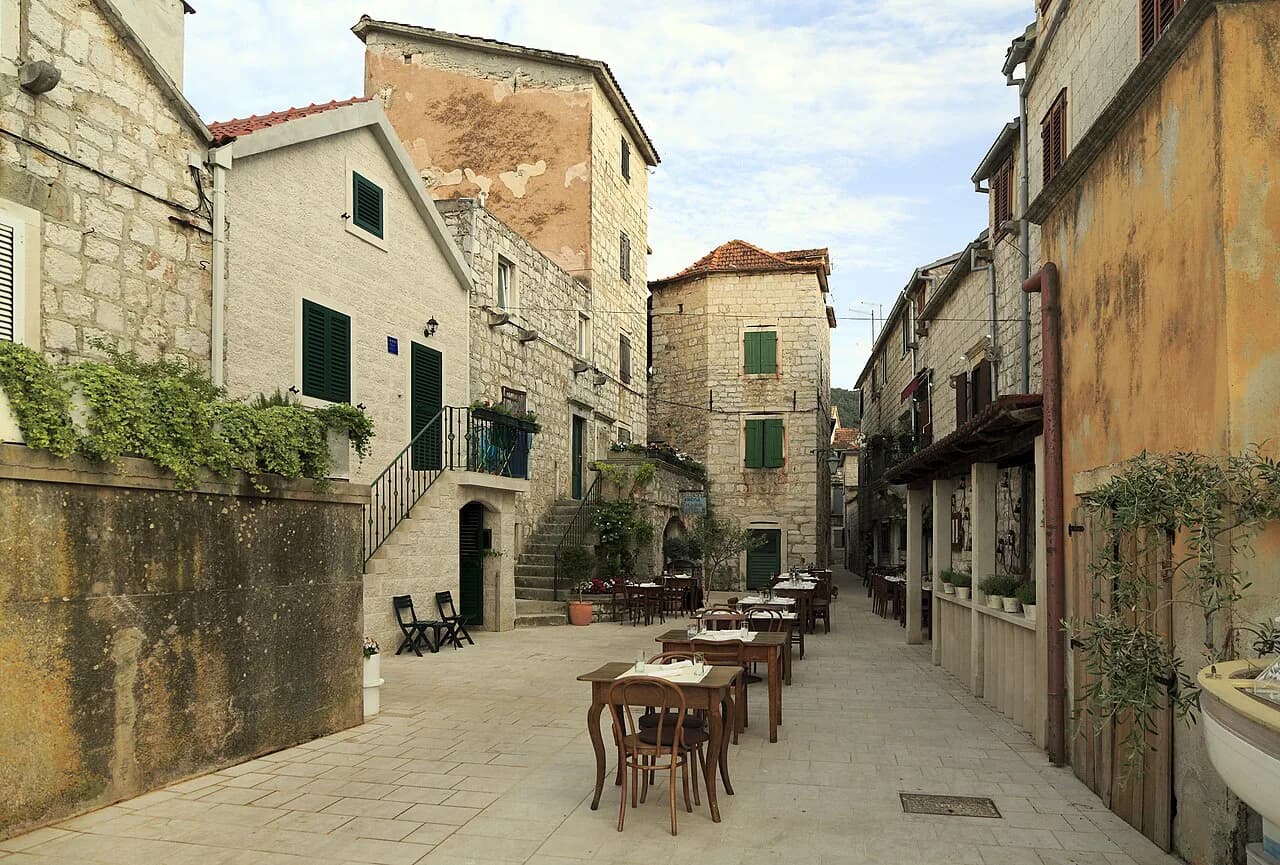
The setting is a Dalmatian piazza, which means open-air tables and a menu that also runs to seafood, pasta and risotto, so a mixed group can order steak and fish without splitting up. The menu lists dishes such as monkfish cheeks at 34,00€, a prawn and scampi risotto at 26,00€ and hand-rolled makaruni with Istrian truffle at 24,00€, giving you a sense of where the steak sits in the price hierarchy. It is the higher end of the a la carte list but not the top: the wagyu and the lobster at 69,00€ sit above it.
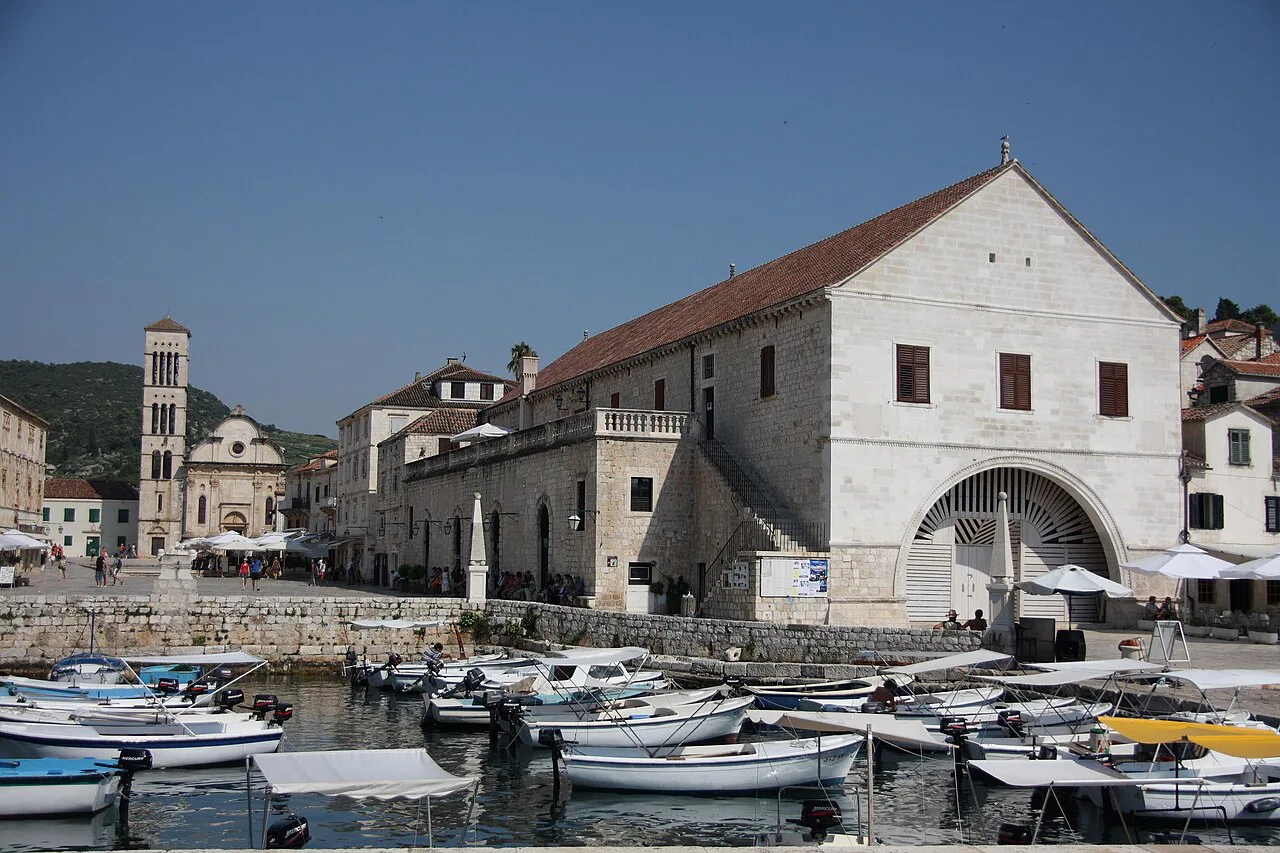
Stajun: a steakhouse where cuts are sold by weight
Stajun is a dedicated steakhouse, and its menu prices beef by the 100g rather than by the plate. The listed rates are 11€ per 100g for tomahawk, 12,50€ per 100g for cowboy steak, 15,50€ per 100g for ribeye and 19€ per 100g for tenderloin. A Japanese Premium section adds Wagyu A5 ribeye Kagoshima at 34€ per 100g. Because the unit is weight, the total depends entirely on the piece you are shown, so ask for the weight before it goes on the grill.
This is the model to understand before you sit down. A 300g ribeye at Stajun's per-100g rate is in the same territory as Mediterraneo's fixed 330g plate. A 400g tomahawk includes a bone that takes up part of that weight. Neither approach is cheaper across the board; they simply put the decision in a different place, one on the menu and one at the table.
Price per kilo versus price per plate: how steak pricing works in Hvar
Per-100g pricing, as at Stajun, means the number on the menu is a rate, not a total, and the final bill tracks the weight of the piece you are shown. The advantage for you is control: you can ask for a smaller piece and keep the bill down, or Split a large cut between two. The disadvantage is that side dishes, sauces and vegetables are usually charged on top, and the bone in bone-in cuts counts toward the weight.
Fixed plate pricing, as at Mediterraneo, bundles the sauce, puree and garnish into one figure and protects you from a surprise at the till. For a couple sharing a steak and ordering seafood alongside, the fixed plate is easier to budget; for a table of four who all want beef and want to try different cuts, the per-weight route gives you more flexibility. Both are legitimate ways to sell steak, and neither is a warning sign in itself.
Ribeye, tenderloin, tomahawk and wagyu: which cut to order
Ribeye is the safe pick for most tables: it has enough fat to stay juicy on a charcoal grill, and both restaurants list it. Tenderloin and fillet mignon are leaner and more tender, and they suit anyone who prefers a softer texture over a beefier flavour; Stajun's tenderloin is its most expensive standard cut per 100g at 19€, while Mediterraneo's fillet plate is 43,00€. Cowboy and tomahawk are bone-in ribeye cuts, impressive to look at and best shared, but remember that part of the weight you are paying for is bone.
Wagyu is the special-occasion order. Mediterraneo lists a 200g Japanese wagyu ribeye with an A5 marbling score, and Stajun prices Wagyu A5 ribeye Kagoshima per 100g. The marbling makes it rich, and a smaller portion is usually enough. If you have not eaten wagyu before, splitting one between two alongside a standard cut is a sensible way to try it without committing the whole meal to it.
Dry-aged, grass-fed and grain-fed: what the labels mean
Mediterraneo describes its ribeye as grass-fed and wet-aged in house for 60 days, and its fillet as grain- and corn-fed. Grass-fed beef tends to be leaner with a more mineral flavour, while grain-fed beef carries more marbling and a sweeter finish; wet-aging in a vacuum bag tenderises the meat without the concentrated, nutty flavour that dry-aging develops. None of these labels tells you the steak will be better, only what to expect on the plate.
Stajun's menu separates standard cuts from a Japanese Premium section, which is the clearest signal of quality tier on either list. If the wording on a menu is vague about origin or aging, ask; a steakhouse that sells by weight should be able to tell you where the beef comes from and how long it has been aged. That conversation is part of the experience at the counter, and it costs nothing to have it before you commit to a large piece.
Ordering steak alongside Dalmatian seafood and fish
Hvar is a seafood island first, and a steak dinner here works best as part of a mixed table rather than a rejection of the local cooking. At Mediterraneo you can pair a ribeye with a plate of Adriatic monkfish or a prawn risotto, which keeps the meal anchored in Dalmatian produce while still giving you the beef you came for. The restaurant also lists a lamb shank cooked sous vide for ten hours, a useful middle option for anyone who wants red meat without a steak.
If you are eating steak on a budget rather than as a splurge, the island's cheaper options are a better fit for most nights, and our guide to cheap eats Hvar covers the bakeries, konobas and casual spots where a meal costs a fraction of a steakhouse bill. Our pick of the best pizza in Hvar is another low-cost route if the group cannot agree on beef.
Booking and timing in high season
Book ahead for both restaurants in July and August. Hvar town fills up, and the old-town alleys around the main square get as crowded as the harbourfront in peak season, so a table on a piazza is worth reserving rather than chancing on the night. Mediterraneo takes reservations through its own site, and a steak dinner is the kind of meal where you want a confirmed table before you walk into town.
Eat early or late to avoid the crush: the narrow streets north of the main square are busiest at the conventional dinner hour, and a late lunch or an early evening sitting gives you a calmer room. If you are ordering by weight at Stajun, arriving before the kitchen gets busy means more attention at the counter when the cuts are shown. It is worth confirming opening days and table availability directly when you book.
Which steak in Hvar should you book?
Book Mediterraneo if you want a known total, a charcoal-grilled ribeye or fillet and a piazza setting in the middle of Hvar town. Book Stajun if you want to choose your cut and weight, try a tomahawk or a wagyu, and pay by the gram. For most visitors the fixed plate is the easier first steak on the island; for a group of beef enthusiasts, the per-weight steakhouse gives you more to talk about.
Explore more Hvar guides
Frequently Asked Questions
Which restaurants in Hvar are listed on the MICHELIN Guide?
Mediterraneo Dine & Wine describes itself on its own site as a Michelin recommendation, which is a listing rather than a star. The restaurant's own material is the place to check its current status.
How much does steak cost in Hvar?
At Mediterraneo, the menu lists a 330g ribeye and a 270g fillet mignon at similar fixed plate prices in the mid-forties of euros, with wagyu at the top of the range. Stajun sells its cuts by weight, with tomahawk, cowboy, ribeye and tenderloin at different rates per 100g, so the total depends on the piece. Check both menus for current figures before you order.
Is Hvar only good for seafood?
No. Hvar is seafood-first, and the fish and shellfish are the main event for most visitors, but two dedicated steak options give beef eaters a real choice. Order a steak alongside a plate of Dalmatian seafood and you get both sides of the island's cooking in one meal.
Sources
Notes on eating well in Croatia
Optional updates to our food guides.
You might also like
Continue reading
More guides you'll find useful