Hvar Food: What to Eat on the Island and Where to Find It
What to eat on Hvar, from gregada to whole fish and Starigradski paprenjok, plus the konobas and restaurants around Hvar Town, Stari Grad and the inland villages.
On this page
Order gregada first. Hvar's own fish stew, built on fish, olive oil, wine and potatoes, is the one dish that tells you most about how the island cooks, and it appears across the island's menus. Beyond that, expect a Dalmatian table of whole fish, peka, pašticada and octopus salad, with the inland villages offering the most home-style version of all of it. Our guide to Konobas in Hvar picks out the places that do the straightforward seafood best.
This guide covers the dishes themselves, the venues named in the MICHELIN Guide's Hvar listings, and the practical mechanics: fish sold by weight, when to book, and how the town and the villages compare. If you would rather follow a route through the dishes in one go, our Hvar Food Tour guide is the place to start.
Hvar food in a nutshell: Dalmatian cooking built on fish, olive oil and the island's own produce
Hvar's cooking is Dalmatian at heart: the freshest fish and seafood from the Adriatic, plus herbs, fruit and vegetables from the island's own fields. Olive oil is used generously, and the difference between a good plate and a forgettable one often comes down to how recently the fish landed and how good the oil is.
The island eats to a calendar. Spring brings wild asparagus and spring onions, summer is tomato salads, and November is about finding uses for mandarins. Ask what is in season and you will get a straighter answer than any menu description, and a better plate.
Hvar's food tradition also sits inside the Mediterranean diet, which UNESCO inscribed in 2013 alongside Brač and other Mediterranean locations. Treat that as context rather than a menu promise: the cooking here is simple, ingredient-led and unhurried, and it rewards ordering the plainest-sounding dishes.
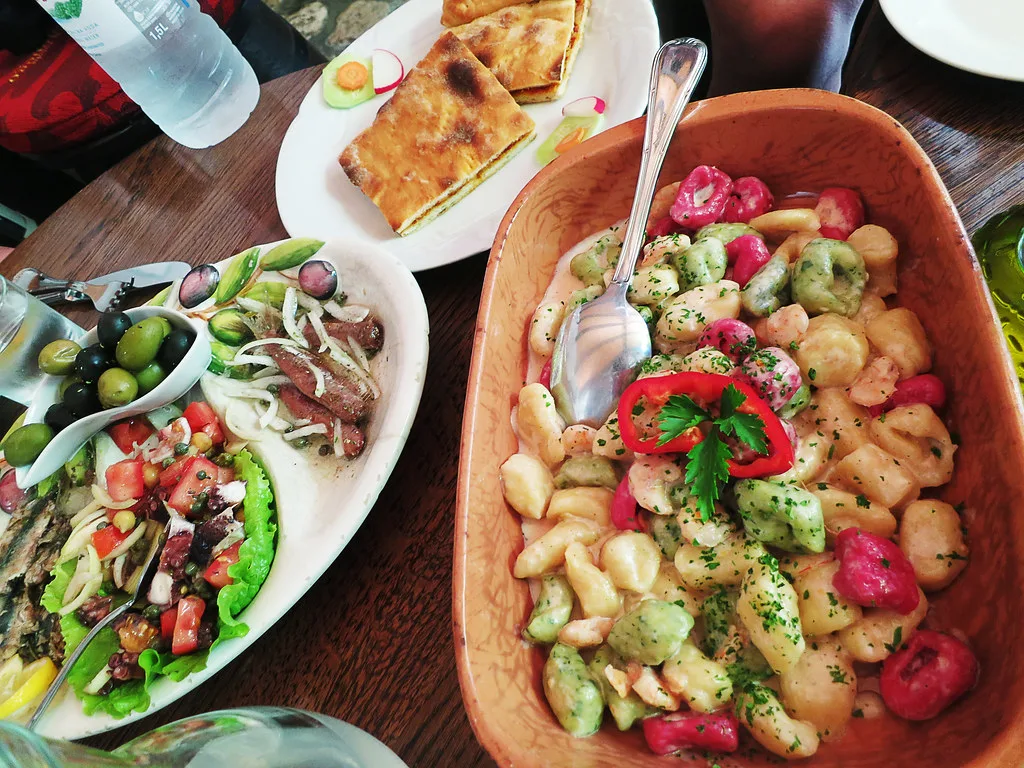
Start with gregada, Hvar's own fish stew, and a whole fish priced by the kilo
Gregada is Hvar's signature fish dish, a stew of fish, potatoes, olive oil, wine and seasoning, cooked slowly enough that the fish holds together. It is the dish to order on your first evening, because it tells you what the kitchen does with the basics: if the oil is good and the fish is fresh, the stew is superb. If you are comparing islands, our guide to Dubrovnik food shows how the same Dalmatian classics are cooked there.
Whole fish is the other ritual. In Dalmatia the fish is weighed, cooked simply on the grill and served with oil, lemon and greens, and the bill reflects the weight of the fish, so ask for the weight and the price per kilo before you commit. A fish for two can quietly become the most expensive line on the table.
Octopus salad is the reliable opener, boiled octopus with oil, onion and capers, and it is usually a better bet than anything fried. It also appears on many a konoba menu alongside the grilled fish; the seafood specialists are the places to look for it.
Peka, pašticada and octopus salad: the Dalmatian classics you will see on Hvar menus
Peka is the signature Dalmatian method: meat or octopus cooked with potatoes under a metal lid covered in embers. It takes hours, so it is usually ordered in advance. It is the dish to share, and on Hvar it is the one to book if you want the table to feel like an occasion.
Pašticada is beef braised in a sweet-sour sauce of wine, vinegar, dried fruit and spices, served with gnocchi or pasta. Of the heavier dishes on a Hvar menu, it is the one that most rewards a slow lunch rather than a quick dinner.
You will see these classics across the island, but the best versions tend to come from kitchens that cook them for locals too. Look for a short menu rather than a long one; if a konoba does peka, gregada and pašticada well, it probably does them often.
Starigradski paprenjok, Hvar's pepper cookie, and where to buy it
Starigradski paprenjok is Hvar's own biscuit, a pepper-spiced cookie made to a recipe the island traces back centuries. It is the one sweet souvenir made on Hvar itself, and it is best bought in Stari Grad, the town it is named for.
The biscuit is decorated by hand, and you will see it boxed in shops and served alongside coffee in Stari Grad. Buy a small box to try before committing to gifts.
For a proper introduction to the island's sweets alongside the savoury dishes, an Hvar Food Tour is a sensible way to cover several stops in one morning without committing to a full restaurant meal at each.
The inland villages for home-style cooking: Velo Grablje, Dol, Svirce, Vrisnik, Pitve and Humac
For genuinely home-style cooking, the inland villages are the real answer: Velo Grablje, Dol, Svirce, Vrisnik, Pitve and Humac. These are small places where the kitchen follows the garden and the season, and a lunch there buys you a slower, quieter version of the island.
The trade-off is real: you need a car or a taxi, and a lunch that runs long can eat the afternoon. The reward is cooking that has not been adjusted for a harbour-front audience. If you are staying in Hvar Town, one inland lunch is the best-value change of scene on the island.
The villages also sit among the island's lavender and vineyards, which is why the food there tastes of Hvar's own fields rather than of a supply chain. Ask for the house oil and the house wine alongside whichever classic you order, and keep the wine light if you are driving back.
Eating in Hvar Town: what the old-town terraces trade on and what to expect
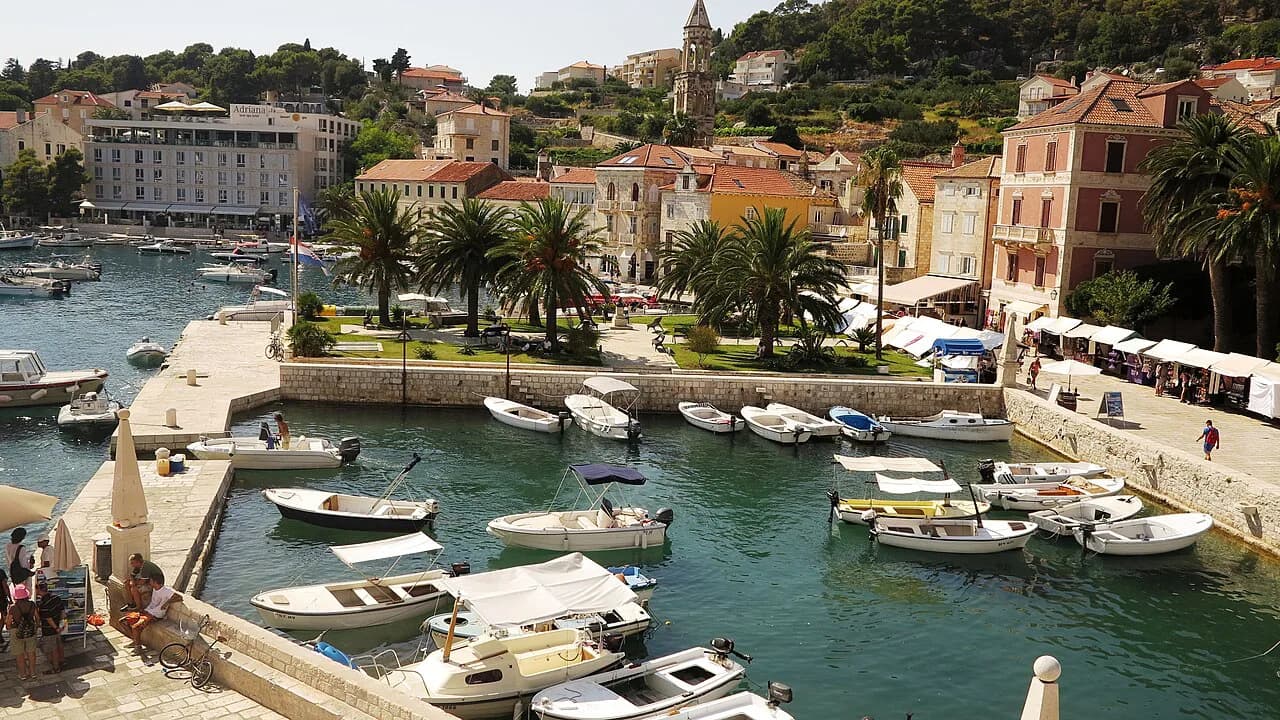
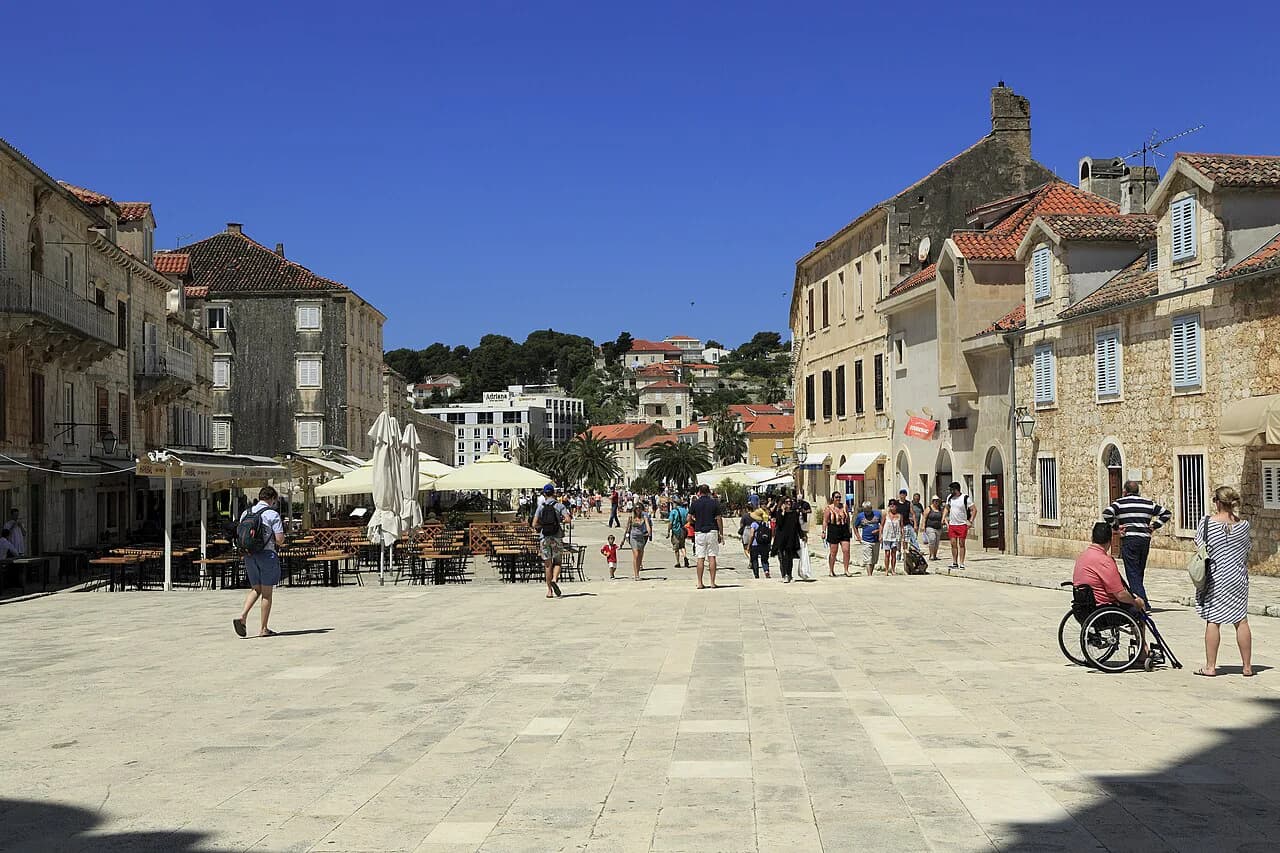
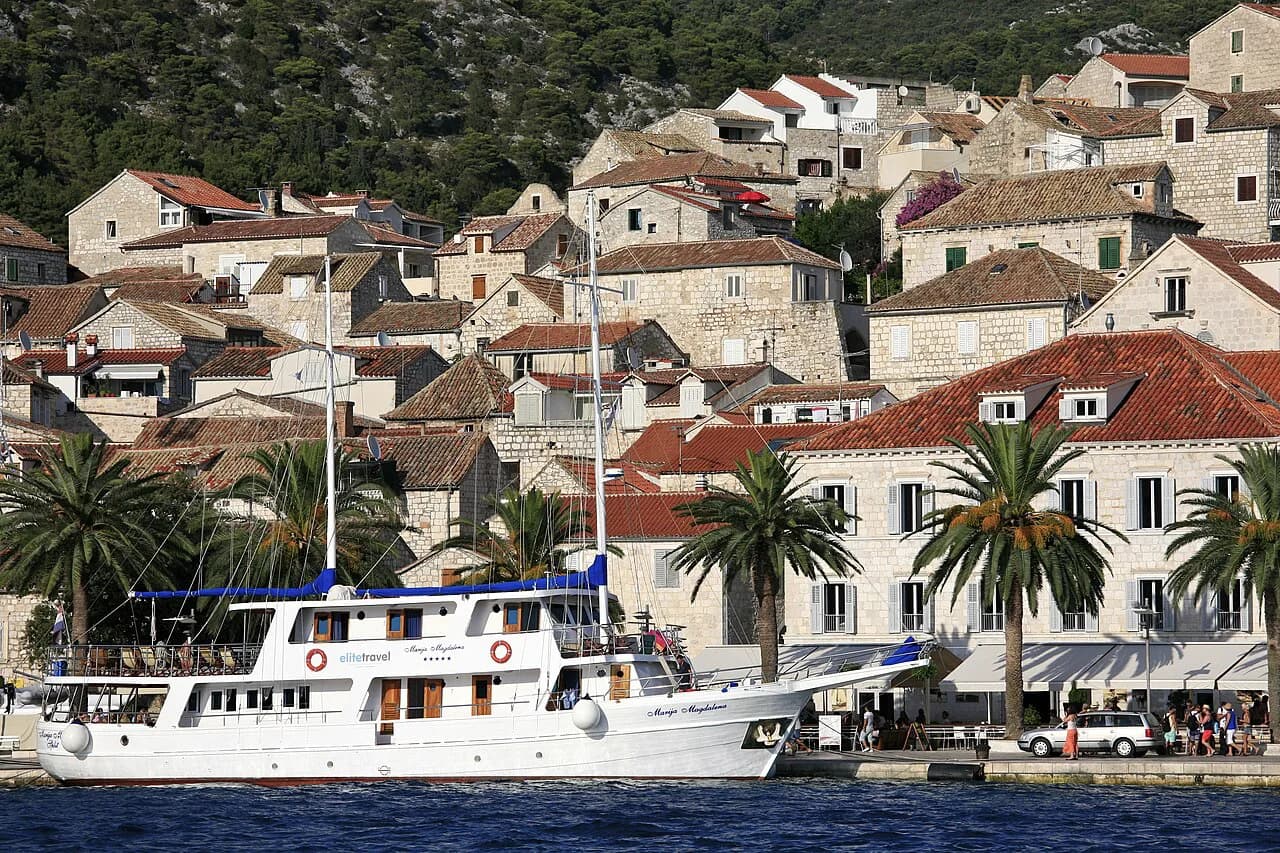
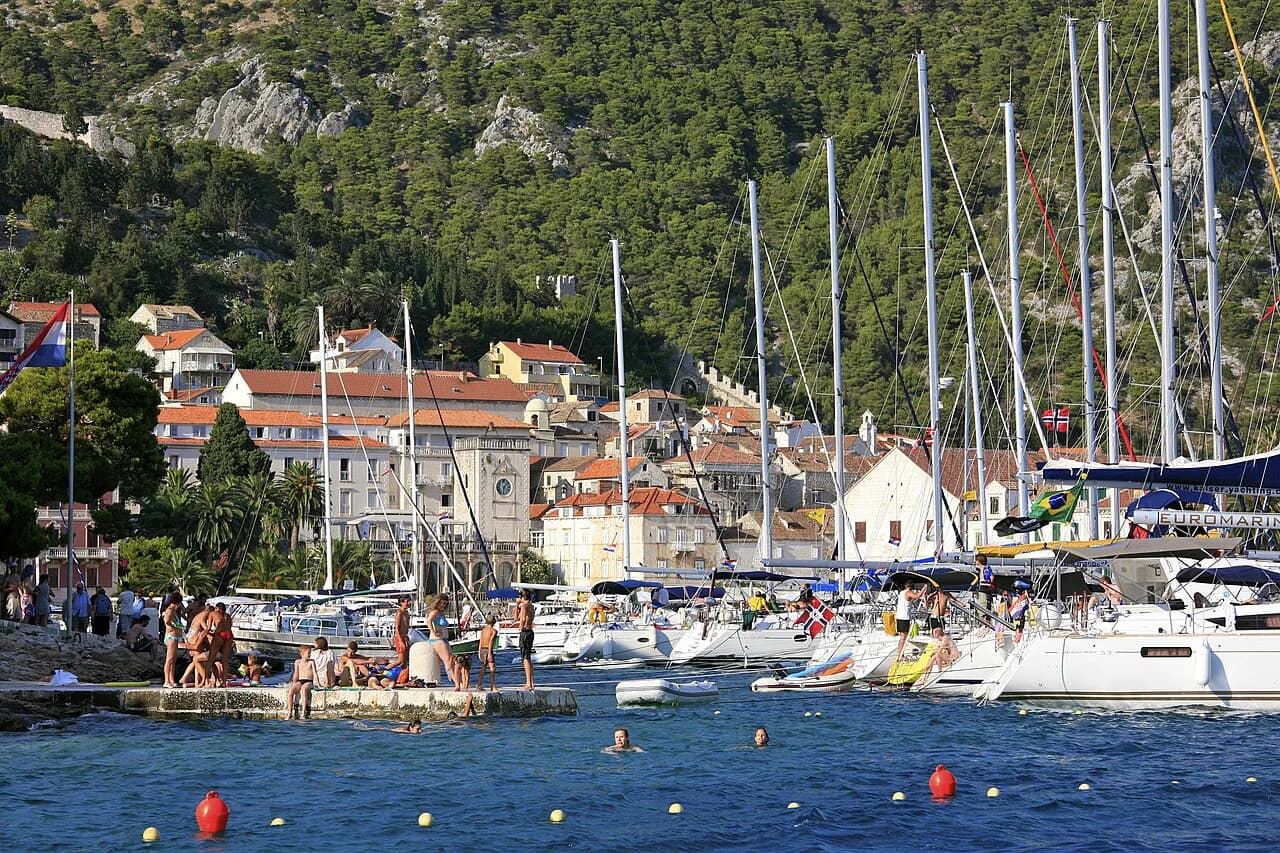
Hvar Town in July and August is genuinely overwhelming: the lanes become hard to walk through, and the harbour is full of superyachts. That pressure shapes the restaurants, and not every terrace is trying hard. You pay for position, and position is what the town sells.
The town is worth it at 7am before the day-trippers arrive, and again in late September, when the crowds thin out and Hvar Town feels like a working Adriatic town rather than a queue. In peak season, book dinner and eat lunch away from the main strip.
Set your expectations by what the town is good at: the little squares and the evening light. Choose a restaurant off the harbour front for the actual meal, and treat the harbour as a place to drink in the scene rather than the best-value table.
Stari Grad: the food case for basing yourself there
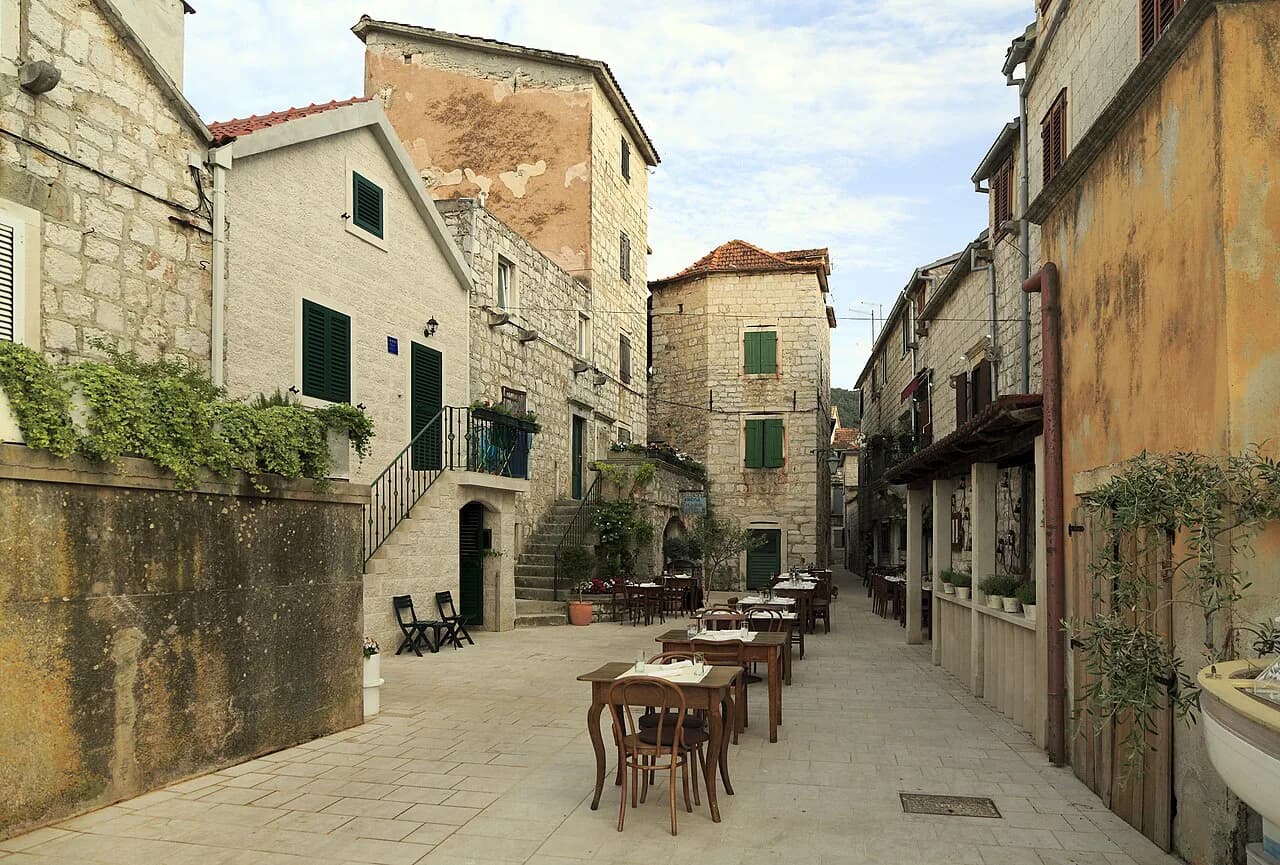
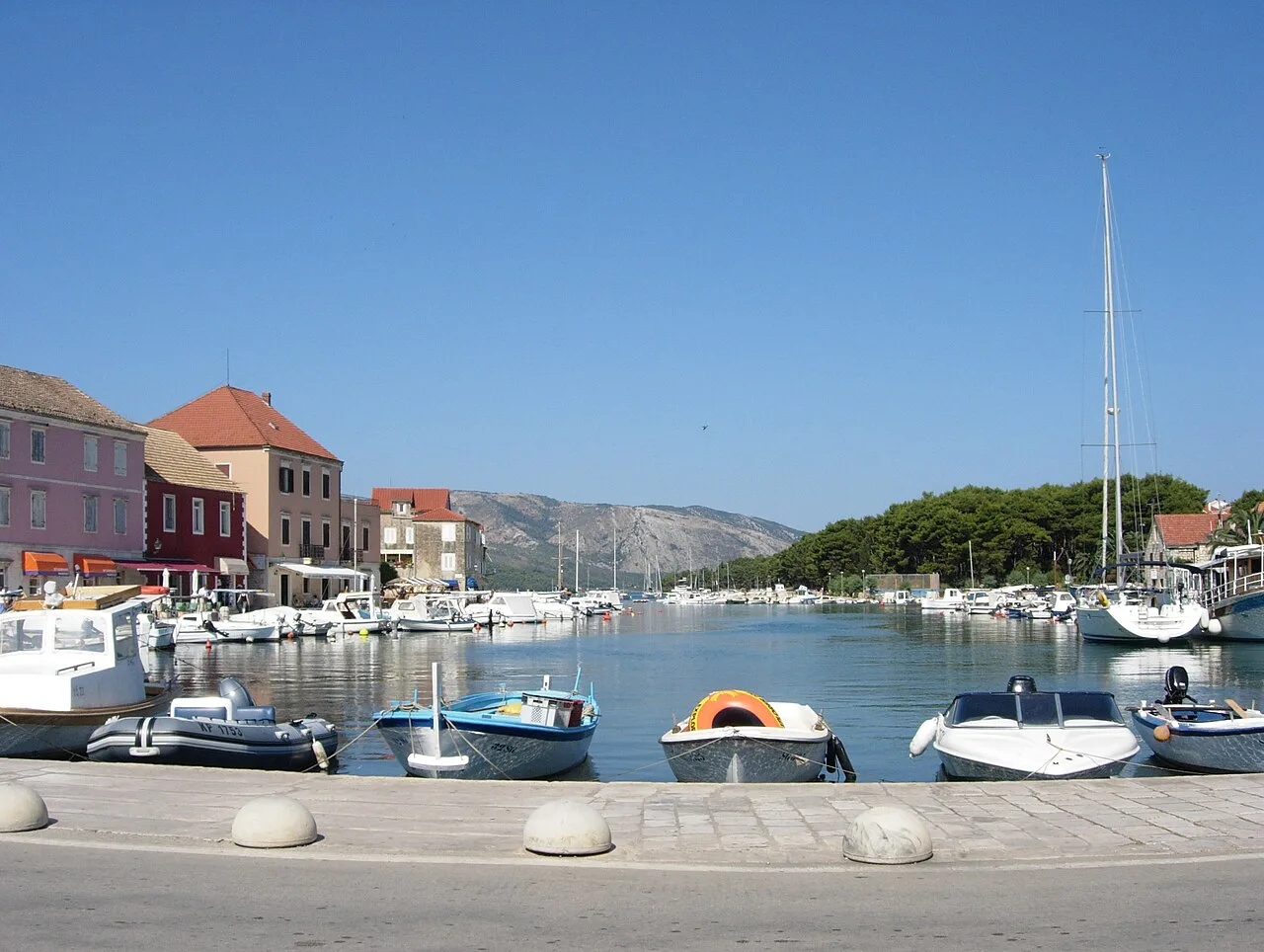
Stari Grad makes the strongest food case for a base on the island, with limestone lanes, a working feel and a more even balance between quality and what you spend. It also keeps you closer to the inland villages and the island's own produce than Hvar Town does.
For a first taste of the town, Antika is one of its established restaurants, and Za Pod Zub is the place to pick up local produce rather than sit down to a full meal. Using the two together, a daytime shop and an evening table, gives you a good read on the town quickly.
Stari Grad also sits beside the Stari Grad Plain, the UNESCO-listed agricultural landscape that is the reason the town's food culture feels rooted rather than staged. A food tour here is a good way to tie the dishes back to that landscape.
Named places to eat: Konoba Menego, Antika, Za Pod Zub and the island's MICHELIN Guide listings
Konoba Menego in Hvar Town is one of the town's established konobas and does the standard Dalmatian classics plainly; the MICHELIN Guide's Hvar listings name Mediterraneo Dine&Wine, Terra Restaurant by Maslina Resort, Otok and Konoba Kala. Treat that as a shortlist to research rather than a ranking; the guide lists them and nothing more.
Between them, the named venues spread you around the island rather than pinning you to one square. Antika and Za Pod Zub cover Stari Grad. Konoba Menego covers Hvar Town. The MICHELIN-listed four give you a further set of benchmark meals, including Terra at Maslina Resort, which sits away from the main harbour bustle.
Booking matters most in July and August, when Hvar Town is at its busiest and the best tables go early. Outside those months, the pressure eases, and a walk-in works at most places. Fish is sold by weight, so ask before ordering and you will know the shape of the bill. Our guide to Konobas in Hvar sets out the places where the straightforward seafood is the point.
Hvar Market and the island larder: olive oil, seasonal vegetables, wild asparagus and mandarins
Hvar's larder is olive oil, seasonal vegetables, wild asparagus in spring and mandarins in November. Families on the island harvest olives each year, and the house oil that turns up on a table is often the best thing on it. The cooking here is built on the fields as much as the sea.
If you are self-catering, shop the way locals do: buy what is in season, and expect tomatoes in summer to taste like tomatoes. It is also the cheapest way to eat well on the island, since a good loaf, oil and a handful of vegetables beat most quick lunches in town.
To learn how the island cooks with those ingredients rather than just buying them, a Hvar cooking class is a better use of a morning than another beach. You get the method, the oil and the seasonal logic in one sitting.
How a Hvar meal works: fish by the kilo, booking in high season and cash versus card
The single biggest variable in a Hvar bill is fish sold by the kilo. Ask the weight and the per-kilo price before the fish goes on the grill, and ask whether the quoted price includes sides and bread. Small print here matters more than anything else on the menu.
Booking in high season is close to essential in Hvar Town and worth doing in Stari Grad too. In July and August, call ahead on the day rather than relying on a walk-in, especially for a group and for anywhere with a view.
Card acceptance has improved across Croatia, but small konobas and village places can still prefer cash. Carry some euros as a backstop and settle the bill with card where it is accepted, particularly for large fish at bigger restaurants.
What a meal on Hvar costs and where the money goes furthest
How much a Hvar meal costs depends mainly on the fish, the setting and the season. The town charges for position, and inland village konobas charge less for food that is often better. If you want value, spend on the fish at a simple restaurant and save on the price of the view.
Our detailed Hvar food prices guide sets out how the ranges shift between town and villages and between seasons. Read it before you book a splurge dinner so you know what the ceiling looks like.
A straightforward strategy: one big fish meal, one peka lunch, one gregada evening in town, and self-catered breakfasts from the market or a bakery. That covers the island's best dishes without eating into the budget on every meal. For a route through the best of them, see our Hvar Food Tour.
Which Hvar table suits your evening?
If you want the island's own dishes served plainly, base yourself in Stari Grad and use the inland villages for lunch. If you want the Hvar Town scene, go early or in late September, book ahead and choose your table away from the harbour front.
Whichever you pick, order gregada, ask the weight on the fish, and finish with a Starigradski paprenjok and a coffee. For a deeper taste, an organised Hvar food tour is the simplest way to get oriented before you commit to a restaurant.
Explore more Hvar guides
Frequently Asked Questions
What food is Hvar known for?
Hvar is known for gregada, its own slow-cooked fish stew, and for Starigradski paprenjok, a pepper-spiced biscuit made to an old island recipe. It also does the standard Dalmatian repertoire well: whole fish from the Adriatic, peka, pašticada and octopus salad, with olive oil and seasonal vegetables from the island's own fields.
Which restaurants in Hvar are listed in the MICHELIN Guide?
The MICHELIN Guide's Hvar listings name Mediterraneo Dine&Wine, Terra Restaurant by Maslina Resort, Otok and Konoba Kala. They are entries in the guide rather than a ranking, so treat the list as a shortlist of places to research against your own budget and the kind of meal you want.
How expensive is Hvar?
Costs depend on where you sit and what you order. Harbour-front tables in Hvar Town carry a premium for position, especially in July and August, while the inland villages and Stari Grad tend to be gentler. Fish sold by weight is the line that moves a bill most, so ask the weight and price before ordering.
Can you eat well in Hvar without spending a lot?
Yes. Build meals around seasonal market produce, bakery bread and house olive oil, and choose one or two meals to spend properly on fish or peka. The inland villages cook home-style food that often beats what the harbour front charges more for.
What is special about Hvar's food?
The island's food is defined by freshness and seasonality: fish straight from the Adriatic, olive oil from family groves and vegetables picked in season. Hvar's take on the Mediterranean diet was recognised by UNESCO in 2013, alongside Brač and other locations, which reflects a cooking tradition built on simple ingredients rather than elaborate technique.
Sources
Notes on eating well in Croatia
Optional updates to our food guides.
You might also like
Continue reading
More guides you'll find useful