Food Prices in Zadar: What Eating Out Costs
What meals cost in Zadar, from a konoba lunch to a finer-dining dinner, with the dishes to order at each price level and where the money goes.
On this page
Zadar is a mid-priced Croatian city to eat in: cheaper than Dubrovnik's old town, more expensive than a village konoba, with a wide spread packed into a short walk. A casual lunch of pizza, grilled meat or bakery food sits at the bottom, a sit-down konoba meal in the middle, and a seafood dinner at a named old-town restaurant at the top. This guide sets out those bands, names the venues that anchor each one, and explains what pushes a bill up.
The cheap end is genuinely good here, so you can eat well without overspending: pizza and grill spots and the bakeries (pekara) do a proper job at lunchtime. Start with the wider picture of Zadar food if you want the dishes settled before the prices.
What a meal in Zadar costs: the short answer
Expect three broad bands. A cheap lunch of pizza, grilled meat or bakery food is the everyday option, a sit-down konoba meal of a starter and a main lands in the middle, and a two-course dinner with a couple of drinks each at Pet Bunara was reported at about €70 in a 2018 account. Treat that as history rather than today's menu: it shows the shape of a mid-to-upper bill.
Whether Zadar feels cheap depends entirely on where you sit, because the old town compresses tourist-facing terraces and neighbourhood places into the same few streets. Decide your band before you choose the table.
Cheap eats: pizza, grill and bakery lunches
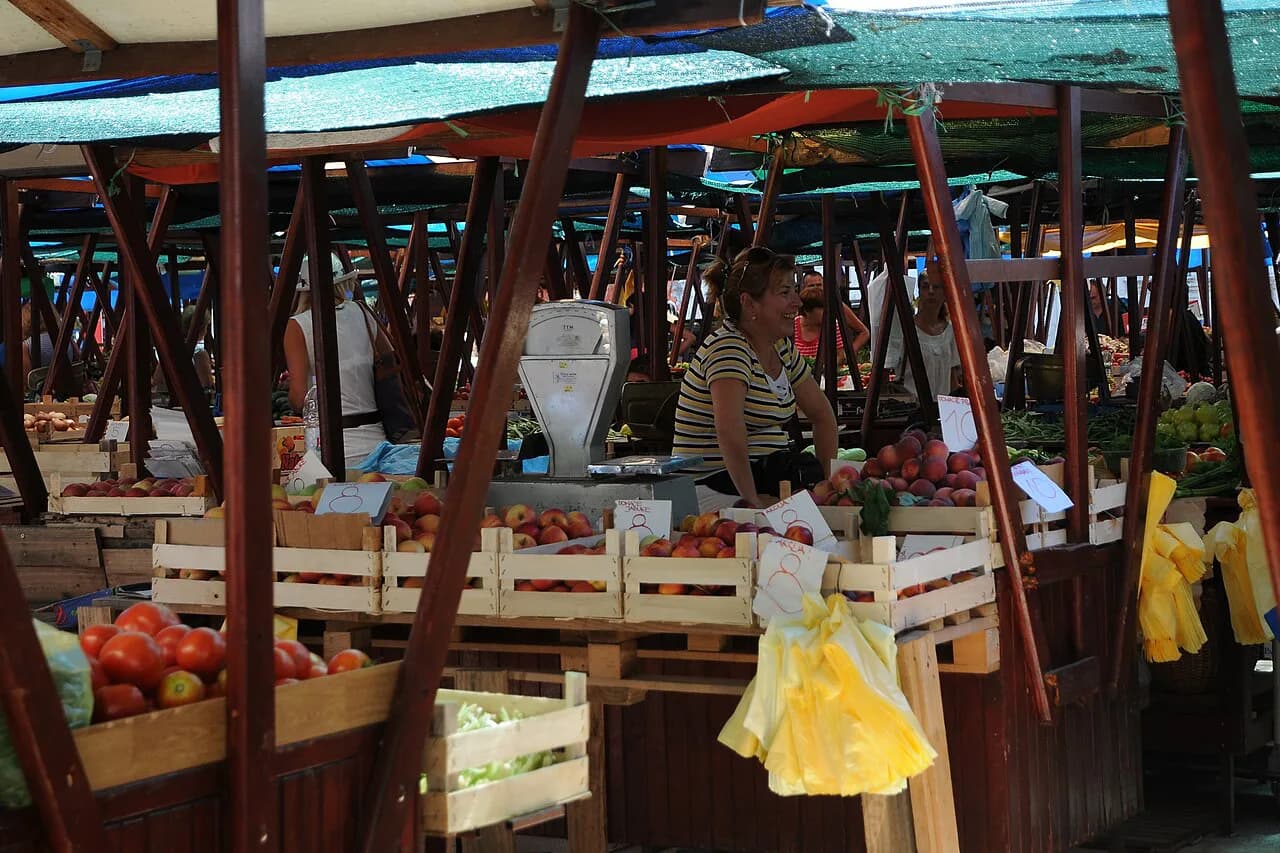
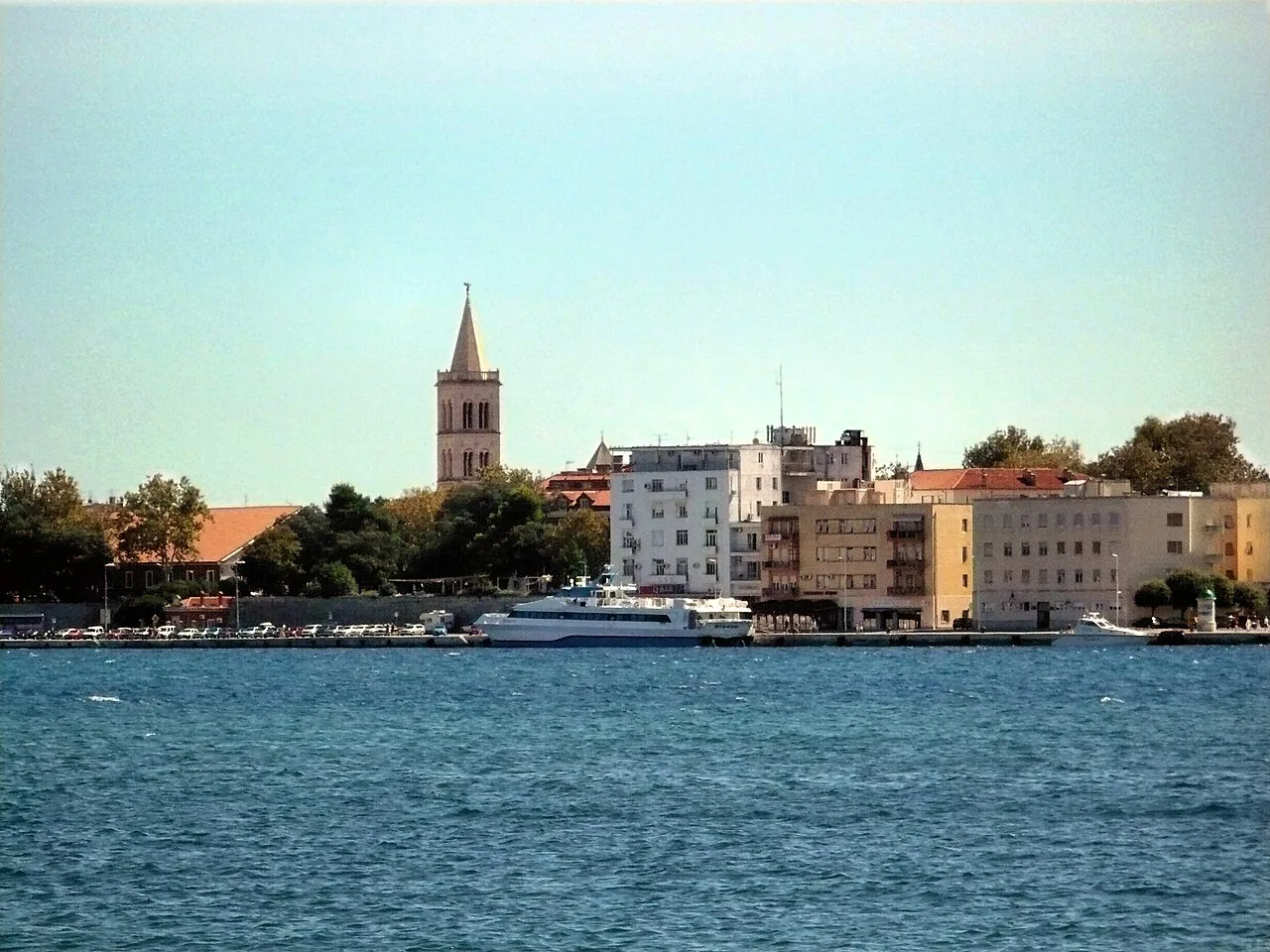
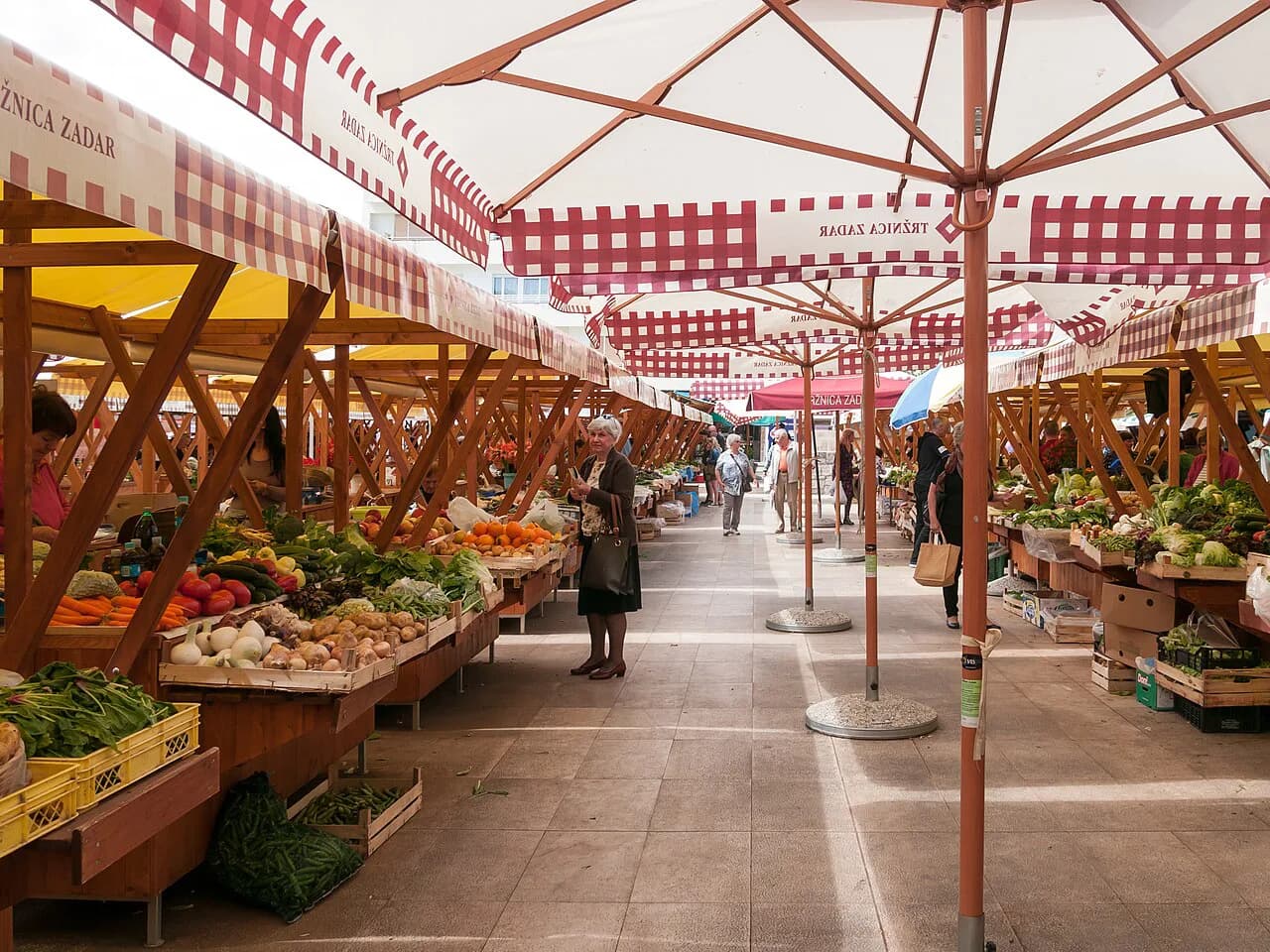
Lunch is the cheapest meal in Zadar. Pizza and grill places do filling plates at the low end, and bakeries sell pastry, sandwiches and bread for a fraction of a restaurant starter, which is where a family or a pair on a budget gets the most food for the least money.
For grazing rather than a sit-down meal, the bakery and grill-counter end of the city is where the budget holds up best. The guide to street food Zadar covers the specific dishes and counters behind that low band.
Konoba lunches and casual dinners
A konoba is a tavern-style restaurant, and the casual end of that category is where most visitors to Zadar end up eating. Bistro Pjat runs from soups and salads to meat, fish and pasta, with familiar service and a traditional interior, so a lunch built around a starter or a pasta dish rather than a full fish main keeps the cost down.
Bruschetta anchors the same band, mixing Italian and Dalmatian cooking with a short wine list and a terrace within earshot of the Adriatic. Dinner tables there can be harder to come by in the evening without booking, so ring ahead in high season.
Ordering pljukanci, hand-rolled Istrian pasta, or a bowl of brodetto, the Dalmatian fish stew, keeps a konoba meal in the middle band, while a whole fish pushes it up. The fuller list of Konobas in Zadar sets out the options by style.
Finer dining in Zadar: what pushes the bill up
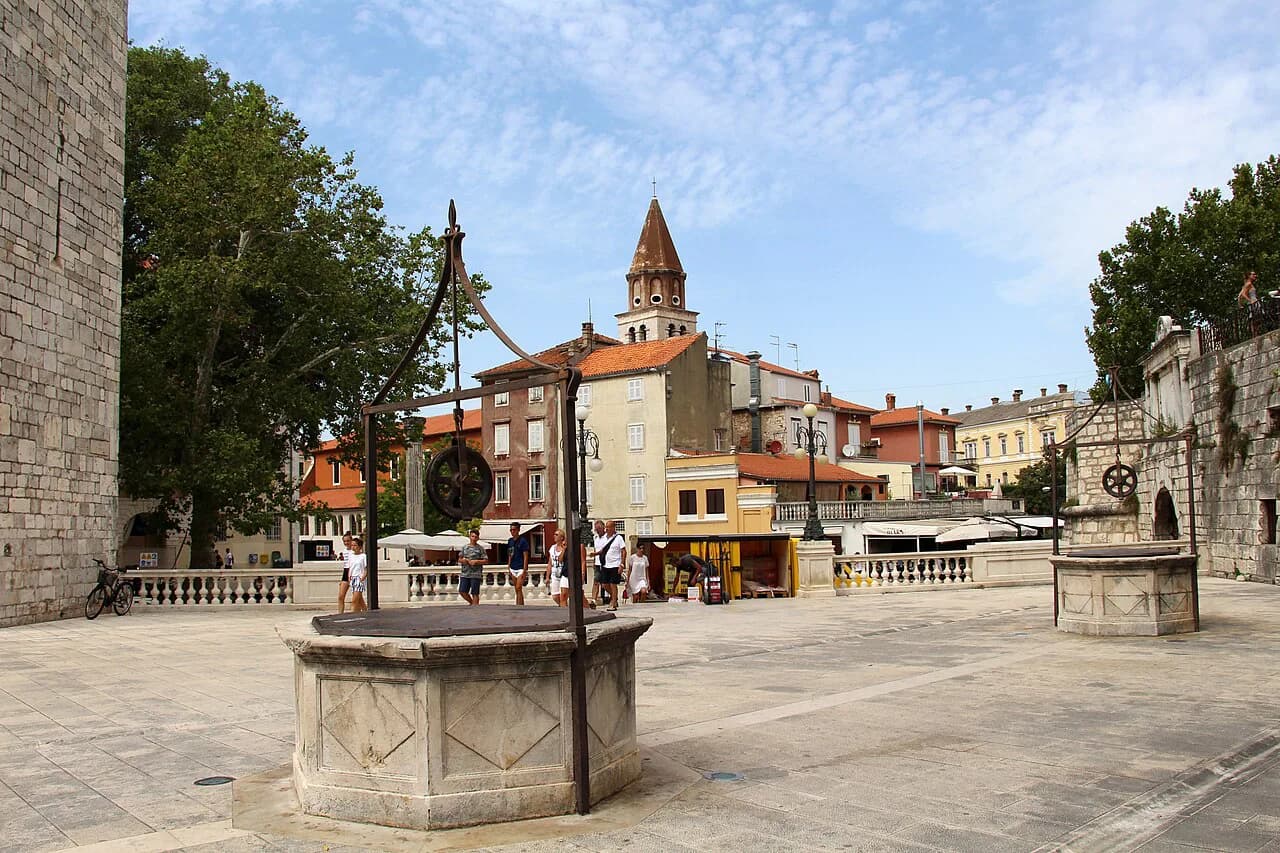
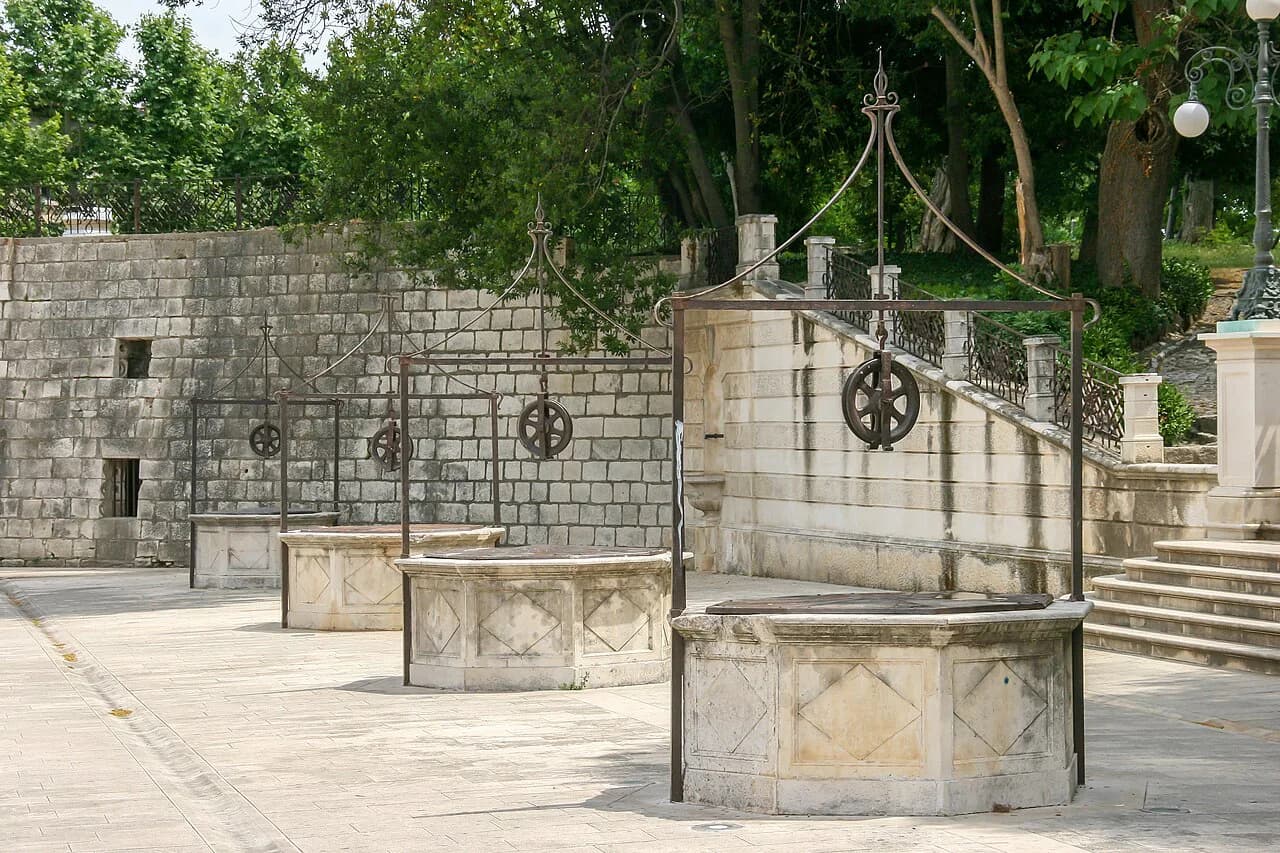
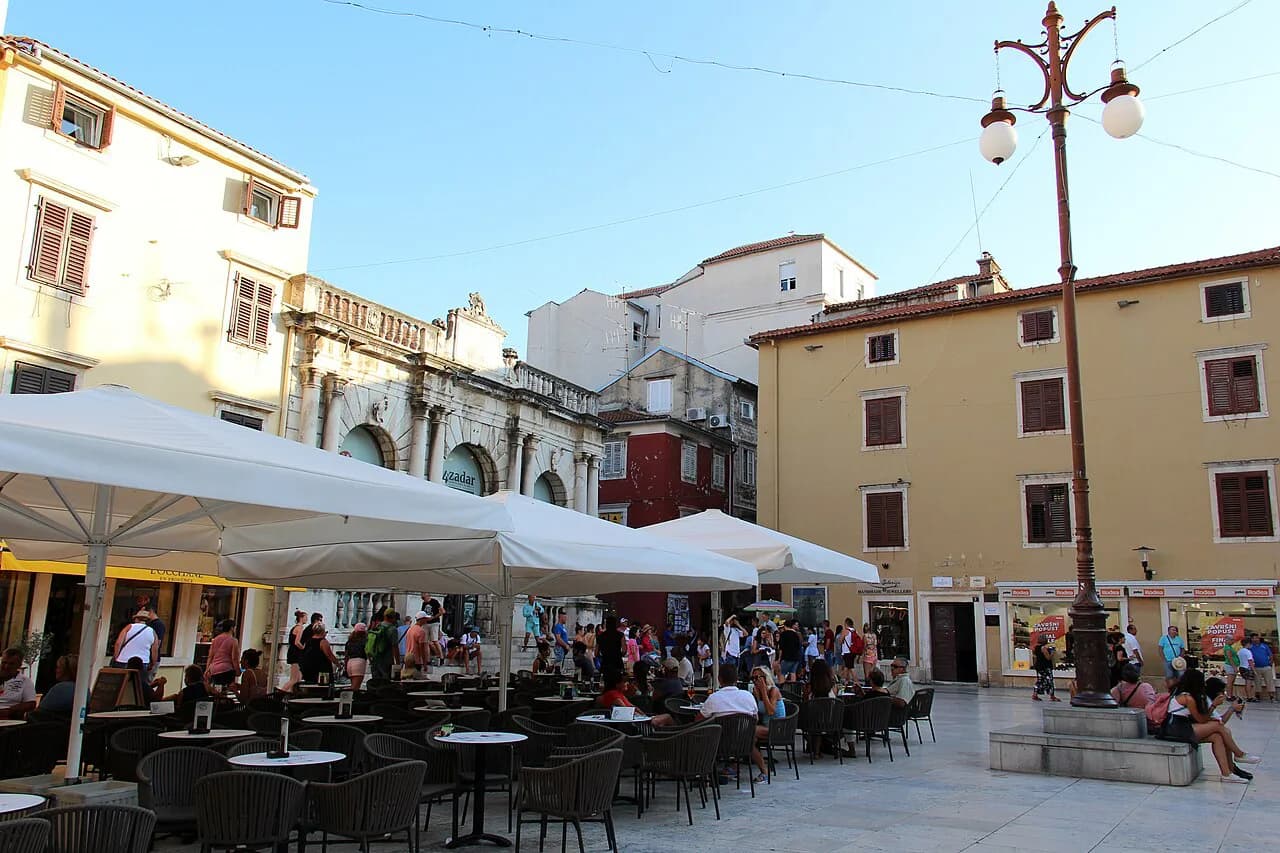
Pet Bunara and Proto sit beside each other near Five Wells Square, and Pet Bunara takes its name from the square: pet bunara means 'five wells'. In that 2018 account Pet Bunara had been on the square for over 35 years, while Proto was the newer arrival with about a year behind it, and both cook local, seasonal Dalmatian food with serious wine lists.
Starters there included smoked tuna and Pag cheese (paški sir, the hard sheep's cheese from the island of Pag), with brodetto and seared tuna among the mains. A seafood starter, a fish main and wine is exactly what lifts a Zadar dinner from the middle band to the top.
The cheapest way to eat at this level is a shared starter and house wine by the glass rather than a bottle off a long list. The most expensive is a run through seafood courses with paired wine; a two-course dinner with one drink each sits realistically in between.
Local specialities give you a cheaper route into the cooking: look for simple seafood and pasta dishes, which usually sit below a whole fish main on a Croatian menu.
Drinks with the meal: coffee, beer and wine
Drinks are where a modest Zadar lunch quietly becomes an expensive one. Coffee is cheap enough to have twice a day, beer is the everyday accompaniment to pizza and grill food, and a bottle of Croatian wine can cost more than either main, so settle the drinks before you order food.
At the top end the wine list is part of the experience, but a single glass rather than a bottle keeps the bill in check. If there is a house wine by the glass, take it; it is usually the best value on any Croatian list.
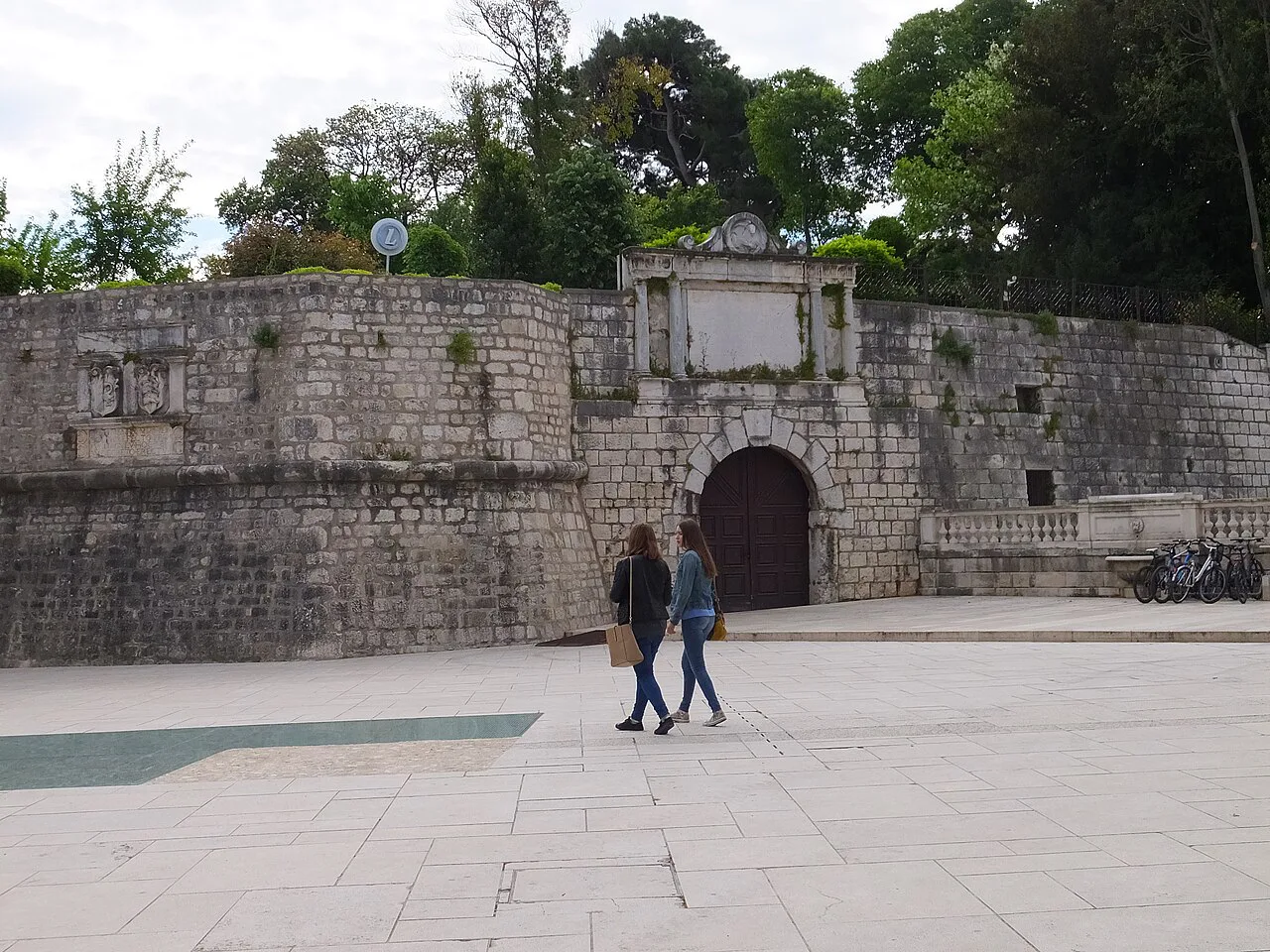
For a drink without a meal, the quay is the obvious stop, with the Greeting to the Sun installation and the Sea Organ along the waterfront. Cafés there price for the view, which is a fair trade for a sunset drink and less so for a full meal.
Dishes to order at each price level
At the cheap end, order pizza, grilled meat or a bakery lunch. In the middle, pljukanci with mushrooms or prawns, or brodetto with polenta, give you Dalmatian cooking without a fish-by-weight bill. At the top, smoked tuna to start, then seared tuna or a whole fish, with Pag cheese and a glass of something local.
Ćevapi, grilled minced-meat fingers usually served with flatbread and raw onion, are one of the cheapest filling meals in the city and a good benchmark for the low band. The guide to ćevapi Zadar covers where they turn up and what arrives on the plate.
If you want one local dish to spend your money on, brodetto is the one to know: a fish stew whose price depends on what fish went in, which is why it varies so much between kitchens. Seafood served by weight, oysters included, is the other place where a modest order can climb.
How fish sold by the kilo changes the bill
Whole fish on a Croatian menu is normally priced by weight rather than by portion. You choose the fish from the display, it is weighed, and the price per kilo is multiplied out, so a large sea bass or gilt-head bream (orada) can cost several times a plated main; ask the per-kilo price and the weight before it goes on the grill.
Order one whole fish to share between two, with a starter and a vegetable side, rather than a fish main each. The figure on the board is a rate, not the total, and the same applies to seafood platters sold by weight.
Peka, meat or octopus cooked under a metal lid with hot coals, is another dish whose price reflects long cooking and the number of people it feeds, and it usually needs ordering in advance. The guide to peka Zadar explains how it is ordered.
Paying in Zadar: cash, card and tips
Croatia uses the euro, so there is no currency conversion to worry about. Carry some cash for bakeries, markets and small konobas, and treat tipping as optional: rounding up, or around ten per cent for good service, is the normal approach.
Check whether service is already included before adding a tip, and ask for the total rather than guessing when a fish has been weighed. Keeping the receipt for anything sold by weight lets you see the rate and the weight side by side.
If you would rather have someone else navigate the menus and the ordering, a Zadar food tour or a cooking class takes the guesswork out of what to eat and what it should cost, and both teach you more about the local dishes than a single expensive dinner.
Is Zadar expensive to eat in?
No: Zadar is a mid-priced city to eat in, as long as you eat lunch cheaply and save the named restaurants for one or two evenings. A bakery or pizza lunch, a konoba dinner of pljukanci or brodetto, and one splurge at Pet Bunara or Proto is a realistic and enjoyable Zadar plan, and the nightly total depends far more on drinks and fish by weight than on the city itself.
For the named markets and konobas with a guide of their own, see Zadar food landmarks.
Sources
Notes on eating well in Croatia
Optional updates to our food guides.
You might also like
Continue reading
More guides you'll find useful