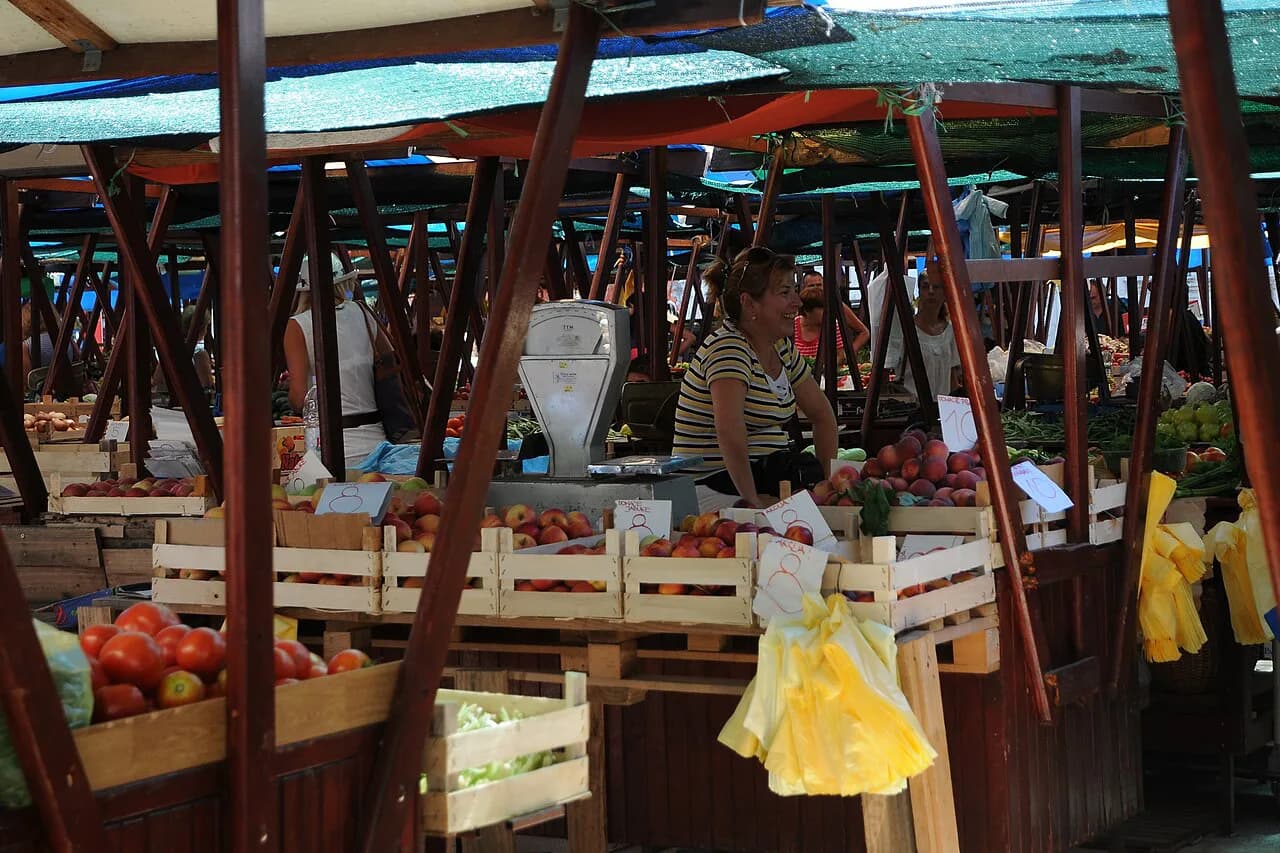
Oysters in Zadar: Where to Eat Them and What to Expect
Oysters in Zadar are Croatian Adriatic shellfish, usually served raw with lemon or dressed with olive oil. Here is where they turn up and how a plate arrives.
On this page
Oysters in Zadar mean Croatian Adriatic shellfish, opened to order and eaten as a starter rather than a main. They turn up in seafood-focused kitchens, and Foša, on the waterfront by the old town, is one place mentioned for fresh oysters when they are in season. This guide covers what arrives on the plate, how to order a round, and what to eat alongside them in a full Dalmatian fish meal.
Treat them as a beginning, not a destination. A plate of six or so disappears in minutes, so plan a fish main, a plate of pasta or a shared grill to follow, with a glass of the local white. That is how a Zadar fish lunch is usually built.
What Zadar oysters are
These are Adriatic oysters, eaten simply here, with salt and lemon, which suits their clean, saline character. How they are handled and where they are landed varies by kitchen.
Oysters turn up on fish-restaurant menus and in seafood-focused kitchens, so look for a place that already makes a point of fish. The seafood restaurants of the old town and the waterfront are the obvious place to start, and a short walk gets you between several.

Where to order oysters in Zadar
Foša, on the waterfront by the old town, is the Zadar name most often mentioned for fresh oysters in season. Treat that as a lead rather than a guarantee: an oyster plate depends on what has come in that day.
Availability tracks the season rather than the menu, so the plate is not guaranteed on any given evening. Book a table for the dinner sitting in high summer and say at the time of booking that oysters are the reason for the visit, which gives the kitchen a chance to tell you straight away whether they have them.
For other fish-led kitchens in the city, from old-town dining rooms to harbour-side terraces, see this guide to Konobas in Zadar.
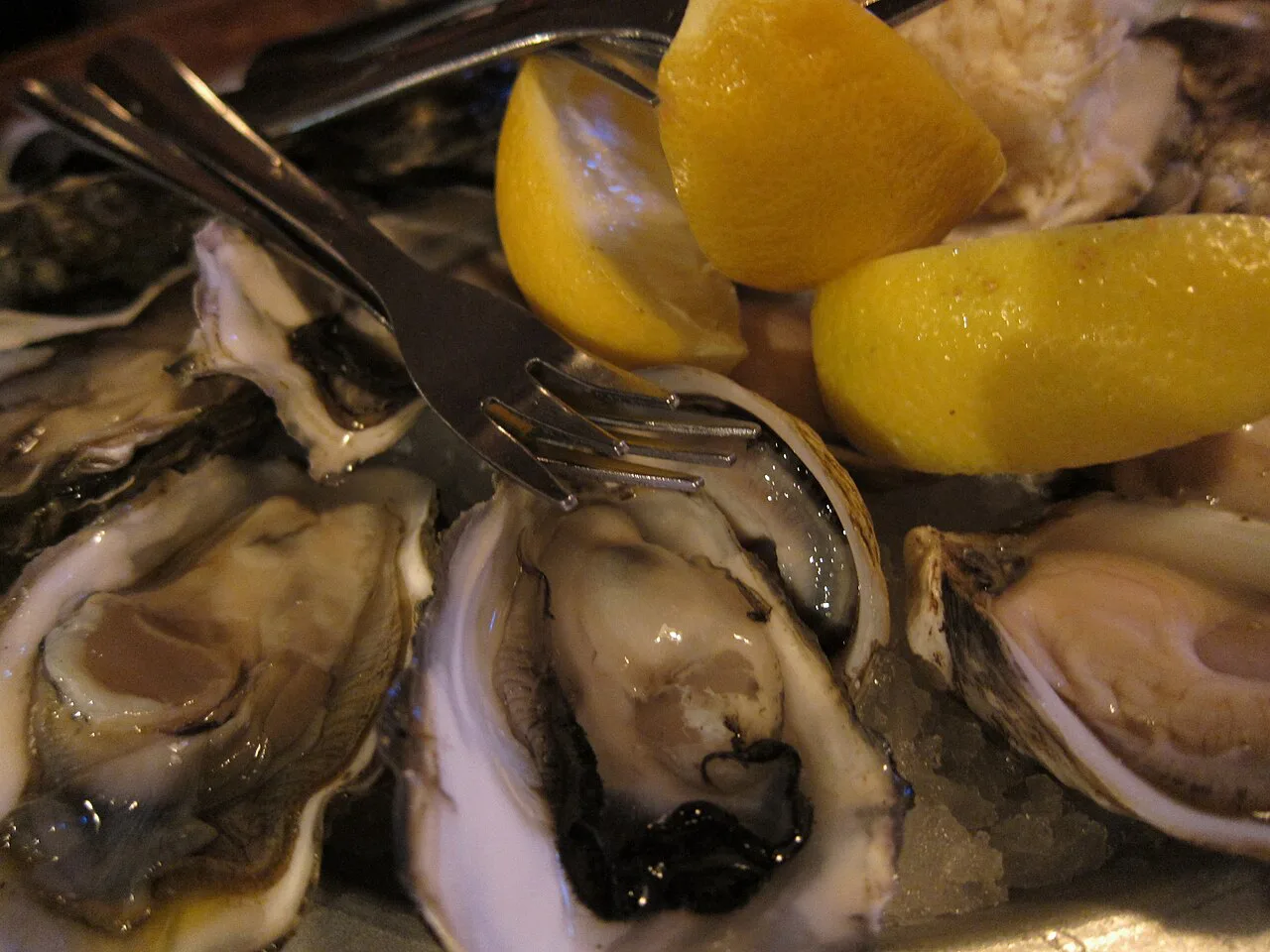
How oysters arrive on the plate
Oysters are usually served chilled, often on the half shell with a wedge of lemon, and a little bread alongside is common. How they arrive varies by kitchen, so ask when you order whether they come plain or dressed.
Dressed oysters are the other option: the flesh loosened and returned to the shell with olive oil, a crack of pepper and sometimes a drop of vinegar or lemon. Ask for them dressed if you find plain oysters too austere; ask for them natural, or with just lemon, if you want the cleanest taste of the sea.
Raw shellfish deserves care, so order them where turnover is high and eat them first rather than letting them sit while you work through a bottle of wine. If you want to know the provenance, ask the kitchen where they come from before you order.
Oysters as the starter in a Zadar fish meal
Six oysters shared between two is a sensible opening move, followed by a whole fish grilled simply and dressed with olive oil and lemon. Ask for the fish by weight and get the price confirmed before it goes on the grill, which is how fish is sold across Dalmatia.
For a fuller picture of the city's cooking, the guide to Zadar Food covers black risotto, lamb from the spit and peka, the slow-baked meat or octopus dish cooked under a lid of embers, plus the sweets to finish with.
If you intend to make a whole evening of it, pick a konoba that keeps its menu short and changes it with what comes in that morning; those are the kitchens where oysters and a grilled fish will be at their best.
Zadar, Ston and the rest of the Dalmatian coast
Croatia's best-known oyster ground lies further south, around Ston on the Pelješac peninsula, so do not count on Ston names appearing on a Zadar menu; ask the kitchen where its oysters come from.
Zadar has a strong seafood scene, and a plate of oysters followed by a grilled fish makes a calmer meal here than in the bigger old towns further south in high season.
Keep the rest of the day within walking distance of the old town. To compare the named places one by one, browse Zadar food landmarks.
How to order and eat oysters in a Zadar restaurant
Say how many you want and whether they come first; a Croatian fish kitchen will usually pace the rest of the meal around them. If you have a preference for plain or dressed oysters, mention it when you order.
Eat them cold and quickly, with a squeeze of lemon and a small sip of a crisp white between shells. Bread, olive oil and a little salt on the table are all you need alongside; anything stronger masks the flavour.
Ask what a portion costs before ordering, the same way you would for a fish sold by the kilo, so there are no surprises on the bill.
For a table in the old town in July or August, it pays to reserve in advance, especially at weekends. Outside high season the pace drops and you can often walk in.
Oysters as the first course of a Zadar day
Make oysters the opening move of a fish lunch rather than a meal in itself: a shared half dozen where you find them, a grilled fish to follow, and a slow walk afterwards. Ask about availability when you book.
If the oysters are off that day, order a plate of black risotto or a fish soup instead and build the same meal around it. The rest of the city's cooking is covered in Zadar Food.
Explore more Zadar guides
Frequently Asked Questions
Are oysters in Zadar raw?
They are commonly served raw and chilled, often with lemon, or loosened and dressed with olive oil. If you prefer not to eat them raw, say so and ask for cooked seafood instead.
What is the best time of year for oysters in Zadar?
There is no fixed rule; oysters are served when they are in season and available. In summer, ask at the time of booking whether they are available.
How many oysters should I order as a starter?
A half dozen between two people is a common opening portion before a fish main; ask the kitchen what portions they serve if you want fewer or more.
How much do oysters cost in Zadar?
Prices vary, so ask what a portion costs before you order, the same way you would for a fish sold by the kilo.
Sources
Notes on eating well in Croatia
Optional updates to our food guides.
You might also like


Continue reading
More guides you'll find useful