Peka in Rovinj: What It Is, What to Order and How It's Served
Peka in Rovinj explained: what the domed lid covers, which meats and fish go under it, how it is cooked, and how peka is served.
On this page
Peka is a slow-cooked Croatian dish in which meat, octopus or fish is prepared in a single vessel under a heavy domed lid, with embers piled on top and around it. It is a long, order-ahead dish rather than a quick plate, and it suits a table of at least two people who are happy to wait. This guide explains what goes under the lid, how the coals do their work, what arrives alongside, and how to judge portions and fish sold by weight before you commit.
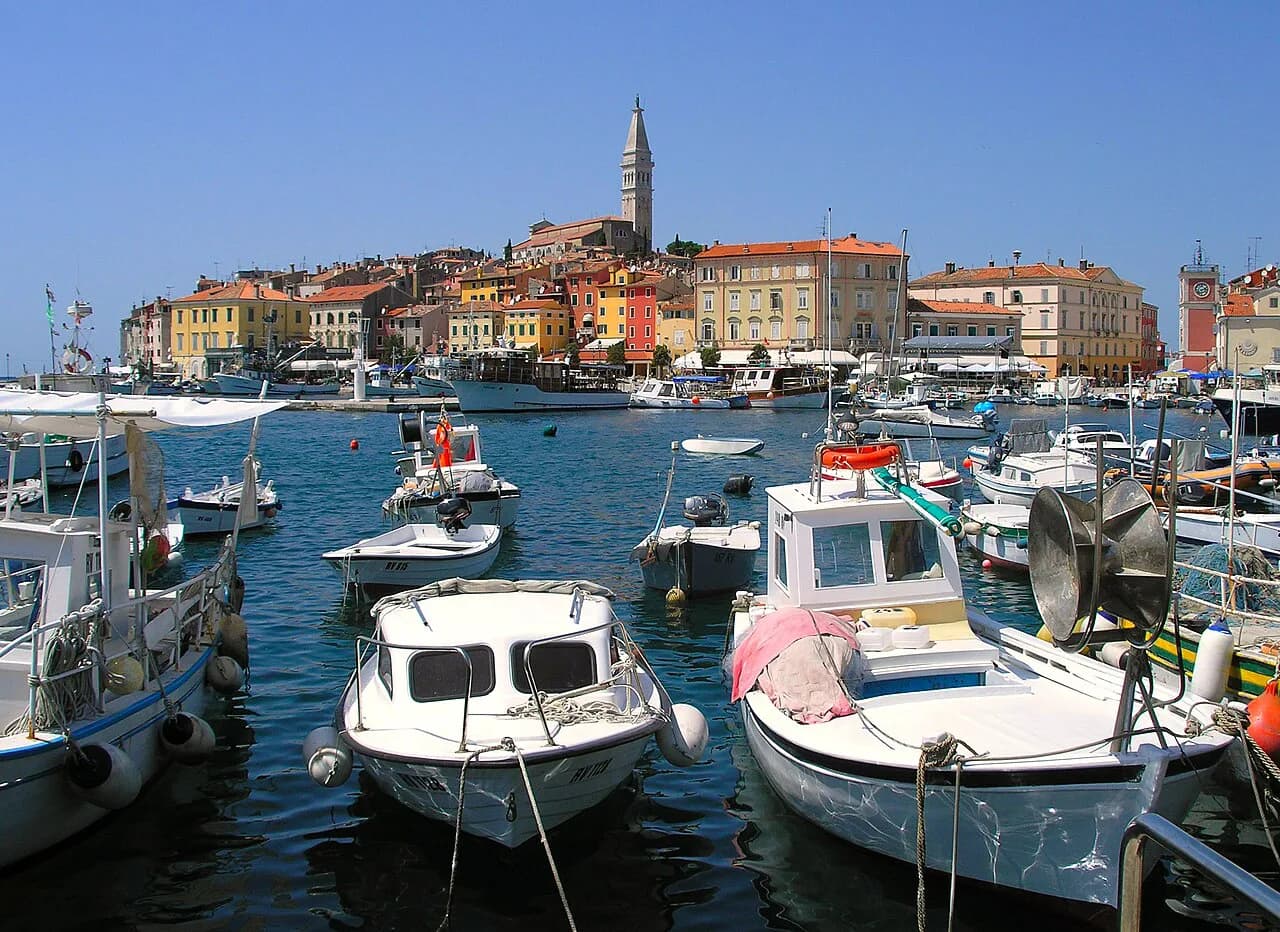
Rovinj's restaurant scene leans Mediterranean with a strong Italian influence, so pizza and pasta sit on the same menus as Istrian seafood and grilled meat. That shapes how peka appears where it is offered: one option among many rather than the default order. Knowing what it is lets you decide whether to build an evening around it or to eat it once, properly, during your stay. For the wider picture of dishes and venues, see What to Eat in Rovinj.
What peka is: meat, fish or octopus under a domed lid
Peka is both the name of the cooking method and the vessel: a shallow round tray covered by a bell-shaped metal or clay lid, with the food sealed underneath. Hot coals go on the lid and around the base, so the contents cook from above as well as below, closer to a controlled outdoor oven than to a stove. The result is meat that falls from the bone or octopus that turns tender rather than rubbery, with potatoes soaking up the juices at the bottom.
The lid is the whole point. It traps steam and heat so the food is cooked by gentle, even heat over a long period, and it keeps ash out. That slow, sealed cooking is also why peka suits sharing, and it is usually portioned with a group table in mind.
What goes into a peka: lamb, veal, chicken, octopus or fish
The classic versions are lamb, veal or chicken, often on the bone and layered over potatoes with garlic, rosemary and a little white wine or oil. Octopus peka is the coastal favourite, cooked with potatoes until the tentacles soften, and fish peka turns up where the kitchen has good whole fish to work with. Mixed meat peka lets a table try more than one thing at once.
In Rovinj, expect a menu shaped by Istria and by nearby Italy, so pizza and pasta sit on the same menus as Istrian seafood and grilled meat. That is how the town eats. Where peka is offered, ask which version the kitchen makes and whether it needs notice. If you want a single venue type to aim for, a Konobas in Rovinj is the natural place to start.
How the lid works: coals heaped on top and around
The cooking is long and gentle: hours under the lid, with the coals managed so the heat stays steady rather than flaring. That is why peka is not a walk-in dish. The fire has to be lit, the coals have to burn down, and the food then needs its time. A restaurant cannot speed that up without spoiling the result, so the kitchen needs notice before you arrive.
The method explains the flavour. Because the food sits in its own juices, the potatoes come out soft and savoury, and the meat stays moist without a sauce. Timing is fixed once the lid goes on.
Why peka is usually ordered ahead
Peka is a long-cooked dish, so where it is offered the kitchen will generally need notice — often earlier the same day and sometimes a day before — because the fire has to be lit and the coals burnt down before the food goes under the lid. When you reserve, say plainly that you want peka and for how many people.
The practical step is to book by phone or in person earlier in the day rather than turning up at eight and hoping. If you are set on peka for a specific evening, treat it like a table reservation with a dish attached. For a shortlist of places to try, see Konobas in Rovinj.
Peka as an Istrian and Dalmatian dish, and where it fits in Rovinj
Peka belongs to the whole Adriatic coast, from Istria down through Dalmatia, and it is a home dish as much as a restaurant one. Families cook it outdoors for gatherings, which is why it carries a sense of occasion. In Rovinj's Istrian-Italian setting, it sits alongside a menu of fresh seafood, local olive oil, truffles, homemade cheese, pasta and pizza, so it is one route through the region's cooking rather than the only one.
Rovinj's menus tend to follow a familiar pattern of meat, fresh seafood and Italian-influenced dishes, which means peka is usually one line among several that might tempt you. If you have one long dinner to spend, decide early whether it goes on peka or on grilled fish and pasta. Truffle pasta is the other Istrian dish worth saving an appetite for on a separate night.
What comes with peka: potatoes, vegetables and bread
Peka almost always arrives with potatoes cooked underneath the main ingredient, soaking up the fat and juices, plus a simple green salad or seasonal vegetables on the side. Bread is there to mop the tray. Some kitchens add a starter of Istrian pršut (dry-cured ham) and cheese while you wait, which is worth considering given the cooking time.
Ask what accompanies the dish before you add sides, because peka already lands as a complete plate for sharing. If the tray comes with potatoes and salad, extra orders of both are usually unnecessary. Keep the bread, though.
How to order peka for two or more people and judge portion size
Peka is generally sold for two, four or more people, so ask the kitchen directly how it portions a tray instead of assuming a standard size. A meat peka for two is usually generous once potatoes are included; for a table of four, a single large tray plus a starter and salad tends to be enough. Whole fish or octopus peka shifts with the weight of the animal, so the portion question and the price question are the same question.
Clarify whether the quoted portion is per person or for the tray before you agree. That single question prevents most of the awkwardness at the end of the meal.
Fish peka and how it may be priced by the kilo
When fish or octopus goes under the lid, it may be sold by weight, as fresh fish is across Croatia. The kitchen weighs your fish and quotes a price per kilogram, so the final cost depends on the size of the catch rather than a fixed menu line. Ask for the weight and the per-kilo rate before it goes on the fire, and confirm that the quoted figure is for the whole fish.
This is ordinary practice, not a trick, but it does mean a fish peka can cost noticeably more than a meat one. If you are budgeting, a lamb or chicken peka is the more predictable choice, while octopus sits somewhere in between.
What to drink with peka: Istrian red wine or a local spirit in moderation
A dry Istrian red such as Teran or Refošk is the classic partner for lamb or veal peka, and it also holds up against octopus. House wine by the glass or litre keeps the bill sensible, and a light red or white works if you prefer something softer. Fizzy water is a fine choice too.
If you fancy a local spirit, Rovinjski Pelinkovac, a herbal bitter made by the family-owned Darna liquor factory in Rovinj, is the traditional aperitif or digestif, served chilled straight or mixed. Teranino, a sweet red liqueur made from the Terrano grape, is the other Istrian one to know. Order a small glass and stop there; peka is a heavy meal and the spirit is meant as a punctuation mark, not a session.
Finding peka in Rovinj: what to look for on menus
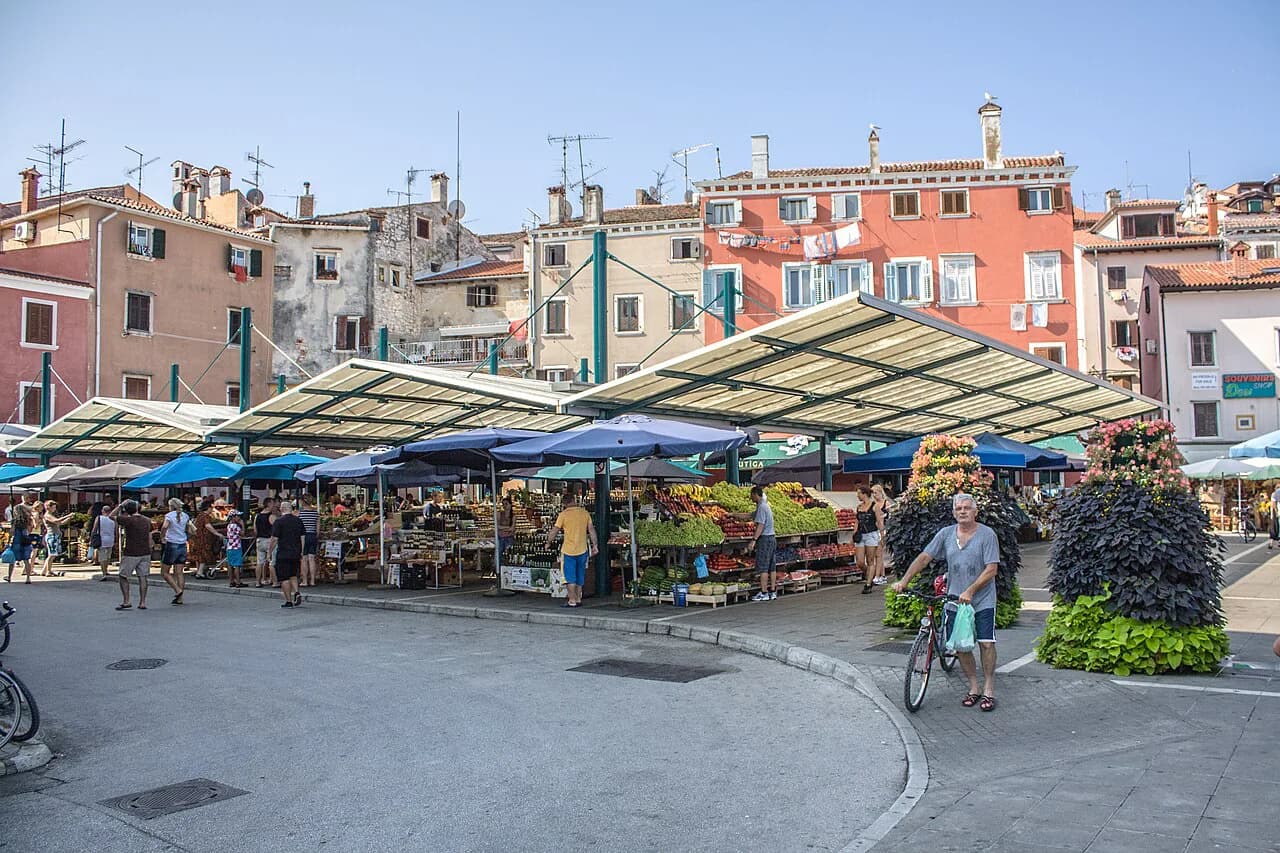
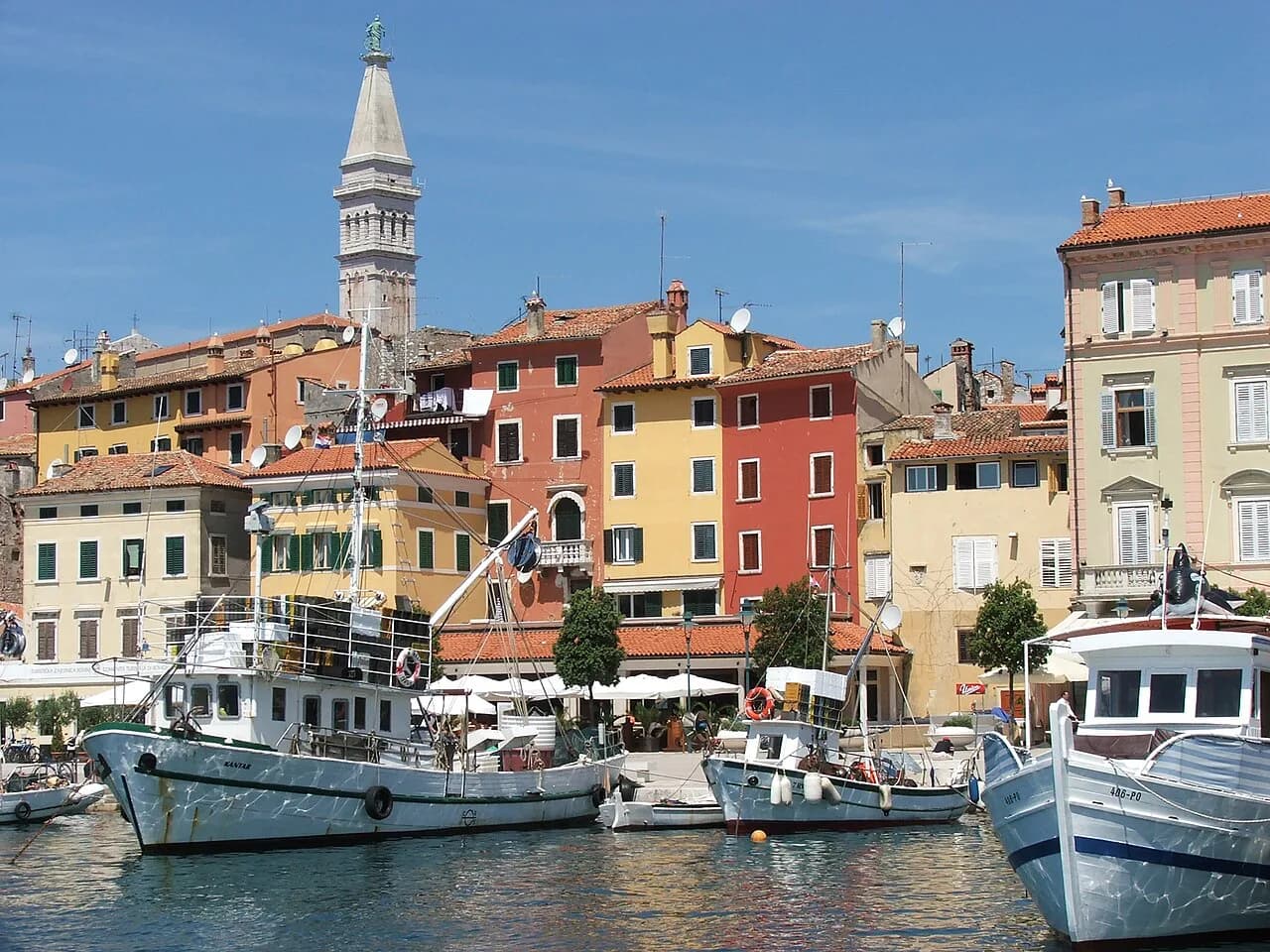
Look for the word peka printed on the menu, which is the clearest sign a restaurant cooks it at all. Konobas are the likeliest place to find a lamb or octopus version. The old harbour and the streets behind it hold a dense cluster of restaurants, so you can compare a few menus on foot before choosing.
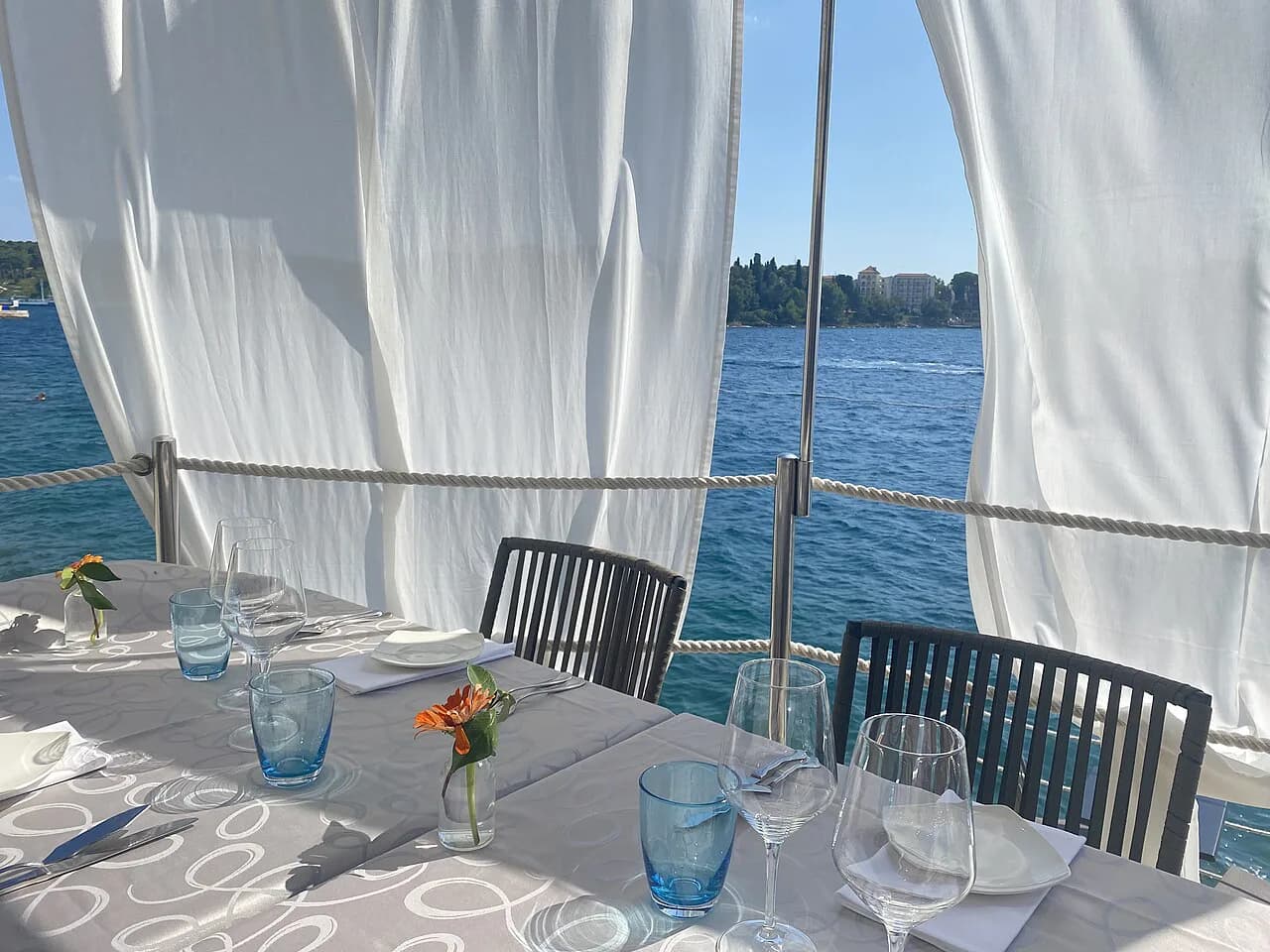
Expect a split between the tourist-facing terraces and the quieter family kitchens a few streets back, and lean towards the latter if peka is the goal. Rovinj restaurants are fairly expensive: one first-hand account puts ordinary dishes commonly around the fifteen-euro mark, with house wine by the litre at a similar level at family-run places — so a fire-cooked tray for the table is a real spend. A place that has to turn tables quickly will rarely run a dish that needs hours of fire. For a shortlist of kitchens, see Konobas in Rovinj and the Rovinj food tour guide.
Should You Build a Dinner Around Peka?
Yes, if you have a free evening and at least one other person to share the tray. Order it in advance, ask which version the kitchen is running, and confirm portion size and fish weight before the fire is lit. That way the long wait ends in the meal you actually planned.
If your time in Rovinj is short, eat peka once and spend other evenings on grilled fish, truffle pasta or pizza at the harbour. The broader dish guide to What to Eat in Rovinj will help you balance the rest of your trip.
Explore more Rovinj guides
Frequently Asked Questions
What is peka in Croatia?
Peka is a Croatian cooking method in which meat, octopus or fish is cooked with potatoes under a heavy domed lid with hot coals heaped on top and around it. It is slow, shared food, usually ordered in advance because the fire takes time.
Is peka expensive in Rovinj?
It depends on the version and on the restaurant's own pricing, which varies. Meat peka is the more predictable option, while fish or octopus peka may be sold by weight and can cost more. Ask for the portion size and the price before committing.
Do you need to book peka ahead?
Usually. Peka needs hours under the lid, so a restaurant that cooks it will generally want notice before you arrive. When you reserve, say that you want peka and for how many people so the kitchen can plan.
How many people does a peka serve?
It is almost always a shared dish, most commonly sized for two or four. Because potatoes are included, one tray plus a starter and salad often satisfies a table of four. Confirm the serving size with the kitchen.
What food is Rovinj known for?
Rovinj's cooking is Mediterranean with a strong Italian streak, so seafood, local olive oil, truffles, homemade cheese, pasta and pizza sit alongside Istrian meat dishes such as peka. Fresh fish, often sold by weight, is a staple of the town's menus.
Sources
Notes on eating well in Croatia
Optional updates to our food guides.
You might also like
Continue reading
More guides you'll find useful