Ćevapi in Rovinj: Grilled Minced-Meat Rolls and Where to Find Them
What ćevapi are, how Rovinj kitchens serve them with lepinja, onion and ajvar, rough euro price bands, and when to choose the grill over the town's fish.
On this page
Ćevapi in Rovinj are a grill alternative rather than the local speciality: small grilled rolls of minced meat, usually beef or a beef-and-pork mix, served with lepinja flatbread, raw onion and ajvar, a roasted red pepper relish. They rarely headline a Rovinj menu, and they are easiest to find where the kitchen runs a mixed grill or meat platter rather than a straight seafood list. This guide explains what arrives on the plate, how the dish fits alongside the town's fish and pasta, and how to decide between the grill and the seafood Rovinj is known for.
What ćevapi are and what arrives on the plate
Ćevapi (the singular is ćevap) are finger-length rolls of finely minced meat, shaped by hand and grilled over charcoal until browned outside and juicy within. The portion usually runs to five, ten or more pieces depending on the kitchen. The classic plate includes lepinja, a soft flatbread made for soaking up the juices, a mound of raw chopped onion and a spoonful of ajvar, the roasted pepper relish that adds sweetness and a little heat.
Beef is the usual base, and many kitchens blend in pork for fat and flavour; lamb versions exist but are less common in Istria than further south. Kajmak, a thick clotted cream, sometimes comes alongside, and some places add a chopped salad or fries to the same plate. Order a portion per person and ask whether bread is included, because some kitchens charge for lepinja separately.
How ćevapi are served in Rovinj
In Rovinj ćevapi appear mainly in two formats. One is a full portion with lepinja, onion and ajvar, ordered as a main when you want something other than seafood. The other is as one element of a mixed grill platter, alongside other grilled meats, which is useful for a table that cannot agree on fish.
Portions are generous, so a plate of ćevapi is easy to share between two as a starter or between one hungry adult and a child. If you are building a mixed table, add an Istrian pasta or a plate of pršut, the dry-cured ham served across Istria, so the meal covers both the grill and the regional kitchen.
Where to look for ćevapi in Rovinj
No ćevapi specialist in Rovinj is documented in the sources here, so treat any named venue as a lead to confirm. Grilled meat and mixed grills sit among the mid-range taverns that also list seafood and pizza, so look for a kitchen that runs a grill alongside its fish rather than a dedicated ćevapi restaurant. The town's konoba and taverna lists are the place to start when you want a plainer grilled dish.
A konoba setting is generally a better bet for grilled meat than an old-town terrace with a menu of photographs: the taverns serve plainer grilled dishes alongside their fish, and the portions suit a shared table. Rovinj's mid-range taverns are the group to aim for, though menus change with the season, so ask whether ćevapi or a mixed grill are on when you arrive.
If your group is split between fish and meat, the practical answer is a table that serves both rather than a dedicated grill house, and Rovinj's taverns fit that bill. The round-up of restaurants in Rovinj is the place to start for addresses and settings.
Ćevapi against Rovinj's seafood and Istrian pasta
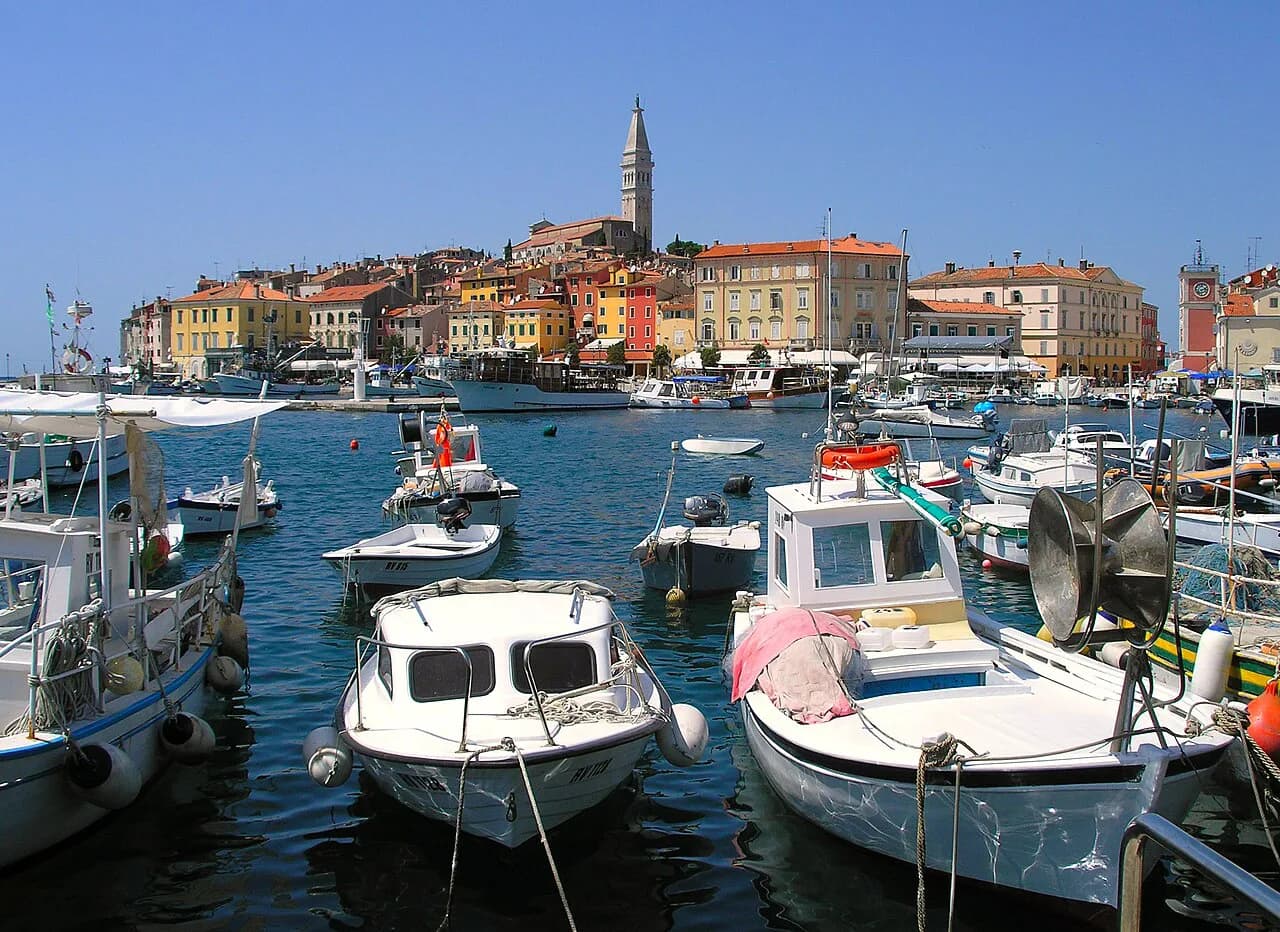
Rovinj's reputation rests on fish, shellfish and Istrian pasta with truffles, so choose ćevapi deliberately rather than by default. Pick the grill when you have eaten fish twice in a row, when the group includes children who want something plain, or when the weather has turned and a harbour terrace has lost its appeal. Stick with fish when the boat catch is the reason you came, and remember that fish is priced by weight, so ask for the price per kilo before you commit.
A plate of grilled meat also works as a cheaper counterweight to an expensive seafood dinner elsewhere in the trip, letting you spend on one big fish meal and eat simply the next night. For a fuller picture of how the town's dishes split between the grill, the fish counter and the pasta board, the guide to what to eat in Rovinj sets out the choices by course.
Prices in euros for grilled mains
Croatia has used the euro since 2023. Frank About Croatia puts a mid-range three-course meal in a Rovinj restaurant at roughly forty to fifty-five euros per person and cheap dishes at about seven to fifteen euros, with fine-dining tasting menus well above that. Treat those as broad bands rather than menu prices, and use them to judge whether the plate in front of you looks fairly priced.
Grilled meat dishes often sit at the cheaper end of a Croatian menu compared with fish or truffles, though not every kitchen prices them that way, so read the listed price before ordering and confirm whether lepinja and sides are included, because those additions push the bill up.
Booking in high season
Rovinj fills up from late spring through September, and the mid-range taverns close to the harbour fill first. Book a table for dinner in July and August, especially for a group of four or more, and ask at the time of booking whether the grill dishes are on that evening. Lunch is easier to walk into, and the old-town lanes turn over faster at midday.
Outside high season, many coastal restaurants in Istria run shorter hours or shut altogether, so a place you found in summer may not be open in November. If ćevapi are the reason for the booking, confirm the grill is running when you reserve.
Ćevapi for children and sharing a mixed table
Ćevapi are one of the easiest Croatian dishes for children: mild, grilled and served with bread rather than a complicated sauce. Order one portion between two younger children, with the onion and ajvar on the side so each person can add their own, and add fries or a plain salad for the table.
For a mixed group, build the order around one or two plates of grilled meat to share, a whole fish priced by weight, an Istrian pasta and a plate of pršut, so everyone gets something and nobody is committed to a single cuisine. If the meal turns into a long lunch, a glass of Istrian red with the grilled meat is the local pairing, drunk in moderation.
Should You Order the Ćevapi or the Fish?
Order the ćevapi when you want a straightforward grilled main, when children are at the table, or when you have already eaten your fill of seafood. Choose the fish when the catch and the harbour setting are the point of the evening, and accept that it will cost more per person. Either way, book in high season and ask about lepinja, onion and ajvar before the order goes in.
Explore more Rovinj guides
Sources
Notes on eating well in Croatia
Optional updates to our food guides.
You might also like
Continue reading
More guides you'll find useful