Restaurants with a View in Split: Where to Eat by the Sea
Where to eat in Split when the view matters: Palace-wall terraces on the Riva, harbour-side konobas in Varoš and the dishes that suit each table.
On this page
For a meal with a view in Split, pick your setting first: a Palace-wall terrace on the Riva for ceremony, the harbour edge in Varoš for calm, or an inland table on Tolstojeva Street where the cooking carries the evening. ZOI, Bokeria Kitchen & Wine, Konoba Fetivi and Šug are the four that deliver a view or a strong sense of place without a tourist-menu compromise. This guide matches each setting to the meal it suits and the dish worth ordering when you get there.
What a view means in Split: sea, harbour or old stone
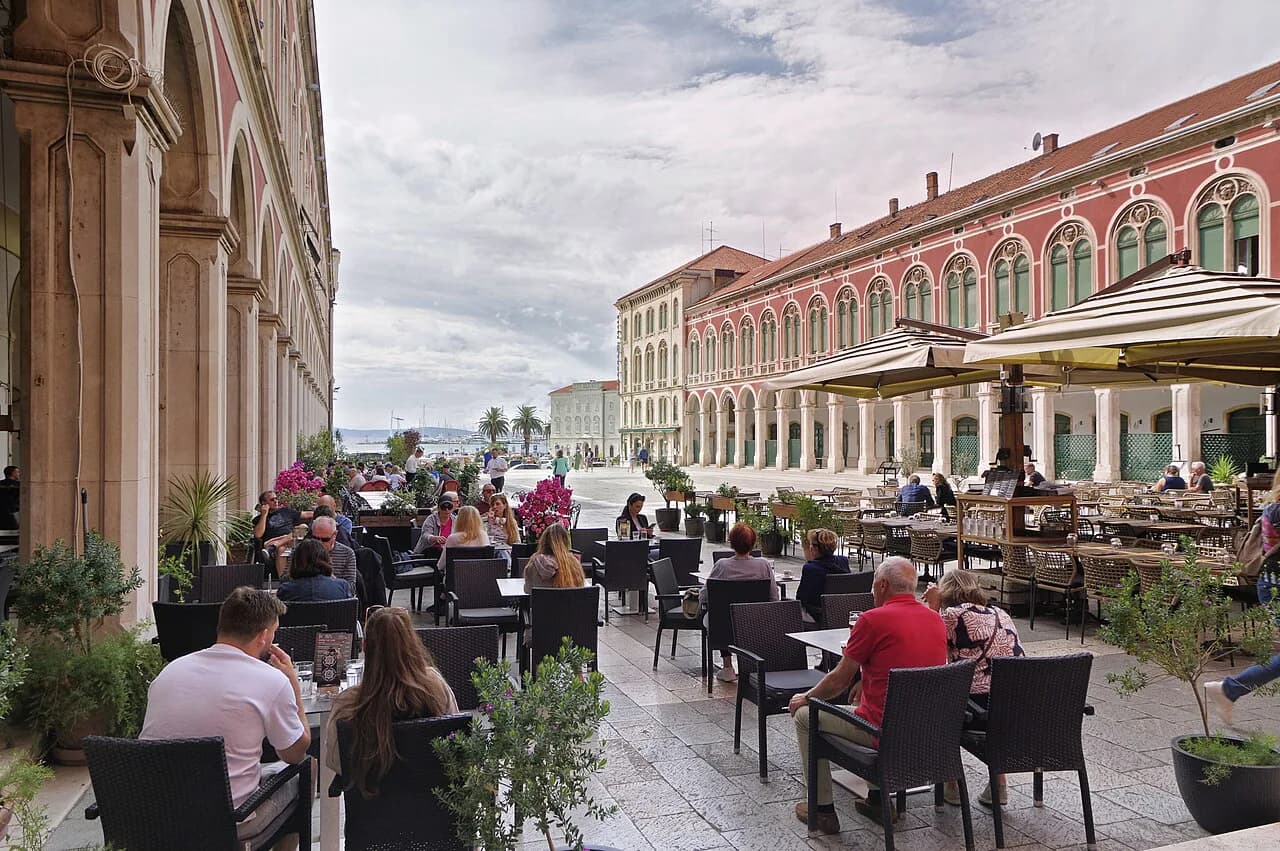
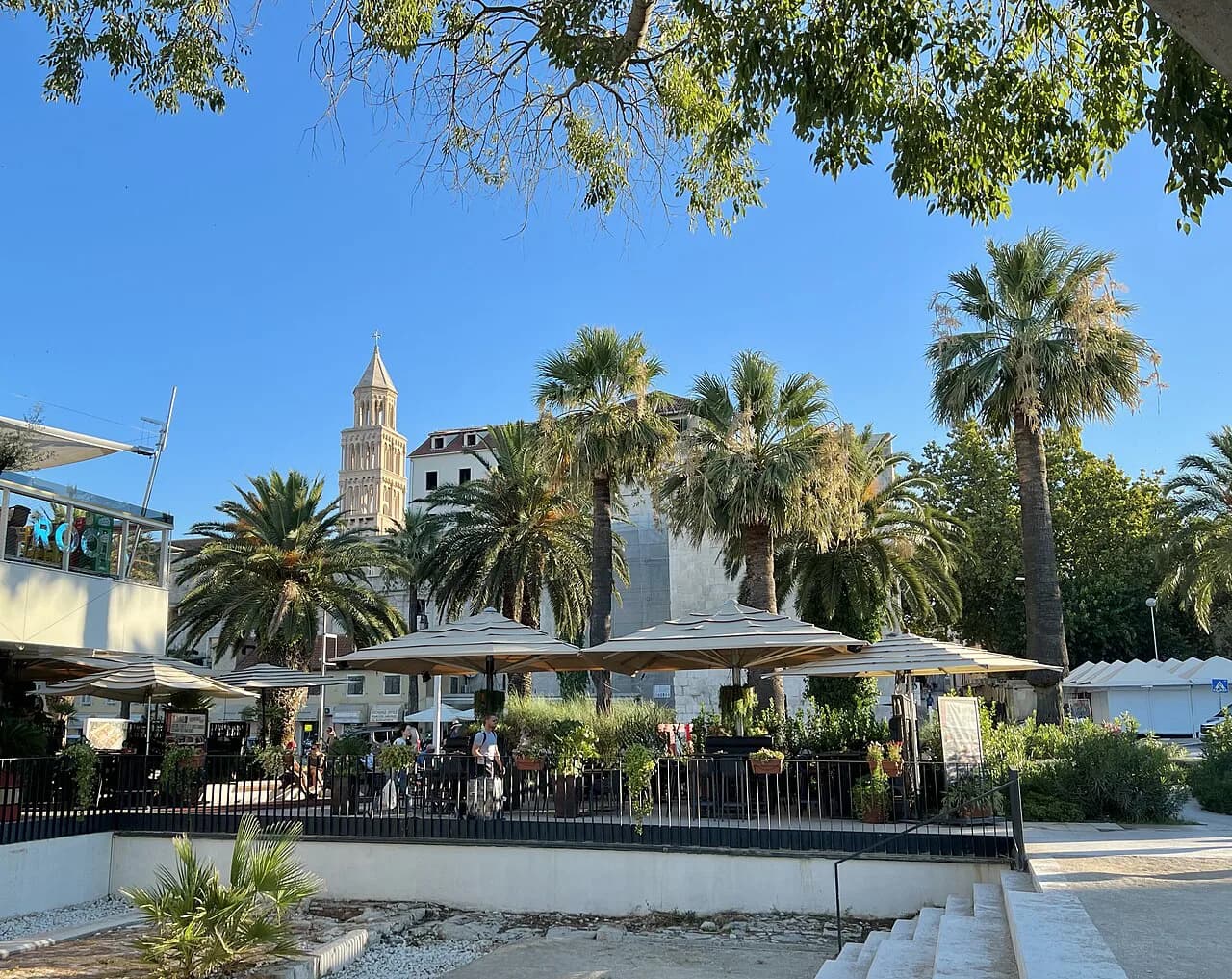
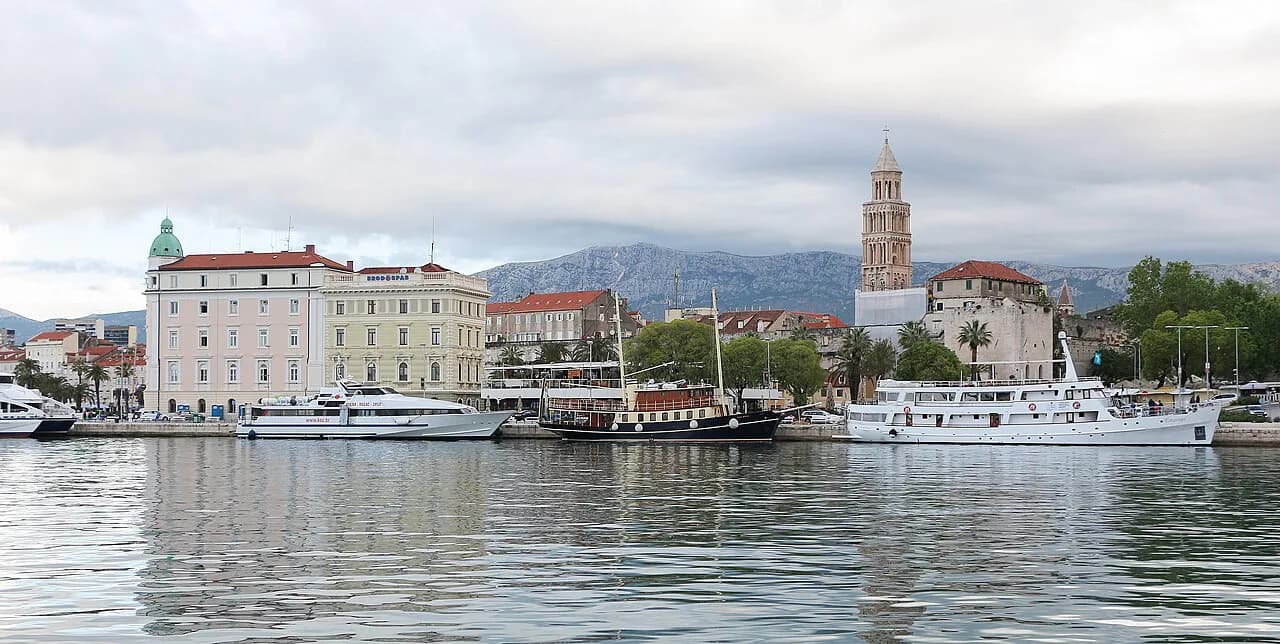
Split offers three distinct dining views, and they are not interchangeable. The Riva seafront looks out over the Adriatic and the ferries, the Palace walls put ancient stone and narrow lanes at your shoulder, and the Varoš edge gives you masts and fishing boats rather than open water. Deciding which one you want narrows the restaurant list before you even open a menu.
The setting dictates the meal too. A sea-facing terrace rewards a long lunch and a bottle of Pošip, a white wine from the Dalmatian coast, while a Palace-wall table suits a slower dinner with a Plavac Mali, the robust red from the Pelješac peninsula. A harbour-side konoba works best for a casual supper of grilled fish and blitva, the chard-and-potato side that comes with most Dalmatian plates.
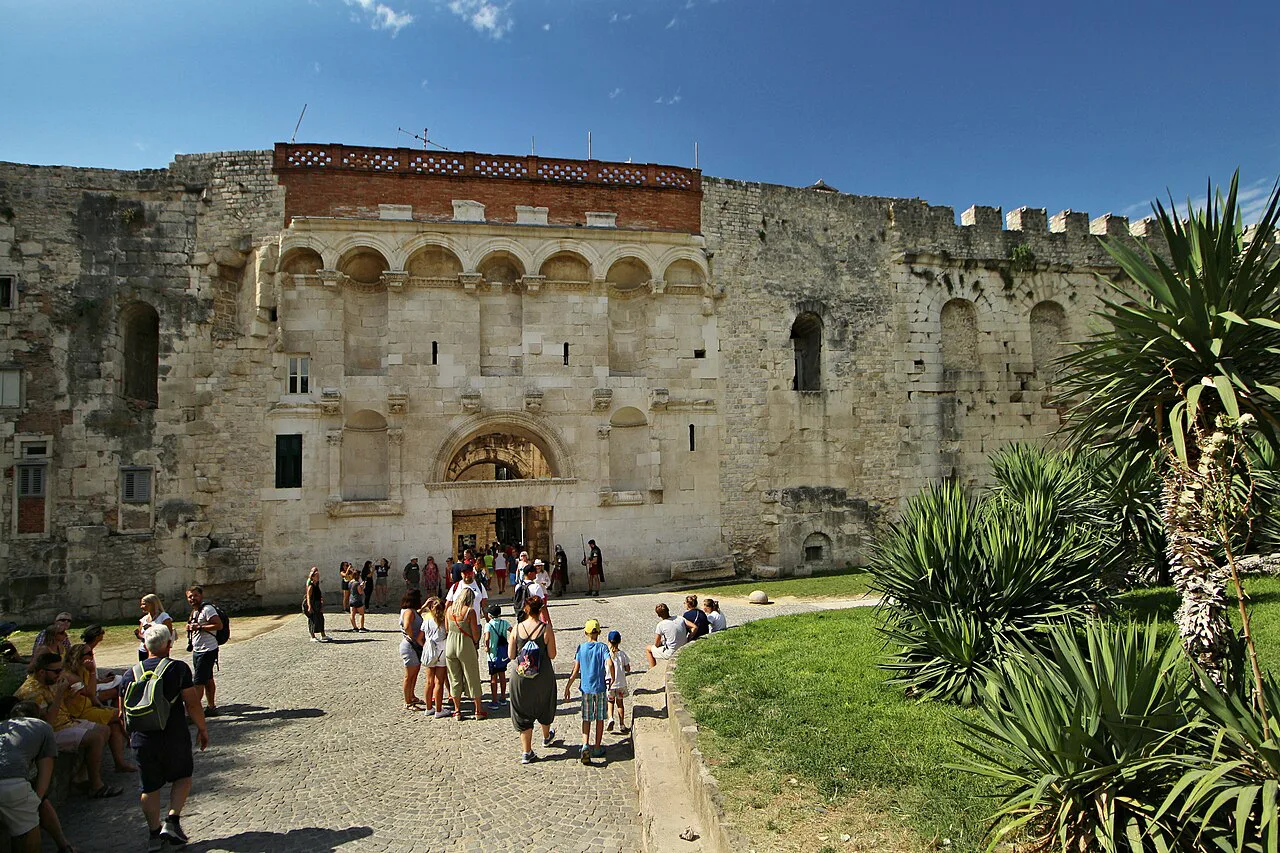
Riva and Palace-wall terraces: what to expect and when to book
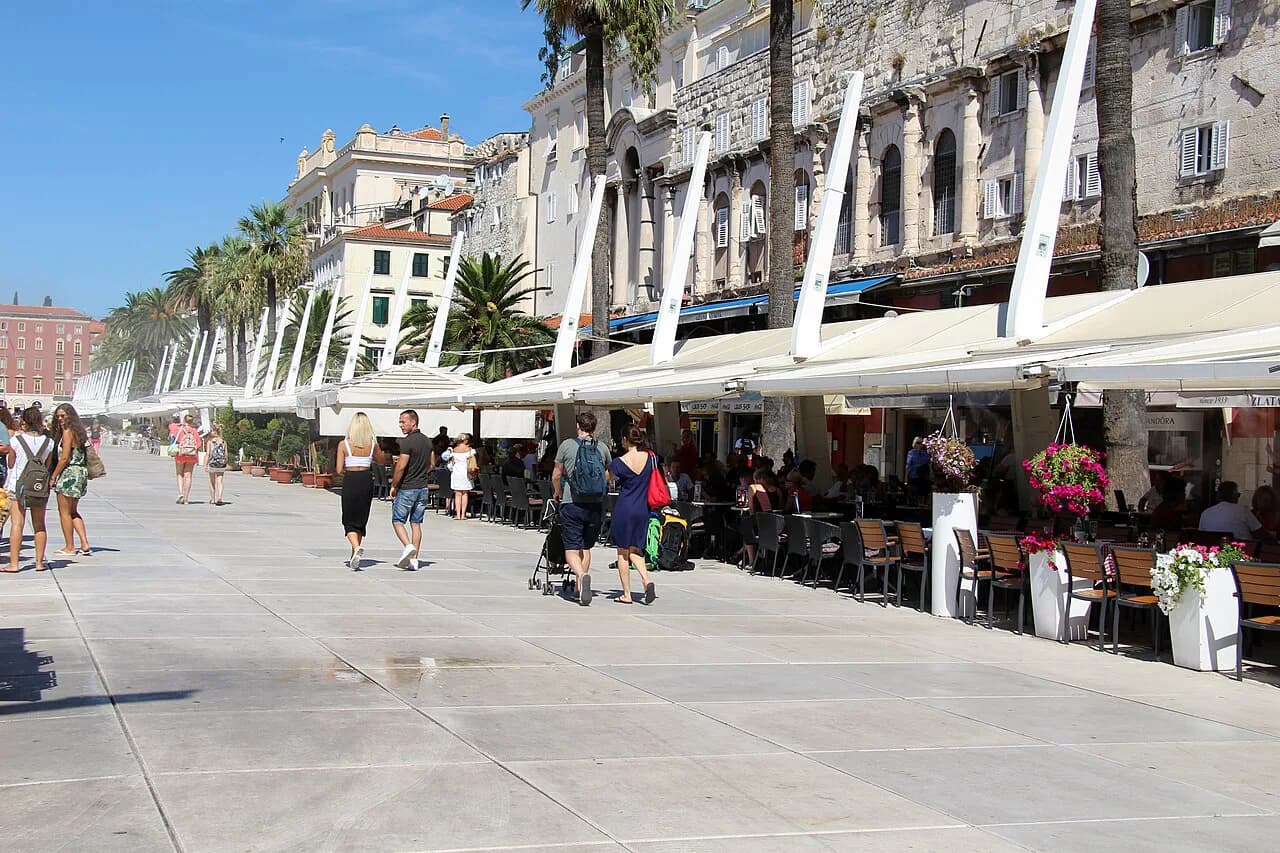
The Riva runs along the seafront just outside the Palace walls, and the tables set against that stone are Split's most theatrical seats. Expect higher prices than a few streets back, a menu tuned to visitors and a view that earns its premium at sunset. The trade-off is noise and foot traffic on summer evenings, when the promenade fills with strollers and the terrace becomes part of the passing crowd.
In high season, book a terrace table rather than walking up, and ask specifically for an outdoor table facing the sea or the Palace wall. A request made at booking is worth more than one made at the door, and it costs nothing to ask for the top floor or the front row. For a special-occasion dinner, compare the more ambitious kitchens in the city in our guide to Michelin Star Restaurants in Split before you settle on the view.
ZOI: a terrace built into the walls of Diocletian's Palace
ZOI sits on the edge of the Riva with a terrace built into the actual walls of Diocletian's Palace, giving you sea views and ancient stone on the same table. It is the most polished of Split's view restaurants, with a wine list to match and service that stays relaxed despite the setting. That combination makes it the pick for a long lunch or a sunset dinner with a touch of ceremony.
Order with the setting in mind. A tuna tartare with citrus or simply prepared Adriatic seafood keeps the meal light while the view does the work, and slow-cooked veal with seasonal vegetables suits a cooler evening. Book ahead and ask for the top floor or the outdoor terrace, where the palace walls frame the sea most directly.
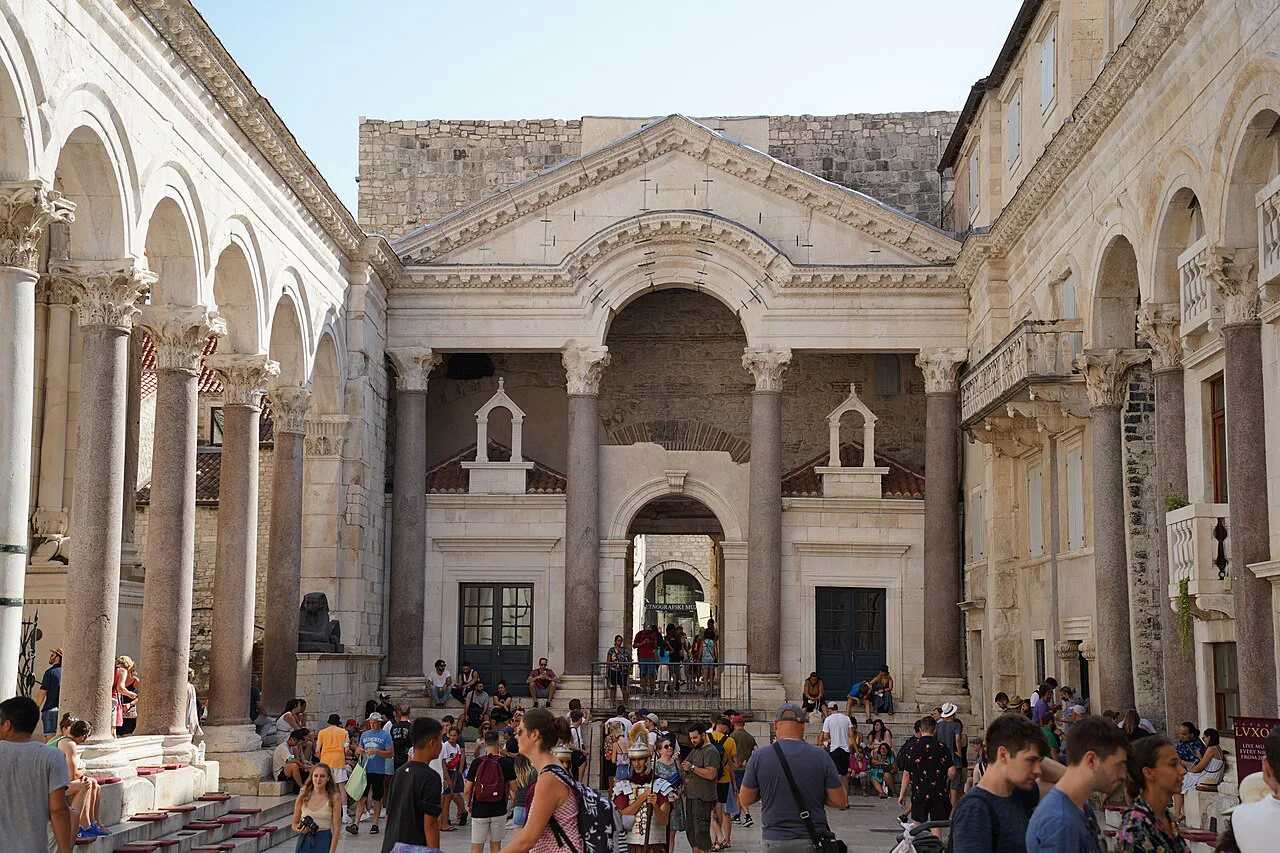
Old-town dining near the Riva: Bokeria Kitchen & Wine
Bokeria Kitchen & Wine is in the heart of the Old Town, minutes from the Riva, and trades an open-water view for a room with soaring ceilings, a wall of wine and an open kitchen. It feels buzzy and contemporary rather than ceremonial, and the wine list is a genuine introduction to Croatia's regions, from Istrian whites to Pelješac reds. For many visitors that energy is the view.
The cooking leans into comfort: a prosciutto pasta and an oxtail risotto both reward a slow evening. It is a strong choice when you want old-town atmosphere and a serious glass of wine rather than a sea-facing table, and it pairs naturally with a walk along the Riva afterwards. If the evening is meant to be Romantic Restaurants in Split rather than lively, compare the quieter options before committing.
Harbour and Varoš side: Konoba Fetivi and the quieter western edge
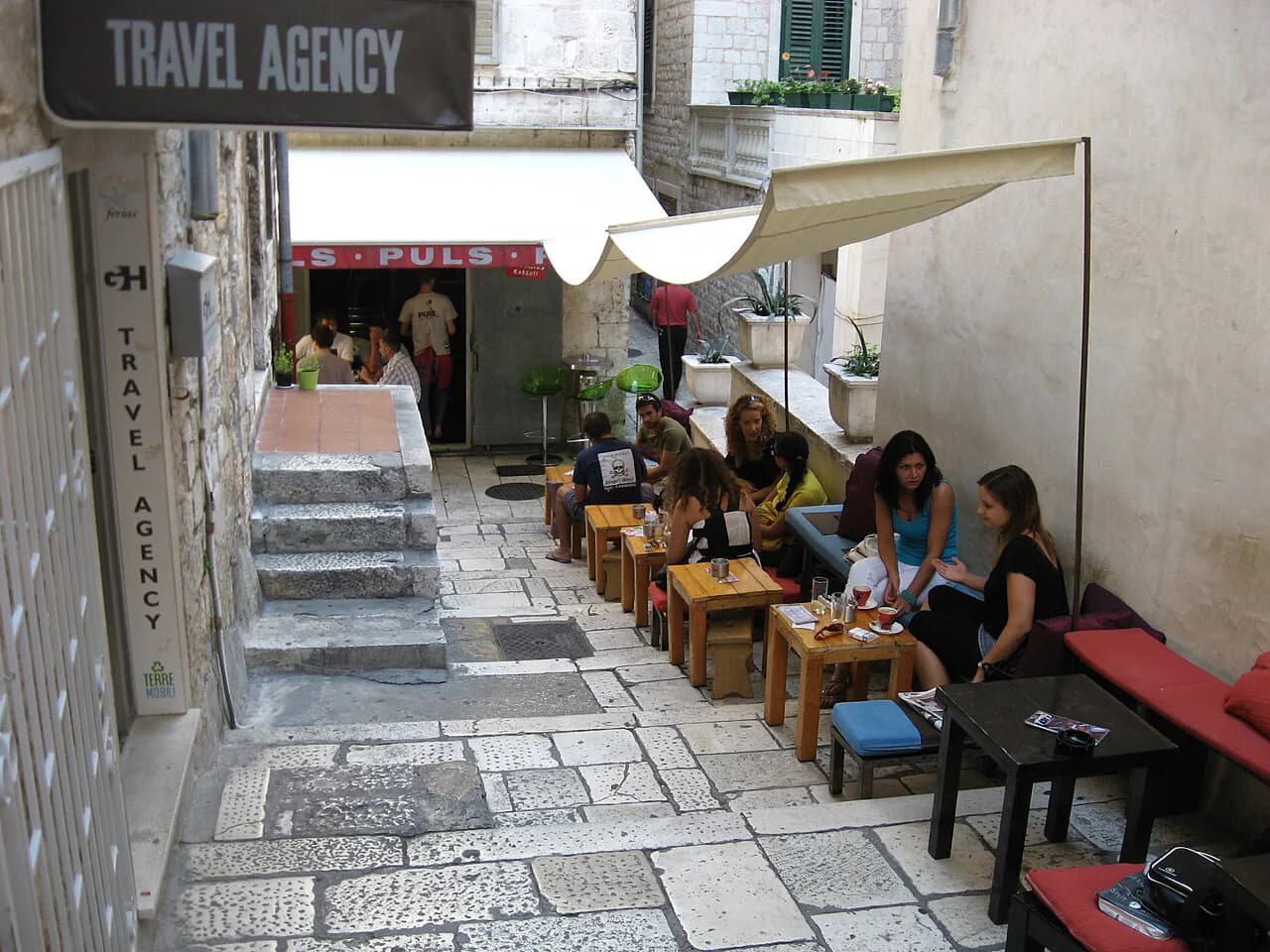
Konoba Fetivi sits just outside the tourist crush of the Riva in Varoš, a quieter neighbourhood where the harbour edge replaces the promenade. It is family-run and proudly local, and the cooking is classic Dalmatian: well-sourced seafood, time-honoured recipes and grilled fish cooked over an open flame. This is the Split view for people who want masts and neighbourhood calm rather than a front-row seat on the seafront.
A konoba is a traditional Croatian tavern, usually family-run, with a short menu built on local fish, meat and vegetables, and Fetivi is a textbook example. Order the grilled fish and let the kitchen choose the weight, since fish is priced by the kilo and you will be asked to approve it. The walk back towards the Riva takes minutes, which makes Varoš an easy compromise between a sea view and a local table.
Tolstojeva Street and inland tables: Šug
Šug, tucked just off the main tourist paths on Tolstojeva Street, trades the view for quieter, cooking-led dining. It is run by chefs Duje Kanajet and Mateo Kordić and appears in the Michelin Guide selection, and the draw is a daily-changing marenda, the traditional Dalmatian lunch, plus robust seafood stews such as tećada, a mixed fish, scampi and shellfish stew. The leafy inner terrace gives you green shade rather than sea light.
This is where to eat when the food matters more than the backdrop. The pašticada, a slow-braised beef dish served with homemade gnocchi, and the signature tomato soup are the kind of plates that suit a relaxed lunch rather than a sunset occasion, and the terrace stays calmer than the Riva. Coming here deliberately inverts the usual trade-off: you give up the sea and gain a kitchen worth the detour.
Matching the view to the meal: long lunch, sunset dinner or casual konoba supper
A long lunch belongs on the Riva or at a Palace-wall terrace, where a bottle of Pošip and a plate of grilled fish can stretch through the afternoon without the noise of the evening crowd. A sunset dinner suits ZOI or another terrace with a sea sightline, where the ceremony of the setting is part of the point. A casual konoba supper fits Varoš, where you eat well a few streets from the water and walk back along the harbour.
Families have a different calculation, since a long sunset dinner and a tired child rarely combine well. An earlier table, or a konoba with a short menu and quick service, usually beats a ceremony-heavy terrace. If the group includes young children, weigh the view against the pace before booking the most theatrical room in town.
What to order that suits a terrace table: grilled fish, pašticada, seafood stew
Grilled fish is the dish that best suits a sea-facing table: simply seasoned, cooked over an open flame and light enough for a long lunch. Fish is sold by the kilo in Croatia, so the kitchen will bring the whole fish for your approval before cooking, and the price follows its weight. Ask for it with blitva and a glass of Pošip rather than a heavier sauce that would fight the view.
Pašticada, the slow-braised beef with homemade gnocchi, is a better fit for an inland table or a cool evening, when a rich plate earns its place. Tećada, the seafood stew of fish, scampi and shellfish, sits between the two: robust enough for a harbour-side konoba and generous enough to share. A Plavac Mali with the beef and a crisp white with the fish covers most of the list.
Which Split table should you book?
Book ZOI if the view is the occasion, and ask for the top floor or outdoor terrace when you reserve. Choose Konoba Fetivi if you want a local, family-run table near the harbour in Varoš, or Šug if the cooking should lead and the leafy terrace is scenery enough. Bokeria Kitchen & Wine is the old-town compromise when atmosphere and wine matter more than open water.
In high season, reserve ahead for any terrace and state your table preference clearly at the time of booking. Confirm current opening days and any seasonal closures directly with the restaurant before you build an evening around one address.
Explore more Split guides
Frequently Asked Questions
What is a konoba in Croatia?
A konoba is a traditional Croatian tavern, usually family-run, with a short menu built on local fish, meat and vegetables. In Split, konobas sit in neighbourhoods such as Varoš, a few streets back from the Riva, and offer a quieter alternative to the seafront terraces.
How is fish priced in Split restaurants?
Fish is generally sold by the kilo rather than as a fixed plate. The kitchen brings the whole fish to the table for your approval before cooking, and the final bill follows its weight, so ask to see the fish and confirm the weight before it goes on the grill.
Is it worth booking a terrace table in Split in summer?
Yes, if the setting is part of the plan. Riva and Palace-wall terraces fill quickly on summer evenings, so reserve ahead and ask for an outdoor table facing the sea or the palace walls rather than leaving it to the door.
Sources
Notes on eating well in Croatia
Optional updates to our food guides.
You might also like
Continue reading
More guides you'll find useful