Split Green Market (Pazar): What to Buy and When to Go
Split's Green Market, the Pazar, sits beside Diocletian's Palace. Here's what to buy, from chard and figs to kulen and olive oil, and the best morning to go.
On this page
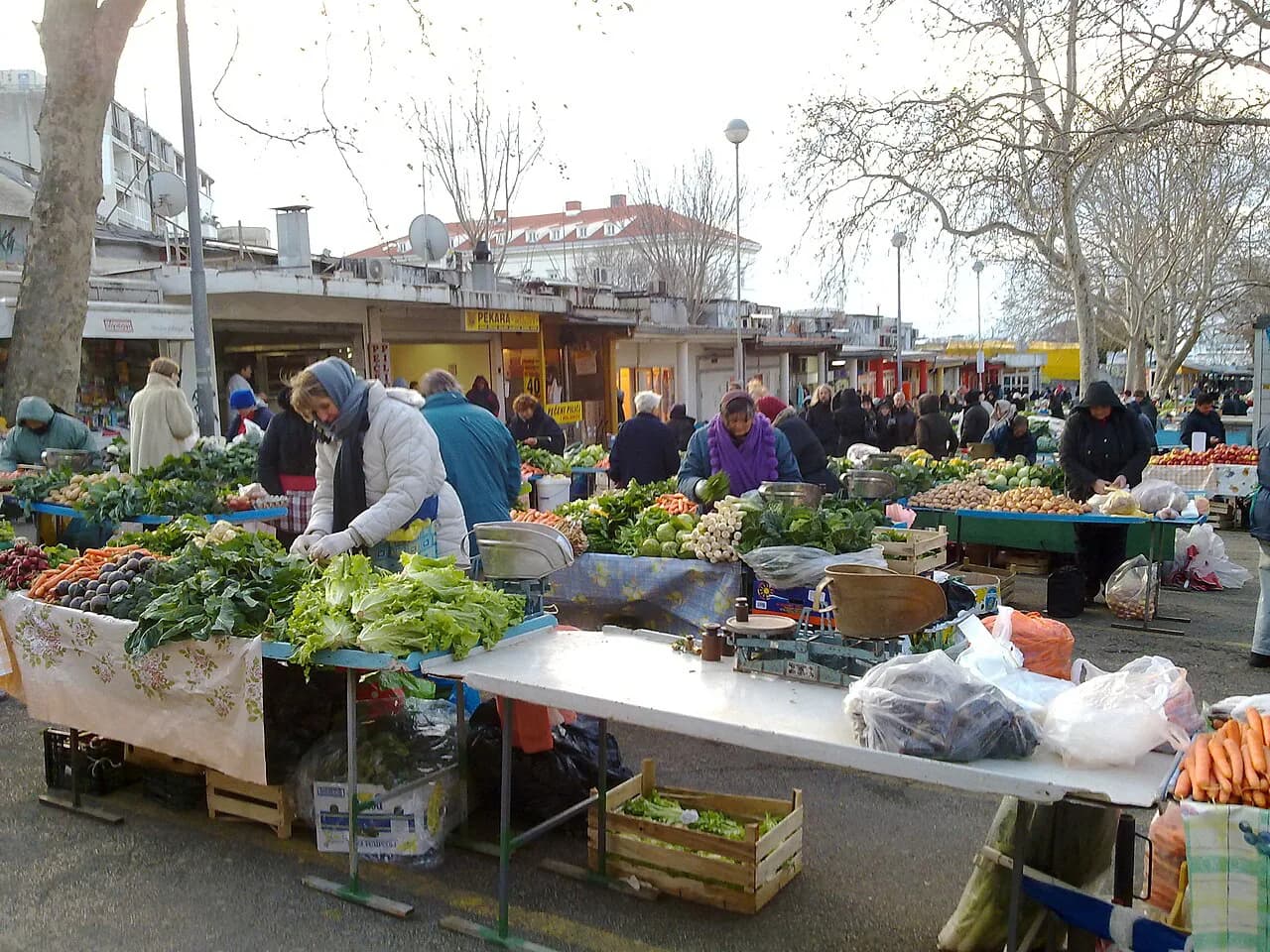
The Split Green Market, known locally as the Pazar, is the city's main open-air produce market, spread across a square on the northern side of Diocletian's Palace by the Silver Gate, with butchers, bakeries and grocery shops around the edge. On a Saturday morning you get the fullest and liveliest version of it, while a weekday gives you a quieter square to browse. This guide covers what to buy, how stalls sell, why cash matters and how to pair the visit with the fish market across the old town.
What the Pazar Is and Where to Find It
The Pazar is a large farmers'-market square of stalls rather than a single building, sitting alongside the palace walls on the northern side of the old town. It is the food half of Split's central market trade, with the fish market on the opposite side of the palace, so plan to cross the old town between the two.
Stalls holding clothes and souvenirs line the outside, so if food is the goal, weave through them and into the square itself. Grocery stores, bakeries and butcher shops occupy the surrounding walls, which means you can finish a shop for bread or pastries without leaving the block.
How the Market Works: Stalls, Kilo Prices and the Shops Around It
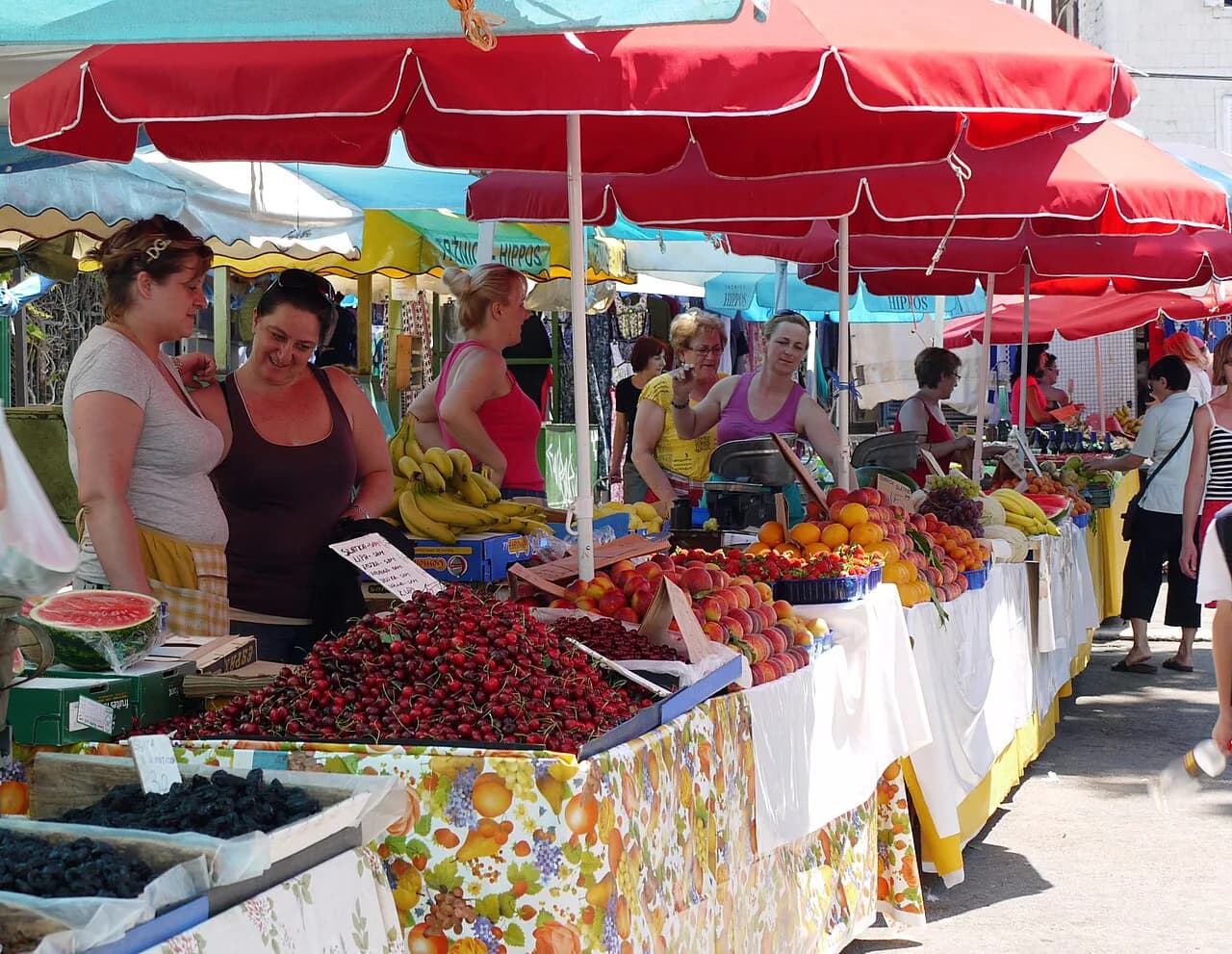
Produce is sold by the kilo, and the traders work the stalls themselves, calling out offers and pressing samples on passers-by. The same by-weight habit applies to cheese and cured meat at the surrounding counters. At the Green Market you will also find smoked meats, seasonal vegetables, dried beans and fruit, cheese, olive oil and a rotisserie.
Vendors begin setting up by around seven in the morning, and the earlier you arrive the less crowded the square is. This is a morning errand: come early and you get first pick of the produce and far more room to browse.
What to Buy: Chard, Dried Fruit, Nuts and Beans
Seasonal vegetables dominate the square, and Swiss chard is the one to know: it is a leafy green with thick white stems, cooked like spinach and served alongside potatoes and fish all along the coast. Bags of dried figs and prunes move fast, and vendors will push a fig into your hand to try before you buy.
Stalls also carry nuts, dried beans and dried fruit, plus herbs and honey, which makes the Pazar a sensible single stop for a picnic or a self-catering kitchen. Small bunches and small jars suit a short stay better than bulk buying.
Cheese and Cured Meat: Dalmatian Sir, Ricotta-Style Cheese and Kulen
The cheese stalls sell a soft ricotta-like cheese and a firm regional hard cheese sold as Dalmatian sir, which is the one to take back to an apartment with bread and tomatoes. Cured meats are sliced to order, including kulen, a Croatian smoked sausage sold among the smoked meats.
Butchers and smoked-meat stalls sit among the produce, so you can assemble a ploughman's-style lunch from three or four counters in one lap. Ask for a small quantity and let the stallholder choose the cut.
Olive Oil, Honey and Storecupboard Buys
Olive oil producers sell bottles at the market, including small bottles that make sense if you are cooking for a few days rather than stocking a kitchen. Honey, herbs and lavender appear on the same stalls, and these travel better than fresh produce if you are flying home.
Buy oil and honey towards the end of your lap so you are not carrying glass around the produce stalls in the heat. If you would rather not cook at all, the supermarket shelves cover the basics and the market covers the good stuff.
The Rotisserie: A Quick Lunch From the Market
A rotisserie on the square turns out cooked chicken, turkey and pork, which is the fastest hot lunch in the area and doubles as sandwich filling with bread from a bakery counter. Buy a portion, add tomatoes and chard from the stalls, and you have a picnic without turning on a hob.
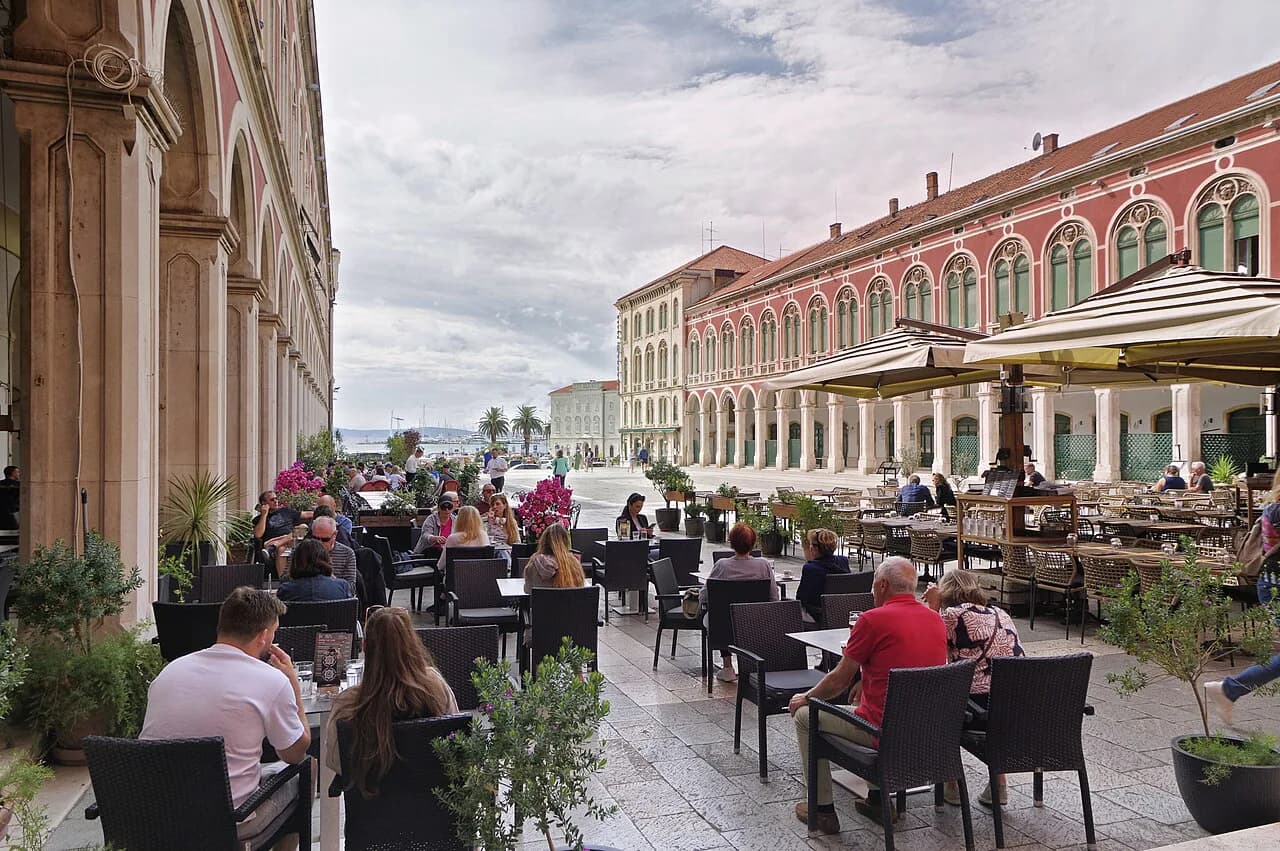
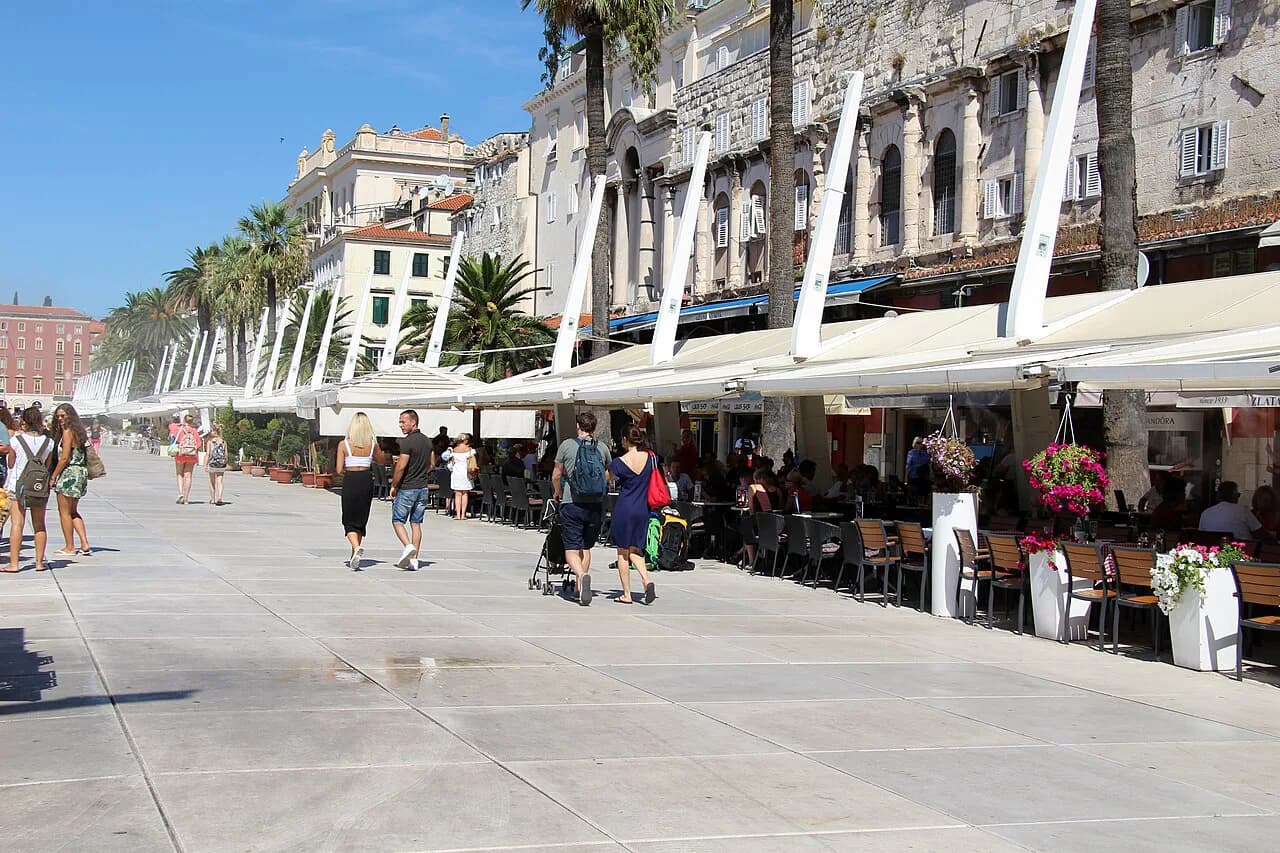
For a sit-down start to the day instead, the streets around the palace have plenty of places for breakfast before you shop, and there is good Coffee in Split close by for afterwards.
Saturday Morning Versus a Weekday
Saturday is the fullest market of the week, with the widest spread of stalls and the thickest crowds; come early if you want first pick. On a weekday you will find fewer vendors but a calmer square, which suits anyone shopping with a list rather than browsing.
If the market leaves you wanting a proper sit-down meal or a coffee afterwards, the surrounding streets handle both, and the local Coffee in Split is a good place to start.
Paying, Language and the Cash-First Culture
Cash is the working currency at the stalls, and it is worth drawing euros before you arrive rather than assuming a card will be accepted. Produce is sold by the kilo, so a rough sense of how much you actually need saves you carrying half a kilo of figs around town.
Croatian is the language of the stalls, and English is not guaranteed, so pointing, holding up fingers and using a phone calculator handles most price conversations. Vendors are used to visitors and the transaction is short, so do not overthink the pantomime.
Pairing the Pazar With the Fish Market at Marmontova
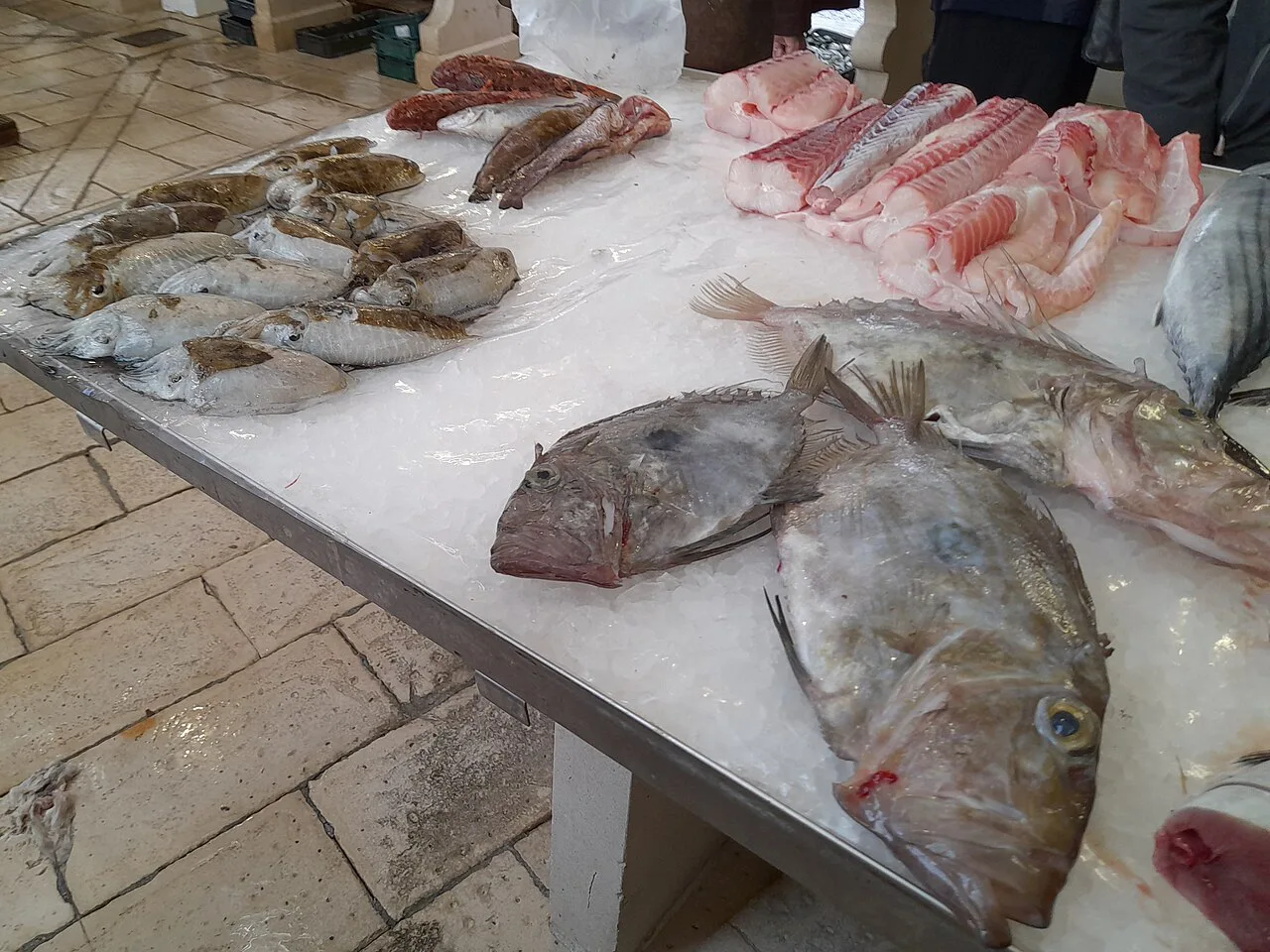
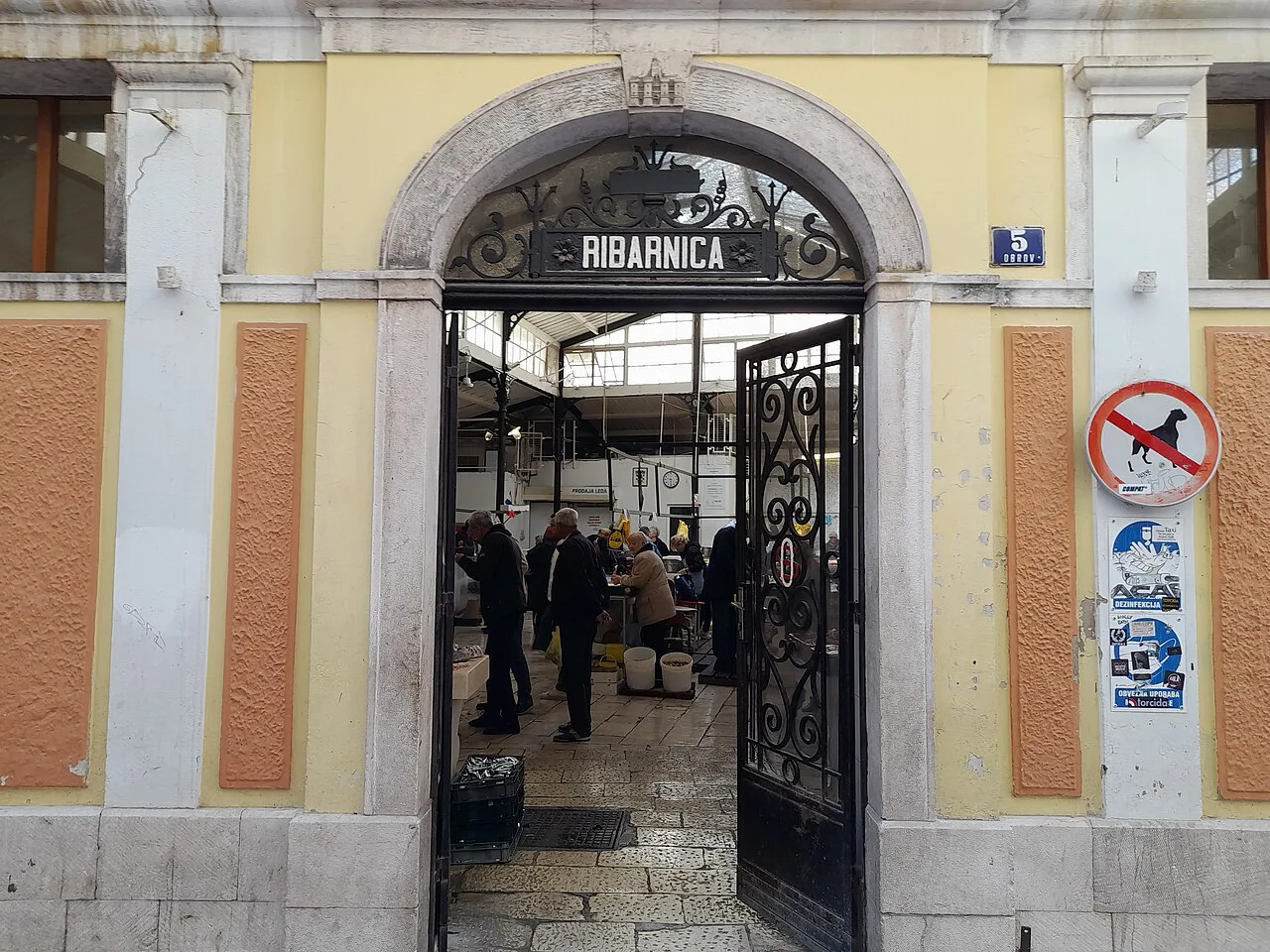
The Gradska ribarnica, Split's covered fish market, sits at the edge of the old town on Marmontova Street near Trg Republike, in a cast-iron and glass hall built in 1890. Buy produce, cheese and bread at the Pazar first, then cross the old town to the covered fish market on Marmontova for seafood, so the cold items make the shortest possible journey.
The fish hall opens in the morning and the catch changes daily, with prawns, sardines, sea bass, ray wings and monkfish among the regulars. Traders will clean, scale or fillet your fish for a small extra charge, which is worth taking if your kitchen is a holiday flat with one pan.
Go early for the best choice, and remember the fishmongers work in cash by weight just like the produce stalls. If you would rather someone else did the cooking, the seafood restaurants near the fish hall are a short walk away.
Is the Pazar Worth Building Your Morning Around?
Yes, if you are self-catering or want a picnic: the Pazar delivers chard, figs, Dalmatian cheese, kulen, olive oil and hot rotisserie meat in one square, with a fish market a short walk away. Go on a Saturday for the full market, or a weekday for a quieter shop, and take cash.
Finish with a coffee in the old town, or an Ice Cream in Split if the morning has turned warm.
Explore more Split guides
Frequently Asked Questions
Is the Split green market open on Sundays?
The fullest market is on Saturday morning, and the square is quieter on a weekday. Go on a Saturday or a weekday morning if you want the widest spread of stalls.
Do the stalls at Split green market take cards?
Assume cash. Take euros in small denominations before you arrive rather than assuming a card will be accepted, and keep loose change for quick purchases.
How much does food cost at Split green market?
Produce and cheese are weighed and priced by the kilo, and the total depends on what you buy and the season. Ask the stallholder to weigh a small amount first so you can see the price before committing.
What should I buy at Split green market?
Swiss chard, dried figs and prunes, nuts, dried beans, Dalmatian sir and a soft ricotta-style cheese, kulen and other smoked meats, a small bottle of local olive oil, honey and lavender. Add rotisserie chicken or pork for lunch.
Sources
Notes on eating well in Croatia
Optional updates to our food guides.
You might also like
Continue reading
More guides you'll find useful