Seafood Restaurants in Pula: Where to Eat Fish and Shellfish
Where to eat fish and seafood in Pula, from a fish-loving locals' favourite by the marina to Istrian konobas serving shellfish, squid and fresh fish.
On this page
Start with Ribarska Koliba if you want the surest seafood bet in Pula: a fish restaurant beside one of the city's main yachting marinas that locals have favoured for well over a century. Beyond it, the city offers two useful seafood styles, the kapitan-style fish house with a display case of the day's catch, and the Istrian konoba where fish shares the menu with fuži, truffles and game. This guide picks out six places across those styles, notes what to order at each and explains how fish sold by weight affects what you pay.
Pula spreads its seafood tables between the centre, the Stoja hillside and the waterfront, so where you eat shapes the evening as much as what you order. The picks below run from a brandy-layered aperitif near the Rojc arts centre to crab-stuffed ravioli above the Lungomare. Use it to choose one restaurant properly rather than to graze the old town.
What seafood in Pula looks like on the plate
Fish arrives simply grilled and sold by weight, which is the single most important thing to understand before you order. Menus also run to squid, shellfish and shellfish risottos, and to Istrian pasta dishes where seafood meets local tradition. Fuži, Istrian pasta twists, is the shape to know: it appears with truffles at some tables and alongside fish and shellfish at others.
Pula's fish restaurants divide roughly in two. The dedicated fish houses keep a display case or a long seafood menu and lean on the morning catch, while Istrian konobas treat fish as one option among fuži, game, truffles and pršut, the cured ham of the region. If your group splits between seafood eaters and everyone else, the konoba style usually suits better. For the wider spread of tables in the city, from konobas to pizzas, the full set of Pula restaurants is the place to compare.
Croatian seafood cooking here is plain by design: grilled fish, fried or grilled squid, shellfish in a light sauce, and risotto. That makes freshness the deciding factor rather than clever technique, and it is why a straightforward fish house with a good catch can beat a fancier kitchen. Order fewer dishes than you think you need and let the fish carry the meal.
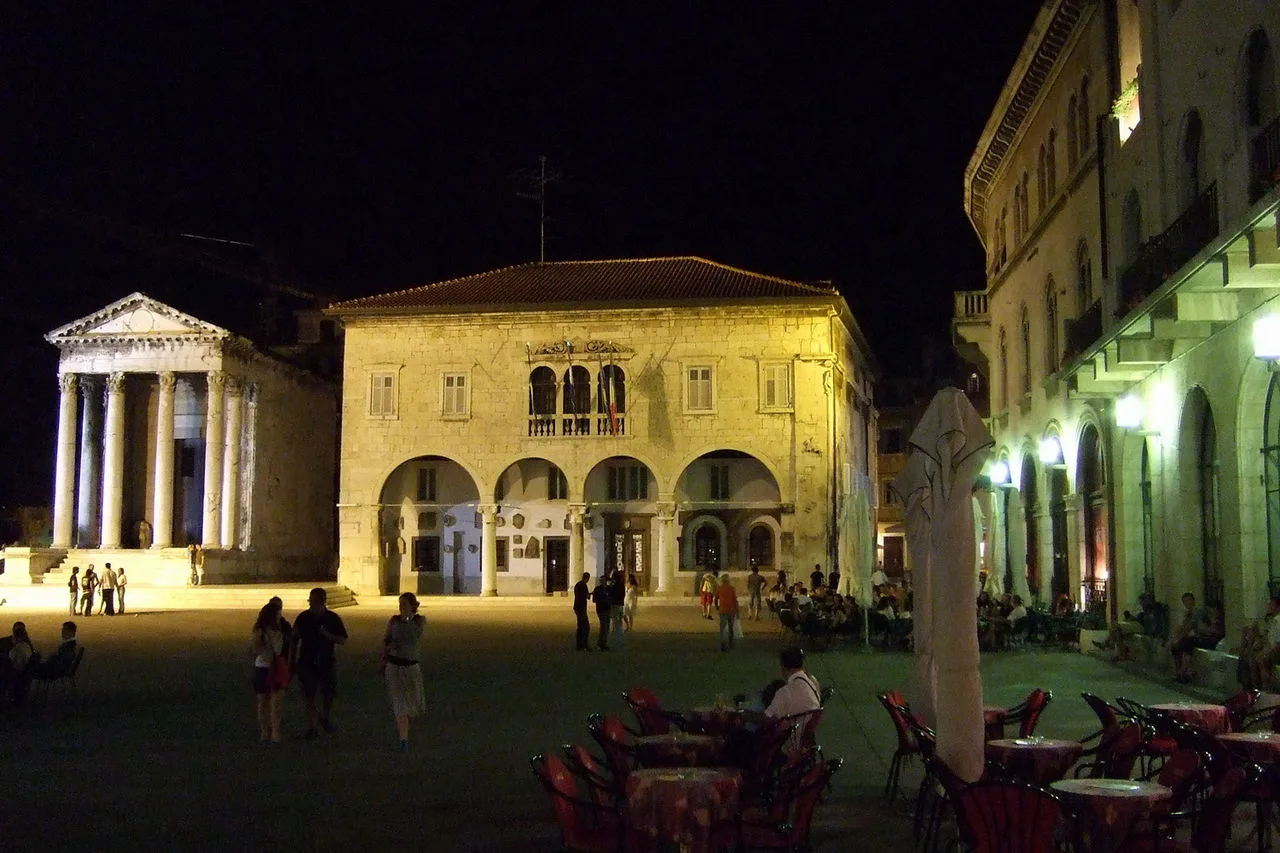
Ribarska Koliba: the fish lovers' favourite beside the marina
Ribarska Koliba, the Fisherman's Hut, has been a destination for fish-eating Pula folk for well over 100 years and was comprehensively refurbished in 2013. It sits right beside one of Pula's main yachting marinas, and the draws are fresh fish, squid and shellfish. The setting makes it the natural choice for a seafood dinner where the view and the plate pull in the same direction.
The restaurant went upmarket in that refurbishment without losing its reputation for serving traditional dishes at affordable prices, which is a rarer combination than it sounds on this stretch of coast. Apartments of various sizes sit next to it, most overlooking the berths. Book this one first if a marina-side table is the point of your evening.
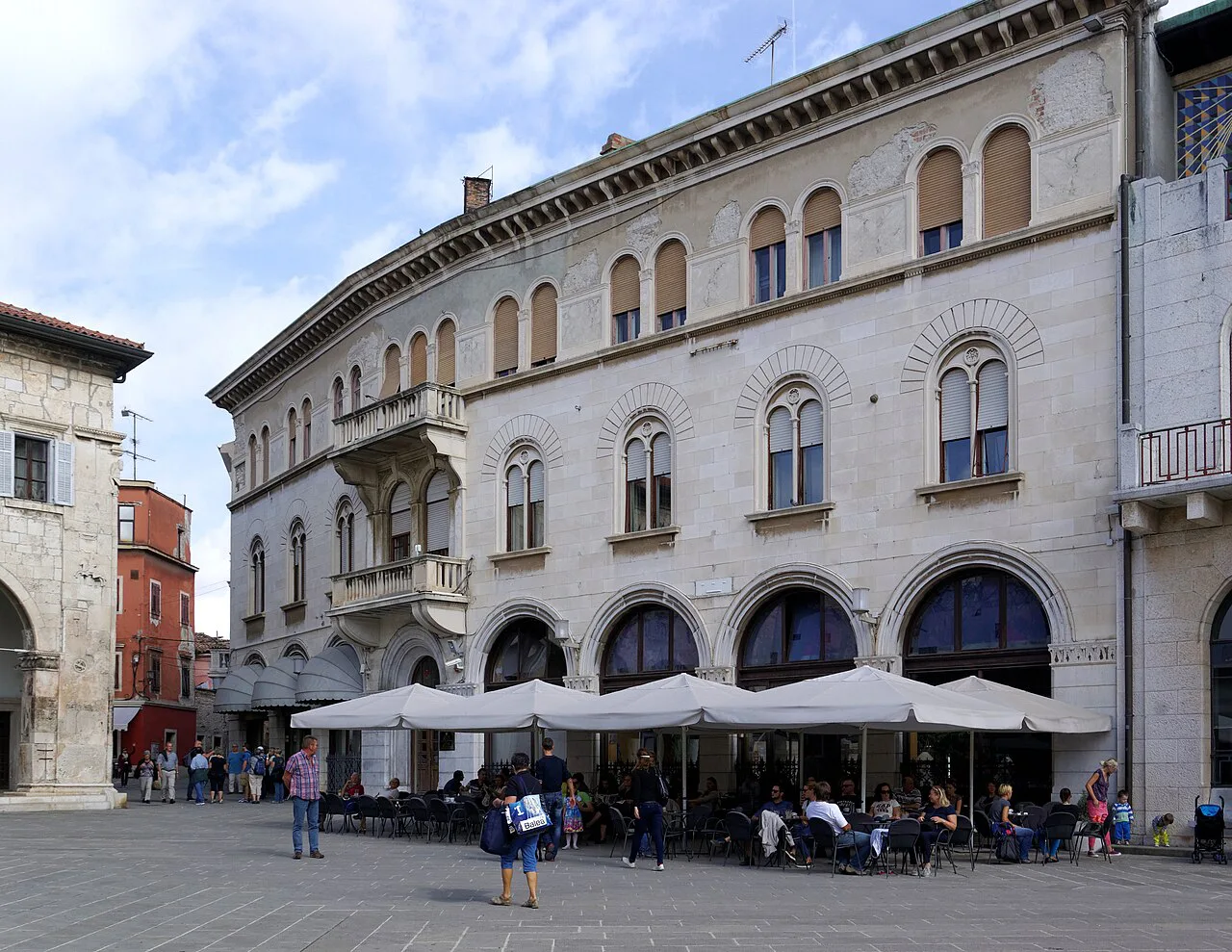
Milan: the display case and the frogs' legs
Milan has long been considered one of the top restaurants in town and occupies the ground floor of a modern hotel by the Naval Cemetery. A display case is piled with seafood fresh from the sea and echoed on a long main menu, with shellfish of every type. The quality justifies prices that stay reasonable for what lands on the plate.
Two practical notes shape an order here. Risotto portions are small by Croatian standards, so treat risotto as a course rather than a main if you are hungry. Frogs' legs with polenta is a house speciality worth trying if you want something beyond fish and shellfish, and the wine cellar is deep enough that asking the waiter to steer you is the sensible move.
Vodnjanka: Istrian cooking with fish and game
Vodnjanka is family-run and set off the main drag near the Rojc arts centre, which keeps it popular with Pula's cultural crowd rather than the passing tourist trade. The kitchen builds on traditional Istrian cooking, with plenty of fresh fish and game. That mix makes it the best pick when half the table wants seafood and half wants meat.
The must-try here is the house aperitif: three herbal brandies layered in one glass and capped with a lid of ice pierced by a hole. It is a strong drink, so one between two is a reasonable way to try it without turning the meal into a session. Drop-in drinkers should expect to wait at the bar rather than be seated immediately.
Kantina: the terrace behind the main market
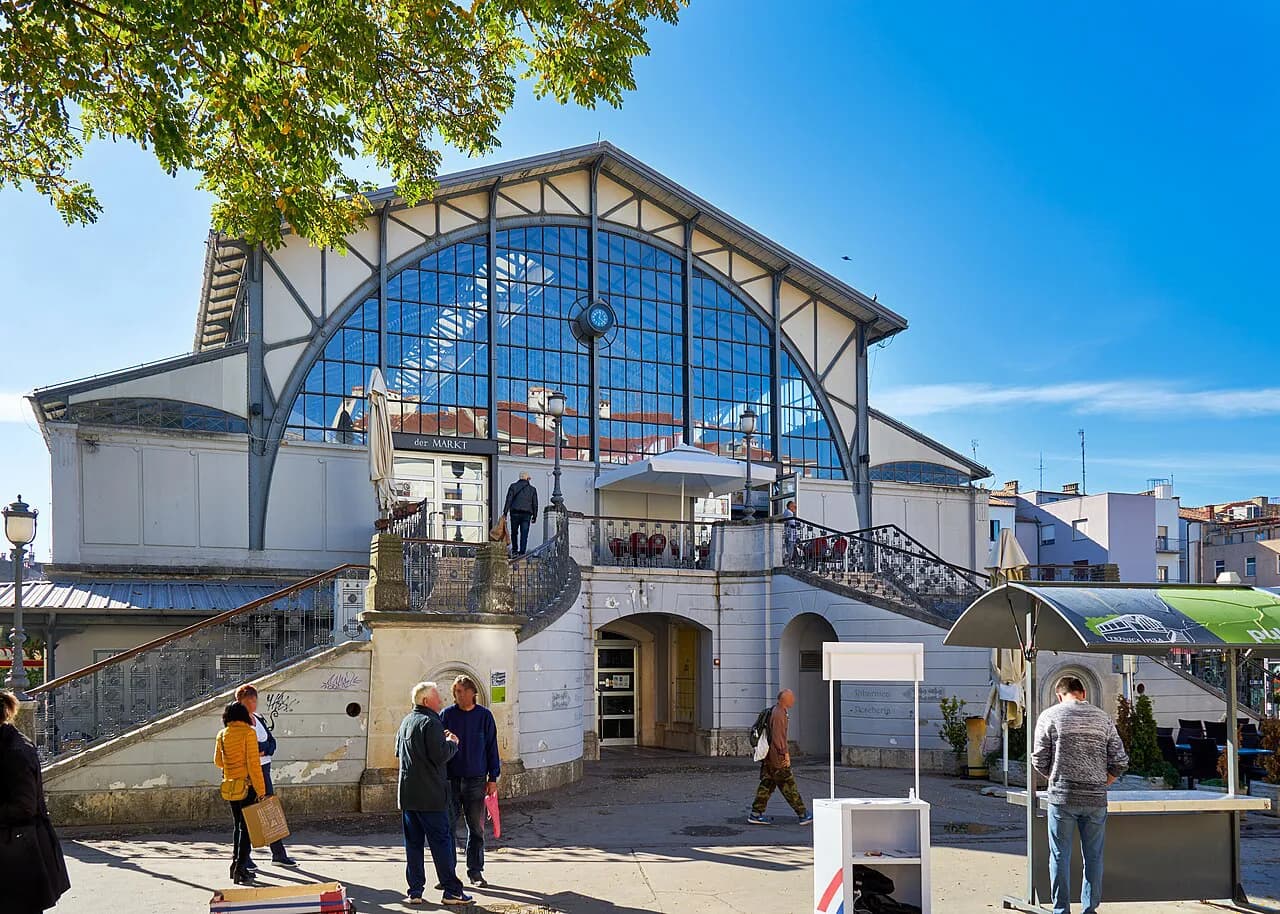
Kantina hides behind the main market in a converted Habsburg villa, with a terrace and carefully presented Istrian cooking. Truffles feature heavily, either with steak or, more traditionally, with fuži. If you are deciding between a fish-first dinner and an Istrian konoba evening, this is the truffle-and-pasta option, with seafood and vegetables in support.
A small coffee bar attached to the restaurant serves toasted sandwiches and filled baguettes, which solves the problem of a full seafood lunch taking longer than your day allows. Market-side position and a short lunch counter rarely come together, so use it when timing matters more than a sit-down meal. If lunch is the main meal of your day, the wider choice of places for lunch in Pula is worth a look before you commit.
Gina: crab ravioli above the Lungomare
Gina is a family-run restaurant just uphill from the seaside Lungomare promenade, near the wooded Stoja peninsula. Stone walls, polished wood and an Istrian-style fireplace set the tone, and the kitchen pairs seafood with pasta in combinations such as ravioli stuffed with crab. Pasta and bread are made in house.
Hearty meat dishes sit alongside the fish, so the table does not need to agree on seafood. A qualified sommelier is on staff and the wine list runs to around 60 mostly local labels. For a sea-adjacent dinner with a short stroll to the water afterwards, this is the strongest of the Stoja-side options.
Amfiteatar: the set menu, the à la carte and the one pricey fish
Amfiteatar is the modern newcomer, with a menu overseen by chef Deniz Zembo and a look built on matt black furniture, tablecloths and napkins. The daily three-course menus are the value play, with a choice of three options including at least one vegetarian. The à la carte leans on pastas, risottos and mid-price pork and chicken, with desserts as strong as the savoury cooking.
For a seafood meal, treat this as the lighter, modern alternative to the classic fish houses rather than a direct swap: grilled fresh fish is the only item on the à la carte that breaks the 100kn mark, and the rest of the menu gives more room to pasta, risotto and mid-price meat. It is also the most straightforward place in this list for a vegetarian in the group.
How fish is priced and ordered by the kilo
Grilled fresh fish in Pula is commonly sold by weight, so the number on the menu is often a rate per kilo rather than the price of your plate. Ask the weight of the fish before it goes on the grill and do the arithmetic yourself, because that is the only way to know what the main course will add to the bill. A whole fish to share often makes more sense than two separate fillets.
At Milan, the menu is long and the wine list runs deep, so a fish plus a bottle chosen without guidance is where a sensible dinner turns expensive. Decide your fish first, then let the waiter advise on wine: the cellar here is deep enough that asking for a steer is the sensible move.
Across Pula's seafood menus the standard spread runs to seafood risotto, scampi, grilled squid and mixed fish and shellfish. Ordering a few smaller plates rather than one large fish lets a group taste widely without committing to a single weight.
Booking in high season versus walking in
In summer, the marina-side and Stoja-side tables are the ones most likely to fill, and a group of four or more is better off reserving than gambling on a walk-in at a small terrace. Vodnjanka in particular seats drop-in drinkers at the bar rather than immediately. Booking ahead is the simplest way to avoid being turned away.
Outside high season the calculation flips. Pula has a strong local dining base, which keeps places like Ribarska Koliba and Vodnjanka busy with residents rather than visitors, and that local trade is the reason the cooking holds up.
Seaside terraces against old-town tables
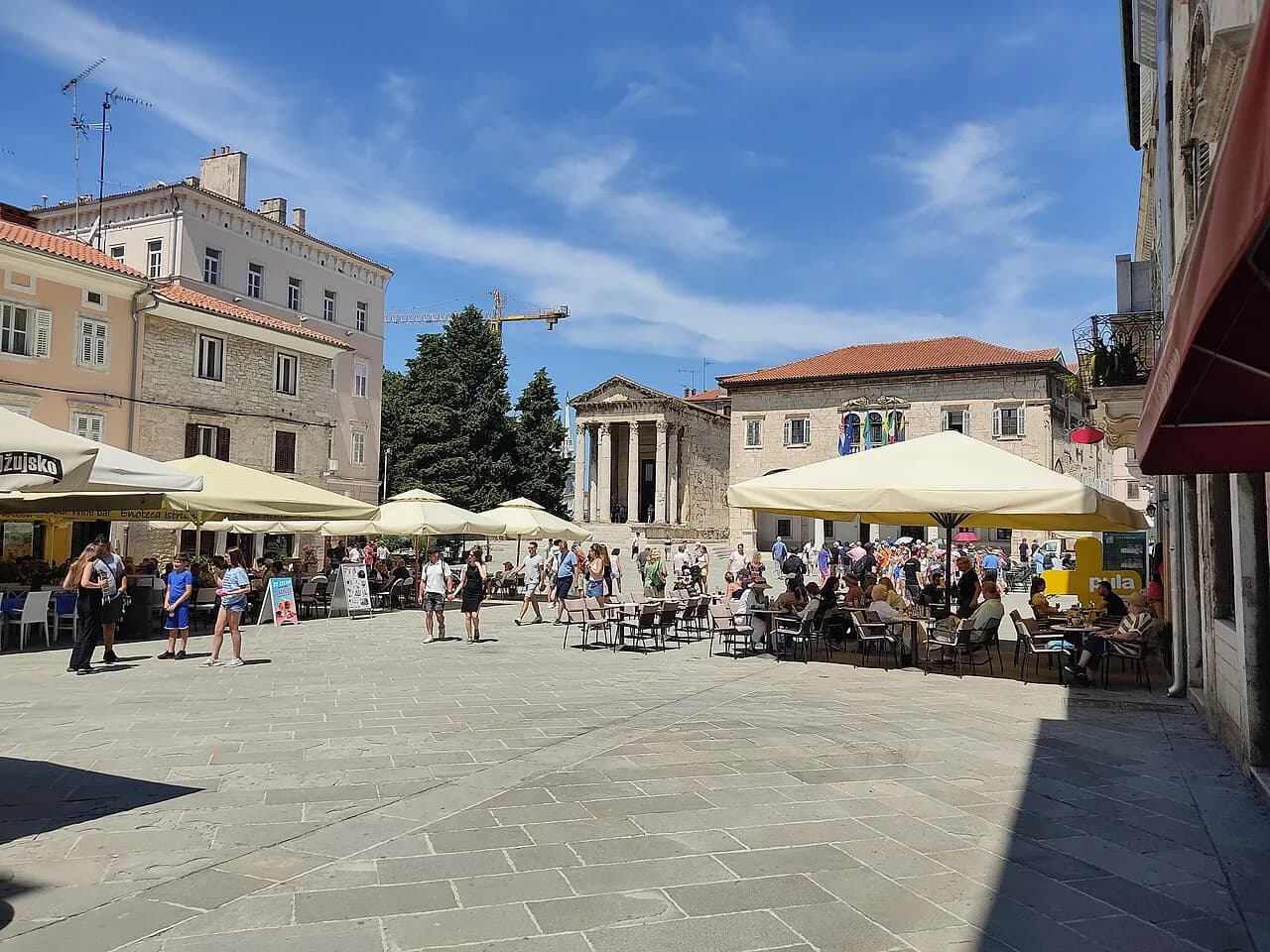
Pula's dining geography splits between the centre, where tables sit in the old streets and near the market, and the outskirts of Verudela and Stoja, where restaurants offer a sea view. The centre wins on atmosphere and choice; the outskirts win on the view and a calmer evening. Decide which you want before you book, because crossing town between the two is not how you want to spend the evening. The Pula old town restaurants guide covers the centre in more detail.
Two of the picks here, Kantina behind the main market and Vodnjanka near the Rojc arts centre, are town-centre tables that feel local rather than tourist-facing. Ribarska Koliba and Gina sit on the water side. Splitting your evenings between the two gives you both the market-side Istrian cooking and a marina dinner.
Which Pula seafood restaurant should you book?
Book Ribarska Koliba for a marina-side fish dinner where the catch leads, Milan when you want shellfish from a display case and a deep cellar behind it, and Vodnjanka when the table splits between fish and game. Kantina and Gina cover the Istrian pasta and truffle angle, and Amfiteatar is the set-menu, modern option with a vegetarian choice.
Whichever you pick, fix the weight of your fish before it is grilled, since the bill is built on weight and rate together.
Explore more Pula guides
Frequently Asked Questions
What seafood is Croatia known for?
Croatian coastal cooking is built on grilled fresh fish, squid and shellfish, often kept simple so the catch carries the dish. In Istria, seafood sits alongside regional staples such as fuži, Istrian pasta twists, and truffles, which is why the region's konobas read differently from a dedicated fish house.
Is Pula worth visiting for food?
Yes, particularly if you want seafood with a strong local base rather than only tourist trade. Pula has a well-established local dining scene, so fish restaurants such as Ribarska Koliba and Vodnjanka stay busy with residents, and the city combines town-centre Istrian cooking, such as Kantina behind the market, with marina-side fish dinners at Ribarska Koliba.
Sources
Notes on eating well in Croatia
Optional updates to our food guides.
You might also like


Continue reading
More guides you'll find useful