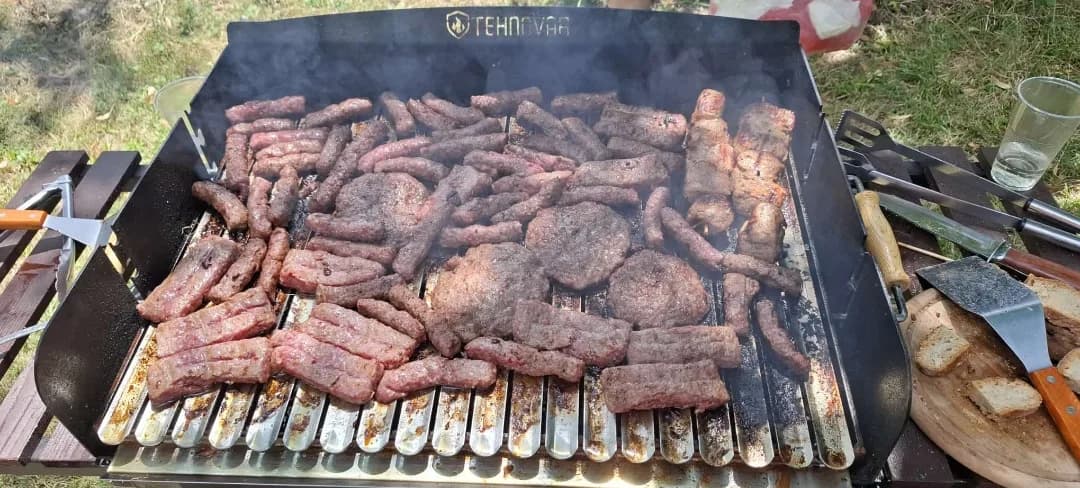
Continental Croatia Restaurants: Where to Eat Inland
Plan meals inland with this guide to continental Croatia restaurants, from Zagreb and Samobor to Zagorje and Slavonia, plus the dishes to order in each.
On this page
Continental Croatia restaurants are built around pork, dairy, paprika and pastry rather than the fish-and-grill model most visitors expect from the Adriatic. Expect hearty plates in Zagreb, Samobor, Zagorje, Varaždin, Slavonia and around Plitvice Lakes, with a slower pace and larger portions than a coastal terrace. This guide splits the interior into towns and micro-regions, names the dish to order in each, and explains how an inland konoba works.
The single most useful adjustment is to stop hunting for seafood once you leave the coast. Inland kitchens lean on smoked meat, freshwater fish, cream, cheese and seasonal produce, and that is where the value and character sit.
What inland Croatia means for eaters
Inland Croatia lies beyond the coastal mountain barrier: Zagreb and its surrounding hills, Zagorje, the Varaždin and Međimurje north, Slavonia in the east, and Lika and the Plitvice plateau. Inland Istria sits within the peninsula's hill country rather than beyond that barrier. Each area has its own kitchen, but they share a preference for cured pork, dairy, paprika and dough over Mediterranean fish and olive oil.
The word konoba travels inland too, but the inland version is often a gostionica or a country restaurant with a tiled stove, a short handwritten menu and a focus on one or two local specialities. Croatia has used the euro since 2023, so inland bills are quoted in euros just like coastal ones, and inland portions tend to be larger.
Two dishes carry the inland identity: štrukli, a baked or boiled dough parcel filled with cottage cheese and often served with cream, and kremšnita, a vanilla custard slice under a crisp pastry lid. Learn those two names and you can read half the menus in the north.
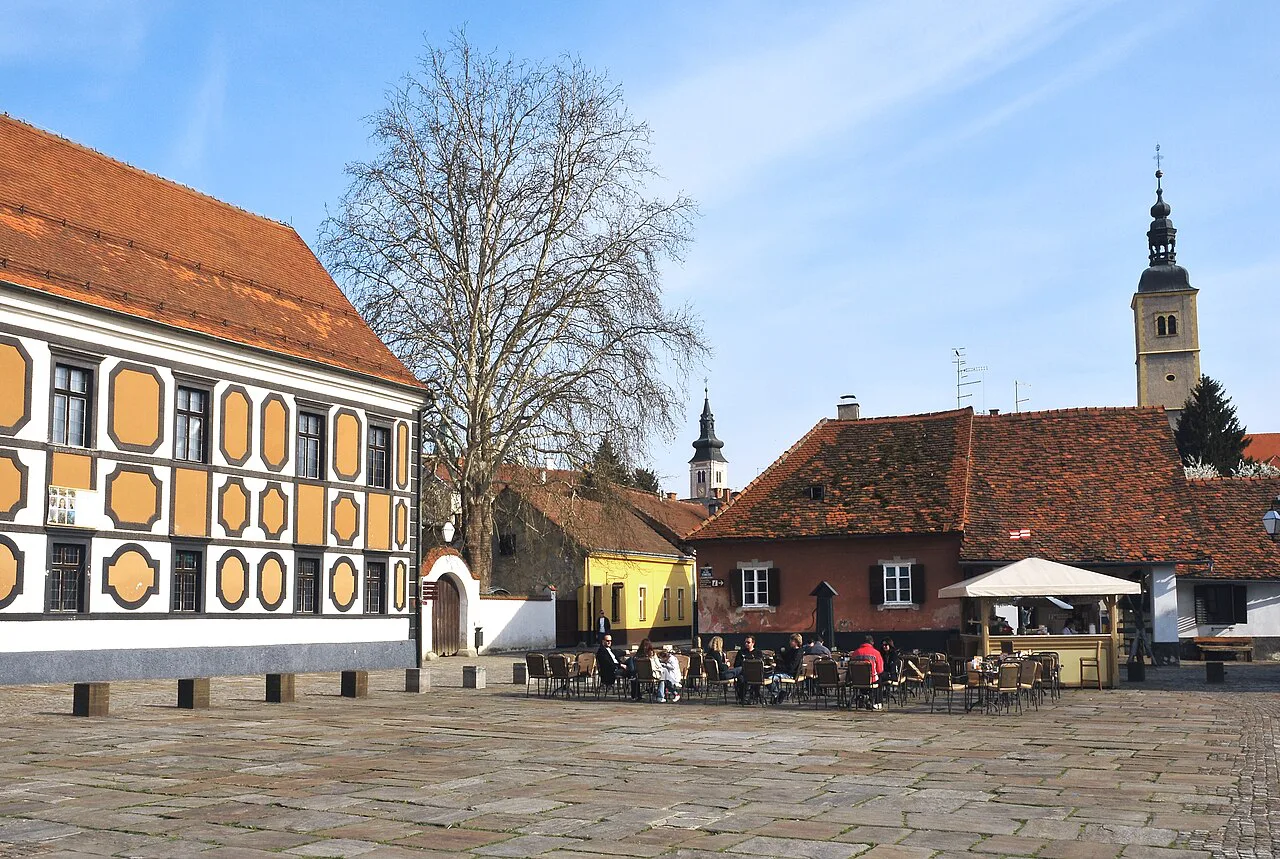
Zagreb: the city's dining scene and the dishes to order there
Zagreb is the easiest place to eat well inland because the range is widest. The upper town and the streets around Dolac market suit a morning of grazing, while the lower-town grid holds the city's more ambitious kitchens. Zagreb also has a strong international restaurant scene alongside the traditional gostionice, which makes it a good place to break up a run of heavy local food. If you want to plan those meals in detail, this Zagreb guide to restaurants by area and budget is the place to start.
Is Croatia expensive to eat out? Inland Croatia is generally the better-value half of the country. Village konobas and Slavonian gostionice tend to charge less than coastal old-town terraces for a similar weight of food, and portions inland are generous.
What food is inland Croatia known for? Cured pork, paprika, dairy and pastry: štrukli, Samoborska kremšnita, Slavonski kulen, fiš paprikash, grah and pršut. Inland Istria adds truffles and pasta, and Lika contributes lamb and cheese.
Order štrukli in Zagreb at least once, ideally the baked version, and follow it with something from the grill or a pot of grah, a bean stew with smoked meat. Zagreb's café culture is a separate pleasure: the city runs on long coffees rather than quick ones, and a mid-morning stop is part of the day rather than a break from it.
For a day out of the city, the hills north of Zagreb give you Zagorje cooking within easy reach, and the market town of Samobor is a natural first stop.
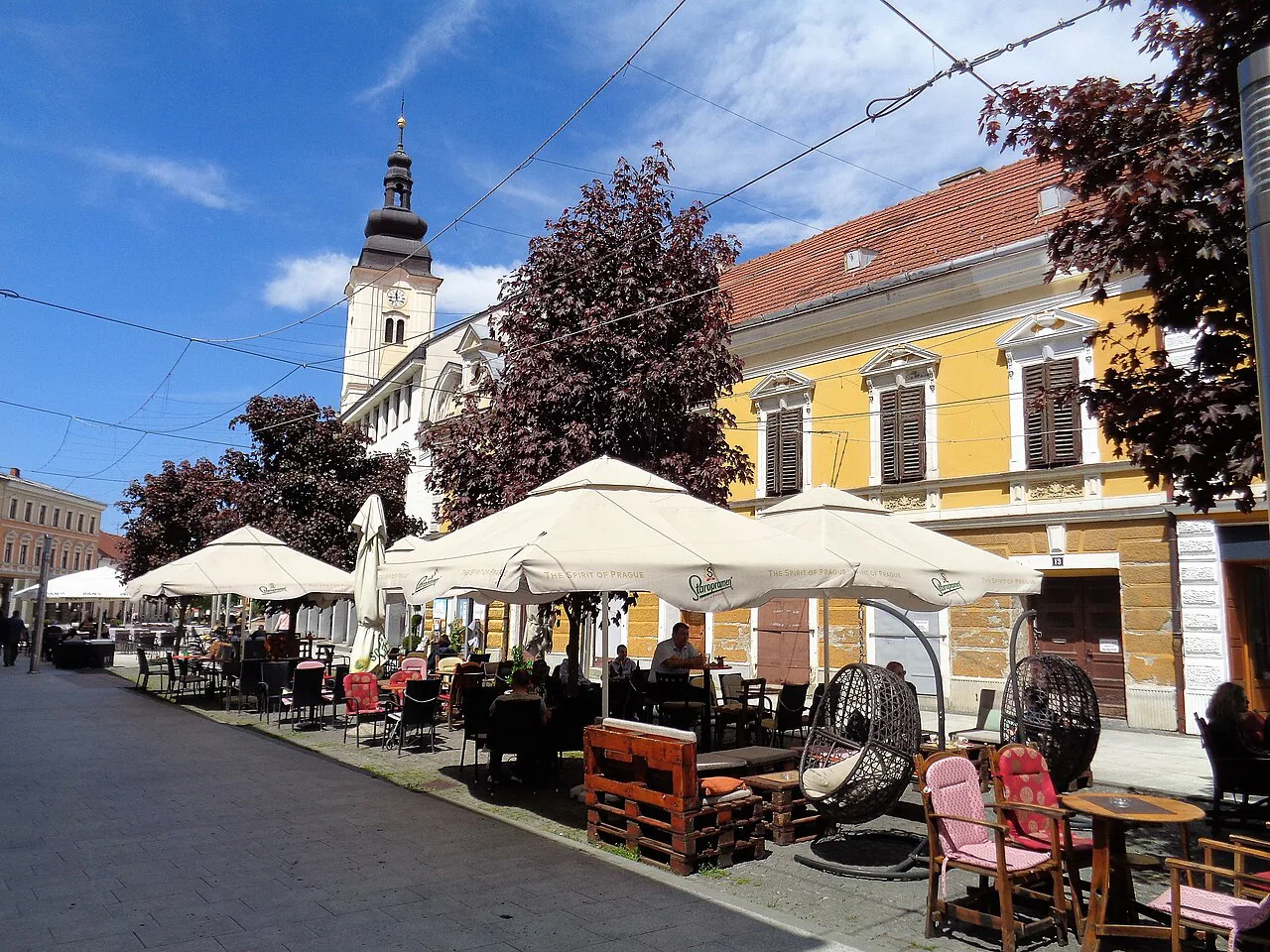
Samobor and Zagorje: kremšnita, štrukli and country konobas
Samobor is the town to visit for one reason above all: Samoborska kremšnita, the custard slice the town is known for. Eat it in a pastry shop or café on the main square rather than treating it as an afterthought, and pair it with a walk along the Gradna stream. For a practical shortlist of where to sit down for a full meal, see this guide to Samobor restaurants, which covers the town's tables so you can match the venue to the meal you want.
Zagorje, the rolling hill country north of Zagreb, is where the country konoba makes most sense. Menus run to roast pork, blood sausage, pumpkin-seed oil, cottage cheese and štrukli, often served in a dining room attached to a family farm. Portions are generous and the pace is unhurried, so plan a single long lunch rather than two stops.
The trade-off is transport. Zagorje's best tables sit in villages rather than town centres, so a car and a designated driver matter more here than anywhere else on this list.
Slavonia: kulen, fish paprikash and hearty inland cooking
Slavonia, in the far east around Osijek and the Drava and Danube lowlands, is Croatia's most paprika-driven kitchen. Slavonski kulen, a cured and heavily paprika-spiced pork sausage, is the region's signature product, sliced thin and served as an opener. Fiš paprikash, a freshwater fish stew with paprika, is the other dish to look for.
The flavours here owe as much to Hungary and the Pannonian plain as to the Adriatic, which is why Slavonian food tastes unlike anything on the coast. Expect river fish, duck, goose, and a serious tradition of cured meat and peppers.
Plitvice Lakes and Lika: where to eat around the lakes
The Plitvice Lakes area is a national-park destination first, and the eating nearby follows that rhythm: simple grills, roast lamb and spit-roasted pork for hungry walkers. Lika, the surrounding region, is known for lamb and cheese, and it suits a plain, filling lunch better than a long tasting menu. For a structured shortlist by village and entrance, this guide to where to eat at Plitvice Lakes sets out the options around the park.
Book your main meal for after the walking rather than before, and expect the Plitvice Lakes National Park area to be busiest in the middle of the day. A late lunch or early dinner gives you a calmer room and better attention.
Istria's inland hill towns, from Motovun to Grožnjan
Inland Istria is hill-town country, and Motovun and Grožnjan are the two names that come up most often. The cooking here is built on truffles, pasta, pršut, malvazija wine in the glass and olive oil on the table, so it reads more like a Mediterranean kitchen than a Pannonian one despite sitting among the hills.
The trade-off is that the prettiest squares are also the most visited, especially in summer. Walk one street back from the main gate and the menu usually gets shorter, the portions larger and the atmosphere quieter.
Varaždin and the north: štrukli and local produce
Varaždin, with its baroque centre, is the base for the far north, where štrukli, turkey with mlinci and pumpkin-seed oil dominate the table. The surrounding Međimurje and Zagorje countryside supplies much of the produce, and the region does simple food well rather than showily. This guide to Varaždin restaurants covers the town's tables so you can plan lunch around the centre.
For a single northern dish to anchor the visit, choose a baked štrukli and a glass of local white. It is the clearest expression of what the north cooks best.
How a konoba works inland: ordering, portion sizes and sharing
Inland konobas tend to serve two courses where the coast serves three or four: a soup or a plate of cured meat, then a large main. Because portions are generous, sharing a starter between two or three people is normal and sensible. Bread and a bowl of something pickled usually arrive without ceremony.
Menus are often short and occasionally oral, especially in country restaurants where the kitchen cooks what it has. Asking what is good today is a reasonable opening move, and it is how inland eating is meant to work.
Croatia uses the euro, and smaller village places may still prefer cash, so it is worth carrying some notes for rural stops.
Prices in euros: what inland meals cost against the coast
Inland eating is generally cheaper than a coastal old-town terrace for the same weight of food, and the gap is widest in village konobas and Slavonian gostionice. A generous lunch of soup, a main and a glass of local wine usually costs less than a comparable waterfront meal on the Adriatic.
Menus are posted at the door, so read the one in front of you rather than budgeting from averages. That single habit keeps an inland eating plan honest.
Vegetarian and non-fish options inland
The inland kitchen is friendlier to vegetarians than the coast, because dairy and vegetables do real work here. Štrukli, baked beans, grilled vegetables, buckwheat dishes, pumpkin-seed oil and pastries give you genuine choices rather than a garnish.
The coastal expectation that every menu is built on fish does not hold inland, so you can eat well without seafood for an entire trip. Tell the kitchen you do not eat meat and ask what is made without it, because a broth or a smoked-meat base can hide in dishes that look vegetable-led.
Booking and timing inland, including Sunday and seasonal patterns
Inland restaurants follow a working-week pattern more closely than coastal ones: Saturday lunch is the busy sitting, and smaller village kitchens can shut on Sunday evening out of season. Booking matters most for group lunches and for countryside places that fill at weekends.
Seasonality bites less hard inland than on the islands, but rural restaurants can still vary their days with the farming year. If a particular country konoba matters to your plan, ring ahead on the day.
Putting an inland eating route together
A workable inland route starts in Zagreb, loops through Samobor and Zagorje for kremšnita and štrukli, heads north to Varaždin, then east to Slavonia for kulen and fish paprikash. Give each region a full meal rather than a snack, and build the driving around lunch rather than the other way round.
If Plitvice is on your itinerary, slot it in as a two-night pause with simple, filling food around the park. Inland Istria, with its truffles and pasta, works better as a separate leg in the north-west than as a continuation from the lakes.
Dishes to try across continental Croatia and what they are
Štrukli is a dough parcel filled with cottage cheese, either boiled and dressed with cream or baked until the top browns. Samoborska kremšnita is a custard slice with a crisp pastry top, the town's signature. Slavonski kulen is a cured, paprika-spiced pork sausage served in thin slices.
Fiš paprikash is a paprika-heavy freshwater fish stew, and grah is a bean stew with smoked meat. Pršut is dry-cured ham, sliced thin as a starter inland as well as on the coast, and mlinci are thin baked dough sheets usually served under roast meat.
Which inland kitchen should you choose?
Pick one region and eat it properly: Zagreb and Zagorje for štrukli and kremšnita, Slavonia for kulen and paprika, inland Istria for truffles and pasta. Trying to cover all three in a short trip leaves you with motorway food instead of a memorable meal.
If you only have one inland day, take Samobor and Zagorje and commit to a long lunch with a kremšnita afterwards.
Explore more Croatia guides
Frequently Asked Questions
Is Croatia expensive to eat out?
Inland Croatia is generally the better-value half of the country. Village konobas and Slavonian gostionice tend to charge less than coastal old-town terraces for a similar weight of food, and portions inland are generous. Menus are posted at the door, so compare those rather than relying on averages.
What food is inland Croatia known for?
Cured pork, paprika, dairy and pastry: štrukli, Samoborska kremšnita, Slavonski kulen, fiš paprikash, grah and pršut. Inland Istria adds truffles and pasta, and Lika contributes lamb and cheese.
Sources
Notes on eating well in Croatia
Optional updates to our food guides.
You might also like



Continue reading
More guides you'll find useful