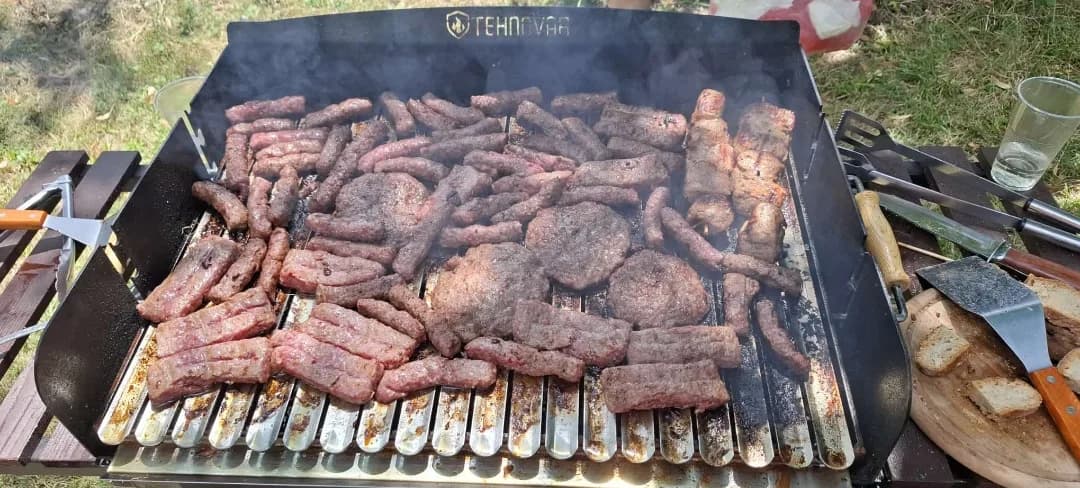
Croatian Desserts: 10 Traditional Cakes and Sweets to Order
A guide to Croatian desserts, from kremšnita and rožata to fritule and pasta-filled Stonska torta, with what each one is and where it comes from.
On this page
Croatia has no single national dessert; it has a regional patchwork of custards, fried pastries and layered cakes, each tied to a coast, a peninsula or a northern county. Knowing that Split is the quickest way to order well, because the sweets you find in Dubrovnik are rarely the ones you find in Zagreb. This guide runs through the ten most recognisable Croatian desserts, giving each its Croatian name, a plain-English description and the region it belongs to.
The desserts are grouped here by texture: custard, fried, layered, and fruit-filled. That grouping matters more than a list of names when you are standing at a counter choosing, since most people know before they read a menu whether they want something cold and creamy or something crisp and warm.
What Croatian desserts are: a regional picture, not one national sweet
Ask what Croatia's national dessert is and the honest answer is that several regional sweets compete for the title. Kremšnita, rožata and Međimurska gibanica each have passionate local claims, and the country's long history of Venetian, Austro-Hungarian and Ottoman influence shows up on the dessert menu as much as on the savoury one.
The practical consequence for a traveller is that you should pick by region and by texture rather than hunting for one definitive cake. On the coast, expect custards and fried dough; inland, expect thin-layered cakes, nut and poppy-seed rolls, and cheese-filled pastries. If you order only one sweet in a place, order the one that belongs there.
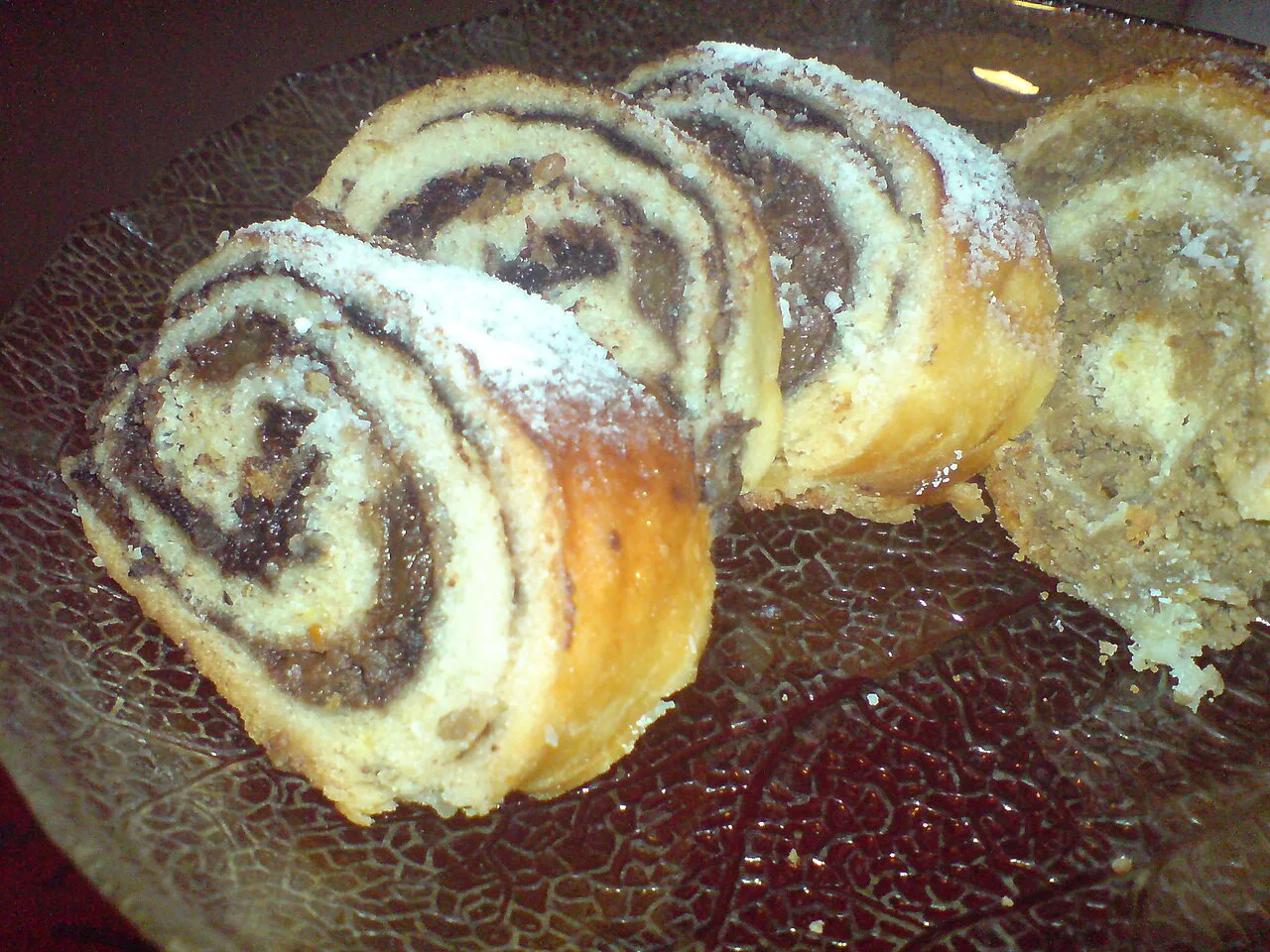
Kremšnita: the vanilla custard slice
Kremšnita, sometimes written kremna rezina, is a slab of flaky pastry sandwiching a thick layer of vanilla custard, finished with a dusting of sugar. It is one of Croatia's best-known sweets and is eaten cold, ideally with the pastry still crisp rather than softened by the custard.
Is there a national dessert of Croatia? No single dessert holds that title. Croatia has several strong regional candidates, including kremšnita, rožata and Međimurska gibanica, and Croatians themselves debate which should count, so pick by the region you are in rather than looking for one official sweet.
What is unusual about Stonska torta? Its filling contains pasta — penne or similar tubes — along with ground almonds, sugar and citrus. The pasta was historically a way to make a celebratory cake with fewer expensive ingredients, and the cake was served at Christmas, Easter and weddings.
Where can I find the best selection of Croatian cakes? A slastičarnica, the local dessert café, gives the widest choice of plated cakes and custards, while a bakery or pastry counter is better for small pieces by weight, including orehnjača, makovnjača and breskvice.
It is also the closest thing Croatia has to a household-name dessert, appearing among the leading candidates for a national sweet alongside rožata and gibanica. Order it when you want something rich but not heavy with chocolate, and eat it with a fork rather than picking it up.
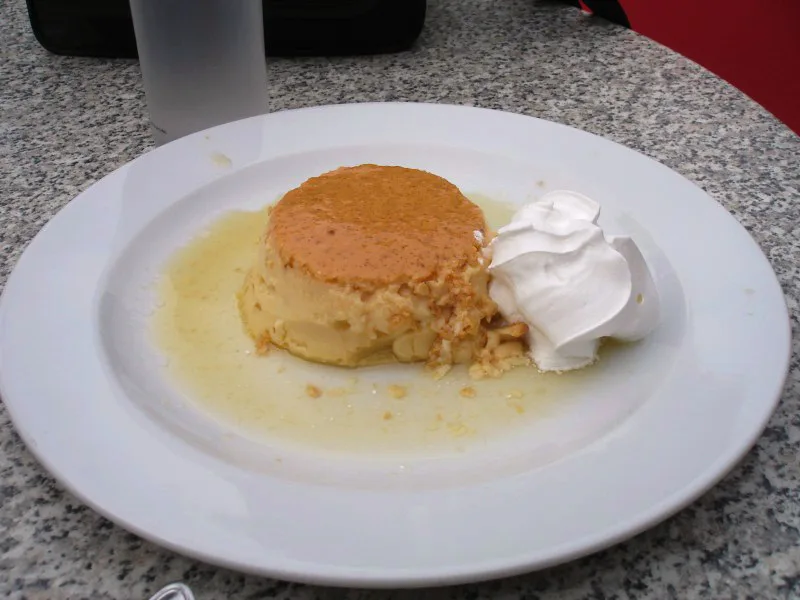
Rožata: Dubrovnik's caramel custard
Rožata is a baked custard with a caramel top, close to a French flan or crème caramel, and it comes from the Dubrovnik region. The texture should be set but trembling, with a pool of dark caramel running down the sides when it is turned out of its mould.
It is the dessert to order after a long seafood lunch in the south, because it is light enough to follow fish and slightly bitter caramel cuts through a rich meal. Look for it on konoba menus as well as in dedicated cake shops.
Fritule: bite-sized doughnuts
Fritule are small round doughnuts flavoured with citrus, rum and often raisins, fried until the outside is crisp and the middle is soft. They are festival and celebration food as much as everyday sweet, and they turn up in batches rather than singly, so they suit a table sharing a plate.
Because they are fried to order in many places, fresh fritule are noticeably better than ones that have sat under a lamp. If you see a tray already piled high, ask whether a new batch is coming; the difference in texture is worth the wait.
Kroštule: crisp fried pastries from the coast
Kroštule are thin strips of dough knotted or twisted, deep-fried and dusted with icing sugar, which makes them shatteringly crisp rather than doughy. They are a coastal sweet, common in Dalmatia, and keep well, which is why they often appear alongside other small pastries rather than as a plated dessert.
Order them when you want something to nibble with coffee rather than a full dessert, and expect them to be light — a plate disappears faster than you think. They are a good choice if you have already eaten a large meal.
Stonska torta: the pasta-filled cake from the Pelješac peninsula
Stonska torta is the surprise of the Croatian dessert list: a baked cake from the Pelješac peninsula whose filling includes pasta tubes along with ground almonds, sugar and citrus, so that slicing it reveals layers of penne inside the crumb.
Historically the pasta was there to make a celebratory cake go further when other ingredients were expensive, and the cake was reserved for Christmas, Easter and weddings. The crust in the traditional version is made with olive oil rather than butter, which keeps the flavour savoury and faintly briny against the sweet almond filling.
Order it if you are curious about a genuinely unusual cake, and share a slice rather than taking a whole one, since the almond and pasta filling is denser than it looks. In Mali Ston and around the Pelješac peninsula it is the local sweet to try, and it is listed among Croatia's distinctive regional desserts.
Mađarica: thin layers of pastry and chocolate
Mađarica is a layered cake built from very thin sheets of pastry alternated with a rich chocolate filling, then topped with a glossy chocolate layer. The name means Hungarian, a nod to the Austro-Hungarian pastry tradition, and the appeal is the ratio of thin, softening pastry to dense chocolate cream.
It is a celebration cake rather than an everyday one, cut into narrow bars because it is so rich. Take it with strong coffee and eat it slowly; a small piece goes a long way.
Orehnjača and makovnjača: walnut and poppy-seed rolls
Orehnjača is a rolled sweet bread filled with walnut paste, and makovnjača is its poppy-seed counterpart. Both are holiday breads, sliced into rounds and served at Christmas and Easter, and both are more bread than cake, so they belong with coffee rather than at the end of a dinner.
If you like a dessert that is not overly sweet, the poppy-seed version is the pick, since the seeds give a slight bitterness against the sweetened bread. Look for them in inland bakeries and at markets rather than on coastal dessert menus.
Međimurska gibanica: the layered cake from northern Croatia
Međimurska gibanica is a multi-layered pastry from northern Croatia, with strata of apple, walnuts, poppy seeds and cheese between thin sheets of dough. It is the northern answer to a custard slice: much more varied in flavour, and heavier in texture.
It is a good dessert to order when you want one thing that covers several flavours at once, since each forkful brings a different layer. If the cheese-and-poppy-seed combination sounds unusual, try a small piece first; it is a sweet cheese rather than a savoury one.
Breskvice: peach-shaped jam-filled cookies
Breskvice are small sweet-dough cookies shaped and coloured to look like peaches, hollowed out and sandwiched with jam, then rolled in sugar. The peach effect is decorative rather than flavoured, and they show up most often at celebrations and on festive bread trays rather than as a restaurant dessert.
Buy them from a pastry counter to take away and eat them the same day, because the jam softens the biscuit quickly. They are a good small gift or a modest sweet to have with an afternoon coffee.
Palačinke: the crêpe on every menu
Palačinke are thin crêpes, folded or rolled and filled with jam, chocolate spread, ground walnuts or sweet cheese, and they appear on almost every dessert menu in the country. Because they are cooked to order in many kitchens, they arrive warm, which is a large part of why they are so popular.
They are also the safest choice if you want a dessert everyone at the table will eat, including children or companions who avoid custard or fried food. Ask what the filling is before ordering; the cheese version is more like a sweet curd than a savoury cheese.
Sirnica: the sweet cheese pastry often mistaken for dessert bread
Sirnica is a cheese pastry — rolled dough wrapped around a sweetened cheese filling — and it sits in a grey zone between dessert and breakfast. It is most often eaten with coffee as a mid-morning sweet or a snack rather than as a plated pudding, which is why it pairs so naturally with the bread-and-coffee habit of inland Croatia.
If you order it expecting a dense cheesecake, you will be surprised: the filling is airy and lightly sweet, and the dough is the main event. Try it fresh from a bakery counter in the morning rather than at the end of a restaurant meal.
How to order dessert in Croatia: slastičarnica, konoba and portion size
A slastičarnica is a cake shop or dessert café, and its portions are usually more generous than the small bar of cake you buy by weight at a pastry counter. Knowing which you are in changes what you order: at the counter, two small pieces of different cakes make sense; at a slastičarnica, one plated dessert is usually enough for two if you have already eaten a full meal.
In a konoba, dessert is often the last item added to a menu and the choice may be short, so order it when you still have room rather than planning around it. Coastal places lean on custards and fried pastries, while inland ones lean on layered cakes and cheese rolls.
Which dessert to try in Dubrovnik, Zagreb and the coast
In Dubrovnik and the southern coast, rožata is the regional sweet to try, and the Pelješac peninsula nearby is where Stonska torta comes from.
In Zagreb and the north, the priority is kremšnita, along with mađarica and the gibanica layers, which reflect the Austro-Hungarian baking tradition rather than the Mediterranean one. For the savoury side of the same trip, this Zagreb guide covers what to order and where to eat it.
Along the rest of the Dalmatian coast, look for fritule and kroštule with coffee, and palačinke as the reliable fallback almost anywhere.
Which Croatian dessert to order first
If you want one criterion for choosing, decide by texture: custard if you want something cold and creamy, fried pastry if you want crisp and warm, layered cake if you want something dense with coffee. On the coast that usually means rožata, fritule or kroštule; inland it means kremšnita, mađarica or gibanica.
Try Stonska torta once if you come across it on the Pelješac peninsula, not because it is sweet but because it is unlike any other cake you will eat in the country. Otherwise, let the region decide for you and order the sweet that belongs to the place you are in.
Explore more Croatia guides
- Croatian Cookies
- Croatian Ice Cream
- Fritule: What Croatia's Little Fried Doughnuts Are and How They're Made
- Kremšnita
- Kroštule
- Licitar Heart
- Mantala: The Grape-Must Sweet of Southern Dalmatia
- Orahnjača
- Pita od jabuka
- Rafioli: The Almond Pastry of Trogir and the Dalmatian Coast
- Rožata: The Dalmatian Caramel Custard Dessert
- Sirnica: Croatia's Cheese Pastry, Explained
- Stonska torta
- Paprenjaci
- Zlevanka
Frequently Asked Questions
Is there a national dessert of Croatia?
No single dessert holds that title. Croatia has several strong regional candidates, including kremšnita, rožata and Međimurska gibanica, and Croatians themselves debate which should count, so pick by the region you are in rather than looking for one official sweet.
What is unusual about Stonska torta?
Its filling contains pasta — penne or similar tubes — along with ground almonds, sugar and citrus. The pasta was historically a way to make a celebratory cake with fewer expensive ingredients, and the cake was served at Christmas, Easter and weddings.
Where can I find the best selection of Croatian cakes?
A slastičarnica, the local dessert café, gives the widest choice of plated cakes and custards, while a bakery or pastry counter is better for small pieces by weight, including orehnjača, makovnjača and breskvice.
Which Croatian desserts are fried?
Fritule are the small round doughnuts, and kroštule are thin knotted strips of fried dough dusted with icing sugar. Both are common on the coast and are best eaten fresh, while they are still crisp.
Sources
Notes on eating well in Croatia
Optional updates to our food guides.
You might also like



Continue reading
More guides you'll find useful