Croatian Dishes Explained: What to Order and Where It Comes From
Croatian dishes explained: peka, pašticada, black risotto, štrukli, truffle pasta, Paški sir and kremšnita, with what each one is and how it is served.
On this page
The Croatian dish most worth planning a meal around is peka, a domed-lid slow cook of meat or octopus with potatoes, but the country's food is really two kitchens in one. On the coast you eat grilled fish, shellfish, olive oil and vegetable-led sides; inland you get braised beef, rolled dough, cured meat and paprika. This guide works through the dishes you will actually see on menus, explaining what each one is, what it tastes like and where in the country it turns up.
Names repeat across the coast and the interior, but the plate changes as you travel, so a dish you loved in Split may appear in a different form in Zagreb. The sections below group the food by type, from the iron bell and the black risotto to the cheese platters and the sweets, so you can build a meal rather than order blind.
Coastal and inland cooking: two kitchens in one country
Croatia's food map follows its geography. Along the Adriatic, kitchens lean on what comes out of the sea and off the olive groves, with fish grilled plainly and finished with oil rather than sauce. Inland, the cooking turns to pork, beef, freshwater fish, root vegetables and dough, with paprika and slow braising doing much of the work. Knowing which half of the country you are in tells you most of what to expect before you open the menu.
The overlap is real, though. Bread arrives with almost every meal, cured meat and cheese open many lunches, and pasta and risotto cross the divide in different forms. So treat the coastal-inland Split as a guide to emphasis rather than a hard border, and expect the same dish name to taste richer and meatier as you move away from the sea.
Peka: the domed-lid slow cook
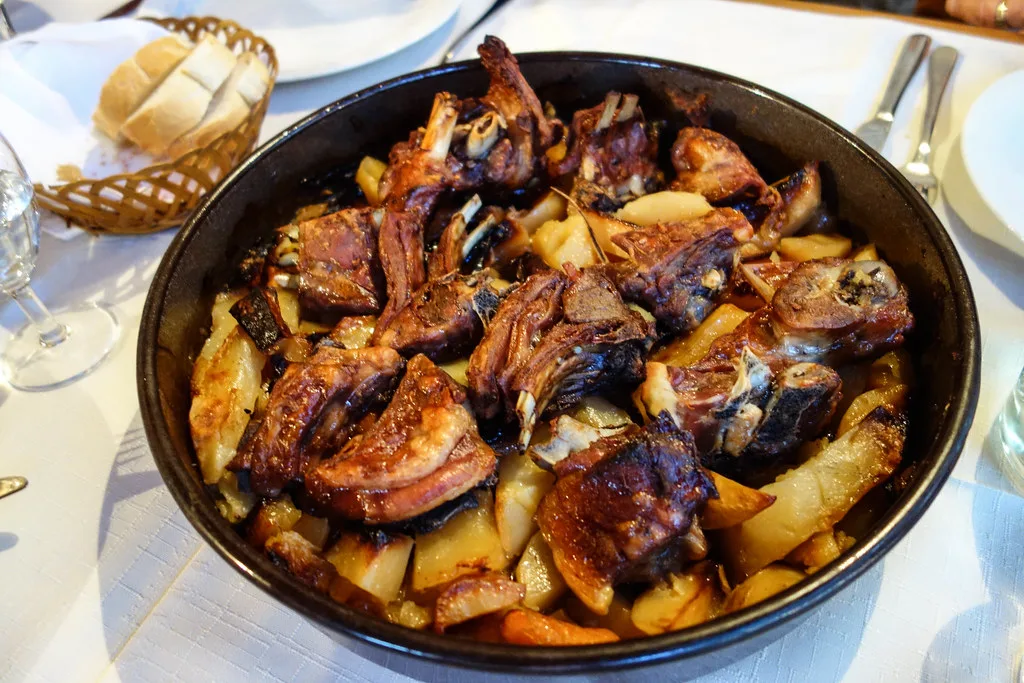
Peka is a method as much as a dish: meat, octopus or fish goes into a large dome-shaped pot with potatoes, hard root vegetables and stock, and the whole thing is covered in hot coals so it stews for hours. What reaches the table is soft, deeply savoury and faintly smoky, and it is served in the pot for everyone to help themselves. The lid is the giveaway, so you will spot it before you read the menu.
What is Croatia's most famous food? Peka is the dish visitors plan around, a slow cook under a domed lid with meat or octopus and potatoes, and it is closely tied to small konobas. Grilled fish, black risotto and pašticada are the other names that come up most.
Is Croatian food similar to Italian? There is real overlap on the coast: olive oil, pasta, risotto and simply grilled fish are shared ground, and some coastal pasta shapes sit close to their Italian neighbours. Inland cooking is quite different, built on pork, dough, paprika and soups.
What is the national drink of Croatia? Fruit brandies and Maraschino, the cherry liqueur from Zadar, are the traditional spirits, usually taken in small measures after a meal. Wine is the everyday drink, with Pošip from Korčula among the whites to look for on the coast.
Small konobas often ask for one to two days' notice, because the cooking takes hours and they light the coals to order. That notice is worth taking seriously if peka is the reason you chose the place. Ask when you book rather than turning up and hoping, and use the time to decide between the lamb, beef and octopus versions, which taste quite different from one another.
Pašticada: beef braised in wine, prunes and dried figs
Pašticada is Dalmatia's celebration dish: a piece of beef larded with bacon, marinated in wine and vinegar, then braised slowly with prunes, dried figs and root vegetables until the sauce is dark, sweet-sour and glossy. It is served with njoki, potato dumplings, which soak up the sauce. The flavour is rich and gently fruity rather than sharp, and it reads as the coastal answer to a Sunday roast.
You will see it on menus in Split, Trogir and the islands, often flagged as a house speciality, and it is one of the few Croatian dishes where the sauce matters as much as the meat. Because it is cooked in advance and reheated, it is a safe order in a busy restaurant when other dishes might be rushed. Try it with a glass of red or a robust white and skip a starter, as portions tend to be generous.
Black risotto: rice cooked with cuttlefish ink
Crni rižot gets its colour and much of its flavour from cuttlefish ink, which turns the rice inky black and gives it a saline, faintly metallic depth. Pieces of cuttlefish or squid are stirred through, and the risotto is usually finished with a little oil or butter so it stays loose rather than stodgy. It looks dramatic on the plate but tastes gentler than its colour suggests.
It is a coastal order, most at home in Dalmatian konobas and island restaurants, and it works well as a shared starter or a light main. Pair it with a sharp, simple salad or a plate of blitva, the chard and potato side that appears everywhere along the coast. If you only try one seafood rice dish in Croatia, this is the one to pick.
Prawn and courgette pasta or risotto
Prawn and courgette pasta, or the risotto version, is the coastal staple that seems to appear on every menu from Istria to Dubrovnik. It is a light, summery plate: sweet prawns, soft courgette and a glossy sauce that clings to the pasta without drowning it. Order it for a midday meal when you want something substantial but not heavy.
The dish depends on the pasta or rice being cooked properly, so it is a decent test of a kitchen. On the Istrian side you may meet it alongside fuži, the region's hand-rolled quill pasta, which holds sauce particularly well. Keep the wine light and white, and expect the best versions near the water where the prawns are freshest.
Grilled fish and seafood
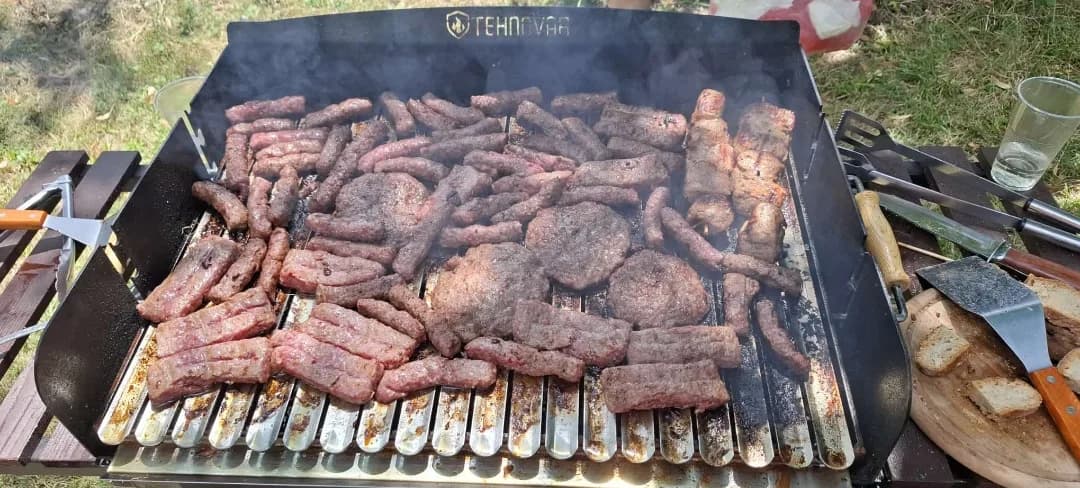
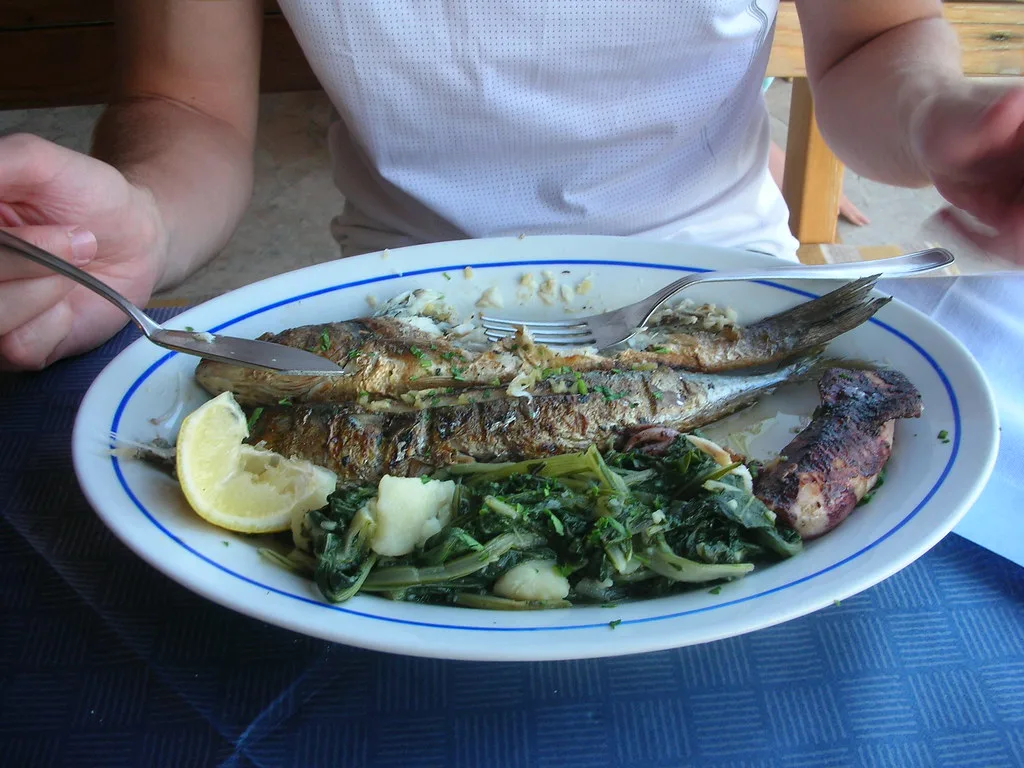
Croatia's coastal fish is usually grilled whole and served simply with olive oil, lemon and a side of blitva or salad, letting the fish speak for itself. Sea bass, sardines, mackerel and prawns are common, and the fish markets are where much of it starts, including Split's Ribarnica in the city centre. Octopus and lobster appear too, usually as a treat rather than an everyday order. If you want to turn that market knowledge into an actual meal, our guide to what to eat in Split points you to the right kitchens.
When fish is sold by the kilo, the price you see is per weight, so ask for the weight before it goes on the grill to avoid a surprise at the bill. Whole fish also means bones, so expect to work a little at the table. Sardines and mackerel are the affordable, unfussy choice; sea bass and lobster are the splurge.
Dalmatian lamb and spit-roasted meat
Inland Dalmatia and the islands, lamb is often cooked on a spit, low and slow, until the meat pulls apart, and served with potatoes and a green salad. The animals graze on mountain pasture near the sea, which gives the meat a savoury, slightly herbal character. It is food for a group, so order it when there are several of you and let the table share.
Spit-roasting turns up at small konobas and roadside places more than at polished restaurants, and the best versions sell out as the day goes on. Pair the meat with bread to mop up the juices and a simple salad rather than a heavy side. It is also an occasion dish, so plan it for a long lunch rather than a quick stop.
Istrian truffle pasta and olive oil
Istria's truffles are the region's calling card, and they usually arrive shaved over fresh pasta, often with fuži or another hand-rolled shape. The aroma is the point, so the sauce stays restrained and buttery rather than smothering the truffle. It is a rich, earthy dish that suits a cool evening in a hill-town konoba more than a hot afternoon.
Istrian olive oil is worth seeking out on its own, ideally with bread at the start of the meal. Local varieties such as Buža and Oblica give very different oils, from grassy and peppery to softer and rounder, and many bottles list the harvest year, which tells you how fresh the oil is. Buy a bottle at a market or small producer to take home; wrapped well, it travels fine in a suitcase.
Štrukli: rolled dough with a soft cheese filling
Štrukli is inland Croatia's great comfort dish: a thin sheet of dough rolled around a soft, fresh cheese filling, then either boiled or baked until tender. The boiled version is delicate and often served with cream, while the baked one comes out golden and slightly crisp. It appears as a starter, a side or even a dessert depending on the kitchen.
It is most associated with Zagreb and the Zagorje hills, which is where to head if štrukli is the reason for your trip. The filling is mild, so it takes well to a sharp salad or a plate of cured meat alongside. For a savoury bake by the slice, look at burek, which does the same dough-and-filling trick in a portable form.
Cured meats and cheese
Pršut, the Croatian dry-cured ham, and Paški sir, the hard sheep's cheese from Pag, are two of the country's most distinctive products. A meat-and-cheese platter often opens a meal, usually with dried fruit and nuts, and makes a good lunch for two with bread and a glass of something local. The cheeses range from hard and nutty to soft and fresh.
Because these are regional products, they change as you travel: Istrian pršut is cured differently from Dalmatian pršut, and Paški sir only comes from one island. Ask what is local where you are eating and you will get something you could not have bought at home. A platter is also the cheapest way to taste several things at once, so it is worth ordering before committing to a main.
Soparnik and the savoury bakes
Soparnik is a savoury pie from the Dalmatian hinterland, filled with chard or spinach and onion between layers of thin dough, then baked and finished with olive oil. It is often made in a large round and cut into wedges, and it works as a starter, a snack or a light lunch. The flavour is green, salty and slightly sweet from the onion, which makes it a good foil to grilled fish.
Pastries like this, along with burek and other dough bakes, are also where soft cheeses turn up, either as a filling or a side. Buy them from a bakery rather than a restaurant if you want them at their simplest and freshest. In a bakery the choice is limited by the hour, so go earlier in the morning for the full spread.
Croatian desserts: fritule, kremšnita, rožata and the sweet bakes
Croatia's sweet end is worth saving room for. Fritule are small fried dough balls, often flavoured with citrus or brandy and dusted with sugar, and they are served in portions meant for sharing. Kremšnita, the custard slice, is a neat, creamy square of pastry; rožata is a caramel custard; and makovnjača and savijača are the rolled, poppy-seed and fruit bakes you will see in bakeries.
These are everyday sweets rather than restaurant showpieces, so look for them in pastry shops and bakeries as well as on dessert menus. Buy a slice to take away and eat it with coffee in the afternoon, which is how most people do it. For a thin, filled pancake, palačinke are the other crowd-pleaser to know.
What to drink with these dishes
For coastal cooking, dry white wine is the easiest match, and Pošip from Korčula is the local white to look for with grilled fish and risotto. Maraschino, the cherry liqueur from Zadar, and fruit brandies are the traditional spirits, served in small measures as a digestif rather than a session drink. Drink them slowly and in moderation, and keep water on the table.
Inland, red wine and a small brandy suit the heavier meat and dough dishes better. The point is to match the drink to the food rather than to chase the strongest thing on the shelf. If you are not drinking, ask for mineral water, which is on every menu.
Soups and inland cooking
Inland meals often start with soup, and maneštra is the family of hearty soups from Istria, built on beans, corn or root vegetables and sometimes pasta. Veal soup with smoked meat is another staple, as is a clear broth finished with fine noodles. These are warming, unfussy dishes that explain a lot about the inland kitchen.
Paprika is the other inland signature, most clearly in fish paprikas, a river-fish stew that comes out red, rich and gently sweet. It is a good dish to order when you are inland and want something local rather than a coastal import. Pašta fažol, the bean and pasta soup, is the everyday version and often the most satisfying.
How to eat out: konoba, restaurant and the shape of a meal
The word konoba usually signals a small, traditional, family-run place, while a restaurant can range from the simple to the formal. In a konoba you are more likely to meet slow-cooked dishes and local wine; in a restaurant by the water you may pay more for the view. Pick according to the meal you want, not the size of the menu.
Bread and oil often arrive without being ordered, so ask whether they are charged if the bill matters to you. Fish is priced by weight, which is why a whole fish for two can cost more than it looks on the menu. When in doubt, order a starter and a shared main, and leave room for dessert.
Which Croatian dish should you order first?
If you only have one meal, order peka if you can book ahead, or grilled fish and black risotto if you cannot. Both give you the coastal kitchen at its best, and either will tell you more about Croatian cooking than a plate of pasta. Save štrukli, pašticada and the inland soups for a second meal or a second city.
Wherever you eat, ask what is local to the area and order around it. The menu is a guide, but the fish, the oil and the cheese are what actually change from place to place.
Explore more Croatia guides
- Black Risotto (Crni Rižot)
- Blitva: Croatia's Chard and Potato Side Dish Explained
- Burek in Croatia
- Croatian Pasta
- Fiš Paprikaš
- Fuži: Istria's Quill-Shaped Pasta, Explained
- Gregada: The Hvar Fish and Potato Stew, Explained
- Njoki: Croatian Potato Dumplings and How They Are Served
- Palačinke
- Pašta Fažol
- Pašticada
- Peka: What Croatia's Iron-Bell Dish Is and How It's Cooked
- Skradin Risotto
- Soparnik
- Štrukli: What They Are, What's Inside and How They're Served
- Bakalar na bijelo
- Komiška Pogača
- Žrnovski Makaruni
Frequently Asked Questions
What is Croatia's most famous food?
Peka is the dish visitors plan around, a slow cook under a domed lid with meat or octopus and potatoes, and it is closely tied to small konobas. Grilled fish, black risotto and pašticada are the other names that come up most. At home, the same mix of seafood and braised meat shows on Croatian tables.
Is Croatian food similar to Italian?
There is real overlap on the coast: olive oil, pasta, risotto and simply grilled fish are shared ground, and some coastal pasta shapes sit close to their Italian neighbours. Inland cooking is quite different, built on pork, dough, paprika and soups. So expect the coastal north to feel more familiar than the interior.
What is the national drink of Croatia?
Fruit brandies and Maraschino, the cherry liqueur from Zadar, are the traditional spirits, usually taken in small measures after a meal. Wine is the everyday drink, with Pošip from Korčula among the whites to look for on the coast. All of it is best enjoyed in moderation with food.
Can I eat well in Croatia without meat?
Yes, especially on the coast. Grilled fish, prawn pasta, black risotto, blitva and vegetable bakes like soparnik give you plenty of choice. Inland, the menu leans on meat, so ask what the kitchen can do with dough, cheese and vegetables.
Sources
Notes on eating well in Croatia
Optional updates to our food guides.
You might also like



Continue reading
More guides you'll find useful