Dubrovnik Food Tours: What You Get and How to Choose One
What a Dubrovnik food tour covers, where the group meets, whether to book private or small-group, and how tours fit around eating in the Old Town.
On this page
A Dubrovnik food tour is a short guided walk with eating built in: you pay one price, follow a local guide through the Old Town, and stop for food and drink along the way. It suits first-time visitors who want orientation and a taste of the region in one afternoon, and it suits anyone who would rather not choose every meal cold. This guide sets out what the main formats include, where they meet, how private and small-group options compare, and how a tour fits alongside your own meals.
Expect to compare two broad products: general food tours with tastings at several stops, and wine-focused tastings built around Old Town wine bars. They answer different questions, so decide first whether you want a meal's worth of local cooking or a glass-by-glass introduction to Croatian wine.
What a Dubrovnik food tour actually is
Most Dubrovnik food tours are half-day walking experiences in the Old Town, not restaurant crawls across the city. You stay on foot within the walled centre, so the distances are short and the pace is set by the stops rather than the walking. That makes them easy to fit into a day that already includes sightseeing. If you want the background on the dishes themselves rather than assuming you already know the menu, our guide to Dubrovnik food explains what the region cooks and why.
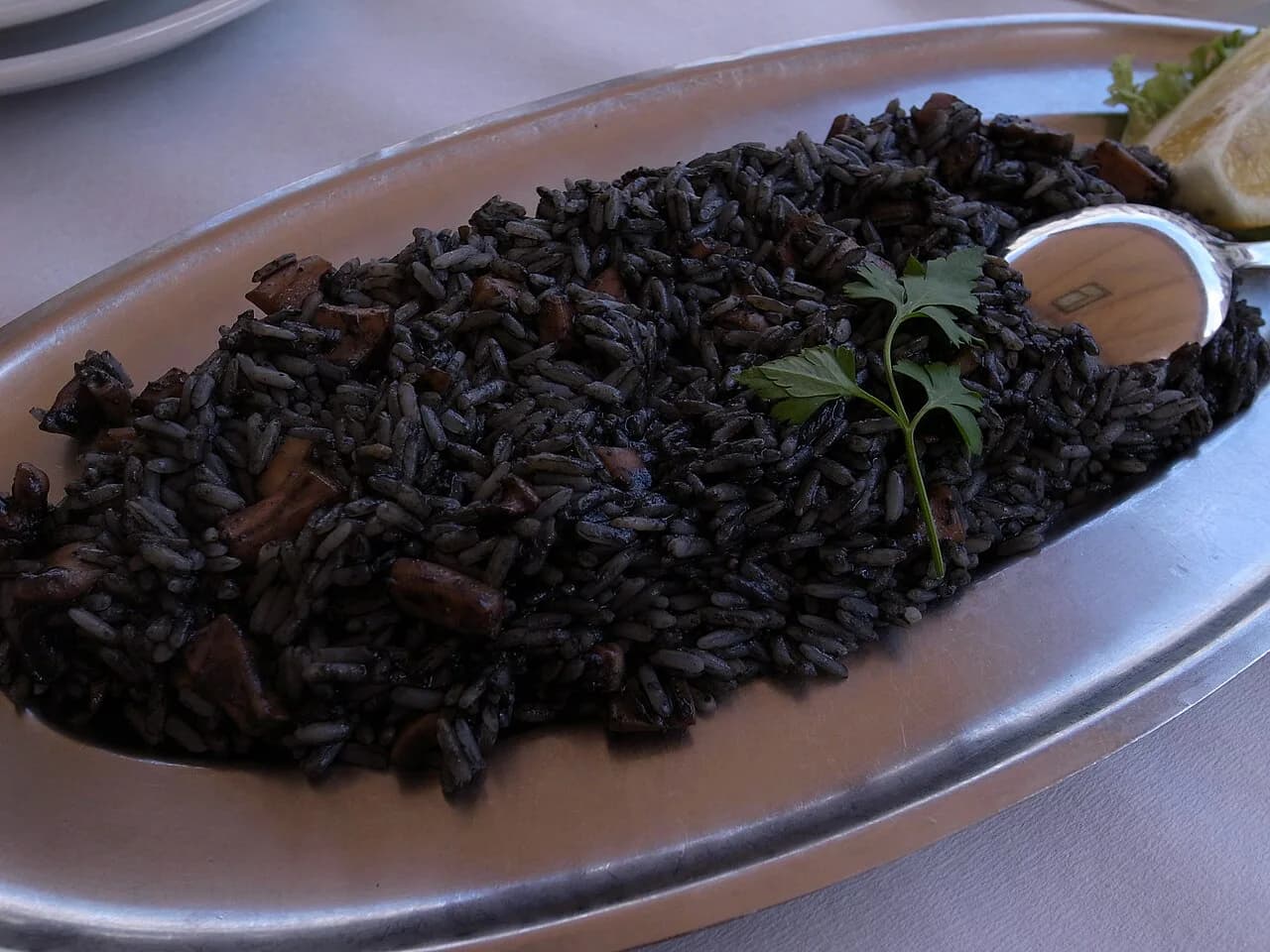
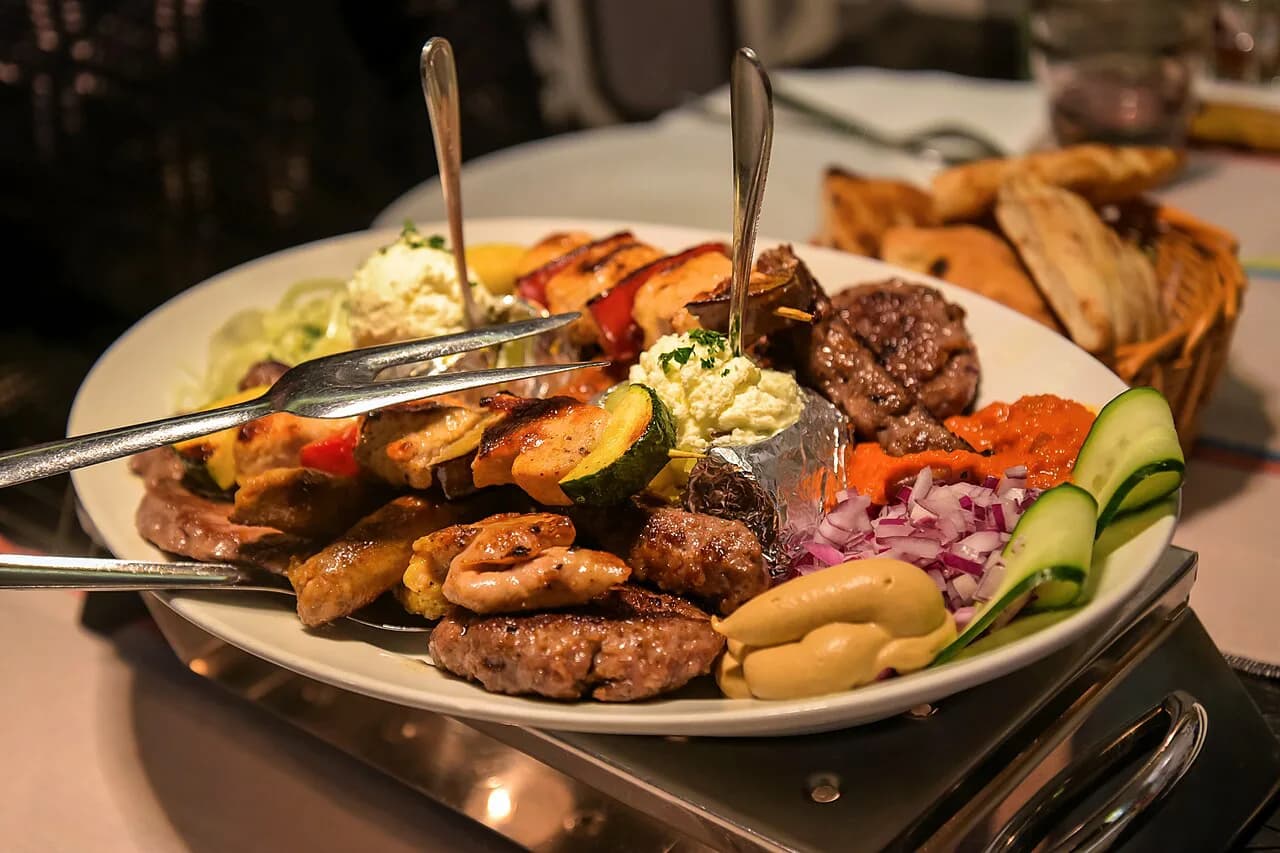
The food itself is broadly Mediterranean, with Croatian and wider Adriatic influences shaping what appears on the table. A guided tasting is a low-risk way to meet several specialities in one sitting instead of committing a whole evening to a single unfamiliar dish.
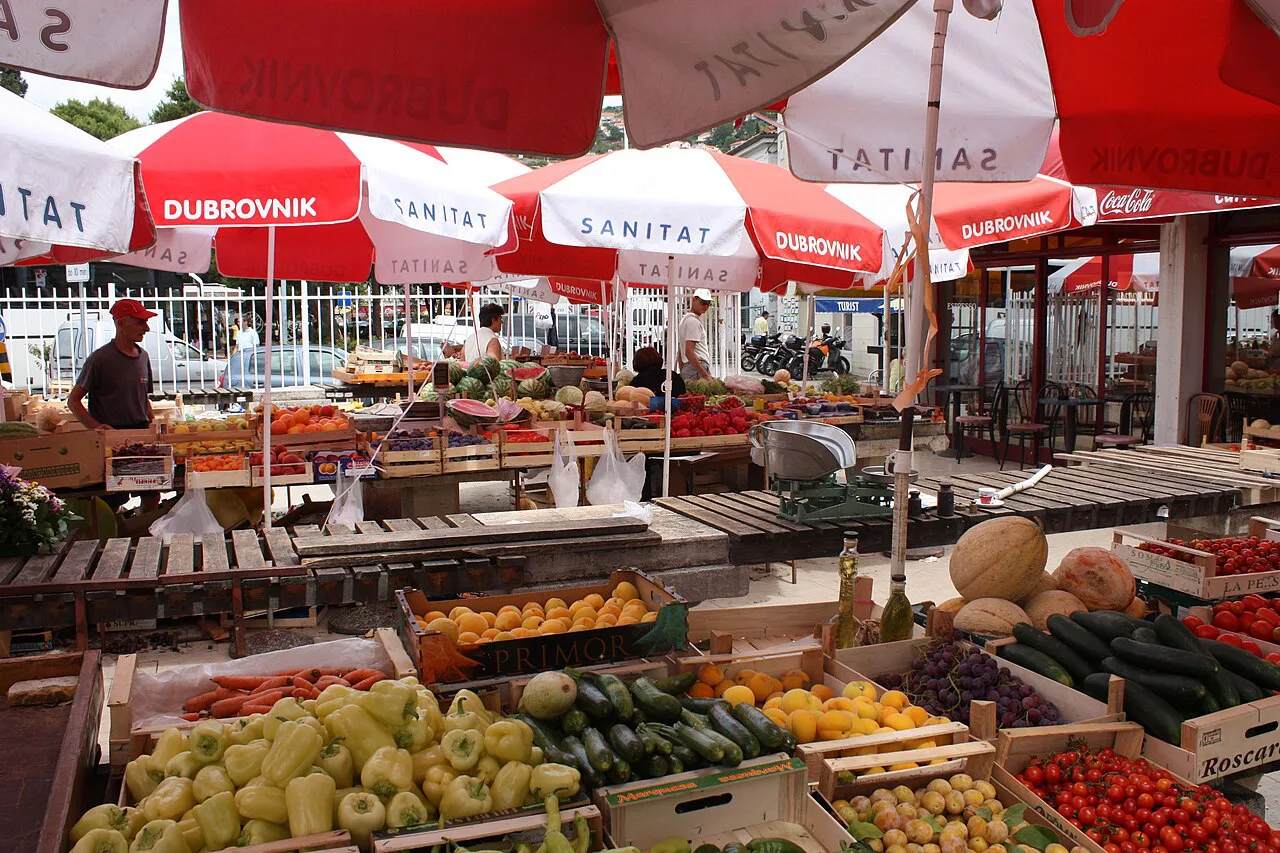
What a typical Old Town food tour includes
The Flavours of Dubrovnik food tour, listed by Insider Holidays, includes food and beverage tastings at three locations plus an English-speaking local guide, with gratuities excluded. That structure is typical of the format: a handful of stops, each with something to eat or drink, tied together by a guide who explains what you are having. Read the inclusions line carefully, because gratuities and some drinks are the items most often left out.
Treat the tastings as an introduction rather than a full restaurant meal. Three stops spread across a walk will not leave you hungry, but the point is variety and context, not a long lunch. If you want a proper sit-down dinner afterwards, keep the evening free.
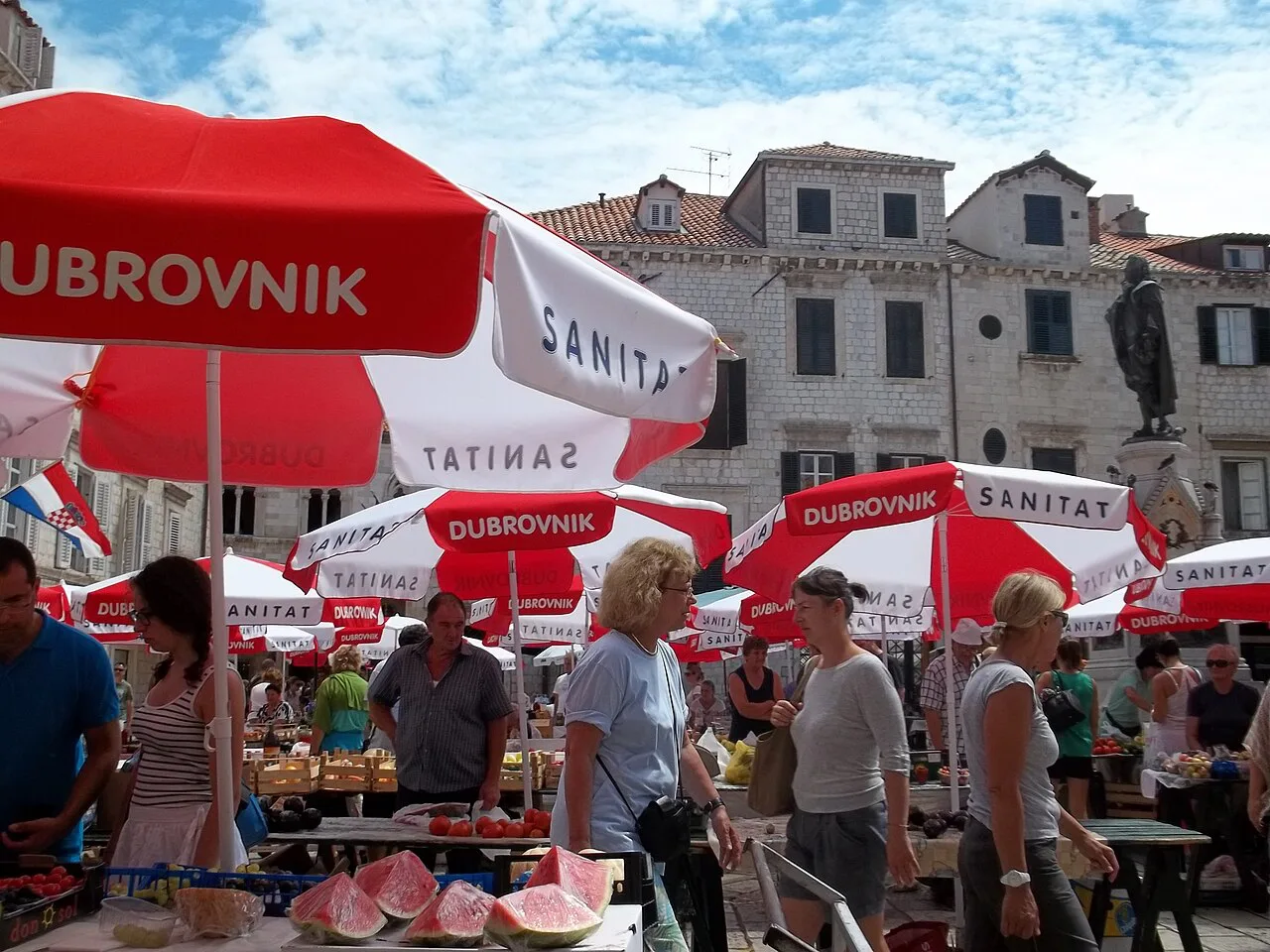
Where tours meet and how the Old Town shapes the walk
The Flavours of Dubrovnik tour meets at Life According to Kawa Shop on Hvarska Ulica 2, a short street inside the historic centre. Meeting points like this are worth noting in advance because the Old Town's lanes are narrow, crowded in high season, and not always clearly signed for visitors arriving on foot from the gates.
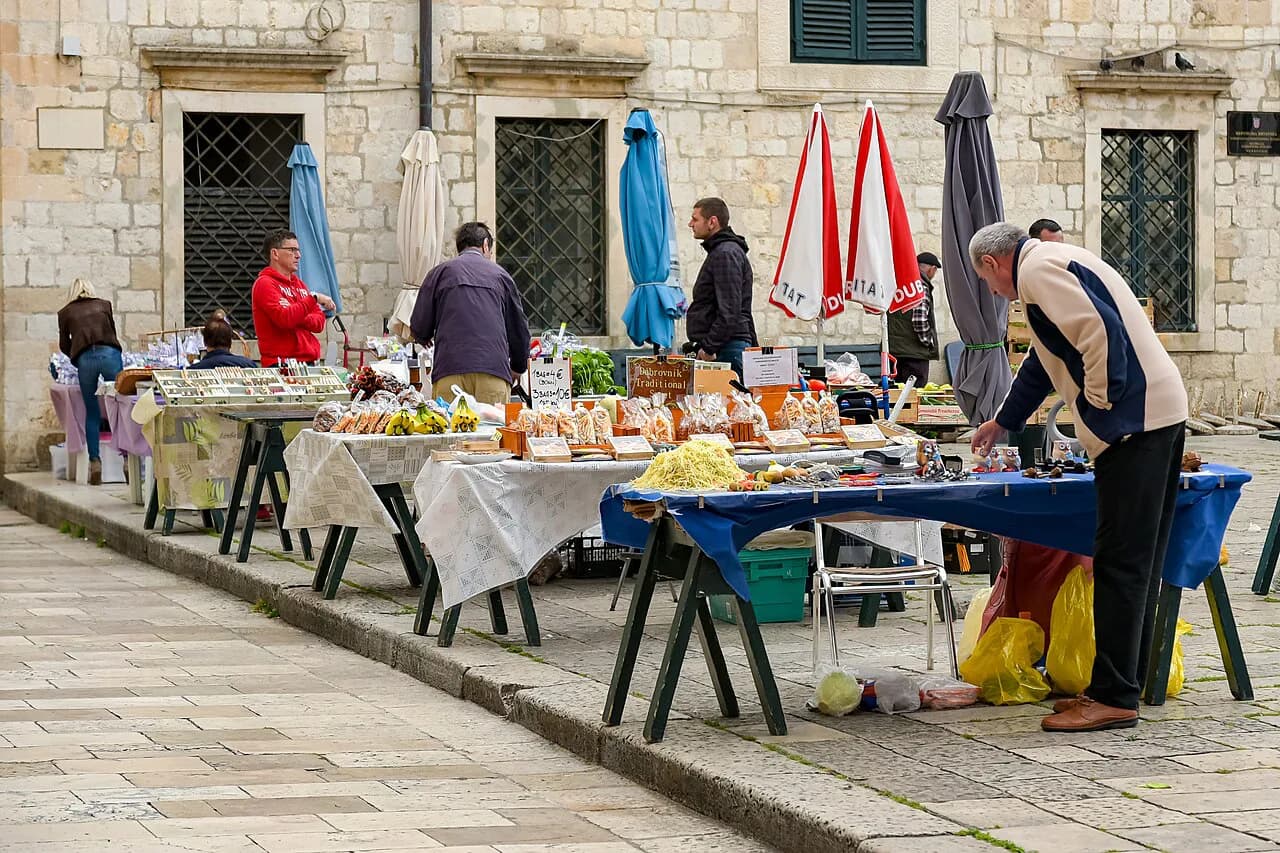
Because everything happens within the walls, the setting does much of the work: stone lanes, preserved buildings and a compact grid you can learn quickly. Tours lean on that backdrop for the history element while keeping the focus on flavours. Each named market and konoba has its own short guide, collected under Dubrovnik food landmarks.
Private, customisable tours versus small-group departures
Group size is the clearest dividing line. The Flavours of Dubrovnik tour runs as a small group of two to eight, which keeps the walking manageable and the tasting stops conversational. Taste of Dubrovnik, meanwhile, builds its business on private and customisable tours tailored to your interests and schedule, so you set the shape rather than joining a fixed departure.
The trade-off is cost per person against control. A small-group departure spreads the guide's fee across several bookings and usually costs less per head; a private tour costs more but lets you steer the stops and timing, which matters if you are travelling with children or have a short window. If you would rather cook than follow, a Dubrovnik cooking class is the hands-on alternative.
Food tour or wine tasting: which fits your evening
A food tour and a wine tasting are different products, even when the same company sells both. The Dubrovnik Old Town Wine Tasting Experience from Taste of Dubrovnik is built around visits to the most vibrant wine bars in the Old Town, with a selection of local wines and snacks, priced from 110 euros on the Taste of Dubrovnik site. That format suits a late-afternoon or early-evening slot when you want to sit, sip and talk rather than walk between kitchens.
If your priority is understanding what Dalmatia cooks, book the food format; if you have already eaten and want to learn about the wines, book the tasting. The mistake is expecting a wine-bar evening from a walking food tour, or a full meal from a tasting. Decide which one you are actually after before comparing prices.
Booking, group size and cancellation terms
The Flavours of Dubrovnik tour is listed from 105 euros per person. The tour page's own cancellation section states no refunds within 48 hours of the start, so read that section on the specific tour page before booking; the same page carries a booking calendar showing which dates are open.
Other Old Town operators sell their own walking food tours, including full-meal formats through the historic centre under different company names. Formats and inclusions vary between operators, so read what each tour actually covers for the price before you decide.
Who a food tour suits, and who should skip it
Book a tour if you have limited time in the city, want a guide to translate the menu for you, or are travelling with people who prefer a fixed plan to hunting for a table. It also works well on a first day, when orientation is as useful as the food. Skip it if you already know the cuisine, or if your priority is a long, unhurried meal in one place.
How a tour fits around Dubrovnik's konobas and restaurants
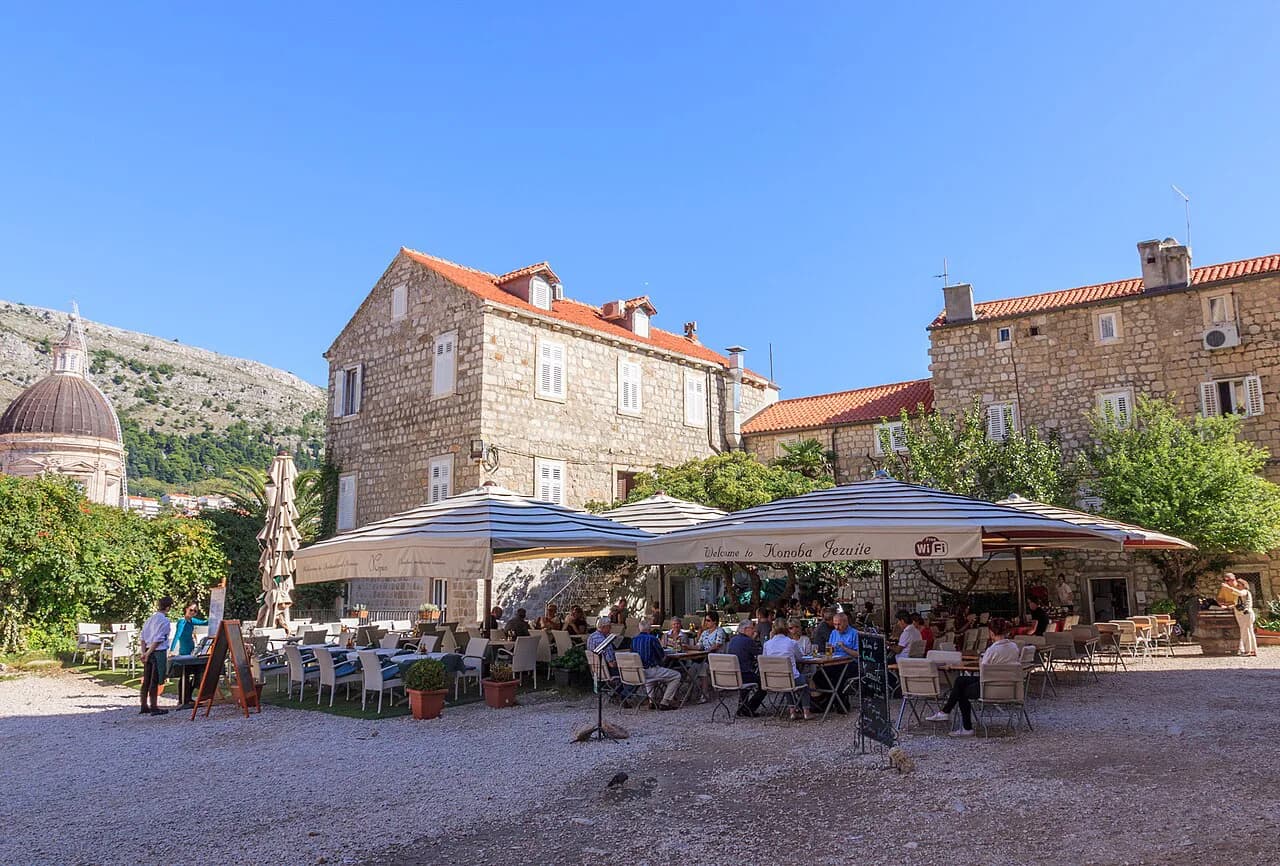
A food tour complements rather than replaces eating out, and the smart move is to let the tour do the introductions and save your sit-down meals for places you choose yourself. Keep the tour on a lunchtime slot and book a konoba for the evening, so the two do not compete. Our pick of konobas in Dubrovnik covers the traditional tavern format, where slow-cooked dishes and local wine are the point.
If a tasting stop introduces you to something you want more of, follow it up properly: oysters Dubrovnik serves from the region's shellfish beds are a good next step, and Peka in Dubrovnik explains the covered-pot cooking that needs ordering ahead. Knowing food prices in Dubrovnik before you go also helps you judge whether a tour price represents good value against eating the same number of courses independently.
Which Dubrovnik food tour should you book?
For most first-time visitors, a small-group Old Town food tour with tastings at three stops is the sensible default: it covers orientation, local cooking and a guide's explanations in one half-day. Choose a private, customisable tour if you want to set the pace or are travelling with children, and choose the wine tasting instead if you have already eaten and want to sit with a glass.
Whichever you pick, check the meeting point, the inclusions line and the cancellation window on the company's own booking page before paying, then leave an evening free for a konoba of your own choosing.
Explore more Dubrovnik guides
Frequently Asked Questions
What kind of food do they eat in Dubrovnik?
The cooking is Mediterranean with Croatian and wider Adriatic influences, leaning on fish, shellfish, olive oil and vegetables. The Flavours of Dubrovnik tour includes tastings at three locations during a walk through the Old Town, so you meet several specialities in one outing rather than a single restaurant's menu.
How long does it take to walk around Dubrovnik Old Town?
The Old Town is compact and easy to cover on foot, which is why food tours stay on foot between stops. Allow extra time in high season, when the main streets are crowded and progress slows.
Is a Dubrovnik food tour worth it?
It is worth it if you want orientation, a guide to explain the local cooking and several tastings without planning each stop yourself. If you already know the cuisine or prefer one long sit-down meal, spend the money on a konoba instead.
Can you do a Dubrovnik food tour with children?
The Flavours of Dubrovnik tour runs as a small group of two to eight, which keeps the walking manageable, but the fixed pace and tasting stops may not suit very young children. A private, customisable tour is likely the better fit when you need to adapt timing and stops around a family.
Sources
Notes on eating well in Croatia
Optional updates to our food guides.
You might also like
Continue reading
More guides you'll find useful