Zagreb Food Prices: What Eating Out Costs in the City
What food costs in Zagreb, from cheap weekday gablec lunches to à la carte konoba meals, and how portions, markets and sharing change the bill.
On this page
Zagreb is a mid-priced eating city by western European standards, and the single biggest lever on your food budget is the weekday gablec, the cooked lunch sold in self-service restaurants and canteens. At one such restaurant in 2025, mains ran from €6.90 to €7.80, with soup or salad adding €2. Dinner à la carte, grill plates and steak houses sit well above that. This guide sets out the bands, the dishes that define them and how portions and sharing change the final bill.
The cheap lunch is a weekday, midday format rather than an all-day bargain, so plan your main meal early if you want the lowest spend. Evenings and weekends move you into bistro and konoba territory where main courses are priced individually.
What a meal in Zagreb costs: the price bands
Think in three bands. The first is the gablec, a one-plate weekday lunch that in June 2025 was priced between €6.90 and €7.80 for the main dish at a self-service restaurant, with a small extra for soup or salad. The second is the casual bistro or pizzeria main, priced per dish and sitting above the lunch band. The third is the grill house, steak house and seafood meal, where a shared mixed grill or a fish dish pushes the total up sharply.
Lunch and dinner are different spending exercises. The gablec is a midday weekday institution, so a cheap lunch does not carry over to a Saturday evening table. If your trip includes both, budget the midday meal low and the evening meal at the bistro or konoba level.
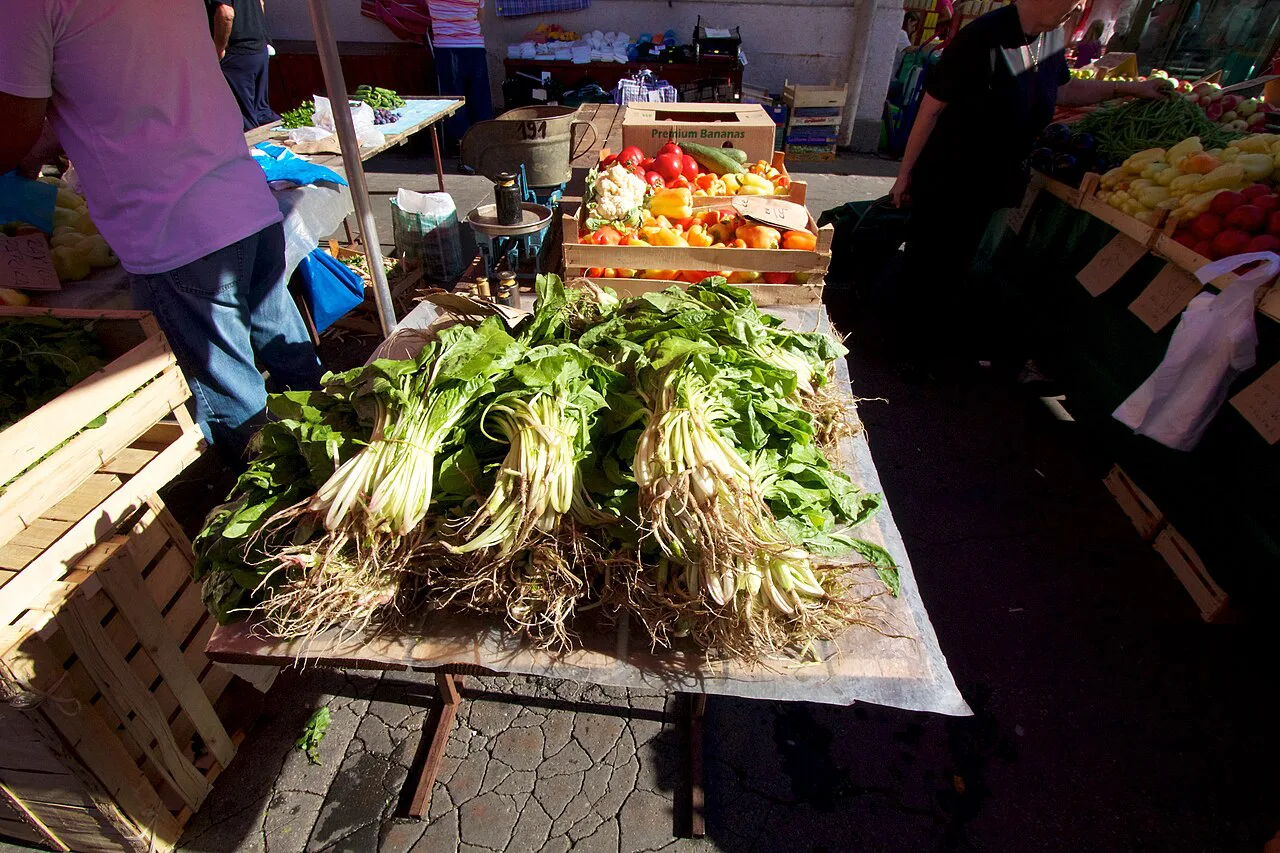
The gablec: Zagreb's cheap weekday lunch
A gablec is a cooked lunch, usually one main with a side, served fast and cheap in the middle of the working day. It is not a tasting menu or a small plate; portions are generous, and the format rewards anyone willing to eat their main meal at noon. Traditional dishes rotate through the menu, from filled peppers with mashed potato to roast meat with mlinci, the thin baked dough sheets served under the juices.
The trade-off is timing and setting. These lunches cluster around offices and residential neighbourhoods rather than the old town, and the busiest window is around midday, when queues build. Arrive a little after the peak and you get the same food with less waiting. Reading up on Zagreb food before you go helps you recognise the dishes on a gablec board.
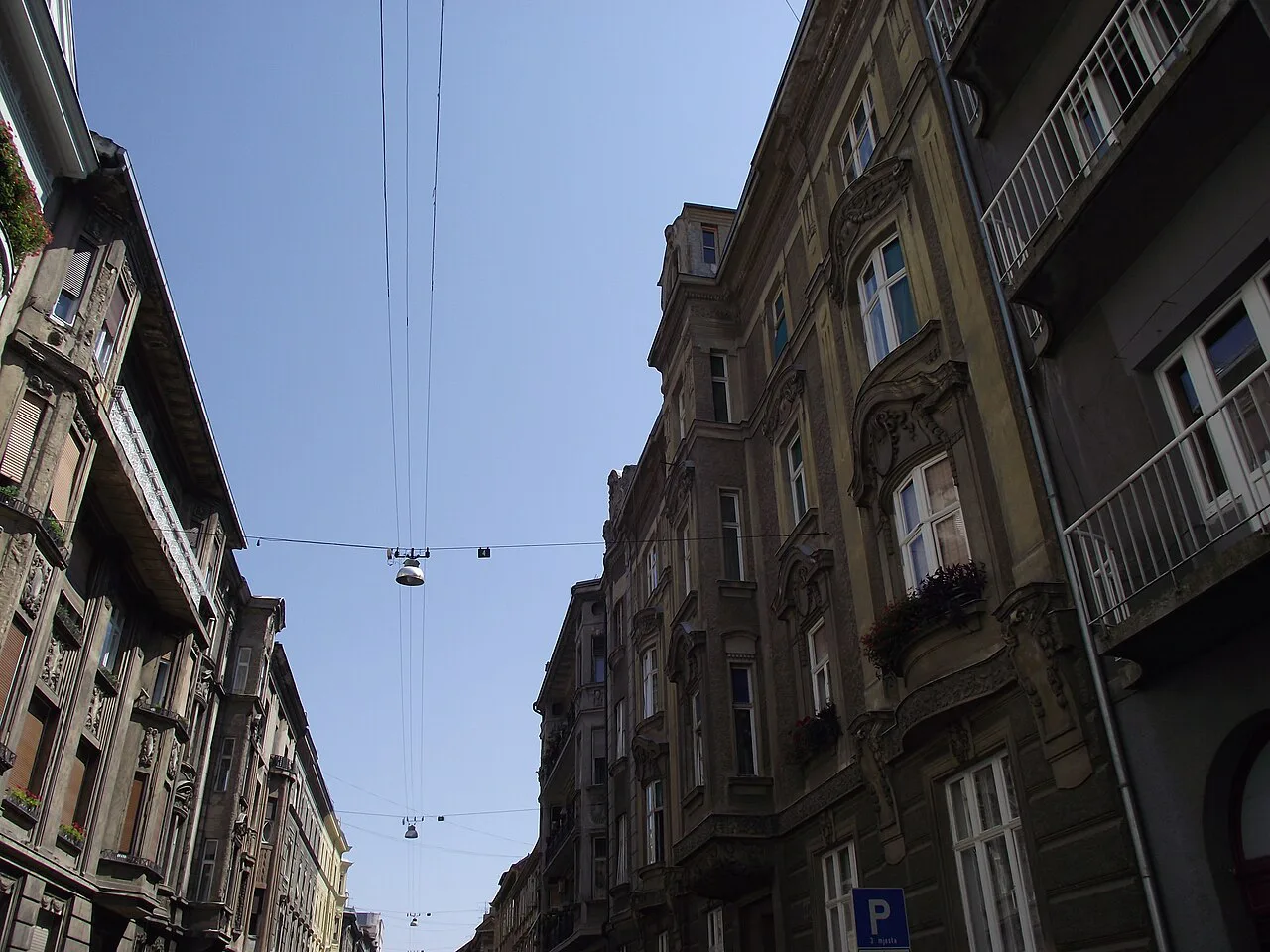
What a daily-menu lunch looks like at Restoran Lobby – Otok
Restoran Lobby – Otok in Novi Zagreb is a self-service restaurant that, in June 2025, listed five gableci plus a daily offer. The dishes that day included filled peppers with mashed potato at €7.80, a wholemeal risotto with turkey and asparagus at €7.60, boneless chicken leg with mlinci at €7.50 and a pork schnitzel in cornflakes crumb with cabbage at €7.70. The cheapest item was the daily offer of marinated chicken fillet with a side of your choice at €6.90. Soup or salad added €2, and delivery cost 80 cents in 2025. The self-service format means you take a tray, cutlery and bread, then order from the list, which keeps the queue moving. Fried squid with chips appeared on Fridays for just under €10 that year. Treat all these as 2025 examples rather than current prices.
Mid-range restaurants and bistros: main-course pricing
Above the gablec, bistros and pizzerias price each main individually, and the total depends on what you add. A pizza or pasta main is the cheapest way into an evening meal, while a plated meat or fish main moves you up a band. This is where most visitors eat dinner, and it is the band where choosing a starter to share or skipping dessert makes the clearest difference.
A konoba Zagreb table usually means traditional cooking in a relaxed room, and the bill is built from separate mains rather than a fixed menu. If you want that format, it pays to know how the pricing works before you sit down. The city's konoba scene is covered in more detail in Konobas in Zagreb.
Cheaper casual options fill the gap between gablec and bistro. Fast food Zagreb covers pizza slices, sandwiches and grill counters where a single item replaces a full meal. A food tour Zagreb can also spread your spending across several small stops instead of one large dinner.
When the bill climbs: grill houses, steak and seafood
Grill restaurants and steak houses are where a Zagreb dinner gets expensive. Mixed grill plates for two, steaks and fish sold by weight all push the total beyond the bistro band, and a seafood main is usually the priciest single dish on a menu. If your budget is tight, order one grill plate to share and add vegetables or bread rather than a second main.
Portion size is the counterweight. Grilled meat portions in Zagreb tend to be large, and a shared mixed plate with sides often feeds two comfortably. That makes the higher band less painful than the headline price suggests, provided you resist ordering a main each.
Coffee, pastries and bakery stops between meals
Coffee and a pastry is the cheapest sit-down stop in the city. A pekara, the neighbourhood bakery, sells bread and savoury or sweet baked goods for a few euros, and a slastičarnica, the pastry shop, prices individual cakes and slices rather than full desserts. These stops let you eat well between meals without committing to a restaurant bill.
Breakfast is often the least expensive meal to eat out, especially if you keep to coffee and a pastry rather than a cooked plate. If you are building a day around food, a Zagreb cooking class is a different kind of spend, but it replaces a meal rather than adding one. Details of the city's classes sit in Zagreb Cooking Classes.
Markets and self-catering: bread, produce and cheese
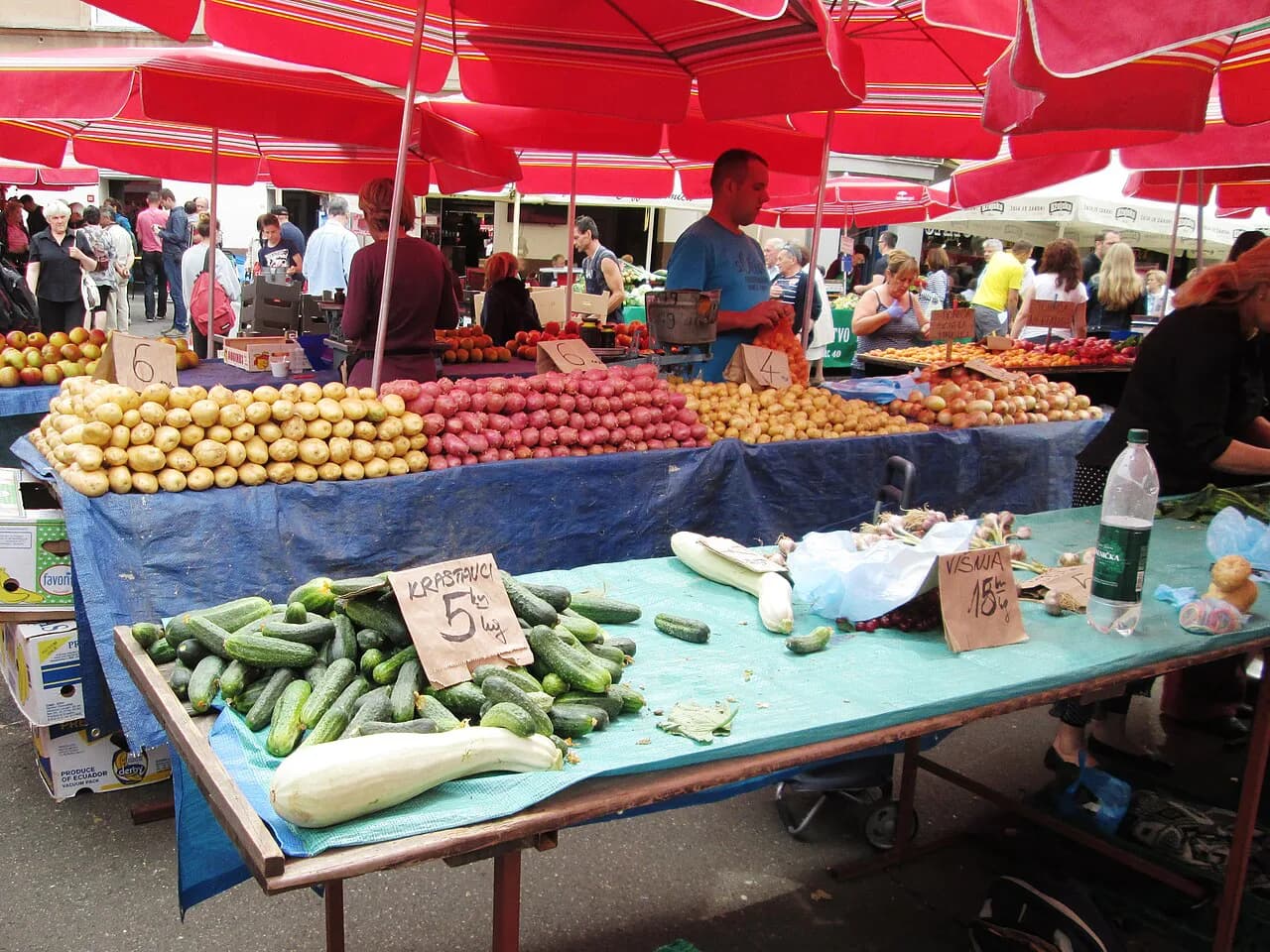
Markets are the cheapest way to eat well in Zagreb, selling produce, cheese and cured meats by weight. Buying bread, cheese and fruit there costs less than a restaurant lunch and gives you a picnic for the price of a starter.
Portion sizes and sharing: how two people eat for less
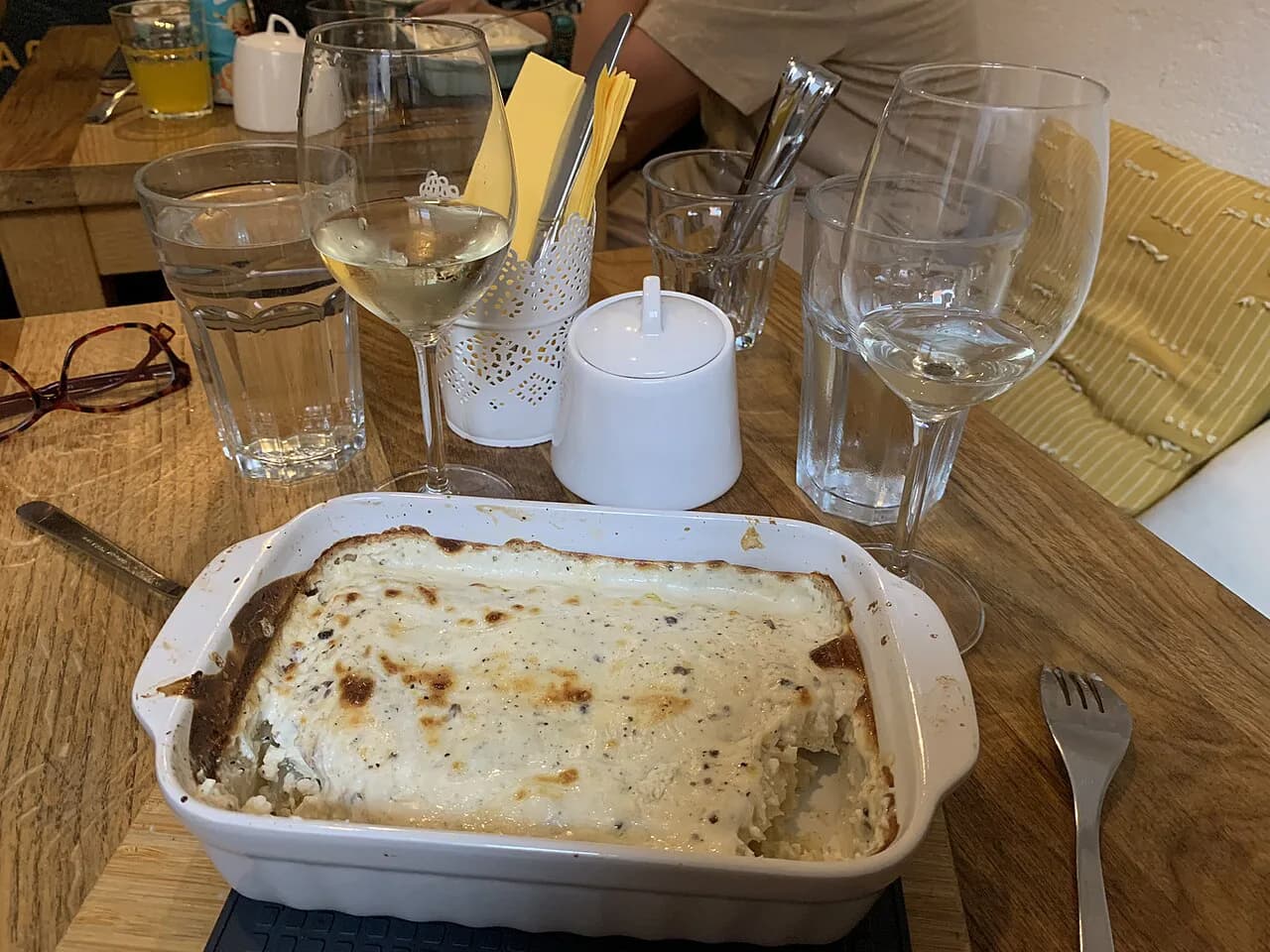
Zagreb portions are generous, and sharing is normal rather than stingy. At Restoran Lobby – Otok, diners described taking one portion between two because the plates were so large. The same logic applies at grill houses: one mixed plate with a side of vegetables or bread often covers two people.
The practical sequence is to order one main to share, add soup or salad, and decide on a second dish only if you are still hungry. Soup or salad was a cheap way to bulk out a shared lunch. This approach works best at lunch, when the gablec format makes a single large plate easy to Split.
Wine, beer and soft drinks with a meal
Drinks are where a cheap meal can quietly become an expensive one. House wine by the glass and local beer are the moderate options, and a soft drink or water keeps the bill down further.
If you are eating a gablec, water or a small beer is the usual accompaniment, and the lunch stays cheap. At dinner, a bottle of wine shared between two is often better value per glass than ordering separately. Drinking moderately keeps both the bill and the next morning manageable.
Cash, card and tips
Card payment is widely accepted in Zagreb restaurants, cafés and bakeries, but markets and small stalls may prefer cash, so carry some euros for Dolac and Britanski trg. Tipping is not compulsory; rounding up or leaving about ten per cent for good service is the usual practice. Check whether a service charge is already on the bill before adding a tip.
Which neighbourhoods and streets suit which budget
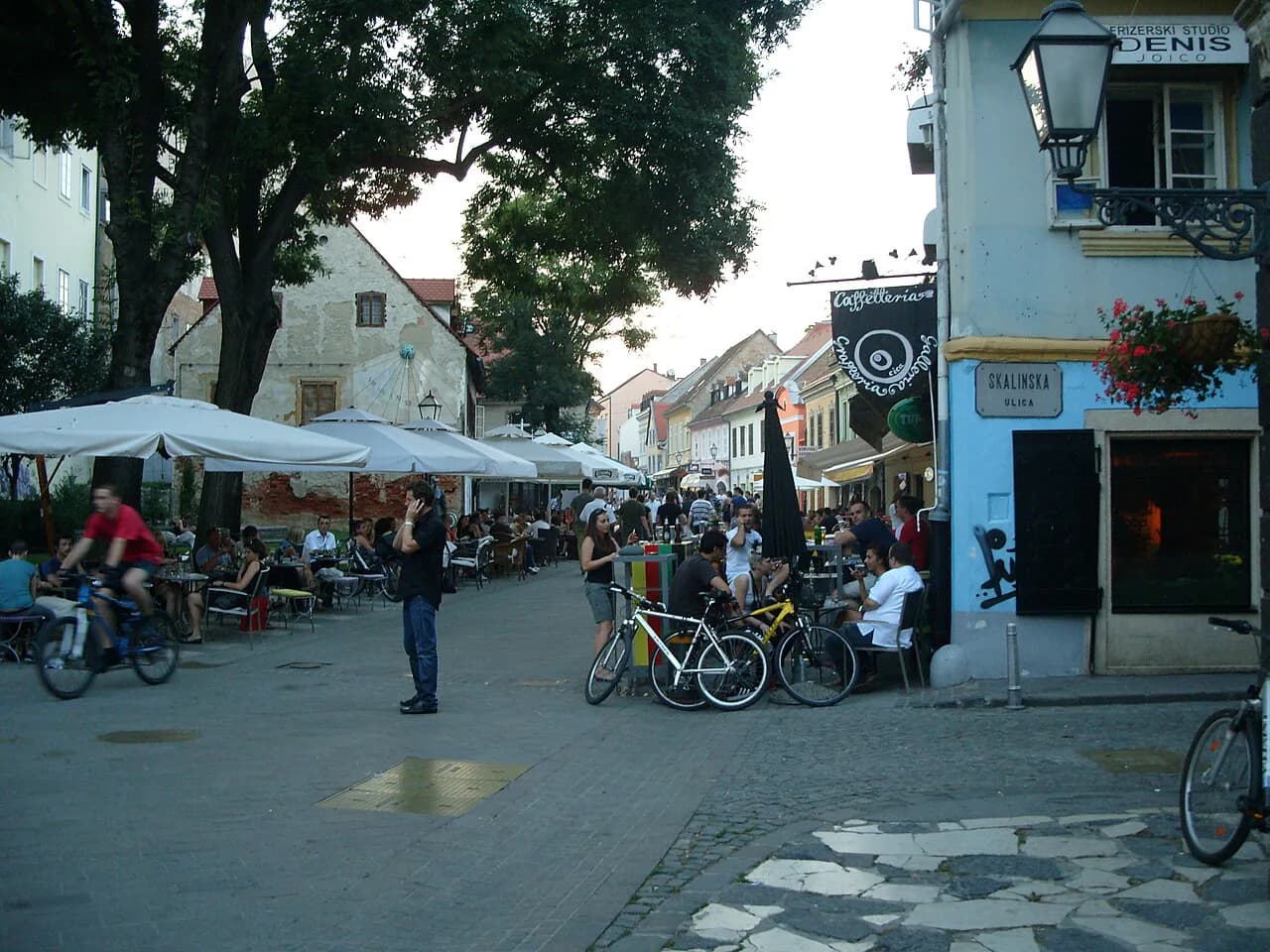
The cheapest eating clusters in residential neighbourhoods and around office districts, where gablec restaurants serve the working lunch. Novi Zagreb, where Restoran Lobby – Otok sits, is one such area. The upper town and Tkalčićeva are the busy tourist streets, with higher prices and more crowding, especially in the evening.
For a mid-range meal, the streets around the main square and the lower town offer bistros and pizzerias at bistro prices. If you want a guided overview before choosing, Food Tours in Zagreb can introduce several neighbourhoods in one go. Otherwise, walk one street back from the main square and prices usually soften.
Where to put your food budget
Spend low at lunch and save the higher band for one or two evening meals. A weekday gablec, a shared grill plate and a market picnic will keep a day's food cost modest, leaving room for a proper konoba dinner when you want one.
The dishes themselves are worth knowing before you order, from ćevapi Zagreb to the grilled meats that dominate the upper band. If you are still deciding what to eat, plan around the gablec boards first and then pick your evening table.
Explore more Zagreb guides
Sources
Notes on eating well in Croatia
Optional updates to our food guides.
You might also like
Continue reading
More guides you'll find useful