Konobas in Zagreb: Where to Eat Traditional Croatian Food
What a konoba in Zagreb is, what to order from pršut to pašticada, and how Konoba Dida serves Dalmatian cooking in the centre of the city.
On this page
A konoba in Zagreb is the city's taste of Dalmatia: a traditional, unhurried eating house that grew out of the fishermen's and farmers' taverns of the southern coast, where simple food, cured meats and local wine mattered more than polish. In Zagreb you get the same format inland, and Konoba Dida is the clear example, plating Dalmatian cooking in a quiet corner of the centre. This guide explains the format, walks through what to order, and shows how the menu prices fish and shellfish by weight.
Expect shared cold plates first, homemade pasta and risotto in the middle, and grilled or pot-cooked fish at the end, with prices in euros. Where a venue lists a dish as ordered ahead, that shapes how you plan the meal, so read the menu sections carefully before you sit down.
What a konoba is and how it differs from a Zagreb restaurant
The konoba began as a cellar-like meeting place for fishermen, sailors and farmers, where cheap fried sardines, a glass of wine and a song were the whole point. Today the word signals a traditional menu and a traditional room: cured meats, cheese, homemade bread and slow-cooked dishes, served without hurry.
That makes it different from an ordinary Zagreb restaurant in emphasis rather than formality. A konoba leans on preserved and grilled ingredients and a short, familiar repertoire, so you order a spread of small plates and one or two mains to share rather than a neat starter-main-dessert sequence.
For a wider picture of the city's eating, from bakeries to markets, the Zagreb food guide fills in the rest of the day around your konoba meal.
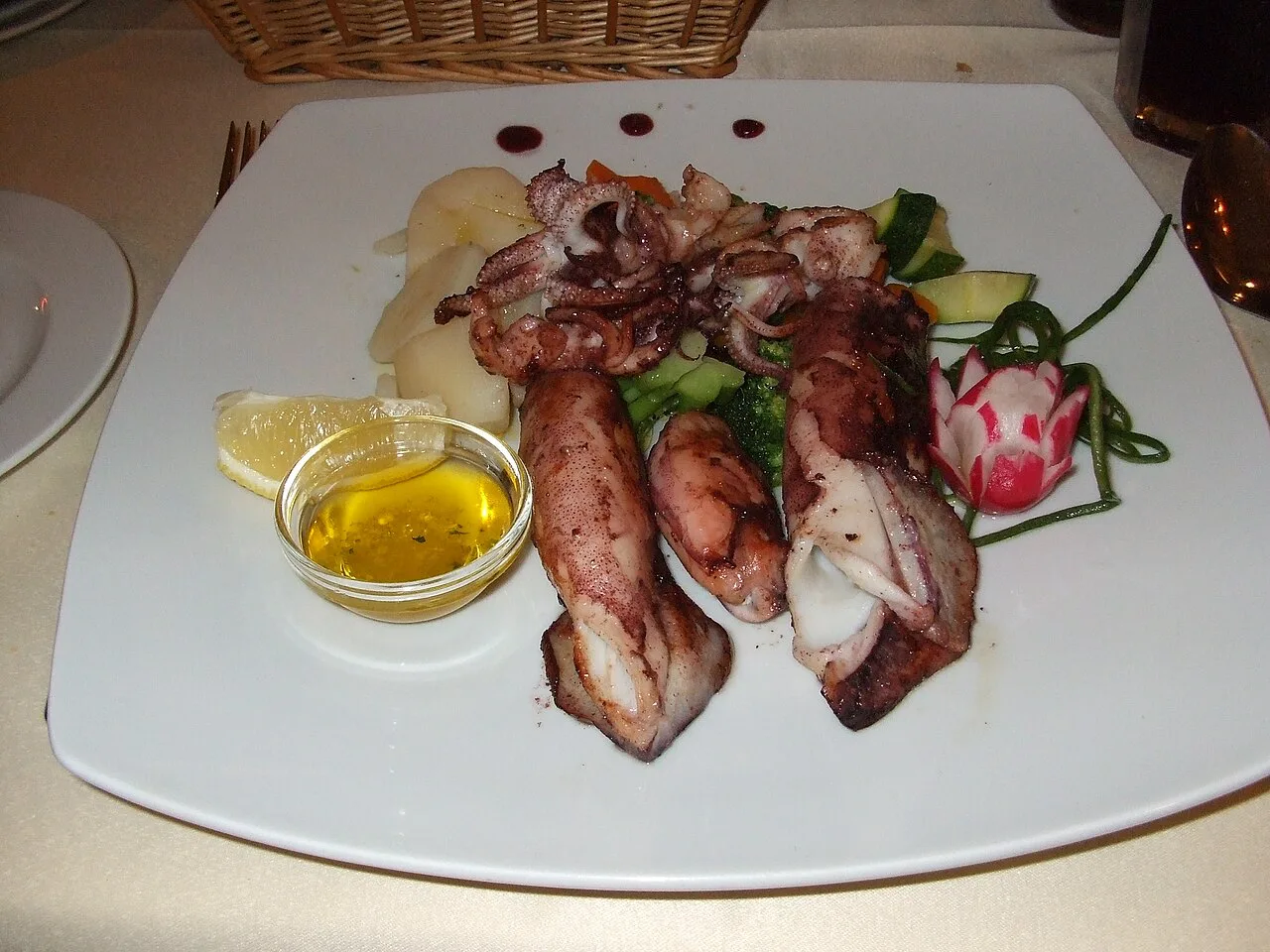
What Zagreb konobas serve: pršut, kulen, Paški sir, fish and dishes under the peka
The classic opening spread is cured pork and cheese: pršut (dry-cured ham), panceta and slanina (cured bacon), with Paški sir, the firm sheep's cheese from the island of Pag. The same board often carries Slavonski kulen, a spiced smoked sausage from Slavonia, sliced thin and eaten in small pieces because it is rich.
Mains move between the grill, the pot and the peka, the domed lid heaped with hot coals under which meat, octopus or fish cook slowly. Dalmatian standards such as pašticada, beef braised in a sweet-sour sauce and served with gnocchi, sit alongside risottos, homemade pasta and whole fish.
If you want to see the lid in action before committing to a long sitting, the guide to Peka in Zagreb explains the cooking method and where it appears on menus.
Prices vary with the cut and the catch, so compare a few menus and use the Zagreb food prices guide to calibrate what a plate of pršut or a fish main should cost.
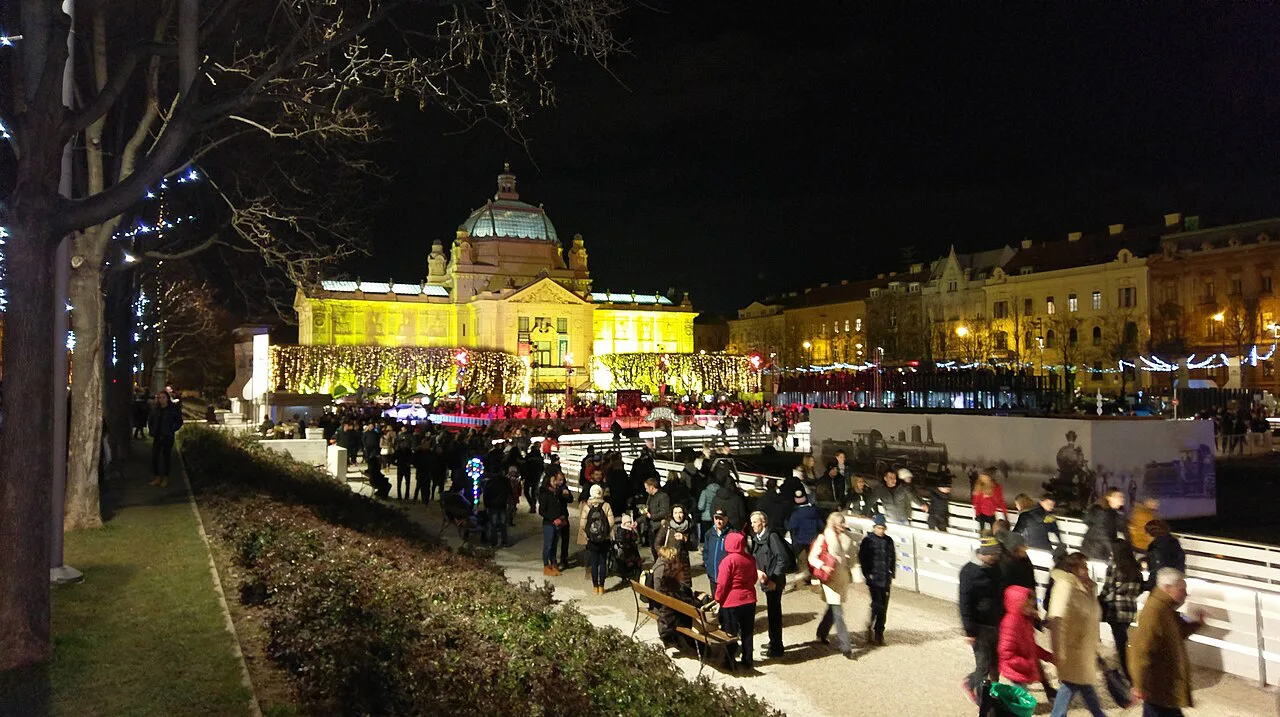
Konoba Dida: Dalmatian cooking in the centre of Zagreb
Konoba Dida describes itself as a Dalmatian corner in the heart of Zagreb, with a calm, old-fashioned room and a kitchen built around fresh fish delivered from the Adriatic, its own bread baked in house, and dishes finished in an old peka. The wine list ranges from house open wine to bottles from Croatian growers, which suits a table of shared plates.
The format is the point: you come for a long, generous meal of cold starters, pasta and a main, not for a quick lunch. Ordering a spread of small plates to start and then one fish or one pasta each keeps the bill and the pace sensible.
If you would rather have someone order the Croatian classics for you, Food Tours in Zagreb can cover the same ground on foot.
What to order at Konoba Dida: cold starters, pasta and mains
Start cold: the mixed cold plate of octopus salad, marinated cod and tuna carpaccio gives three textures for one order, and a plate of marinated sardines and anchovies is the cheaper, sharper opener. The carpaccios of smoked tuna, smoked swordfish or monkfish are listed separately if you prefer a single plate.
The homemade pasta is the heart of the warm starters: pljukanci, hand-rolled Istrian noodles, come with scampi or prawns, and fuži with truffles or black noodles with prawns and dried tomato follow the same idea. Risotto of cuttlefish, prawn or scampi works as a shared middle course.
For mains, grilled squid, monkfish in wine sauce and mixed fish skewers are the straightforward picks, while the Dida steak covers anyone in the group who does not eat fish. Blitva na dalmatinski, chard cooked with potato, is the side to order with fish.
Ćevapi do not appear on this menu; if that is the craving, the ćevapi Zagreb guide points you to the right kind of place.
Dishes baked under the peka and items ordered in advance
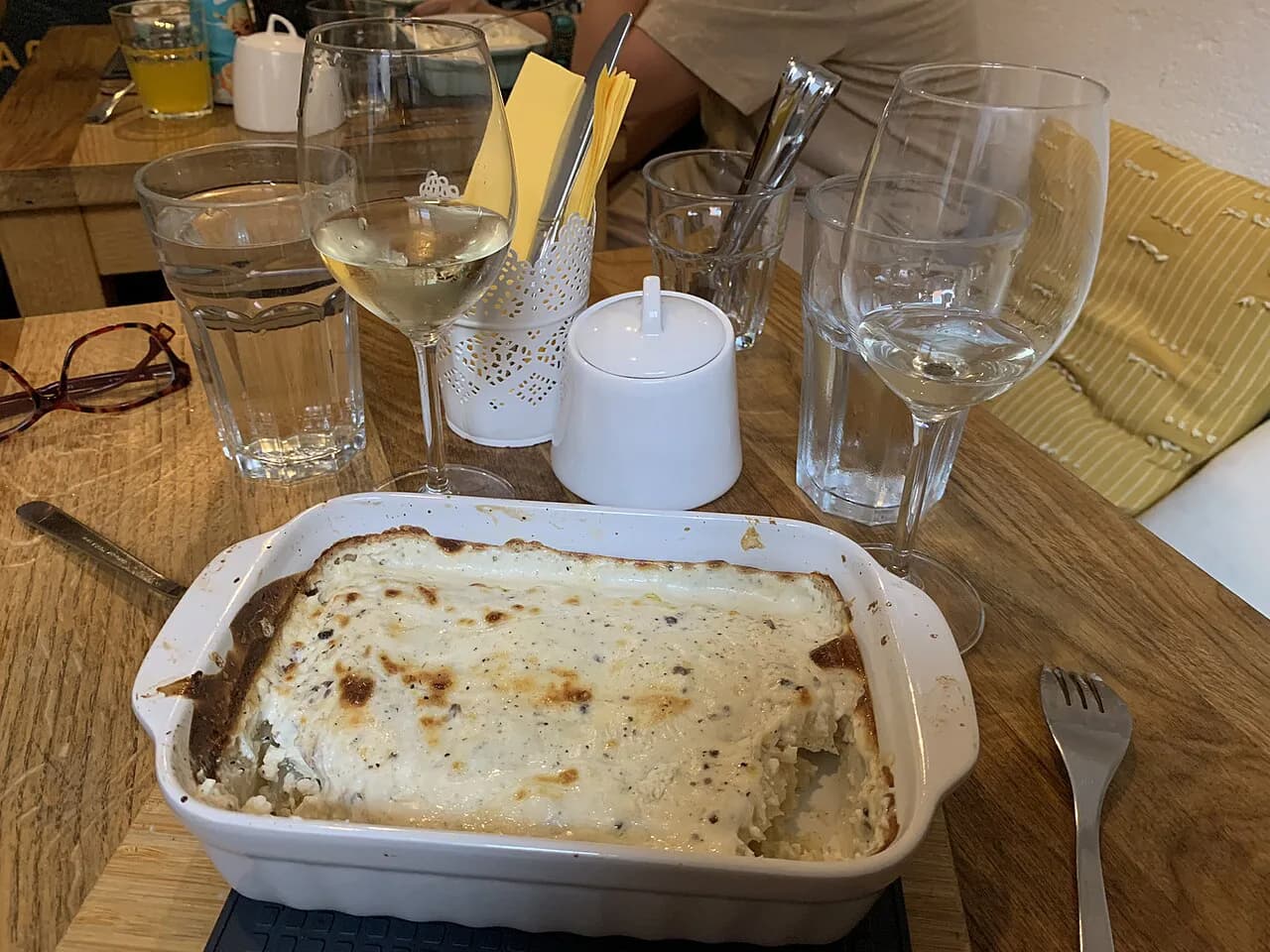
Konoba Dida splits out a short list of dishes ordered ahead: octopus under the lid, veal under the peka, Dalmatinska pašticada with gnocchi and a mixed fish brodetto with polenta. In practice that means you decide on these when you book or at the start of the meal, not at the end when you are already full.
The rest of the menu, including the grilled fish, the pasta and the cold plates, is available without notice. So a table can order one slow dish to share and fill the rest from the standard list, which keeps the timing comfortable.
If you want to cook a peka yourself rather than order one, a Zagreb cooking class covering Croatian dishes is the practical route.
Fish priced by the kilo and how to read the menu
Several items at Konoba Dida are sold by weight, including the scampi, lobster and spiny lobster, and whole fish such as the mixed saltwater fish and the squid. The figure on the menu is per kilo, so the price of your portion depends on what the kitchen weighs out, and the same applies to the cured meats and cheese listed by the kilo.
Ask for the weight before the fish goes on the grill, and if you are sharing, agree on one large fish rather than several small ones. Watch the per-kilo rates as you choose: higher-rate shellfish add up faster than a single whole fish, so keep the total in view.
Note that the menu also adds a small cover charge per person, common in Croatian restaurants, so factor it into the total.
Desserts: rožata and Didova torta
Dessert at Konoba Dida is short and traditional: rožata, the Dalmatian caramel custard, sits next to Didova torta, the house cake, and a seasonal daily cake. Portions are modest, so it is easy to add one to a shared table after fish.
If you want something savoury instead, a cheese plate from the cold section or a glass from the Croatian wine list closes the meal just as well.
How far to travel for a konoba in Zagreb and the trade-offs of central locations
A central konoba such as Dida trades on convenience: you can walk to it from the main squares and combine it with the Dolac market or a morning at Britanski trg market. The trade-off is a menu pitched to foot traffic, so expect prices at the higher end of the Croatian range for fish and cured meats.
Konobas further from the centre tend to be cheaper, but you lose the walking convenience and need to plan transport. For a short city break, the central option usually wins; for a longer stay, one suburban meal is worth the trip.
For a quick, cheap meal between konoba sittings, the street food in Zagreb guide covers the city's stands and bakeries.
Booking a table in high season
In summer and around holidays, a central konoba fills quickly, and the dishes ordered ahead need planning anyway. Book by phone or through the restaurant's own website a few days ahead, and mention any peka dish when you do, so the kitchen can schedule it.
If your dates are fixed and you want a guided introduction rather than a solo booking, Food Tours in Zagreb include tastings that cover the same traditional dishes.
Which konoba should you book?
For a first taste of the konoba format in Zagreb, Konoba Dida is the practical choice: central, Dalmatian in menu and mood, with cold plates, homemade pasta and fish by the kilo. Order one dish from the advance list to share, ask for the weight on any whole fish, and finish with rožata.
Frequently Asked Questions
What does the word konoba mean?
A konoba is a traditional Croatian eating house, originally a cellar-like tavern for fishermen and farmers, now a restaurant serving cured meats, cheese, grilled fish and slow-cooked dishes in a rustic setting.
What is a must eat in Croatia at a konoba?
Start with pršut, Paški sir and Slavonski kulen, then move to a pasta such as pljukanci or fuži, a fish dish from the grill or the peka, and finish with rožata.
Sources
Notes on eating well in Croatia
Optional updates to our food guides.
You might also like
Continue reading
More guides you'll find useful