Zagreb Cooking Classes: What to Expect and Where to Book
Zagreb cooking classes pair a Dolac market tour with hands-on cooking of Croatian dishes. Here is how a typical class runs and what to expect.
On this page
A Zagreb cooking class is a half-day activity built around shopping and cooking rather than sitting through a demonstration. The dominant format pairs a guided walk through Dolac, Zagreb's central produce market, with a hands-on session in a kitchen where you make a three-part Croatian menu from scratch.
That market-to-kitchen structure is what separates a Zagreb class from a generic city cookery session: you handle the ingredients before you chop them. Expect a small group, real knife work rather than watching, and a sit-down meal of what you made.
This guide covers the dishes you are likely to cook, how long the session lasts, how hands-on it is, and how to choose between a private booking and a larger group.
What a Zagreb cooking class usually involves
The classes advertised in Zagreb combine a market tour with a hands-on cooking session rather than a pure demonstration. You start around the city's produce market before moving to a kitchen to cook, so the session feels closer to a food walk plus cookery class than to a cookery school alone.
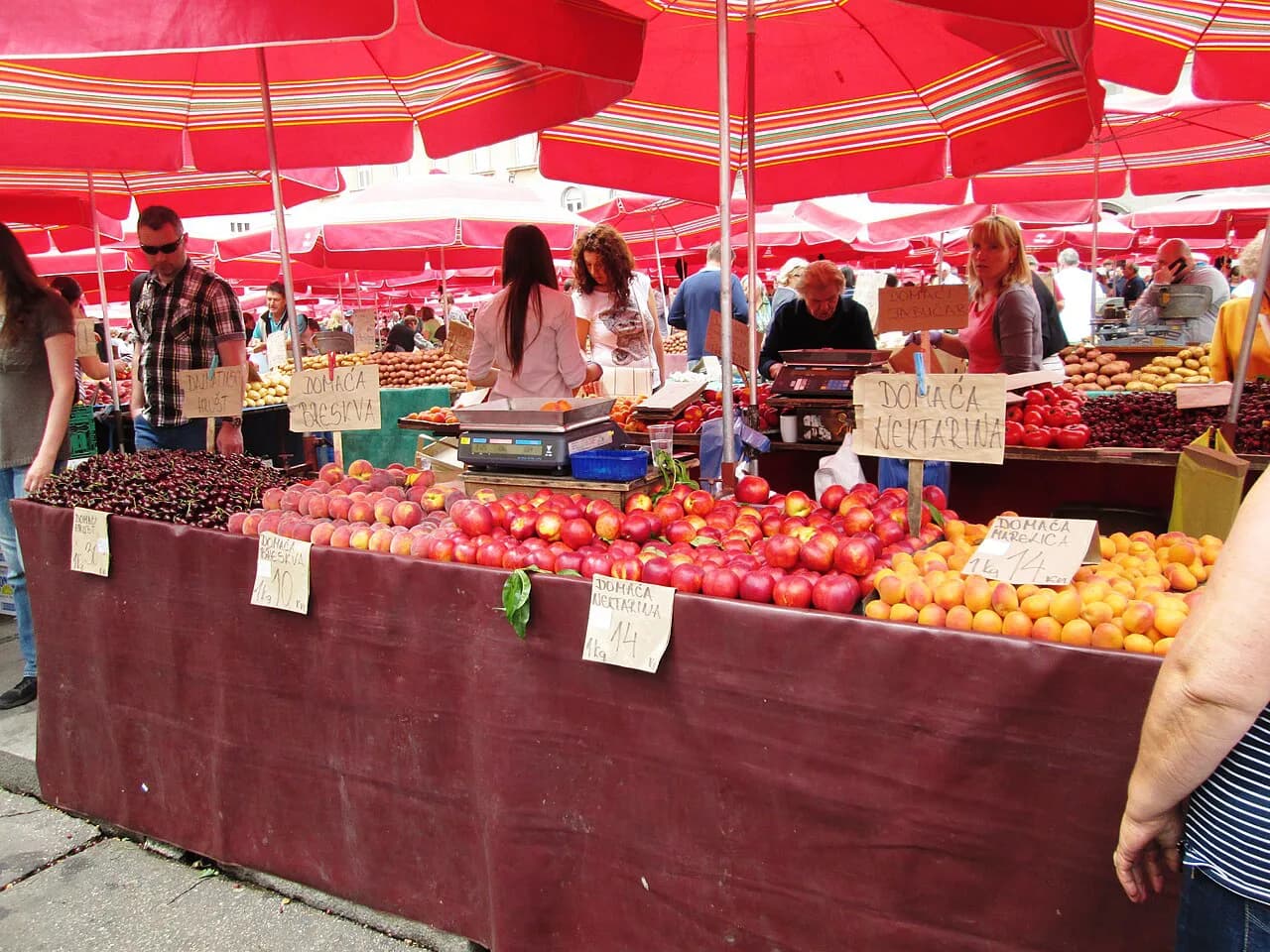
Dolac sits in the heart of the centre, easy to reach from most central hotels. One advertised format combines a market tour with a hands-on session lasting about two hours in the heart of the city.
Because the shopping is part of the class, mornings are the natural slot, when Dolac is liveliest and the produce is freshest. On a short break, keep your first morning free for it.
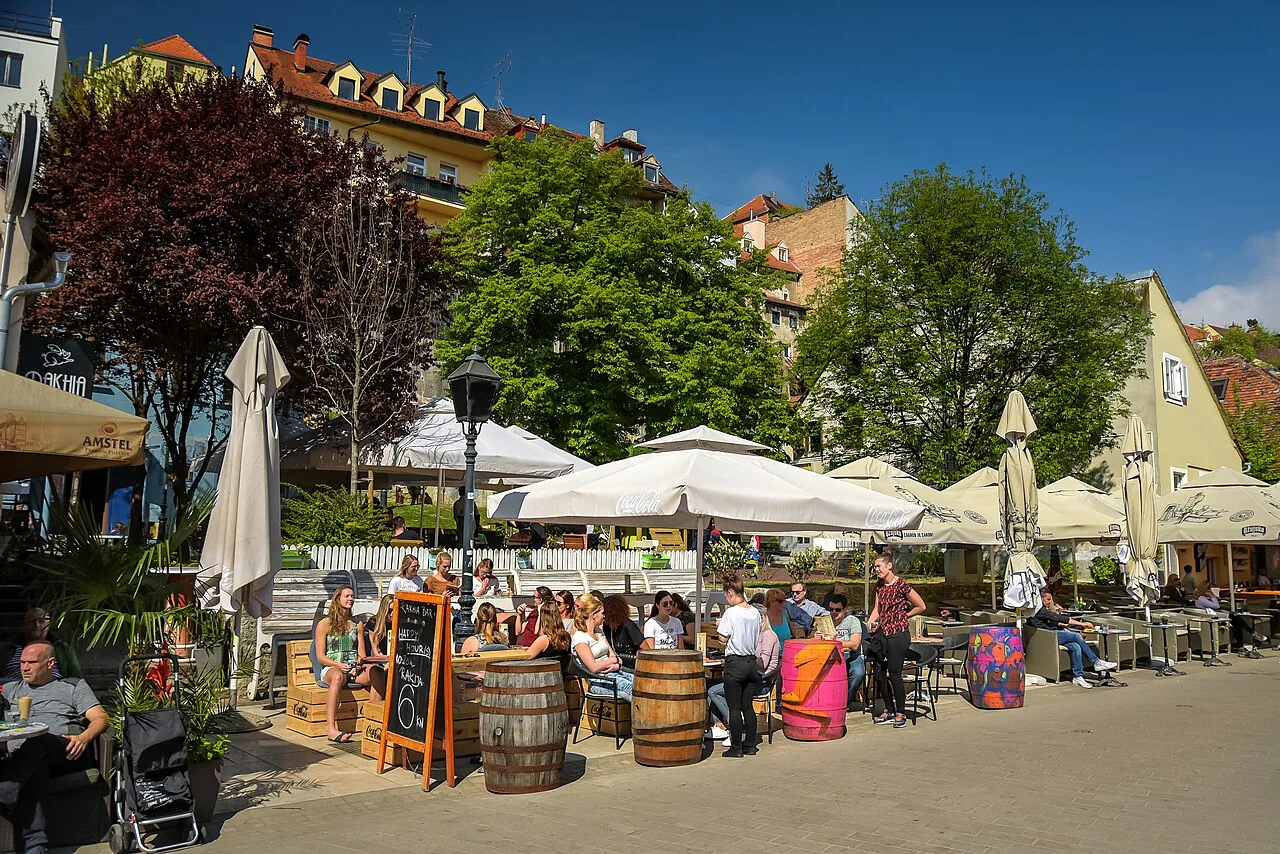
Market-first classes: shopping Dolac before you cook
Dolac is Zagreb's central produce market and the reason a market-first format works so well. Walking it with a host turns a browse into a lesson in what Zagreb cooks buy; our guide to Zagreb food maps the stalls and dishes worth knowing.
If your class meets elsewhere, the same logic applies at the city's other markets. The Britanski trg market, on the slope towards Upper Town, makes a useful second visit once you know Dolac.
A market-first class also leaves you with a skill for the rest of the trip: knowing which stall to trust for tomatoes, which for cheese, and how to judge a fair price. That outlasts any single recipe.
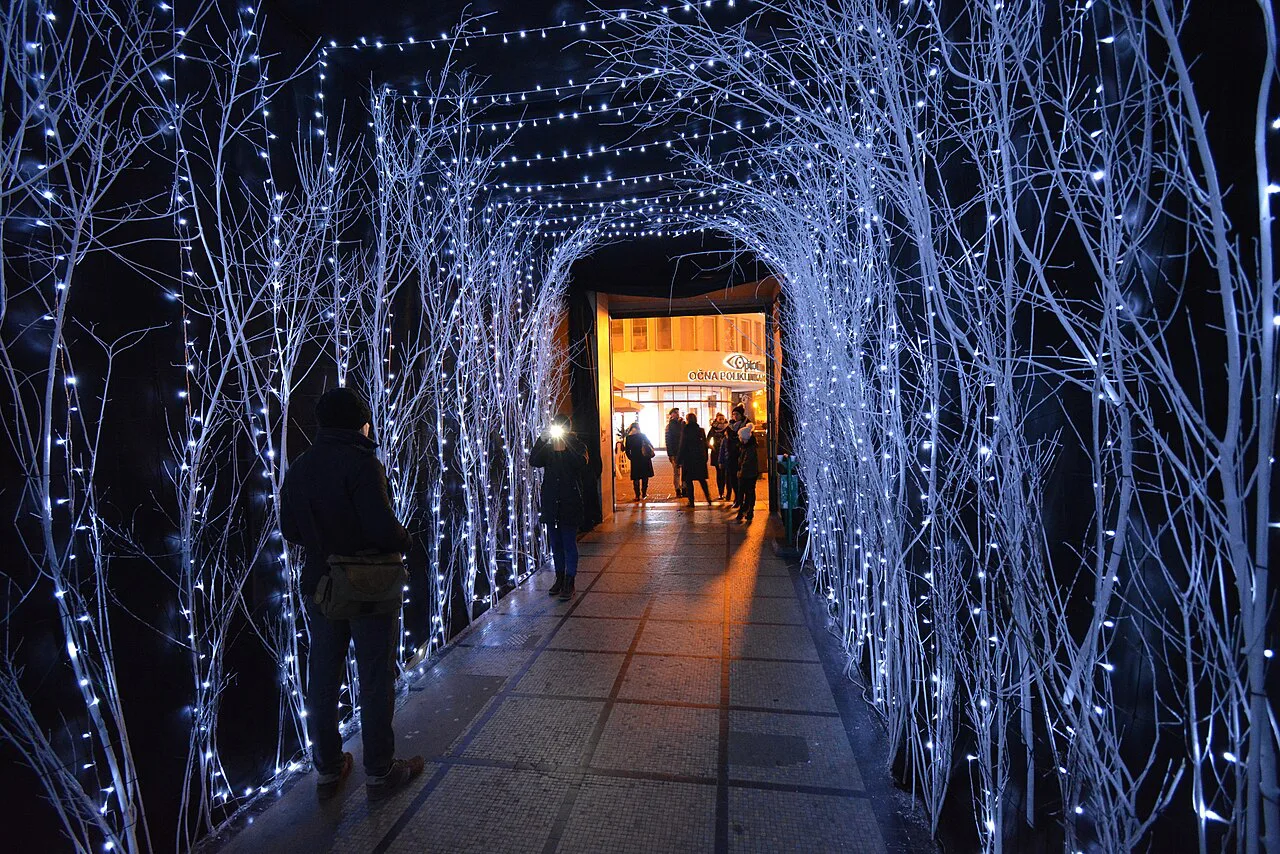
Dishes you are likely to make: soup, main with sides, and a dessert
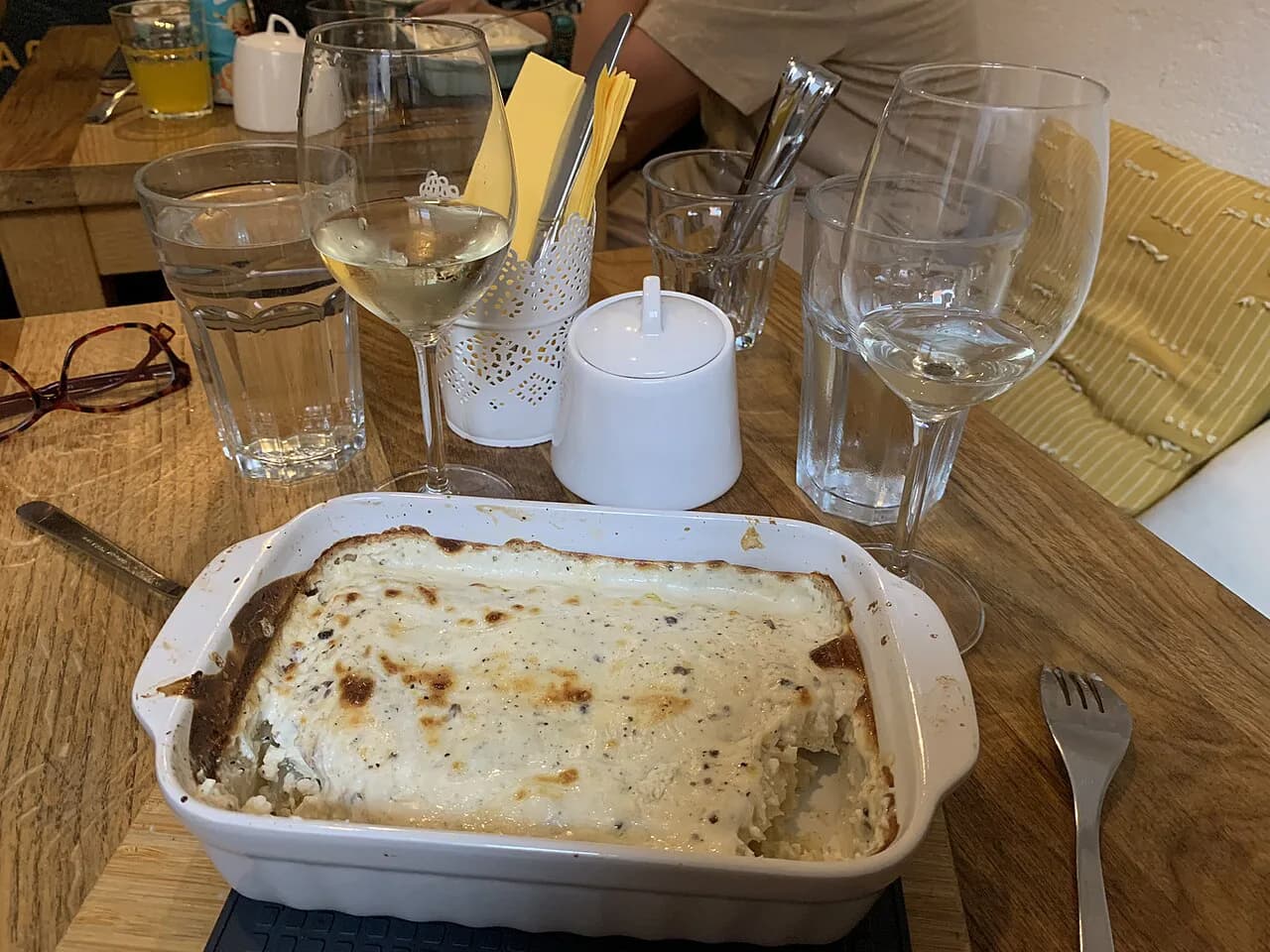
The standard Zagreb class menu runs to three courses made from scratch: a seasonal soup, a meat or fish main with side dishes, and a dessert. That is the structure advertised by operators running market-and-cooking sessions in the city, and it is a fair test of whether a class suits your skill level, because all three parts involve real knife work and timing.
In practice the soup is built from whatever looked best at the market that morning, so the same class can produce a pumpkin velouté in autumn and something green and light in spring. The main is where Croatian home cooking shows most clearly: a braise, a roast or a fish dish with potatoes and a simple salad alongside.
The dessert is usually the least demanding part, which makes it a good place for beginners to find their feet. If you want to know which Croatian sweets are worth ordering before you commit to making one, our Street Food in Zagreb guide covers cheap lunches and pastries.
How long a class lasts and how hands-on it is
The hands-on session lasts about two hours in the kitchen, so plan on a half day once you add the market tour and eating. That is the figure given for the market-tour-and-cooking-class format in Zagreb, and it is a fair rule of thumb for planning the rest of your day.
Hands-on means you chop, stir, season and plate rather than watch someone else do it. Some classes Split you into pairs for one course and let the whole group work together on another, which keeps things sociable without leaving anyone idle.
If you would rather observe than cook, ask before booking. A demonstration-style session suits travellers who want the stories and the tasting without the knife work; Food Tours in Zagreb covers the walk-and-taste format if you want to compare.
Class sizes and whether you cook in a group or as a pair
Smaller groups make the hands-on cooking more personal: fewer people around one counter means more attention to your seasoning, and a more manageable market walk where the host can talk to everyone at a stall without shouting.
Private sessions, where available, suit couples, families and friends who want the kitchen to themselves and the chance to steer the menu towards what you actually want to cook. The trade-off is losing the sociable buzz of a mixed group, and a private booking usually needs more notice.
Group classes suit solo travellers who want company for an afternoon. If you are a pair, ask whether you will cook together at one station or be split up, so you know what to expect on the day.
If cooking is only one part of a food-focused day, a food tour Zagreb style covers the market and the shops without the kitchen session, and it takes less time out of your itinerary.
Booking a class: private sessions versus larger groups
Booking is straightforward but worth doing early. Class prices are not published in a single standard list, so compare what each operator quotes for your date and group size before you commit, and check what the fee includes: the market shopping, the ingredients, and the meal you sit down to at the end.
Ask three questions when you enquire: how many people will be in the kitchen, whether the market walk is included or extra, and whether the menu can flex around dietary needs. The answers vary between hosts and matter more than the marketing photographs.
If you want to eat well in Zagreb outside the class, the city's konobas are where traditional cooking lives, and a few names help you plan the rest of your meals; Konobas in Zagreb is the place to start.
Doing a class as a short city break activity in Zagreb
A cooking class slots neatly into a two- or three-night Zagreb break because it concentrates the city's food culture into one morning. You leave knowing what Dolac sells, how a Croatian soup is built and what a home-cooked main looks like, which makes every restaurant menu afterwards easier to read.
It also covers the rainy-day problem: a kitchen session is indoors, sociable and ends with lunch, so it works when sightseeing is a washout. Pair it with a dry-morning wander through the market and the food side of the trip is done.
Keep the rest of the day light. After a morning of shopping and cooking you will have eaten a full meal, so plan an afternoon walk through the centre rather than another food stop.
Language, dietary requests and kitchen practicalities
Zagreb hosts who work with international visitors often run sessions in English. Confirm the language when you book if you are travelling in a mixed-language group.
Raise dietary requests at the point of booking, not on the day. A soup and a vegetable side are easy to adapt, but a meat or fish main needs a decided substitute in advance, and a market-first class buys its ingredients that morning.
Wear shoes you can stand in and clothes you do not mind splashing, and bring a bag for anything you buy at the market beyond the class ingredients. City-centre kitchens are compact, so leave large luggage at your accommodation.
Is a Zagreb cooking class worth half a day?
Yes, if you want to understand Croatian home cooking rather than just eat it. The market-first format gives you Dolac with a guide, a three-part menu you have made yourself and a lunch at the end, all inside half a day that fits a short city break.
Choose a hands-on group class for company and value, or a private session if you want the kitchen to yourself and a menu shaped around your group. Book the first morning of your trip, confirm the language and any dietary needs in advance, and ask what the quoted fee covers before you pay.
Explore more Zagreb guides
Frequently Asked Questions
Do I need cooking experience to join a Zagreb cooking class?
No. Sessions are built for visitors with little or no experience, and the three-part menu of soup, main with sides and dessert is designed so beginners can follow along with guidance. The dessert is often the easiest place to start, while the main gives you the most practice with knife work and timing.
What should I bring to a cooking class in Zagreb?
Comfortable shoes for standing and clothes you do not mind splashing are the main things. Bring a bag if you plan to buy extra produce at the market, and leave large luggage at your accommodation, since city-centre kitchens are compact.
Can I join a cooking class on my own?
Yes. Group classes suit solo travellers who want company for an afternoon, and cooking alongside other visitors is part of the appeal. If you would rather have the kitchen to yourself, ask about a private session when you enquire.
Sources
Notes on eating well in Croatia
Optional updates to our food guides.
You might also like
Continue reading
More guides you'll find useful