Food Tours in Zagreb: What They Cover and How to Choose
Zagreb food tours mix market stalls, traditional Croatian dishes and city stories. Here is what a small-group tasting walk covers and how to pick one.
On this page
Book a Zagreb food tour if you want a short, structured introduction to Croatian eating in about three hours, with a guide doing the ordering and the explaining. The dominant format is a small-group tasting walk that combines market and street stops with a few sit-down dishes and running commentary on the centre. This guide sets out what those tours include, the food you are likely to meet, and how to choose between a guided tasting and a cheaper route of your own.
What a Zagreb food tour is and who runs them
The tours on sale for Zagreb are generally small-group walks led by a local guide, booked through an operator's own site or a platform rather than at a stand in the square. The widely listed option is a three-hour small-group tasting built around authentic local dishes and city stories, which is the shape most of the market follows.
A cooking class puts you at a worktop instead of walking between stops, while a self-built crawl gives you control of pace and budget. If your priority is one long, seated meal of Croatian cooking, a konoba table later in the day does more for you than a tasting walk, and it is worth reading around konoba Zagreb options before you commit to a tour slot.
Book through a page that states the meeting point, the length, the number of tastings and what drinks are included, then confirm the rest by message before you pay, since operators change menus and routes by season.
What a typical small-group tasting covers over about three hours
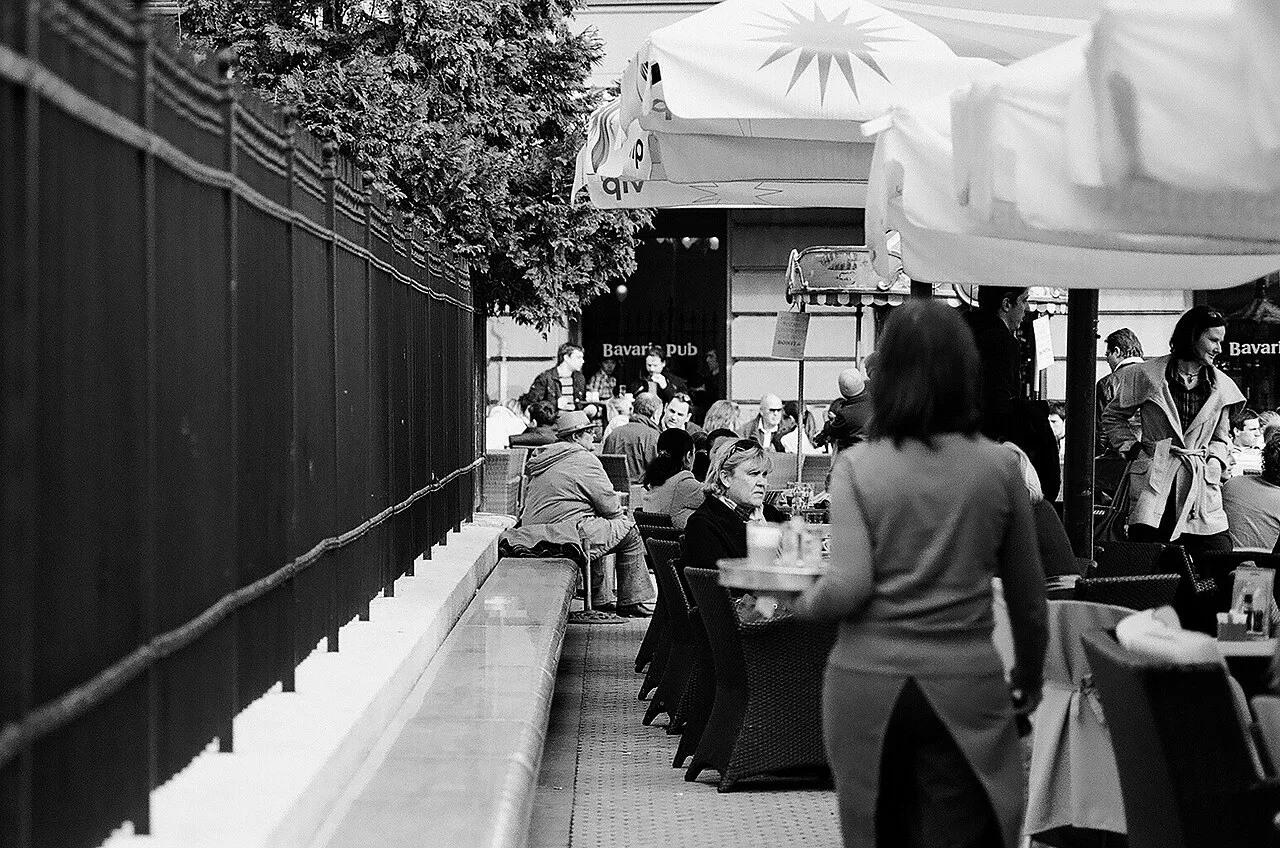
Expect a walk of roughly three hours that alternates standing tastings with short seated pauses, the guide handling the ordering at each stop. The strongest versions mix savoury street food with a couple of traditional dishes and something sweet, so you finish having eaten a cross-section rather than a single cuisine. Because the centre is compact, most of the time goes on eating and talking rather than moving.
Coffee belongs to the city's food identity and often opens or closes a tasting. Zagreb has a serious specialty scene: Cogito, one of Croatia's first specialty roasters, was founded in 2014 and now runs cafés in the city and beyond.
Ask what is poured alongside the food. Croatian wine may feature in small measures at a seated stop, but a tasting tour is not a drinking session, so check that a glass with lunch is actually listed.
The dishes and stops you are most likely to taste
A Zagreb tasting usually opens with something from the market or a bakery counter. Burek, a spiral of thin pastry filled with meat, cheese or apple, is the classic quick bite; for a wider survey of the city's signature plates, from štrukli (baked cheese-and-pastry rolls) to sarma (cabbage leaves stuffed with meat and rice), work through a Zagreb food guide before you go.
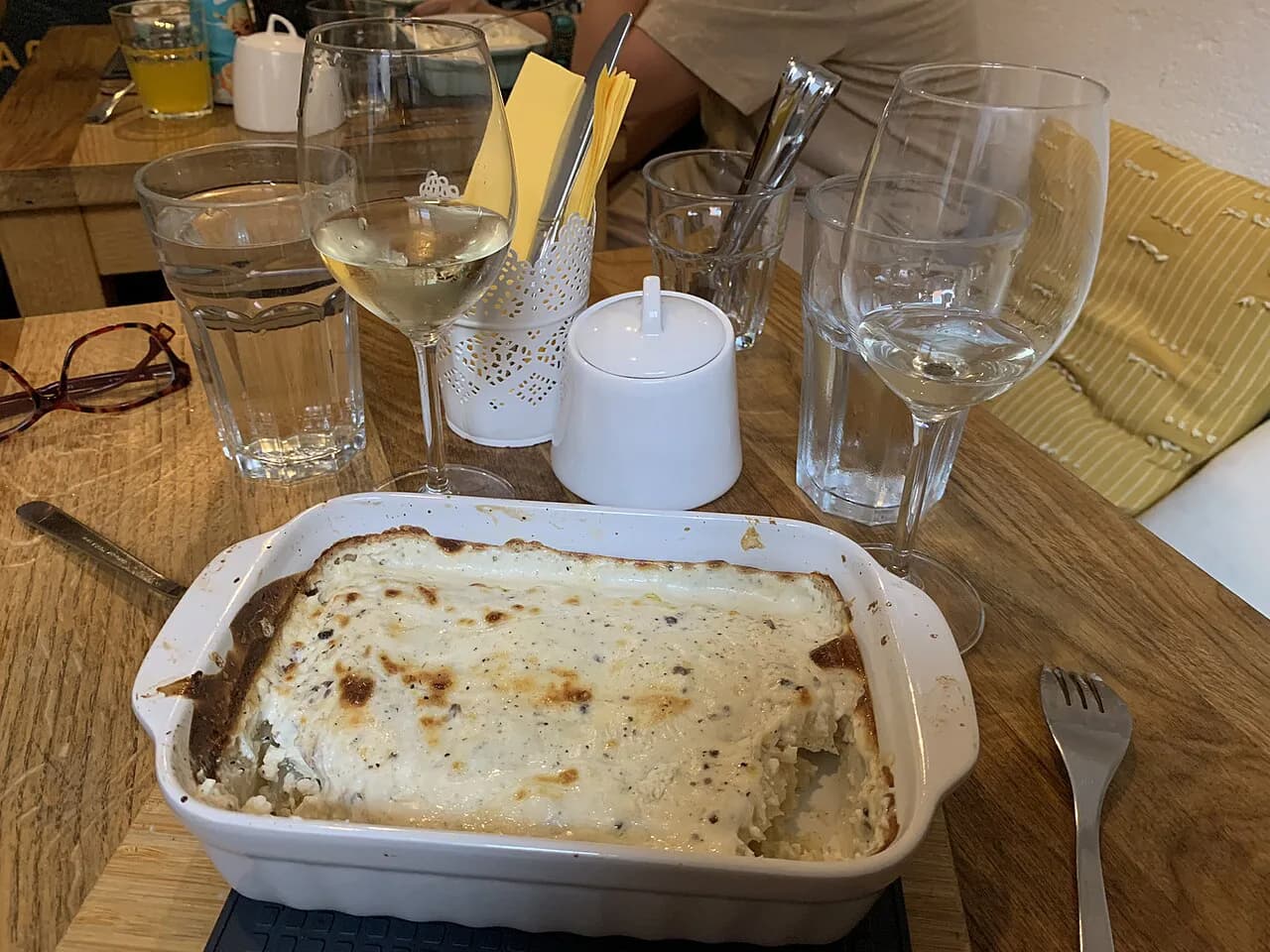
Cured meat is the other recurring theme. Kulen, a spicy cured pork sausage, is the one visitors most often meet on a tasting board, usually sliced thin with bread and something pickled. Sit-down stops tend to bring a warm dish in the gablec tradition, a plain cooked midday plate such as a stew or a roast with potatoes.
Sweet things and street food fill the gaps, and some operators lean harder on the casual end of the city's eating. For the cheap, quick formats worth knowing, including market bakery counters and grill shops, read this guide to street food in Zagreb.
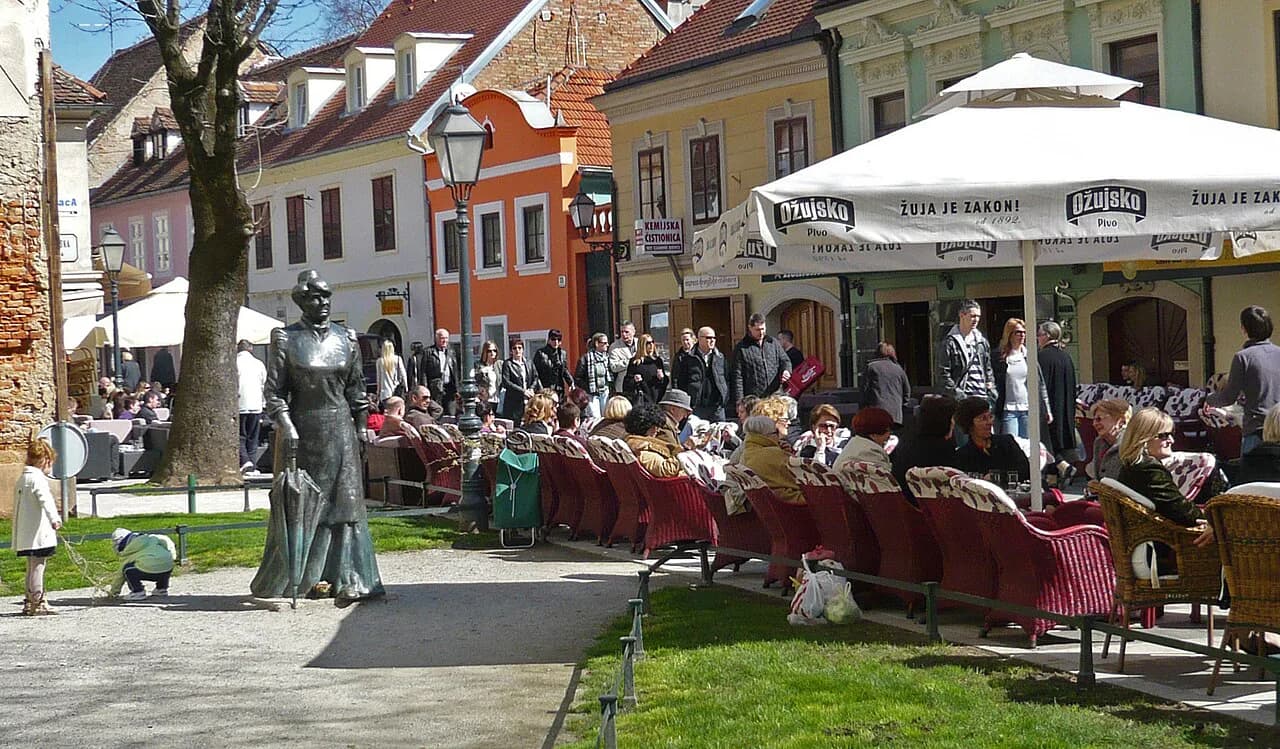
If ćevapi appear on the itinerary, they are grilled minced-meat rolls served with flatbread and raw onion, a Balkan staple rather than a Zagreb invention but a common stop on tasting routes. The city's market culture supplies the rest: Dolac for produce, cheese and cured meat, and Britanski trg market, the Saturday morning market on the upper edge of the centre, for a quieter, more local round of stalls.
Group size, walking distance and pace: what small-group means in practice
Small group is a loose label, so ask for the actual cap when you enquire. A group of eight moves through Dolac quickly and can be seated together at a counter, while a group of sixteen slows every stop and turns a three-hour walk into a four-hour one. The number also decides how much you can ask the guide, which is much of what you are paying for.
Distances are modest: a route based around Ban Josip Jelačić square and Dolac rarely covers more than a couple of kilometres, but the ground is cobbled and includes stairs between the lower town and the Upper Town. Comfortable shoes matter more than fitness, and it is worth flagging in advance if stairs or long stretches of standing are a problem.
Morning versus afternoon starts and how that fits a market visit
A morning start is the better fit for a market-led tour. Dolac is a working market, busiest and best stocked early, so a guide who takes you through it before the lunch rush can explain what is in season and buy on the spot. The trade-off is an early alarm and a lighter breakfast than you might want.
Afternoon tours lean on sit-down dishes and the café side of the city, and they suit a day when you have spent the morning walking the centre. Start times are set per departure and per season by the tour company, so check yours and leave a clear gap before any evening meal.
Tasting tours versus a self-guided eat-and-walk route through the centre
A guided tasting buys you interpretation, pre-arranged stops and a guide who can translate a menu and explain why a dish matters. That is worth the money on a short stay, with a group that wants structure, or if you would rather not research each counter yourself, and it gets you into the market with someone who knows the vendors.
A self-guided route costs whatever you choose to spend and runs at your own pace. Start at Dolac, buy burek from the bakery counter at the market, then loop down to the gablec places around Petrinjska and Frankopanska for a cheap cooked lunch; a well-known example is Gablaona on Petrinjska, which serves a daily menu of home-style dishes including sarma and goulash at lunchtime.
The honest trade-off is depth against cost and control. A guided walk covers several tastings with context; the same money spent on your own buys two or three proper meals but no explanations, and you will spend part of the day deciding where to go next. If you want the food history as well as the food, the guided version wins; if you want a long, cheap, unstructured lunch, it does not.
How to choose between operators: group size, dietary needs and what is included
Compare four things before booking: the maximum group size, the number of tastings, whether drinks are included and whether the route sits on flat ground. Ask directly about vegetarian and gluten-free needs, because a tasting built on pastry, bread and cured meat is hard to adapt at short notice, and a clear answer by email is a better signal than a promise on a booking page.
Check what the fee covers beyond food, including whether coffee, wine and water are part of it and whether the guide is tipped. If a tour is marketed mainly on brunch-style café stops rather than market and traditional dishes, that tells you what kind of day it is; the guide to Zagreb cooking classes is the better route if you would rather cook than taste.
Read the route, not just the reviews. A tour that spends its time in the lower town around Jelačić square is not the same as one that works through Dolac and the Upper Town, and a market stop late in the afternoon will not show you the market at its best.
Booking in high season and how far ahead to plan
Zagreb is busiest through the warmer months and over the Advent period, and small-group tours sell out first at weekends. Book a week or two ahead for a weekend slot and longer if you need a specific date, a private departure or a dietary substitution; outside those peaks, a few days is usually enough.
Pay on the operator's own site where you can, keep the confirmation with the meeting point and a contact number to hand, and confirm the day before, since guide availability is the usual reason a departure moves. If your plans are tight, book the tour for your first full day and leave the rest of the trip free.
Where the food stops sit relative to Ban Jelačić square and Dolac
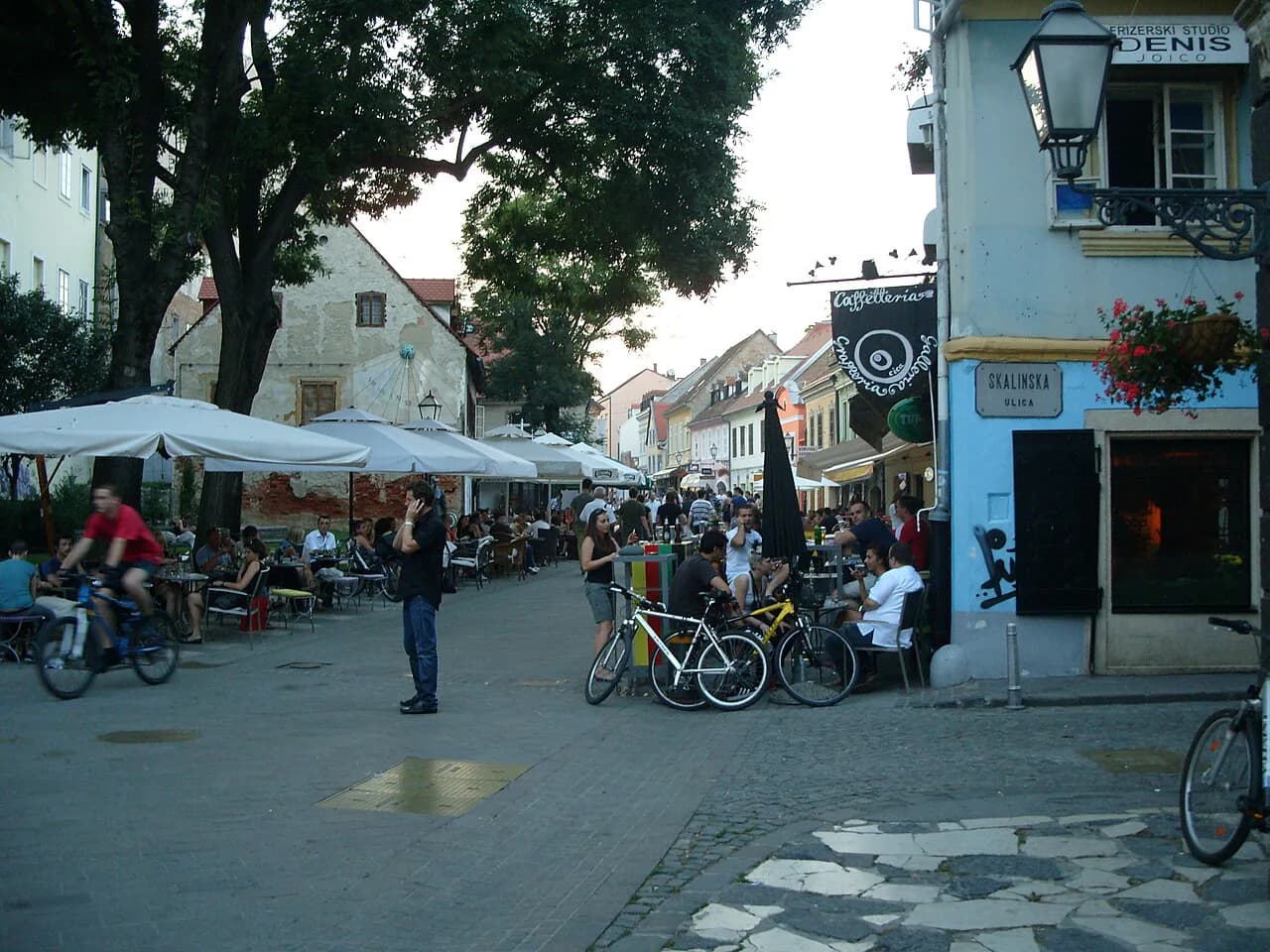
Nearly every tasting route is anchored on the main square, with Dolac market a two-minute walk north up the steps. That puts the market, the main shopping streets and the gablec lunch places of Petrinjska and Frankopanska within a small triangle, which is why three hours is enough to eat properly without spending the day in transit.
When you read a route description, map the stops against that triangle. A tour that includes the Upper Town adds stairs and a few minutes of walking for the older streets and the view; one that stays in the lower town will fit in more tastings.
Pairing a tasting tour with a sit-down konoba meal later the same day
A three-hour tasting is a substantial amount of food, so do not book a big lunch on top of it. Put the tour in the late morning or early afternoon, keep the middle of the day light, and book a sit-down dinner for the evening, when a konoba table and a slow-cooked dish make sense. If peka, meat or fish roasted under a metal lid, is what you are after, that needs ordering ahead at most places.
Two practical points make the pairing work. First, choose a dinner venue within walking distance of your last tour stop so you are not crossing the city on a full stomach. Second, check the price structure before you sit down, since fish is often sold by weight; the guide to Zagreb food prices explains how that works in the city.
If you are in Zagreb long enough for two food-led days, spend one on the guided walk and one on a konoba dinner with a dish you would not have ordered alone. That combination covers both the breadth of a tasting and the depth of a single long meal.
Should you book the tour or build your own crawl?
Book a guided tasting if your stay is short, if you want the market explained as you walk through it, or if you are travelling with people who would rather follow than plan. Build your own crawl if you want to eat more cheaply, linger over a gablec lunch and set your own pace between Dolac and the centre.
Either way, anchor the day on the main square, start at the market while it is still busy, and leave the evening free for a proper sit-down meal. That sequence gets you the best of Zagreb's food in a single day without rushing any of it.
Explore more Zagreb guides
Sources
Notes on eating well in Croatia
Optional updates to our food guides.
You might also like
Continue reading
More guides you'll find useful