Pula Food: What to Eat and Where to Eat It
Pula food means Istrian pasta, grilled Adriatic fish, pršut and market-morning bakeries. Here is what to order, where to eat it and how the markets work.
On this page
Pula food is Istrian cooking with a working port's appetite: grilled Adriatic fish, squid, blitva (chard with potato), pršut (dry-cured ham), pasta and grilled meat, eaten at ordinary prices in the centre and around the markets. Start with the dishes below, then pick a venue by meal: a market lunch, a bistro dinner or a cheap grill plate.
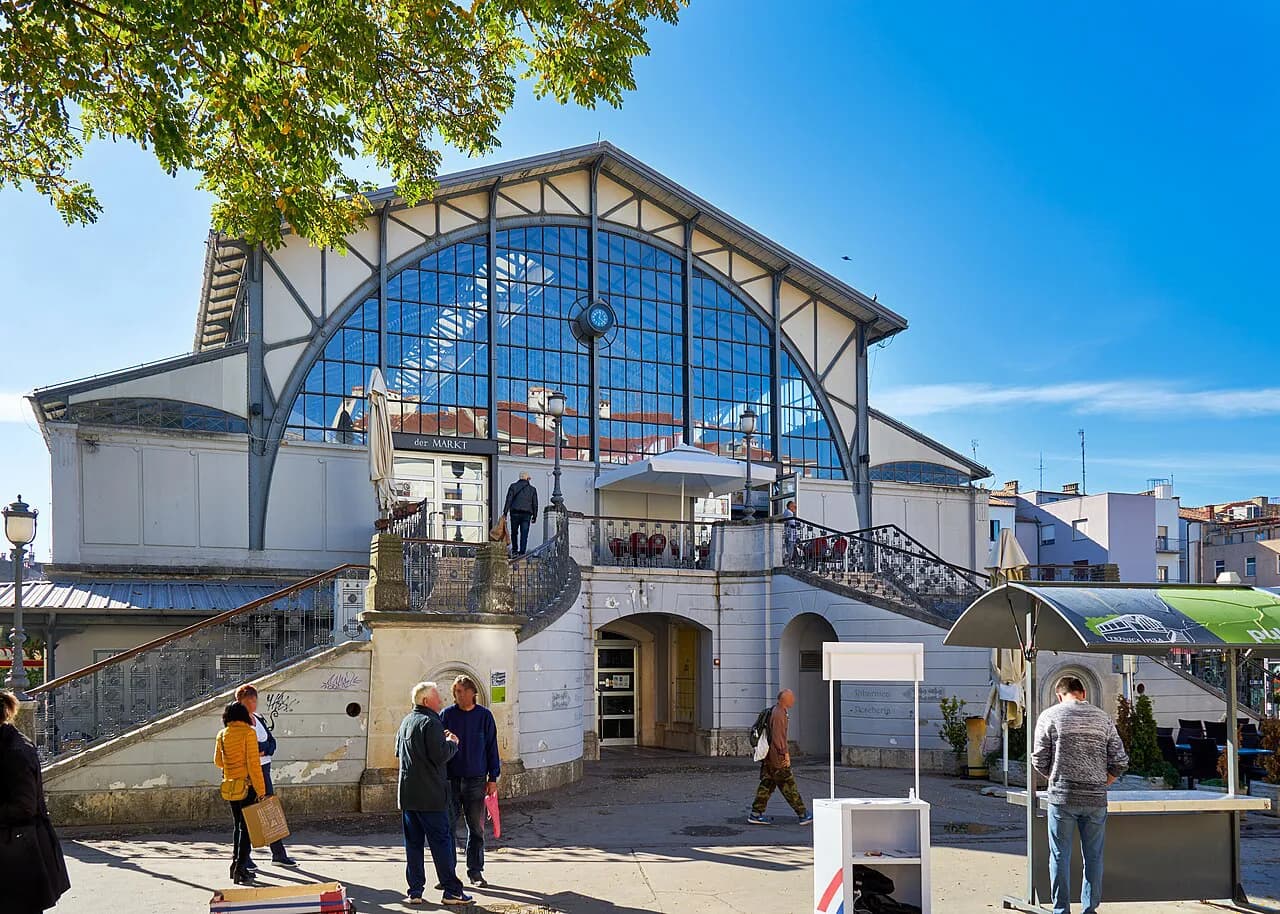
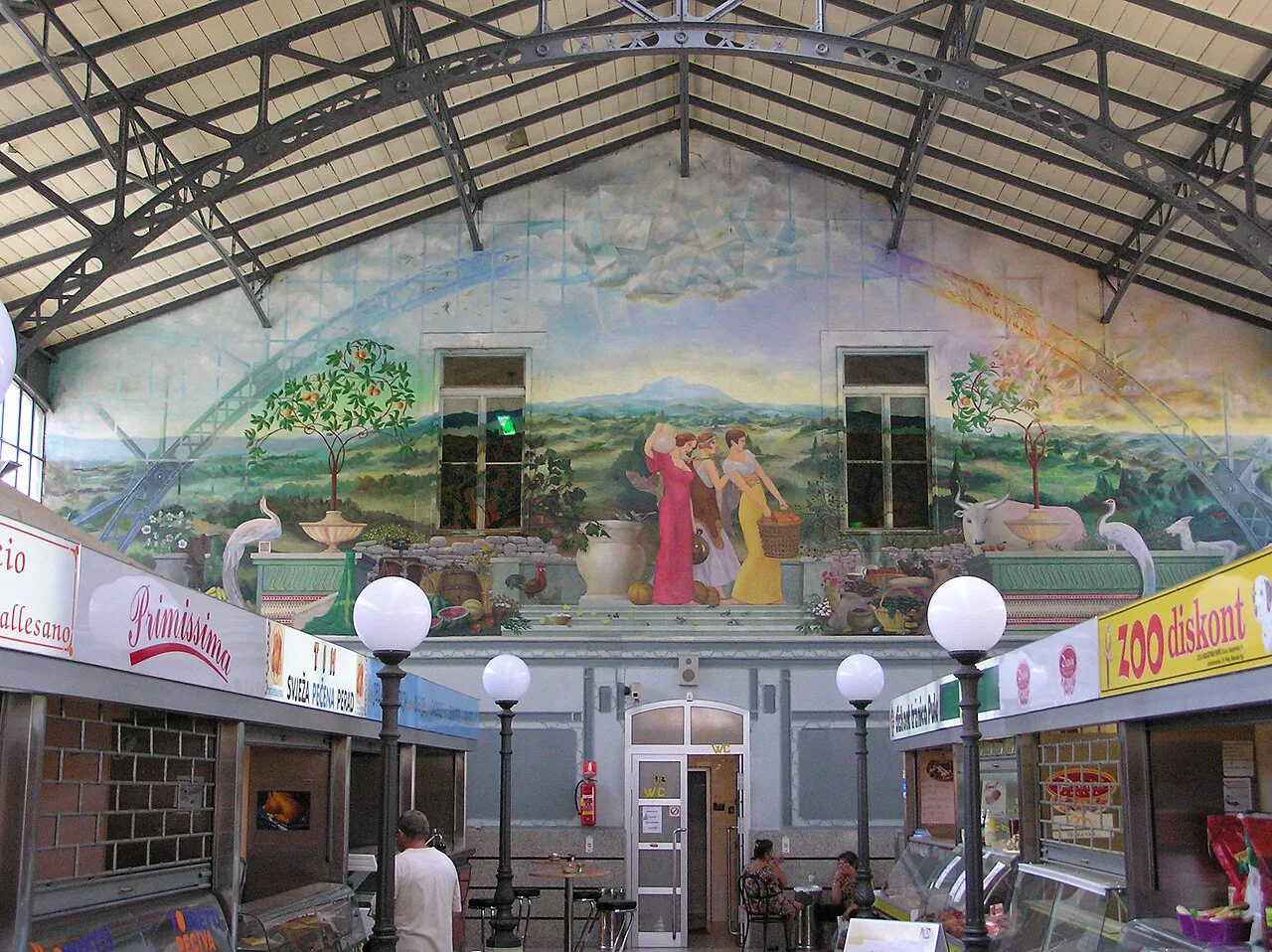
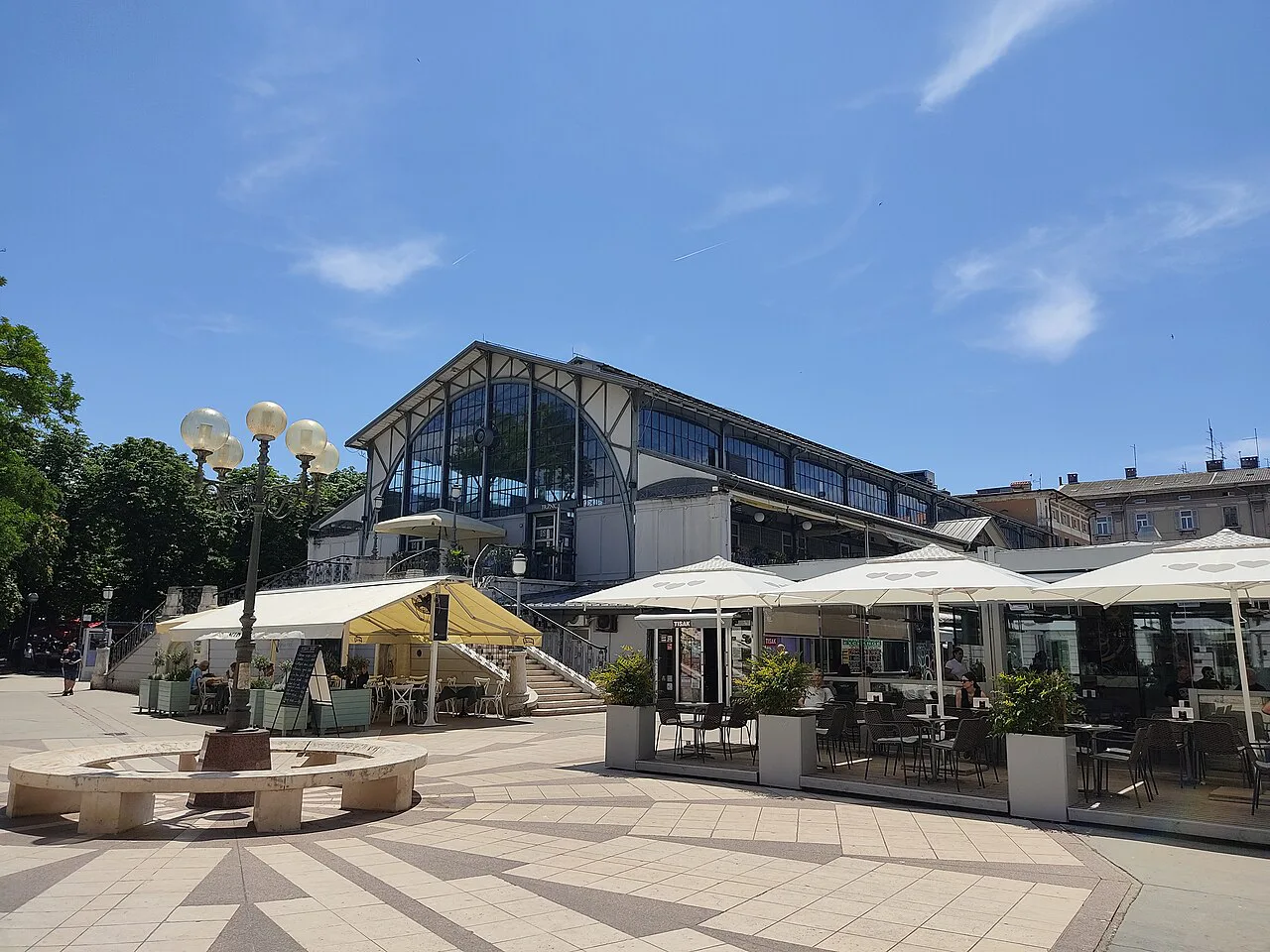
The city rewards anyone who plans around its two market areas. The Centar market on Narodni trg holds the morning food trade, while Veruda has its own neighbourhood market and fish shop, and the restaurants clustered near the indoor market make the freshest seafood the easiest lunch decision in town.
What Pula food is
This is an industrial port city rather than a polished resort, and its cooking reflects that: honest Istrian plates, seafood landed nearby and a strong tradition of cured pork and simple starches. Expect olive oil, grilled fish, shellfish, pasta and gnocchi on the same menu as pork skewers and flatbread.
The regional larder shows up in the detail: pršut, local cheeses, blitva alongside seafood, and game dishes such as boar. Truffles appear on some menus in the wider Istrian style, usually shaved over pasta or eggs rather than treated as a headline.
Croatian food here is not Greek food, despite the shared Adriatic coastline. The kitchen leans on cured pork, chard and potato, grilled minced meat in the ćevapi style and Istrian pasta, with Italian-inflected seafood cookery rather than an oil-heavy mezze spread.
The dishes to order first in Pula
Begin with pršut and local cheese, ideally at the start of a longer lunch. Pršut is Istria's dry-cured ham, sliced thin and served with bread, and it sets up the seafood that usually follows.
Grilled white fish and squid are the safest measures of a kitchen, and both generally arrive with blitva, the garlicky chard-and-potato side that appears almost everywhere seafood is served. Order one grilled fish and one squid dish between two people and you will see how the kitchen handles the essentials. If you are comparing this order with the Adriatic south, Dubrovnik food is a useful counterpoint for what grilled fish and squid cost on a tourist-heavy coast.
Black gnocchi is the dish to seek out if you want something less ordinary: potato gnocchi coloured with squid or cuttlefish ink, in the same family as black risotto. At Bistro Alighieri on Danteov trg it comes with shrimp and peaches, an unexpectedly sweet pairing, alongside a mixed seafood plate the restaurant calls Sea Trio, with squid, prawns and white fish on blitva.
For a fuller Istrian dish, look for game: at Bistro Romantic Alley, boar with homemade gnocchi is a house speciality, darker and gamier than pork. Octopus with blitva is the other dish to keep an eye out for when you want something between fish and meat.
Ćevapi and grilled meat alongside the seafood
Ćevapi, small grilled minced-meat sausages, are the budget answer to a seafood-heavy week: served with flatbread, onion and a relish, they fill you for the rest of the day. Pečenjara Brod near the markets turns them out in big portions at the cheap end of the scale.
For a sit-down grill meal, Grill restaurant Odisej does pork skewers and chicken wrapped in ham with relish, fries and a large fresh flatbread, and it has shaded indoor and outdoor seating. It is the kind of place to choose when half the table wants meat and the other half is tired of fish.
Orfej, a short walk from the Forum, runs a broad menu of grilled meat, seafood, salads and pizza, which makes it a practical choice for a group whose order does not line up. It is also the sort of place where a pizza eater and a fish eater can both be satisfied without splitting the bill across two venues.
Cheap lunches in the centre
A bistro lunch is one way to eat well in the old centre. Bistro Romantic Alley on Maksimijanova ulica serves traditional Istrian cooking, including boar with gnocchi and octopus with blitva.
The other cheap option is to eat where the market crowd eats. The stalls and small kitchens around the market halls keep lunches simple, and a market sandwich or a plate of grilled meat will cost far less than a terrace on the Forum. If you want a guided route through the stalls and the kitchens that use them, a Pula Food Tour is a way to cover several stops in one morning.
If you are planning a day around the Arena and the Forum, eat early and cheaply at the market that morning, then use the evening for a proper sit-down meal.
Seafood lunches at the market: Restaurant La Vita
Restaurant La Vita is a market lunch in Pula because it sits on the upper floor of the indoor food market, close to the fish hall, with a balcony and an indoor dining room. The kitchen specialises in fresh local seafood, and a trio of grilled white fish, squid and prawns is the obvious order.
The setting does most of the work: you eat above the comings and goings of the market, which makes it a natural lunch stop after a morning shopping the stalls. The trade-off is that the menu is mostly seafood, so a meat eater in the group will have less choice here than at Orfej or the grill houses.
Pula's two markets
The Centar market on Narodni trg is the city's main food market, and its morning trade is worth planning around. The tourism office lists morning sales from 7:00 AM to 1:30 PM, afternoon sales from 1:30 PM to 8:30 PM, and shorter Sunday and public-holiday hours, from 7:00 AM to 12:00 PM, extended to 3:00 PM on Sundays and public holidays during June.
Veruda has its own neighbourhood market in Tomasinijeva ulica, which is open early and effectively all week, plus the Ribarnica Sardelina fish shop next door in Tomasinijeva 32, open Monday to Saturday in the morning and closed on Sundays. If you are staying in the Šijana or Veruda parts of town, this is the more convenient market for a self-catering breakfast.
The Veruda market opens at 6 AM on weekdays, has shorter Saturday hours and is open on Sunday mornings too, so it suits an early start rather than a lie-in. The Ribarnica closes at lunchtime Monday to Saturday, which means fresh fish is a morning errand, not an afternoon one.
Buying fish by the kilo
In Croatia, fish bought from a ribarnica is sold whole and weighed by the kilo, so the price depends on the size of the fish, not the number of portions. If you plan to cook, ask for the fish to be scaled and gutted, and allow for the fact that weight falls after cleaning.
The practical rule is to buy early and be flexible: the Ribarnica Sardelina morning session at Veruda is the freshest window, and what is left late in the day is whatever did not sell. If you are eating out instead, a fish restaurant prices fish the same way — by the kilo — which is why a whole grilled fish can cost more than a plate of pasta.
Coffee and cakes
Pula's café culture is cheap and unhurried, and the best seats are often upstairs at the market rather than on the main squares. Caffe Bar "M" on the upper level of the market hall has a balcony over the outdoor stalls, table service and a cheap range of coffees, which makes it a good stop after the Centar market.
There is also a Mlinar café in the market area, a sit-down branch of the Croatian bakery chain with table service, useful if you want pastries and a proper cup instead of a quick counter espresso. Away from the market, Cafe Sirena on the Forum serves coffee, pastries and desserts with a view over the square, best visited before the tour groups arrive.
For a sweet finish, keep the Istrian repertoire in mind: kremšnita (a custard-slice cake) and simple pastries are the usual café orders in this part of Croatia. Bakery breakfasts from a pekara (bakery) are the cheapest way to start the day, especially if you are heading to the Arena early.
Booking and timing
The sensible pattern in Pula is a market lunch and a centre dinner. Seafood restaurants near the indoor market fill at midday when the fish is freshest, while the bistros around Danteov trg and Maksimijanova are evening places where a slower meal makes more sense.
In high season, dinner tables in the old centre are the ones worth booking ahead, especially at weekends. Lunch is usually the easier meal to get into without a reservation, and the market kitchens turn over quickly.
For a konoba-style meal with local cooking, the konobas in and around Pula are the alternative to the bistro and pizzeria end of things. They tend to suit a longer, simpler dinner of grilled fish or meat with a glass of Istrian wine. The Konobas in Pula guide lists the options by area so you can pick one near where you are staying.
Touristy terraces versus local places
The trade-off is straightforward: a terrace near the Arena or on the Forum buys you a view and convenience, while a place a few streets away usually means a calmer table. Caffe Bar La Resistance next to the amphitheatre is the obvious view-plus-coffee choice, with a covered terrace for shade and table service.
For cheaper drinks and a more everyday feel, the neighbourhood bars around Veruda and the market are better value than the old-town front row. Restaurant Admiral near Marina Veruda is a good example, with a terrace and a seafood platter of whole fish, sardines, mussels, squid and langoustines for two.
If you want to cook rather than eat out, a Pula cooking class is the other way to get close to the local ingredients, working with what the market sells that morning. It suits anyone staying a few days who wants more than restaurant meals.
Which Pula meal should you plan first?
If you have one meal in Pula, make it lunch at the market: grilled fish or a seafood trio at Restaurant La Vita, then coffee on the balcony at Caffe Bar "M" and a walk through the Centar stalls. It is the meal that shows how the city eats, and it leaves your evening free for the old centre.
If you have two, add dinner at Bistro Alighieri for the black gnocchi and the Sea Trio, or Orfej if your group wants pizza and grilled meat alongside the fish. For a cheaper, meatier day, ćevapi at Pečenjara Brod and pork skewers at Grill restaurant Odisej keep the bill down without leaving the centre.
For a more local rhythm, head to Veruda: the market and the Ribarnica Sardelina open in the morning, and Restaurant Admiral nearby is a good spot for a long seafood lunch by the marina.
Explore more Pula guides
Frequently Asked Questions
What food is Pula known for?
Pula is known for Istrian cooking with a strong seafood base: grilled Adriatic fish, squid, blitva, pršut, boar with gnocchi and ćevapi. Black gnocchi and mixed seafood plates with blitva are the dishes most worth seeking out.
Where can I eat cheaply in Pula?
The best value is around the markets. Pečenjara Brod near the markets serves large portions of ćevapi with flatbread and onion, Grill restaurant Odisej does pork skewers and chicken wrapped in ham with fries, and the market hall cafés keep coffee cheap.
How is fish sold in Pula?
Fish from a ribarnica is sold whole and priced by the kilo, so the cost depends on the size of the fish. Restaurant fish is usually priced the same way, which is why a whole grilled fish often costs more than a pasta dish.
What are the market opening hours in Pula?
The Centar market on Narodni trg runs morning sales from 7:00 AM to 1:30 PM and afternoon sales from 1:30 PM to 8:30 PM, with shorter hours on Sundays and public holidays, and sales to 3:00 PM on Sundays and public holidays during June. The Veruda market opens from 6 AM on weekdays, with shorter Saturday hours and a Sunday morning session, and Ribarnica Sardelina is open Monday to Saturday mornings only.
Do I need to book restaurants in Pula?
Booking is most useful for dinner in the old centre during high season, especially at weekends. Lunch at the market is usually easier to get into without a reservation.
Sources
Notes on eating well in Croatia
Optional updates to our food guides.
You might also like
Continue reading
More guides you'll find useful