Bakeries in Pula: Where to Buy Bread, Burek and Pastries
A practical guide to buying bread and pastries in Pula, from the morning market on Narodni trg to the bakery cafés around the market hall.
On this page
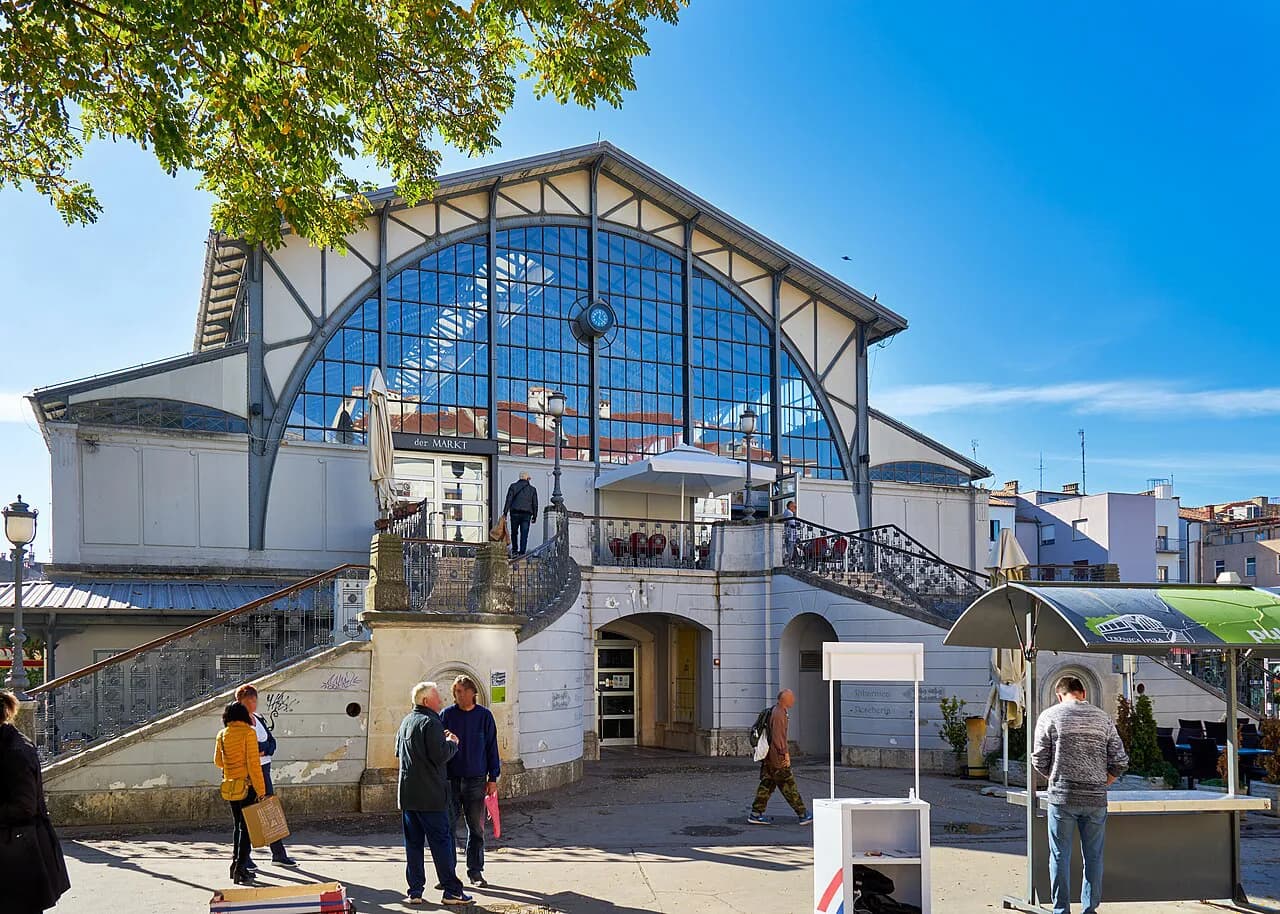
For the best bakery breakfast in Pula, head to the market before the heat builds: the city market on Narodni trg opens its morning sales early, so bread, cheese and pršut are all in one place by the time you want to eat. Coffee is a short walk away around the market, while a takeaway counter such as Mlinar covers the grab-and-go option. This guide explains how a Croatian pekara works, what to buy at the stalls, and how to choose between the three; for cafés see our guide to Coffee in Pula.
What Pula's bakeries sell and how a Croatian pekara works
A pekara is a bakery shop, and in Pula it usually means a counter selling loaves, rolls, burek and sweet pastries rather than a place with table service. You point at what you want, pay at the till or counter, and take it away in a paper bag; some larger bakery cafés also have seating, which is where the two styles divide. Croatian bakeries commonly trade from early morning, so the freshest choice is before the working day starts.
Expect white and semi-white loaves, small rolls, and savoury pastry by weight or piece, plus a few sweet options. Burek, the coiled or layered pastry, is a Croatian bakery staple rather than a Pula speciality, and it comes with cheese, meat or no filling at all. If you are self-catering, buy the loaf you will actually finish: Croatian bread is best on the day it is baked.
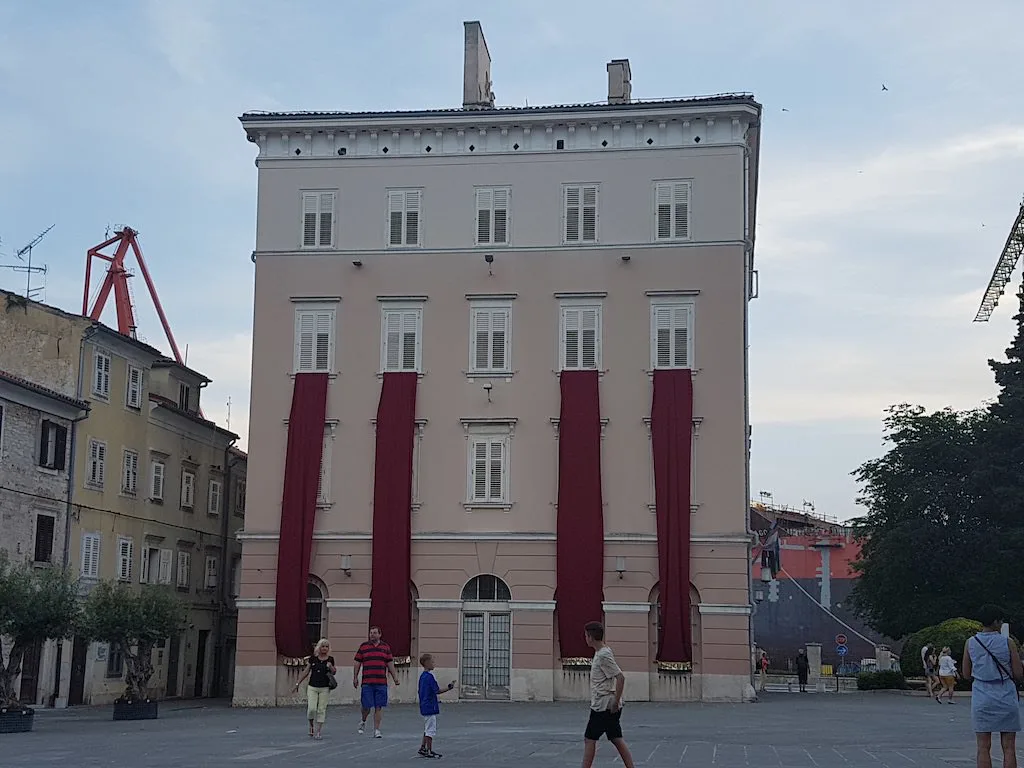
The morning market on Narodni trg: bread, cheese and pršut for a picnic
The city market sits at Narodni trg in the centre of Pula, and its published morning sales run from 7:00 to 13:30, with afternoon sales from 13:30 to 20:30. On Sundays and public holidays it opens from 7:00 to 12:00, and on Sundays and public holidays in June that window extends to 15:00. Those are market hours, so treat an early start as the reliable way to catch the fullest stalls.
Build a picnic from three counters: bread from a bakery stall, a wedge of local cheese, and a few slices of pršut, the Croatian cured ham. Istrian pršut is the regional version, and a small amount goes a long way with a tomato and a roll. Bring a cloth bag and a knife if you are eating outdoors, and buy your bread last so it stays crisp on the walk.
The city market complex at Narodni trg is in the centre of Pula, while the fish hall, Ribarnica Sardelina, sits on Tomasinijeva ulica 32 in the Veruda area, trading Monday to Saturday from 8:00 to 13:00 and closed on Sundays. For a wider look at the market's stalls, the Pula fish market is the place to start if seafood is on your list.
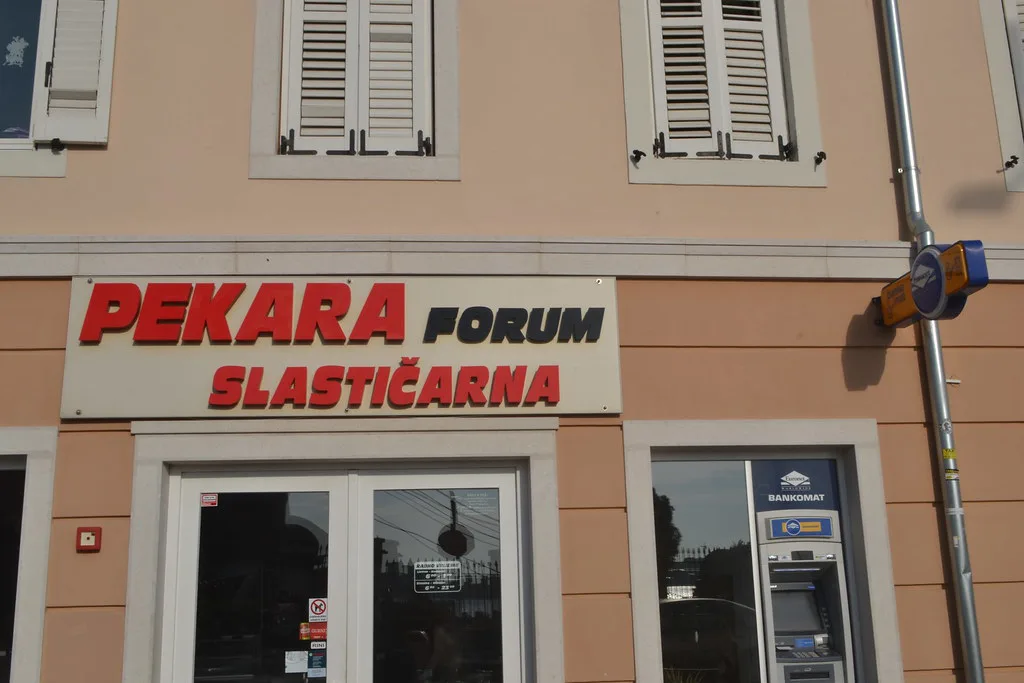
Bakery cafés around the market hall: sitting down for coffee and a pastry
Around the market hall you will find cafés and eateries where you can sit down with a coffee and a pastry rather than queueing at a counter. They suit a slow start; if you want to eat and move, the takeaway counters are quicker.
Order a coffee the Croatian way — a small espresso or a slightly longer white coffee — with a sweet pastry alongside, and you have the standard local breakfast. Bakeries and cafés around the centre sit within a few minutes of the market, so you can compare a pavement seat with a quick counter without committing to a long detour. If you want a full cooked morning meal instead, the best breakfast in Pula tends to come from the cafés rather than bakery counters.
Mlinar in Pula: what to buy and why it suits a quick breakfast
Mlinar is the Croatian bakery chain you will see across the country, known for croissants and burek as well as coffee. A croissant or a warm burek with a coffee is the obvious quick breakfast. For an early start, a chain bakery can be the dependable option when you want to grab something quickly.
Use it as a backup rather than a destination: it is fast and easy, but it will not show you anything you cannot find in Zagreb or Split. Pair it with a market shop for the picnic items and keep the bakery visit to coffee and one pastry. Pay at the counter and keep the visit short.
Burek, croissants and savoury pastries: what to order and what they are
Burek is the pastry to try first: layers of thin dough rolled into a spiral and baked, filled with minced meat, cheese or nothing at all, and sold by the piece or the slice. It is at its best warm from the oven, so ask what has just come out rather than taking the last one on the tray. Eat it with a yoghurt drink or a coffee, the way it is normally eaten in Croatia.
Beyond burek, Croatian bakeries sell croissants, plaited sweet breads, jam-filled pastries and small savoury rolls with cheese or ham. Nothing here is a Pula speciality, so judge by freshness rather than regional pedigree. A plain roll with cheese and a tomato is the cheapest decent breakfast in town if you are watching the budget.
Buying bread for a self-catering stay: quantities, timing and keeping it fresh
Buy small and often rather than a big loaf on day one: Croatian bread has no preservatives worth relying on, and it stales within a day or two. A roll per person for breakfast and a half loaf for lunch is a sensible starting ratio for a couple. Ask for the bread sliced if you are taking it to a beach or a park.
Store it in a cloth bag rather than a plastic one, and revive a stale loaf by sprinkling it with water and warming it in the oven. If your apartment has a freezer, slice and freeze half on the day of purchase. The market is a better bet than a supermarket for a single fresh loaf; the supermarkets in Pula are where you go for butter, jam and the rest of the shop.
Pula bakeries compared: market stall, bakery café or grab-and-go counter
Choose the market stall for freshness and a picnic, the bakery café for a sit-down coffee and pastry, and the chain counter for speed on a day when you are leaving early. The market on Narodni trg is the best all-rounder because you can buy bread, cheese and ham in one stop. A bakery café adds a few euros to the bill, but it gives you a table and a proper cup of coffee.
If your apartment is away from the centre, Tržnica Veruda on Tomasinijeva has its own hours — Monday to Friday 6:00 to 19:00, Saturday 6:00 to 13:00 and Sunday 7:00 to 13:00 — and a smaller neighbourhood feel, with the Ribarnica Sardelina fish shop on the same street. Check the market's own published hours before you walk over, since the two sites keep different schedules. Either way, go early: the best bread is gone by mid-morning.
Where to buy your first loaf in Pula
Start at the market on Narodni trg: bread, pršut and cheese in one stop, with seating around the market if you want to sit. Keep Mlinar for early departures and the days when you want a dependable croissant and coffee. Morning is the whole game — the earlier you go, the better the choice.
Explore more Pula guides
Frequently Asked Questions
Do I need cash at Pula bakeries?
Croatia uses the euro, so there is no currency exchange to worry about. For small counter purchases, a few euro coins are worth carrying as a backup, and card payment is common in Croatian shops and cafés.
Sources
Notes on eating well in Croatia
Optional updates to our food guides.
You might also like

Continue reading
More guides you'll find useful